Los símbolos de rareza de las cartas Pokémon japonesas son sobre todo códigos de letras cortos — C, U, R, RR, RRR, AR, SR, SAR, UR, MUR y unos pocos más — impresos como un pequeño icono junto al número de colección, y el buscador oficial de cartas enumera dieciocho de ellos como filtros.
Abriste un sobre japonés, sacaste una carta marcada SAR y quieres saber de qué nivel se trata y cómo encaja con los nombres en inglés que aprendiste primero. Los sets japoneses combinan niveles de juego (C, U, R, RR) que llenan el sobre con niveles de caza (AR, SR, SAR, UR, MUR y los más nuevos MA y FUR) que ocupan el final de la lista, y los nombres ingleses de Scarlet & Violet no se corresponden uno a uno con todos los códigos japoneses.
Las rarezas japonesas actuales van de Common (C) a MUR, más MA y el nivel FUR introducido con el set 30th CELEBRATION (M6a, lanzado el 16 de septiembre de 2026). Cada nivel incluye su marca oficial, el nombre japonés cuando una página oficial lo imprime, su equivalente en inglés y una carta de ejemplo con su precio de oferta más bajo en SNKRDUNK con fecha. Las probabilidades de obtención no llevan cifras porque The Pokémon Company no las publica.
Enviamos cartas Pokémon japonesas desde Tokio. Las cifras en USD se convierten a ¥154/USD, de forma aproximada. Cada cifra de mercado es un precio de oferta más bajo en SNKRDUNK con su fecha, no una venta completada.
Japanese rarity is printed as a mark next to the collection number. Modern cards print letters (C, U, R, RR, RRR, AR, SR, SAR, UR, MA, MUR); the symbols ●, ◆, ★ and ☆ appear only on older-era icons. SAR is the headline modern rarity, MUR is the top Mega Evolution tier, MA (Mega Attack Rare) debuted with M2a, and FUR (Futuristic Rare) debuted with the 30th CELEBRATION set on September 16, 2026.
- Sección nueva: una tabla de símbolos de rareza que une cada etiqueta japonesa oficial con su nombre en inglés y una carta de ejemplo.
- La columna de símbolos coincide con los iconos de la base de datos oficial de cartas; las columnas de probabilidad de obtención y rango de precios se sustituyen por precios de oferta de SNKRDUNK con fecha.
- Precios de tienda y estados de producto revisados de nuevo; las cajas de sobres M6a y M6 están enlazadas con sus precios actuales.
Lista completa de cartas: todas las cartas del set con su imagen oficial, en orden numérico — lista de cartas de 30th CELEBRATION (M6a).
¿Qué son las rarezas de las cartas Pokémon japonesas?
Las cartas Pokemon japonesas se dividen en dos grandes grupos: las rarezas del set regular (C, U, R, RR), que forman el grueso de un sobre, y las rarezas de caza (AR, SR, SAR, UR, MUR), que ocupan el final de la lista. Además, The Pokémon Company introduce rarezas ligadas a épocas concretas: CHR (Character Rare) y CSR (Character Super Rare) en la era Sword & Shield, MA (Mega Attack Rare), que la página oficial de M2a presenta como nueva rareza, y FUR (Futuristic Rare, フューチャリスティックレア), que debutó con el set 30th CELEBRATION (M6a) el 16 de septiembre de 2026.
La marca de rareza es un icono impreso junto al número de colección. En la base de datos oficial, cada carta muestra el número de colección seguido del icono de rareza, y los iconos de las cartas modernas imprimen las propias letras: C, U, R, RR, AR, SR, SAR, UR, MA, MUR. Los símbolos ●, ◆, ★ y ☆ existen solo como iconos de eras anteriores, y ningún icono oficial imprime “★★”, así que una Double Rare se lee RR, no dos estrellas. El lado inglés es distinto: la página de soporte de pokemon.com dice que el símbolo de rareza está en la esquina inferior derecha de la carta.
| Rareza | Marca en el icono oficial | Nombre japonés oficial | Ejemplos de sets |
|---|---|---|---|
| Common (C) | C (modern); ● on older-era cards | not printed on an official page | S12 Paradigm Trigger |
| Uncommon (U) | U (modern); ◆ on older-era cards | not printed on an official page | SV2a Pokemon Card 151 |
| Rare (R) | R (modern); ★ on older-era cards | not printed on an official page | SV2a Pokemon Card 151 |
| Double Rare (RR) | RR | not printed on an official page | SV9 Battle Partners |
| Triple Rare (RRR) | RRR | not printed on an official page | S12a VSTAR Universe |
| AR (Art Rare) | AR | アートレア | SV9, SV10, M2a |
| SR (Super Rare) | SR | not printed on an official page | SV9 Battle Partners |
| SAR (Special Art Rare) | SAR | スペシャルアートレア | SV9a, SV10, M2a |
| UR (Ultra Rare) | UR | not printed on an official page | SV9a, S12a |
| MA (Mega Attack Rare) | MA | メガアタックレア | M2a MEGA Dream ex |
| MUR (Mega Ultra Rare) | MUR | not printed on an official page | M2a, M6 |
| FUR (Futuristic Rare) | FUR | フューチャリスティックレア | M6a 30th CELEBRATION |
| CHR (Character Rare) | CHR | not printed on an official page | S10a Dark Phantasma |
| CSR (Character Super Rare) | CSR | not printed on an official page | S8b VMAX Climax |
Common (C) y Uncommon (U): la base del set

Las Common y Uncommon forman la reserva de juego: cartas de energía, Pokemon básicos, entrenadores de poco impacto. En las cartas modernas el icono es la letra C o U; el punto simple (●) y el diamante (◆) son los iconos de eras anteriores para esos mismos dos niveles.
- Common (C): el nivel base de cada sobre. Sin holo.
- Uncommon (U): el siguiente nivel. Sin holo.
A fecha de 2 de octubre de 2026, la oferta PSA 10 más baja en SNKRDUNK para la Pikachu Common 024/098 de S12 Paradigm Trigger parte de ¥5,399 (~$35). La Gastly Uncommon 093/165 de SV2a Pokemon Card 151 muestra cómo una versión puede importar más que el nivel: su versión Master Ball Mirror pide ¥9,800 (~$64) a 2 de octubre de 2026, y el acabado espejo es una impresión distinta del mismo número, no una rareza superior.
Los jugadores competitivos siguen comprando cartas C/U en sets de 4 para torneos, pero para el coleccionista son bulk. Para un set japonés moderno, consulta la lista de cartas de SV11W White Flare para ver cómo se llenan los huecos C y U de un set típico de Scarlet & Violet.
Rare (R) y Double Rare (RR): el nivel holo

Las cartas Rare y Double Rare marcan el paso del bulk al territorio coleccionable. Las letras del icono son R y RR; el símbolo de estrella (★) es el icono de eras anteriores para Rare.
- Rare (R): el nivel holo de una sola letra del set base.
- Double Rare (RR): el nivel que lleva los Pokemon ex de un set de Scarlet & Violet o Mega.
Las RR de la era Scarlet & Violet corresponden a cartas ex como Charizard ex y Salamence ex, los Pokemon que además son el eje del juego. A 2 de octubre de 2026, la oferta más baja en SNKRDUNK por la versión Master Ball Mirror de Gengar 094/165 (rareza R) de SV2a Pokemon Card 151 es de ¥75,000 (~$487), y la Charizard ex RR 006/165 del mismo set tiene una oferta PSA 10 desde ¥7,000 (~$45). La letra de rareza te dice el nivel de la carta; la versión y el Pokemon te dicen el resto.
El nivel Triple Rare (RRR) aparece en la era Sword & Shield en cartas VMAX y VSTAR como Hisuian Samurott VSTAR 087/172 de S12a. Para ver todas las versiones japonesas de esa carta, consulta nuestra guía de Hisuian Samurott VSTAR.
Art Rare (AR): los fondos ilustrados

Las Art Rare (AR) son la puerta de entrada al coleccionismo serio. La página oficial de S12a presenta AR (アートレア) y SAR (スペシャルアートレア) como las nuevas rarezas de ese set, y la página de SV1 describe las cartas AR y SAR como ilustraciones en las que el carácter del Pokemon y la personalidad del ilustrador te sumergen en la escena. En la práctica, una AR da al Pokemon un fondo ilustrado completo: el hábitat del Pokemon, una escena de acción o un momento con un entrenador.
Las ofertas de AR dependen del Pokemon mucho más que del nivel. A 2 de octubre de 2026, la oferta más baja en SNKRDUNK por Pikachu AR 205/172 (actualización: agotado — pide reposición vía Quick Order) de S12a VSTAR Universe sin graduar es de ¥25,000 (~$162), con una oferta PSA 10 desde ¥56,000 (~$364).
Sets recientes con huecos AR: SV10 Glory of Team Rocket, SV9 Battle Partners y M4 (era Mega Evolution). Los coleccionistas ingleses conocen el concepto por el nombre de pokemon.com “Illustration Rare”; Limitless TCG etiqueta el mismo nivel inglés como “Art Rare”. Nuestra guía de Illustration Rare repasa el nivel AR carta por carta.
Super Rare (SR): la clásica persecución

Super Rare (SR) es un nivel de caza veterano en las cartas Pokemon japonesas modernas. Cada set tiene un bloque de SR, normalmente cartas de entrenador full-art y Pokemon ex. El icono oficial de la base de datos son las letras SR.
- Marca: “SR” junto al número de colección en las cartas modernas.
- Ofertas: siguen al Pokemon o personaje. A 2 de octubre de 2026, Charizard ex SR 185/165 de SV2a tiene una oferta más baja en SNKRDUNK sin graduar de ¥3,900 (~$25) y una oferta PSA 10 desde ¥13,980 (~$91).
Tanto las SR de entrenador de sets recientes como las SR de Pokemon pertenecen a este nivel. Cynthia’s Garchomp ex SR 080/063 de SV9a es otro ejemplo de SR, con una oferta más baja sin graduar de ¥2,200 (~$14) en SNKRDUNK a 2 de octubre de 2026; nuestra guía de Cynthia’s Garchomp enumera sus versiones.
Para las SR clásicas de Sword & Shield, la lista de cartas de S12a VSTAR Universe muestra las SR del último High Class Pack de esa era.
Special Art Rare (SAR): la rareza estrella moderna

SAR (Special Art Rare, スペシャルアートレア) es la rareza que realmente persiguen la mayoría de coleccionistas. Llegó en la era Sword & Shield (la página oficial de S12a la presenta como nueva) y es un nivel secret rare estándar en los sets de Scarlet & Violet. Una SAR combina una ilustración alternativa única con el Pokemon o personaje, de modo que el arte difiere de las versiones regular y SR de la misma carta.
Las ofertas varían según el Pokemon y el set. A 2 de octubre de 2026, las ofertas más bajas sin graduar en SNKRDUNK son ¥43,000 (~$279) por Charizard ex SAR 201/165 de SV2a Pokemon Card 151, ¥32,000 (~$208) por Mega Gengar ex SAR 240/193 de M2a (listada “desde” ese precio) y ¥32,000 (~$208) por Cynthia’s Garchomp ex SAR 087/063 de SV9a.
Sets recientes que vale la pena revisar por sus SAR: SV9 Battle Partners, SV11B Black Bolt y SV10 Glory of Team Rocket. Dos de nuestras guías de cartas individuales tratan en detalle versiones SAR: Carmine SAR 130/101 y Team Rocket’s Giovanni SAR 129/098. Para el nivel equivalente más antiguo de Sword & Shield, la lista de cartas de S6K Jet-Black Geist contiene las cartas de arte alternativo Shadow Rider Calyrex VMAX y “Chubby” Blissey V.
Ultra Rare (UR): las cartas doradas
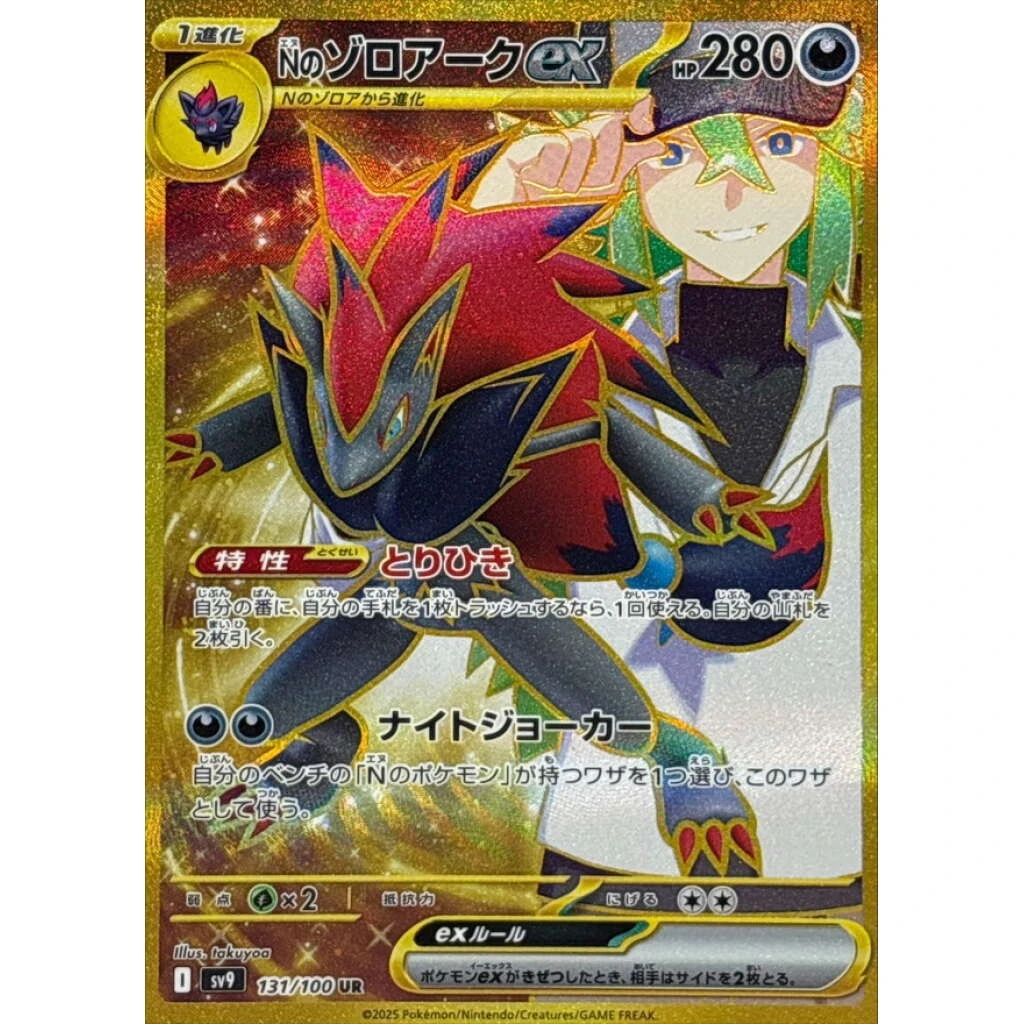
Las cartas UR (Ultra Rare) son las versiones doradas de los Pokemon ex, las cartas de energía y algunas cartas de entrenador. El dorado cubre toda la cara de la carta, lo que hace que una UR sea fácil de distinguir en un archivador. El icono oficial de la base de datos son las letras UR.
La UR no siempre es la oferta más alta de su set. A 2 de octubre de 2026, Cynthia’s Garchomp ex UR 091/063 de SV9a tiene una oferta más baja sin graduar en SNKRDUNK de ¥5,250 (~$34), frente a ¥32,000 (~$208) de la SAR del mismo Pokemon, y Mew ex UR 208/165 de SV2a tiene una oferta sin graduar de ¥4,300 (~$28). El ejemplo de Sword & Shield es Giratina VSTAR UR 261/172 (actualización: agotado — pide reposición vía Quick Order) de S12a, con una oferta más baja sin graduar de ¥28,900 (~$188) a 2 de octubre de 2026.
Buenos sitios para cazar UR de la era Sword & Shield: S12a VSTAR Universe. Para la era Scarlet & Violet, las páginas de SV11W White Flare y SV11B Black Bolt enumeran los sets, y la página oficial de SV11 anuncia Zekrom ex y Reshiram ex en BWR (ビーダブリューレア), una rareza impresa en esos dos sets.
MA, MUR y FUR: los niveles de la era Mega y de 30th Celebration

La era Mega Evolution añadió tres niveles. MA (メガアタックレア, Mega Attack Rare) se anuncia en la página oficial de M2a como nueva rareza; la base de datos oficial imprime MA en las cartas 223 a 232 de M2a, con Mega Gengar ex 230/193 como ejemplo (ilustrador Taiga Kasai). A 2 de octubre de 2026, su oferta más baja sin graduar en SNKRDUNK parte de ¥1,980 (~$13), con una oferta PSA 10 desde ¥6,900 (~$45).
MUR (Mega Ultra Rare) es el nivel máximo de la era Mega. La base de datos oficial imprime el icono MUR en una carta por set en M2a (250/193 Mega Dragonite ex), M4 (120/083 Mega Greninja ex), M5 (118/081 Mega Darkrai ex) y M6 (113/076 Mega Rayquaza ex). A 2 de octubre de 2026, la oferta más baja sin graduar en SNKRDUNK por Mega Rayquaza ex MUR 113/076 (M6, ilustrada por takuyoa) es de ¥30,000 (~$195), y su oferta PSA 10 parte de ¥199,999 (~$1,299). Mega Dragonite ex MUR 250/193 de M2a tiene una oferta sin graduar de ¥17,999 (~$117) en la misma fecha. Son precios de oferta, no ventas completadas.
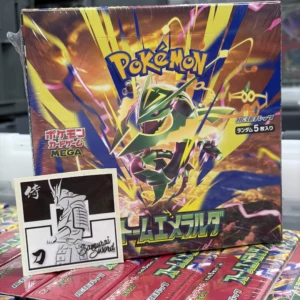
Para sets de la era MUR, la lista de cartas de M4 muestra completo uno de los sets Mega. Para abrir producto sellado, la caja de sobres M6 Storm Emeralda (Sealed) está listada a ¥11,165 (~$72). Mega Evolution—Delta Reign, en inglés, tiene fecha del 6 de noviembre de 2026 en pokemon.com, y sus etiquetas de rareza en inglés difieren de los códigos japoneses.
FUR (Futuristic Rare): el nivel de 30th Celebration
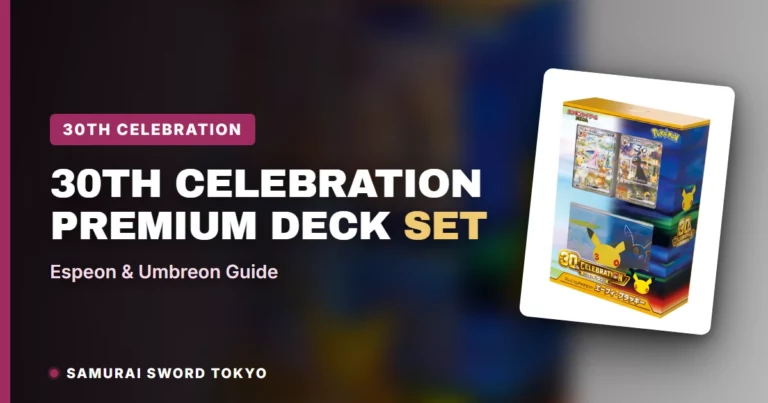
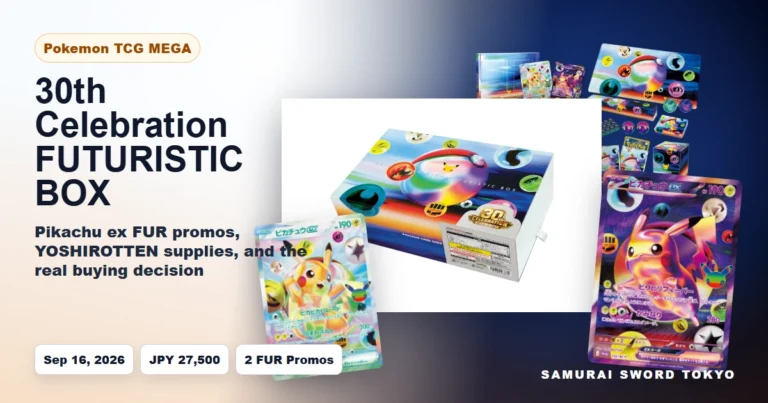
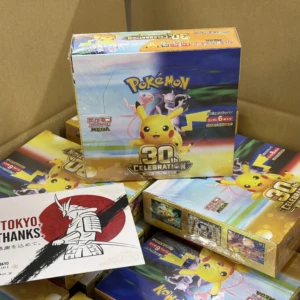
FUR (Futuristic Rare, フューチャリスティックレア) es la rareza introducida con el set 30th CELEBRATION del Juego de Cartas Pokemon (M6a), lanzado el 16 de septiembre de 2026. El sitio oficial del 30.º aniversario muestra las cartas FUR como Mew ex y Mewtwo ex, dibujadas por el artista gráfico YOSHIROTTEN. Cada sobre contiene seis cartas holo, y cada sobre incluye garantizada una Energía Básica con diseño de YOSHIROTTEN; el set trae 30 diseños de Pikachu de 30 ilustradores y 30 cartas reimpresas de la historia del juego. FUR no está en el filtro de rareza del buscador oficial de cartas, y el bloque de secret rares de M6a no está en la base de datos oficial de cartas.
A fecha de 30 de septiembre de 2026, la oferta más baja sin graduar en SNKRDUNK por Mew ex FUR (M6a 135) parte de ¥7,900 (~$51). Consulta nuestra guía de cartas de caza FUR de 30th CELEBRATION para las ofertas fechadas del día de lanzamiento de las cartas FUR sueltas, y la guía de FUTURISTIC BOX para las promos Pikachu ex FUR.
CHR, CSR y las rarezas temáticas de personaje
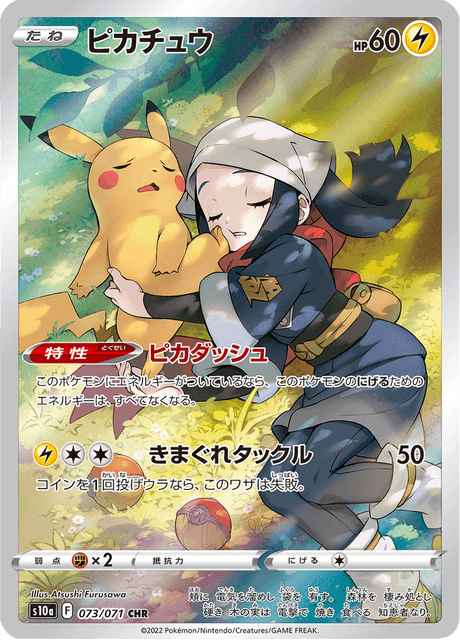
CHR (Character Rare) y CSR (Character Super Rare) son las rarezas de la era Sword & Shield construidas en torno a los personajes. Ambas están en el filtro del buscador oficial de cartas, y cada una tiene su propio icono en la base de datos de cartas.
- CHR (Character Rare): la base de datos imprime Pikachu CHR 073/071 de S10a Dark Phantasma (ilustrador Atsushi Furusawa). A 2 de octubre de 2026, su oferta más baja sin graduar en SNKRDUNK es de ¥3,400 (~$22) y su oferta PSA 10 parte de ¥14,990 (~$97).
- CSR (Character Super Rare): la base de datos imprime Galarian Moltres V 242/184 de S8b VMAX Climax (ilustrador Jiro Sasumo) como CSR. No se cita ninguna oferta de SNKRDUNK para ella.
El filtro del buscador oficial de cartas también enumera HR, SSR, S, TR, BWR y RRR, y cada una imprime su propio icono en la base de datos de cartas.
Los coleccionistas que se centran en el arte de personajes más que en las cartas Pokemon recurren a CHR y CSR como nivel principal. La lista de S12a VSTAR Universe muestra el formato High Class Pack de la época.
Diferencias de rareza entre el Pokémon japonés y el inglés
Las rarezas Pokemon japonesas e inglesas se parecen, pero no son idénticas. Esta es la correspondencia para las cartas actuales de las eras Scarlet & Violet y Mega, con los nombres de la lista de rarezas de pokemon.com:
| Japonés (JPN) | Inglés (ENG) | Notas |
|---|---|---|
| C | Common | Same name |
| U | Uncommon | Same name |
| R | Rare | Same name |
| RR | Double Rare | The English Double Rare tier carries ex Pokemon, for example Teal Mask Ogerpon ex |
| AR | Illustration Rare | Limitless TCG labels the same English tier “Art Rare” |
| SR | Ultra Rare | Limitless TCG pairs Teal Mask Ogerpon ex “Ultra Rare” with the Japanese SV6 114/101 SR |
| SAR | Special Illustration Rare | Same illustrator credits on both sides in the pairs checked, for example TWM 211 and SV6 125/101 |
| UR | Hyper Rare | Limitless TCG labels the English gold cards “Secret Rare”; paired by card, for example DRI 241 and SV9a 091/063 |
| MA | Mega Attack Rare | The English tier of a given card, such as Ascended Heroes 269, is not confirmed |
| MUR | Mega Hyper Rare | Name match only; no card-level pairing confirmed |
| FUR | Futuristic Rare | Name match only; no card-level pairing confirmed |
| CHR / CSR | — | Not on the pokemon.com rarity list; no direct English equivalent |
Una advertencia recorre la tabla: la base de datos de cartas de pokemon.com imprime los nombres de rareza sin imágenes de símbolos, así que cualquier afirmación sobre un símbolo inglés (un diamante, un círculo, una estrella) no está confirmada por ninguna página oficial en inglés. Los nombres ingleses de la tabla son los que imprime pokemon.com. Para ver carta por carta cómo se emparejan las versiones de Mega Gengar, consulta nuestra guía de cartas Mega Gengar, y para la cuestión de precios japonesas frente a inglesas, ¿Valen más las cartas Pokemon japonesas?
Tabla de símbolos de rareza de cartas Pokemon: japonesas vs inglesas
El buscador oficial japonés de cartas enumera 18 etiquetas de rareza; cada una se muestra con la marca que imprime su icono en la base de datos, el nombre en inglés de la lista de rarezas de pokemon.com y una carta de ejemplo. Las ofertas son el precio de oferta más bajo en SNKRDUNK en la fecha indicada (ofertas, no ventas); un guion significa que no se cita ninguna oferta. Los emparejamientos japonés–inglés a nivel de carta existen solo para RR, AR, SR, SAR y UR; cualquier otro nombre inglés de la tabla es solo una coincidencia de nombre (name match only).
| Etiqueta JP | Marca en el icono de la base de datos | Nombre en inglés (pokemon.com) | Carta de ejemplo | Oferta más baja en SNKRDUNK |
|---|---|---|---|---|
| C | C (older: ●) | Common (name match only) | ピカチュウ (Pikachu), S12 024/098 | PSA 10 from ¥5,399 (~$35) |
| U | U (older: ◆) | Uncommon (name match only) | ゴースト (Gastly), SV2a 093/165 | — |
| R | R (older: ★) | Rare (name match only) | ゲンガー (Gengar), SV2a 094/165 | PSA 10 from ¥13,400 (~$87) |
| RR | RR | Double Rare | リザードンex (Charizard ex), SV2a 006/165 | PSA 10 from ¥7,000 (~$45) |
| RRR | RRR | not on the pokemon.com list | ヒスイ ダイケンキVSTAR (Hisuian Samurott VSTAR), S12a 087/172 | — |
| AR | AR | Illustration Rare | ピカチュウ (Pikachu), S12a 205/172 | ¥25,000 (~$162) |
| SR | SR | Ultra Rare | リザードンex (Charizard ex), SV2a 185/165 | ¥3,900 (~$25) |
| SAR | SAR | Special Illustration Rare | リザードンex (Charizard ex), SV2a 201/165 | ¥43,000 (~$279) |
| MUR | MUR | Mega Hyper Rare (name match only) | メガカイリューex (Mega Dragonite ex), M2a 250/193 | ¥17,999 (~$117) |
| MA | MA | Mega Attack Rare (name match only) | メガゲンガーex (Mega Gengar ex), M2a 230/193 | from ¥1,980 (~$13) |
| UR | UR | Hyper Rare | シロナのガブリアスex (Cynthia’s Garchomp ex), SV9a 091/063 | ¥5,250 (~$34) |
| BWR | BWR | Black White rare (name match only) | レシラムex (Reshiram ex), SV11W 174/086 | — |
| S | S (older: ☆) | Shiny Rare (name match only) | ピカチュウ (Pikachu), SV4a 236/190 | — |
| SSR | SSR | Shiny Ultra Rare (name match only) | リザードンGX (Charizard GX), SM8b 209/150 | — |
| HR | HR | Hyper Rare (name match only) | ヒスイ ダイケンキVSTAR (Hisuian Samurott VSTAR), S9a 087/067 | — |
| CHR | CHR | no pokemon.com name | ピカチュウ (Pikachu), S10a 073/071 | ¥3,400 (~$22) |
| CSR | CSR | no pokemon.com name | ガラル ファイヤーV (Galarian Moltres V), S8b 242/184 | — |
| TR | TR | no pokemon.com name | ウツギ博士のレクチャー (Professor Elm’s Lecture), SM12 095/095 | — |
| FUR (not on the filter) | FUR | Futuristic Rare (name match only) | ミュウex (Mew ex), M6a 135 (30th site; not in the card database) | ¥7,900 (~$51), as of September 30, 2026 |
Los nombres ingleses de la lista de pokemon.com sin equivalente japonés (Rare Holo, Rare Holo EX, Rare Holo GX, Rare Holo Lv.X, Rare Prime, LEGEND, ACE SPEC rare, Rare BREAK, Promo, Amazing, Radiant Rare, Pikachu Rare, Classic Collection) se han omitido. El buscador oficial de cartas también tiene un grupo aparte para las cartas con acabado espejo (ミラー仕様のカード), que es un acabado, no una rareza.
La lista inglesa solo contiene nombres. La base de datos de pokemon.com no muestra imágenes de símbolos, y su página de soporte solo dice que el símbolo de rareza está en la esquina inferior derecha de la carta. Para el lado japonés, la referencia son los archivos de iconos de la base de datos oficial de cartas.
Cómo identificar la rareza en una carta Pokémon japonesa
Cuatro comprobaciones, en orden:
- Busca la marca junto al número de colección. El icono de rareza sigue al número de colección (por ejemplo “080/063 SR”). Las cartas modernas imprimen las propias letras; los símbolos ●, ◆, ★ y ☆ indican una carta de una era anterior.
- Compara el número con el tamaño del set. Los sets japoneses imprimen las secret rares después del número del set base. Si el número es mayor que el total impreso (por ejemplo 113/076 en M6), la carta es una secret rare: AR, SR, SAR, MUR o similar.
- Fíjate en el tratamiento del arte. AR tiene un fondo ilustrado completo, SAR tiene una ilustración alternativa, UR es un acabado dorado y una MUR muestra un Pokemon Mega con un acabado premium con textura.
- Confírmalo con la lista oficial del set. Consulta listas específicas de cada set, como la lista de cartas de SV11B Black Bolt o la lista de cartas de SV9 Battle Partners, para ver qué rareza corresponde a ese número.
Counterfeit Japanese cards can misprint the rarity mark or use the wrong finish. If the mark and the finish do not match what the official set list shows for that card number, treat the card with suspicion and read how to spot fake Japanese Pokemon cards.
Dónde comprar cartas Pokémon japonesas según la rareza
Lo que compras depende del nivel que busques:
- Cartas sueltas AR y SR — explora las listas de cartas de los sets: SV11W White Flare, SV11B Black Bolt, SV10 Glory of Team Rocket, SV9 Battle Partners. La lista de cartas Pokemon las reúne en un solo lugar.
- Cartas de caza SAR — consulta M4 (era Mega Evolution) y la lista de cartas de SV9 Battle Partners; para el equivalente más antiguo, la lista de cartas de S6K Jet-Black Geist.
- UR, MA, MUR y FUR — S12a VSTAR Universe para las UR de la era Sword & Shield, y la lista de cartas de M6a para el set FUR.
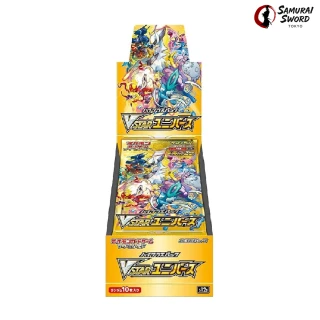
- Cajas selladas (para abrir tú mismo las rarezas) — la caja M6a 30th CELEBRATION (opción Sealed ¥28,243 (~$183)), la caja M6 Storm Emeralda (Sealed ¥11,165 (~$72)) y la caja S12a VSTAR Universe ¥25,883 (~$168).
Las solicitudes de búsqueda de una carta concreta se gestionan por Pedido rápido. Las cajas selladas son para la experiencia de abrir; las cartas sueltas, para una carta concreta a un precio de oferta conocido.
Preguntas frecuentes
¿Qué significa SAR en una carta Pokémon japonesa?
SAR significa Special Art Rare (スペシャルアートレア). La página oficial de S12a la enumera como nueva rareza de ese set, y es un nivel secret rare estándar en los sets de Scarlet & Violet. Una SAR combina una ilustración alternativa con el Pokemon o personaje. Su equivalente inglés se llama Special Illustration Rare en pokemon.com.
¿Cuál es la diferencia entre SR y SAR?
SR (Super Rare) es el nivel más antiguo, sobre todo entrenadores full-art y Pokemon ex. SAR (Special Art Rare) añade una ilustración alternativa única, a menudo del mismo Pokemon o entrenador con una escena más cinematográfica. A 2 de octubre de 2026, las ofertas más bajas sin graduar en SNKRDUNK para Charizard ex de SV2a son ¥3,900 para la SR 185/165 y ¥43,000 para la SAR 201/165.
¿Qué tan rara es una carta Pokémon MUR?
MUR (Mega Ultra Rare) es el nivel máximo de la era Mega Evolution, y la base de datos oficial imprime una carta MUR en cada uno de M2a, M4, M5 y M6. Su icono en la base de datos imprime las letras MUR. A 2 de octubre de 2026, la oferta más baja sin graduar en SNKRDUNK por Mega Rayquaza ex MUR 113/076 de M6 es de ¥30,000.
¿Qué rareza Pokemon japonesa es mejor para principiantes?
AR (Art Rare) es un buen punto de entrada porque conserva el fondo ilustrado completo que hace popular a la SAR. Eso sí, las ofertas de AR varían mucho según el Pokemon: a 2 de octubre de 2026, Pikachu AR 205/172 de S12a tiene una oferta más baja sin graduar en SNKRDUNK de ¥25,000. Empezar con una AR de tu Pokemon favorito de un set reciente mantiene la elección personal.
¿Qué es FUR (Futuristic Rare) en las cartas Pokémon japonesas?
FUR (Futuristic Rare, フューチャリスティックレア) es la rareza introducida con el set 30th CELEBRATION (M6a), lanzado el 16 de septiembre de 2026. El sitio oficial del 30.º aniversario muestra Mew ex y Mewtwo ex en FUR, dibujadas por YOSHIROTTEN. FUR no está en el filtro del buscador oficial de cartas, y las secret rares de M6a no están en la base de datos oficial de cartas.
¿Publica The Pokémon Company las probabilidades de obtención?
No. Las páginas oficiales japonesas de producto de M2a, M6, SV6, SV8a y SV9a solo indican que las cartas se insertan al azar, sin probabilidades por rareza. Cualquier cifra por caja que veas para SAR, UR o MUR procede de estimaciones de la comunidad, no de una publicación oficial.
¿Qué significa MA en una carta Pokemon japonesa?
MA significa Mega Attack Rare (メガアタックレア), anunciada en la página oficial de M2a como nueva rareza. La base de datos imprime el icono MA en las cartas 223 a 232 de M2a, como Mega Gengar ex 230/193. En la lista inglesa de pokemon.com existe el nombre Mega Attack Rare, pero el nivel inglés de una carta concreta no está confirmado.
¿Dónde está la marca de rareza en una carta Pokemon japonesa?
En la base de datos oficial de cartas, el icono de rareza está justo después del número de colección, por ejemplo 080/063 seguido del icono SR. Las cartas modernas imprimen letras como C, U, R, RR, SR y SAR; ●, ◆, ★ y ☆ aparecen solo en iconos de eras anteriores. pokemon.com dice que las cartas inglesas llevan el símbolo en la esquina inferior derecha.
Consigue ¥2.000 en puntos con una cuenta gratuita
Crear cuenta gratis1 pt = ¥1 · Úsalos en hasta el 20 % del total de tu pedido · Los puntos de bienvenida caducan 30 días después del registro · Los aranceles de importación, impuestos y gastos de aduana no están incluidos en el precio y se cobran en la entrega, salvo en los destinos a los que enviamos con aranceles pagados.
Seleccionado para este artículo
📩 Ofertas y cupones solo para miembros
Avisos de rebajas, cupones y reposiciones por email, desde Tokio.