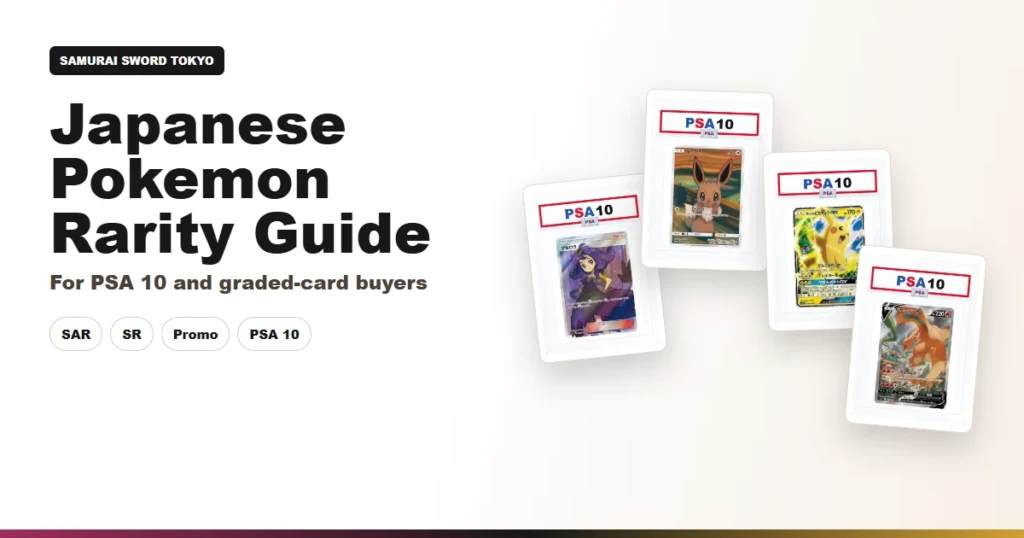
Guía de rareza de cartas Pokémon japonesas para compradores de cartas graduadas
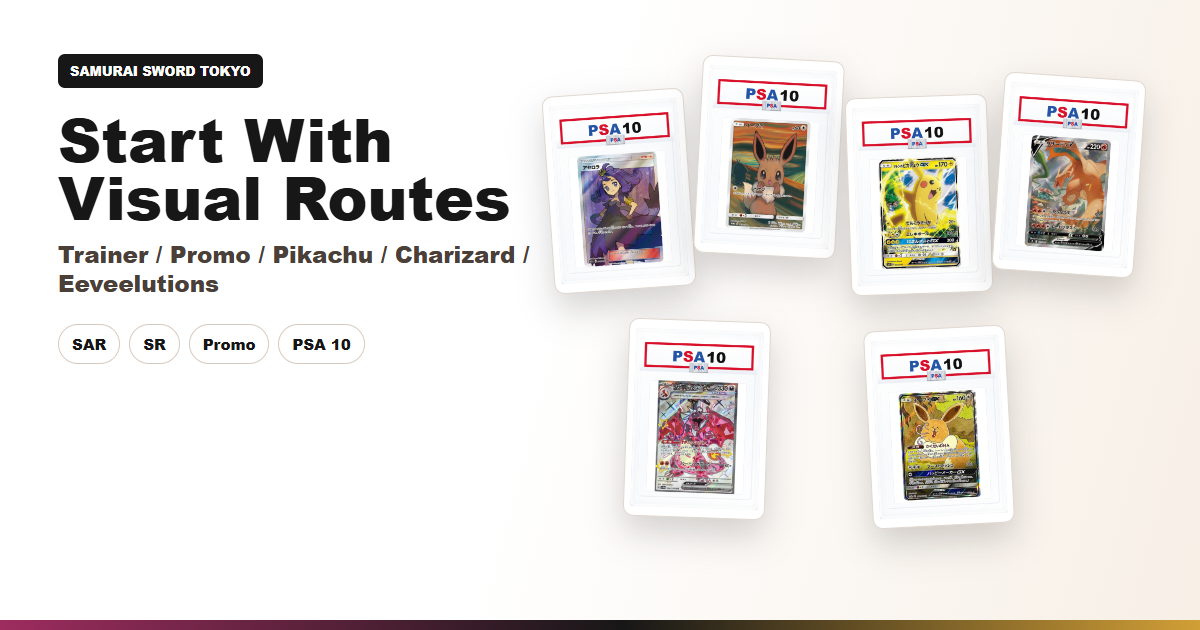
Empieza por el asistente de compra de la guía de rareza
Si vas a comprar cartas Pokémon japonesas para PSA 10, no las clasifiques solo por la abreviatura de rareza impresa. Usa la rareza para acotar la búsqueda y luego confirma el Pokémon o Entrenador exacto, la ilustración, el set, el número de carta, la disponibilidad en vivo y tu rol como comprador.
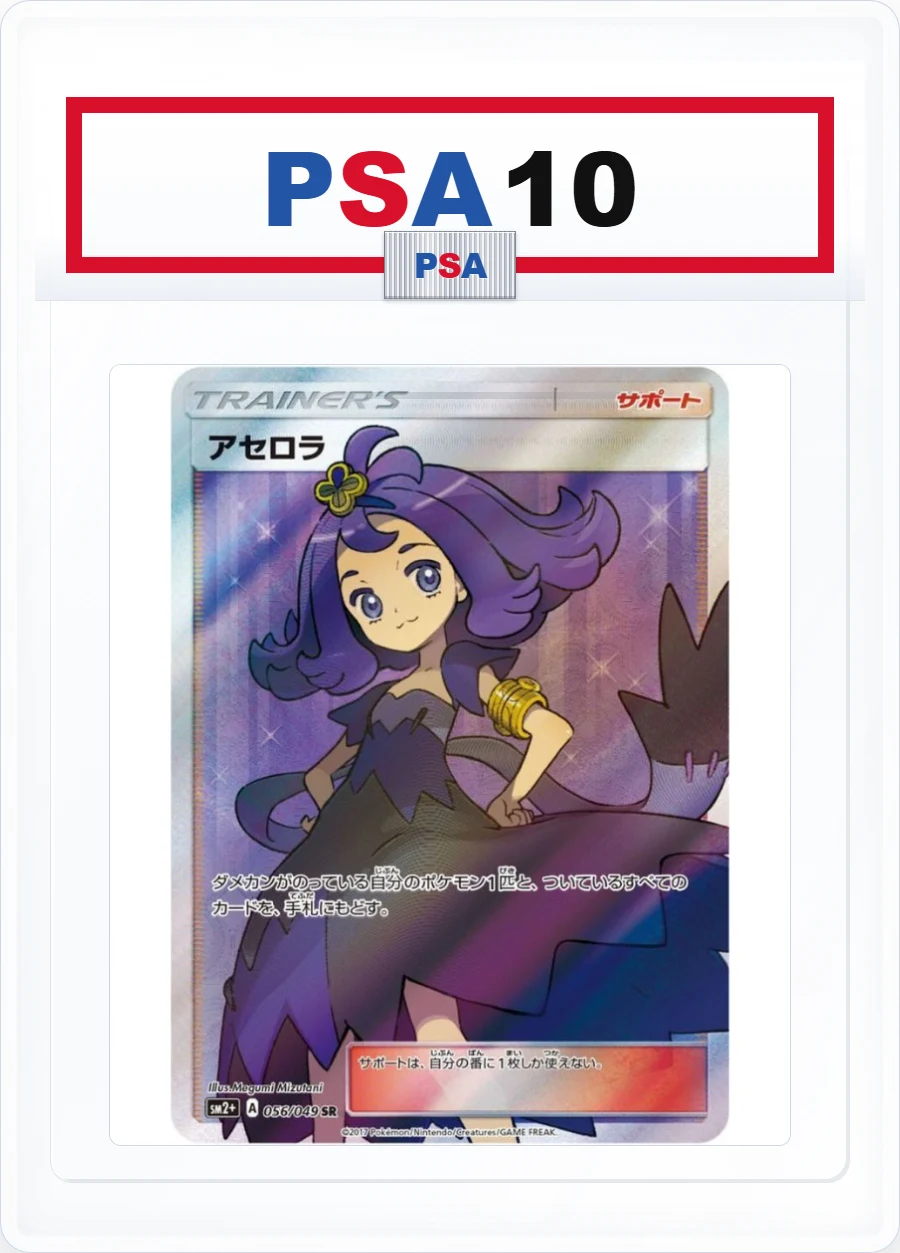
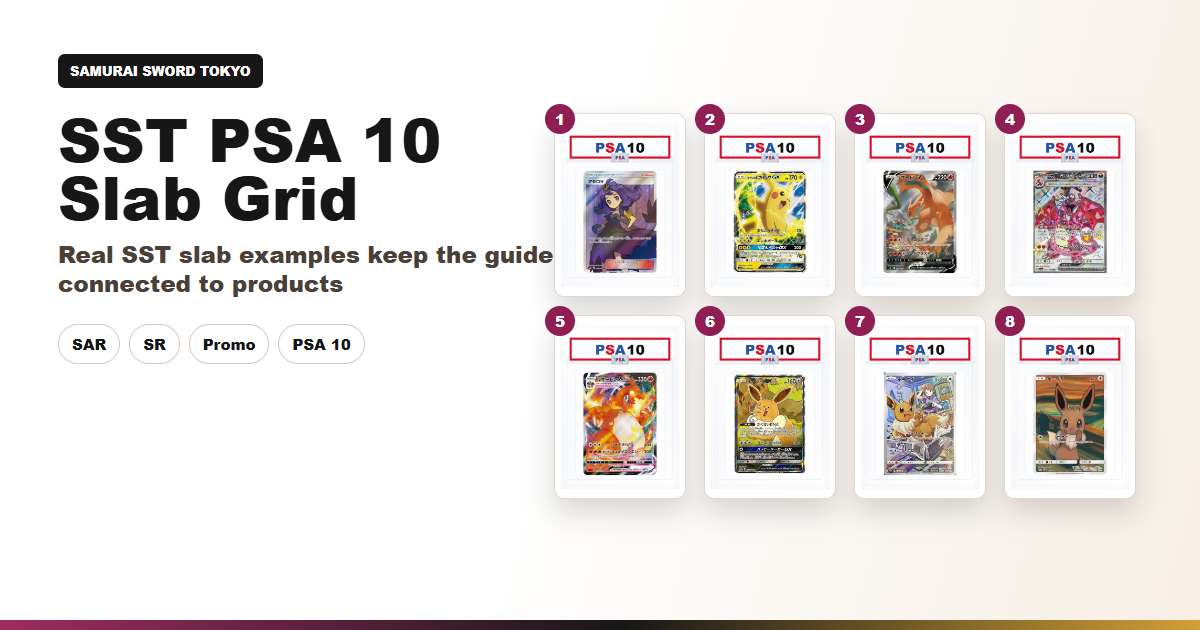
PSA10 Acerola 056/049 SR
Ruta de Entrenador
Los Entrenadores SR y SAR pueden comportarse como piezas de colección cuando el nombre, la ilustración y la demanda coinciden.
Ver ruta
(actualización: agotado — pide reposición vía Quick Order)
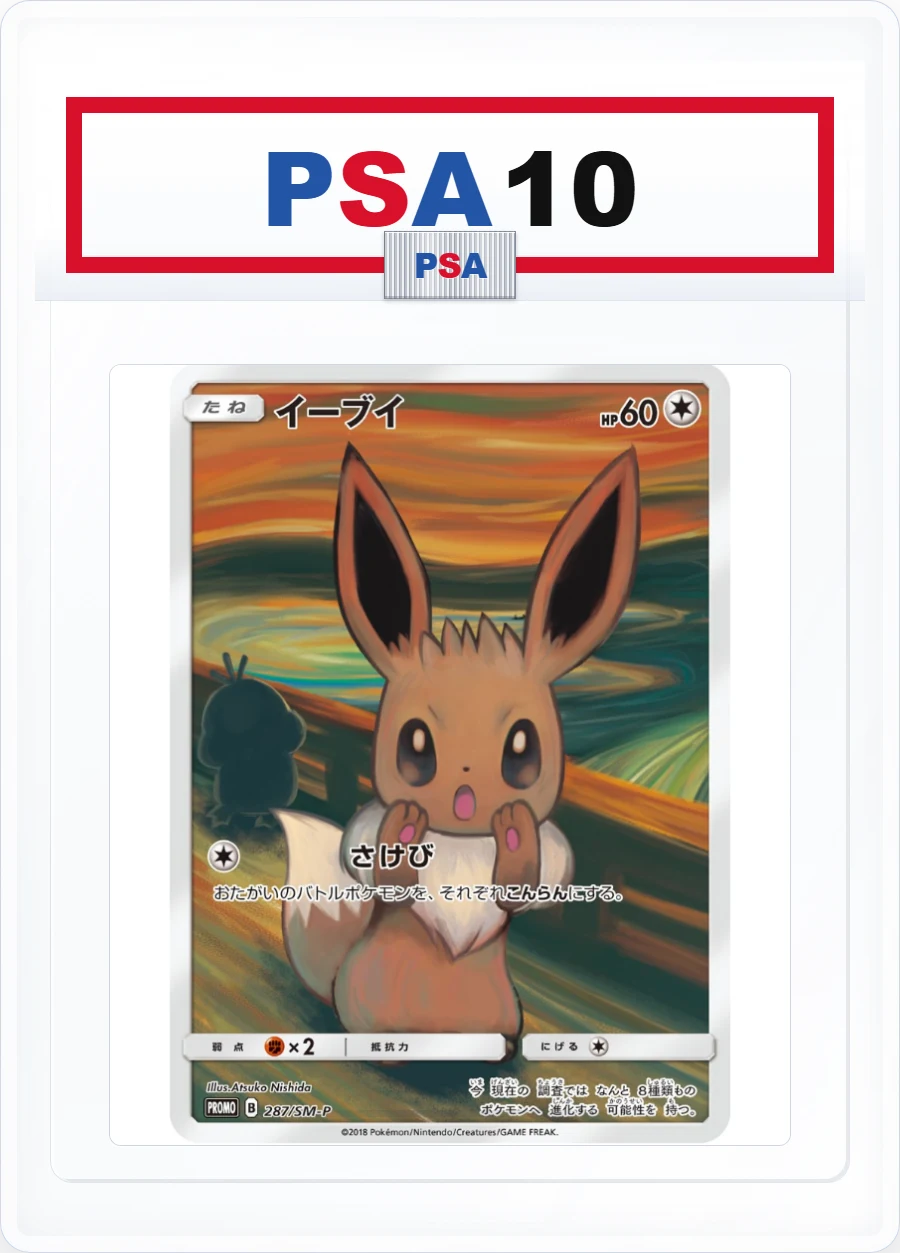
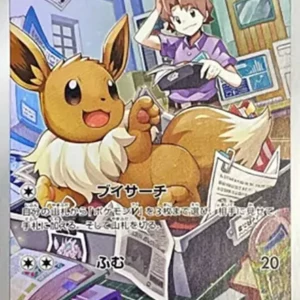
PSA10 Eevee Munch Exhibition 287/SM-P PROMO
Ruta de promo
La escasez de un promo puede superar a las etiquetas de rareza normales porque la historia de distribución importa.
Ver ruta
(actualización: agotado — pide reposición vía Quick Order)
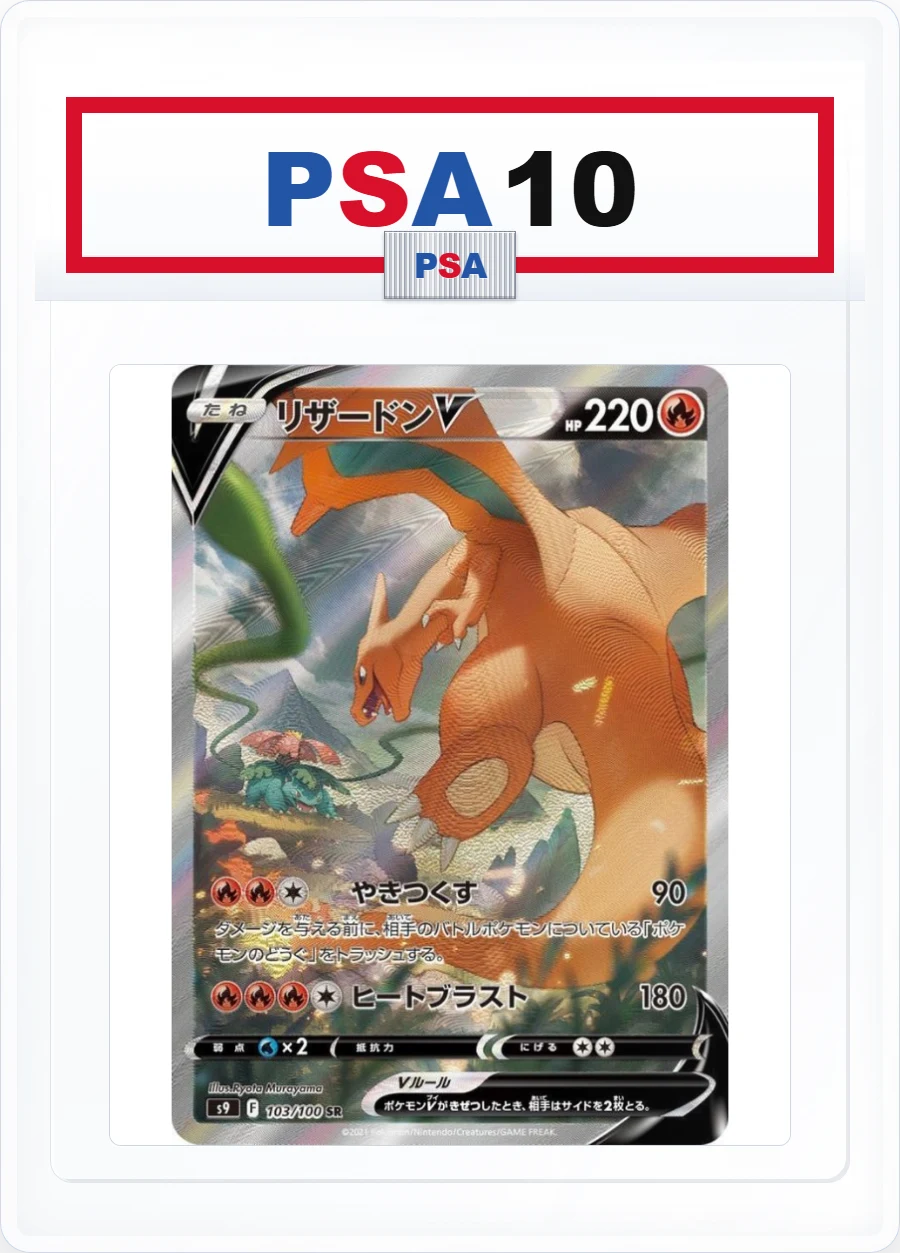
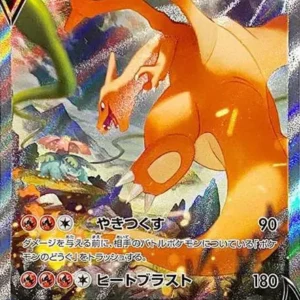
PSA10 Charizard V 103/100 SA
Ruta de Pokémon icónico
Para Charizard y otros iconos, la versión exacta y la ilustración importan más que la simple abreviatura de rareza.
Ver ruta
Explora las cartas PSA 10 graduadas disponibles Solicita la disponibilidad mayorista actual de PSA 10
Actualizado el 23 de junio de 2026: esta guía convierte el comportamiento de búsqueda de alto tráfico sobre guías de rareza en una lista de verificación práctica para coleccionistas, revendedores y tiendas de cartas del extranjero que compran cartas Pokémon PSA 10 japonesas desde Japón.
Idea clave: la rareza te ayuda a filtrar cartas, pero el valor de un PSA 10 proviene del contexto completo de la compra. Un promo de Pikachu de menor rareza, una carta de Entrenador o una carta con ilustración popular pueden ser una mejor compra graduada que una carta de mayor rareza con poca demanda.
La verdadera preocupación detrás de una búsqueda de rareza
La mayoría de los compradores no buscan una guía de rareza porque les encanten las abreviaturas. Buscan porque les preocupa cometer un error: comprar la versión equivocada, pagar de más por una carta que parece rara, graduar una carta que debería quedarse sin graduar, o construir un inventario que no se venderá. Una buena guía de rareza debe nombrar esas preocupaciones antes de pedirle al lector que haga clic en un enlace de producto o de venta mayorista.
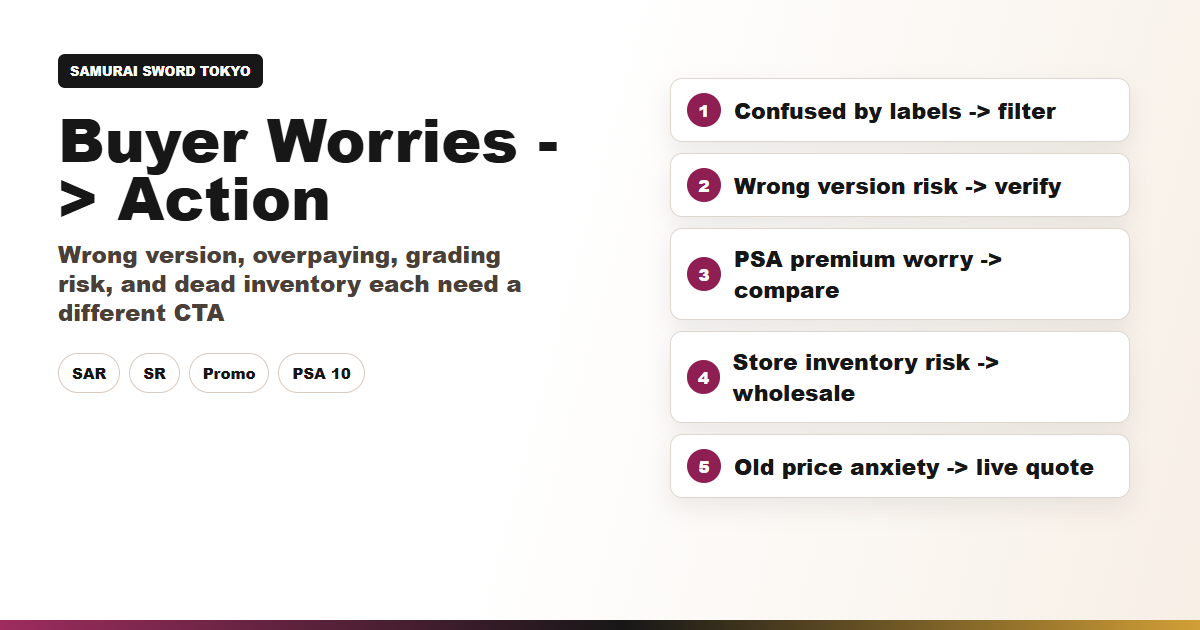
| Preocupación del comprador | Qué está preguntando en realidad | Cómo responde esta guía | Mejor CTA |
|---|---|---|---|
| No entiendo las etiquetas de rareza. | ¿Qué cartas merecen mi atención primero? | Usa la rareza como filtro y luego prioriza la demanda por personaje, la ilustración y tu rol como comprador. | Lee la escala de rareza y luego explora las cartas PSA 10 disponibles. |
| Tengo miedo de comprar la versión equivocada. | ¿Cómo evito confundir cartas japonesas parecidas? | Revisa el set, el número de carta, el idioma, la ilustración, el texto de graduación y los datos oficiales de la carta antes de fiarte solo del precio. | Abre primero las páginas de producto exactas. |
| No sé si el PSA 10 vale la prima que cuesta. | ¿Debería comprar sin graduar, graduar más tarde o comprar el slab? | Compara la certeza de la condición, el tiempo, las comisiones, la velocidad de reventa y la confianza del comprador. | Lee PSA 10 frente a sin graduar. |
| Necesito inventario, no una colección personal. | ¿Qué se venderá de verdad para mi tienda o canal de reventa? | Construye tu inventario alrededor de temas reconocibles, liquidez, rangos de precio y sustituciones. | Solicita la disponibilidad mayorista actual. |
| No confío en capturas de precio antiguas. | ¿Sobre qué precio puedo actuar ahora? | Usa el artículo como marco de referencia y luego confirma las páginas de producto en vivo o una cotización con fecha. | Explora el inventario PSA 10 en vivo. |
Respuesta rápida: ¿Qué rareza debería importarles a los compradores de PSA 10?
Para los compradores de cartas graduadas, los grupos de rareza japonesa más útiles no son simplemente las etiquetas más raras. Las rutas de compra más fuertes suelen estar impulsadas por el personaje: Entrenadores SAR o SR, Pokémon icónicos, promos japoneses, Eeveelutions, Charizard, Pikachu, Mew/Mewtwo, y cartas con una ilustración que puede vender el slab de un vistazo.
| Pregunta del comprador | Respuesta breve | Acción de SST |
|---|---|---|
| Quiero inventario PSA 10 en vivo. | Empieza con cartas que estén listadas actualmente o que se puedan cotizar ahora. | Explora la colección PSA 10. |
| Estoy comprando para reventa. | Prioriza la liquidez, la reconocibilidad y los rangos de precio por encima de la simple abreviatura de rareza. | Solicita una lista mayorista actual. |
| Quiero slabs premium para coleccionistas. | Revisa la versión exacta, el número de carta, la ilustración, el texto de graduación y la fecha de la cotización. | Abre páginas de producto exactas como Acerola, Eevee Munch, Pikachu y Charizard. |
| Estoy decidiendo entre carta sin graduar y PSA 10. | Usa la rareza como una señal más y luego compara el riesgo de graduación y la velocidad de reventa. | Lee PSA 10 frente a sin graduar. |
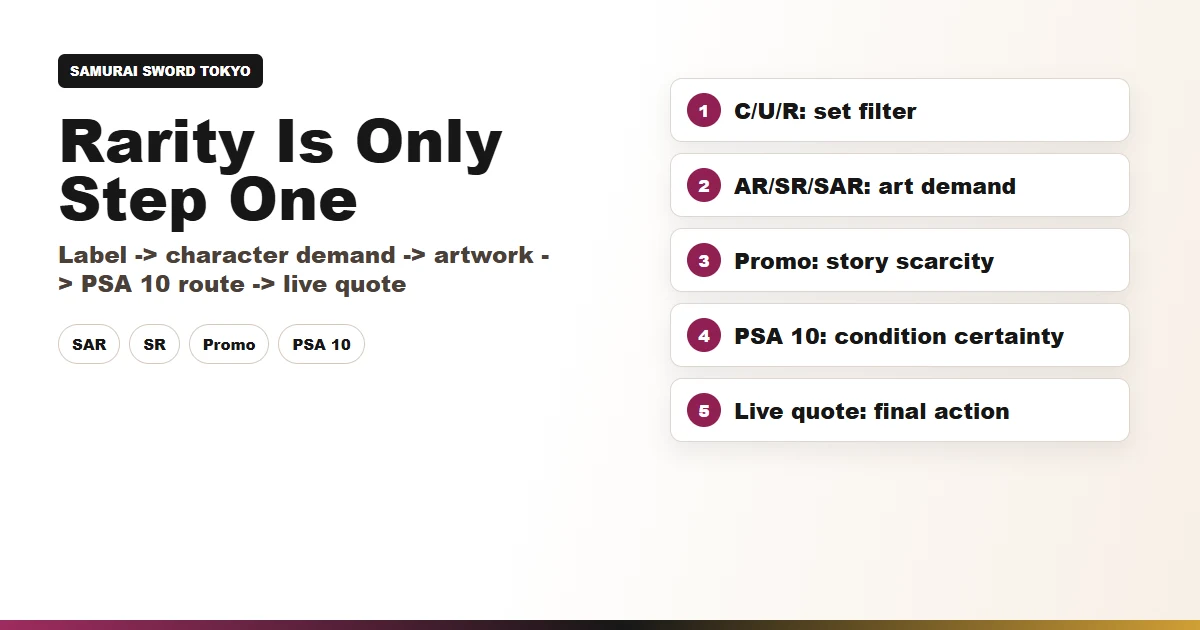
Guía de rareza: las etiquetas japonesas principales, explicadas
Antes de usar la rareza como filtro de compra para PSA 10, entiende qué significa realmente la etiqueta. Los productos Pokémon japoneses no usan una única escala permanente en todas las épocas, pero las etiquetas de abajo cubren las abreviaturas que la mayoría de los compradores de cartas graduadas del extranjero encontrarán al revisar cartas japonesas modernas y semimodernas.
Capas base y mecánicas destacadas
Úsalas primero para entender la estructura del set. No son objetivos automáticos para PSA 10.
Mejor cuando el Pokémon, la época o el historial competitivo crean demanda más allá de la etiqueta.
Rutas centradas en la ilustración
Estas cartas se venden visualmente. La imagen, la combinación de personajes y el tema suelen importar más que el estatus de la abreviatura.
Buenas para vitrinas y colecciones temáticas cuando la ilustración es fácil de explicar.
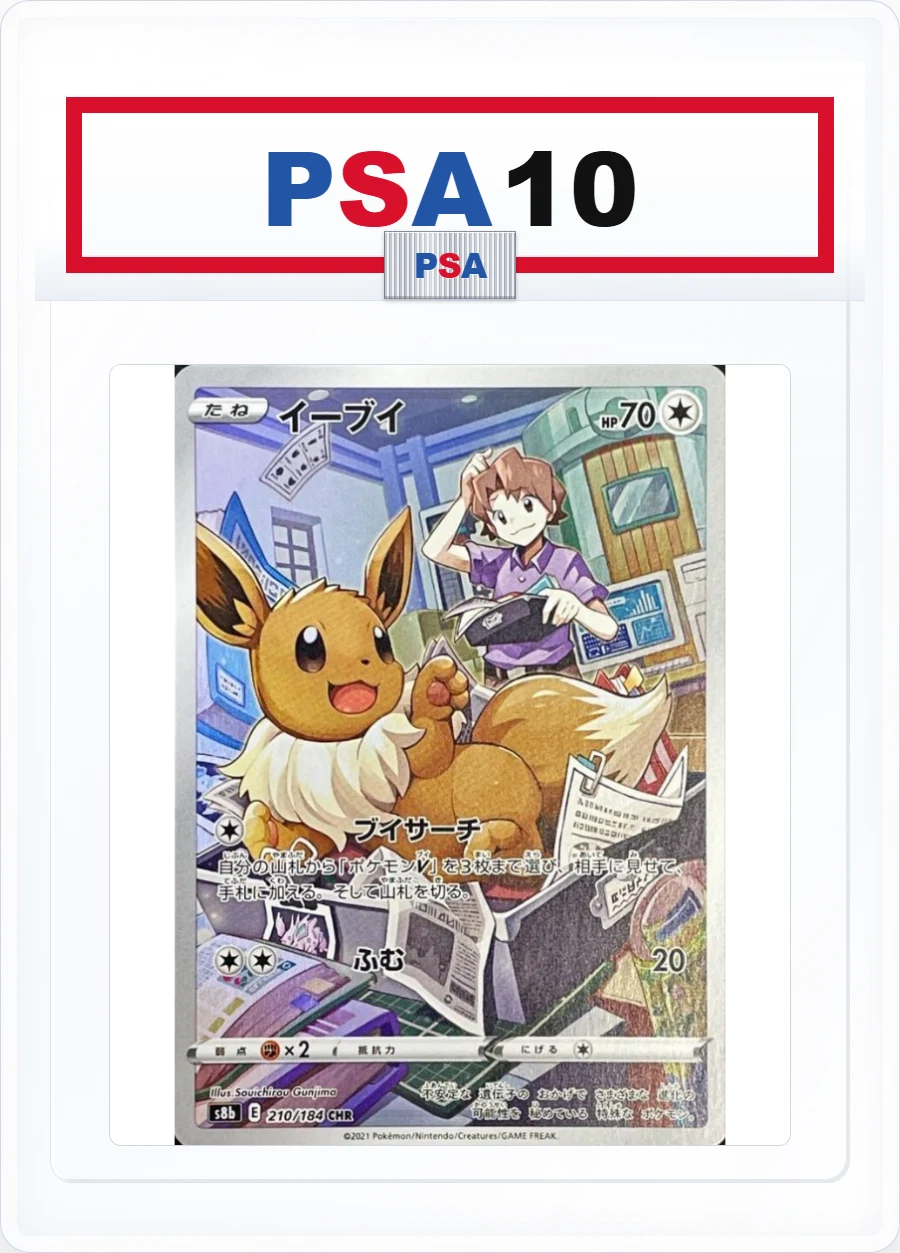
Rutas premium de arte completo y de caza
Los nombres de Entrenador, los Pokémon icónicos y la ilustración narrativa deciden si la etiqueta se convierte en demanda de PSA 10.
Verifica la taxonomía exacta de la página de producto, el número de carta y la fecha de la cotización antes de comparar precios.
Rutas de historia de escasez
El acabado Gold y la distribución de promos pueden parecer premium, pero la historia debe quedarle clara al comprador.
El número de promo, el contexto del evento y la disponibilidad en vivo importan más que una simple escala de rareza.
| Etiqueta | Significado | Lectura de compra para PSA 10 |
|---|---|---|
| C / U / R | Capas base de Común, Poco Común y Rara. | Normalmente no es prioridad para slab, salvo que la antigüedad, el historial competitivo, la demanda por personaje o una condición inusualmente limpia cambien la ecuación. |
| RR / RRR | Mecánicas destacadas modernas de doble o triple rareza, como ex, V, VMAX u otras cartas principales propias de cada época. | Buen filtro de identidad, pero el Pokémon exacto, la ilustración y el respaldo de precio actual siguen decidiendo la compra. |
| AR / CHR / CSR / SA | Rutas de arte, personaje y arte especial donde la escena visual concentra la demanda. | Fuertes para merchandising y coleccionistas temáticos; gradúa solo cuando la condición y la vía de reventa justifiquen las comisiones de PSA. |
| SR / SAR / SSR | Taxonomía de arte completo/secreta, arte especial o producto brillante, según la época y la página de producto. | Ruta potencialmente premium para PSA; verifica el número de carta exacto, la taxonomía de producto, el precio en vivo y el suministro antes de pedir. |
| UR / Gold / Promo | Acabado premium o ruta de distribución más que una simple escala de rareza de sobre. | La demanda depende de la reconocibilidad, la historia del evento y la disponibilidad más que de la abreviatura por sí sola. |
Por qué las guías de rareza de la competencia reciben tráfico
La instantánea de la competencia doméstica de Ahrefs del 15 de junio de 2026 mostró que el artículo de rareza de cartas Pokémon de SNKRDUNK tenía una estimación de 11,579 visitas orgánicas mensuales y 280 palabras clave posicionadas. Quien busca esa página normalmente intenta descifrar abreviaturas antes de tomar una decisión de compra, venta, graduación o conservación.
SST no debe copiar ese contenido. La lección útil es de formato: responder rápido, usar tablas, definir las etiquetas confusas y luego dirigir al lector hacia la siguiente acción comercial. Para SST, la siguiente acción no es un glosario de rareza genérico. Es elegir entre explorar slabs PSA 10 en vivo, solicitar una lista mayorista, comparar PSA 10 frente a sin graduar, o construir una ruta de compra centrada en un personaje.
| Patrón de la competencia | Por qué funciona | Mejora de SST |
|---|---|---|
| Definiciones de rareza | Los principiantes necesitan que las abreviaturas se expliquen rápido. | Conecta cada rareza con el riesgo de compra de PSA 10 y el rol del comprador. |
| Tablas y jerarquía simple | Los lectores hojean el artículo antes de confiar en él. | Añade rutas de comprador, enlaces de producto y acciones mayoristas. |
| FAQ para preguntas de cola larga | La rareza genera muchas búsquedas pequeñas. | Responde preguntas de graduación, reventa, sin graduar frente a slab, e inventario para tiendas. |
| Cortes con imágenes | Las cartas visuales hacen que la página sea más fácil de entender. | Usa imágenes de producto/slab propias de SST en lugar de copiar imágenes de la competencia. |
La lección de SEO más amplia es que los competidores de alto tráfico no dependen de un solo tipo de artículo. Cubren distintas necesidades de búsqueda: novedades de lanzamiento, rankings de cartas destacadas, comprobación de precios, inventario de producto, preguntas de confianza y proceso, demanda de PSA específica por personaje, y búsquedas de dónde comprar desde el extranjero. Este artículo cubre la necesidad de guía de rareza y luego dirige deliberadamente a los compradores hacia las rutas comerciales que SST realmente puede atender.
| Rol de SEO | Referencia de comparación | Lectura de Ahrefs | Necesidad del buscador | Cómo lo adapta este artículo |
|---|---|---|---|---|
| Centro de lanzamientos y sets nuevos | Página de calendario de lanzamientos de SNKRDUNK | 18,548 visitas estimadas | ¿Qué hay de nuevo, qué debería vigilar y cuándo debería actuar? | Mantiene las explicaciones de rareza conectadas a la siguiente ruta de compra, en lugar de dejar al lector solo investigando. |
| Página de cartas destacadas y ranking de precios | Páginas de cartas destacadas por set de SNKRDUNK | 12,974 visitas estimadas en una página de cartas destacadas de Pokémon 151 | ¿Qué cartas importan más y qué rango de precio debería esperar? | Usa rutas clasificadas, ejemplos de precio de SST con fecha y CTA de cotización en vivo, en lugar de un glosario sin números. |
| Glosario de rareza perenne | Guía de rareza de SNKRDUNK | 11,579 visitas estimadas / 280 palabras clave | Descifrar abreviaturas antes de comprar, vender, graduar o conservar una carta. | Responde la misma ansiedad de principiante y luego avanza hacia el riesgo de PSA 10, la verificación de versión exacta y las rutas de inventario. |
| Superficie de inventario PSA 10 | Categoría PSA10 de Cardrush | 6,016 visitas estimadas | Muéstrame cartas PSA 10 que pueda comprar ahora. | Coloca la colección PSA 10 y las rutas de producto exactas al principio para que el artículo no se comporte como un diccionario pasivo. |
| Página de confianza y transacción | Página de compra de Hareruya2 | 5,496 visitas estimadas | ¿Puedo confiar en el proceso, el precio y el siguiente paso? | Repite las verificaciones de cotización actual, disponibilidad, mayoreo y versión exacta donde la ansiedad es más alta. |
| Cola larga de PSA 10 por personaje | Artículo de magi sobre PSA10 por personaje | 1,136 visitas estimadas | ¿Qué hay de este personaje o carta específica en PSA 10? | Se ramifica desde la rareza hacia Entrenador, Pikachu, Charizard, Eeveelutions, promo y rutas de vitrina. |
| Entrada de compras desde el extranjero | Páginas al estilo PokeNinJapan / TCG Republic | Demanda en EE. UU. en torno a cartas Pokémon japonesas, dónde comprar y búsquedas de listas de cartas | ¿Cómo compro cartas japonesas desde Japón sin confundir versiones o fuentes? | Escribe en inglés sencillo, mantén las imágenes densas y conecta la educación con acciones de colección y mayoreo. |
Las etiquetas de rareza japonesas desde la mirada del comprador de cartas graduadas
Las cartas Pokémon japonesas usan etiquetas de rareza específicas de cada set, y esas etiquetas pueden cambiar entre épocas. Trata la tabla de abajo como un mapa para el comprador, no como una regla universal permanente. Confirma siempre la carta japonesa exacta en la base de datos oficial de cartas, en la página de producto o en la cotización actual del vendedor antes de fiarte de una abreviatura de rareza.
| Rareza o ruta | Cómo suelen leerla los compradores | Nota de compra para PSA 10 | Mejor CTA |
|---|---|---|---|
| C / U / R | Capas base de rareza para completar el set y para juego. | Normalmente no es prioridad para PSA 10, salvo que la carta tenga antigüedad inusual, ilustración, historial competitivo o demanda por personaje. | Úsala como contexto para completar la colección sin graduar. |
| RR / RRR | Cartas destacadas modernas al estilo ex/V/VMAX, según la época. | Los Pokémon icónicos aún pueden importar, pero la abreviatura por sí sola no garantiza un buen slab. | Compara el Pokémon exacto y la ilustración. |
| AR | Art Rare, muy apreciada por su ilustración y su atractivo para álbumes. | Gradúa solo cuando la demanda por la ilustración, el centrado y la vía de reventa justifiquen la prima. | Usa la lista de verificación sin graduar frente a PSA. |
| SR | Arte completo o tratamiento especial, según la época y el tipo de carta. | Las SR de Entrenador y las SR de Pokémon icónicos pueden convertirse en fuertes rutas para PSA 10. | Revisa las páginas de producto y las guías de personaje relacionadas. |
| SAR | Special Art Rare, con un tirón de historia/arte más fuerte en muchos sets modernos. | Suele ser una buena candidata para PSA 10, pero aún necesita liquidez y disciplina de cotización en vivo. | Explora la colección PSA 10 o solicita disponibilidad. |
| UR / gold | Cartas doradas y tratamientos premium. | Puede ser coleccionable, pero la demanda varía mucho según la identidad de la carta. | No compres solo por la etiqueta de rareza. |
| Promo | No es una rareza de sobre normal, pero suele ser una ruta importante para coleccionistas. | La historia de distribución puede importar más que la rareza impresa. | Usa la página de producto exacta o una cotización mayorista. |
| Rutas vintage / trofeo / sin símbolo | La época y la escasez pueden pesar más que la lógica de rareza moderna. | Requiere autenticación extra, graduación e investigación de mercado. | Usa una consulta con un especialista y una cotización actual. |
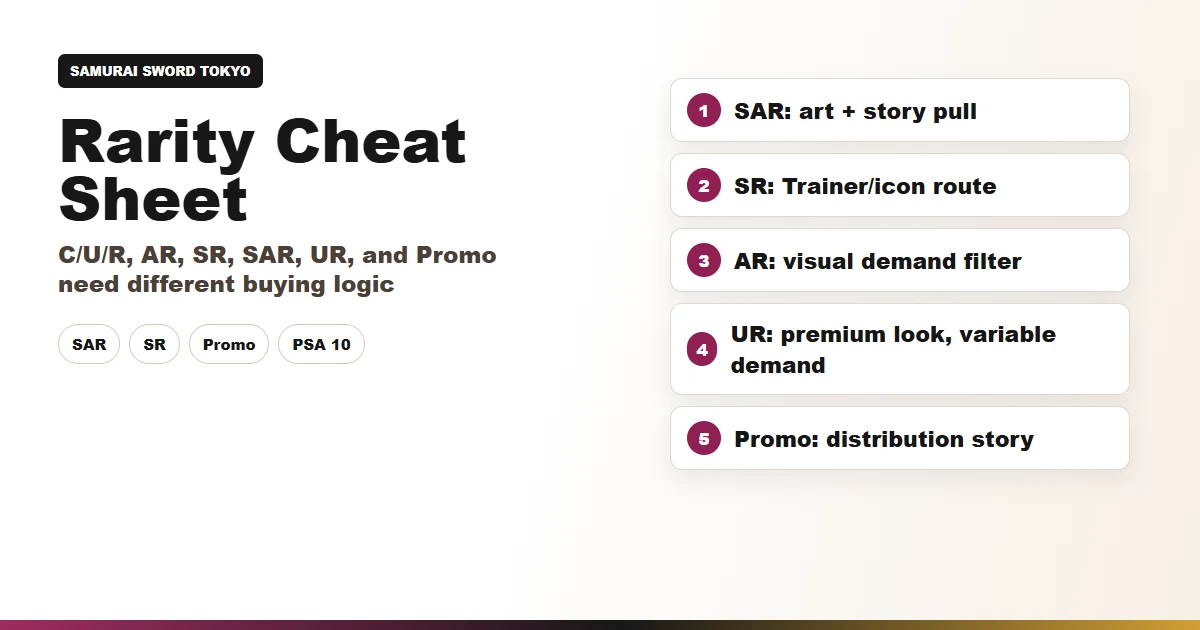
Etiquetas de rareza época por época: qué cambia en realidad
El mayor error de principiante es tratar cada abreviatura de rareza japonesa como si perteneciera a una única escala permanente. Los productos Pokémon japoneses han cambiado de estructura entre épocas, y la demanda de los coleccionistas no avanza en línea recta de común a raro. Para los compradores de PSA 10, la época importa porque cambia cuántas cartas comparables existen, qué tan fácil es identificar la carta y si la etiqueta de rareza es la historia principal o solo una pequeña parte de ella.
Usa esta sección como una comprobación de sensatez antes de tomar una decisión sobre una carta graduada. Una SAR moderna puede ser fácil de explicar porque la ilustración, la etiqueta de rareza y la ruta de personaje son visibles de un vistazo. Un holo o promo más antiguo puede requerir más explicación porque el atractivo de la carta puede venir de su antigüedad, de la distribución en un evento o de una campaña específica. Un slab PSA 10 limpio elimina la incertidumbre sobre la condición, pero no elimina la necesidad de entender por qué esa carta exacta tiene demanda.
| Época o ruta de producto | Cómo la etiqueta puede confundir a los compradores | Comprobación para PSA 10 | Mejor acción de compra |
|---|---|---|---|
| Holos japoneses antiguos y rutas vintage | La marca de rareza visible puede no contar toda la historia. La antigüedad, el historial del set, la escasez y la condición pueden importar más que la lógica de abreviaturas moderna. | Confirma el set exacto, el número de carta, el patrón del holo, el idioma, el certificado de graduación y si el slab es fácil de reconocer para tu segmento de compradores. | Usa una consulta específica en lugar de un filtro de rareza amplio. |
| Rutas de arte completo y de mucho promo de Sun & Moon | Las rutas SR, HR y de promo pueden solaparse con la demanda por personaje. Un número de promo de apariencia normal aún puede ser el principal motor de valor. | Comprueba si la carta se desea por la rareza, el personaje, la distribución en un evento o la ilustración. No reduzcas todo eso a una sola suposición de precio. | Abre páginas de producto exactas y compara cartas dentro de la misma ruta de personaje. |
| Rutas de ilustración de Sword & Shield | El lenguaje de coleccionista tipo AR, CHR, CSR, SR y SA puede usarse de forma imprecisa por vendedores y compradores. | Haz coincidir primero la identidad oficial de la carta y luego pregúntate si la ilustración puede vender el slab visualmente. | Usa la imagen de la carta, el número de set y la página de producto antes de fiarte de las abreviaturas. |
| Rutas SAR / AR de Scarlet & Violet | SAR puede sonar automáticamente premium, pero una demanda de personaje débil o poca liquidez pueden hacer que un slab se venda despacio. | Combina la rareza con el reconocimiento del Pokémon o Entrenador, la ilustración, la disponibilidad de PSA 10 y la disciplina de cotización en vivo. | Explora el inventario PSA 10 en vivo y luego solicita una cotización actual para cantidad o sustituciones. |
| Promos, cartas de evento y cartas de campaña | No encajan bien en las escalas de rareza de sobre, así que las tablas de rareza simples las infravaloran. | Busca la historia de distribución, la antigüedad, el atractivo visual y qué tan fácil es explicarle la carta a un comprador del extranjero. | Usa páginas de producto o una consulta mayorista con el número de promo exacto. |
Recorrido práctico de un candidato a PSA 10
Esta es la forma práctica de usar la guía sobre una ruta concreta. Supongamos que un comprador está evaluando un slab PSA 10 moderno estilo Charizard SSR como PSA10 Charizard ex SSR 331/190 (actualización: agotado — pide reposición vía Quick Order). La etiqueta de rareza impresa ayuda a la carta a pasar el primer filtro, pero la decisión de compra no debería quedarse ahí. Charizard tiene un reconocimiento amplio, la ilustración es visualmente fuerte en una ficha de producto, y PSA 10 elimina la mayor parte de la incertidumbre sobre la condición para un comprador del extranjero. Eso son puntos a favor. Lo que queda por confirmar es la versión exacta, si la página de producto está activa, si la cotización es actual, y si el comprador quiere un solo slab premium o una mezcla de vitrina más amplia.
Este recorrido también muestra por qué una carta de menor rareza puede competir con una de mayor rareza. Si la carta de mayor rareza es difícil de explicar, tiene poca demanda por personaje o carece de un público de reventa claro, puede perder frente a un Pikachu, Eevee, Entrenador o Charizard promo con una historia más fuerte. Dicho de otro modo, la etiqueta de rareza es una puerta de entrada, no la puntuación final.
| Paso de decisión | Qué inspeccionar | Señal de aprobación | Señal de alto |
|---|---|---|---|
| Identidad exacta | Nombre, número de set, idioma, ilustración, etiqueta de graduación y URL del producto. | El título del producto, la imagen y la identidad del slab describen todos la misma carta. | Una ilustración parecida o una abreviatura del vendedor genera confusión de versión. |
| Demanda del coleccionista | Reconocimiento del Pokémon o Entrenador, encaje temático y atractivo visual. | La carta se puede explicar rápido en una vitrina de tienda, en el título de una publicación o en un mensaje al comprador. | El único argumento de venta es que la abreviatura suena rara. |
| Rol del PSA 10 | Si el comprador necesita certeza o puede aceptar el riesgo de una condición sin graduar. | El slab ahorra tiempo y da un formato claro para reventa o publicación. | El comprador quiere sobre todo el margen de mejora de graduar y puede esperar. |
| Liquidez y caso de uso | Coleccionista, revendedor, vitrina de tienda o pedido mayorista. | La carta encaja en una ruta con nombre: Charizard, Pikachu, Eeveelutions, Entrenador, promo o mezcla de vitrina. | El comprador no puede nombrar a quién le interesará el slab más adelante. |
| Disciplina de cotización | Página de producto en vivo, disponibilidad actual y cotización con fecha si se compra en cantidad. | La decisión usa la disponibilidad actual de SST o una lista mayorista reciente. | La decisión se basa en capturas antiguas o en un recuerdo de precio sin fuente. |
Las 10 rutas de rareza que hay que revisar antes de comprar PSA 10
Este es el módulo derivado de la competencia: colocar las rutas con nombre cerca del principio para que los compradores se organicen rápido. El ranking no es un ranking de mercado permanente. Es un orden práctico para decidir qué rutas impulsadas por la rareza merecen atención primero.
| Puesto | Ruta | Por qué hacen clic los compradores | Decisión para PSA 10 | Camino en SST |
|---|---|---|---|---|
| 1 | Entrenador SR / SAR | La demanda por personaje puede convertir la carta en un grial. | Revisa nombre, ilustración, set, fecha de cotización y liquidez. | Ruta de producto Acerola (actualización: agotado — pide reposición vía Quick Order) |
| 2 | Promos japoneses | La historia de distribución crea urgencia entre coleccionistas. | Verifica el número de promo y la disponibilidad antes de comparar comparables. | Ruta Eevee Munch (actualización: agotado — pide reposición vía Quick Order) |
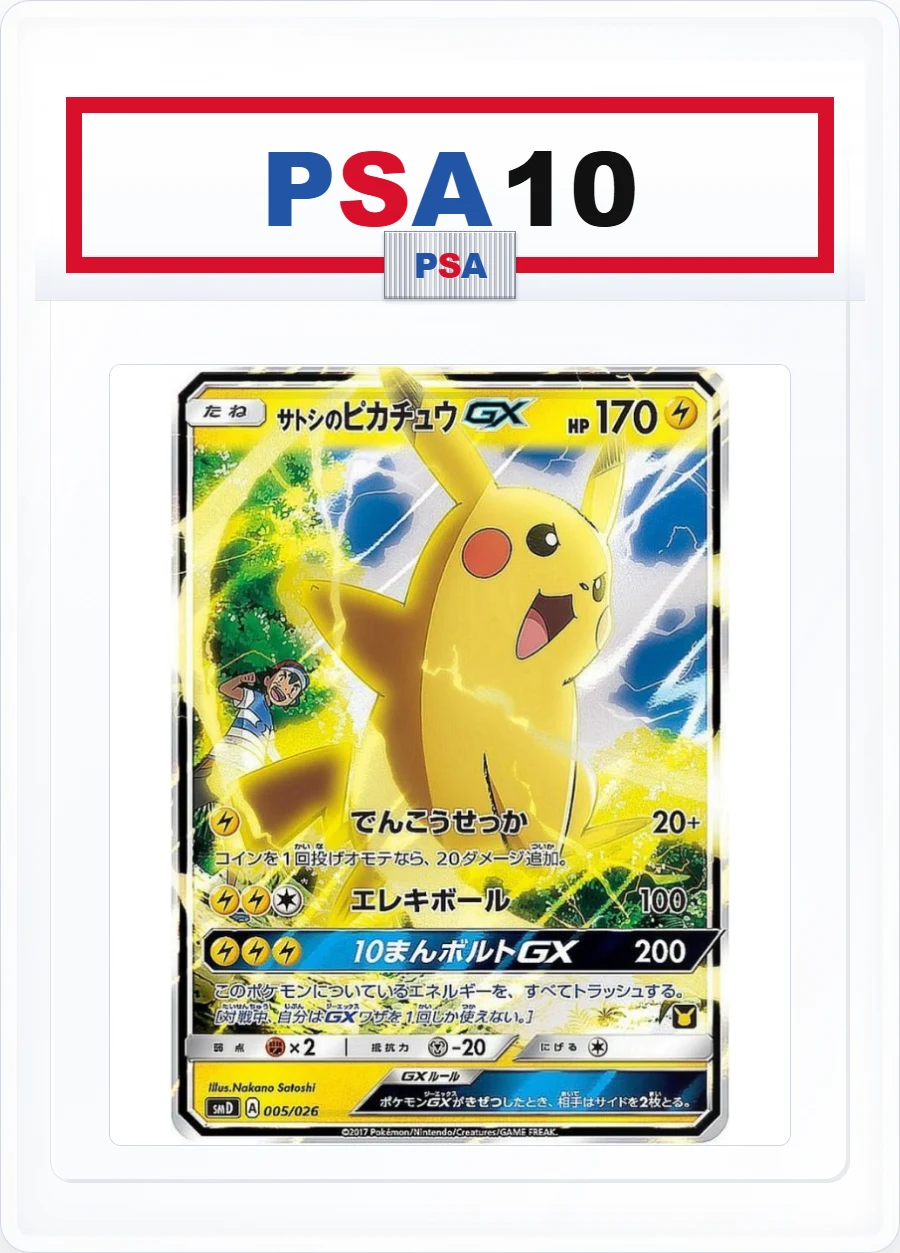
| 3 | Cartas de Pikachu | Reconocimiento global fácil. | La versión exacta importa porque Pikachu tiene muchas impresiones. | Ruta Pikachu de Ash (actualización: agotado — pide reposición vía Quick Order) |
| 4 | Cartas de Charizard | Alto reconocimiento y muchos segmentos de coleccionistas. | No confundas las distintas versiones de Charizard. | Ruta de producto Charizard |
| 5 | Eeveelutions | Los coleccionistas temáticos pueden construir grupos completos de slabs. | Genial para vitrinas de tienda cuando el tema es coherente. | Ruta Eevee GX |
| 6 | Cartas de ilustración AR | La ilustración es comprensible incluso para compradores nuevos. | No toda AR merece graduarse. Fíltralas con cuidado. | Guía PSA 10 frente a sin graduar |
| 7 | Cartas Gold / UR | Aspecto premium y abreviatura de rareza. | La demanda varía más de lo que sugiere el color. | Usa los filtros de la colección en vivo. |
| 8 | Holos vintage | La antigüedad y la nostalgia pueden crear demanda. | La condición y la época exacta determinan el resultado del slab. | Usa una consulta para necesidades específicas. |
| 9 | Cartas jugables de alta rareza | Jugadores y coleccionistas pueden coincidir durante formatos activos. | La demanda puede cambiar cuando cambia la relevancia competitiva. | Usa solo la cotización actual. |
| 10 | Slabs de vitrina mixtos | Las tiendas necesitan variedad, no solo trofeos. | Construye un tema y un rango de precio antes de comprar en cantidad. | Consulta mayorista |
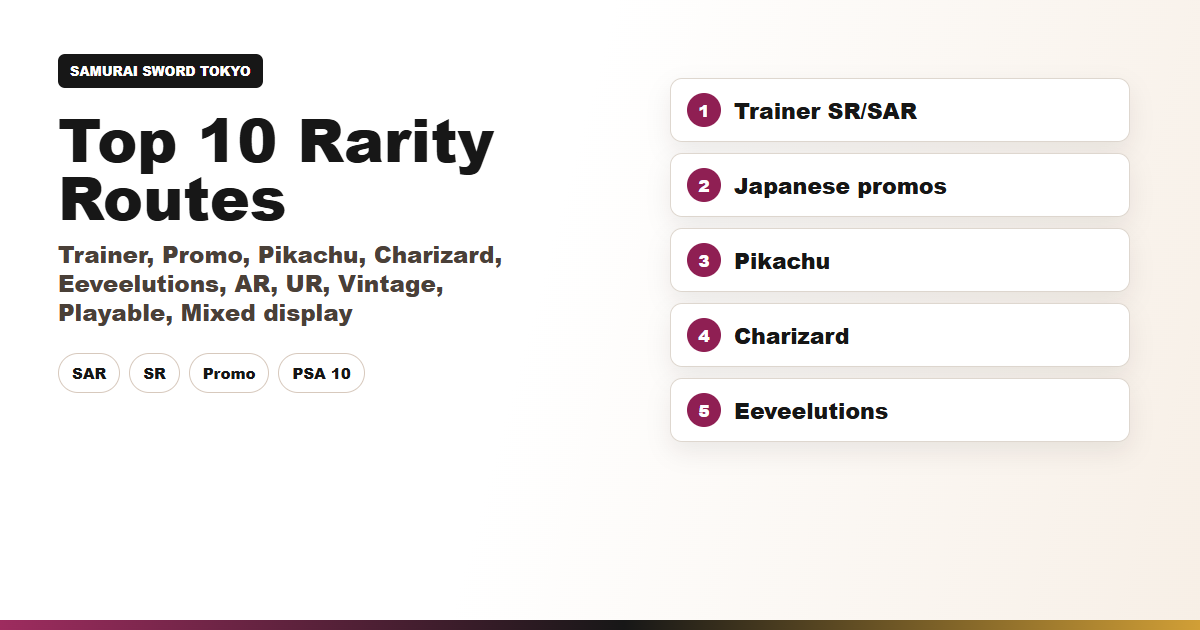
Compra según la intención: coleccionista, revendedor, tienda o comprador al por mayor
Una guía de rareza convierte mejor cuando no trata igual a todos los lectores. Un coleccionista quiere confianza. Un revendedor quiere rotación. Una tienda quiere una vitrina fácil de explicar. Un comprador al por mayor quiere una lista actual y sustituciones claras.
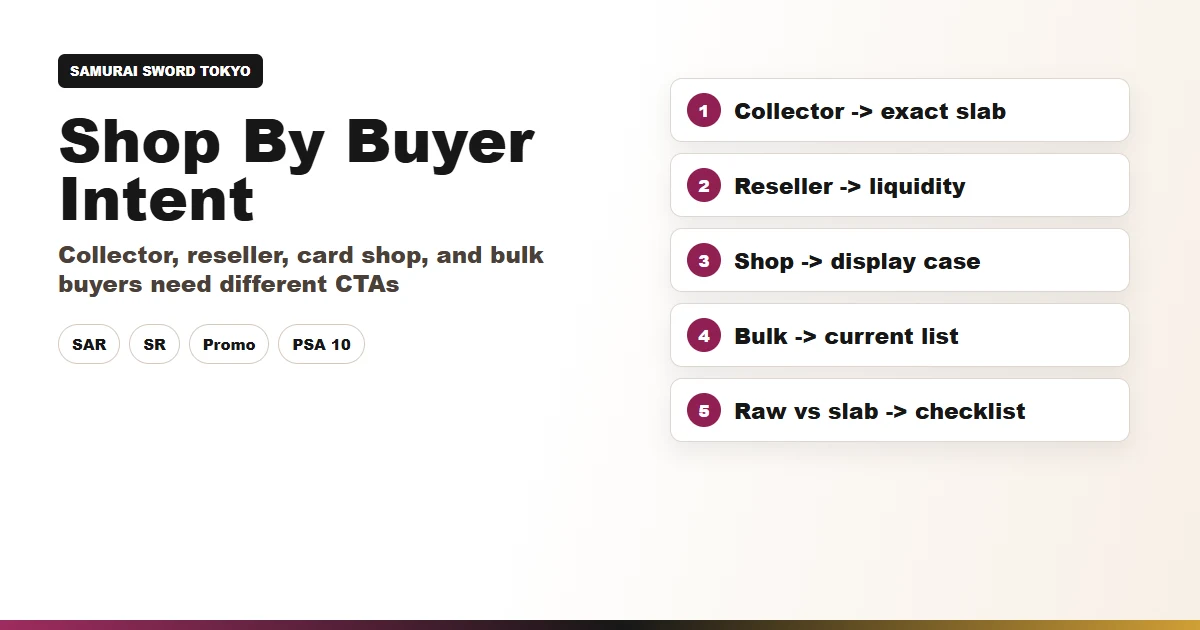
| Comprador | Qué significa la rareza para ellos | Riesgo | CTA |
|---|---|---|---|
| Coleccionista | Una pista sobre la escasez y la importancia de la ilustración. | Pagar de más porque la abreviatura suena rara. | Explora los slabs PSA 10 en vivo |
| Revendedor | Una herramienta de clasificación para la velocidad de venta y el margen. | Comprar cartas bonitas que se venden despacio. | Solicita la disponibilidad mayorista actual |
| Tienda de cartas | Una forma de explicar los niveles de vitrina a los clientes. | Una vitrina que parece cara pero carece de nombres reconocibles. | Compra TCG japonés al por mayor |
| Comprador premium | Una señal de partida para una investigación premium. | Versión equivocada, cotización desactualizada o poca liquidez. | Abre primero las páginas de producto exactas. |
| Comprador entre sin graduar y slab | Un filtro de candidatas a graduación. | Comisiones y tiempo de graduación en cartas que deberían quedarse sin graduar. | Compara PSA 10 frente a sin graduar |
Lista de verificación para candidatas a PSA 10
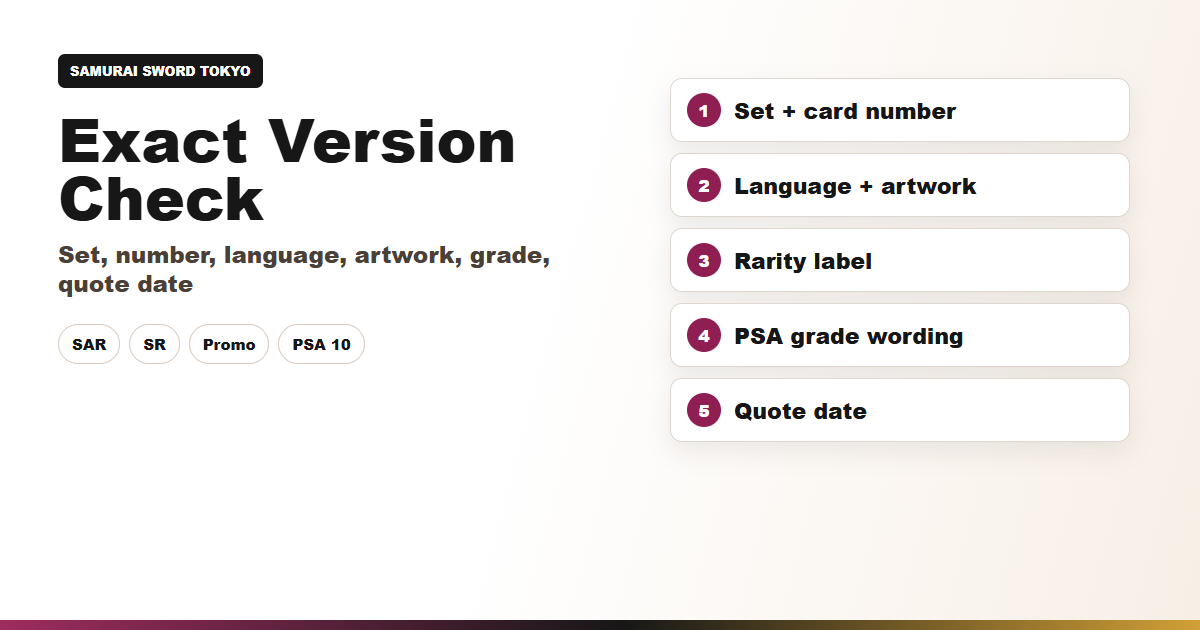
Antes de que una carta japonesa se convierta en candidata de compra para PSA 10, debe pasar más de un filtro. Aquí es donde muchas guías de rareza se detienen demasiado pronto. La abreviatura te puede decir a qué categoría pertenece la carta. No te puede decir si la carta pertenece a un pedido de inventario graduado.
| Filtro | Señal de aprobación | Señal de fallo |
|---|---|---|
| Demanda por personaje | Pikachu, Charizard, Eeveelutions, Mew/Mewtwo, Entrenadores importantes, o un tema que los coleccionistas ya entienden. | La carta es rara pero difícil de explicarle al comprador objetivo. |
| Ilustración | La ilustración puede vender el slab visualmente en una ficha de producto o vitrina. | La ilustración es técnicamente rara pero no resulta visualmente atractiva. |
| Versión exacta | El número de carta, el idioma, el set y la ilustración son fáciles de verificar. | Se pueden confundir varias versiones en publicaciones o cotizaciones. |
| Ruta de condición | Ya es PSA 10 o realmente merece graduarse tras una revisión en estado sin graduar. | Probablemente 9 o menos después de comisiones, tiempo y envío. |
| Liquidez | El segmento de comprador es claro: coleccionista, revendedor, tienda o comprador premium. | La única razón para comprar es que «es rara». |
| Disciplina de cotización | Hay una página de producto en vivo o una cotización mayorista actual disponible. | La decisión se basa en una captura antigua o en una afirmación de precio sin fuente. |
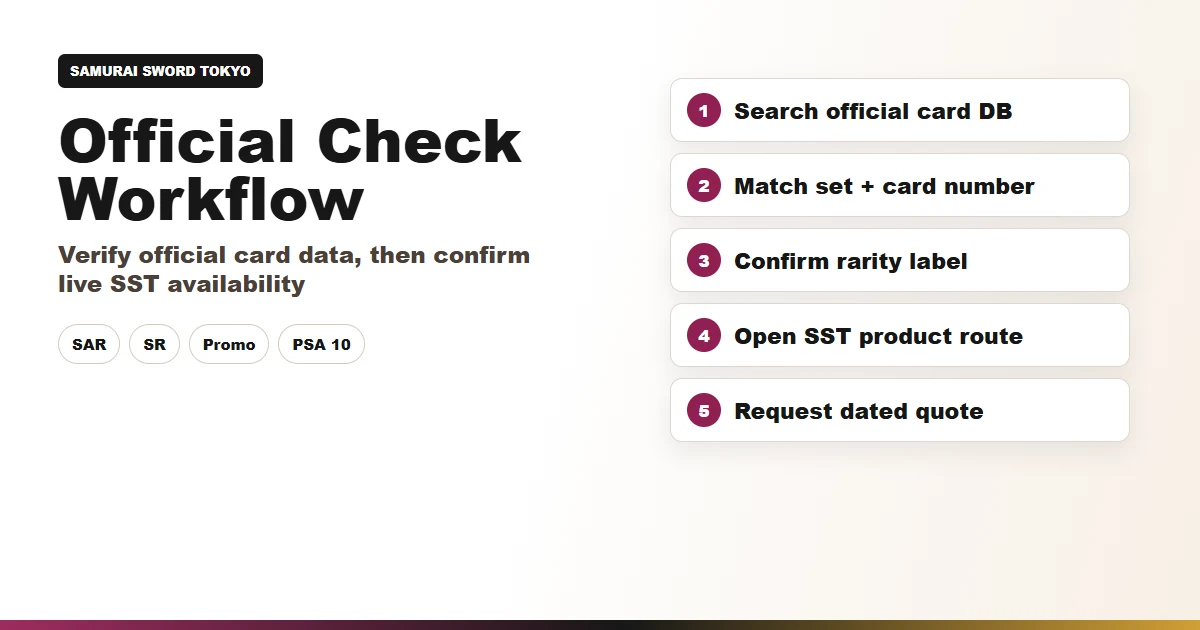
Rutas de producto de este artículo
Estos enlaces de SST hacen que el artículo sea algo más que un glosario. Cada enlace le da al lector un siguiente paso práctico después de aprender cómo afecta la rareza a la compra de cartas graduadas.
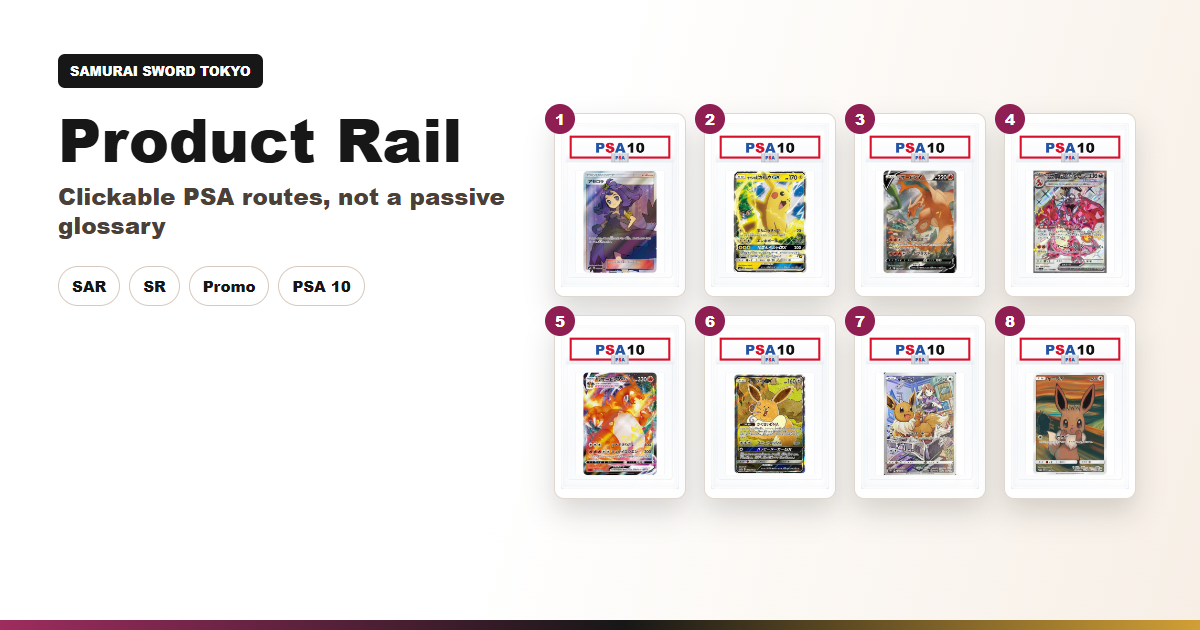
PSA10 Charizard V 103/100 SA
Ruta Charizard
Una ruta de alto reconocimiento donde la versión exacta y la ilustración deben revisarse antes que el precio.
Ver ruta
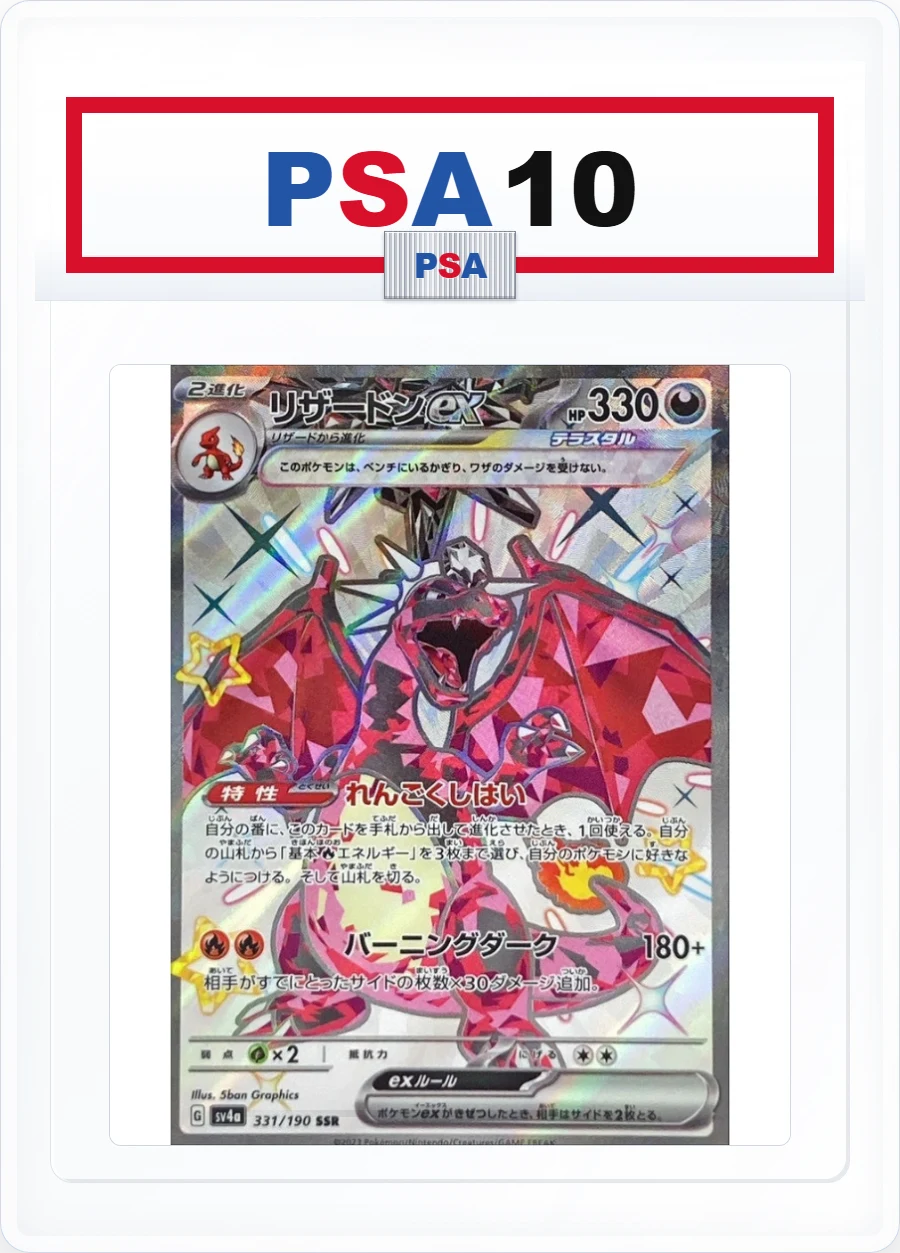
PSA10 Charizard ex SSR 331/190
Ruta SSR moderna
Usa la demanda de la SSR como señal de partida y luego verifica la página de producto y la fecha de la cotización.
Ver ruta
(actualización: agotado — pide reposición vía Quick Order)
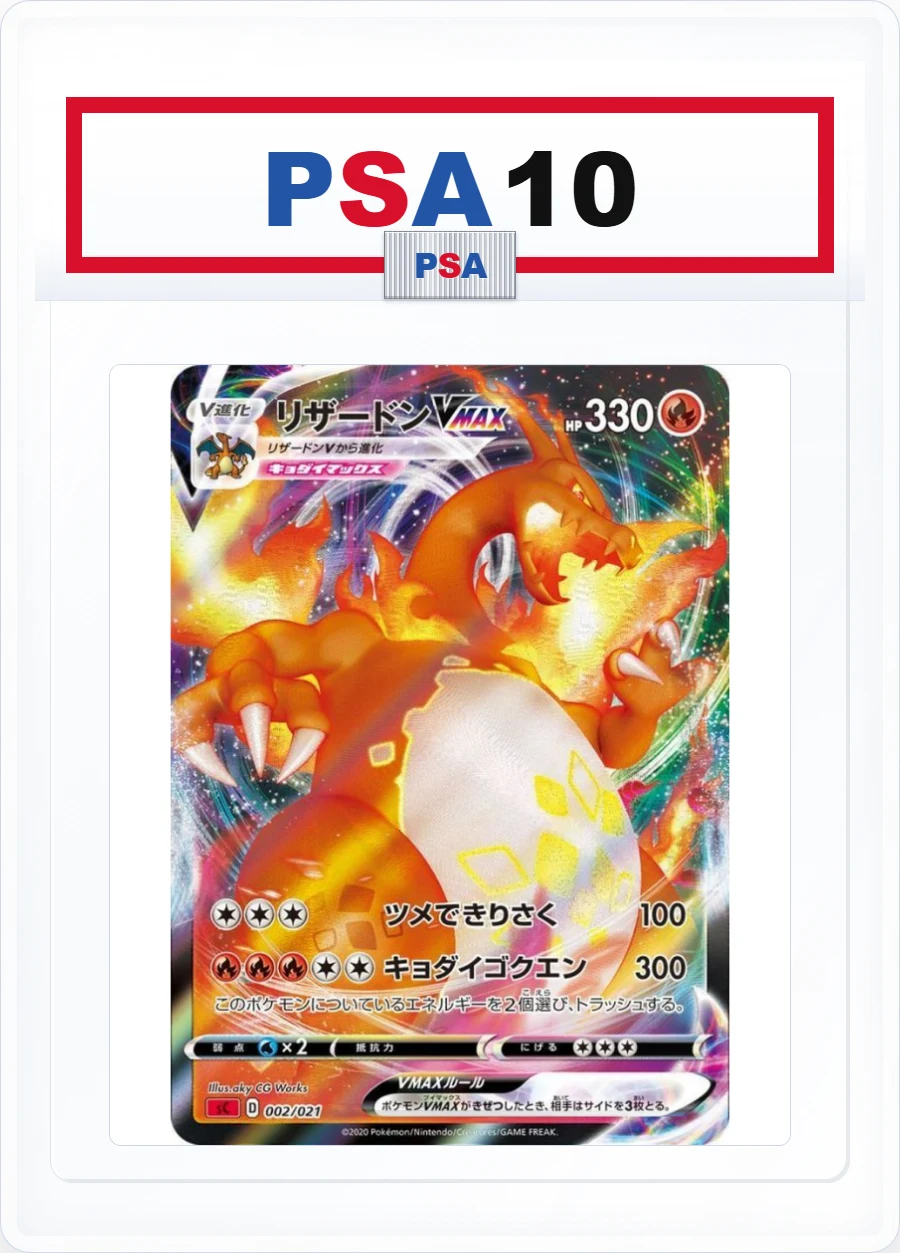
PSA10 Charizard VMAX 002/021
Ruta de vitrina icónica
Útil para vitrinas donde el reconocimiento del personaje capta la atención.
Ver ruta
(actualización: agotado — pide reposición vía Quick Order)
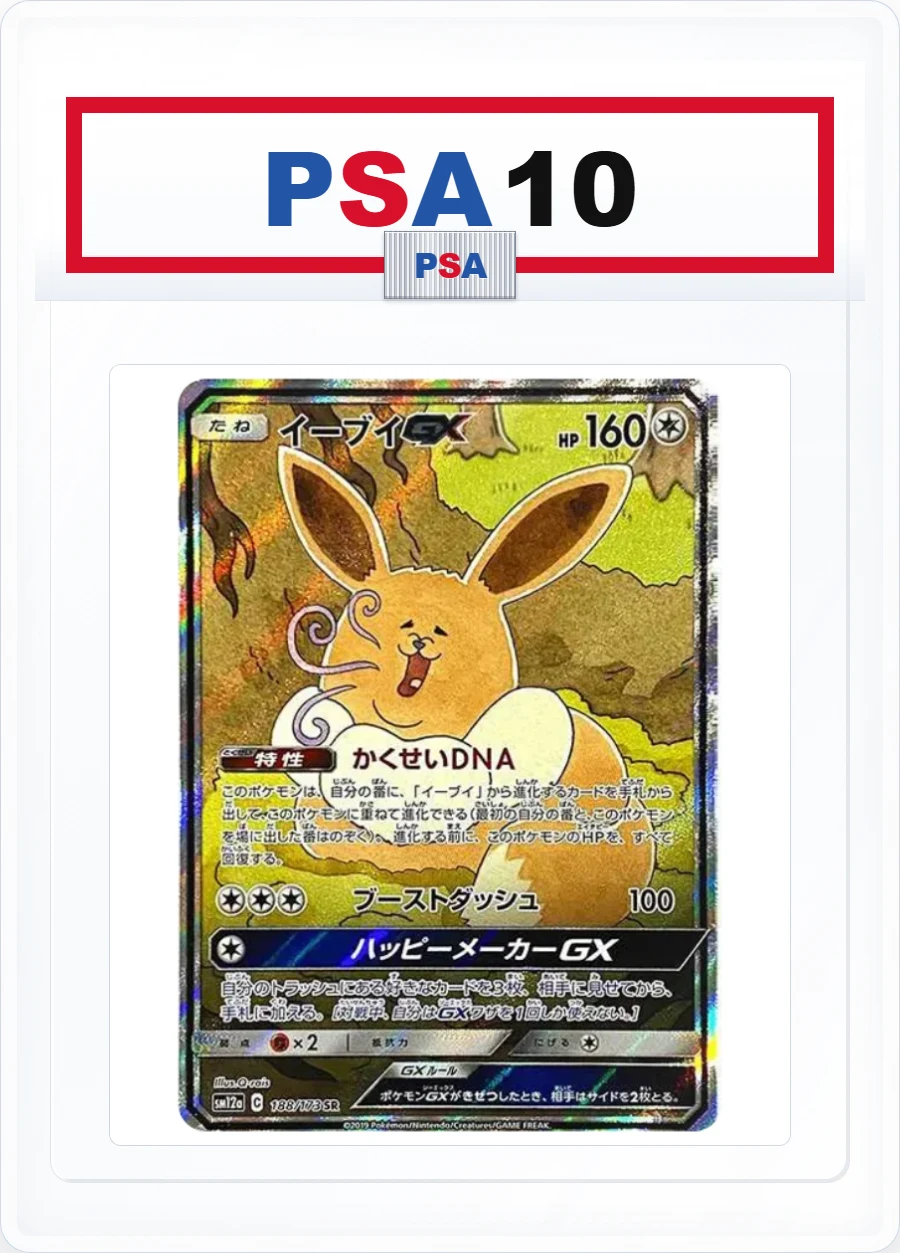
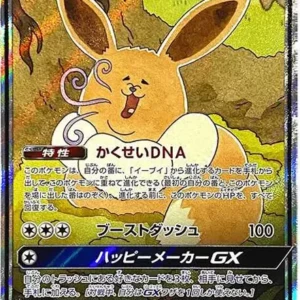
PSA10 Eevee GX 188/173 SA
Ruta Eeveelutions
Los coleccionistas temáticos pueden construir fuertes grupos PSA 10 alrededor de Eevee y sus evoluciones.
Ver ruta
Por qué los promos rompen el atajo de la rareza
Un promo puede no encajar en la misma jerarquía que las rarezas obtenidas en sobre. Su demanda puede venir del método de distribución, la historia del evento, la antigüedad, la región, la ilustración, el personaje y la frecuencia con la que aparecen copias graduadas limpias. Por eso un promo puede superar a una carta con una abreviatura de rareza aparentemente más alta.
Para los compradores de cartas graduadas, la pregunta práctica no es «¿qué rareza tiene?». La mejor pregunta es «¿por qué alguien va a querer este slab exacto más adelante?». Si la respuesta es historia de lanzamiento, personaje, ilustración y disponibilidad limitada, la carta puede merecer atención seria incluso cuando una tabla de rareza normal no la clasifique bien.
Sin graduar frente a PSA 10: la imagen de la decisión de graduación
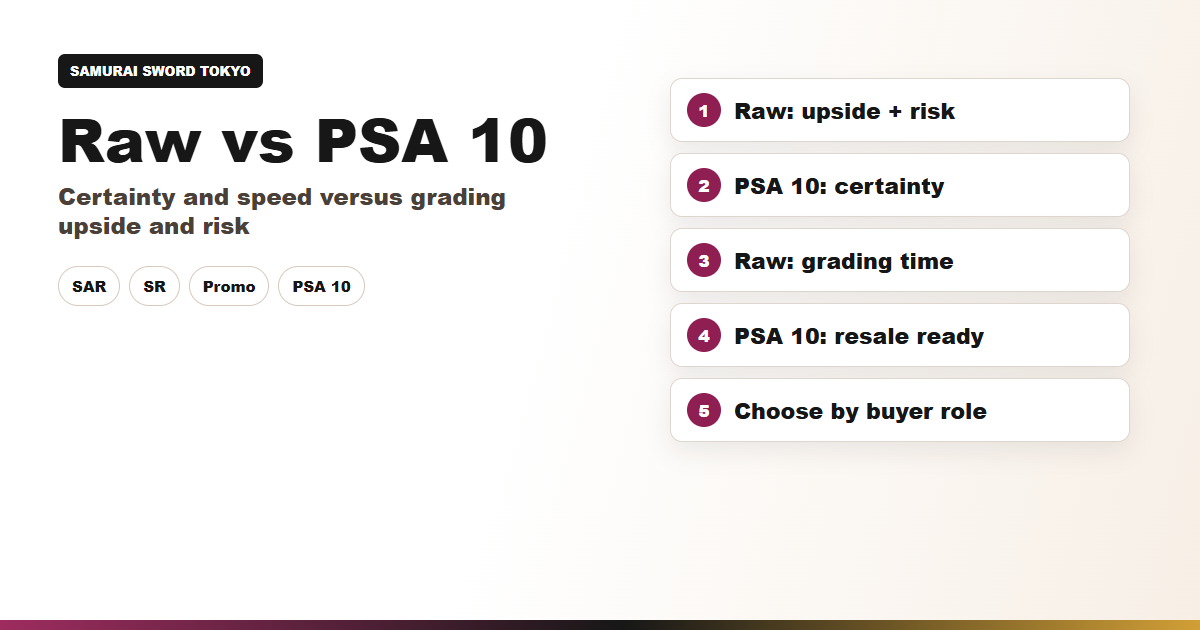
Cuando un comprador no está seguro de si comprar sin graduar o graduada, el artículo debe hacerlo ir más despacio. La pregunta importante no es si la carta es rara. La pregunta importante es si la certeza del PSA 10 vale más que el posible margen de subida de graduar una copia sin graduar más adelante.
Vigilancia de mercado: las señales de precio deben seguir siendo numéricas
La referencia de Ahrefs confirma el problema práctico: quienes buscan rareza japonesa también buscan precio. En la instantánea del 15 de junio de 2026, ポケモンカード 値段 mostró 16,000 de volumen de búsqueda y 3,491 de tráfico estimado para Cardrush, mientras que psa10 mostró 4,500 de volumen y 5,145 de tráfico estimado. Eliminar todos los números de precio hace que la guía se sienta más segura internamente, pero más débil para un comprador que intenta decidir si el precio de un slab es razonable.
El patrón más seguro no es publicar capturas de precio de terceros ya desactualizadas. Es mostrar la señal numérica de demanda, mostrar ejemplos de precio con fecha de las páginas de producto de SST cuando estén disponibles, y decirle al lector que vuelva a revisar la página en vivo o que solicite una cotización mayorista actual antes de pedir.
| Señal | Palabra clave de Ahrefs | Mercado | Sitio de referencia | Volumen | Tráfico | Pos. | Uso en el artículo |
|---|---|---|---|---|---|---|---|
| Intención de precio en JP | ポケモンカード 値段 | JP | Cardrush Pokemon | 16,000 | 3,491 | 1 | Mantén visible el lenguaje de precio; los usuarios no quedan satisfechos solo con etiquetas de rareza. |
| Intención de PSA en JP | psa10 | JP | Cardrush Pokemon | 4,500 | 5,145 | 22 | Conecta las explicaciones de rareza con rutas de producto de PSA 10 desde el principio. |
| Intención de personaje/SAR en JP | ブラッキーsar | JP | Cardrush Pokemon | 8,500 | 8,912 | 1 | La demanda por personaje puede superar a la abreviatura de rareza en sí. |
| Intención de precio por nombre en JP | リーリエ値段 | JP | Cardrush Pokemon | 3,300 | 3,484 | 1 | Las comprobaciones de precio por carta deberían resolverse con páginas con fecha o cotizaciones. |
| Ruta de PSA por personaje en JP | ピカチュウpsa10 | JP | Cardrush Pokemon | 900 | 988 | 1 | PSA 10 más un Pokémon icónico es una ruta más fuerte que los términos de rareza genéricos. |
| Intención de cartas japonesas desde el extranjero | japanese pokemon cards | US | PokeNinJapan | 8,600 | 29 | 17 | Explica la compra de cartas japonesas en inglés sencillo antes de que las abreviaturas se vuelvan muy densas. |
| Intención de dónde comprar desde el extranjero | where to buy japanese pokemon cards | US | PokeNinJapan | 400 | 66 | 4 | Añade CTA de colección y mayoreo para lectores listos para comprar desde Japón. |
| Intención de lista de cartas desde el extranjero | eevee heroes card list | US | TCG Republic | 3,800 | 359 | 4 | Usa una estructura tipo lista de cartas y rutas de producto visuales, no solo texto. |
| Ejemplo de página de producto de SST | Ruta | Lectura de precio de la página | Lectura de disponibilidad | Verificado |
|---|---|---|---|---|
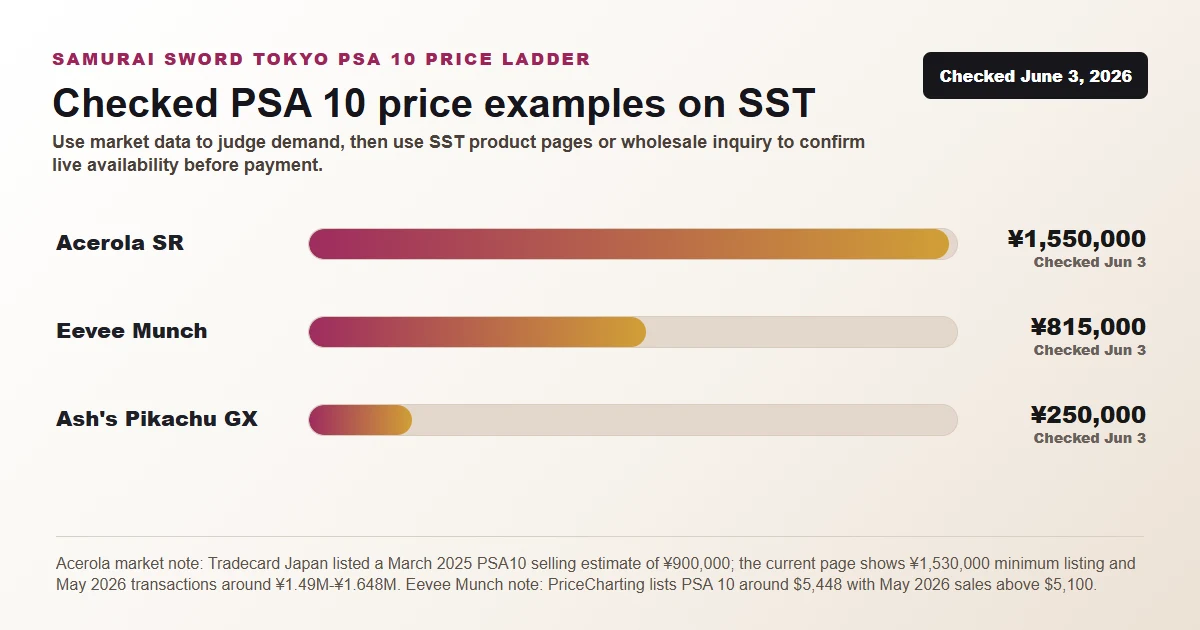
| PSA10 Acerola 056/049 SR (actualización: agotado — pide reposición vía Quick Order) | Ruta de Entrenador SR | JPY 1,602,300 | OutOfStock en el esquema del producto en el momento de la verificación | 23 de junio de 2026 JST |
| PSA10 Ash’s Pikachu GX 005/026 (actualización: agotado — pide reposición vía Quick Order) | Ruta de promo de Pikachu | JPY 236,900 | OutOfStock en el esquema del producto en el momento de la verificación | 23 de junio de 2026 JST |
| PSA10 Charizard V 103/100 SA | Ruta SA de Charizard | JPY 70,200 | OutOfStock en el esquema del producto en el momento de la verificación | 23 de junio de 2026 JST |
| PSA10 Eevee Munch Exhibition 287/SM-P PROMO (actualización: agotado — pide reposición vía Quick Order) | Ruta de historia de promo | JPY 862,200 | OutOfStock en el esquema del producto en el momento de la verificación | 23 de junio de 2026 JST |
Base de la investigación: instantáneas de palabras clave nacionales e internacionales de Ahrefs con fecha 2026-06-15, salida del informe de referencia local outputs/ahrefs-rarity-psa-keywords-2026-06-23/ahrefs_rarity_psa_keyword_benchmark_from_raw.md, la página oficial de búsqueda de cartas del Pokémon Card Game, y datos estructurados de las páginas de producto de SST verificados el 23 de junio de 2026 JST. Los ejemplos de página de producto son ejemplos de disciplina de precio, no garantías de disponibilidad. No se copiaron imágenes públicas de la competencia ni oficiales en este artículo.
Cómo usar esta guía para compras mayoristas
Si estás comprando para una tienda, un canal de reventa o un suministro recurrente desde el extranjero, envía un brief que convierta la rareza en un surtido accionable. En lugar de pedir «cartas raras», especifica el resultado que buscas como comprador.
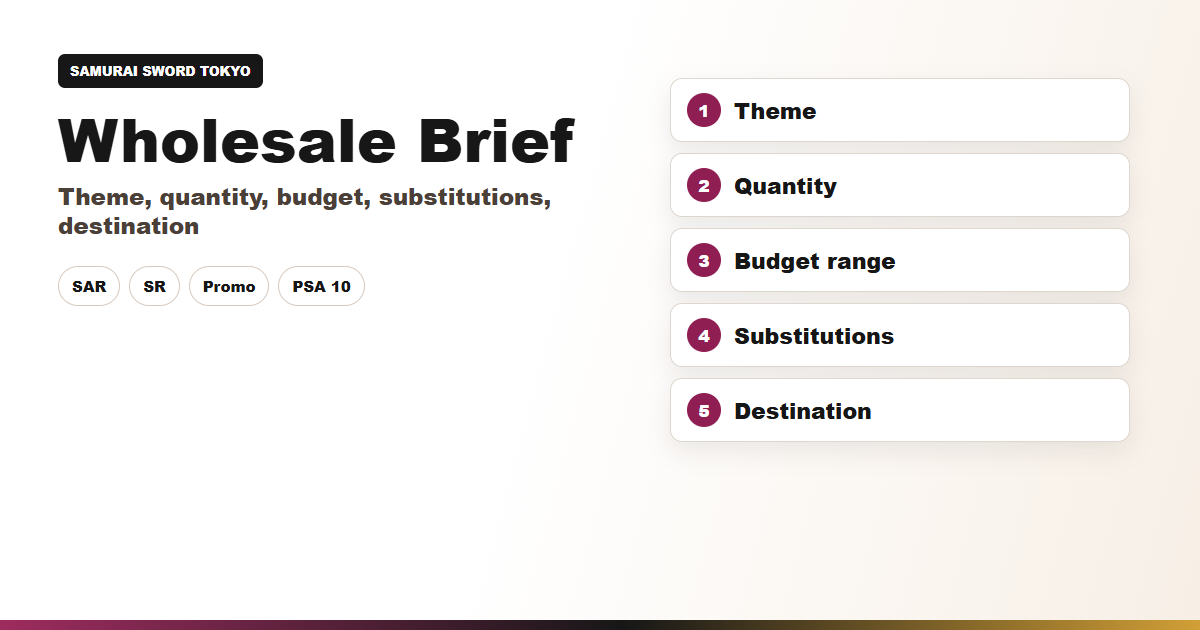
- Cantidad objetivo y rango de presupuesto.
- Rutas preferidas: Entrenadores, promos, Pikachu, Charizard, Eeveelutions, cartas de ilustración AR, SAR modernas, o slabs de vitrina de precio más bajo.
- Si se requiere solo PSA 10 o se pueden mezclar cartas japonesas sin graduar.
- País de destino y tiempos de envío esperados.
- Sustituciones aceptables y cartas que evitar.
- Si el pedido es para coleccionar, revender, exhibir en tienda o inventario mixto.
Solicita una lista mayorista de PSA 10 según la rareza Compra TCG japonés junto con cartas graduadas
Guías relacionadas de SST
| Guía | Úsala cuando | Enlace |
|---|---|---|
| Guía de compra de PSA 10 al por mayor | Estás comprando varios slabs desde Japón. | Lee la guía al por mayor |
| Guía mayorista de PSA 10 | Estás comprando para reventa o para una tienda. | Lee la guía mayorista |
| Guía PSA 10 frente a sin graduar | Estás decidiendo si la rareza justifica graduar. | Compara PSA 10 frente a sin graduar |
Preguntas frecuentes
¿Es SAR siempre mejor que SR para los compradores de PSA 10?
No automáticamente. La SAR suele tener un atractivo de coleccionista más fuerte por su narrativa de arte completo, pero la mejor compra para PSA 10 depende del Pokémon o Entrenador, la ilustración, la población, la liquidez y el precio en vivo.
¿Debería graduar toda carta Pokémon japonesa AR o SAR?
No. Las candidatas a graduación deben filtrarse por demanda, condición, centrado, graduación esperada, comisiones y vía de reventa. Algunas cartas de menor rareza son mejores como cartas de álbum sin graduar que como inventario PSA 10.
¿En qué rareza debería enfocarse un revendedor?
Los revendedores suelen necesitar Pokémon, Entrenadores y promos reconocibles, y slabs líquidos, más que la etiqueta más rara de forma aislada. Un surtido mixto de PSA 10 puede ser más fuerte que una sola carta cara.
¿Las etiquetas de rareza japonesas coinciden exactamente con las etiquetas de rareza en inglés?
No. Los productos japoneses usan sus propias estructuras de set y etiquetas de rareza, y las épocas más antiguas pueden diferir bastante. Comprueba siempre la carta japonesa exacta, el set, el número y la ilustración.
¿Por qué puede un promo superar a una carta de sobre de mayor rareza?
La demanda de un promo puede venir de la historia de distribución, la antigüedad, el contexto del evento y la popularidad del personaje. Esos factores pueden importar más que la etiqueta de rareza impresa.
¿Por dónde deberían empezar los compradores del extranjero?
Empieza con el inventario PSA 10 en vivo de SST si quieres slabs que puedas comprar ahora mismo. Usa la ruta de consulta mayorista para cantidad, sustituciones o compras mixtas de TCG japonés.
¿Puede la rareza predecir por sí sola el precio de PSA 10?
No. La rareza es solo una señal más. La identidad de la carta, la ilustración, la población, el momento del mercado, la condición, el idioma y el segmento de comprador afectan todos al precio de PSA 10.
¿Cómo deberían usar las tiendas de cartas las guías de rareza?
Usa la rareza como un mapa de merchandising. Construye vitrinas alrededor de temas reconocibles como Pikachu, Charizard, Eeveelutions, Entrenadores, promos y cartas de arte modernas, en lugar de clasificar solo por abreviatura de rareza.
Conclusión
La rareza de las cartas Pokémon japonesas es útil porque ayuda a los compradores a organizar la búsqueda. Es peligrosa cuando se convierte en toda la decisión de compra. Para los compradores de PSA 10, el mejor camino es sencillo: usa la rareza para filtrar, usa el personaje y la ilustración para juzgar la demanda, usa el inventario en vivo de SST para confirmar la disponibilidad, y usa la consulta mayorista cuando el pedido necesite cantidad o suministro recurrente.
500 puntos gratis al registrarte
CREAR CUENTA GRATIS1 pt = ¥1 al finalizar la compra · Los puntos caducan 30 días después de obtenerlos · Los aranceles de importación, impuestos y gastos de aduana no están incluidos en el precio y se cobran en la entrega, salvo en los destinos a los que enviamos con aranceles pagados.
Seleccionado para este artículo
📩 Ofertas y cupones solo para miembros
Avisos de rebajas, cupones y reposiciones por email, desde Tokio.