Aggiornamento del mercato PSA
Livelli PSA Value in pausa: perché le carte Pokémon PSA 10 giapponesi potrebbero cambiare prezzo nel 2026
Ultimo aggiornamento: 5 giugno 2026.
Punto chiave: i cambiamenti di servizio PSA del 2026 non significano che ogni carta PSA aumenti automaticamente di valore. La lettura più solida e utile è che l’accesso alla certificazione a basso costo è diventato più difficile, più lento o temporaneamente non disponibile sui principali canali. Questo aumenta l’attrito di sostituzione per una nuova offerta di PSA 10, il che può rendere le carte Pokémon PSA 10 giapponesi già certificate e già disponibili più interessanti per collezionisti, negozi e rivenditori.
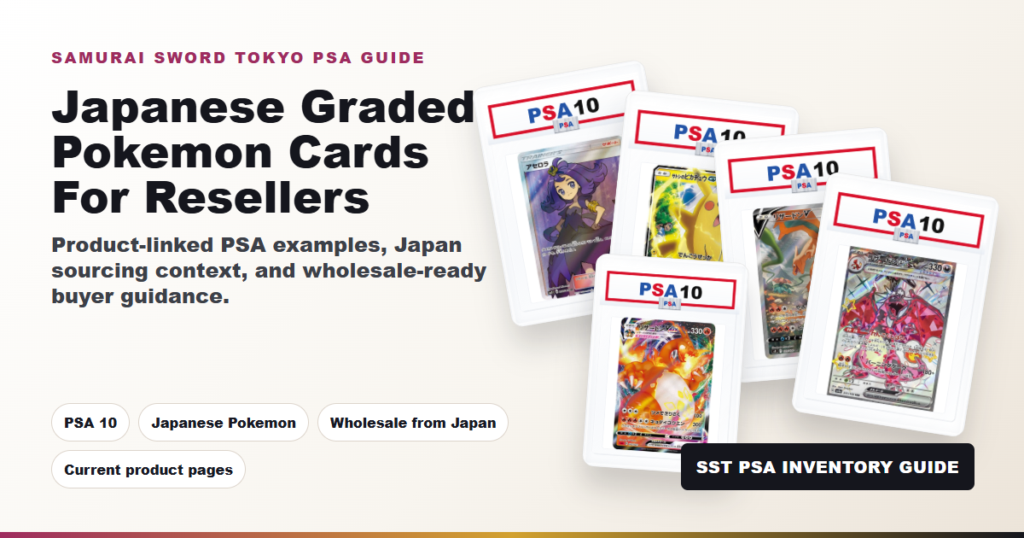
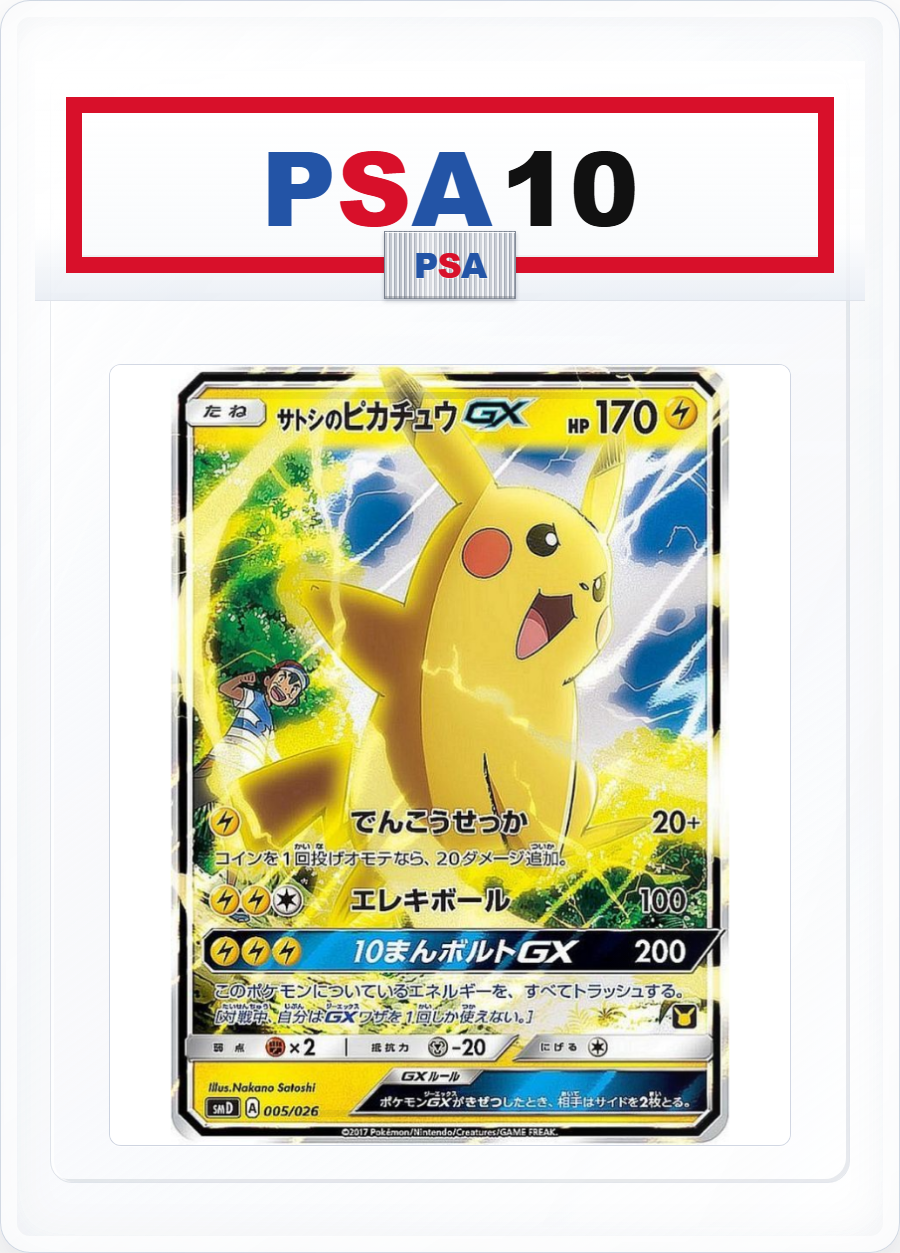
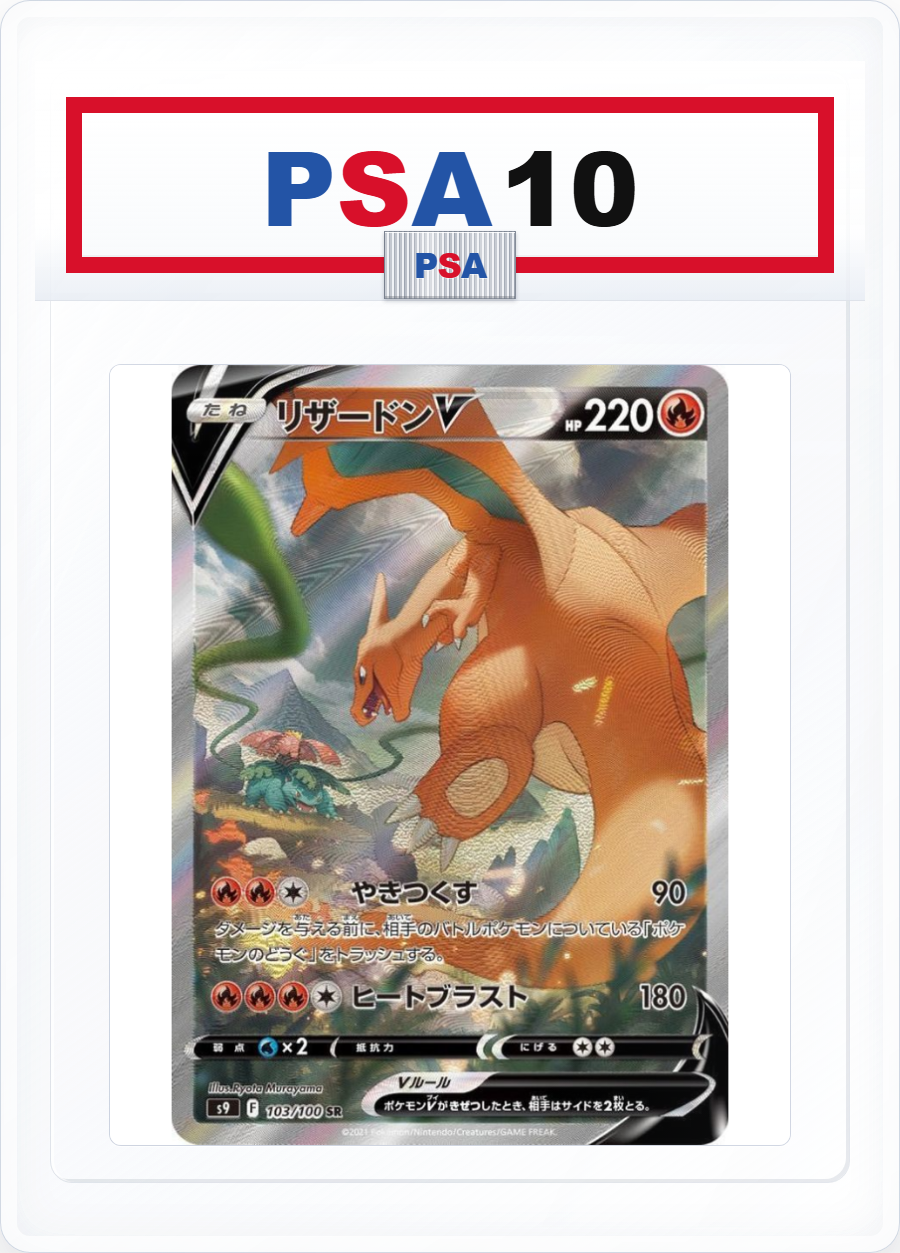
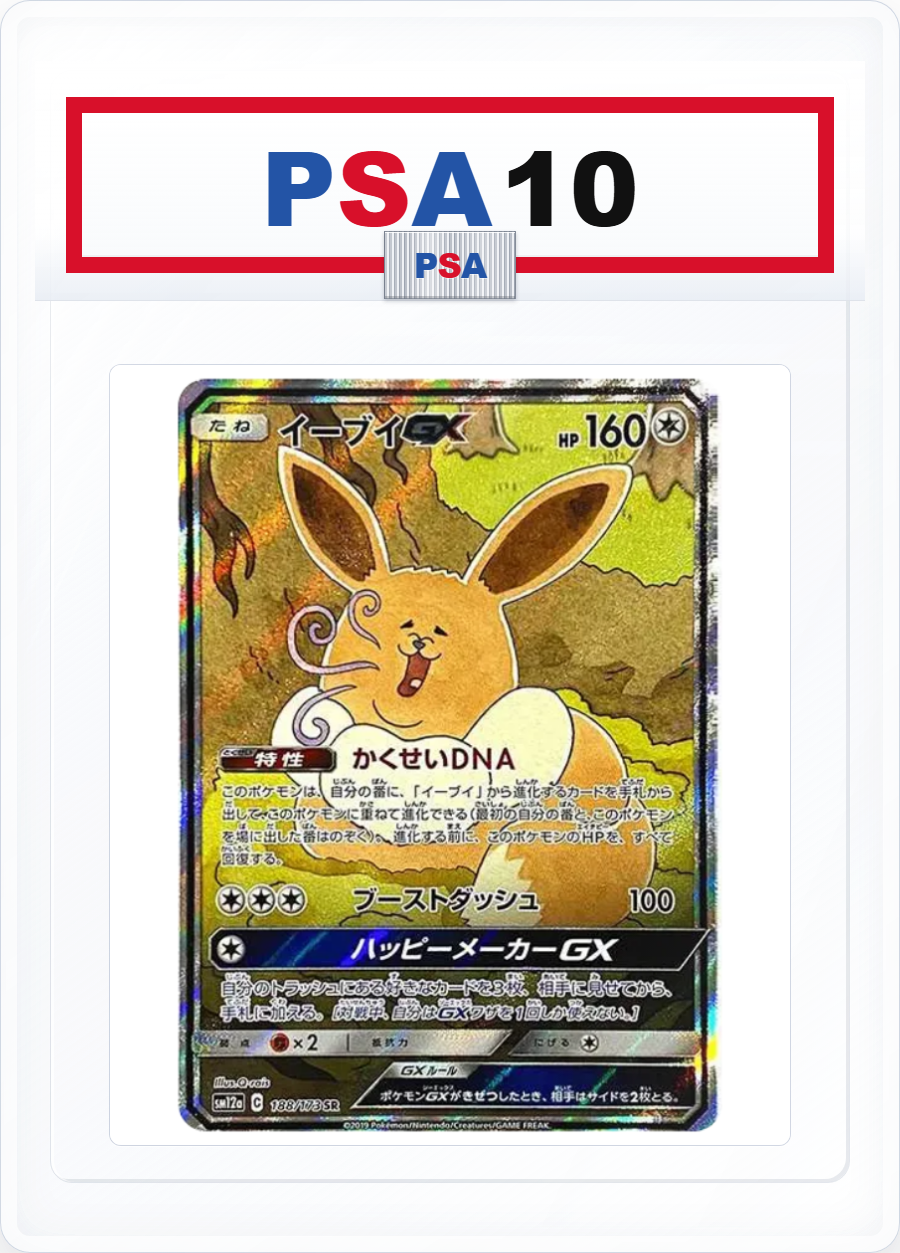
Per gli acquirenti, la mossa pratica non è inseguire qualsiasi slab a qualsiasi prezzo. Si tratta di concentrarsi sulle carte PSA 10 per cui la domanda esiste già: Pikachu, Charizard, le Eeveelutions, Mew e Mewtwo, le promo giapponesi, gli Allenatori popolari, le carte a distribuzione limitata e le carte che i negozi possono spiegare rapidamente ai clienti. Se il costo di sostituzione aumenta e i tempi di lavorazione si allungano, un inventario di PSA 10 pronto all’acquisto diventa una fonte di approvvigionamento più preziosa.
Cosa è cambiato
PSA Japan ha annunciato che la modifica del livello di servizio si applica alle richieste online effettuate a partire dal 15 maggio 2026 alle 2:30, ora del Giappone. In Giappone, PSA ha smesso di accettare Value Bulk, Value Plus e Value Max. PSA Japan ha inoltre modificato i tempi di lavorazione previsti per Value, ora fissati a 160 giorni lavorativi, e per Regular, ora fissati a 60 giorni lavorativi.
La tabella ufficiale di PSA Japan rende questo cambiamento più facile da comprendere:
| Livello di servizio in Giappone | Limite di valore dichiarato | Costo | Tempi di lavorazione precedenti / dichiarati | Stato 2026 |
|---|---|---|---|---|
| Value Bulk | JPY 80,000 o meno | JPY 3,980/carta | 120 giorni lavorativi | Accettazione sospesa |
| Value | JPY 80,000 o meno | JPY 4,980/carta | 90 -> 160 giorni lavorativi | Ancora aperto, molto più lento |
| Value Plus | JPY 80,000 o meno | JPY 7,980/carta | 60 giorni lavorativi | Accettazione sospesa |
| Value Max | JPY 150,000 o meno | JPY 8,980/carta | 40 giorni lavorativi | Accettazione sospesa |
| Regular | JPY 250,000 o meno | JPY 11,980/carta | 30 -> 60 giorni lavorativi | Ancora aperto, più lento |
PSA Japan afferma inoltre che gli articoli già spediti prima della modifica, e gli ordini già completati prima della modifica, vengono gestiti secondo il livello di servizio, il prezzo e i tempi di lavorazione validi al momento della sottomissione. Questa distinzione è importante perché l’articolo riguarda il nuovo attrito nell’offerta, non un cambiamento improvviso delle condizioni per ogni carta già presente presso PSA.
C’è anche un aggiornamento più ampio per il Nord America. Il 28 maggio 2026, PSA ha annunciato che, a partire dal 2 giugno 2026 alle 15:00, ora del Pacifico, le nuove sottomissioni per Value Bulk, Value, Value Plus e Value Max sarebbero state temporaneamente sospese. PSA ha collegato la sospensione a un’impennata del 20% delle sottomissioni dopo l’aggiornamento del 14 maggio, che ha aggiunto altri 1,6 milioni di carte a un arretrato attivo vicino ai 10 milioni. L’obiettivo dichiarato da PSA è ridurre tale arretrato a 5 milioni di unità, con proiezioni fino a quattro mesi.
Perché questo può sostenere il valore delle PSA 10
Il meccanismo di mercato è semplice: quando i percorsi di certificazione più economici e flessibili diventano non disponibili o molto più lenti, il costo di sostituzione di una PSA 10 nuova aumenta. Una carta grezza non è più semplicemente "carta grezza più una tariffa di certificazione economica". Diventa carta grezza più una scelta di servizio più costosa, un blocco di capitale più lungo, maggiore incertezza e il rischio che la carta venga valutata 9 invece di 10.
Questo non garantisce un aumento di prezzo per ogni slab. Rafforza però l’argomento a favore delle carte PSA 10 già certificate nelle categorie in cui gli acquirenti vogliono già certezza. Un negozio non deve aspettare mesi il ritorno di una sottomissione. Un collezionista non deve valutare le condizioni della carta grezza. Un rivenditore non deve immobilizzare capitale durante una lunga coda di certificazione. La carta è già nel voto che l’acquirente desidera.
La definizione migliore per questo è attrito di sostituzione. Più diventa costoso e lento sostituire una PSA 10, più preziosa può diventare la disponibilità attuale di PSA 10.
| Forza di mercato | Cosa è cambiato | Perché è importante per le carte PSA 10 |
|---|---|---|
| Accesso alle sottomissioni a basso costo | Il Giappone ha interrotto diversi livelli bassi/medi; il Nord America ha sospeso tutti i livelli Value. | Diventa più difficile creare nuova offerta di PSA 10 allo stesso costo e alla stessa velocità. |
| Tempi di lavorazione | Value in Giappone è passato a 160 giorni lavorativi; Regular è passato a 60 giorni lavorativi. | Il capitale resta bloccato più a lungo per chi effettua la sottomissione. |
| Pressione dell’arretrato | PSA ha citato un arretrato vicino ai 10 milioni di carte in Nord America. | Gli acquirenti potrebbero preferire un inventario già certificato invece di attendere nuovi ritorni. |
| Segnale di domanda | PSA ha dichiarato che un aumento del 20% delle sottomissioni ha aggiunto 1,6 milioni di carte dopo l’aggiornamento del 14 maggio. | Il mercato continua a sottomettere in modo massiccio, anche con tempi più lunghi. |
| Segnale di marchio | Collectors, la società madre di PSA, ha investito 200 milioni di dollari in 18 mesi. | PSA sta difendendo la fiducia e la scala a lungo termine piuttosto che scontare a causa della congestione. |
I dati ufficiali sulla domanda sono solidi
L’articolo di PSA di maggio 2026 sull’infrastruttura fornisce il contesto della domanda. L’azienda afferma, nella versione inglese dell’articolo, che PSA ha certificato circa 2 milioni di carte nel 2020 e oltre 19 milioni nel 2025. La traduzione giapponese di PSA Japan descrive un volume 2025 superiore a 20 milioni. Lo stesso annuncio di PSA afferma che, da gennaio ad aprile 2026, il volume di certificazione è aumentato di quasi 2,3 milioni di articoli su base annua, un balzo del 39%.
GemRate aggiunge un contesto di mercato di terze parti. Il suo riepilogo di aprile 2026 indica che l’attività totale di certificazione ha raggiunto 3,10 milioni di carte e che PSA ne ha certificate 2,21 milioni, in aumento del 42% su base annua. Il suo riepilogo di maggio 2026 indica che l’attività totale di certificazione è stata di 2,95 milioni di carte e che PSA ne ha certificate 2,07 milioni, in aumento del 25% su base annua.
Per Pokémon in particolare, il rapporto di mercato di Pulled del 20 maggio 2026 ha monitorato 62,903 carte Pokémon e ha indicato un prezzo medio grezzo di $42.25 contro un prezzo medio PSA 10 di $273.45, un premio del 547.3%. Si tratta di dati ampi sul Pokémon inglese, non di una promessa per una carta giapponese specifica. Ma conferma il punto generale: il mercato spesso paga notevolmente di più per la certezza di una PSA 10 che per l’incertezza di una carta grezza.
Volume annuale di certificazione PSA
Attività mensile recente di certificazione PSA
Cosa significa questo per gli acquirenti di Pokémon giapponesi
Le carte Pokémon giapponesi occupano una posizione intermedia utile in questa storia. Molti acquirenti vogliono carte giapponesi per la qualità di stampa, le promo esclusive, l’identità dei set giapponesi e la domanda dei collezionisti al di fuori del Giappone. Ma una carta giapponese grezza ha comunque bisogno di accesso alla certificazione, di tempo e di un risultato PSA 10 riuscito prima di diventare una carta certificata pronta per la vendita.
Quando l’accesso ai livelli Value è limitato, gli acquirenti possono spostarsi verso un inventario di PSA 10 già finalizzato. Questo è particolarmente vero per gli acquirenti esteri che non vogliono gestire l’ispezione della carta grezza, la spedizione internazionale verso un servizio di certificazione, tempi lunghi di lavorazione e la tempistica di rivendita.
- Se un acquirente desidera una carta esatta in PSA 10, un esemplare già certificato può essere più semplice di una carta grezza con il rischio legato alla certificazione.
- Se un negozio vuole inventario da esposizione subito, uno slab PSA 10 già pronto è più semplice che attendere il ritorno di una sottomissione.
- Se un rivenditore desidera una rapida messa in vendita, il voto già finalizzato accorcia il percorso verso la vendita.
- Se un collezionista desidera una promo giapponese o una carta di un personaggio, il premio può essere razionale quando l’acquirente attribuisce valore alla certezza.
- Se un soggetto sottoponente pianificava di certificare a basso costo carte grezze di scarso valore, i conti oggi sono meno favorevoli.
PSA 10 rispetto alla sottomissione di carte grezze nel 2026
Prima di questo cambiamento, molti acquirenti potevano considerare le carte giapponesi grezze e gli slab PSA 10 come due versioni dello stesso piano: comprare grezzo, sottomettere, aspettare, poi sperare che la carta torni valutata 10. Quel piano esiste ancora, ma i cambiamenti di servizio del 2026 rendono i costi nascosti più facili da vedere.
Il percorso grezzo ora richiede più disciplina. Una carta grezza deve essere abbastanza pulita da giustificare la certificazione, abbastanza preziosa da assorbire un servizio più costoso o più lento, e abbastanza liquida perché il mercato sia ancora presente al ritorno della carta. Se la carta torna valutata PSA 9, il risultato potrebbe non coprire il costo di certificazione, il costo di spedizione e il rischio legato al tempo. Questo è particolarmente importante per le carte moderne, per cui molti acquirenti pagano un forte premio solo per la PSA 10.
Una PSA 10 già certificata costa di più in anticipo, ma l’acquirente paga per un risultato già ottenuto. Questo può essere razionale quando l’acquirente attribuisce valore alla certezza, alla disponibilità immediata e a una rivendita o esposizione più semplice. Non è automaticamente meglio. È meglio quando l’acquirente ha già deciso che la PSA 10 è l’obiettivo e il percorso grezzo sarebbe solo una scommessa rimandata.
| Percorso dell’acquirente | Ideale quando | Rischio principale | Adeguamento 2026 |
|---|---|---|---|
| Comprare grezzo e sottomettere | Puoi ispezionare le condizioni, accettare l’attesa e tollerare un 9. | Costo di certificazione, voto più basso, tempi lunghi di lavorazione e movimento del mercato durante l’attesa. | Sii più rigoroso su quali carte grezze meritano la sottomissione. |
| Comprare una PSA 10 già certificata | Hai bisogno di certezza, inventario immediato o un esemplare da collezione pulito. | Pagare troppo per la carta o la versione sbagliata. | Confronta il numero esatto della carta giapponese e le vendite comparabili recenti prima di acquistare. |
| Comprare una PSA 9 o inferiore | Vuoi un costo d’ingresso più basso e non hai bisogno del gem mint. | Premio di rivendita più debole e minore domanda dei collezionisti in alcune categorie. | Da usare solo quando la carta stessa ha domanda al di là del voto. |
| Aspettare la riapertura | Non hai bisogno di inventario ora. | I tempi di riapertura e le future condizioni di servizio potrebbero cambiare. | Segui gli aggiornamenti PSA ed evita di presumere che i vecchi prezzi ritornino. |
Come interpretare i prossimi quattro mesi
PSA ha descritto la sospensione dei livelli Value in Nord America come temporanea e legata a tappe operative, con un obiettivo di ridurre l’arretrato a 5 milioni di unità e una proiezione fino a quattro mesi. Questo non costituisce una previsione di prezzo fissa, ma crea un’utile lista di controllo per gli acquirenti.
Il primo periodo è la fase di adeguamento immediato. Gli acquirenti che pianificavano di sottomettere tramite i livelli Value potrebbero cercare invece slab già finalizzati. Alcuni venditori potrebbero anche testare prezzi più alti perché sanno che la sostituzione è più lenta. È qui che il rischio di pagare troppo è più alto, quindi le vendite comparabili sulla carta esatta contano.
Il secondo periodo è la fase di monitoraggio dell’arretrato. Se PSA mostra una riduzione significativa dell’arretrato e un percorso di riapertura più chiaro, il mercato potrebbe calmarsi. Se l’arretrato resta alto o i tempi restano dilatati, il premio sugli slab già finalizzati può restare sostenuto più a lungo.
Il terzo periodo è la fase di riapertura. Quando i livelli sospesi riaprono, il flusso di nuove sottomissioni può riprendere, ma questo non crea istantaneamente nuova offerta di PSA 10. Le carte devono comunque essere ricevute, certificate, spedite, messe in vendita e vendute. Anche dopo la riapertura, gli acquirenti dovrebbero distinguere la data dell’annuncio dalla data in cui il nuovo inventario raggiunge effettivamente il mercato.
| Periodo | Cosa osservare | Interpretazione per l’acquirente |
|---|---|---|
| Adeguamento di giugno 2026 | Riprezzamento dei venditori, urgenza degli acquirenti, formulazione degli aggiornamenti PSA. | Evita acquisti di panico; concentrati sulle carte già presenti nella tua lista obiettivo. |
| Finestra di aggiornamento dell’arretrato | Se l’arretrato di PSA si avvicina all’obiettivo di 5M. | Un calo più lento può sostenere la domanda di PSA 10 già finalizzate. |
| Segnale di riapertura | Quali livelli riaprono, a quale prezzo e con quali tempi. | La riapertura aiuta chi sottomette ma non sostituisce istantaneamente tutta l’offerta di slab. |
| Offerta post-riapertura | Quando le carte appena certificate compaiono effettivamente in vendita. | Osserva la popolazione e le vendite comparabili prima di presumere che i prezzi si ammorbidiscano. |
Quali carte ne beneficiano di più
Le carte più propense a beneficiarne non sono slab casuali a bassa domanda. Sono carte per cui la domanda esisteva già prima del cambiamento di servizio.
| Categoria PSA 10 | Perché può beneficiarne | Cautela per l’acquirente |
|---|---|---|
| Pikachu e Charizard | Alta riconoscibilità, rivendita facile da spiegare, solida base di collezionisti. | Evita di pagare troppo per versioni comuni con popolazione elevata e vendite comparabili recenti deboli. |
| Eeveelutions | Forte domanda dei collezionisti per Umbreon, Espeon, Sylveon, Eevee e le promo correlate. | Confronta l’illustrazione esatta e il numero di carta; la domanda varia notevolmente in base alla versione. |
| Promo giapponesi | La storia della distribuzione può contare quanto l’identità del set. | Richiedi un contesto di uscita accurato e dati di vendita recenti. |
| Allenatori popolari | La domanda legata al personaggio può essere forte, in particolare per le carte giapponesi. | Il prezzo degli Allenatori può essere volatile e sensibile ai cicli di hype. |
| Carte limitate o nostalgiche | Esemplari grezzi più difficili da sostituire e più difficili da certificare in modo pulito. | La liquidità può essere più lenta rispetto alle icone moderne. |
| Slab di fascia media adatti ai negozi | Utili per le vetrine, gli annunci online e gli acquirenti abituali. | La carta ha comunque bisogno di un ruolo chiaro nell’assortimento. |
Quali carte potrebbero non aumentare
Il cambiamento di servizio non è un pavimento di prezzo magico. Alcune carte PSA 10 possono comunque avere performance inferiori.
Le carte moderne con popolazione elevata possono avere un’offerta esistente sufficiente ad assorbire la domanda. Le carte a basso interesse possono restare lente anche in PSA 10. Le carte con un’identità da collezione poco chiara potrebbero non muoversi solo perché la certificazione è più lenta. E una volta che PSA avrà elaborato il proprio arretrato esistente, altri slab potranno comunque entrare nel mercato.
La conclusione corretta per l’acquirente è essere selettivi, non emotivi. Presta attenzione alla domanda legata al personaggio, al numero di carta, alla rarità, alle vendite recenti, alla tendenza della popolazione e al fatto che la carta corrisponda o meno a un caso d’uso reale per l’acquirente. La sospensione rafforza l’argomento a favore delle carte PSA 10 giuste; non salva quelle sbagliate.
Strategia di acquisto per i collezionisti
I collezionisti dovrebbero usare il cambiamento di servizio come segnale di tempistica e certezza. Se la carta è già un obiettivo personale in PSA 10, il costo dell’attesa per la certificazione della carta grezza può essere meno interessante rispetto a prima.
Gli obiettivi più forti per un collezionista sono le carte per cui l’acquirente non sarebbe soddisfatto di un voto PSA 9. Se una PSA 9 non è accettabile, il percorso grezzo comporta un rischio nascosto. Una PSA 10 già finalizzata elimina questa incertezza.
- Conferma il nome esatto della carta giapponese, il numero di carta, la rarità e il set.
- Confronta le vendite comparabili in PSA 10 con quelle delle carte grezze e delle PSA 9.
- Verifica se le vendite recenti sono raggruppate o basate su un singolo valore anomalo.
- Preferisci le carte con una domanda duratura legata al personaggio, alla promo, all’illustrazione o al set.
- Evita di acquistare uno slab solo perché i livelli di certificazione sono cambiati.
Strategia di acquisto per negozi e rivenditori
Negozi e rivenditori dovrebbero ragionare in termini di costo di sostituzione e velocità di rotazione dell’inventario. Se una carta PSA 10 può essere messa in vendita, esposta o venduta immediatamente, ha un valore commerciale diverso rispetto a una carta grezza in attesa di certificazione.

Il cambiamento di servizio conta soprattutto quando l’acquirente ha bisogno di inventario subito. Se un negozio può acquistare un assortimento pulito di PSA 10 dal Giappone, evita mesi di ritardo nella certificazione e può costruire una vetrina attorno a carte giapponesi riconoscibili.
| Tema dell’ordine | Caso d’uso valido |
|---|---|
| Pokémon iconici | Pikachu, Charizard, Mew, Mewtwo, le Eeveelutions, gli starter e i leggendari. |
| Promo giapponesi | Carte di campagna, carte da evento e carte a distribuzione limitata. |
| Domanda per Allenatori | Slab incentrati su un personaggio per i collezionisti che seguono la cultura delle carte giapponesi. |
| Mix per vetrina | Alcune carte di riferimento più carte di fascia media che mantengono la vetrina attiva. |
| Lista per rivenditori | Carte con titoli di annuncio semplici e vendite comparabili recenti a supporto. |
Dove si inserisce SST
SST dovrebbe posizionare questo articolo come un percorso d’acquisto, non come un tutorial di certificazione. Il passo successivo del lettore dovrebbe essere sfogliare le carte PSA 10 disponibili o richiedere un elenco all’ingrosso aggiornato.
| Intenzione dell’acquirente | Percorso migliore | Link |
|---|---|---|
| Sfogliare le attuali carte PSA 10 giapponesi | Collezione PSA 10 | Scopri l’inventario attuale di PSA 10 SST |
| Richiedere quantità, prezzi B2B o un elenco aggiornato | Richiesta all’ingrosso | Richiedi la disponibilità attuale all’ingrosso di PSA 10 |
Per gli ordini più grandi, includi il tema, la fascia di budget, la quantità obiettivo, il paese di destinazione e se le sostituzioni sono accettabili. Una richiesta come "carte Pikachu e Charizard PSA 10 giapponesi per la rivendita" è più utile di una richiesta generica di slab economici.
In sintesi
I cambiamenti di livello di servizio di PSA nel 2026 sono un vero segnale di mercato. Il cambiamento del 15 maggio in Giappone ha eliminato diversi percorsi di servizio inferiori e ha reso più lenti Value / Regular. La sospensione del 2 giugno in Nord America ha chiuso tutti e quattro i livelli Value alle nuove sottomissioni. PSA ha inoltre rivelato un’impennata delle sottomissioni, un arretrato vicino ai 10 milioni di carte e un obiettivo di ridurre tale arretrato a 5 milioni prima di riaprire i livelli sospesi.
Questa combinazione può sostenere il valore relativo delle carte Pokémon PSA 10 giapponesi già certificate, perché una nuova offerta di sostituzione è più difficile, più lenta e più costosa da creare. La mossa intelligente è acquistare in modo selettivo: concentrati sulle carte con domanda già esistente, identità chiara e un caso d’uso pratico, poi usa l’inventario attuale di SST o un preventivo all’ingrosso prima di impegnare capitale.
FAQ
PSA Japan ha interrotto tutte le sottomissioni di certificazione?
No. PSA Japan ha interrotto alcuni livelli di servizio a partire dal 15 maggio 2026 alle 2:30 JST: Value Bulk, Value Plus e Value Max. Value e Regular sono rimasti disponibili con tempi di lavorazione previsti più lunghi.
PSA Nord America ha sospeso tutti i livelli Value?
Sì. PSA ha annunciato il 28 maggio 2026 che Value Bulk, Value, Value Plus e Value Max sarebbero stati sospesi per le nuove sottomissioni a partire dal 2 giugno 2026 alle 15:00, ora del Pacifico.
Questo significa che ogni carta Pokémon PSA 10 aumenterà?
No. Il cambiamento di servizio sostiene il valore dell’inventario già certificato solo dove esiste domanda. Gli slab con popolazione elevata o bassa domanda possono comunque avere performance inferiori.
Perché le carte PSA 10 già certificate possono diventare più interessanti?
Perché l’acquirente evita il rischio legato alle condizioni della carta grezza, le tariffe di certificazione, i lunghi tempi di lavorazione e il rischio di ricevere un voto più basso. Quando l’accesso alla certificazione a basso costo è limitato, una PSA 10 già finalizzata può valere di più come inventario immediato.
Dovrei comprare carte grezze o slab PSA 10 adesso?
Compra grezzo se hai competenza nella valutazione della certificazione, tempo e tolleranza per un voto più basso. Compra PSA 10 quando la certezza, la velocità e una presentazione pronta per la rivendita contano più del potenziale di certificazione.
Dove posso sfogliare le carte Pokémon PSA 10 giapponesi di SST?
Usa la collezione PSA 10 SST. Per ordini in quantità o B2B, usa la pagina di richiesta all’ingrosso SST.
500 punti in regalo alla registrazione
CREA UN ACCOUNT GRATUITO1 pt = ¥1 alla cassa · I punti scadono 30 giorni dopo l'accredito · Dazi di importazione, imposte e oneri doganali non sono inclusi nel prezzo e vengono riscossi alla consegna, tranne per le destinazioni a cui spediamo con dazi assolti.
Selezionato per questo articolo

📩 Get member-only sale alerts & coupons
Sale alerts, coupons and restock notices by email — straight from Tokyo.