Terakhir diverifikasi: 14 Juli 2026 (JST). Panduan ini ditujukan untuk kolektor luar negeri, toko kartu, breaker, dan reseller yang mengevaluasi lot kartu Pokemon Jepang. Angka harga dan stok produk adalah cuplikan bertanggal; selalu periksa ulang halaman produk langsung sebelum pembayaran.
Membeli kartu bulk Pokemon Jepang dari Jepang bisa efisien saat Anda membutuhkan kedalaman inventaris, tetapi ini tidak sama dengan memilih 100 kartu tunggal yang persis. Dua rute Samurai Sword Tokyo saat ini adalah AR Bulk — Set 100 Kartu dan SR Bulk — Set 100 Kartu. Kedua deskripsi produk ini menjelaskan dengan jelas tiga batasan: foto produk adalah sampel, pemilihan kartu bersifat acak, dan duplikat dapat terjadi meskipun tim akan berusaha menghindarinya.
Artinya, pertanyaan pembelian yang tepat bukan sekadar, “Apakah harga per kartu rendah?” Pembeli yang disiplin akan bertanya apakah lot tersebut cocok dengan saluran penjualan nyata, standar kondisi apa yang akan digunakan saat penerimaan, bagaimana kartu duplikat akan diserap, dan apa dampak pengiriman, bea masuk, tenaga kerja, biaya, serta stok yang lambat terjual terhadap biaya landed. Panduan ini memberi Anda alur kerja praktis sebelum checkout dan setelah paket tiba.
Daftar isi: Jawaban singkat · Belanja dulu · Kondisi · Duplikat · AR vs SR · Matematika reseller · Pengiriman · Alur pesanan · FAQ
Jawaban Singkat: Apa yang Anda Beli
Lot bulk adalah campuran, bukan pesanan kartu yang persis
Dalam panduan ini, “bulk” berarti produk multi-kartu yang dijual sebagai satu lot. Ini tidak berarti setiap kartu itu umum, tidak berharga, atau rusak. Produk Samurai Sword Tokyo saat ini disusun secara khusus berdasarkan jalur kelangkaan: satu lot AR dan satu lot SR, masing-masing dideskripsikan sebagai set 100 kartu. Antarmuka pencarian kartu resmi Japanese Pokemon Card Game mencantumkan AR dan SR sebagai filter kelangkaan terpisah, yang berguna saat memeriksa identitas kartu setelah kedatangan.
Namun, kelangkaan saja tidak memberi tahu Anda tentang set, Pokemon, artwork, harga pasar, kondisi, atau tingkat terjual dari kartu acak tersebut. Dua kartu dengan label kelangkaan yang sama bisa memiliki permintaan yang sangat berbeda. Pembeli karena itu menerima kedalaman inventaris tingkat kelangkaan, bukan daftar buruan yang dijamin. Perlakukan lot tersebut sebagai bahan baku untuk proses penyortiran, pemotretan, katalogisasi, dan merchandising Anda sendiri.
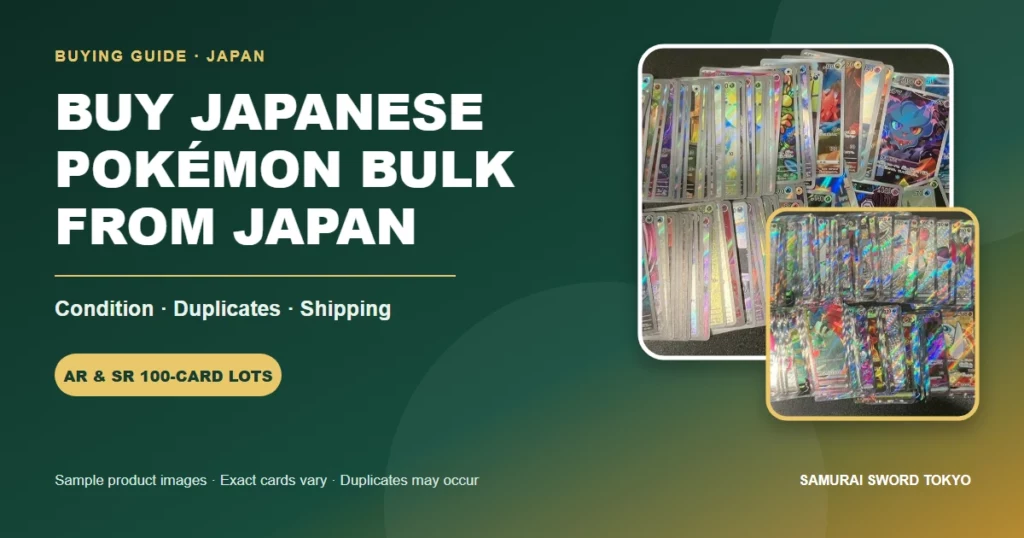
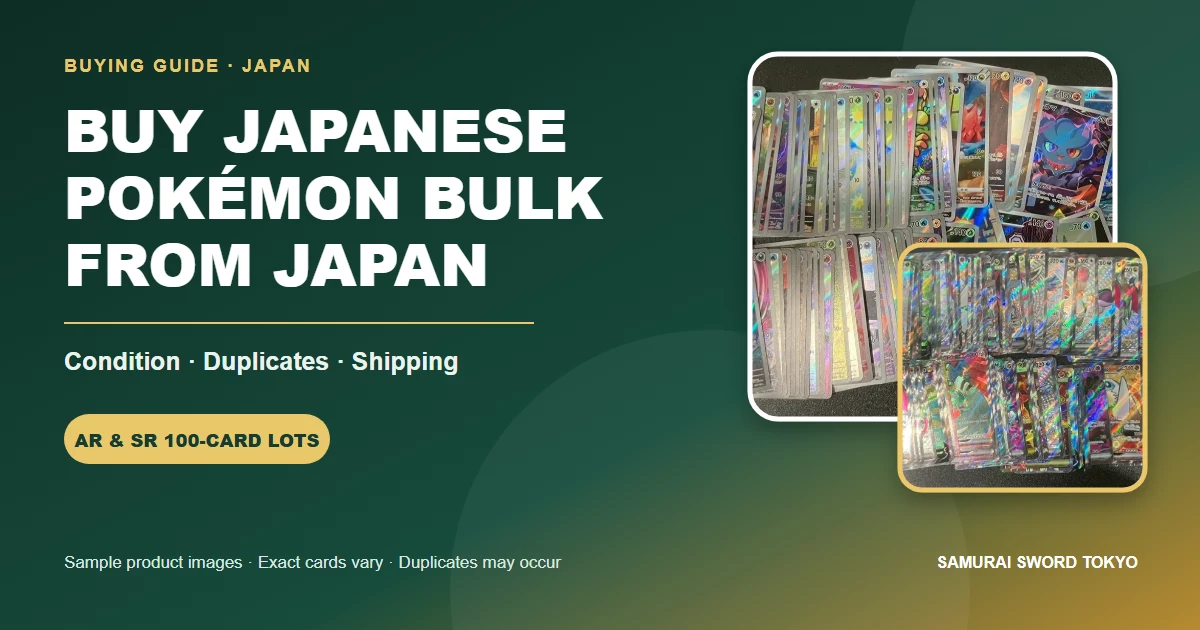
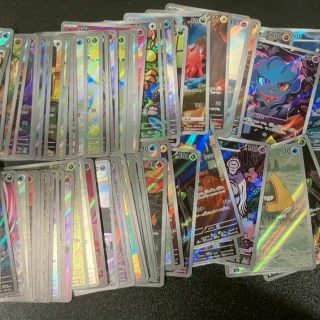
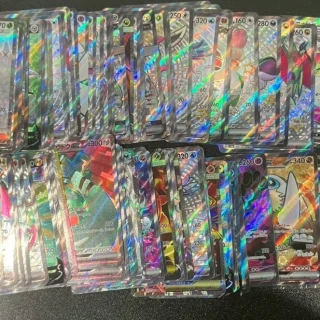
Aturan foto sampel penting di sini. Gambar kelompok dapat menunjukkan karakter visual umum dari produk, tetapi tidak dapat dibaca sebagai manifes terperinci. Jangan menjanjikan kepada pelanggan bahwa kartu tertentu yang terlihat di gambar sampel akan disertakan. Jangan menghitung perkiraan pendapatan dengan menjumlahkan nilai kartu yang terlihat di foto tersebut. Gunakan gambar untuk memahami kategori produk dan gunakan pengungkapan tertulis untuk memahami kontrak pembelian.
Cuplikan produk langsung pada 14 Juli 2026
| Rute | Cuplikan langsung | Aturan susunan tertulis | Penggunaan awal terbaik |
|---|---|---|---|
| AR Bulk — Set 100 Kartu | ¥27,000; 16 unit ditampilkan tersedia | Foto sampel; pemilihan acak; upaya terbaik untuk menghindari duplikat; duplikat dapat terjadi | Bundel karakter/artwork, singel dengan harga lebih rendah, lot binder, merchandising visual |
| SR Bulk — Set 100 Kartu | ¥35,000; 61 unit ditampilkan tersedia | Foto sampel; pemilihan acak; upaya terbaik untuk menghindari duplikat; duplikat dapat terjadi | Kedalaman katalog kelangkaan lebih tinggi, lot campuran premium, penyortiran set/karakter |
| Pertanyaan grosir | Rute penawaran dan ketersediaan | Konfirmasi kemungkinan saat ini secara tertulis | Pembelian berulang, pengadaan toko, pesanan campuran, permintaan dengan banyak persyaratan |
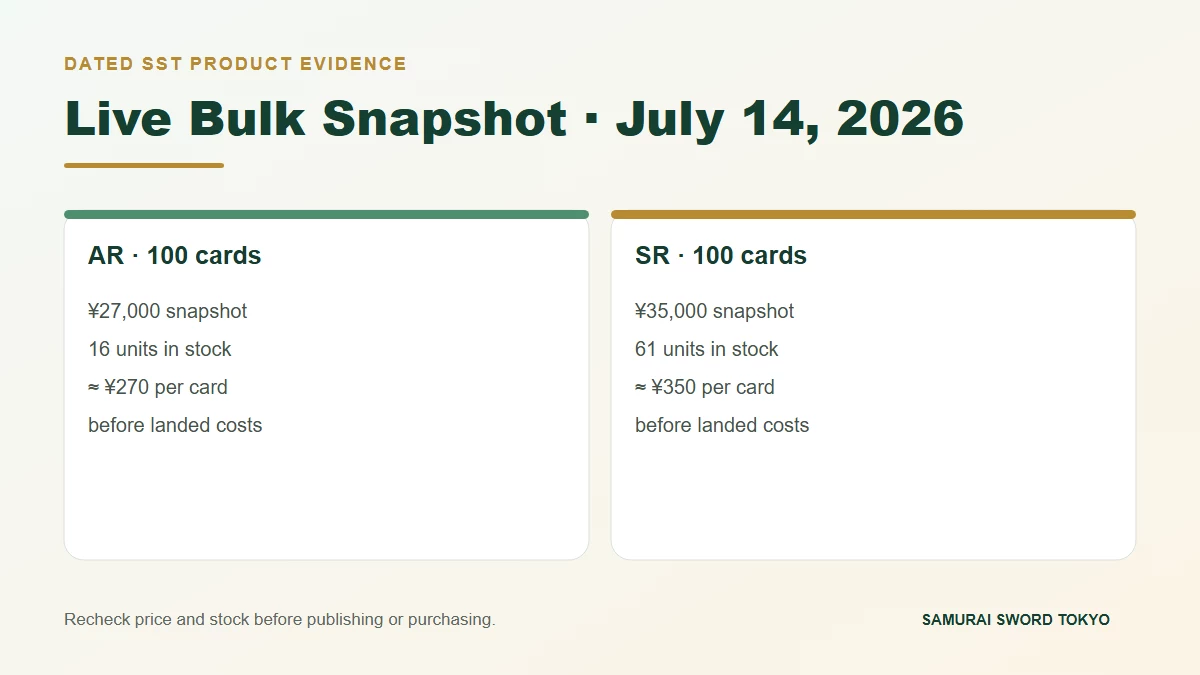
Cuplikan ini adalah bukti rute pembelian nyata, bukan rekomendasi harga abadi. Stok bisa berubah antara riset dan checkout. Harga per kartu berdasarkan cuplikan ini adalah sekitar ¥270 untuk AR dan ¥350 untuk SR sebelum pengiriman, pajak, biaya pembayaran, tenaga kerja penerimaan, biaya marketplace, atau inventaris yang tidak terjual. Pembagian tersebut berguna hanya sebagai titik awal; itu bukan biaya barang terjual (COGS) sebenarnya Anda.
Lima pemeriksaan sebelum Anda melakukan pemesanan
| Pemeriksaan | Tanyakan pada diri sendiri | Sinyal berhenti |
|---|---|---|
| Susunan | Bisakah rencana saya berjalan dengan identitas acak dan kemungkinan duplikat? | Rencana membutuhkan kartu tertentu atau 100 desain unik |
| Kondisi | Apakah saya memiliki standar pemeriksaan dan listing yang terdokumentasi? | Pendapatan mengasumsikan setiap kartu Near Mint atau dapat di-grading |
| Saluran | Apakah kartu AR atau SR cocok dengan yang sudah dibeli pelanggan saya? | Lot menarik hanya karena harga per unit terlihat rendah |
| Ekonomi | Apakah saya sudah memasukkan pengiriman, bea masuk, tenaga kerja, perlengkapan, biaya, dan stok lambat? | Margin hanya ada sebelum biaya-biaya tersebut |
| Logistik | Bisakah saya menempatkan semua produk yang dimaksud dalam satu pesanan dan menerima FedEx di alamat fisik? | Anda memerlukan pesanan terpisah yang digabungkan atau pengiriman ke P.O. Box |
Lulus pemeriksaan ini tidak menjamin keuntungan. Ini berarti pesanan memiliki rencana operasi yang dapat dipertahankan. Jika satu pemeriksaan gagal, singel yang persis, kotak sealed, atau pembelian uji coba yang lebih kecil mungkin merupakan rute yang lebih baik.
Belanja Dulu: Pilih Rute SST yang Tepat
AR Bulk: jalur inventaris visual dengan harga lebih rendah
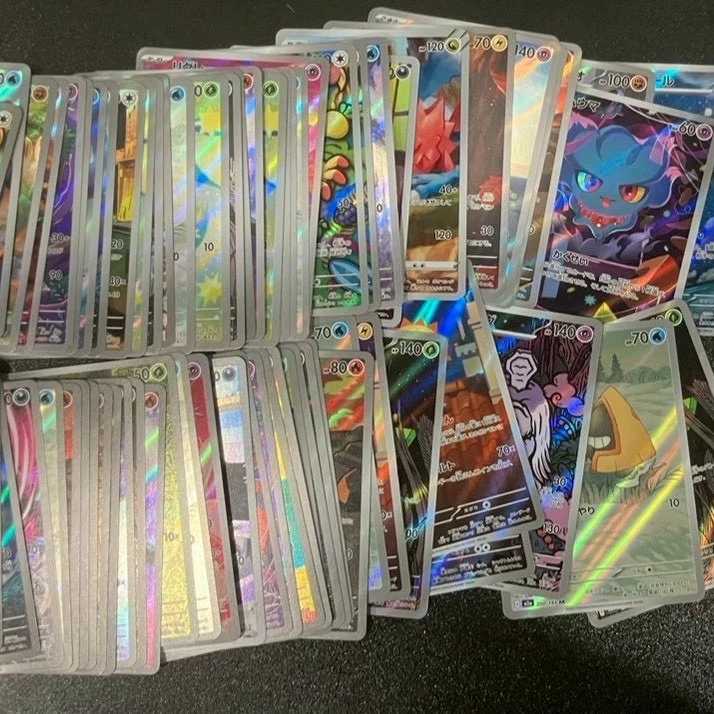
Produk AR Bulk adalah rute langsung ketika model merchandising Anda diuntungkan oleh banyak kartu bergambar dengan biaya per unit yang relatif terjangkau. Inventaris AR dapat bekerja untuk bundel bertema karakter, halaman binder, konten foto sosial, papan pilih penjualan langsung, singel Jepang tingkat pemula, atau item tambahan yang meningkatkan nilai pesanan rata-rata. Kekuatan praktisnya adalah keragaman subjek visual, bukan campuran Pokemon dengan permintaan tinggi yang dijamin.
Bulk AR juga padat tenaga kerja. Lot 100 kartu menjadi berguna secara komersial hanya setelah seseorang mengidentifikasi kartu, set dan nomor kartu, memeriksa permukaan dan tepi, memotret atau memindainya, memilih kondisi listing, dan menempatkannya di lokasi penyimpanan yang benar. Jika kartu akan dijual satuan, hitung waktu penerimaan tersebut. Jika akan dijual dalam bundel acak yang lebih kecil, ungkapkan keacakan dan kebijakan duplikat tersebut kepada pelanggan Anda sendiri sejelas produk sumbernya.
SR Bulk: lebih banyak modal per kartu, kontrol lebih ketat
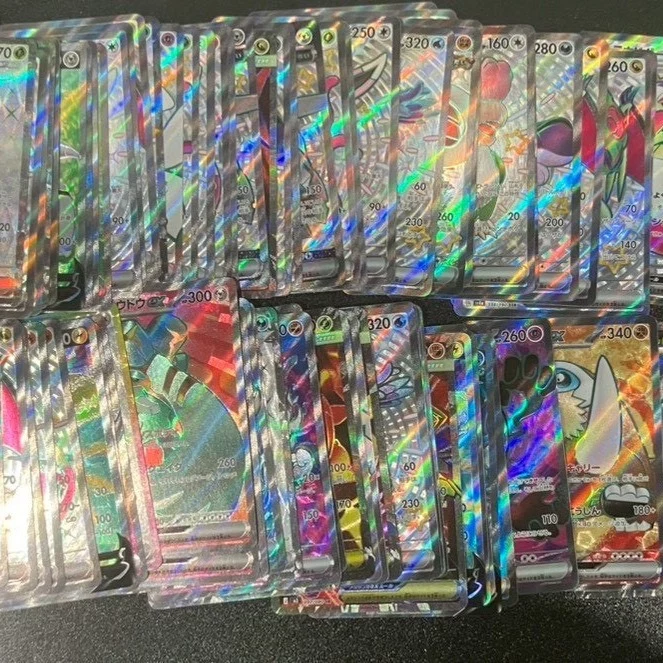
Produk SR Bulk adalah rute kelangkaan lebih tinggi. Pada cuplikan 14 Juli, total harga lot dan biaya awal per kartu lebih tinggi dari AR. Ini bisa menarik ketika pelanggan Anda mencari Pokemon ex full-art, Trainer, pengisi set, atau singel Jepang kelangkaan lebih tinggi, tetapi ini juga meningkatkan biaya kesalahan. Masalah kondisi kecil, atribusi set yang salah, atau duplikat yang lambat terjual mengikat lebih banyak modal.
SR tidak secara otomatis berarti “lebih menguntungkan.” SR yang tersedia luas dengan permintaan karakter lemah bisa terjual lebih lambat daripada AR yang populer. Perbandingan yang tepat adalah perkiraan hasil bersih dari waktu ke waktu, bukan label kelangkaan saja. Jika operasi Anda baru dalam identifikasi kartu Jepang, mulailah dengan uji coba terkontrol dan ukur waktu listing, harga jual rata-rata, tingkat pengembalian, dan tingkat terjual 30/60/90 hari sebelum melakukan penskalaan.
Grosir: gunakan brief pesanan yang tepat, bukan asumsi berharap
Rute grosir Samurai Sword Tokyo sesuai untuk toko, reseller, breaker, dan pembeli berulang yang membutuhkan penawaran saat ini atau ingin mendiskusikan pengadaan campuran. Pertanyaan grosir tidak secara otomatis mengubah produk acak menjadi lot pilihan tangan. Ini menciptakan tempat untuk menyatakan persyaratan dan menerima jawaban tertulis tentang apa yang saat ini memungkinkan.
Kirim brief yang berguna: negara tujuan, rute produk, kuantitas, anggaran, duplikat yang dapat diterima, ekspektasi kondisi, jendela pengiriman yang diinginkan, dan apakah substitusi dapat diterima. Hindari pesan yang samar seperti “kirim kartu terbaik Anda” atau “saya hanya butuh kartu yang menguntungkan.” Profitabilitas bergantung pada pasar, biaya, dan proses penjualan Anda, sementara opsi susunan yang persis bergantung pada pasokan saat ini.
| Pembeli | Klik pertama terbaik | Alasan | Bukti berikutnya yang perlu dikumpulkan |
|---|---|---|---|
| Kolektor yang membangun binder artwork | AR Bulk | Keragaman visual yang kuat pada tingkat jalur kelangkaan | Toleransi duplikat dan rencana karakter yang hilang |
| Reseller singel dengan permintaan AR yang terbukti | AR Bulk | Rute langsung ke penerimaan 100 kartu | Tenaga kerja per listing dan tingkat terjual 90 hari |
| Toko dengan pelanggan kelangkaan lebih tinggi | SR Bulk | Kedalaman katalog kelangkaan lebih tinggi | Aturan kondisi dan target perputaran modal |
| Pembeli berulang atau pesanan campuran | Pertanyaan grosir | Diskusi kuantitas/penawaran saat ini | Brief pesanan tertulis dan aturan substitusi |
| Pembeli yang membutuhkan satu kartu persis | Kartu singel Pokemon | Menghilangkan risiko susunan acak | Nomor kartu yang persis, bahasa, dan kondisi |
Kondisi: Bangun Aturan Penerimaan Sebelum Kedatangan
“Bulk” bukan grade kondisi universal
Lot multi-kartu dapat berisi kartu mentah yang bersih, kartu dengan bekas produksi atau penanganan kecil, atau kartu yang tidak memenuhi standar Near Mint reseller yang ketat. Salinan produk AR dan SR saat ini menjelaskan keacakan susunan dan duplikat; ini tidak menjanjikan bahwa setiap kartu akan memenuhi grade kondisi khusus marketplace atau memenuhi syarat untuk grading profesional. Perbedaan itu melindungi baik pembeli maupun penjual dari asumsi yang tidak pernah dibuat oleh halaman tersebut.
Gunakan panduan kondisi marketplace yang diterbitkan sebagai kerangka acuan, lalu tulis aturan penerimaan Anda sendiri. Pedoman kondisi kartu eBay dan ikhtisar pengondisian TCGplayer sama-sama memisahkan kondisi kartu mentah menjadi tingkatan yang terdefinisi dan melihat cacat seperti keausan sudut, keausan tepi, bekas permukaan, lipatan, noda, dan kerusakan struktural. Panduan tersebut tidak mengubah ketentuan produk SST; mereka membantu Anda mendeskripsikan apa yang Anda terima secara konsisten saat menjual kembali.
Periksa dalam urutan yang sama setiap kali
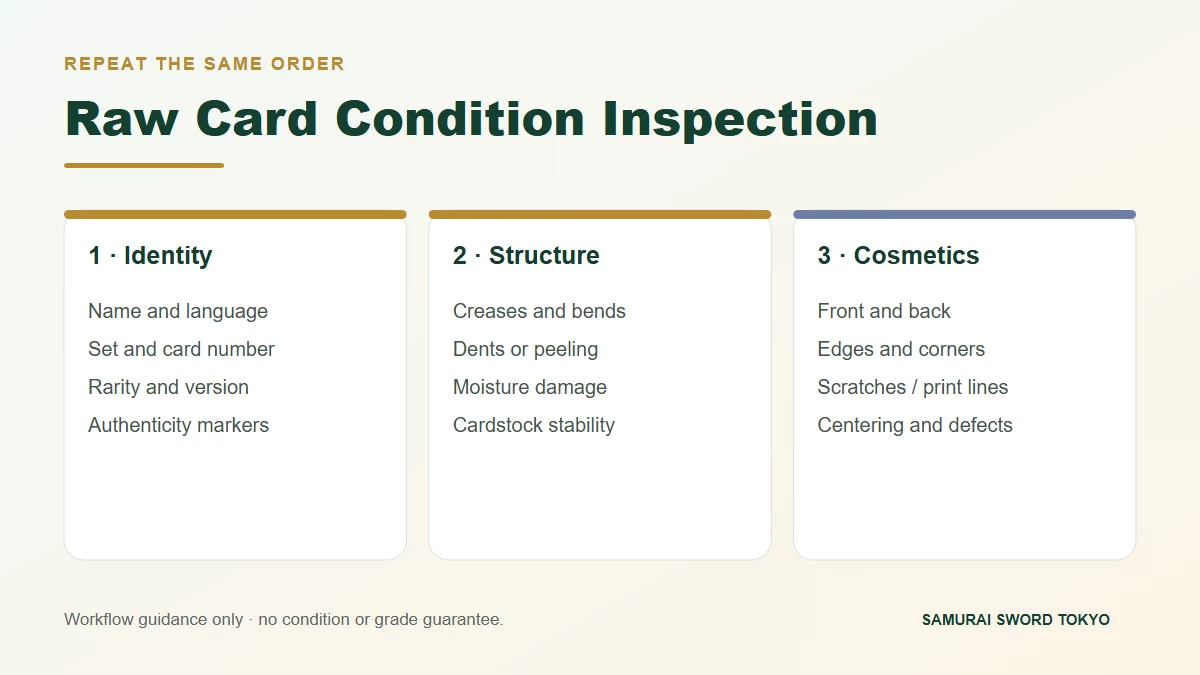
Mulailah dengan identitas, kemudian struktur, lalu kosmetik. Konfirmasi nama kartu, kode set, nomor kartu, kelangkaan, bahasa, dan penanda keaslian yang jelas sebelum menetapkan kondisi. Selanjutnya periksa lipatan, retakan, penyok, paparan air, pengelupasan, atau masalah struktural lainnya. Kemudian periksa permukaan depan dan belakang di bawah cahaya bersudut, diikuti dengan sudut dan tepi terhadap latar belakang kontras. Sleeve kartu hanya setelah pemeriksaan agar sleeve tidak menyembunyikan bekas.
| Area pemeriksaan | Apa yang perlu diperiksa | Konsekuensi listing | Tindakan penerimaan |
|---|---|---|---|
| Identitas | Nama, set, nomor, kelangkaan, bahasa | Identitas yang salah menciptakan pengembalian dan penetapan harga yang buruk | Cocokkan dengan pencarian kartu resmi atau daftar set yang tepercaya |
| Struktur | Retakan, lipatan, penyok, pengelupasan, kelembapan | Bisa menurunkan kartu jauh di bawah Near Mint | Isolasi dan foto masalahnya |
| Permukaan depan | Goresan, garis cetak, kabut, noda | Kartu foil mengungkap cacat permukaan di bawah cahaya bersudut | Periksa di bawah cahaya difus dan bersudut |
| Permukaan belakang | Pemutihan, goresan, perubahan warna | Penting untuk kondisi mentah dan minat grading | Gunakan latar belakang gelap/netral |
| Tepi/sudut | Retak kecil, pembulatan, penyok, pemisahan | Sering menentukan tingkat kondisi marketplace | Periksa keempat sudut dan setiap tepi |
| Centering/kualitas cetak | Potongan tidak center, cacat cetak | Penting bagi pelanggan yang berorientasi grading | Deskripsikan secara akurat; jangan menjanjikan grade |
Mentah, Near Mint, dan “dapat di-grading” adalah klaim yang berbeda
Near Mint adalah kategori kondisi kartu mentah. PSA 10 adalah hasil dari keputusan grading pihak ketiga setelah pengajuan. “Dapat di-grading” adalah prediksi informal, bukan keadaan yang dijamin. Jangan menyamakan gagasan-gagasan ini. Sebuah kartu mungkin menarik dan cocok untuk listing Near Mint tetapi masih memiliki detail centering, cetak, tepi, atau permukaan yang mengurangi hasil grading-nya.
Untuk pembelian bulk, asumsikan bahwa kandidat grading—jika ada—harus ditemukan melalui pemeriksaan Anda sendiri. Jangan pernah menetapkan potensi grading ke semua 100 kartu dalam perkiraan. Jika bisnis Anda bergantung pada pengajuan kartu, buat gerbang pemeriksaan kedua dan hitung biaya grading, pengiriman, waktu penyelesaian, risiko penolakan, dan nilai grade yang lebih rendah. Perkiraan yang disiplin dapat berhasil bahkan ketika tidak ada kartu yang diajukan.
Duplikat: Rencanakan untuk Keacakan, Bukan Melawannya
Upaya terbaik untuk menghindari duplikat bukan jaminan keunikan
Kedua deskripsi produk langsung menyatakan bahwa kartu dipilih sepenuhnya secara acak, penjual akan berusaha sebaik mungkin untuk menghindari duplikat, dan duplikat dapat terjadi. Interpretasi paling aman itu sederhana: Anda mungkin menerima salinan berulang, dan baik jumlah maupun identitas pengulangan tidak dijanjikan sebelumnya. “Set 100 kartu” mendeskripsikan kuantitas, bukan berarti 100 nomor kartu yang berbeda.
Ini bukan catatan kaki kecil bagi reseller. Salinan duplikat memengaruhi keluasan katalog, konversi kas, penyimpanan, pemotretan, dan persepsi pelanggan. Sepuluh salinan karakter yang laris bisa berguna; sepuluh salinan kartu yang lambat bisa butuh berbulan-bulan untuk terjual. Model Anda karena itu harus mencakup skenario keunikan maupun skenario konsentrasi duplikat, alih-alih memperlakukan kasus terbaik sebagai jaminan.
Tentukan toleransi duplikat berdasarkan saluran penjualan
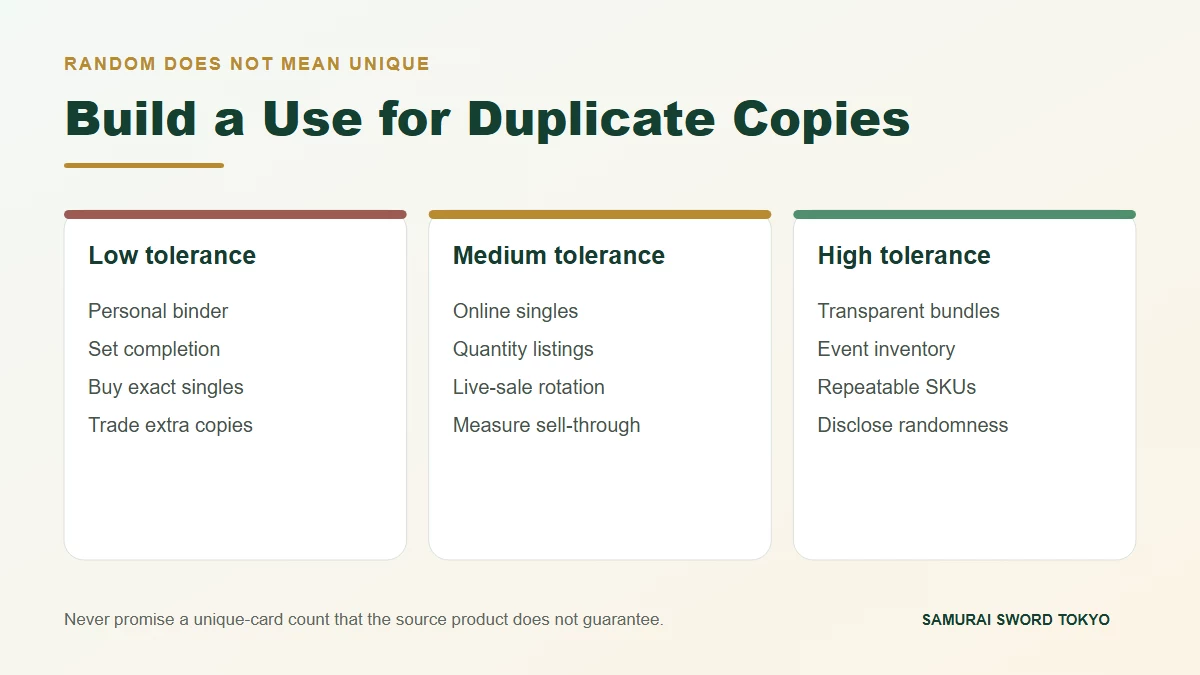
| Saluran penjualan | Toleransi duplikat | Penggunaan produktif untuk pengulangan | Risiko utama |
|---|---|---|---|
| Binder pribadi | Rendah | Tukar kelebihan atau bangun halaman bertema | Pengulangan tidak memajukan kelengkapan |
| Toko singel online | Sedang | Simpan kuantitas ganda pada satu SKU | Kartu lambat menyita modal dan penyimpanan |
| Penjualan langsung / konvensi | Sedang hingga tinggi | Isi ulang papan pilih di berbagai sesi | Kejenuhan audiens jika keragaman sempit |
| Bundel karakter | Tinggi ketika tema cocok | Buat beberapa bundel konsisten | Kartu acak mungkin tidak cocok dengan tema yang dibutuhkan |
| Produk mystery/repack | Bergantung pada aturan lokal dan pengungkapan | Sebarkan pengulangan di antara paket yang dideskripsikan secara transparan | Klaim nilai atau susunan yang menyesatkan |
| Redistribusi grosir | Spesifik kontrak | Bagi kuantitas di antara pembeli hilir | Tidak boleh menjanjikan keunikan yang tidak Anda terima |
Kuncinya bukan menghilangkan setiap duplikat. Ini adalah mengetahui ke mana salinan kedua, kelima, atau kesepuluh akan pergi. Jika Anda tidak dapat menyebutkan saluran keluar yang sah untuk kartu berulang, kurangi ukuran pesanan atau beli singel yang persis sebagai gantinya.
Sortir dulu; harga kemudian
Ketika paket tiba, berikan setiap kartu SKU yang stabil yang dibangun dari bahasa, kode set, nomor kartu, kelangkaan, dan kondisi. Kelompokkan salinan duplikat di bawah identitas tersebut hanya setelah memverifikasi bahwa versi cetak benar-benar cocok. Artwork yang serupa dapat muncul dengan nomor set, stempel, perlakuan mirror, atau cetak ulang yang berbeda. Aturan “gambar sama berarti SKU sama” yang tergesa-gesa dapat mencampur produk yang berbeda dan menciptakan kesalahan pemenuhan pesanan.
Setelah menyortir, hitung SKU unik, salinan per SKU, distribusi kondisi, dan modal berdasarkan kelompok. Kemudian beri harga. Jika Anda memberi harga sambil membuka paket, kesan awal bernilai tinggi dapat membiaskan seluruh perkiraan lot. Peta inventaris yang lengkap memberi Anda pandangan yang lebih jelas tentang keluasan, konsentrasi, dan kemungkinan tingkat terjual yang sebenarnya.
AR vs SR: Cocokkan Lot dengan Pembeli Anda
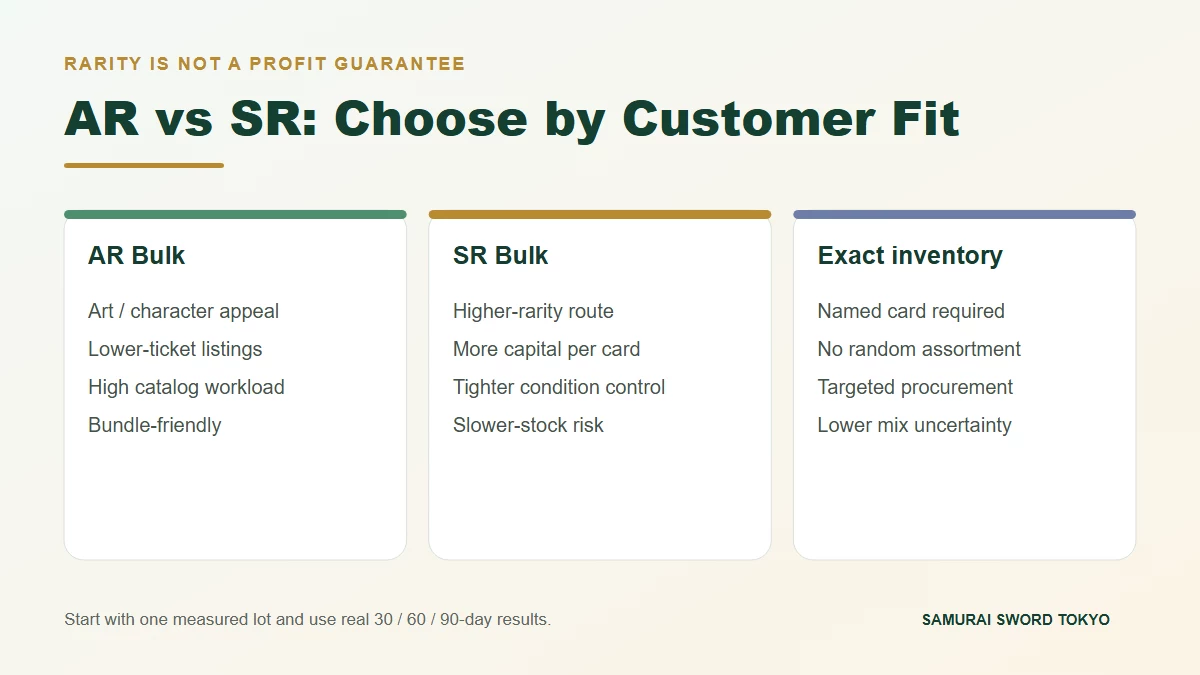
Kapan AR bulk adalah kecocokan yang lebih baik
AR bisa menjadi jalur awal yang kuat ketika pelanggan membeli terutama untuk ilustrasi, karakter Pokemon, daya tarik binder, atau koleksi Jepang yang mudah diakses. Biaya awal per kartu bertanggal yang lebih rendah memberi reseller lebih banyak ruang untuk membuat kelompok bertema, listing tingkat pemula, item tambahan, atau inventaris acara. Kartu AR juga dapat menghasilkan konten visual yang beragam, yang membantu penjual yang saluran penemuannya adalah media sosial atau penjualan langsung.
Trade-off-nya adalah volume listing. Harga rata-rata yang lebih rendah berarti tenaga kerja, sleeve, label, biaya platform, dan waktu pick/pack menghabiskan porsi pendapatan yang lebih besar. Anda memerlukan katalogisasi yang efisien dan perilaku pesanan gabungan. Jika pelanggan Anda biasanya membeli satu kartu berharga rendah per pengiriman, gesekan ongkos kirim dan penanganan dapat mengalahkan margin kartu.
Kapan SR bulk adalah kecocokan yang lebih baik
SR bisa menjadi rute yang lebih baik ketika toko Anda sudah melayani kolektor yang menyaring berdasarkan kelangkaan lebih tinggi, Pokemon full-art, Trainer, atau kelengkapan set. Jumlah penjualan yang lebih kecil dapat menghasilkan pendapatan kotor yang sama dengan banyak kartu berharga lebih rendah. Ini dapat mengurangi volume pick/pack, tetapi hanya jika permintaan ada dan kondisi dideskripsikan secara akurat.
Trade-off-nya adalah konsentrasi modal. Cuplikan Juli menunjukkan harga lot dan biaya awal per unit yang lebih tinggi daripada AR. Pengulangan yang lambat terjual, karakter yang lemah, atau penurunan kondisi karena itu memiliki dampak kas yang lebih besar. Pembeli SR harus nyaman menyimpan lebih banyak nilai dalam SKU yang lebih sedikit dan harus menghindari menggunakan harga listing yang optimis seolah-olah itu adalah penjualan yang selesai.
Kapan rencana pengadaan campuran lebih kuat
Sebuah toko dapat menggunakan AR untuk keluasan dan SR untuk kasus premium, sementara kotak sealed dan singel yang persis melayani pelanggan lain. Rencana campuran ini bisa masuk akal melalui grosir, tetapi setiap jalur memerlukan target perputarannya sendiri. Jangan biarkan penjualan AR yang cepat menyembunyikan stok SR yang stagnan, atau menggunakan beberapa penjualan SR yang kuat untuk membenarkan proses penerimaan AR yang merugi setelah tenaga kerja.
| Faktor keputusan | AR Bulk | SR Bulk | Alternatif singel persis / sealed |
|---|---|---|---|
| Pelanggan utama | Kolektor artwork/karakter, pembeli pemula | Kolektor kelangkaan/set, pembeli harga lebih tinggi | Pembeli yang membutuhkan kartu bernama atau pengalaman sealed |
| Modal per kartu cuplikan bertanggal | Sekitar ¥270 sebelum biaya landed | Sekitar ¥350 sebelum biaya landed | Bervariasi menurut item yang persis |
| Beban kerja listing | Biasanya tinggi | Tinggi, dengan ekspektasi kondisi yang lebih ketat | Ketidakpastian susunan lebih rendah |
| Strategi duplikat | Bundel, listing kuantitas, rotasi penjualan langsung | Listing kuantitas, kelompok premium, rute set | Tidak berlaku ketika pemilihan persis digunakan |
| Risiko terbesar | Tenaga kerja mengalahkan margin | Stok lambat dan masalah kondisi menyita modal | Biaya akuisisi lebih tinggi per target yang persis |
| Uji coba awal terbaik | Satu lot dengan penerimaan yang terukur | Satu lot hanya jika kecocokan pelanggan terbukti | Beli inventaris bernama ketika keacakan tidak dapat diterima |
Matematika Reseller: Hitung Biaya Landed dan Tingkat Terjual
Mulailah dengan biaya landed, bukan harga produk
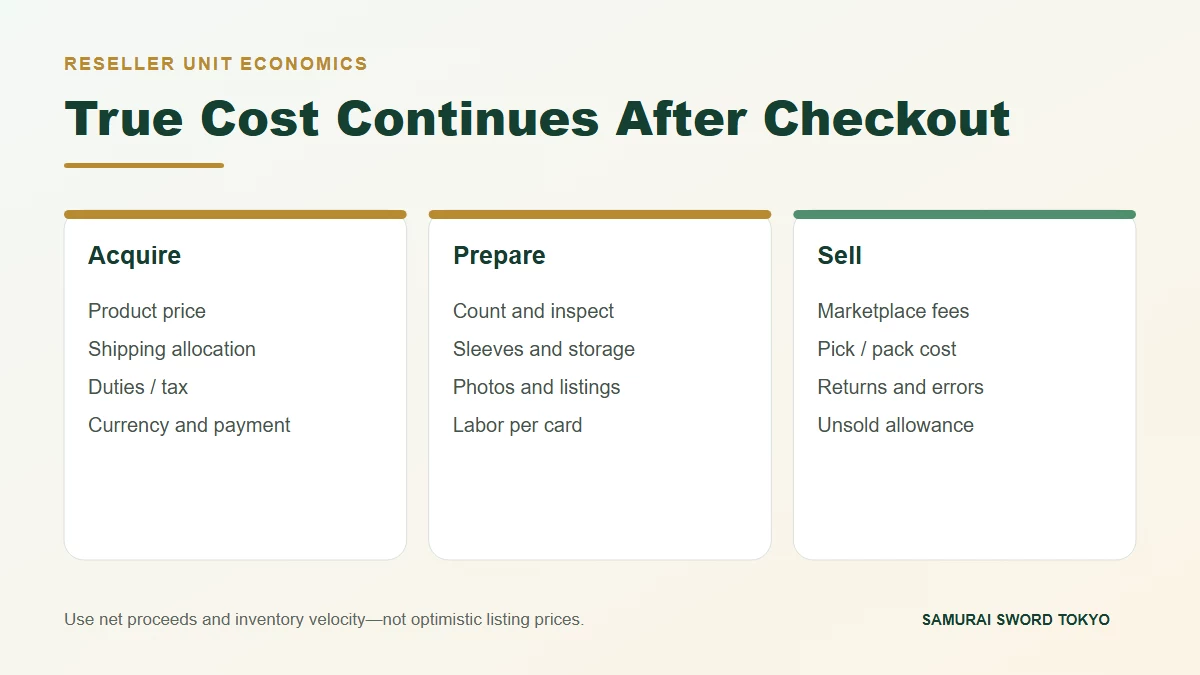
Harga produk dibagi 100 hanyalah angka pembuka. Tambahkan pengiriman yang dialokasikan ke lot, bea masuk atau pajak jika berlaku, biaya pembayaran dan konversi mata uang, sleeve dan penyimpanan, tenaga kerja penerimaan, tenaga kerja pemotretan dan listing, biaya marketplace, pengepakan pesanan, tunjangan layanan pelanggan, risiko pengembalian, dan biaya inventaris yang tidak terjual dalam periode target Anda.
Gunakan model yang konservatif. Jika pengiriman dibagi dengan produk lain dalam satu pesanan, alokasikan dengan metode yang konsisten seperti berat, volume, atau nilai produk. Jangan menetapkan semua ongkos kirim ke kotak yang laris cepat dan berpura-pura kartu tiba secara gratis. Demikian pula, jangan memberi lot bulk biaya tenaga kerja nol karena Anda melakukan pekerjaan itu sendiri. Waktu Anda adalah bagian dari keputusan komersial.
| Lapisan biaya | Rumus atau bukti | Kesalahan umum |
|---|---|---|
| Produk | Harga lot langsung ÷ 100 | Memperlakukan harga bertanggal sebagai permanen |
| Angkutan | Ongkos kirim checkout yang dialokasikan ÷ kartu yang diterima | Mengabaikan pengiriman atau mengalokasikannya secara tidak konsisten |
| Bea masuk/pajak | Perlakuan tujuan yang sebenarnya | Menyalin aturan negara lain |
| Tenaga kerja penerimaan | Jam × biaya per jam internal ÷ kartu | Menyebut tenaga kerja pemilik “gratis” |
| Perlengkapan | Sleeve, label, penyimpanan, pengemasan | Hanya menghitung sleeve |
| Biaya penjualan | Tarif platform dan pembayaran × penjualan | Menggunakan pendapatan kotor sebagai pendapatan bersih |
| Tunjangan tidak terjual | Biaya yang ditetapkan untuk kartu di luar jendela target | Mengasumsikan setiap kartu terjual segera |
| Pengembalian/kesalahan | Tingkat historis atau cadangan konservatif | Memperkirakan pemenuhan pesanan yang sempurna |
Ukur kecepatan, bukan hanya markup
Kartu yang dibeli seharga 300 dan dijual seharga 900 tidak menciptakan keuntungan 600 jika tetap tidak terjual selama setahun, membutuhkan sepuluh menit untuk dikatalogkan, membayar biaya marketplace, dan dikirim sendirian. Kartu berharga lebih rendah yang terjual cepat sebagai bagian dari pesanan multi-kartu bisa menghasilkan kecepatan kas yang lebih baik. Lacak hari untuk listing, hari untuk penjualan pertama, persentase terjual pada 30/60/90 hari, rata-rata kartu per pesanan, rata-rata diskon, dan hasil bersih setelah biaya.
Untuk lot pertama, hindari memproyeksikan pendapatan dari lima kartu teratas ke semua 100. Gunakan kelompok: permintaan kuat, permintaan normal, permintaan rendah, konsentrasi duplikat, dan pengecualian kondisi. Berikan asumsi tingkat terjual yang berbeda untuk masing-masing. Jika rencana tetap dapat diterima di bawah asumsi konservatif, lot tersebut lebih tangguh.
Tetapkan aturan pemesanan ulang sebelum emosi mengambil alih
Jangan memesan ulang karena unboxing terlihat menarik atau karena beberapa kartu yang dikenali muncul lebih awal. Pesan ulang ketika hasil terukur melampaui ambang batas yang ditentukan sebelumnya. Aturan praktis mungkin mengharuskan lot dikatalogkan sepenuhnya, persentase target terjual dalam 60 atau 90 hari, margin bersih yang dapat diterima setelah tenaga kerja, tingkat kesalahan pemenuhan yang rendah, dan saluran keluar yang diketahui untuk duplikat yang tersisa.
Jika ambang batas tersebut gagal, diagnosis titik kemacetannya. Apakah permintaan lemah, kondisi di bawah asumsi listing Anda, konsentrasi duplikat terlalu tinggi, tenaga kerja listing terlalu lambat, atau alokasi pengiriman terlalu mahal? Jawabannya menentukan apakah Anda harus mengubah saluran, merevisi proses, memilih AR daripada SR, atau berhenti membeli lot acak.
Pengiriman dari Jepang: Waktu, Biaya, Bea Masuk, dan Aturan Paket
Perkiraan FedEx saat ini dan harga checkout
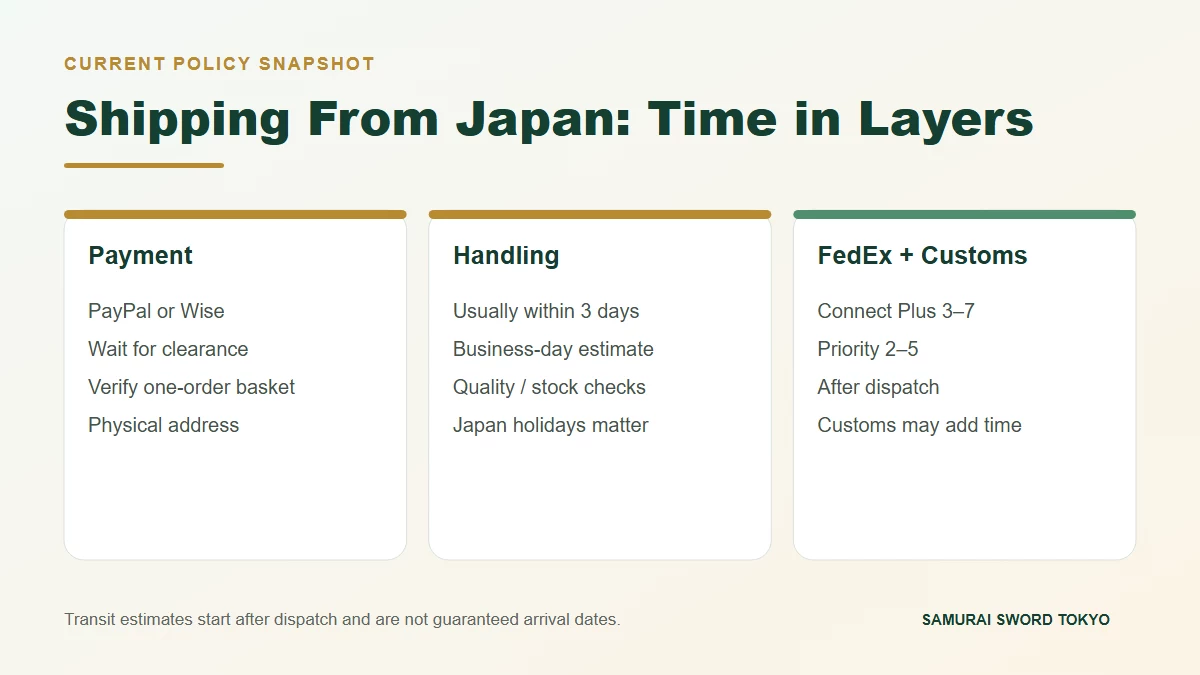
Kebijakan Pengiriman Samurai Sword Tokyo, diperbarui 14 Juli 2026, mencantumkan FedEx International Connect Plus dengan perkiraan transit setelah pengiriman biasanya 3–7 hari kerja dan FedEx International Priority dengan perkiraan transit setelah pengiriman biasanya 2–5 hari kerja. Keduanya termasuk pelacakan. Biaya pengiriman dihitung secara otomatis saat checkout berdasarkan alamat pengiriman.
Itu adalah perkiraan transit kurir, bukan janji kedatangan sejak momen Anda membayar. Kebijakan tersebut menyatakan bahwa sebagian besar pesanan diproses dan dikirim dalam tiga hari kerja setelah pembayaran PayPal atau Wise cair, sambil juga menjelaskan bahwa penanganan adalah perkiraan. Akhir pekan, hari libur Jepang, pemeriksaan inventaris atau kualitas, pemrosesan bea cukai, kemacetan kurir, cuaca, dan kondisi negara tujuan dapat memperpanjang linimasa.
Bea masuk dan pajak bergantung pada tujuan
Kebijakan pengiriman saat ini menyatakan bahwa bea masuk dan pajak sudah termasuk untuk pelanggan AS. Untuk pelanggan di negara lain, bea masuk, pajak, dan biaya tidak termasuk dalam harga barang atau biaya pengiriman dan menjadi tanggung jawab pembeli. Aturan dapat berubah, jadi gunakan halaman informasi bea cukai sebagai panduan umum dan konfirmasikan perlakuan saat ini dengan otoritas bea cukai lokal Anda sebelum membeli.
Jangan menyalin persentase pajak dari faktur pembeli lain ke dalam perkiraan Anda. Klasifikasi, nilai yang dideklarasikan, ambang batas lokal, nilai tukar mata uang, penanganan kurir, dan regulasi dapat berbeda. Untuk pesanan komersial, buat model rentang sampai Anda memiliki bukti khusus tujuan. Simpan dokumen impor dan alokasikan biaya aktual ke inventaris setelah kedatangan.
Satu pesanan berarti satu unit pengiriman
Kebijakan saat ini menyatakan bahwa pesanan terpisah dikirim secara terpisah dan tidak dapat digabungkan, bahkan untuk pelanggan, hari, atau alamat yang sama. Biaya pengiriman dikenakan per pesanan. Jika Anda ingin AR, SR, kotak sealed, atau produk lain dalam satu paket, tambahkan mereka ke pesanan yang sama sebelum checkout. Aturan ini menjadikan perencanaan pesanan bagian dari ekonomi unit.
FedEx tidak dapat mengirim ke P.O. Box, jadi berikan alamat fisik. Verifikasi alamat sebelum pembayaran: kebijakan tersebut membatasi perubahan alamat yang memengaruhi tarif, biaya tambahan, layanan, atau negara tujuan, dan tidak ada pengalihan rute yang ditangani oleh Samurai Sword Tokyo setelah pengiriman. Kesalahan alamat dapat menciptakan biaya pengembalian dan pengiriman ulang.
| Keputusan pengiriman | Aturan saat ini | Tindakan pembeli |
|---|---|---|
| Layanan standar | Connect Plus, biasanya 3–7 hari kerja setelah pengiriman | Bandingkan harga checkout dan waktu yang dapat diterima |
| Layanan ekspedisi | International Priority, biasanya 2–5 hari kerja setelah pengiriman | Gunakan ketika transit lebih cepat membenarkan penawaran |
| Penanganan | Sebagian besar pesanan dalam 3 hari kerja setelah pembayaran cair; perkiraan | Jangan hanya menambahkan hari transit untuk memperkirakan kedatangan |
| Beberapa produk | Satu paket memerlukan satu pesanan | Bangun keranjang lengkap sebelum checkout |
| P.O. Box | FedEx tidak dapat mengirim | Gunakan alamat fisik yang terverifikasi |
| Bea masuk/pajak AS | Termasuk dalam kebijakan pengiriman saat ini | Periksa ulang kebijakan pada saat pembelian |
| Bea masuk/pajak negara lain | Umumnya tanggung jawab pembeli | Verifikasi dengan bea cukai lokal dan buat model rentang |
Alur Pesanan: Dari Brief hingga Inventaris Siap Jual
Sebelum checkout: tulis rencana dalam satu halaman
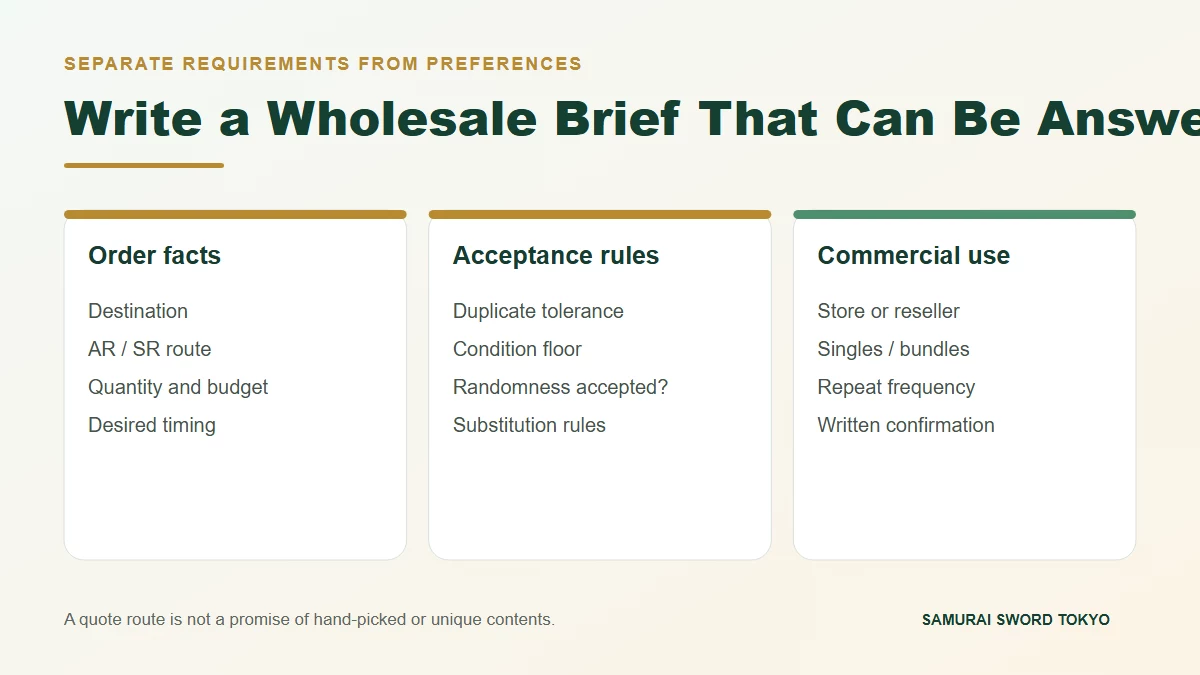
Tuliskan produk target, kuantitas, tujuan, anggaran, toleransi duplikat, standar kondisi/listing, saluran yang dituju, dan biaya landed maksimum Anda. Pisahkan persyaratan wajib dari preferensi. Jika pemilihan acak atau kemungkinan duplikat melanggar persyaratan wajib, jangan memesan lot standar dan berharap hasilnya berubah. Tanyakan melalui grosir apakah ada rute lain, atau beli singel yang persis.
Periksa kembali halaman langsung untuk judul, kuantitas, harga, stok, dan deskripsi. Simpan catatan pesanan bertanggal atau tangkapan layar untuk catatan Anda. Konfirmasi keranjang lengkap sebelum checkout karena pesanan terpisah tidak dapat digabungkan nanti. Verifikasi alamat pengiriman fisik, detail kontak, pilihan layanan, dan perkiraan pengiriman yang ditampilkan saat checkout.
Setelah pembayaran: simpan catatan komersial
Simpan konfirmasi pesanan, catatan pembayaran, penawaran pengiriman, deskripsi produk, pelacakan, dan dokumen impor bersama-sama. Ketika pelacakan diterbitkan, pantau perkiraan kurir saat ini tanpa memperlakukannya sebagai jaminan. Jika jadwal berubah sebelum pengiriman, gunakan rute dukungan resmi situs daripada membuat asumsi berdasarkan perkiraan otomatis.
Untuk tim, tetapkan kepemilikan sebelum paket tiba: siapa yang menerimanya, siapa yang memotret paket yang tersegel, siapa yang melakukan penghitungan dan penerimaan kondisi, siapa yang menyelesaikan perbedaan, dan siapa yang membuat listing. Lot 100 kartu acak menjadi kacau ketika lima orang menyentuhnya tanpa rantai penanganan.
Saat kedatangan: hitung, karantina, periksa, sortir, lalu buat listing
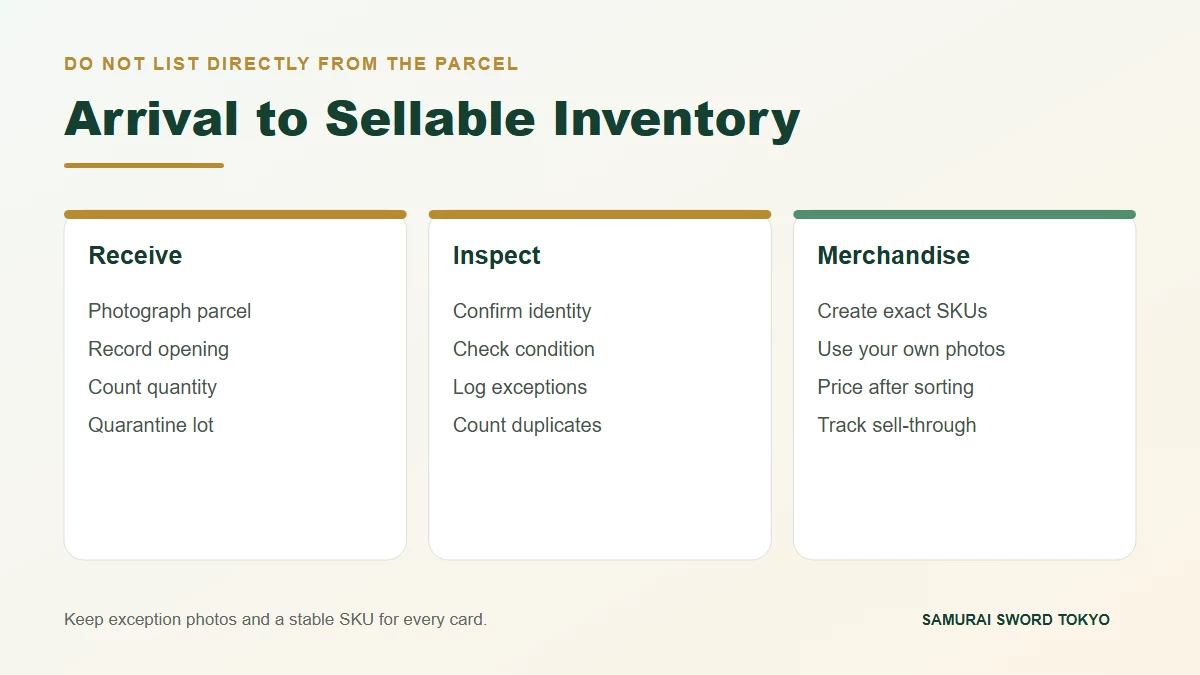
Foto paket sebelum membuka jika ada kerusakan yang terlihat. Catat pembukaannya dan lakukan penghitungan kuantitas. Jaga kartu tetap terpisah dari inventaris yang ada sampai identifikasi dan penerimaan kondisi selesai. Catat pengecualian dengan foto yang jelas. Kemudian sortir berdasarkan bahasa, set, nomor kartu, kelangkaan, kondisi, dan jumlah duplikat.
Hanya setelah inventaris selesai Anda harus memutuskan strategi listing. Singel yang kuat dapat dicantumkan satu per satu, kartu berulang dapat berbagi listing kuantitas ketika identitas dan kondisi cocok, dan kartu yang lebih lambat dapat masuk ke bundel bertema yang transparan jika sesuai. Jangan pernah menggunakan foto produk sampel sebagai foto jual kembali Anda atau menyiratkan bahwa pembeli Anda akan menerima kartu yang tidak Anda foto.
| Tahap | Catatan yang diperlukan | Kondisi lulus | Pemicu eskalasi |
|---|---|---|---|
| Pra-pesanan | Tautan produk, deskripsi bertanggal, anggaran, aturan toleransi | Susunan acak sesuai dengan rencana | Persyaratan kartu persis atau keunikan |
| Checkout | Keranjang, alamat, penawaran pengiriman, asumsi bea masuk | Rencana paket satu pesanan dikonfirmasi | P.O. Box, negara salah, biaya yang hilang |
| Penerimaan | Foto paket, pelacakan, penghitungan kuantitas | Kuantitas dan kondisi paket terdokumentasi | Kerusakan atau perbedaan jumlah |
| Penerimaan barang | SKU, kondisi, jumlah duplikat, foto pengecualian | Setiap kartu diperhitungkan | Kekhawatiran identitas atau keaslian |
| Listing | Gambar sendiri, kondisi akurat, kuantitas | Listing cocok dengan inventaris yang persis | Risiko foto sampel atau janji grade |
| Pemesanan ulang | Margin bersih dan tingkat terjual 30/60/90 hari | Ambang batas tercapai | Tenaga kerja, duplikat, atau stok lambat gagal memenuhi rencana |
Pertanyaan yang Sering Diajukan
Apakah 100 kartu dijamin berbeda?
Tidak. Deskripsi langsung AR Bulk dan SR Bulk menyatakan bahwa pemilihan bersifat acak, Samurai Sword Tokyo akan berusaha menghindari duplikat, dan duplikat masih dapat terjadi. Jangan menganggarkan, mengiklankan, atau membangun rencana binder dengan asumsi bahwa setiap nomor kartu akan unik.
Apakah saya akan menerima kartu persis yang ditampilkan di foto produk?
Tidak. Kedua halaman menyatakan bahwa foto tersebut adalah sampel. Ini menunjukkan jenis produk, bukan identitas persis, campuran artwork, campuran set, distribusi kondisi, atau nilai jual kembali yang akan Anda terima. Listing hilir Anda sendiri harus menggunakan gambar inventaris aktual Anda.
Apakah bulk berarti kartu rusak atau kondisi rendah?
Tidak secara otomatis, tetapi “bulk” bukan grade kondisi standar. Baca ketentuan produk dan periksa kedatangannya. Jika bisnis Anda membutuhkan batas kondisi tertentu untuk pembelian besar atau berulang, nyatakan persyaratan itu dalam pertanyaan grosir dan tunggu konfirmasi tertulis daripada mengasumsikannya.
Apakah kartu dijamin menjadi kandidat PSA 10?
Tidak. Kondisi mentah dan hasil grading profesional adalah hal yang berbeda. Halaman produk bulk tidak menjanjikan kondisi gem-mint atau grade masa depan. Periksa kartu yang persis sebelum memutuskan apakah pengajuan masuk akal secara finansial, dan perkirakan lot tanpa potensi grading.
Haruskah reseller membeli AR bulk atau SR bulk terlebih dahulu?
Pilih AR ketika Anda memiliki listing harga lebih rendah yang efisien dan permintaan visual/karakter. Pilih SR ketika pelanggan Anda sudah membeli kartu Jepang kelangkaan lebih tinggi dan Anda dapat mengelola kontrol kondisi dan modal yang lebih ketat. Mulailah dengan uji coba yang terukur daripada memesan hanya berdasarkan prestise kelangkaan.
Berapa biaya pengiriman dari Jepang?
Pengiriman dihitung secara otomatis saat checkout berdasarkan tujuan dan layanan yang dipilih. Angka tetap dalam sebuah artikel akan menjadi menyesatkan. Bangun model margin Anda dengan penawaran checkout yang sebenarnya dan alokasikan pengiriman bersama secara konsisten di semua produk dalam pesanan.
Berapa lama pengiriman berlangsung?
Kebijakan pengiriman 14 Juli 2026 mencantumkan perkiraan transit FedEx setelah pengiriman biasanya 3–7 hari kerja untuk International Connect Plus dan 2–5 untuk International Priority. Penanganan terjadi sebelum pengiriman, dan bea cukai, akhir pekan, hari libur, cuaca, dan kondisi kurir dapat menambah waktu.
Apakah bea masuk termasuk?
Kebijakan saat ini menyatakan bahwa bea masuk dan pajak sudah termasuk untuk pelanggan AS. Pembeli di negara lain umumnya bertanggung jawab atas bea masuk, pajak, dan biaya impor. Karena aturan bea cukai dapat berubah, konfirmasikan perlakuan lokal Anda sebelum memesan dan periksa ulang kebijakan langsung saat checkout.
Bisakah pesanan terpisah digabungkan menjadi satu paket?
Tidak menurut kebijakan saat ini. Setiap pesanan dikirim secara terpisah dan dikenakan biaya pengiriman sendiri. Masukkan setiap produk yang dimaksudkan untuk satu paket ke dalam satu pesanan sebelum checkout. Ini sangat penting ketika menggabungkan AR, SR, kotak sealed, atau perlengkapan untuk meningkatkan efisiensi angkutan.
Apa yang harus disertakan dalam pertanyaan grosir?
Sertakan tujuan, produk dan kuantitas, anggaran, toleransi duplikat, persyaratan kondisi, waktu yang diinginkan, dan aturan substitusi. Jelaskan saluran penjualan Anda jika memengaruhi permintaan. Pisahkan persyaratan wajib dari preferensi dan minta konfirmasi tertulis tentang apa yang dapat didukung oleh pasokan saat ini.
Kesimpulan
Kartu bulk Pokemon Jepang dapat memberi kolektor atau reseller kedalaman inventaris yang cepat, tetapi nilainya berasal dari proses—bukan dari berpura-pura bahwa keacakan adalah kepastian. Rute SST saat ini dengan jelas mengungkapkan foto sampel, pemilihan acak, dan kemungkinan duplikat. Pembeli yang cerdas menerima ketentuan tersebut, memilih AR atau SR untuk audiens yang jelas, memeriksa kondisi mentah secara konsisten, menghitung biaya landed penuh, dan membangun saluran keluar yang jujur untuk salinan berulang.
Mulailah dengan AR Bulk — Set 100 Kartu atau SR Bulk — Set 100 Kartu langsung. Jika Anda membutuhkan pasokan berulang, pesanan campuran, atau jawaban tertulis tentang persyaratan, kirim pertanyaan grosir yang tepat. Periksa ulang harga, stok, pengiriman, dan bea cukai pada saat pembelian; kemudian ukur performa nyata lot tersebut sebelum memesan ulang.
Dipilih untuk artikel ini
📩 Get member-only sale alerts & coupons
Sale alerts, coupons and restock notices by email — straight from Tokyo.
![Best Japanese Pokemon Sets for Beginners — Starter Guide [2026]](https://samuraiswordtokyo.com/wp-content/uploads/blog-refresh/461/featured_1200x630_52701d0b-c102-4a86-b1c3-c6a1e398fe26.webp)