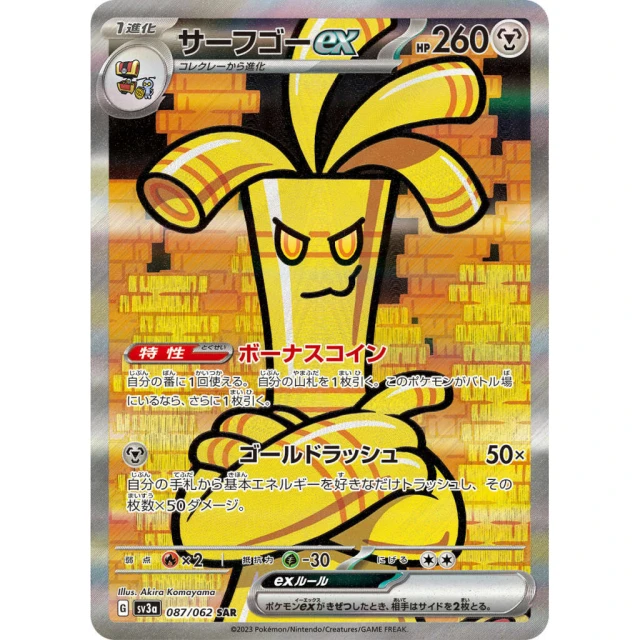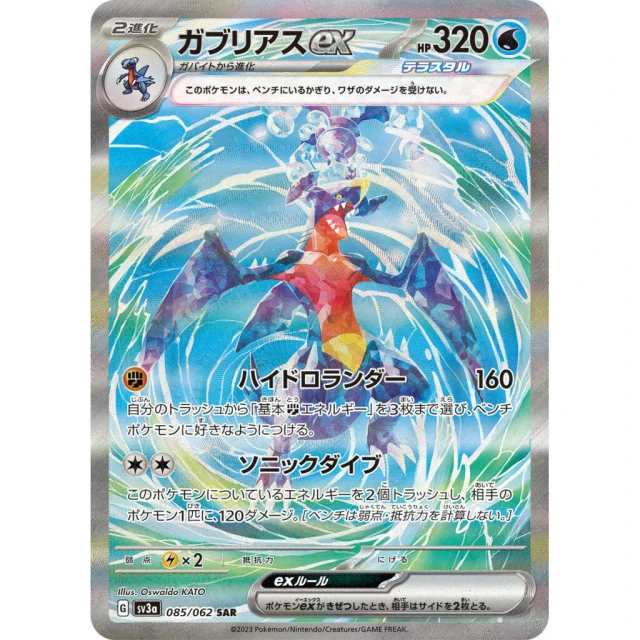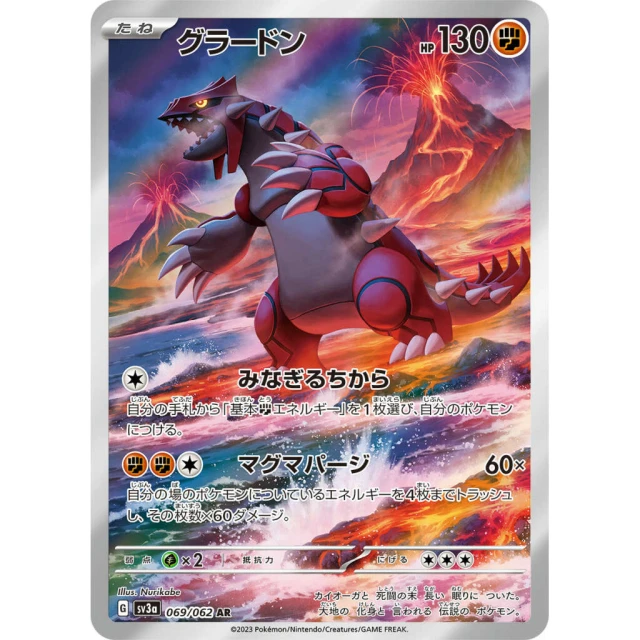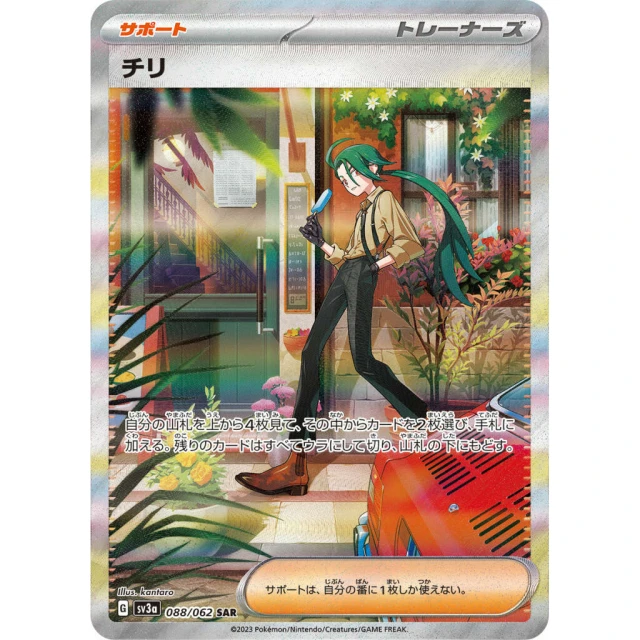
Japanese TCG Store Samurai Sword

Paradise Dragona Pull Rates, Best Cards & Box Value – 2026 Guide

Paradise Dragona (SV7a) is no longer the quiet value box described in the older April guide. The May 21, 2026 refresh changes the buying answer: Latias ex SAR and Lisia’s Appeal SAR now form a two-card top end, Japanese sealed-box signals have repriced sharply from the old ¥7,500 assumption, and overseas prices are wide enough that buyers need to compare venue, condition, and shipping before treating any single number as “the market.”

The practical answer: buy a sealed Paradise Dragona box if you want the Dragon-focused Japanese set, the Latias/Lisia chase lane, and a box that has already started moving away from its old value-entry zone. Buy singles if your only goal is Latias ex SAR or Lisia SAR. The set is fun to open, but the chance of one exact SAR is still much lower than the chance of pulling any SR-or-better card.

This update follows the current SST long-form article standard: current market proof first, then pull-rate math, box EV, Japan vs overseas pricing, buyer segmentation, and visual proof. The old article had useful bones, but it was underbuilt for a set that has started repricing this quickly.
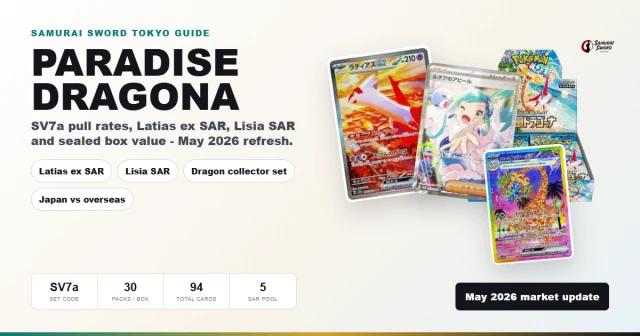
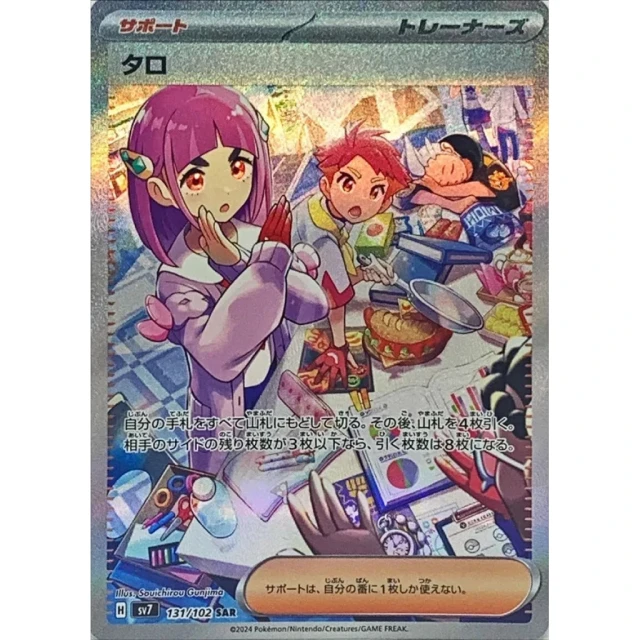
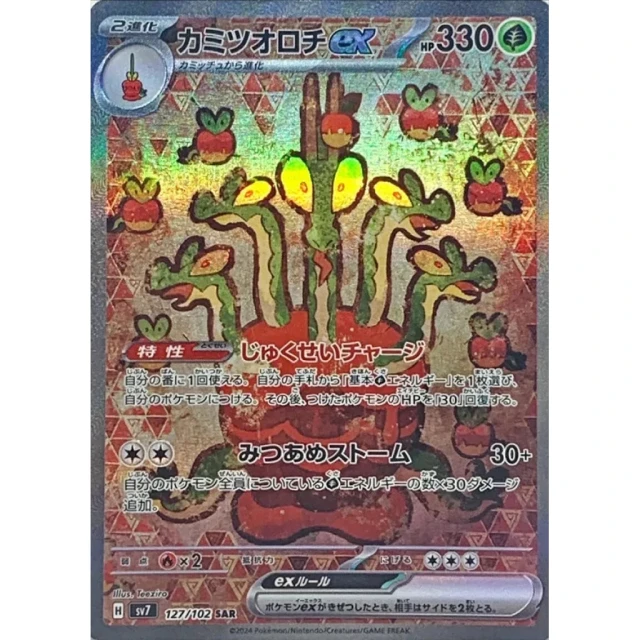
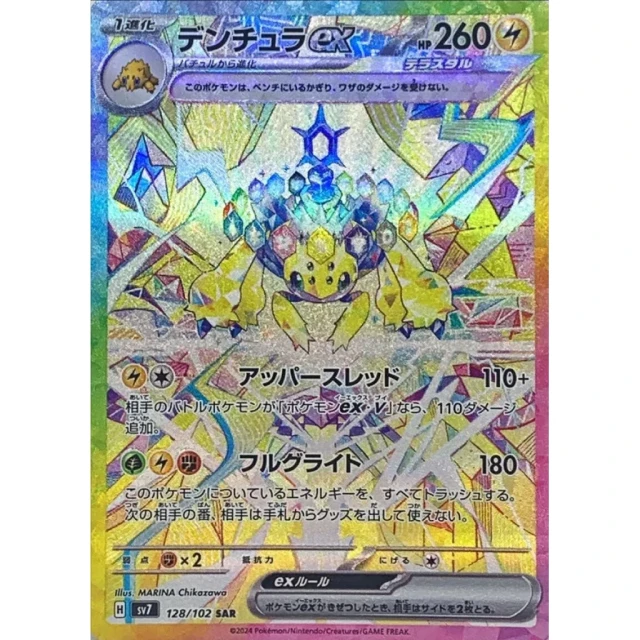
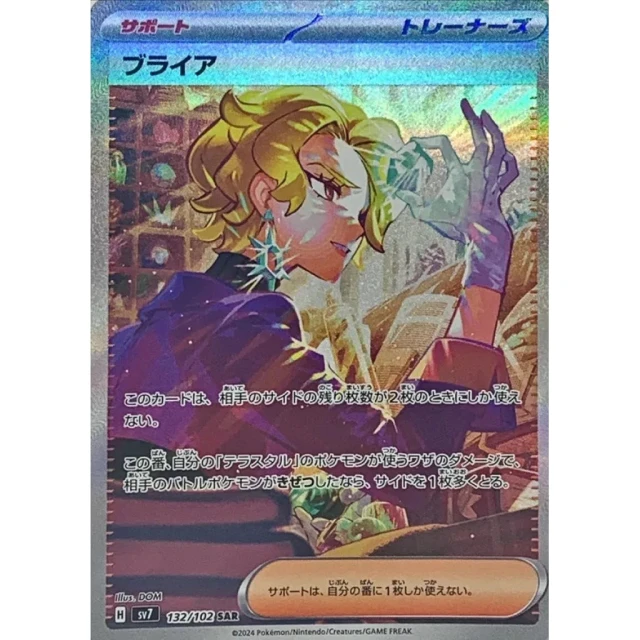
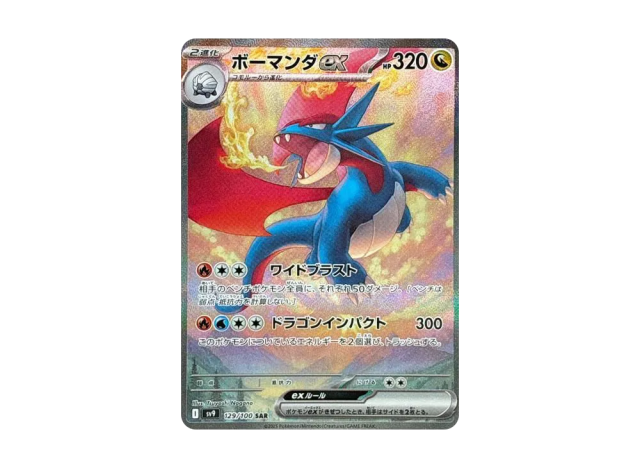
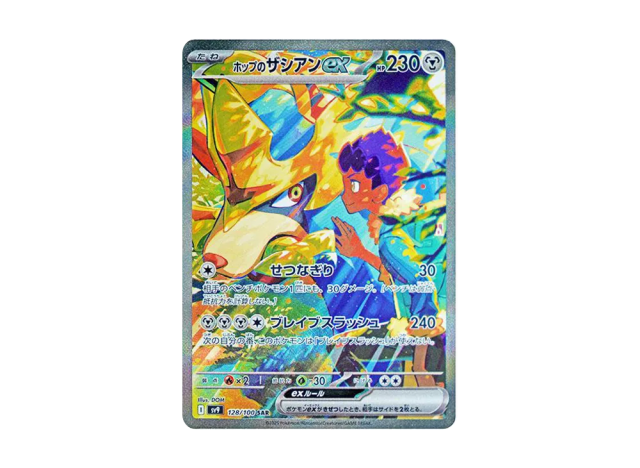
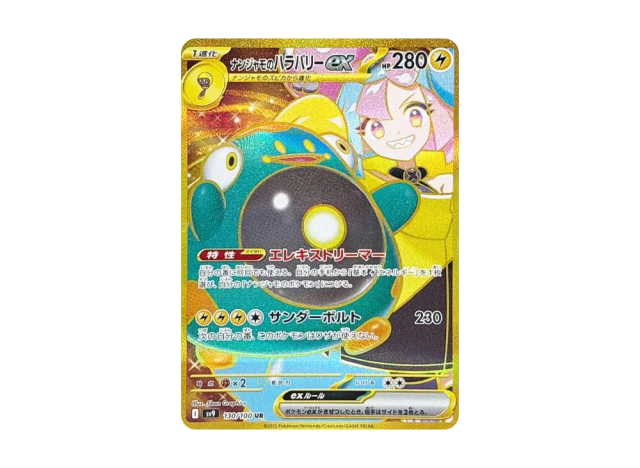
Paradise Dragona SV7a pull rates and best cards guide featuring Latias ex SAR and Lisia SAR
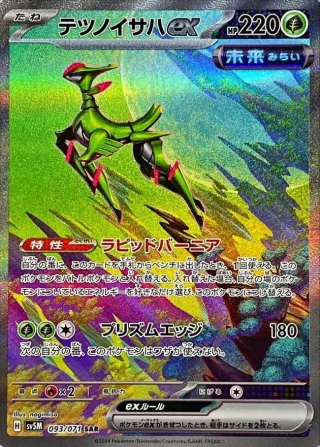
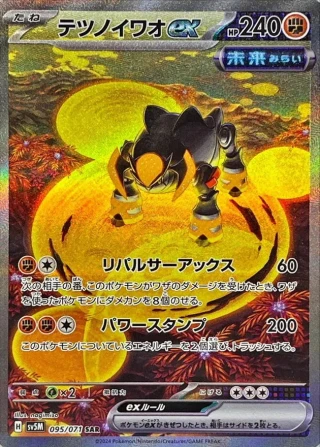
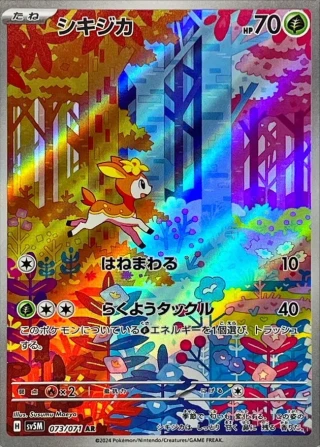
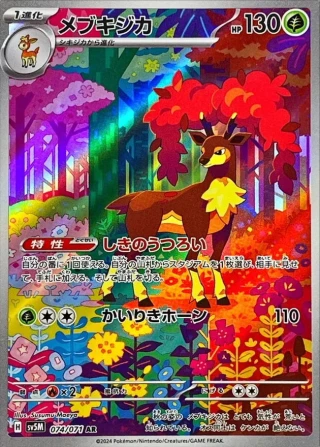
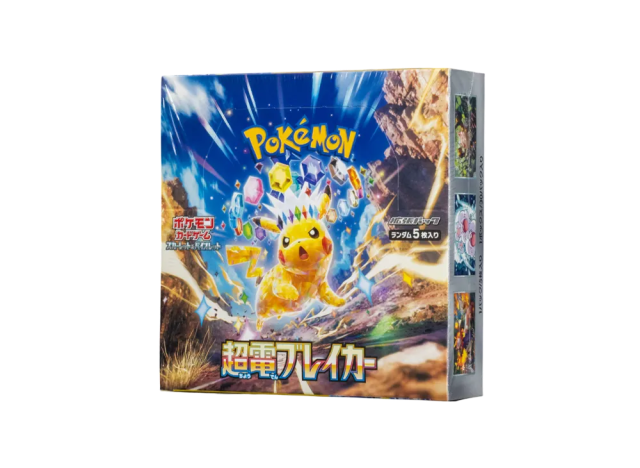
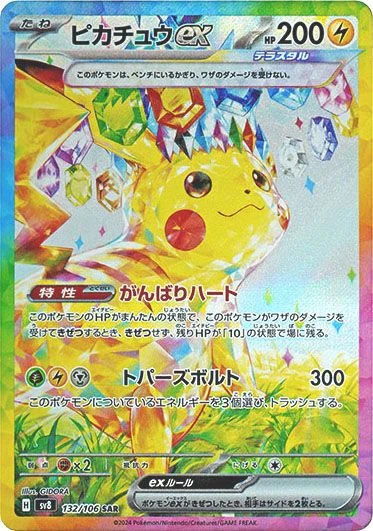
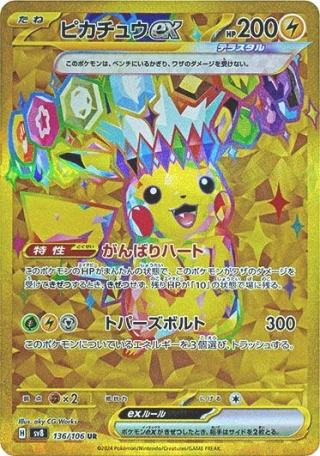
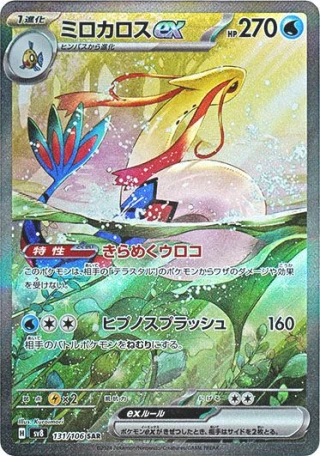
Thumbnail composite for SV7a Paradise Dragona using SST product imagery and key chase-card imagery.
Key Takeaway Paradise Dragona has shifted from a cheap enhanced-expansion pickup into a fast-moving Dragon collector box. Latias ex SAR is now the cleanest top chase, Lisia SAR remains the trainer-card anchor, and the sealed-box market should be evaluated with Japan and overseas signals separately rather than forcing a single converted price.
94Total cards
5SAR cards
¥30k+Latias SAR signal
$76-$132Overseas box range

Paradise Dragona Set Overview

Paradise Dragona is the Scarlet & Violet enhanced expansion built around Dragon Pokemon, tropical presentation, and two highly recognizable collector hooks: Latias and Lisia. The Japanese release date was September 13, 2024, and the box format follows the modern enhanced-expansion pattern of 30 packs per box and 5 팩당 카드.

The set is smaller than an English mega-set, which is exactly why Japanese collectors like it. You are buying one focused set code, one product identity, and a concise secret-rare pool instead of a mixed English release where multiple Japanese sources are folded together.

Spec Detail
Set code SV7a
Japanese name Paradise Dragona / 강화 확장팩
Japanese release September 13, 2024
Box format 30 packs per box, 5 팩당 카드
Total card count 64 main-set cards plus 30 secret cards, 94 total
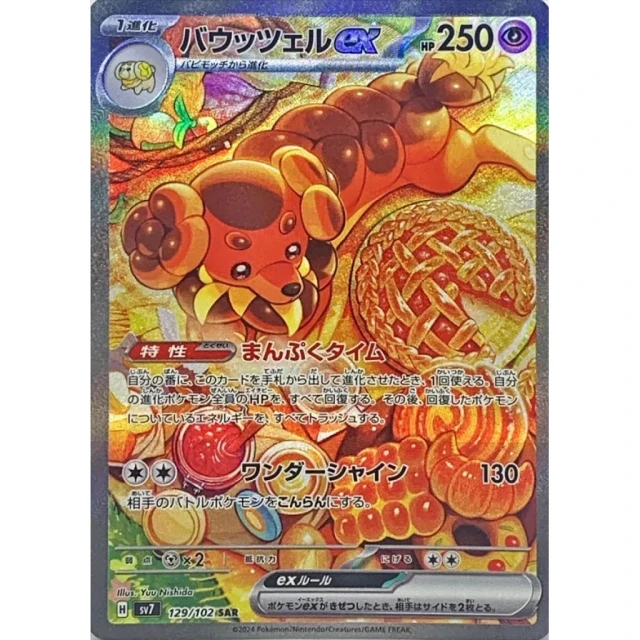
Headline cards Latias ex SAR, Lisia’s Appeal SAR, Alolan Exeggutor ex SAR, Archaludon ex SAR, Drayton SAR
English relationship Many cards connect to Surging Sparks, but the Japanese SV7a product is cleaner for sealed collectors.
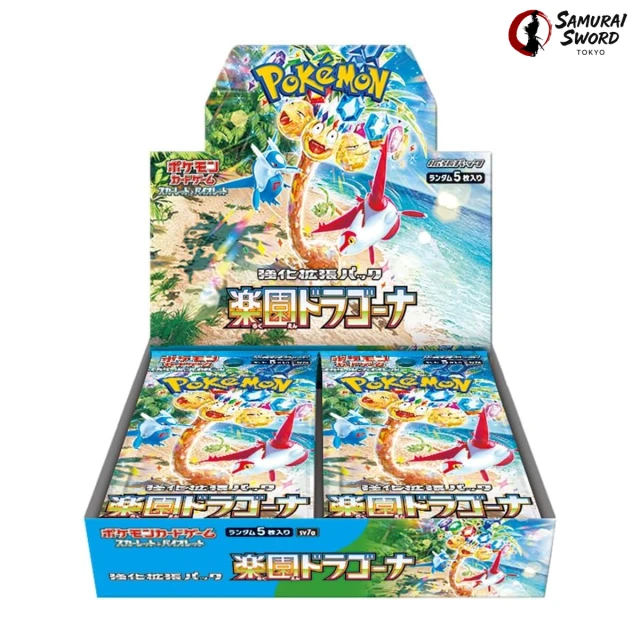
SV7a Paradise Dragona Japanese Pokemon booster box
SV7a Paradise Dragona sealed booster box. The white product background is softened in-layout so the box reads as a product image, not a white square.

What Changed Since the Old Article

The older version treated the box like a stable ¥7,500 value entry and treated Lisia SAR as the unquestioned top card. That is no longer the right buyer frame. Current Japanese market pages show Latias ex SAR around the low-¥30,000 band, Lisia SAR around the high-¥20,000 to low-¥30,000 band, and sealed-box signals that are materially higher than the old article’s baseline.

The point is not that every seller is quoting the same number. The point is the direction. Paradise Dragona has moved from “good art for the price” to “watch the market before old pricing disappears.”

Paradise Dragona vs Surging Sparks

English Surging Sparks is larger, easier to find locally, and better for players who need English cards for official play environments. Japanese Paradise Dragona is better for collectors who want the exact SV7a set, Japanese print quality, and the sealed-box identity attached to Latias, Lisia, and Alolan Exeggutor.

Factor Japanese Paradise Dragona English Surging Sparks
Collector identity Focused SV7a box, 94 total cards Larger English release with multiple source pools
Best for Japanese sealed collectors, Latias/Lisia collectors, import buyers Local players, English binders, casual retail opening
Price behavior Japan source and sealed-box signals moved up quickly in May Overseas pricing is wider and depends heavily on sold venue
Main risk Paying late-May prices while assuming old April value-box math Chasing one card through a larger English product pool

Top 10 Best Cards and Current Market Read

The current top end is more balanced than the old guide showed. Latias ex SAR has become the strongest top-card signal, while Lisia SAR still gives the set a trainer-card premium. That combination matters because a one-card set can cool quickly; Paradise Dragona has two different buyer lanes competing for attention.

Rank Card Rarity May 2026 market signal Why it matters
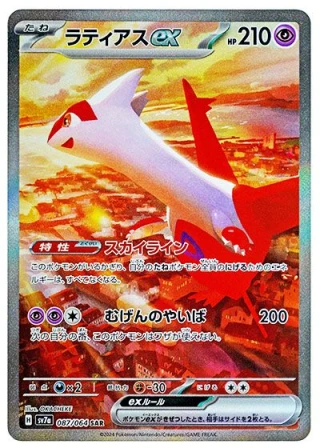
1 Latias ex 087/064 SAR Low-¥30,000 band in Japanese guides Eon Pokemon, connected-art demand, strongest current top-card signal
2 Lisia’s Appeal 091/064 SAR High-¥20,000 to low-¥30,000 band Fan-favorite trainer, long collector memory, female-supporter premium
3 Lisia’s Appeal 086/064 SR About mid-¥4,000 band Lower-cost Lisia target for trainer collectors
4 Alolan Exeggutor ex 089/064 SAR About mid-¥3,000 band Set mascot artwork and tropical identity
5 Latias ex 078/064 SR About high-¥2,000 band Budget Latias option when SAR is too expensive
6 Latios 070/064 AR About mid-¥2,000 band Companion art to Latias; binder demand is stronger than normal AR demand
7 Archaludon ex 088/064 SAR About low-¥2,000 band Dragon-type premium hit and competitive-adjacent Pokemon
8 Flygon ex 079/064 SR About low-¥1,000 band Dragon fan favorite with affordable entry
9 Black Kyurem ex 080/064 SR About low-¥1,000 band Recognizable Dragon legendary, better than pure bulk SR
10 Drayton 090/064 SAR Around ¥1,000 band Trainer SAR, low-cost completionist card
Latias ex SAR 087/064 from SV7a Paradise Dragona#1 Latias ex SAR

Latias is now the clean top-card story. The card benefits from a beloved Legendary Pokemon, strong composition, and the connected-art chase with Latios.
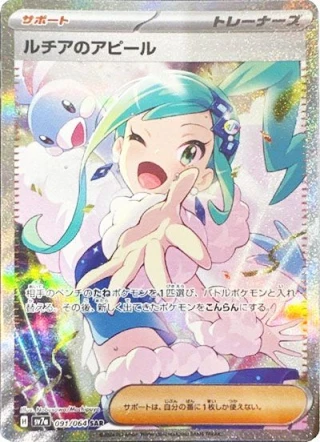
Lisia's Appeal SAR 091/064 from SV7a Paradise Dragona#2 Lisia SAR

Lisia is still the emotional anchor. Even if Latias leads the current price signal, Lisia gives the box the trainer-card demand that often keeps Japanese sets liquid.
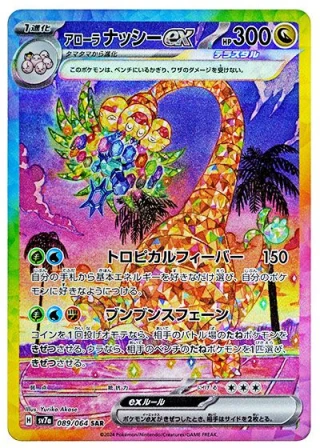
Alolan Exeggutor ex SAR 089/064 from SV7a Paradise Dragona#4 Alolan Exeggutor SAR

Alolan Exeggutor is the set’s tropical mascot card. It is not priced like the top two, but it is one of the cards that makes the set visually distinct.

Top 3 Deep Dive

Latias ex SAR is the card that makes the May refresh necessary. The old article underweighted it, but current Japanese price guides put Latias at or above Lisia. Connected-art demand is the key reason. Collectors who want the complete Latias/Latios display are not buying only one card in isolation.

Lisia’s Appeal SAR remains the trainer premium. Lisia is not just another supporter. Her appearance history is limited enough that returning to the character after years of demand created a real collector lane. If Paradise Dragona were only a Dragon Pokemon set, its ceiling would be narrower. Lisia broadens it.

Lisia’s Appeal SR deserves attention because it is the rational alternative. A buyer who loves Lisia but does not want to pay SAR money can buy the SR and still feel connected to the set. That budget chase matters for liquidity.

Secondary Hits That Keep Boxes Interesting
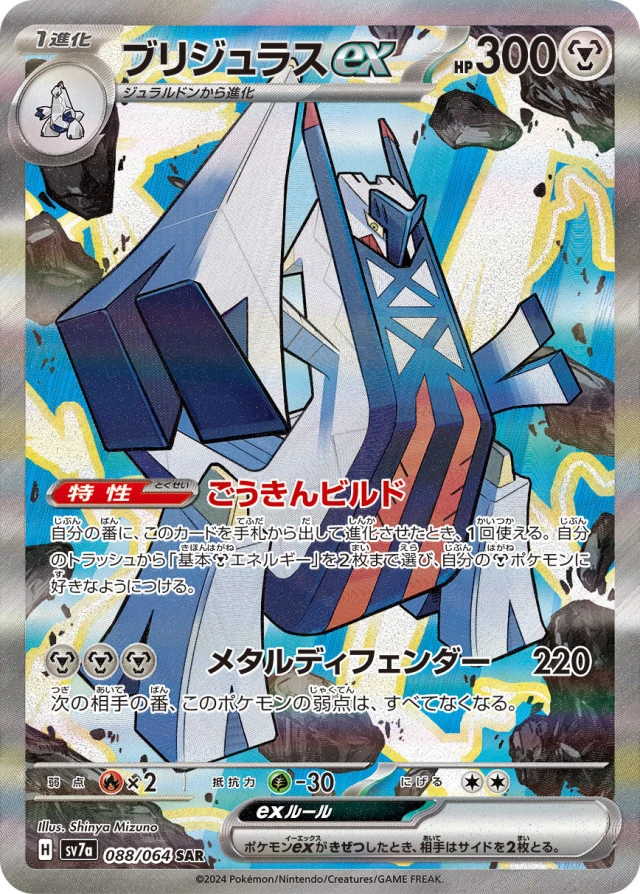
Archaludon ex SAR from SV7a Paradise DragonaArchaludon SAR

Archaludon gives the box a Dragon-type SAR that still feels relevant even when it is not the top price card. It helps the set avoid a top-heavy opening experience.
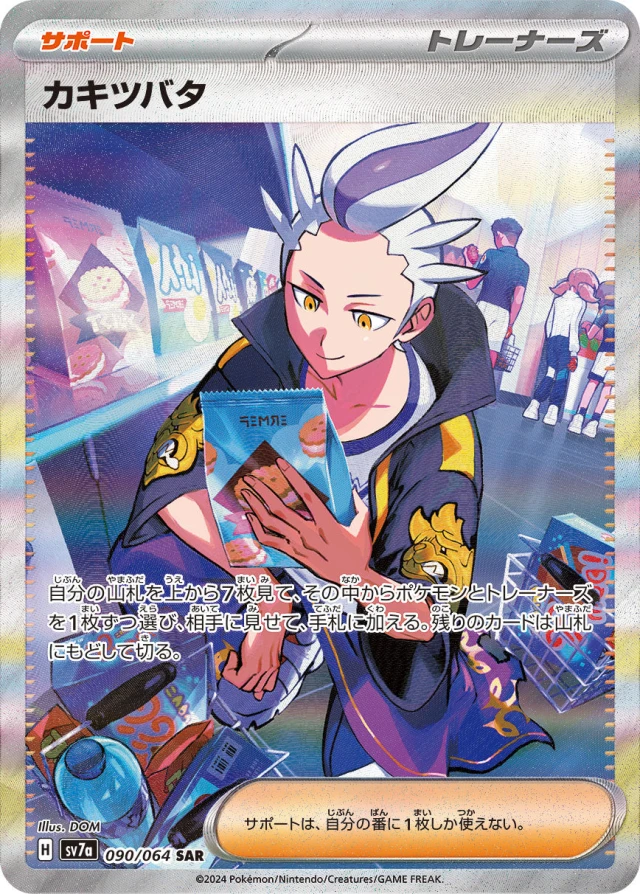
Drayton SAR from SV7a Paradise DragonaDrayton SAR

Drayton is the low-cost trainer SAR. Pulling Drayton is not a Latias/Lisia outcome, but it still provides a full-art trainer hit that casual openers understand immediately.

That secondary layer is important for box buyers. If the set were Latias and Lisia only, opening one box would feel harsh unless you hit the top end. With Alolan Exeggutor, Archaludon, Drayton, Latios AR, and budget SRs, the experience is less binary.

Why Paradise Dragona Is Special

Every serious set guide needs a reason that could not be copied into a different article. For Paradise Dragona, the reason is not simply “good pull rates.” The set has a very specific identity: Dragon Pokemon, tropical artwork, the Latias/Latios pair, and Lisia returning as a premium trainer chase.

The Latias and Latios Connected-Art Hook

Latias ex SAR and Latios AR work as a collector pair. Connected art is powerful because it creates a second purchase after the first hit. A buyer who pulls Latias wants Latios; a buyer who already owns Latios wants Latias. That is a stronger demand structure than a normal one-card chase.

Lisia Gives the Set a Trainer Lane

Trainer-card demand behaves differently from Pokemon demand. A Dragon collector may care most about Latias, Latios, Flygon, or Black Kyurem. A trainer collector may care most about Lisia, even if they do not open Dragon decks or collect Eon Pokemon. Paradise Dragona gets both audiences.

The Art Direction Is Easy to Recognize

The box and top cards use a tropical, travel-like visual language. That makes the article thumbnail and product card easier to understand at small size. It also makes the set more memorable than many generic mid-era expansions where the best card could belong anywhere.

Should You Buy a Paradise Dragona Box in 2026?

The answer depends on why you are buying. A collector buying one sealed box for the shelf is solving a different problem from a singles buyer who wants Latias SAR. A reseller looking at source cost is solving a different problem again. Paradise Dragona now needs that separation because the price moved too much to use one generic “worth it” answer.

Buyer type Best action Reason
Latias-only buyer Buy the single A specific SAR chase is far too rare to justify sealed as the rational route.
Lisia collector Buy the SAR or SR directly unless you value opening Lisia has two good targets, and the SR is a cheaper collector compromise.
Sealed collector Buy before comparing only to old ¥7.5k guides The market has reset upward; old article prices are stale.
Casual opener Buy one box if the top-card hunt is part of the fun Enhanced-expansion hit structure gives a satisfying baseline, but not a guaranteed chase.
Player Buy singles Competitive needs are cheaper to satisfy with targeted card purchases.
Import buyer Compare landed cost, not sticker price Japan price, overseas price, shipping, duties, and condition all change the answer.

For Sealed Collectors

Paradise Dragona is attractive because it has a compact Japanese identity and two top chase lanes. The risk is paying a newly repriced number while mentally anchoring to the old ¥7,500 guide. If you buy sealed now, assume you are buying a box whose market has already noticed Latias and Lisia.

For Singles Buyers

Singles are cleaner if your target is exact. A single Latias ex SAR or Lisia SAR purchase removes the randomness, condition variance from opening, and the chance that your SR-or-better slot lands on a lower-value hit.

For Openers

Opening still makes sense if the product experience matters. You get 30 packs, a Dragon-themed card pool, ARs, ACE SPEC, ex cards, and a real shot at a premium card. Just do not call it a rational way to acquire one exact SAR.

Compared With Nearby SV-Era Boxes

Paradise Dragona now sits in an awkward but interesting place beside nearby Japanese boxes. It is not as universally famous as Eevee Heroes or Terastal Festival ex, and it does not have the same broad casual recognition as the biggest Pikachu-led sets. Its advantage is focus. A buyer can explain the box in one sentence: Japanese Dragon set with Latias and Lisia at the top. That clarity matters for a blog reader scanning the article card, and it matters for sealed collectors deciding which box deserves shelf space.

The comparison also changes the timing answer. If a set is still quiet, the best advice is usually patience and price shopping. If a set has already started repricing but has not become completely unreachable, the better advice is to stop using old guides and check the current spread. Paradise Dragona is in that second category now. It is not automatically a buy at any price, but the old ¥7,500 value-box framing is no longer strong enough for a serious buyer.

Comparison point Paradise Dragona implication
Versus cheaper SV boxes Paradise Dragona costs more now, but has a cleaner two-chase top end.
Versus bigger chase sets It is narrower, which can be good for collectors who want one exact Japanese product identity.
Versus opening singles value Singles remain smarter for exact Latias or Lisia targets.
Versus sealed holding The box has a stronger collector story than the old article captured.

Pull Rates, Chase Odds and Box EV

Pokemon does not publish official pull rates for Paradise Dragona, so all pull-rate numbers should be treated as estimates from community openings, Japanese guide aggregation, and normal Scarlet & Violet enhanced-expansion patterns. The useful buying point is not false precision. It is understanding the difference between “a good box opening” and “a specific chase-card plan.”

Estimated Pull Rate Breakdown

Rarity or slot Set count Estimated box behavior Buyer meaning
RR / Double Rare 10 Several per box Expected baseline, not the value driver
AR / Art Rare 12 Multiple per box Best regular visual hits and binder texture
ACE SPEC 2 Commonly one per box pattern Playable and collectible utility slot
SR 10 Dominant SR-or-better outcome Most boxes with a secret hit land here, not at SAR
SAR 5 Estimated around low-to-mid teens per box, often framed near 1 in 5 to 1 in 7 boxes depending on sample Any SAR is meaningful; one exact SAR is much harder
UR 3 Lower-frequency premium slot Nice hit, but not the main Paradise Dragona thesis
Pull Rate Reality If you are chasing Latias SAR specifically, the relevant math is not “can I pull a SAR?” It is “can I pull the right SAR?” With five SARs in the pool, a specific top-card outcome is many boxes away on average.

Specific Chase Odds

Using the common rough model of one SAR in about five boxes, a specific SAR such as Latias or Lisia would average around one in 25 boxes. If the true SAR rate is closer to 13%, the specific-card average is even harsher. Either way, the answer is the same: sealed is for the experience, singles are for precision.

Goal Estimated route Practical conclusion
Pull any SR-or-better Reasonable in a box Good opening expectation
Pull any SAR Multi-box outcome Fun chase, not guaranteed
Pull Latias ex SAR Specific SAR outcome Buy the single if this is the only target
Pull Lisia SAR Specific SAR outcome Same logic as Latias; sealed is not efficient
Complete the set Boxes plus singles Opening gives base volume, singles finish the expensive cards

Box EV Context

Box EV changes quickly because Latias, Lisia, and the sealed box are all moving. Japanese guide data around May 20, 2026 placed Paradise Dragona’s opening expected value around the low-¥7,000 band, while current sealed-box purchase signals are often much higher than that. That gap is normal for Pokemon sealed products: the box price includes scarcity, sealed premium, and optionality, not only the average raw value of opened cards.

EV component Role in the box How to think about it
Top SARs Latias and Lisia create the upside They determine whether a box beats price in one opening
Secondary SARs Alolan Exeggutor, Archaludon, Drayton They make a premium hit feel good without matching top-card value
SRs and ARs Opening texture They provide binder value and reduce disappointment
ACE SPEC and playables Utility value Useful, but not enough to carry sealed pricing alone
Bulk Base-card volume Important for set builders, low resale value

The important buyer message: EV does not say “do not buy.” It says “know what you are buying.” A sealed collector can rationally pay above EV because they value the sealed product. A singles buyer should not pay above EV for randomness when the exact card is available.

Japan vs Overseas Price Surge

The market section is the biggest change from the old article. The old guide framed Paradise Dragona as a stable ¥7,500 box. Current sources show a much wider and higher market. Fuji Card Shop showed a live box listing around ¥13,900, Japanese guide and buy-price checks showed stronger domestic demand, SST local weekly data carried Japan source signals above the old baseline, and overseas sold/listing data ranged from the mid-$70s to above $130 depending on venue.

That is why the chart below is indexed. We are not pretending that yen prices and dollar prices are one clean converted number. We are comparing direction and velocity: old article baseline equals 100, then Japan and overseas signals show how fast the product repriced.
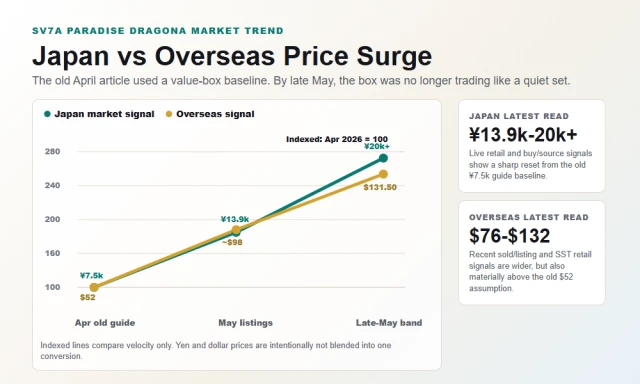
Paradise Dragona Japan vs overseas indexed box price chart May 2026
Japan vs overseas market trend, indexed to the old April 2026 guide baseline so yen and dollar markets are compared by movement rather than blended currency.
Market signal Old guide assumption Latest May 2026 read Meaning
Japan retail/listing About ¥7,500 Fuji live listing around ¥13,900 The cheap-box framing is stale even before using stronger buy/source signals
Japan buy/source pressure Not covered deeply Domestic buy/source signals around the high-¥10,000 to ¥20,000+ zone Supply pressure is the reason the box needs a fresh market section
Overseas sold/listing About $52 Recent observed range around $76-$132 depending on source Overseas has also moved up, but the spread is wider
Buyer action Casual value pickup Compare landed cost and venue carefully Old pricing can no longer be used as a buying anchor

How to Read the Wide Price Band

A wide band is not a mistake. It is what fast repricing looks like. One shop can show a lower live retail number while another market source shows much stronger buy or source pressure. Overseas can show a lower sold result and a higher current retail result in the same week. The article should not flatten that into one fake “true price.”

Market Thesis

The bullish thesis is simple: Paradise Dragona has two premium chase lanes, a memorable sealed identity, and a box price that has started to detach from the old value-entry zone. The risk is equally clear: if supply returns or Latias/Lisia demand cools, late buyers can be paying after the sharpest part of the move.

What Would Change the Recommendation?

If Japan retail settles back near the old ¥7,500-9,000 band, the box becomes a clear opening value again. If overseas listings rise while Japan supply stays tight, sealed buyers should prioritize trustworthy source and condition over chasing the lowest sticker price. If Latias SAR or Lisia SAR drops sharply while the box stays elevated, singles become the better recommendation for most buyers.

Where to Buy Paradise Dragona

For SST customers, the cleanest path is to check the live Paradise Dragona product page first, then compare it with the broader Japanese sealed box collection if this specific box is out of stock or repriced sharply.

Paradise Dragona (SV7a) Booster Box

Japanese sealed booster box, 30 packs. Check live stock, current price, and shipping options before anchoring to old article pricing.

View SV7a Box

Authenticity Checks

Check Why it matters
Factory shrink and condition Sealed Pokemon boxes are condition-sensitive. Avoid boxes with questionable wrap, crushed corners, or unclear seller photos.
Japanese SV7a product code Confirms you are buying Paradise Dragona, not an English or Korean equivalent.
30-pack box format Matches the Japanese enhanced-expansion box configuration.
Landed cost Shipping, taxes, duties, and payment fees can erase a low sticker price.
Seller history Fast-moving boxes attract bad listings. Reliable sourcing matters more when price volatility is high.

You can also browse the Japanese Pokemon sealed booster box collection if you are comparing Paradise Dragona against newer or older Japanese boxes, and use the SV7a card list to inspect every card before deciding between sealed and singles.

Frequently Asked Questions

What are the pull rates for Paradise Dragona?

Pokemon does not publish official pull rates. Based on community opening patterns and Japanese guide aggregation, expect a normal enhanced-expansion structure with several RR cards, multiple AR cards, ACE SPEC presence, and one SR-or-better style chase slot. Any exact SAR is still a multi-box chase.

What is the best card in Paradise Dragona?

As of the May 2026 refresh, Latias ex SAR has the strongest current top-card signal, with Lisia’s Appeal SAR very close behind as the trainer-card anchor.

Is Paradise Dragona worth buying in 2026?

Yes for sealed collectors and Dragon/Lisia collectors, but not at old article expectations. The box has repriced upward, so compare current landed cost and decide whether you want sealed exposure or exact singles.

Should I buy a Paradise Dragona box or Latias ex SAR?

Buy Latias ex SAR directly if that is your only target. Buy the box if you value opening, sealed collecting, and the chance at multiple hits rather than one guaranteed card.

How many SAR cards are in Paradise Dragona?

Paradise Dragona has five SAR cards: Latias ex, Archaludon ex, Alolan Exeggutor ex, Drayton, and Lisia’s Appeal.

Why did the article change so much from the older version?

The older version was built around April 2026 assumptions: Lisia as the clear top card and the box around ¥7,500. Current May 2026 data shows Latias leading or tying the top end and sealed-box signals materially higher, so the buying advice had to change.

Is Paradise Dragona the same as Surging Sparks?

No. Surging Sparks includes many related cards in English, but Paradise Dragona is the Japanese SV7a product with its own compact set identity, card numbering, and sealed-box market.

Where can I see the full Paradise Dragona card list?

Use the SV7a Paradise Dragona card list to check every card, image, and card number.

What is the biggest risk with Paradise Dragona sealed boxes?

The biggest risk is buying after a sharp repricing while still expecting old value-box prices. Reprint supply, softer Latias/Lisia demand, or a wider overseas discount can all change the recommendation.

Is Paradise Dragona better opened or kept sealed?

Open it if you want the Dragon-themed pack experience and accept the chase odds. Keep it sealed if you mainly want exposure to a compact Japanese box with Latias and Lisia demand.
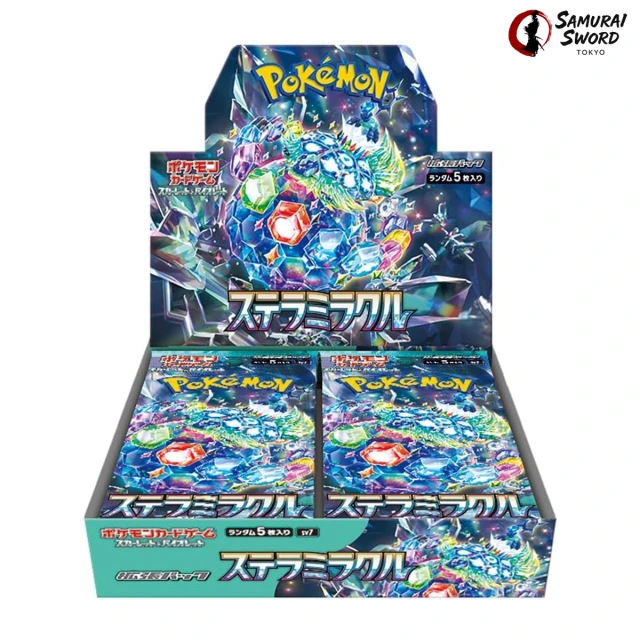
Stellar Miracle Pull Rates, Best Cards & Box Value – 2026 Guide

Stellar Miracle (SV7) needed a full May 21, 2026 refresh because the old article read like a short card list instead of a serious buying guide. The current standard is different: lead with the buying answer, show the product, show the chase cards, explain the pull-rate math, and separate Japan market signals from overseas customer-facing prices.

The practical answer is simple. Buy Stellar Miracle sealed if you want a compact Japanese Stellar Tera box with several mid-priced SARs and a still-reasonable sealed entry. Buy singles if your only target is Terapagos, Dachsbun, or Lacey. A sealed box can be a strong purchase when you want the product story and the opening experience. It is a weak purchase when you are only using it as an expensive shortcut to one exact SAR.

This version follows the same format as the stronger SST Pokemon guides: current market proof, a real product image, a top-card grid, a Japan vs overseas chart, buyer segmentation, box EV, and a deeper FAQ section. The goal is not to pad word count; it is to answer the questions a collector or shop buyer actually has before ordering.

The biggest change is the order of the thinking. A thin article usually starts with a card ranking and only later mentions whether a box is worth buying. This refresh starts with the purchase decision because that is what search traffic is really asking. A reader wants to know whether sealed makes sense today, whether singles are smarter, whether the set has a reason to age well, and whether the visible price is current. The card ranking is still important, but it sits inside a fuller buying framework.

Stellar Miracle SV7 pull rates and best cards guide
Thumbnail composite for Stellar Miracle using SST product imagery and key chase-card imagery.
Key Takeaway Terapagos ex SAR, Dachsbun ex SAR, and Lacey SAR form a tight top cluster rather than a one-card market. Japan signals now sit around ¥9,700-11,200, while SST’s overseas retail signal is 76.5. Judge the box by buyer type: sealed collectors, singles buyers, openers, and import buyers all need different advice.
SV7Set code
30Packs / box
135Total cards
6SAR pool

Stellar Miracle Set Overview

Stellar Miracle is the Japanese SV7 product released on July 19, 2024. It connects to Stellar Crown, but Japanese sealed buyers should treat it as its own product with its own card numbering, box price, and collector identity.

The old short article format usually stopped at release date, card count, and a top-10 table. That is not enough. A modern buyer needs to know whether the set has a durable reason to exist, whether the sealed price is moving, whether the top cards justify opening, and how the Japanese box compares with English or adjacent Japanese sets.

Spec Detail
Set code SV7
Japanese release July 19, 2024
Card count 102 main-set cards plus 33 secret cards, 135 total
Box format 30 packs per box, 5 팩당 카드
SAR count 6 Special Art Rare cards
Current Japan signal Japan signals now sit around ¥9,700-11,200, while SST’s overseas retail signal is 76.5.
Best buyer Collector or shop buyer who understands the set story and is not relying on one exact pull.
Stellar Miracle Japanese Pokemon booster box
Stellar Miracle sealed Japanese booster box. The product image is shown early so the article card and article body match the product being sold.

What Changed in the May 2026 Refresh

The old article was useful as a first pass, but it was too thin for the current blog standard. It had fewer visual breaks, a weaker market section, and a shorter decision path. This refresh adds the missing context: why the set matters, where the box sits today, how the top cards rank, and when singles make more sense than sealed.

Japanese Box vs English Relationship

English products are easier for many local buyers, but the Japanese product is cleaner for collectors who want one exact set code and Japanese print quality. The Japanese box also has a more direct sealed-market signal because the product is not blended with multiple Japanese sources the way many English releases are.

Factor Japanese Stellar Miracle Stellar Crown
Product identity One Japanese set code, one box, one collector story English market relationship with different distribution and buyer behavior
Best for Japanese sealed collectors, import buyers, visual collectors Local players and buyers who prefer English cards
Pricing Read Japan and overseas separately Often easier to find locally, but not the same sealed thesis
Buying mistake Using old article prices after the market has moved Assuming English and Japanese pull economics are identical

What the Product Page Should Help You Decide

A strong set guide should reduce hesitation before the product page click. For Stellar Miracle, the reader should leave this section knowing the set code, the card count, the box format, the major chase lanes, and the current market spread. That is enough to compare the box against other Japanese sealed products without opening a dozen tabs.

This is especially important for overseas buyers. A small difference in listed price can disappear once shipping, payment fees, import tax, and condition risk are included. The article therefore treats price as a range and a decision signal, not as a single permanent number. That is the difference between a useful ecommerce guide and a static checklist.

Top 10 Best Cards and Current Market Read

Terapagos ex SAR, Dachsbun ex SAR, and Lacey SAR form a tight top cluster rather than a one-card market. The top-card table below uses the local PriceCharting cache and Fuji card-list image set where available, then frames each card by why a buyer would care. Prices are not permanent; the ranking is useful because it shows the shape of demand.
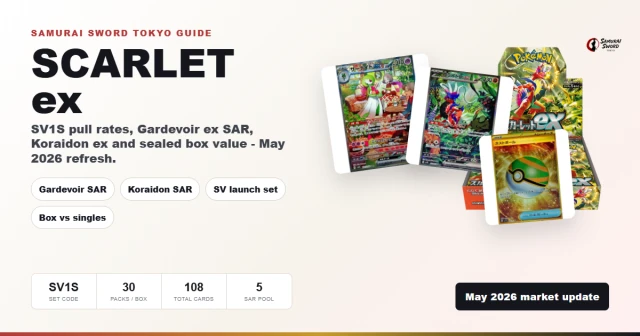
Rank Card Rarity Raw price signal Why it matters
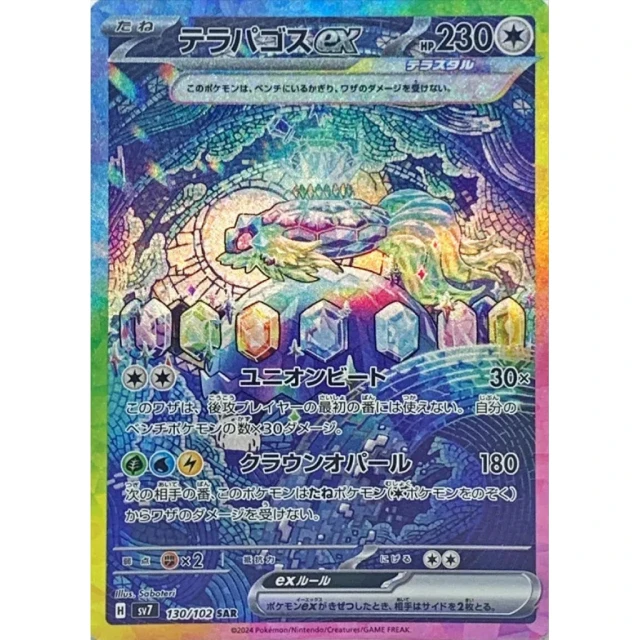
1 Terapagos Ex 130/102 SAR $24.49 Mascot SAR, Stellar Tera identity, and the card buyers expect to see when the set is mentioned.
2 Dachsbun Ex 129/102 SAR $24.33 A visually distinct SAR that still competes with the mascot card in raw-price signals.
3 Lacey 131/102 SAR $23.99 Female-supporter SAR demand keeps the set from being only a Pokemon chase box.
4 Hydrapple Ex 127/102 SAR $19.19 Hydrapple gives the SAR pool another colorful Pokemon chase below the top three.
5 Galvantula Ex 128/102 SAR $12.63 Galvantula adds the Stellar Tera visual language and a lower-cost SAR lane.
6 Briar 132/102 SAR $15.00 Briar connects the set to Area Zero and gives completionists a second supporter SAR.
7 Area Zero Underdepths 135/102 UR $6.93 Area Zero Underdepths UR matters because the set story is broader than only SAR cards.
8 Crispin 123/102 SR $4.99 Crispin SR is an affordable trainer hit that improves the normal opening experience.
9 Terapagos Ex 133/102 UR $6.98 Terapagos ex UR gives the mascot a second premium slot.
10 Bravery Charm 134/102 UR $4.95 Bravery Charm UR is a practical gold-card hit and adds utility texture.
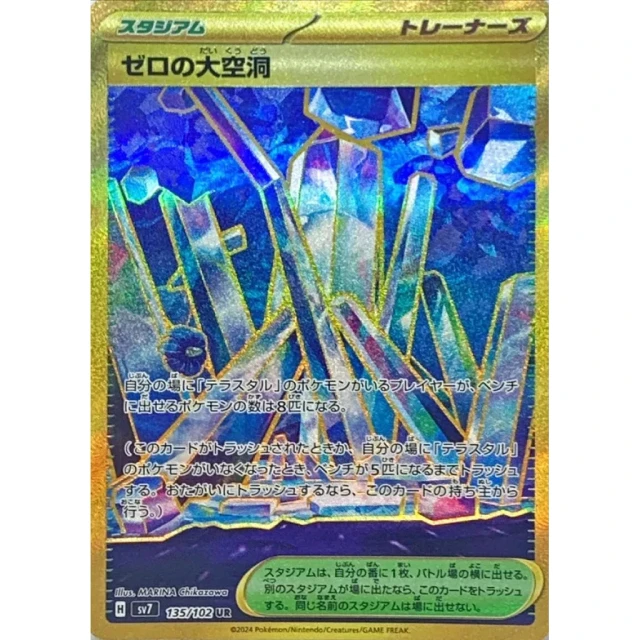
Terapagos Ex SAR from Stellar MiracleSAR

Terapagos Ex

Mascot SAR, Stellar Tera identity, and the card buyers expect to see when the set is mentioned.

Dachsbun Ex SAR from Stellar MiracleSAR

Dachsbun Ex

A visually distinct SAR that still competes with the mascot card in raw-price signals.

Lacey SAR from Stellar MiracleSAR

Lacey

Female-supporter SAR demand keeps the set from being only a Pokemon chase box.

Top-Card Thesis

The best version of a set guide explains why the top card leads. For Stellar Miracle, the top layer works because the cards are tied to the set story rather than feeling randomly expensive. The market can move, but the identity is easier to defend when the chase cards are aligned with the product name, mascot, character focus, or mechanic.

Secondary Hit Layer

A box feels better when there are enough cards below the top chase to keep opening from becoming binary. That does not mean every SAR or UR pays for the box. It means the buyer has several outcomes that still feel like meaningful collection pieces.

Hydrapple Ex SAR from Stellar MiracleSAR

Hydrapple Ex

Hydrapple gives the SAR pool another colorful Pokemon chase below the top three.

Galvantula Ex SAR from Stellar MiracleSAR

Galvantula Ex

Galvantula adds the Stellar Tera visual language and a lower-cost SAR lane.

Briar SAR from Stellar MiracleSAR

Briar

Briar connects the set to Area Zero and gives completionists a second supporter SAR.

Area Zero Underdepths UR from Stellar MiracleUR

Area Zero Underdepths

Area Zero Underdepths UR matters because the set story is broader than only SAR cards.

Budget Singles Worth Watching

Budget singles matter because not every reader is ready to buy a sealed box or a top SAR. Lower-cost SRs, ARs, and URs often make the article more useful for collectors who want the set identity without paying for the top card. For Stellar Miracle, the lower layer also helps explain why opening can still be enjoyable even when the expected value is below sealed price.

The lower layer also matters for resale and customer education. A shop buyer can sell the top chase easily, but the box becomes easier to merchandise when there are several cards that look good in a display case, binder page, or break menu. That is why the article covers secondary SARs, ARs, and URs instead of treating everything outside the top three as filler.

What Makes Stellar Miracle Special

The Stellar Tera Mechanic Is the Set Identity

Stellar Miracle is not just another SV-era box with good artwork. It is the Japanese set that introduced Stellar Tera as the product story, with Terapagos ex as the mascot and Area Zero support cards surrounding it. That gives the box a mechanical identity and a collector identity at the same time.

Why the Set Can Be Explained Quickly

A strong ecommerce article should make the set understandable from a thumbnail, a product card, or a quick scan. Stellar Miracle has that advantage: its best cards and product identity point in the same direction. That makes it easier for collectors, store buyers, and breakers to communicate the product without a long explanation.

Why That Matters for Sealed Boxes

Sealed boxes do not trade only on average pull value. They also trade on identity, scarcity, display appeal, and whether future buyers can understand the box quickly. A set with a clear story can stay easier to sell than a technically similar set whose top cards feel disconnected from the product.

Collector Memory and Thumbnail Recognition

Collector memory is practical, not abstract. If a buyer can remember the set from one image and one chase lane, the article and product card have a much better chance of converting later. Stellar Miracle should therefore be presented with its box image, its most recognizable cards, and the set-specific hook near the top of the page. A text-only article forces the reader to do too much work.

Should You Buy a Stellar Miracle Box in 2026?

Buy Stellar Miracle sealed if you want a compact Japanese Stellar Tera box with several mid-priced SARs and a still-reasonable sealed entry. Buy singles if your only target is Terapagos, Dachsbun, or Lacey. The honest answer changes by buyer type. That is the main reason the new article format needs more depth than the old one.

Buyer type Best action Reason
Exact top-card buyer Buy the single Specific-card odds are low, even when the set itself is good.
Sealed collector Buy after checking current spread The product story matters, but stale pricing can produce bad entries.
Casual opener Buy one box if lower hits are acceptable The box can be fun without guaranteeing the chase card.
Shop or breaker Buy if the set story is easy for your customers Clear chase identity matters for merchandising and breaks.
Player Buy singles Playable needs are cheaper and cleaner through targeted purchases.
Import buyer Compare landed cost Shipping, duties, and currency spread can erase a low sticker price.

Box vs Singles

Singles are the rational route for one exact chase. Sealed boxes are for the product experience, shelf identity, and optionality. The article should not confuse those two jobs. A box can be good and still be the wrong route to one card.

Compared With Paradise Dragona

Use Paradise Dragona as the comparison point rather than treating every SV-era box as identical. The better buy is the one whose chase structure matches the buyer’s goal. Sometimes that means paying more for a stronger chase; sometimes it means buying the cheaper box because the set identity is enough.

Sealed Holding Logic

The sealed holding case depends on whether the box will still be easy to explain later. Stellar Miracle has a clearer story than many generic mid-era boxes, but that does not remove restock, reprint, or demand risk. Buy sealed because you want the box and understand the thesis, not because an article says every sealed Pokemon product must rise.

How to Compare Entry Prices

Do not compare one seller’s Japan sticker price with another seller’s international checkout price as if they are the same thing. A clean comparison includes product condition, whether the box is factory sealed, shipping speed, tracking, payment fees, and the risk of dealing with an unknown marketplace seller. The cheapest visible number is not always the cheapest final purchase.

For repeat buyers and stores, consistency can be worth more than a small discount. A predictable sourcing route makes it easier to reorder, answer customer questions, and avoid condition disputes. For one-time collectors, the right move is often to decide the maximum landed cost first, then choose the cleanest box inside that budget.

Pull Rates, Chase Odds and Box EV

Pokemon does not publish official pull rates for Japanese booster boxes. The estimates below are decision support based on typical Japanese SV-era structure and community opening behavior, not guaranteed odds.

Pull Rate Reality The key distinction is any premium hit versus one exact card. A buyer can reasonably expect a satisfying box and still be very unlikely to pull the exact SAR they want.

Estimated Pull Rate Breakdown

Rarity or slot Estimated box behavior Buyer meaning
RR / ex Several per box Baseline hits, not the sealed-price thesis.
AR Multiple visual hits in many boxes Binder value and casual opening satisfaction.
SR Most boxes are anchored by an SR-or-better style slot The most common premium outcome.
SAR Chance upgrade, not guaranteed The main collector chase, but exact-card odds are much lower.
UR Lower-frequency gold-card upgrade Useful for collectors and playable/gold-card buyers.

Specific Chase Odds

If a buyer wants one exact SAR, the correct mental model is multi-box odds. Even if a set has a relatively small SAR pool, the box still has to hit the SAR layer and then hit the correct card inside that layer. That is why the recommendation for exact-card buyers is nearly always singles first.

Goal Estimated route Recommendation
Enjoy one sealed box Reasonable Buy sealed if the set story appeals to you.
Pull any premium card Reasonable but variable Open if lower outcomes are acceptable.
Pull the top SAR Low exact-card odds Buy the single if this is the only target.
Build a master set Boxes plus singles Use sealed for base volume, singles for expensive gaps.
Hold sealed No pull risk Focus on box condition, authenticity, and entry price.

Box EV Context

Expected value is usually below sealed price for Pokemon boxes. That is normal. The sealed price includes scarcity, product identity, optionality, and the entertainment value of opening. The mistake is using EV as the only reason to buy or ignoring EV completely. A strong guide shows both.

EV component Role in Stellar Miracle How to use it
Top SARs Main upside Great when hit, too rare to rely on.
Secondary SARs Reduce binary feel Make opening more satisfying below the top card.
SR/AR layer Baseline visual value Important for casual collectors and binder builders.
UR layer Gold-card optionality Can matter when the card is playable or iconic.
Sealed premium Box value beyond pulls Driven by condition, supply, and set identity.

Opening Plan by Budget

One box is best treated as an experience purchase. Two or three boxes can give a better feel for the set, but they still do not turn an exact SAR into a reliable outcome. If a buyer plans to spend more than the price of the target single, the singles route should be reconsidered before opening another box.

The balanced route for many collectors is one sealed box plus targeted singles. The box provides the product memory, base cards, AR texture, and a chance at upside. Singles then finish the exact chase cards without forcing the buyer to gamble through a larger sealed budget. That hybrid strategy is often better than pure sealed opening or pure singles buying.

Japan vs Overseas Price Snapshot

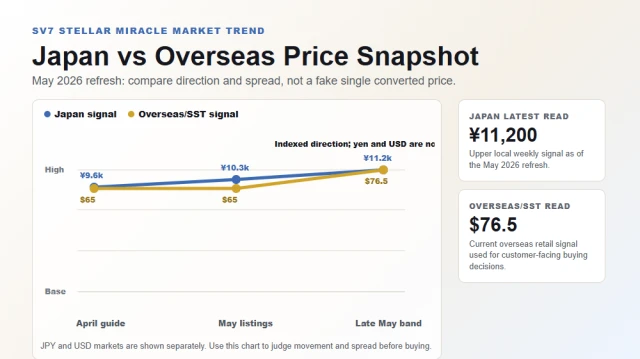
The market section is where the old articles were weakest. Japan signals now sit around ¥9,700-11,200, while SST’s overseas retail signal is 76.5. That does not mean there is one perfect price. It means buyers should compare Japan source signals, overseas retail, shipping, condition, and the reason they are buying.

Stellar Miracle Japan vs overseas box price chart May 2026
Japan vs overseas market snapshot for Stellar Miracle, updated May 21, 2026. Yen and dollar signals are intentionally separated.
Market signal Earlier baseline May 2026 read Buyer meaning
Japan low/mid signal ¥9,600 ¥10,304 Shows whether the box is still in its old range or has reset upward.
Japan upper live signal Not always covered in old article ¥11,200 Use this to avoid anchoring to stale pricing.
Overseas/SST signal $65 $76.5 Customer-facing price must include shipping, handling, and sourcing realities.
Best buyer action Casual price check Compare landed cost and buyer goal Do not use one converted number as the entire market.

How to Read a Wide Spread

A wide spread is not automatically a contradiction. Japan domestic signals, overseas retail, buy-price references, and sold data all measure different parts of the market. The right article explains the spread instead of hiding it.

What Would Change the Recommendation?

The recommendation weakens if sealed supply returns in size, if the top-card demand cools, or if overseas pricing runs far above Japan without a condition or sourcing reason. It strengthens if the box holds its current range while the top cards remain liquid.

Current Market Thesis

Stellar Miracle is best treated as a set with a specific buyer thesis, not a generic Pokemon box. If the buyer wants that thesis, sealed can make sense. If the buyer only wants a single card, the market thesis is a warning to buy the single instead.

May 2026 Action Guide

If the current Japan signal is close to the overseas checkout price after shipping, buying from a trusted store is usually simpler than chasing a marginal discount. If Japan is materially lower, the buyer should ask whether the difference is real after fees and condition risk. If overseas is materially lower, the buyer should check whether the listing is old stock, opened stock, regional product, or missing condition details.

The correct conclusion is not always “buy now.” Sometimes the correct move is to watch the spread for another week, buy the single, or choose a different Japanese box with a better entry. The value of the chart is that it gives the reader a framework for that choice instead of leaving them with a stale price line from an older article.

Where to Buy Stellar Miracle

For SST customers, check the live product page first, then compare against the broader Japanese sealed collection if the box is out of stock or if another set better matches the buyer’s goal.

Stellar Miracle (SV7) Booster Box

Japanese sealed booster box. Check live stock, current price, and shipping options before using old article assumptions.

View SV7 Box

Authenticity and 상태 Checks

Check Why it matters
Factory shrink and seams 상태-sensitive sealed boxes should not have questionable wrap or unclear photos.
Japanese set code Confirms you are buying SV7, not an English or regional equivalent.
Box format 30 packs per box, 5 팩당 카드 should match the Japanese product.
Landed cost Shipping, taxes, duties, and payment fees matter more than sticker price alone.
Seller history Fast-moving boxes attract weak listings. Reliable sourcing reduces avoidable risk.

Use the SV7 card list to inspect every card, or browse the Japanese Pokemon sealed booster box collection if you are comparing alternatives.

The Bottom Line

Stellar Miracle is worth covering at full length because the buying decision is not just a top-10 list. The buyer needs product identity, current market context, chase-card odds, and a clear box-vs-singles answer. That is the gap this refresh closes.

The best buyer is someone who likes the set even when the top card does not appear. The worst buyer is someone who wants one exact SAR and thinks a box is the cheapest route. If you separate those two people, the recommendation becomes much clearer.

Best use case Buy sealed for the Stellar Miracle product story and optionality. Buy singles for precision. Use the current Japan vs overseas spread before deciding where to enter.

Frequently Asked Questions

What are the pull rates for Stellar Miracle?

Pokemon does not publish official pull rates. A normal Japanese SV box should be treated as several RR/ex cards, AR texture, and one SR-or-better style slot, with SAR/UR outcomes as chance upgrades.

What is the best card in Stellar Miracle?

Terapagos ex SAR is the set identity card, while Dachsbun ex SAR and Lacey SAR are very close in raw market signals. Treat the top end as a cluster, not a single lonely chase.

Is Stellar Miracle worth buying in 2026?

Yes for collectors who want the first Stellar Tera Japanese box and a moderate sealed entry. It is less attractive if you only want one exact SAR.

How many SAR cards are in Stellar Miracle?

Stellar Miracle has six SAR cards: Hydrapple ex, Galvantula ex, Dachsbun ex, Terapagos ex, Lacey, and Briar.

Is Stellar Miracle the same as Stellar Crown?

No. Stellar Crown is the English release relationship; Stellar Miracle is the Japanese SV7 product with its own card numbering and sealed-box market.

Should I buy a box or Terapagos ex SAR?

Buy Terapagos ex SAR directly if that is the only target. Buy the box if you value opening, sealed collecting, and exposure to the entire Stellar Tera set.

What is the biggest risk with Stellar Miracle?

The risk is assuming a specific SAR is likely from one box. The box is more balanced than many chase products, but exact-card odds remain low.

Where can I see the full Stellar Miracle card list?

Use the SV7 card list linked in the article to inspect every card, image, and number before buying sealed or singles.

Is Stellar Miracle better than Paradise Dragona?

It depends on the buyer. Stellar Miracle has the mechanic and Terapagos identity; Paradise Dragona has a hotter Dragon/Lisia/Latias collector story.

Is Stellar Miracle better opened or kept sealed?

Open it if the Stellar Tera pack experience matters. Keep it sealed if you want a clean Japanese SV7 box with multiple chase lanes.

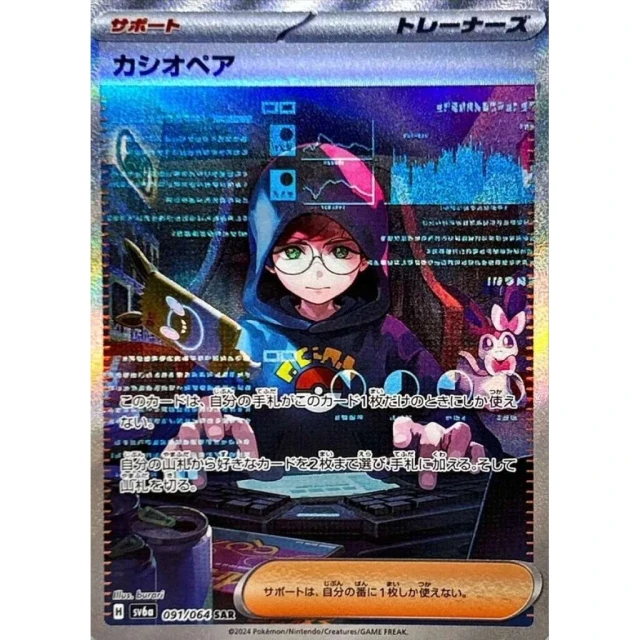
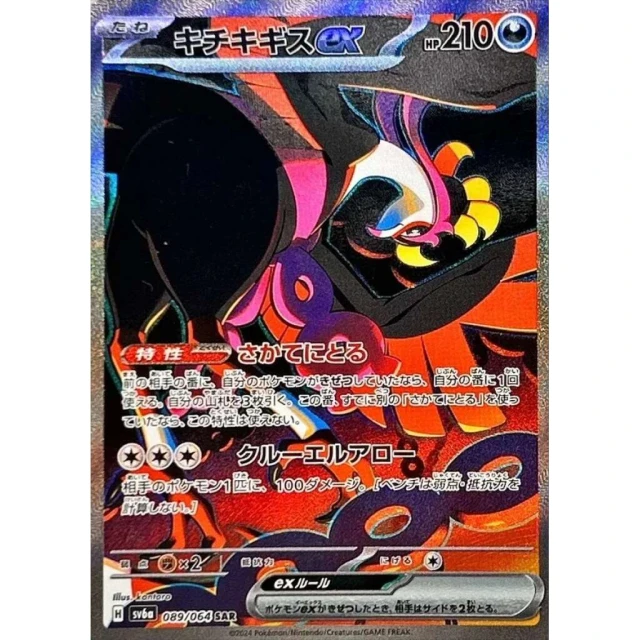
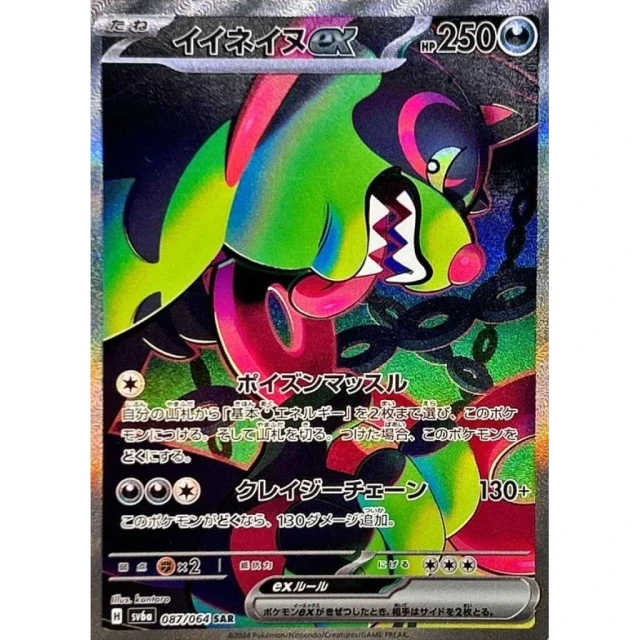
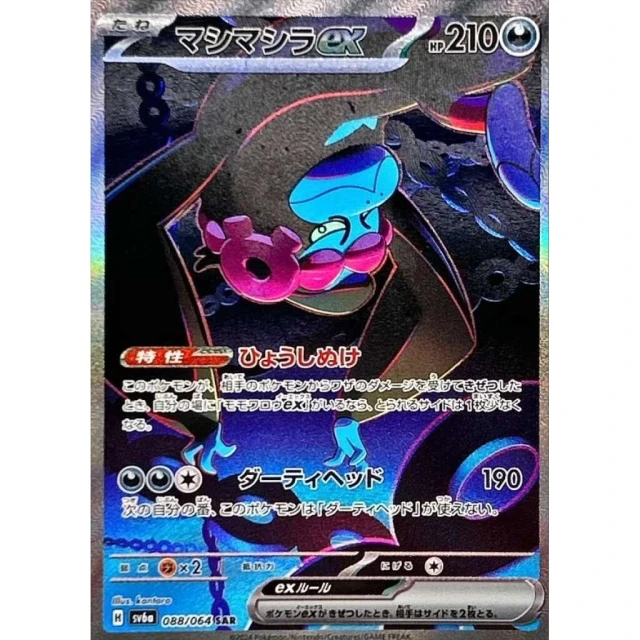
Night Wanderer Pull Rates, Best Cards & Box Value – 2026 Guide

Night Wanderer (SV6a) needed a full May 21, 2026 refresh because the old article read like a short card list instead of a serious buying guide. The current standard is different: lead with the buying answer, show the product, show the chase cards, explain the pull-rate math, and separate Japan market signals from overseas customer-facing prices.

The practical answer is simple. Buy Night Wanderer sealed if you want a compact Kitakami story box with Cassiopeia at the top and multiple character Pokemon beneath it. Buy singles if your only goal is Cassiopeia SAR. A sealed box can be a strong purchase when you want the product story and the opening experience. It is a weak purchase when you are only using it as an expensive shortcut to one exact SAR.

This version follows the same format as the stronger SST Pokemon guides: current market proof, a real product image, a top-card grid, a Japan vs overseas chart, buyer segmentation, box EV, and a deeper FAQ section. The goal is not to pad word count; it is to answer the questions a collector or shop buyer actually has before ordering.

The biggest change is the order of the thinking. A thin article usually starts with a card ranking and only later mentions whether a box is worth buying. This refresh starts with the purchase decision because that is what search traffic is really asking. A reader wants to know whether sealed makes sense today, whether singles are smarter, whether the set has a reason to age well, and whether the visible price is current. The card ranking is still important, but it sits inside a fuller buying framework.

Night Wanderer SV6a pull rates and best cards guide
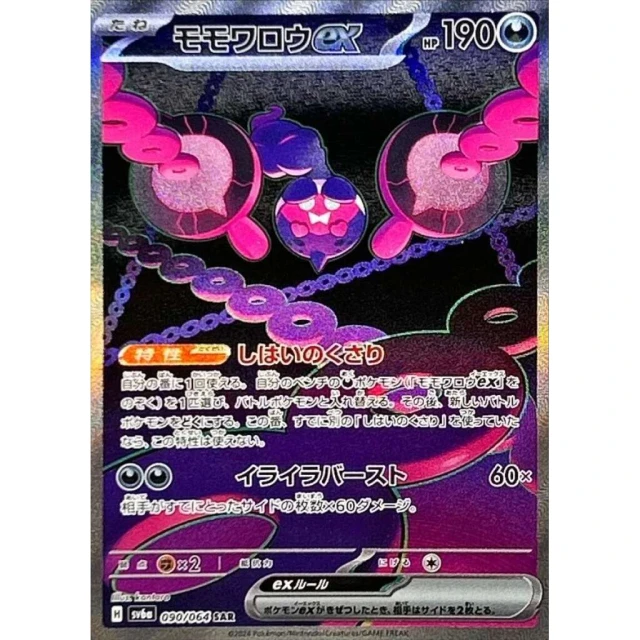
Thumbnail composite for Night Wanderer using SST product imagery and key chase-card imagery.
Key Takeaway Cassiopeia SAR is still the clean top card, but Fezandipiti ex SAR and the Loyal Three SAR suite make the set less fragile than a one-hit product. Japan signals now sit around ¥9,500-11,700, while SST’s overseas retail signal is 76.5. Judge the box by buyer type: sealed collectors, singles buyers, openers, and import buyers all need different advice.
SV6aSet code
30Packs / box
94Total cards
5SAR pool

Night Wanderer Set Overview

Night Wanderer is the Japanese SV6a product released on June 7, 2024. It connects to Shrouded Fable, but Japanese sealed buyers should treat it as its own product with its own card numbering, box price, and collector identity.

The old short article format usually stopped at release date, card count, and a top-10 table. That is not enough. A modern buyer needs to know whether the set has a durable reason to exist, whether the sealed price is moving, whether the top cards justify opening, and how the Japanese box compares with English or adjacent Japanese sets.

Spec Detail
Set code SV6a
Japanese release June 7, 2024
Card count 64 main-set cards plus 30 secret cards, 94 total
Box format 30 packs per box, 5 팩당 카드
SAR count 5 Special Art Rare cards
Current Japan signal Japan signals now sit around ¥9,500-11,700, while SST’s overseas retail signal is 76.5.
Best buyer Collector or shop buyer who understands the set story and is not relying on one exact pull.
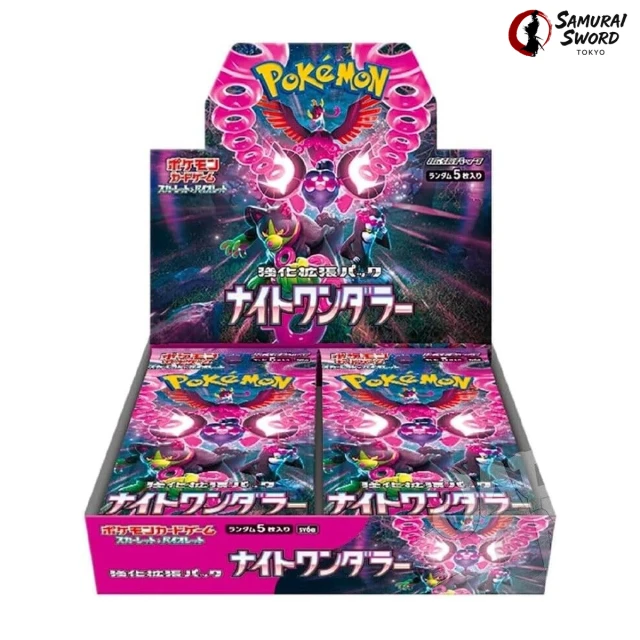
Night Wanderer Japanese Pokemon booster box
Night Wanderer sealed Japanese booster box. The product image is shown early so the article card and article body match the product being sold.

What Changed in the May 2026 Refresh

The old article was useful as a first pass, but it was too thin for the current blog standard. It had fewer visual breaks, a weaker market section, and a shorter decision path. This refresh adds the missing context: why the set matters, where the box sits today, how the top cards rank, and when singles make more sense than sealed.

Japanese Box vs English Relationship

English products are easier for many local buyers, but the Japanese product is cleaner for collectors who want one exact set code and Japanese print quality. The Japanese box also has a more direct sealed-market signal because the product is not blended with multiple Japanese sources the way many English releases are.

Factor Japanese Night Wanderer Shrouded Fable
Product identity One Japanese set code, one box, one collector story English market relationship with different distribution and buyer behavior
Best for Japanese sealed collectors, import buyers, visual collectors Local players and buyers who prefer English cards
Pricing Read Japan and overseas separately Often easier to find locally, but not the same sealed thesis
Buying mistake Using old article prices after the market has moved Assuming English and Japanese pull economics are identical

What the Product Page Should Help You Decide

A strong set guide should reduce hesitation before the product page click. For Night Wanderer, the reader should leave this section knowing the set code, the card count, the box format, the major chase lanes, and the current market spread. That is enough to compare the box against other Japanese sealed products without opening a dozen tabs.

This is especially important for overseas buyers. A small difference in listed price can disappear once shipping, payment fees, import tax, and condition risk are included. The article therefore treats price as a range and a decision signal, not as a single permanent number. That is the difference between a useful ecommerce guide and a static checklist.

Top 10 Best Cards and Current Market Read

Cassiopeia SAR is still the clean top card, but Fezandipiti ex SAR and the Loyal Three SAR suite make the set less fragile than a one-hit product. The top-card table below uses the local PriceCharting cache and Fuji card-list image set where available, then frames each card by why a buyer would care. Prices are not permanent; the ranking is useful because it shows the shape of demand.
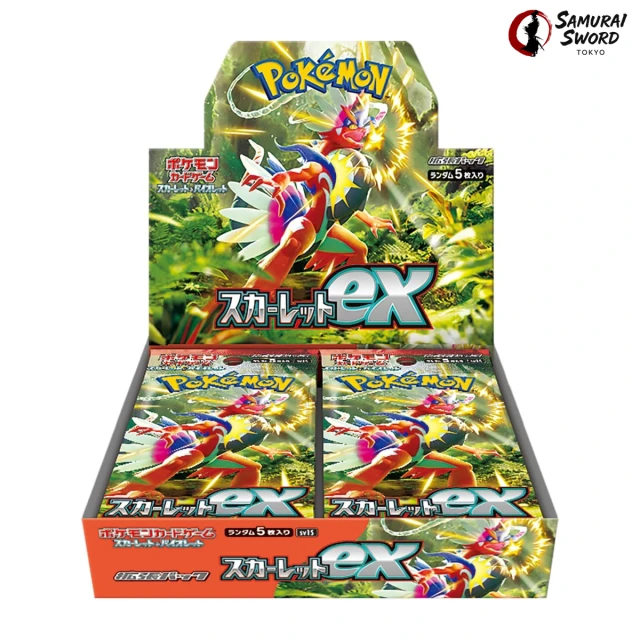
Rank Card Rarity Raw price signal Why it matters
1 Cassiopeia 91/64 SAR $20.96 The set-leading trainer SAR and the easiest card to explain to collector buyers.
2 Fezandipiti ex 89/64 SAR $17.05 The strongest Loyal Three SAR signal below Cassiopeia and a cleaner hit than most secondary cards.
3 Okidogi ex 87/64 SAR $11.01 Part of the Loyal Three set story and an affordable premium hit.
4 Munkidori ex 88/64 SAR $10.31 Completes the Loyal Three SAR trio and keeps the product identity cohesive.
5 Pecharunt ex 90/64 SAR $8.50 The narrative center of the set, even when the raw market signal is lower than Cassiopeia.
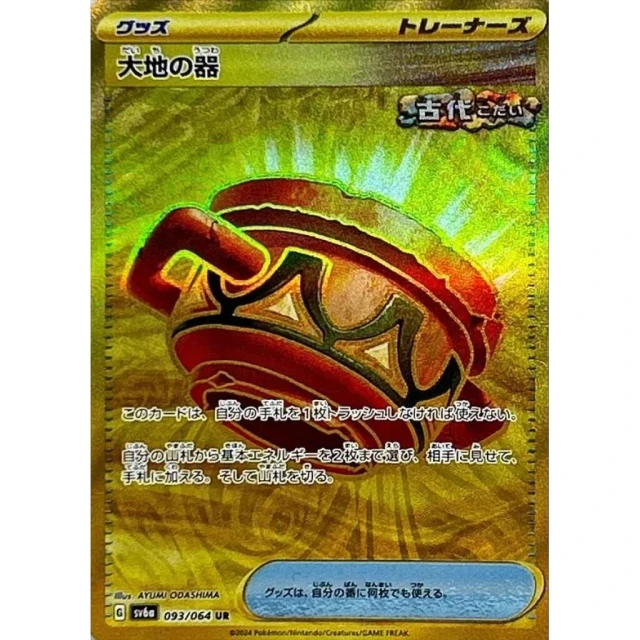
6 Earthen Vessel 93/64 UR $10.51 Playable gold-card demand improves the box below the SAR layer.
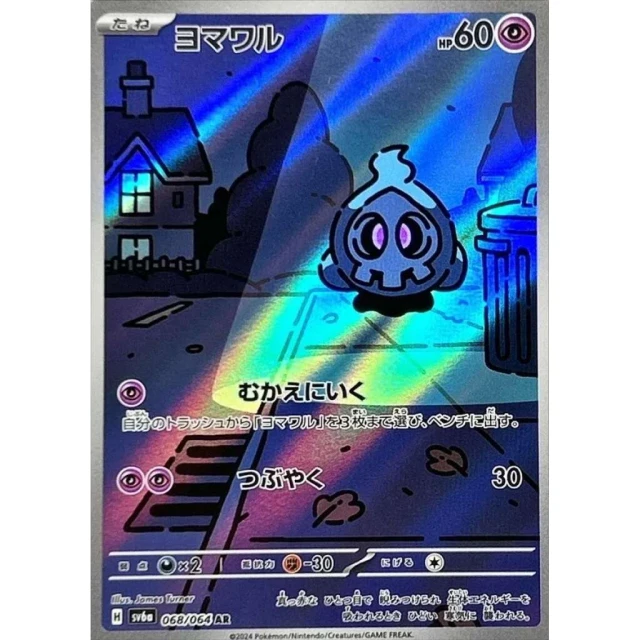
7 Duskull 68/64 AR $9.35 One of the best-looking art rares and a strong binder card for a smaller set.
8 Persian 75/64 AR $10.15 A memorable low-cost art rare that keeps casual openings satisfying.
9 Janine’s Secret Technique 84/64 SR $5.01 Trainer SR depth below Cassiopeia.
10 Pecharunt ex 92/64 UR $7.57 Gold Pecharunt gives the mascot a second premium lane.
Cassiopeia SAR from Night WandererSAR

Cassiopeia

The set-leading trainer SAR and the easiest card to explain to collector buyers.

Fezandipiti ex SAR from Night WandererSAR

Fezandipiti ex

The strongest Loyal Three SAR signal below Cassiopeia and a cleaner hit than most secondary cards.

Okidogi ex SAR from Night WandererSAR

Okidogi ex

Part of the Loyal Three set story and an affordable premium hit.

Top-Card Thesis

The best version of a set guide explains why the top card leads. For Night Wanderer, the top layer works because the cards are tied to the set story rather than feeling randomly expensive. The market can move, but the identity is easier to defend when the chase cards are aligned with the product name, mascot, character focus, or mechanic.

Secondary Hit Layer

A box feels better when there are enough cards below the top chase to keep opening from becoming binary. That does not mean every SAR or UR pays for the box. It means the buyer has several outcomes that still feel like meaningful collection pieces.

Munkidori ex SAR from Night WandererSAR

Munkidori ex

Completes the Loyal Three SAR trio and keeps the product identity cohesive.

Pecharunt ex SAR from Night WandererSAR

Pecharunt ex

The narrative center of the set, even when the raw market signal is lower than Cassiopeia.

Earthen Vessel UR from Night WandererUR

Earthen Vessel

Playable gold-card demand improves the box below the SAR layer.

Duskull AR from Night WandererAR

Duskull

One of the best-looking art rares and a strong binder card for a smaller set.

Budget Singles Worth Watching

Budget singles matter because not every reader is ready to buy a sealed box or a top SAR. Lower-cost SRs, ARs, and URs often make the article more useful for collectors who want the set identity without paying for the top card. For Night Wanderer, the lower layer also helps explain why opening can still be enjoyable even when the expected value is below sealed price.

The lower layer also matters for resale and customer education. A shop buyer can sell the top chase easily, but the box becomes easier to merchandise when there are several cards that look good in a display case, binder page, or break menu. That is why the article covers secondary SARs, ARs, and URs instead of treating everything outside the top three as filler.

What Makes Night Wanderer Special

The Loyal Three Give the Set a Cohesive Story

Night Wanderer is carried by the Kitakami after-dark story: Pecharunt, Okidogi, Munkidori, Fezandipiti, and Cassiopeia all belong to the same narrative lane. That makes the set easier to merchandise and easier to understand from a thumbnail than a generic mixed-card expansion.

Why the Set Can Be Explained Quickly

A strong ecommerce article should make the set understandable from a thumbnail, a product card, or a quick scan. Night Wanderer has that advantage: its best cards and product identity point in the same direction. That makes it easier for collectors, store buyers, and breakers to communicate the product without a long explanation.

Why That Matters for Sealed Boxes

Sealed boxes do not trade only on average pull value. They also trade on identity, scarcity, display appeal, and whether future buyers can understand the box quickly. A set with a clear story can stay easier to sell than a technically similar set whose top cards feel disconnected from the product.

Collector Memory and Thumbnail Recognition

Collector memory is practical, not abstract. If a buyer can remember the set from one image and one chase lane, the article and product card have a much better chance of converting later. Night Wanderer should therefore be presented with its box image, its most recognizable cards, and the set-specific hook near the top of the page. A text-only article forces the reader to do too much work.

Should You Buy a Night Wanderer Box in 2026?

Buy Night Wanderer sealed if you want a compact Kitakami story box with Cassiopeia at the top and multiple character Pokemon beneath it. Buy singles if your only goal is Cassiopeia SAR. The honest answer changes by buyer type. That is the main reason the new article format needs more depth than the old one.

Buyer type Best action Reason
Exact top-card buyer Buy the single Specific-card odds are low, even when the set itself is good.
Sealed collector Buy after checking current spread The product story matters, but stale pricing can produce bad entries.
Casual opener Buy one box if lower hits are acceptable The box can be fun without guaranteeing the chase card.
Shop or breaker Buy if the set story is easy for your customers Clear chase identity matters for merchandising and breaks.
Player Buy singles Playable needs are cheaper and cleaner through targeted purchases.
Import buyer Compare landed cost Shipping, duties, and currency spread can erase a low sticker price.

Box vs Singles

Singles are the rational route for one exact chase. Sealed boxes are for the product experience, shelf identity, and optionality. The article should not confuse those two jobs. A box can be good and still be the wrong route to one card.

Compared With Stellar Miracle

Use Stellar Miracle as the comparison point rather than treating every SV-era box as identical. The better buy is the one whose chase structure matches the buyer’s goal. Sometimes that means paying more for a stronger chase; sometimes it means buying the cheaper box because the set identity is enough.

Sealed Holding Logic

The sealed holding case depends on whether the box will still be easy to explain later. Night Wanderer has a clearer story than many generic mid-era boxes, but that does not remove restock, reprint, or demand risk. Buy sealed because you want the box and understand the thesis, not because an article says every sealed Pokemon product must rise.

How to Compare Entry Prices

Do not compare one seller’s Japan sticker price with another seller’s international checkout price as if they are the same thing. A clean comparison includes product condition, whether the box is factory sealed, shipping speed, tracking, payment fees, and the risk of dealing with an unknown marketplace seller. The cheapest visible number is not always the cheapest final purchase.

For repeat buyers and stores, consistency can be worth more than a small discount. A predictable sourcing route makes it easier to reorder, answer customer questions, and avoid condition disputes. For one-time collectors, the right move is often to decide the maximum landed cost first, then choose the cleanest box inside that budget.

Pull Rates, Chase Odds and Box EV

Pokemon does not publish official pull rates for Japanese booster boxes. The estimates below are decision support based on typical Japanese SV-era structure and community opening behavior, not guaranteed odds.

Pull Rate Reality The key distinction is any premium hit versus one exact card. A buyer can reasonably expect a satisfying box and still be very unlikely to pull the exact SAR they want.

Estimated Pull Rate Breakdown

Rarity or slot Estimated box behavior Buyer meaning
RR / ex Several per box Baseline hits, not the sealed-price thesis.
AR Multiple visual hits in many boxes Binder value and casual opening satisfaction.
SR Most boxes are anchored by an SR-or-better style slot The most common premium outcome.
SAR Chance upgrade, not guaranteed The main collector chase, but exact-card odds are much lower.
UR Lower-frequency gold-card upgrade Useful for collectors and playable/gold-card buyers.

Specific Chase Odds

If a buyer wants one exact SAR, the correct mental model is multi-box odds. Even if a set has a relatively small SAR pool, the box still has to hit the SAR layer and then hit the correct card inside that layer. That is why the recommendation for exact-card buyers is nearly always singles first.

Goal Estimated route Recommendation
Enjoy one sealed box Reasonable Buy sealed if the set story appeals to you.
Pull any premium card Reasonable but variable Open if lower outcomes are acceptable.
Pull the top SAR Low exact-card odds Buy the single if this is the only target.
Build a master set Boxes plus singles Use sealed for base volume, singles for expensive gaps.
Hold sealed No pull risk Focus on box condition, authenticity, and entry price.

Box EV Context

Expected value is usually below sealed price for Pokemon boxes. That is normal. The sealed price includes scarcity, product identity, optionality, and the entertainment value of opening. The mistake is using EV as the only reason to buy or ignoring EV completely. A strong guide shows both.

EV component Role in Night Wanderer How to use it
Top SARs Main upside Great when hit, too rare to rely on.
Secondary SARs Reduce binary feel Make opening more satisfying below the top card.
SR/AR layer Baseline visual value Important for casual collectors and binder builders.
UR layer Gold-card optionality Can matter when the card is playable or iconic.
Sealed premium Box value beyond pulls Driven by condition, supply, and set identity.

Opening Plan by Budget

One box is best treated as an experience purchase. Two or three boxes can give a better feel for the set, but they still do not turn an exact SAR into a reliable outcome. If a buyer plans to spend more than the price of the target single, the singles route should be reconsidered before opening another box.

The balanced route for many collectors is one sealed box plus targeted singles. The box provides the product memory, base cards, AR texture, and a chance at upside. Singles then finish the exact chase cards without forcing the buyer to gamble through a larger sealed budget. That hybrid strategy is often better than pure sealed opening or pure singles buying.

Japan vs Overseas Price Snapshot

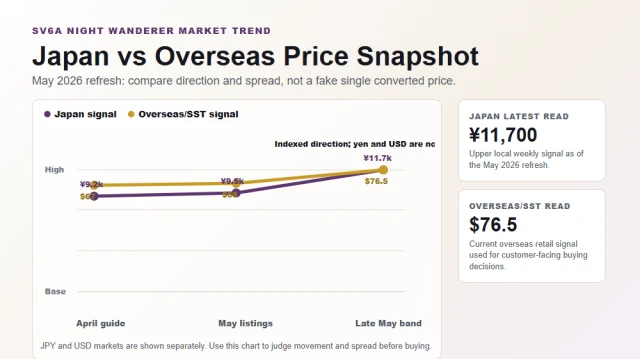
The market section is where the old articles were weakest. Japan signals now sit around ¥9,500-11,700, while SST’s overseas retail signal is 76.5. That does not mean there is one perfect price. It means buyers should compare Japan source signals, overseas retail, shipping, condition, and the reason they are buying.

Night Wanderer Japan vs overseas box price chart May 2026
Japan vs overseas market snapshot for Night Wanderer, updated May 21, 2026. Yen and dollar signals are intentionally separated.
Market signal Earlier baseline May 2026 read Buyer meaning
Japan low/mid signal ¥9,200 ¥9,500 Shows whether the box is still in its old range or has reset upward.
Japan upper live signal Not always covered in old article ¥11,700 Use this to avoid anchoring to stale pricing.
Overseas/SST signal $67 $76.5 Customer-facing price must include shipping, handling, and sourcing realities.
Best buyer action Casual price check Compare landed cost and buyer goal Do not use one converted number as the entire market.

How to Read a Wide Spread

A wide spread is not automatically a contradiction. Japan domestic signals, overseas retail, buy-price references, and sold data all measure different parts of the market. The right article explains the spread instead of hiding it.

What Would Change the Recommendation?

The recommendation weakens if sealed supply returns in size, if the top-card demand cools, or if overseas pricing runs far above Japan without a condition or sourcing reason. It strengthens if the box holds its current range while the top cards remain liquid.

Current Market Thesis

Night Wanderer is best treated as a set with a specific buyer thesis, not a generic Pokemon box. If the buyer wants that thesis, sealed can make sense. If the buyer only wants a single card, the market thesis is a warning to buy the single instead.

May 2026 Action Guide

If the current Japan signal is close to the overseas checkout price after shipping, buying from a trusted store is usually simpler than chasing a marginal discount. If Japan is materially lower, the buyer should ask whether the difference is real after fees and condition risk. If overseas is materially lower, the buyer should check whether the listing is old stock, opened stock, regional product, or missing condition details.

The correct conclusion is not always “buy now.” Sometimes the correct move is to watch the spread for another week, buy the single, or choose a different Japanese box with a better entry. The value of the chart is that it gives the reader a framework for that choice instead of leaving them with a stale price line from an older article.

Where to Buy Night Wanderer

For SST customers, check the live product page first, then compare against the broader Japanese sealed collection if the box is out of stock or if another set better matches the buyer’s goal.

Night Wanderer (SV6a) Booster Box

Japanese sealed booster box. Check live stock, current price, and shipping options before using old article assumptions.

View SV6a Box

Authenticity and 상태 Checks

Check Why it matters
Factory shrink and seams 상태-sensitive sealed boxes should not have questionable wrap or unclear photos.
Japanese set code Confirms you are buying SV6a, not an English or regional equivalent.
Box format 30 packs per box, 5 팩당 카드 should match the Japanese product.
Landed cost Shipping, taxes, duties, and payment fees matter more than sticker price alone.
Seller history Fast-moving boxes attract weak listings. Reliable sourcing reduces avoidable risk.

Use the SV6a card list to inspect every card, or browse the Japanese Pokemon sealed booster box collection if you are comparing alternatives.

The Bottom Line

Night Wanderer is worth covering at full length because the buying decision is not just a top-10 list. The buyer needs product identity, current market context, chase-card odds, and a clear box-vs-singles answer. That is the gap this refresh closes.

The best buyer is someone who likes the set even when the top card does not appear. The worst buyer is someone who wants one exact SAR and thinks a box is the cheapest route. If you separate those two people, the recommendation becomes much clearer.

Best use case Buy sealed for the Night Wanderer product story and optionality. Buy singles for precision. Use the current Japan vs overseas spread before deciding where to enter.

Frequently Asked Questions

What are the pull rates for Night Wanderer?

Pokemon does not publish official pull rates. Treat the numbers as estimates from Japanese SV enhanced-expansion behavior: multiple regular hits, AR texture, and one SR-or-better style slot with SAR/UR upgrades as chance outcomes.

What is the best card in Night Wanderer?

Cassiopeia SAR is the top collector card. Fezandipiti ex SAR and the other Loyal Three SARs provide the secondary hit layer.

Is Night Wanderer worth buying in 2026?

Yes if you want a compact Kitakami story box and accept that Cassiopeia is a specific-card chase. It is not the cheapest way to own Cassiopeia.

How many SAR cards are in Night Wanderer?

Night Wanderer has five SAR cards: Okidogi ex, Munkidori ex, Fezandipiti ex, Pecharunt ex, and Cassiopeia.

Is Night Wanderer the same as Shrouded Fable?

No. Shrouded Fable is the English relationship; Night Wanderer is the Japanese SV6a product with its own card list and sealed market.

Should I buy a box or Cassiopeia SAR?

Buy Cassiopeia SAR directly if she is your only target. Buy a box if the Kitakami product experience and secondary SARs matter to you.

What is the biggest risk with Night Wanderer?

The biggest risk is treating a sealed box as a rational Cassiopeia lottery. Exact-card odds are much lower than any-premium-hit odds.

Where can I see the full Night Wanderer card list?

Use the SV6a card list linked in the article to inspect every card before deciding between sealed and singles.

Is Night Wanderer better than Stellar Miracle?

Night Wanderer is stronger for Kitakami and Cassiopeia collectors. Stellar Miracle is stronger if you want the first Stellar Tera product story.

Is Night Wanderer better opened or kept sealed?

Open it if you like the darker Kitakami chase suite. Keep it sealed if you want a compact Japanese box with a clear character story.

Violet ex Pull Rates, Best Cards & Box Value – 2026 Guide

Violet ex (SV1V) is aging better than a normal launch set. It opened the Japanese Scarlet & Violet era on January 20, 2023, introduced the modern ex framework, and still has a clear collector anchor in Miriam SAR. The May 21, 2026 refresh shows a wider box-price signal: Japanese sources sit around ¥9,600-11,400 depending on whether you read market listings or buy-price references, while recent overseas sales are clustering around the $80-90 range.

The practical answer: buy Violet ex sealed if you want early-SV history, a real opening experience, and exposure to Miriam or Miraidon. Buy singles if your only target is Miriam SAR. A box gives you a standard SV rarity structure; it does not give you a rational shortcut to one specific chase.

This May 2026 refresh treats Violet ex the same way we evaluate stronger-performing SST box guides: not just “what are the best cards,” but whether the sealed box still makes sense after several years of market data. The biggest update is the speed of the repricing. Violet ex was still being treated like an accessible early-SV box in March; by mid-May, Japan and overseas data both show a much hotter sealed market.

That last point is important. Violet ex can be a good box without being a good Miriam-chasing strategy. The best articles make that distinction clearly: collectors, sealed buyers, singles buyers, and import buyers are not all trying to solve the same problem. This guide separates those buyer types so the answer is usable before you spend money.

Violet ex SV1V pull rates and best cards guide featuring Miriam SAR and Miraidon ex SAR
Thumbnail composite for Violet ex using SST product imagery and key chase-card imagery.
Key Takeaway Violet ex is the stronger half of the Scarlet/Violet launch pair for collectors. The set has a small five-card SAR pool, a top female-supporter chase, and a sealed price that is still close enough to current expansion boxes to justify opening one or holding one. Do not chase Miriam SAR through sealed unless you accept the math.
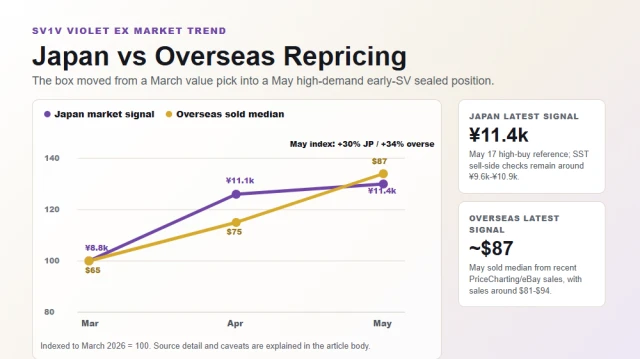
¥11.4kJP high-buy signal
108Total cards
5SAR cards
+$34%Overseas Mar-May

Violet ex Set Overview

Violet ex is the Japanese expansion that launched the Scarlet & Violet generation alongside Scarlet ex. It is built around Miraidon, Paldea’s future Paradox legendary, but the long-term market has been led by Miriam SAR and the set’s status as the first SV-era Japanese box.

Spec Detail
Set code SV1V
Japanese release January 20, 2023
Cards 78 main-set cards plus 30 secret cards, 108 total
Box format 30 packs per box, 5 팩당 카드
Headline chases Miriam SAR, Miraidon ex SAR, Rare Candy UR, Miriam SR, Lightning Energy UR
May 2026 box signal Japan: SNKRDUNK around ¥9,599, Fuji around ¥10,900, Pokeca Box Hikaku high-buy reference ¥11,400. Overseas: recent PriceCharting/eBay sold data clustered around $81-94, with a May median near $87.
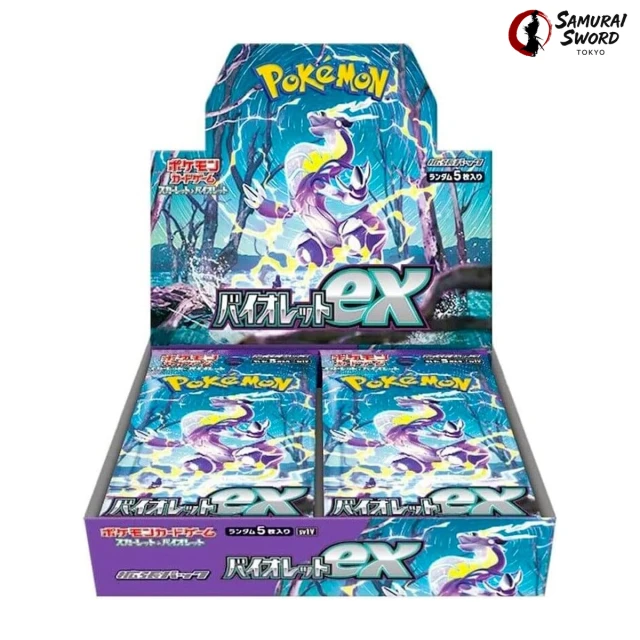
Violet ex SV1V Japanese booster box
SV1V Violet ex sealed booster box – the Japanese Scarlet & Violet launch set for Miraidon and Miriam collectors.

Violet ex vs Scarlet ex

The two launch sets are siblings, but their market profiles are different. Scarlet ex has Koraidon and a cleaner entry price. Violet ex has Miriam SAR, Miraidon ex, and stronger long-term collector demand. If a buyer wants only one launch-era box, Violet ex has the clearer chase-card story.
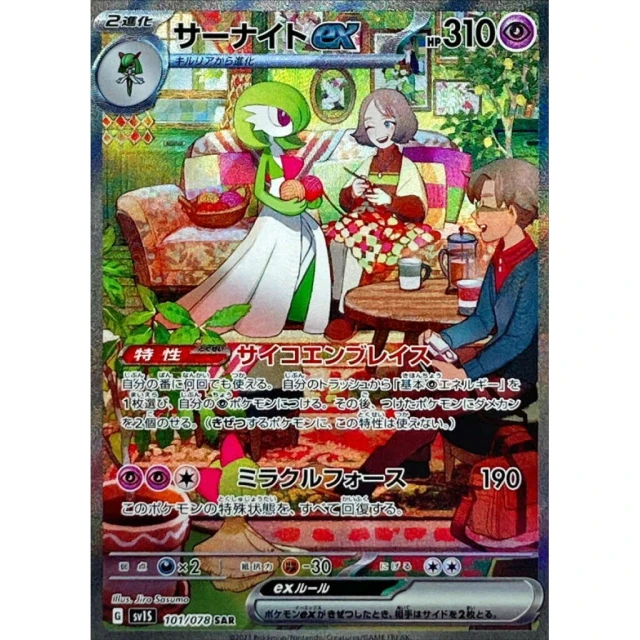
Factor Violet ex (SV1V) Scarlet ex (SV1S)
Mascot Miraidon Koraidon
Top collector card Miriam SAR Gardevoir ex SAR / supporter alternatives depending on market
Sealed box signal Higher than Scarlet ex in current SST market data Slightly cheaper entry
Best buyer Collector chasing trainer-card premium and SV launch history Buyer wanting the cheaper launch-pair box

Top 10 Most Valuable Cards in Violet ex

Miriam SAR is the article’s main character. Miraidon ex SAR gives the set its Pokemon identity, while Rare Candy UR, Miriam SR, and Lightning Energy UR add the kind of utility-card depth that keeps a set moving after release hype fades.

Rank Card Rarity Current signal Why it matters
1 Miriam SAR ~$99 raw / top JPN chase Female-supporter SAR with proven SV-era demand
2 Miraidon ex SAR ~$37 raw Flagship Pokemon card and early SV competitive icon
3 Miriam SR ~$15 raw Accessible Miriam collector option
4 Rare Candy UR ~$10 raw Evergreen trainer utility in gold treatment
5 Lightning Energy UR ~$12 raw Matches Miraidon and has broad binder appeal
6 Arven SAR Budget SAR Story-character appeal and low entry price
7 Miraidon ex UR Budget gold chase Completionist card for Miraidon collectors
8 Slowpoke AR Best AR signal One of the most loved early-SV art rares
9 Spidops ex SAR Budget SAR Low price, still a full SAR hit
10 Iron Treads ex SAR Budget SAR Paradox Pokemon SAR at entry-level pricing
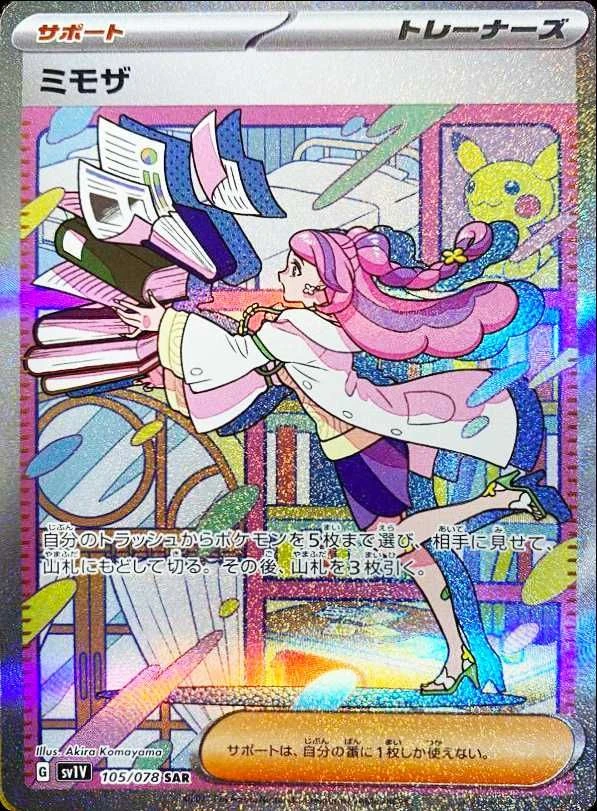
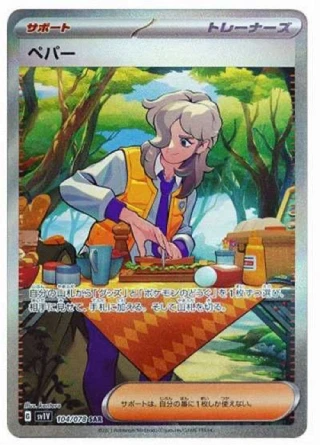
Miriam SAR 105/078 from Violet ex#1 Miriam SAR

The premium card in SV1V. The draw is not only price; it is the combination of character popularity, soft full-art composition, and the fact that Miriam became the defining trainer chase of the launch pair.

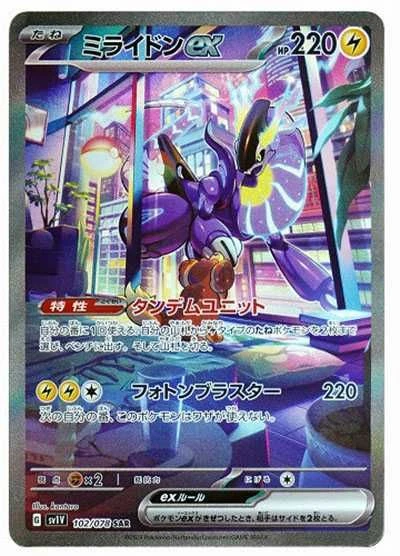
Miraidon ex SAR 102/078 from Violet ex#2 Miraidon ex SAR

Miraidon is the set identity. Its price no longer behaves like a pure competitive card, but the SAR is still the card that makes Violet ex feel like Violet ex.

Rare Candy UR 107/078 from Violet ex#3 Utility gold

Rare Candy UR is the quiet long-tail card. Gold trainer cards with universal play history tend to stay liquid even when the spotlight moves to newer sets.

Top 3 Deep Dive

Miriam SAR is the reason Violet ex outpaces Scarlet ex. A specific Miriam pull is much rarer than “any SAR” because the SAR slot has five possible outcomes, so a box buyer should treat Miriam as an upside event, not an expectation.

Miraidon ex SAR is the best Pokemon card in the set. It benefits from mascot status, early SV play history, and the future-Paradox theme that separates Violet from Scarlet.

Rare Candy UR is not a headline character card, but it gives the top 10 more durability. It is a recognizable staple item, a gold card, and a card type that casual buyers understand quickly.

#4-10 Quick Rankings

Miriam SR is the obvious budget alternative to the SAR. It gives collectors the same character focus without turning the purchase into a top-card buy. Lightning Energy UR is the most thematic gold card because it lines up with Miraidon’s electric identity. Arven SAR and Slowpoke AR give the set more personality than the top-three price list suggests.

The lower SARs also matter more than their prices imply. Spidops ex SAR and Iron Treads ex SAR are not expensive, but they make opening a box feel materially different from opening a product where the non-top SARs are forgettable. This is one reason Violet ex remains a pleasant box to open even when the EV math says singles are cleaner.

Miriam SR from Violet exBudget trainer chase

Miriam SR is the compromise card: still character-led, still binder friendly, but not priced like the SAR. For many buyers, this is the more rational Miriam target.

Slowpoke AR from Violet exBest AR flavor

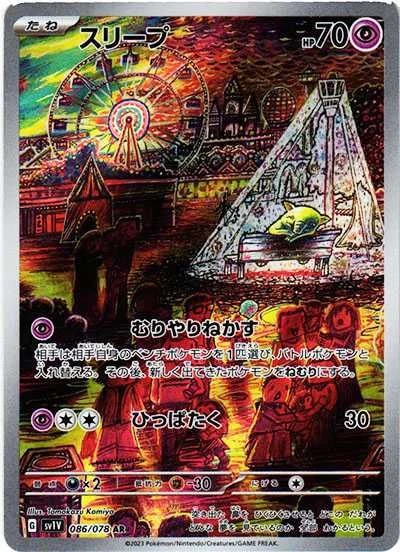
Slowpoke AR gives Violet ex a softer collector lane. It is not the price leader, but it is the kind of card that makes a set memorable beyond raw value.

Iron Treads ex SAR from Violet exEntry SAR hit

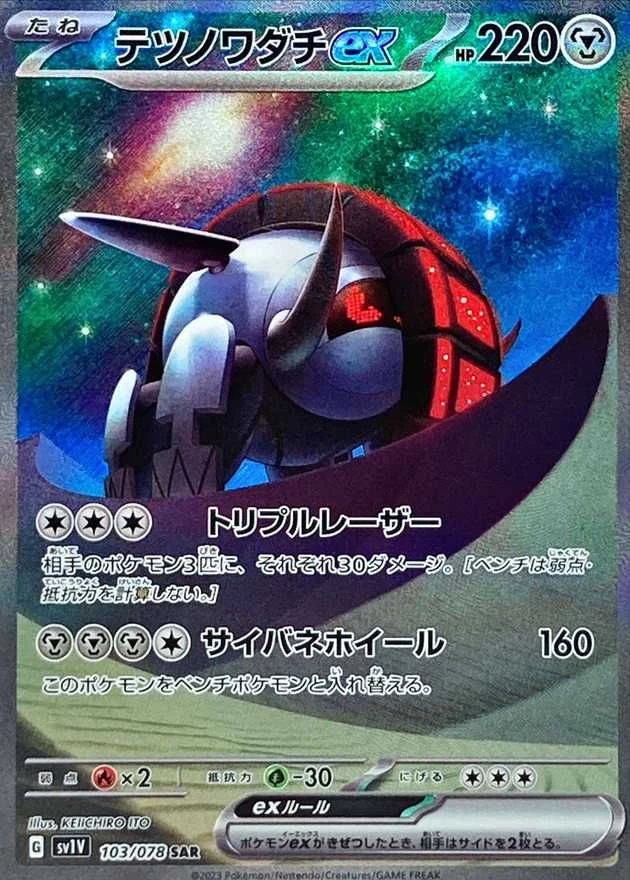
Iron Treads ex SAR keeps the SAR floor accessible. Pulling a lower SAR is not Miriam, but it still gives the box a premium-card moment.

More Violet ex Card Photos

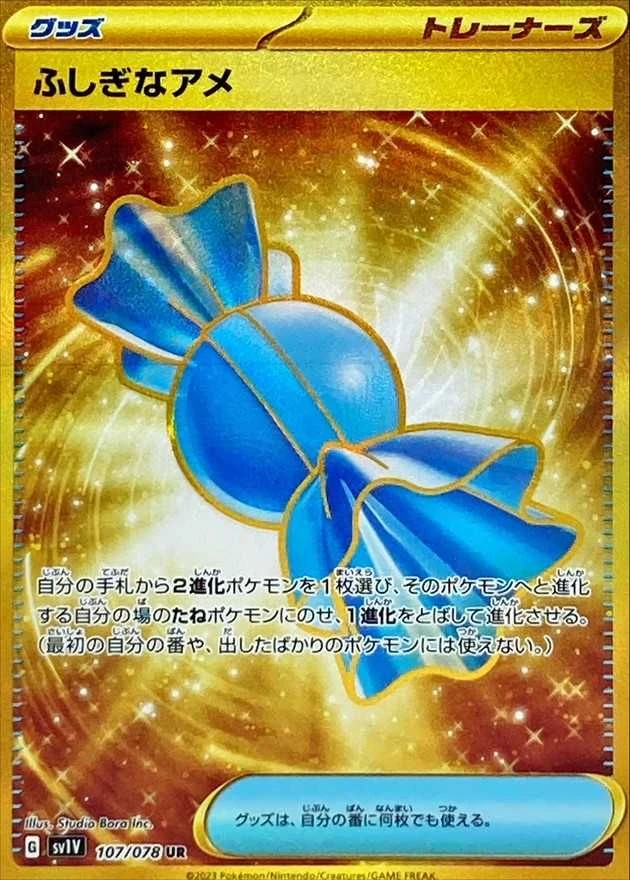
A stronger Violet ex guide should show more than the top three cards. The set’s real depth comes from the trainer layer, AR flavor, utility gold cards, and lower-entry SARs that make a box feel complete even when Miriam is not inside.

Arven SAR from Violet exArven SAR

Character SAR that gives the lower half of the SAR pool more story value than a generic low-price secret rare.

Spidops ex SAR from Violet exSpidops ex SAR

A budget SAR that still matters for opening satisfaction because it keeps the premium slot visually distinct.

Miriam SR from Violet exMiriam SR

The more reachable Miriam card, useful for buyers who want the character without paying SAR pricing.

Slowpoke AR from Violet exSlowpoke AR

The best AR personality card in the set and one of the easiest binder pages to recommend from SV1V.

Iron Treads ex SAR from Violet exIron Treads ex SAR

An accessible Paradox Pokemon SAR that helps the set feel specific to the Scarlet & Violet launch era.

Rare Candy UR from Violet exRare Candy UR

Gold utility card with recognizable play history, which keeps liquidity broader than character cards alone.

Demand Tiers

Tier 1 is Miriam SAR. This card controls the set narrative and is the main reason collectors compare Violet ex favorably against Scarlet ex. Tier 2 is Miraidon ex SAR and Miriam SR. These cards keep the top end from being a one-card market. Tier 3 is the utility and binder layer: Rare Candy UR, Lightning Energy UR, Slowpoke AR, and budget SARs. A box with only Tier 3 hits may not beat sealed price, but it can still satisfy an opener.

Why Violet ex Is Special

The First Scarlet & Violet Era Signal

Violet ex is an era-start set. That matters because launch sets become reference points: first ex framework, first Paldea identity, first Japanese SV-era sealed boxes, and first wave of AR/SAR collecting for the generation.

The Miriam Premium

Many modern Pokemon SARs lose value after competitive relevance fades. Female-supporter SARs behave differently. Miriam SAR has remained the set’s clear premium because the demand is character-led rather than playability-led.

Small SAR Pool

The five-card SAR pool gives Violet ex a cleaner chase structure than later, larger sets. You still should not expect Miriam from a box, but a small SAR pool makes the set feel more focused than releases with broad, diluted secret pools.

Competitive History Without Depending on It

Miraidon ex was not just a mascot card; it had real competitive relevance during the early Scarlet & Violet era. That matters for memory. Sets attached to decks people actually played tend to be easier to explain years later. But Violet ex is not dependent on current playability anymore. The collector thesis has shifted from “Miraidon is playable” to “this is the launch box with Miriam and Miraidon.”

Why This Is Not Just Another SV Box

A lot of SV-era standard boxes blur together once their release window passes. Violet ex has three labels that stay easy to remember: first wave, Violet mascot, Miriam chase. That clarity is the unique hook. Even if a newer box has a more exciting short-term chase card, Violet ex is easier to position as a collection piece because its reason to exist is not tied to one month of hype.

Collector hook How Violet ex scores Why it matters
Era significance High Launch-era products stay easier to explain over time
Trainer premium High Miriam SAR gives the set a character-led top card
Mascot identity High Miraidon makes the set visually and thematically specific
Opening EV Average Normal standard-set math; not the main reason to buy
Sealed scarcity Building Not grail-level scarcity, but supply is no longer launch-window abundant

Should You Buy Violet ex in 2026?

For Collectors

Yes. Violet ex has a real anchor in Miriam SAR, a mascot SAR in Miraidon, and historical value as one half of the SV launch pair.

For Players

Buy singles. Miraidon ex and Rare Candy have play-history appeal, but sealed boxes are now priced for collectors, not deck construction.

For Sealed Buyers

One clean box makes sense if you want early-SV exposure. The box is still far cheaper than Pokemon 151, Eevee Heroes, or major Sword & Shield grails.

Box vs Singles Decision

Goal Better choice Reason
Hit Miriam SAR specifically Buy the single Specific-card odds make sealed chasing inefficient
Open an early SV box Buy a box Violet ex has strong set identity and a small SAR pool
Build a Miraidon binder page Singles first, box optional You can target Miraidon SAR/UR directly
Hold sealed long term One or two boxes Era-launch status matters more as supply tightens

Japanese Violet ex vs English Scarlet & Violet

The English Scarlet & Violet base set combines the launch experience differently, with larger product formats and a different market depth. Japanese Violet ex is cleaner for collectors who want one exact set code, one mascot identity, and Japanese print quality. English is better if you want local play legality and lower friction for casual buyers.

For Singles Buyers

If the target is one exact card, singles win. Miriam SAR, Miraidon ex SAR, Miriam SR, Rare Candy UR, and Slowpoke AR can all be bought directly. This removes variance and usually costs less than opening enough boxes to find the card naturally. The singles route is especially strong for buyers building a character page or a graded-card submission batch.

For Import Buyers

Violet ex is a friendly import box because the price is still moderate and the product is easy to understand. A buyer does not need deep modern Pokemon knowledge to understand the set: it is the Japanese Violet launch box with Miriam and Miraidon. That makes it better for overseas stores, breakers, and collectors who want products that are easy to explain to their own customers.

Current Box vs Older Grail Boxes

Violet ex is not trying to be Eevee Heroes or Pokemon 151. It is a lower-entry early-SV position. If you want maximum nostalgia, older grails are stronger. If you want a box that still feels accessible while having a clear long-term identity, Violet ex fits better. That middle lane is exactly why it should not be written like a short filler article.

Buying Tip The best Violet ex buyer is someone who would be happy with the box even without Miriam SAR. If missing Miriam makes the purchase feel like a failure, buy the single first and treat sealed as optional.

Pull Rates and Box EV

Japanese pull rates are not officially published by The Pokemon Company. The numbers below are estimates from community opening behavior and the known Japanese box structure. Treat them as decision support, not guarantees.

Pull Rate Summary A normal Violet ex box should deliver multiple RR/ex cards, AR cards, and one SR-or-better slot. SAR and UR outcomes are chance upgrades. A Miriam SAR pull is a specific-card event, not the same thing as “getting a SAR.”

Rarity Pull Rates

Rarity Cards in set Estimated per-box chance Buyer interpretation
RR / ex 6 Multiple per box Expected baseline hits
AR 12 Several per box Good binder value and visual satisfaction
SR 10 Most boxes have SR-or-better Typical premium slot
SAR 5 ~16% per box estimate Main excitement slot
UR 3 Lower than SAR Gold-card upside

Box Pattern

Standard pattern: normal RR/ex cards, AR cards, and one SR-or-better hit. This is the box most buyers should expect.

Upgrade pattern: some boxes produce an additional premium result, such as a SAR or UR upgrade. This is why the set feels exciting even when the expected value is below box price.

Specific Miriam Odds

The easiest mistake is to read “SAR chance” as “Miriam chance.” Those are not the same. If any SAR is roughly a mid-teens per-box event and there are five SARs in the pool, the specific Miriam outcome is only a fraction of that. In plain language: a box can be a good product while still being a bad way to force one exact card.

This is why the recommendation changes by buyer. A collector who wants the opening experience can accept variance. A buyer who wants Miriam for a binder, grading submission, or personal collection should buy the single. The set’s small SAR pool helps, but it does not eliminate the normal economics of chase cards.

Target Estimated difficulty Best strategy
Any AR Expected in a box Open sealed if you enjoy the set
Any SR-or-better Expected premium slot Open sealed
Any SAR Chance upgrade Open only if lower outcomes are acceptable
Miriam SAR specifically Low specific-card odds Buy the single
Sealed early-SV position No pull risk Buy and keep sealed

Expected Value and Market Repricing

Violet ex Japan vs overseas box price trend from March to May 2026
Japan vs overseas market trend, indexed to March 2026 so the yen and dollar markets can be compared by velocity.
Component Practical value Comment
Box cost Japan ¥9,600-11,400 / overseas roughly $80-90 May 2026 latest market signal across SST, Pokeca Box Hikaku, and PriceCharting/eBay sold data
Recent repricing About +30% Japan signal / about +34% overseas signal since March The move is fast enough that old March article pricing understates the current market
Miriam SAR Highest card in the set Can exceed box price, but specific-card odds are low
Miraidon ex SAR Mid-tier chase Strong hit, not enough alone to cover most boxes
AR/SR baseline Opening satisfaction Helps the box feel fair even when EV is negative
EV conclusion Below sealed price Normal for Pokemon TCG; buy sealed for experience, history, and upside

Why Negative EV Is Not Automatically Bad

Most sealed Pokemon products have negative expected value if you price the average pulls against the sealed box. That does not make every box a bad purchase. It means the purchase has to be justified by something beyond raw pull math: entertainment value, sealed collecting, scarcity, historical role, or the possibility of hitting an outlier chase.

Violet ex has enough non-EV support to be reasonable. It has launch-era importance, a major trainer chase, a mascot SAR, useful gold cards, and an accessible box price. The problem only starts when a buyer expects the box to behave like a discounted Miriam SAR lottery ticket. It is not.

Price Trends and Market Outlook

Violet ex has moved from “recent launch set” to “early SV-era reference box.” That shift matters. Buyers are no longer paying only for current cards; they are paying for Miriam, Miraidon, and the launch-year position. The latest market data makes that clearer than the earlier article did.

The important update is the March-to-May repricing. The March baseline used in the old article was around ¥8,800. By May 17, 2026, Pokeca Box Hikaku showed a ¥11,400 highest-buy reference, while SST’s weekly Japanese market signals still placed live sell-side references around ¥9,599-¥10,900. Overseas, recent PriceCharting/eBay sales moved from roughly $65 in March to a May median near $87. In other words, both sides of the market are repricing Violet ex upward, even if each venue prints a slightly different executable price.

Latest Market Read Treat Violet ex as a box that has already moved, not a box that is still sitting at March pricing. The 30-day domestic checker data is not screaming another immediate spike; the larger point is that the March-to-May jump has reset the floor.

Box Price Movement

Period Box price signal Market read
Launch, January 2023 Above MSRP during initial demand Normal launch premium
2023 restock window Lower and more available Supply normalized after hype
March 2026 article baseline Around ¥8,800 Stable early-SV collector box
April 2026 market move Japan signal around ¥11,000 band; overseas median around $75 The repricing was already underway before the latest May check
May 21, 2026 refresh Japan ¥9,599-¥11,400 depending source; overseas May sold median near $87 High-demand early-SV box, still accessible but no longer cheap relative to March

What Happens Next

The most likely path is gradual appreciation rather than a sudden spike. Violet ex does not have Pokemon 151-level nostalgia, but it has a cleaner identity than many later standard sets. The risk is opportunity cost: newer boxes may offer fresher chase cards, while older boxes may offer stronger scarcity. Violet ex sits in the middle as a practical early-SV hold.

Reprint Risk

Any meaningful reprint or restock can cool sealed prices. That is why this article treats Violet ex as a collector box, not a guaranteed investment. The strongest reason to buy is the combination of set identity, Miriam demand, and current accessibility.

What Would Change the Thesis?

The bullish thesis weakens if sealed supply returns in size, if Miriam SAR demand softens materially, or if early-SV nostalgia fails to develop as newer generations release. The thesis strengthens if boxes continue moving above the current ¥9,600-11,400 Japan band and $80-90 overseas band without a broad restock, because that would confirm that the market is starting to price Violet ex as an older collector box instead of a normal available expansion.

Related Set Ladder

Think of Violet ex as a middle-rung SV product. Below it are cheaper standard sets that may have weaker chase identity. Above it are heavy collector products like Pokemon 151 and Eevee-centered boxes where sealed prices already carry a much larger nostalgia premium. Violet ex is attractive because it still gives buyers a clear story without asking them to pay grail pricing.

Buyer budget Best fit Why
Lower entry Cheaper current SV boxes Better for opening volume, weaker historical identity
Middle entry Violet ex Era-start box with Miriam and Miraidon at an accessible price
Higher entry Pokemon 151 / older grails Stronger nostalgia, higher sealed-price pressure

Where to Buy Violet ex

For overseas buyers, the priority is simple: buy a clean Japanese box from a seller that can explain condition, tracking, and authenticity. Violet ex is still affordable enough that reseal risk is lower than high-end grails, but sealed integrity still matters.

What to Check Before Buying

Check Why it matters Good signal
Box condition Collectors care about display quality and sealed integrity Clear photos, no crushed corners, no vague “random condition” wording
Seller location Japanese domestic sourcing reduces uncertainty for Japanese boxes Ships from Japan or from a specialist with Japan supply
Tracking International sealed products should not move without traceability Tracked shipping with carrier handoff visible
Price realism Too-cheap boxes create avoidable risk Price sits near current market, not far below it
Return/support route Problems are rare but expensive when they happen Clear contact route and order history

For shop owners and repeat buyers, Violet ex is also easy to merchandise. “Japanese Violet launch box with Miriam SAR” is a cleaner shelf story than many mid-cycle sets. That matters when you need products customers can understand quickly from a thumbnail, a break menu, or a sealed-box display.

Shop Violet ex from Tokyo
SV1V Violet ex sealed Japanese booster box, tracked international shipping, and direct access to the SV1V card list.

View Violet ex box

Use the SV1V Violet ex card list for card-level checking, or browse all Japanese Pokemon sealed booster boxes if you are comparing set value across the SV era.

The Bottom Line

Violet ex works because the story is simple: first Scarlet & Violet launch set, Miraidon identity, Miriam SAR premium, and a sealed price that is still reachable. It is not the best EV box, and it is not the cheapest way to own Miriam. It is a strong collector box because the set has a reason to exist beyond a generic top-10 list.

The best comparison is not “can Violet ex beat every modern box on EV?” It cannot. The better question is whether the set has enough identity to deserve a sealed slot in a collection or enough chase depth to justify opening one. On that question, Violet ex is stronger than a generic standard expansion. It has an era-start role, one obvious top chase, a mascot SAR, and several affordable cards that keep the set enjoyable below the top-card level.

That is also why the article should be deeper than a short card list. A buyer needs to understand the split between sealed logic and singles logic. Violet ex is good when bought for the right reason. It becomes disappointing only when the buyer treats a sealed box as the cheapest path to Miriam SAR.

Best use case Buy one box if you want a clean early-SV sealed piece. Buy Miriam SAR directly if that is the only card you care about. Use the box for history and upside, not as a rational single-card chase strategy.

Frequently Asked Questions

What are the pull rates for Violet ex SAR cards?

SAR pulls are estimated around the mid-teens per box, often summarized near 16%. The exact rate is not officially published. Your chance of a specific SAR such as Miriam is lower because the SAR pool has five cards.

What is the most expensive card in Violet ex?

Miriam SAR is the clear top card. It is the card that gives Violet ex a stronger collector profile than Scarlet ex.

Is Violet ex worth buying in 2026?

Yes for collectors who want early SV history, Miriam exposure, and a still-accessible sealed box. It is less compelling for players or anyone targeting one exact card.

Should I buy a Violet ex box or Miriam SAR as a single?

Buy Miriam as a single if she is your only target. Buy the box if you value opening, sealed collecting, and the chance at multiple attractive hits.

How many cards are in Violet ex?

Violet ex has 108 total cards: 78 main-set cards and 30 secret cards.

What makes Violet ex different from Scarlet ex?

Violet ex has Miraidon and Miriam. Scarlet ex has Koraidon and a lower sealed entry point. Violet ex is generally the stronger collector pick because Miriam SAR leads the pair.

Can Japanese Violet ex cards be used in tournaments?

Official tournament legality depends on region and event rules. In many international official events, local-language cards are required. Japanese cards are still popular for collecting and casual play.

Where can I see the full Violet ex card list?

Use the SV1V Violet ex card list to check every card, image, and card number.

Why is Miriam SAR so important to Violet ex?

Miriam SAR gives Violet ex a character-led top chase that is not dependent on current tournament play. Female-supporter SARs have historically carried strong collector demand, and Miriam is the card most buyers remember from this launch pair.

Is Violet ex better to open or keep sealed?

It depends on your goal. Open it if you value the early-SV experience and would still enjoy non-Miriam hits. Keep it sealed if you want exposure to an era-start Japanese box and do not need immediate singles value.

What is the biggest risk with Violet ex?

The biggest risk is paying for sealed boxes while expecting a specific chase-card result. Reprint or restock pressure can also cool sealed prices. Treat Violet ex as a collector product first, not a guaranteed investment.

Scarlet ex Pull Rates, Best Cards & Box Value – 2026 Guide

Scarlet ex (SV1S) needed a full May 21, 2026 refresh because the old article read like a short card list instead of a serious buying guide. The current standard is different: lead with the buying answer, show the product, show the chase cards, explain the pull-rate math, and separate Japan market signals from overseas customer-facing prices.

The practical answer is simple. Buy Scarlet ex sealed if you want the Scarlet-side launch box at a lower entry than Violet ex. Buy singles if your only target is Gardevoir ex SAR. A sealed box can be a strong purchase when you want the product story and the opening experience. It is a weak purchase when you are only using it as an expensive shortcut to one exact SAR.

This version follows the same format as the stronger SST Pokemon guides: current market proof, a real product image, a top-card grid, a Japan vs overseas chart, buyer segmentation, box EV, and a deeper FAQ section. The goal is not to pad word count; it is to answer the questions a collector or shop buyer actually has before ordering.

The biggest change is the order of the thinking. A thin article usually starts with a card ranking and only later mentions whether a box is worth buying. This refresh starts with the purchase decision because that is what search traffic is really asking. A reader wants to know whether sealed makes sense today, whether singles are smarter, whether the set has a reason to age well, and whether the visible price is current. The card ranking is still important, but it sits inside a fuller buying framework.

Scarlet ex SV1S pull rates and best cards guide
Thumbnail composite for Scarlet ex using SST product imagery and key chase-card imagery.
Key Takeaway Gardevoir ex SAR is the clear top card, with Koraidon ex SAR, Nest Ball UR, and Penny SAR giving the set useful depth. Japan signals now sit around ¥11,700-13,400, while SST’s overseas retail signal is 76.5. Judge the box by buyer type: sealed collectors, singles buyers, openers, and import buyers all need different advice.
SV1SSet code
30Packs / box
108Total cards
5SAR pool

Scarlet ex Set Overview

Scarlet ex is the Japanese SV1S product released on January 20, 2023. It connects to Scarlet & Violet base era, but Japanese sealed buyers should treat it as its own product with its own card numbering, box price, and collector identity.

The old short article format usually stopped at release date, card count, and a top-10 table. That is not enough. A modern buyer needs to know whether the set has a durable reason to exist, whether the sealed price is moving, whether the top cards justify opening, and how the Japanese box compares with English or adjacent Japanese sets.

Spec Detail
Set code SV1S
Japanese release January 20, 2023
Card count 78 main-set cards plus 30 secret cards, 108 total
Box format 30 packs per box, 5 팩당 카드
SAR count 5 Special Art Rare cards
Current Japan signal Japan signals now sit around ¥11,700-13,400, while SST’s overseas retail signal is 76.5.
Best buyer Collector or shop buyer who understands the set story and is not relying on one exact pull.
Scarlet ex Japanese Pokemon booster box
Scarlet ex sealed Japanese booster box. The product image is shown early so the article card and article body match the product being sold.

What Changed in the May 2026 Refresh

The old article was useful as a first pass, but it was too thin for the current blog standard. It had fewer visual breaks, a weaker market section, and a shorter decision path. This refresh adds the missing context: why the set matters, where the box sits today, how the top cards rank, and when singles make more sense than sealed.

Japanese Box vs English Relationship

English products are easier for many local buyers, but the Japanese product is cleaner for collectors who want one exact set code and Japanese print quality. The Japanese box also has a more direct sealed-market signal because the product is not blended with multiple Japanese sources the way many English releases are.

Factor Japanese Scarlet ex Scarlet & Violet base era
Product identity One Japanese set code, one box, one collector story English market relationship with different distribution and buyer behavior
Best for Japanese sealed collectors, import buyers, visual collectors Local players and buyers who prefer English cards
Pricing Read Japan and overseas separately Often easier to find locally, but not the same sealed thesis
Buying mistake Using old article prices after the market has moved Assuming English and Japanese pull economics are identical

What the Product Page Should Help You Decide

A strong set guide should reduce hesitation before the product page click. For Scarlet ex, the reader should leave this section knowing the set code, the card count, the box format, the major chase lanes, and the current market spread. That is enough to compare the box against other Japanese sealed products without opening a dozen tabs.

This is especially important for overseas buyers. A small difference in listed price can disappear once shipping, payment fees, import tax, and condition risk are included. The article therefore treats price as a range and a decision signal, not as a single permanent number. That is the difference between a useful ecommerce guide and a static checklist.

Top 10 Best Cards and Current Market Read

Gardevoir ex SAR is the clear top card, with Koraidon ex SAR, Nest Ball UR, and Penny SAR giving the set useful depth. The top-card table below uses the local PriceCharting cache and Fuji card-list image set where available, then frames each card by why a buyer would care. Prices are not permanent; the ranking is useful because it shows the shape of demand.
Rank Card Rarity Raw price signal Why it matters
1 Gardevoir Ex 101/78 SAR $174.55 The top card and the emotional anchor because it completes the Ralts/Kirlia/Gardevoir art story.
2 Koraidon Ex 103/78 SAR $40.23 The Scarlet mascot SAR and the product identity card for sealed buyers.
3 Nest Ball 107/78 UR $24.03 Nest Ball UR gives the set evergreen trainer utility and gold-card demand.
4 Penny 105/78 SAR $18.53 Penny SAR gives the box a trainer-card chase below Gardevoir.
5 Great Tusk Ex 102/78 SAR $12.99 Great Tusk ex SAR is the Paradox Pokemon premium hit.
6 Professor’s Research (Sada) 99/78 SR $11.45 Professor Sada SR adds a lower-priced character card.
7 Ralts 83/78 AR $10.50 Ralts AR is part of the line that makes Gardevoir feel like a real set story.
8 Kirlia 84/78 AR $10.78 Kirlia AR completes the collector chain into Gardevoir.
9 Gyarados Ex 91/78 SR $9.38 Gyarados ex SR is a recognizable Pokemon hit for casual buyers.
10 Fighting Energy 108/78 UR $11.42 Fighting Energy UR supports the gold-card layer.
Gardevoir Ex SAR from Scarlet exSAR

Gardevoir Ex

The top card and the emotional anchor because it completes the Ralts/Kirlia/Gardevoir art story.

Koraidon Ex SAR from Scarlet exSAR

Koraidon Ex

The Scarlet mascot SAR and the product identity card for sealed buyers.

Nest Ball UR from Scarlet exUR

Nest Ball

Nest Ball UR gives the set evergreen trainer utility and gold-card demand.
Top-Card Thesis

The best version of a set guide explains why the top card leads. For Scarlet ex, the top layer works because the cards are tied to the set story rather than feeling randomly expensive. The market can move, but the identity is easier to defend when the chase cards are aligned with the product name, mascot, character focus, or mechanic.

Secondary Hit Layer

A box feels better when there are enough cards below the top chase to keep opening from becoming binary. That does not mean every SAR or UR pays for the box. It means the buyer has several outcomes that still feel like meaningful collection pieces.

Penny SAR from Scarlet exSAR

Penny

Penny SAR gives the box a trainer-card chase below Gardevoir.

Great Tusk Ex SAR from Scarlet exSAR

Great Tusk Ex

Great Tusk ex SAR is the Paradox Pokemon premium hit.

Professor's Research (Sada) SR from Scarlet exSR

Professor’s Research (Sada)

Professor Sada SR adds a lower-priced character card.
Ralts AR from Scarlet exAR

Ralts

Ralts AR is part of the line that makes Gardevoir feel like a real set story.
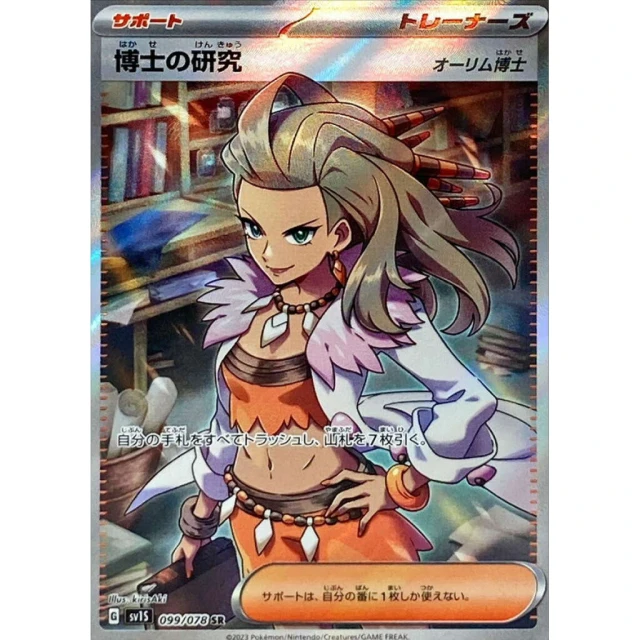
Budget Singles Worth Watching

Budget singles matter because not every reader is ready to buy a sealed box or a top SAR. Lower-cost SRs, ARs, and URs often make the article more useful for collectors who want the set identity without paying for the top card. For Scarlet ex, the lower layer also helps explain why opening can still be enjoyable even when the expected value is below sealed price.

The lower layer also matters for resale and customer education. A shop buyer can sell the top chase easily, but the box becomes easier to merchandise when there are several cards that look good in a display case, binder page, or break menu. That is why the article covers secondary SARs, ARs, and URs instead of treating everything outside the top three as filler.

What Makes Scarlet ex Special

Scarlet ex Is the Cheaper Launch-Set Counterpart

Scarlet ex matters because it is the other half of the Japanese Scarlet & Violet launch pair. It does not have Miriam, so it needs to be sold honestly: Gardevoir, Koraidon, Nest Ball, and launch-era sealed identity are the thesis, not generic hype.

Why the Set Can Be Explained Quickly

A strong ecommerce article should make the set understandable from a thumbnail, a product card, or a quick scan. Scarlet ex has that advantage: its best cards and product identity point in the same direction. That makes it easier for collectors, store buyers, and breakers to communicate the product without a long explanation.

Why That Matters for Sealed Boxes

Sealed boxes do not trade only on average pull value. They also trade on identity, scarcity, display appeal, and whether future buyers can understand the box quickly. A set with a clear story can stay easier to sell than a technically similar set whose top cards feel disconnected from the product.

Collector Memory and Thumbnail Recognition

Collector memory is practical, not abstract. If a buyer can remember the set from one image and one chase lane, the article and product card have a much better chance of converting later. Scarlet ex should therefore be presented with its box image, its most recognizable cards, and the set-specific hook near the top of the page. A text-only article forces the reader to do too much work.

Should You Buy a Scarlet ex Box in 2026?

Buy Scarlet ex sealed if you want the Scarlet-side launch box at a lower entry than Violet ex. Buy singles if your only target is Gardevoir ex SAR. The honest answer changes by buyer type. That is the main reason the new article format needs more depth than the old one.

Buyer type Best action Reason
Exact top-card buyer Buy the single Specific-card odds are low, even when the set itself is good.
Sealed collector Buy after checking current spread The product story matters, but stale pricing can produce bad entries.
Casual opener Buy one box if lower hits are acceptable The box can be fun without guaranteeing the chase card.
Shop or breaker Buy if the set story is easy for your customers Clear chase identity matters for merchandising and breaks.
Player Buy singles Playable needs are cheaper and cleaner through targeted purchases.
Import buyer Compare landed cost Shipping, duties, and currency spread can erase a low sticker price.

Box vs Singles

Singles are the rational route for one exact chase. Sealed boxes are for the product experience, shelf identity, and optionality. The article should not confuse those two jobs. A box can be good and still be the wrong route to one card.

Compared With Violet ex

Use Violet ex as the comparison point rather than treating every SV-era box as identical. The better buy is the one whose chase structure matches the buyer’s goal. Sometimes that means paying more for a stronger chase; sometimes it means buying the cheaper box because the set identity is enough.

Sealed Holding Logic

The sealed holding case depends on whether the box will still be easy to explain later. Scarlet ex has a clearer story than many generic mid-era boxes, but that does not remove restock, reprint, or demand risk. Buy sealed because you want the box and understand the thesis, not because an article says every sealed Pokemon product must rise.

How to Compare Entry Prices

Do not compare one seller’s Japan sticker price with another seller’s international checkout price as if they are the same thing. A clean comparison includes product condition, whether the box is factory sealed, shipping speed, tracking, payment fees, and the risk of dealing with an unknown marketplace seller. The cheapest visible number is not always the cheapest final purchase.

For repeat buyers and stores, consistency can be worth more than a small discount. A predictable sourcing route makes it easier to reorder, answer customer questions, and avoid condition disputes. For one-time collectors, the right move is often to decide the maximum landed cost first, then choose the cleanest box inside that budget.

Pull Rates, Chase Odds and Box EV

Pokemon does not publish official pull rates for Japanese booster boxes. The estimates below are decision support based on typical Japanese SV-era structure and community opening behavior, not guaranteed odds.

Pull Rate Reality The key distinction is any premium hit versus one exact card. A buyer can reasonably expect a satisfying box and still be very unlikely to pull the exact SAR they want.

Estimated Pull Rate Breakdown

Rarity or slot Estimated box behavior Buyer meaning
RR / ex Several per box Baseline hits, not the sealed-price thesis.
AR Multiple visual hits in many boxes Binder value and casual opening satisfaction.
SR Most boxes are anchored by an SR-or-better style slot The most common premium outcome.
SAR Chance upgrade, not guaranteed The main collector chase, but exact-card odds are much lower.
UR Lower-frequency gold-card upgrade Useful for collectors and playable/gold-card buyers.

Specific Chase Odds

If a buyer wants one exact SAR, the correct mental model is multi-box odds. Even if a set has a relatively small SAR pool, the box still has to hit the SAR layer and then hit the correct card inside that layer. That is why the recommendation for exact-card buyers is nearly always singles first.

Goal Estimated route Recommendation
Enjoy one sealed box Reasonable Buy sealed if the set story appeals to you.
Pull any premium card Reasonable but variable Open if lower outcomes are acceptable.
Pull the top SAR Low exact-card odds Buy the single if this is the only target.
Build a master set Boxes plus singles Use sealed for base volume, singles for expensive gaps.
Hold sealed No pull risk Focus on box condition, authenticity, and entry price.

Box EV Context

Expected value is usually below sealed price for Pokemon boxes. That is normal. The sealed price includes scarcity, product identity, optionality, and the entertainment value of opening. The mistake is using EV as the only reason to buy or ignoring EV completely. A strong guide shows both.

EV component Role in Scarlet ex How to use it
Top SARs Main upside Great when hit, too rare to rely on.
Secondary SARs Reduce binary feel Make opening more satisfying below the top card.
SR/AR layer Baseline visual value Important for casual collectors and binder builders.
UR layer Gold-card optionality Can matter when the card is playable or iconic.
Sealed premium Box value beyond pulls Driven by condition, supply, and set identity.

Opening Plan by Budget

One box is best treated as an experience purchase. Two or three boxes can give a better feel for the set, but they still do not turn an exact SAR into a reliable outcome. If a buyer plans to spend more than the price of the target single, the singles route should be reconsidered before opening another box.

The balanced route for many collectors is one sealed box plus targeted singles. The box provides the product memory, base cards, AR texture, and a chance at upside. Singles then finish the exact chase cards without forcing the buyer to gamble through a larger sealed budget. That hybrid strategy is often better than pure sealed opening or pure singles buying.

Japan vs Overseas Price Snapshot

The market section is where the old articles were weakest. Japan signals now sit around ¥11,700-13,400, while SST’s overseas retail signal is 76.5. That does not mean there is one perfect price. It means buyers should compare Japan source signals, overseas retail, shipping, condition, and the reason they are buying.

Scarlet ex Japan vs overseas box price chart May 2026
Japan vs overseas market snapshot for Scarlet ex, updated May 21, 2026. Yen and dollar signals are intentionally separated.
Market signal Earlier baseline May 2026 read Buyer meaning
Japan low/mid signal ¥10,000 ¥11,700 Shows whether the box is still in its old range or has reset upward.
Japan upper live signal Not always covered in old article ¥13,400 Use this to avoid anchoring to stale pricing.
Overseas/SST signal $65 $76.5 Customer-facing price must include shipping, handling, and sourcing realities.
Best buyer action Casual price check Compare landed cost and buyer goal Do not use one converted number as the entire market.

How to Read a Wide Spread

A wide spread is not automatically a contradiction. Japan domestic signals, overseas retail, buy-price references, and sold data all measure different parts of the market. The right article explains the spread instead of hiding it.

What Would Change the Recommendation?

The recommendation weakens if sealed supply returns in size, if the top-card demand cools, or if overseas pricing runs far above Japan without a condition or sourcing reason. It strengthens if the box holds its current range while the top cards remain liquid.

Current Market Thesis

Scarlet ex is best treated as a set with a specific buyer thesis, not a generic Pokemon box. If the buyer wants that thesis, sealed can make sense. If the buyer only wants a single card, the market thesis is a warning to buy the single instead.

May 2026 Action Guide

If the current Japan signal is close to the overseas checkout price after shipping, buying from a trusted store is usually simpler than chasing a marginal discount. If Japan is materially lower, the buyer should ask whether the difference is real after fees and condition risk. If overseas is materially lower, the buyer should check whether the listing is old stock, opened stock, regional product, or missing condition details.

The correct conclusion is not always “buy now.” Sometimes the correct move is to watch the spread for another week, buy the single, or choose a different Japanese box with a better entry. The value of the chart is that it gives the reader a framework for that choice instead of leaving them with a stale price line from an older article.

Where to Buy Scarlet ex

For SST customers, check the live product page first, then compare against the broader Japanese sealed collection if the box is out of stock or if another set better matches the buyer’s goal.

Scarlet ex (SV1S) Booster Box

Japanese sealed booster box. Check live stock, current price, and shipping options before using old article assumptions.

View SV1S Box

Authenticity and 상태 Checks

Check Why it matters
Factory shrink and seams 상태-sensitive sealed boxes should not have questionable wrap or unclear photos.
Japanese set code Confirms you are buying SV1S, not an English or regional equivalent.
Box format 30 packs per box, 5 팩당 카드 should match the Japanese product.
Landed cost Shipping, taxes, duties, and payment fees matter more than sticker price alone.
Seller history Fast-moving boxes attract weak listings. Reliable sourcing reduces avoidable risk.

Use the SV1S card list to inspect every card, or browse the Japanese Pokemon sealed booster box collection if you are comparing alternatives.

The Bottom Line

Scarlet ex is worth covering at full length because the buying decision is not just a top-10 list. The buyer needs product identity, current market context, chase-card odds, and a clear box-vs-singles answer. That is the gap this refresh closes.

The best buyer is someone who likes the set even when the top card does not appear. The worst buyer is someone who wants one exact SAR and thinks a box is the cheapest route. If you separate those two people, the recommendation becomes much clearer.

Best use case Buy sealed for the Scarlet ex product story and optionality. Buy singles for precision. Use the current Japan vs overseas spread before deciding where to enter.

Frequently Asked Questions

What are the pull rates for Scarlet ex?

Pokemon does not publish official rates. Use Japanese SV box behavior as the guide: multiple ex/RR cards, ARs, and one SR-or-better style slot, with SAR/UR as chance upgrades.

What is the best card in Scarlet ex?

Gardevoir ex SAR is the top card because it combines price, story, and the Ralts/Kirlia evolution art sequence.

Is Scarlet ex worth buying in 2026?

Yes for buyers who want the Scarlet-side Japanese launch box at a lower entry than Violet ex. It is less attractive for exact Gardevoir hunters.

How many SAR cards are in Scarlet ex?

Scarlet ex has five SAR cards in the main premium pool: Gardevoir ex, Great Tusk ex, Koraidon ex, Jacq, and Penny.

Is Scarlet ex better than Violet ex?

Violet ex has Miriam and generally stronger collector attention. Scarlet ex is cleaner for buyers who want Gardevoir, Koraidon, and a lower launch-pair entry.

Should I buy a box or Gardevoir ex SAR?

Buy Gardevoir directly if that is the only card you want. Buy the box for launch-era sealed exposure and the full Scarlet opening experience.

What is the biggest risk with Scarlet ex?

The risk is comparing it too directly to Violet ex. Scarlet ex has a different thesis and should not be priced like it has Miriam.

Where can I see the full Scarlet ex card list?

Use the SV1S card list linked in the article to inspect every card and number.

Does Nest Ball UR matter?

Yes. Nest Ball is an evergreen trainer card, and gold utility cards can stay liquid even when casual chase-card demand cools.

Is Scarlet ex better opened or kept sealed?

Open if you like Gardevoir and Koraidon. Keep sealed if your goal is the Japanese Scarlet launch-set position.

Cyber Judge Pull Rates, Best Cards & Box Value – 2026 Guide

Cyber Judge (SV5M) needed a full May 21, 2026 refresh because the old article read like a short card list instead of a serious buying guide. The current standard is different: lead with the buying answer, show the product, show the chase cards, explain the pull-rate math, and separate Japan market signals from overseas customer-facing prices.

The practical answer is simple. Buy Cyber Judge sealed if you want Future Pokemon identity, Bianca SAR upside, and a still-moderate Japanese box. Buy singles if your only target is Bianca SAR. A sealed box can be a strong purchase when you want the product story and the opening experience. It is a weak purchase when you are only using it as an expensive shortcut to one exact SAR.

This version follows the same format as the stronger SST Pokemon guides: current market proof, a real product image, a top-card grid, a Japan vs overseas chart, buyer segmentation, box EV, and a deeper FAQ section. The goal is not to pad word count; it is to answer the questions a collector or shop buyer actually has before ordering.

The biggest change is the order of the thinking. A thin article usually starts with a card ranking and only later mentions whether a box is worth buying. This refresh starts with the purchase decision because that is what search traffic is really asking. A reader wants to know whether sealed makes sense today, whether singles are smarter, whether the set has a reason to age well, and whether the visible price is current. The card ranking is still important, but it sits inside a fuller buying framework.

Cyber Judge SV5M pull rates and best cards guide
Thumbnail composite for Cyber Judge using SST product imagery and key chase-card imagery.
Key Takeaway Bianca SAR is the clean top-card story, while Iron Crown ex SAR, Iron Leaves ex SAR, and Iron Boulder ex SAR give the Future Pokemon lane real depth. Japan signals now sit around ¥9,500-11,200, while SST’s overseas retail signal is 71.5. Judge the box by buyer type: sealed collectors, singles buyers, openers, and import buyers all need different advice.
SV5MSet code
30Packs / box
100Total cards
5SAR pool

Cyber Judge Set Overview

Cyber Judge is the Japanese SV5M product released on January 26, 2024. It connects to Temporal Forces, but Japanese sealed buyers should treat it as its own product with its own card numbering, box price, and collector identity.

The old short article format usually stopped at release date, card count, and a top-10 table. That is not enough. A modern buyer needs to know whether the set has a durable reason to exist, whether the sealed price is moving, whether the top cards justify opening, and how the Japanese box compares with English or adjacent Japanese sets.

Spec Detail
Set code SV5M
Japanese release January 26, 2024
Card count 71 main-set cards plus 29 secret cards, 100 total
Box format 30 packs per box, 5 팩당 카드
SAR count 5 Special Art Rare cards
Current Japan signal Japan signals now sit around ¥9,500-11,200, while SST’s overseas retail signal is 71.5.
Best buyer Collector or shop buyer who understands the set story and is not relying on one exact pull.
Cyber Judge Japanese Pokemon booster box
Cyber Judge sealed Japanese booster box. The product image is shown early so the article card and article body match the product being sold.

What Changed in the May 2026 Refresh

The old article was useful as a first pass, but it was too thin for the current blog standard. It had fewer visual breaks, a weaker market section, and a shorter decision path. This refresh adds the missing context: why the set matters, where the box sits today, how the top cards rank, and when singles make more sense than sealed.

Japanese Box vs English Relationship

English products are easier for many local buyers, but the Japanese product is cleaner for collectors who want one exact set code and Japanese print quality. The Japanese box also has a more direct sealed-market signal because the product is not blended with multiple Japanese sources the way many English releases are.

Factor Japanese Cyber Judge Temporal Forces
Product identity One Japanese set code, one box, one collector story English market relationship with different distribution and buyer behavior
Best for Japanese sealed collectors, import buyers, visual collectors Local players and buyers who prefer English cards
Pricing Read Japan and overseas separately Often easier to find locally, but not the same sealed thesis
Buying mistake Using old article prices after the market has moved Assuming English and Japanese pull economics are identical

What the Product Page Should Help You Decide

A strong set guide should reduce hesitation before the product page click. For Cyber Judge, the reader should leave this section knowing the set code, the card count, the box format, the major chase lanes, and the current market spread. That is enough to compare the box against other Japanese sealed products without opening a dozen tabs.

This is especially important for overseas buyers. A small difference in listed price can disappear once shipping, payment fees, import tax, and condition risk are included. The article therefore treats price as a range and a decision signal, not as a single permanent number. That is the difference between a useful ecommerce guide and a static checklist.

Top 10 Best Cards and Current Market Read

Bianca SAR is the clean top-card story, while Iron Crown ex SAR, Iron Leaves ex SAR, and Iron Boulder ex SAR give the Future Pokemon lane real depth. The top-card table below uses the local PriceCharting cache and Fuji card-list image set where available, then frames each card by why a buyer would care. Prices are not permanent; the ranking is useful because it shows the shape of demand.
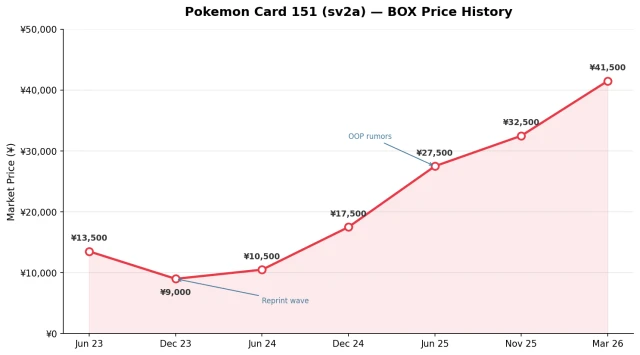
Rank Card Rarity Raw price signal Why it matters
1 Bianca’s Sincerity 97/71 SAR $39.38 The top trainer chase and the easiest reason a non-player collector cares about the set.
2 Iron Crown ex 94/71 SAR $27.30 The future-side mascot SAR and strongest Pokemon collector hit.
3 Iron Leaves ex 93/71 SAR $20.07 Secondary Future Pokemon SAR with real character demand.
4 Iron Boulder ex 95/71 SAR $12.06 Completes the Future trio and keeps the SAR pool cohesive.
5 Deerling 73/71 AR $10.68 A strong art-rare image that supports casual openings below the SAR layer.
6 Sawsbuck 74/71 AR $10.24 Pairs with Deerling and gives the set a collector mini-story.
7 Ciphermaniac’s Codebreaking 90/71 SR $4.47 A trainer SR that adds another character lane below Bianca.
8 Bianca’s Sincerity 92/71 SR $9.61 Lower-cost Bianca option for collectors priced out of the SAR.
9 Iron Leaves ex 98/71 UR $7.69 Gold Future Pokemon hit with cheaper-entry appeal.
10 Iron Crown ex 99/71 UR $4.80 Gold version of the mascot lane.
Bianca's Sincerity SAR from Cyber JudgeSAR

Bianca’s Sincerity

The top trainer chase and the easiest reason a non-player collector cares about the set.

Iron Crown ex SAR from Cyber JudgeSAR

Iron Crown ex

The future-side mascot SAR and strongest Pokemon collector hit.

Iron Leaves ex SAR from Cyber JudgeSAR

Iron Leaves ex

Secondary Future Pokemon SAR with real character demand.

Top-Card Thesis

The best version of a set guide explains why the top card leads. For Cyber Judge, the top layer works because the cards are tied to the set story rather than feeling randomly expensive. The market can move, but the identity is easier to defend when the chase cards are aligned with the product name, mascot, character focus, or mechanic.

Secondary Hit Layer

A box feels better when there are enough cards below the top chase to keep opening from becoming binary. That does not mean every SAR or UR pays for the box. It means the buyer has several outcomes that still feel like meaningful collection pieces.

Iron Boulder ex SAR from Cyber JudgeSAR

Iron Boulder ex

Completes the Future trio and keeps the SAR pool cohesive.

Deerling AR from Cyber JudgeAR

Deerling

A strong art-rare image that supports casual openings below the SAR layer.

Sawsbuck AR from Cyber JudgeAR

Sawsbuck

Pairs with Deerling and gives the set a collector mini-story.

Ciphermaniac's Codebreaking SR from Cyber JudgeSR

Ciphermaniac’s Codebreaking

A trainer SR that adds another character lane below Bianca.

Budget Singles Worth Watching

Budget singles matter because not every reader is ready to buy a sealed box or a top SAR. Lower-cost SRs, ARs, and URs often make the article more useful for collectors who want the set identity without paying for the top card. For Cyber Judge, the lower layer also helps explain why opening can still be enjoyable even when the expected value is below sealed price.

The lower layer also matters for resale and customer education. A shop buyer can sell the top chase easily, but the box becomes easier to merchandise when there are several cards that look good in a display case, binder page, or break menu. That is why the article covers secondary SARs, ARs, and URs instead of treating everything outside the top three as filler.

What Makes Cyber Judge Special

Cyber Judge Is the Future-Mechanic Box

Cyber Judge is the future-side counterpart in the Wild Force/Cyber Judge pair. That matters because the set is not just a card list: it has a clear Future Pokemon thesis, Iron Crown as the mascot chase, and Bianca as the trainer-card ceiling.

Why the Set Can Be Explained Quickly

A strong ecommerce article should make the set understandable from a thumbnail, a product card, or a quick scan. Cyber Judge has that advantage: its best cards and product identity point in the same direction. That makes it easier for collectors, store buyers, and breakers to communicate the product without a long explanation.

Why That Matters for Sealed Boxes

Sealed boxes do not trade only on average pull value. They also trade on identity, scarcity, display appeal, and whether future buyers can understand the box quickly. A set with a clear story can stay easier to sell than a technically similar set whose top cards feel disconnected from the product.

Collector Memory and Thumbnail Recognition

Collector memory is practical, not abstract. If a buyer can remember the set from one image and one chase lane, the article and product card have a much better chance of converting later. Cyber Judge should therefore be presented with its box image, its most recognizable cards, and the set-specific hook near the top of the page. A text-only article forces the reader to do too much work.

Should You Buy a Cyber Judge Box in 2026?

Buy Cyber Judge sealed if you want Future Pokemon identity, Bianca SAR upside, and a still-moderate Japanese box. Buy singles if your only target is Bianca SAR. The honest answer changes by buyer type. That is the main reason the new article format needs more depth than the old one.

Buyer type Best action Reason
Exact top-card buyer Buy the single Specific-card odds are low, even when the set itself is good.
Sealed collector Buy after checking current spread The product story matters, but stale pricing can produce bad entries.
Casual opener Buy one box if lower hits are acceptable The box can be fun without guaranteeing the chase card.
Shop or breaker Buy if the set story is easy for your customers Clear chase identity matters for merchandising and breaks.
Player Buy singles Playable needs are cheaper and cleaner through targeted purchases.
Import buyer Compare landed cost Shipping, duties, and currency spread can erase a low sticker price.

Box vs Singles

Singles are the rational route for one exact chase. Sealed boxes are for the product experience, shelf identity, and optionality. The article should not confuse those two jobs. A box can be good and still be the wrong route to one card.

Compared With Wild Force

Use Wild Force as the comparison point rather than treating every SV-era box as identical. The better buy is the one whose chase structure matches the buyer’s goal. Sometimes that means paying more for a stronger chase; sometimes it means buying the cheaper box because the set identity is enough.

Sealed Holding Logic

The sealed holding case depends on whether the box will still be easy to explain later. Cyber Judge has a clearer story than many generic mid-era boxes, but that does not remove restock, reprint, or demand risk. Buy sealed because you want the box and understand the thesis, not because an article says every sealed Pokemon product must rise.

How to Compare Entry Prices

Do not compare one seller’s Japan sticker price with another seller’s international checkout price as if they are the same thing. A clean comparison includes product condition, whether the box is factory sealed, shipping speed, tracking, payment fees, and the risk of dealing with an unknown marketplace seller. The cheapest visible number is not always the cheapest final purchase.

For repeat buyers and stores, consistency can be worth more than a small discount. A predictable sourcing route makes it easier to reorder, answer customer questions, and avoid condition disputes. For one-time collectors, the right move is often to decide the maximum landed cost first, then choose the cleanest box inside that budget.

Pull Rates, Chase Odds and Box EV

Pokemon does not publish official pull rates for Japanese booster boxes. The estimates below are decision support based on typical Japanese SV-era structure and community opening behavior, not guaranteed odds.

Pull Rate Reality The key distinction is any premium hit versus one exact card. A buyer can reasonably expect a satisfying box and still be very unlikely to pull the exact SAR they want.

Estimated Pull Rate Breakdown

Rarity or slot Estimated box behavior Buyer meaning
RR / ex Several per box Baseline hits, not the sealed-price thesis.
AR Multiple visual hits in many boxes Binder value and casual opening satisfaction.
SR Most boxes are anchored by an SR-or-better style slot The most common premium outcome.
SAR Chance upgrade, not guaranteed The main collector chase, but exact-card odds are much lower.
UR Lower-frequency gold-card upgrade Useful for collectors and playable/gold-card buyers.

Specific Chase Odds

If a buyer wants one exact SAR, the correct mental model is multi-box odds. Even if a set has a relatively small SAR pool, the box still has to hit the SAR layer and then hit the correct card inside that layer. That is why the recommendation for exact-card buyers is nearly always singles first.

Goal Estimated route Recommendation
Enjoy one sealed box Reasonable Buy sealed if the set story appeals to you.
Pull any premium card Reasonable but variable Open if lower outcomes are acceptable.
Pull the top SAR Low exact-card odds Buy the single if this is the only target.
Build a master set Boxes plus singles Use sealed for base volume, singles for expensive gaps.
Hold sealed No pull risk Focus on box condition, authenticity, and entry price.

Box EV Context

Expected value is usually below sealed price for Pokemon boxes. That is normal. The sealed price includes scarcity, product identity, optionality, and the entertainment value of opening. The mistake is using EV as the only reason to buy or ignoring EV completely. A strong guide shows both.

EV component Role in Cyber Judge How to use it
Top SARs Main upside Great when hit, too rare to rely on.
Secondary SARs Reduce binary feel Make opening more satisfying below the top card.
SR/AR layer Baseline visual value Important for casual collectors and binder builders.
UR layer Gold-card optionality Can matter when the card is playable or iconic.
Sealed premium Box value beyond pulls Driven by condition, supply, and set identity.

Opening Plan by Budget

One box is best treated as an experience purchase. Two or three boxes can give a better feel for the set, but they still do not turn an exact SAR into a reliable outcome. If a buyer plans to spend more than the price of the target single, the singles route should be reconsidered before opening another box.

The balanced route for many collectors is one sealed box plus targeted singles. The box provides the product memory, base cards, AR texture, and a chance at upside. Singles then finish the exact chase cards without forcing the buyer to gamble through a larger sealed budget. That hybrid strategy is often better than pure sealed opening or pure singles buying.

Japan vs Overseas Price Snapshot

The market section is where the old articles were weakest. Japan signals now sit around ¥9,500-11,200, while SST’s overseas retail signal is 71.5. That does not mean there is one perfect price. It means buyers should compare Japan source signals, overseas retail, shipping, condition, and the reason they are buying.

Cyber Judge Japan vs overseas box price chart May 2026
Japan vs overseas market snapshot for Cyber Judge, updated May 21, 2026. Yen and dollar signals are intentionally separated.
Market signal Earlier baseline May 2026 read Buyer meaning
Japan low/mid signal ¥8,500 ¥9,500 Shows whether the box is still in its old range or has reset upward.
Japan upper live signal Not always covered in old article ¥11,200 Use this to avoid anchoring to stale pricing.
Overseas/SST signal $60 $71.5 Customer-facing price must include shipping, handling, and sourcing realities.
Best buyer action Casual price check Compare landed cost and buyer goal Do not use one converted number as the entire market.

How to Read a Wide Spread

A wide spread is not automatically a contradiction. Japan domestic signals, overseas retail, buy-price references, and sold data all measure different parts of the market. The right article explains the spread instead of hiding it.

What Would Change the Recommendation?

The recommendation weakens if sealed supply returns in size, if the top-card demand cools, or if overseas pricing runs far above Japan without a condition or sourcing reason. It strengthens if the box holds its current range while the top cards remain liquid.

Current Market Thesis

Cyber Judge is best treated as a set with a specific buyer thesis, not a generic Pokemon box. If the buyer wants that thesis, sealed can make sense. If the buyer only wants a single card, the market thesis is a warning to buy the single instead.

May 2026 Action Guide

If the current Japan signal is close to the overseas checkout price after shipping, buying from a trusted store is usually simpler than chasing a marginal discount. If Japan is materially lower, the buyer should ask whether the difference is real after fees and condition risk. If overseas is materially lower, the buyer should check whether the listing is old stock, opened stock, regional product, or missing condition details.

The correct conclusion is not always “buy now.” Sometimes the correct move is to watch the spread for another week, buy the single, or choose a different Japanese box with a better entry. The value of the chart is that it gives the reader a framework for that choice instead of leaving them with a stale price line from an older article.

Where to Buy Cyber Judge

For SST customers, check the live product page first, then compare against the broader Japanese sealed collection if the box is out of stock or if another set better matches the buyer’s goal.

Cyber Judge (SV5M) Booster Box

Japanese sealed booster box. Check live stock, current price, and shipping options before using old article assumptions.

View SV5M Box

Authenticity and 상태 Checks

Check Why it matters
Factory shrink and seams 상태-sensitive sealed boxes should not have questionable wrap or unclear photos.
Japanese set code Confirms you are buying SV5M, not an English or regional equivalent.
Box format 30 packs per box, 5 팩당 카드 should match the Japanese product.
Landed cost Shipping, taxes, duties, and payment fees matter more than sticker price alone.
Seller history Fast-moving boxes attract weak listings. Reliable sourcing reduces avoidable risk.

Use the SV5M card list to inspect every card, or browse the Japanese Pokemon sealed booster box collection if you are comparing alternatives.

The Bottom Line

Cyber Judge is worth covering at full length because the buying decision is not just a top-10 list. The buyer needs product identity, current market context, chase-card odds, and a clear box-vs-singles answer. That is the gap this refresh closes.

The best buyer is someone who likes the set even when the top card does not appear. The worst buyer is someone who wants one exact SAR and thinks a box is the cheapest route. If you separate those two people, the recommendation becomes much clearer.

Best use case Buy sealed for the Cyber Judge product story and optionality. Buy singles for precision. Use the current Japan vs overseas spread before deciding where to enter.

Frequently Asked Questions

What are the pull rates for Cyber Judge?

Pokemon does not publish official pull rates. Use normal Japanese SV box behavior: multiple regular hits, AR texture, and one SR-or-better style slot, with SAR/UR as chance upgrades.

What is the best card in Cyber Judge?

Bianca’s Sincerity SAR is the top trainer chase. Iron Crown ex SAR is the strongest Pokemon identity card.

Is Cyber Judge worth buying in 2026?

Yes if you want Future Pokemon identity and Bianca upside at a moderate sealed entry. Buy singles if you only want Bianca.

How many SAR cards are in Cyber Judge?

Cyber Judge has five SAR cards in the premium pool, led by Bianca, Iron Crown ex, Iron Leaves ex, and Iron Boulder ex.

Is Cyber Judge the same as Temporal Forces?

No. Temporal Forces is the English relationship; Cyber Judge is the Japanese SV5M product with its own sealed market.

Should I buy Cyber Judge or Wild Force?

Cyber Judge is the Future Pokemon side with Bianca. Wild Force is the Ancient Pokemon side. Choose based on the chase lane, not only box price.

What is the biggest risk with Cyber Judge?

The risk is overpaying for sealed while only wanting Bianca. Exact-card odds are low even when the box has a good SAR pool.

Where can I see the full Cyber Judge card list?

Use the SV5M card list linked in the article to inspect every card and number.

Are Deerling and Sawsbuck important?

Yes. They give Cyber Judge a strong art-rare pairing that makes the set feel less top-heavy.

Is Cyber Judge better opened or kept sealed?

Open if the Future Pokemon chase suite interests you. Keep sealed if you want the Japanese future-side box identity.

Raging Surf Pull Rates, Best Cards & Box Value – 2026 Guide

Raging Surf (SV3a) needed a full May 21, 2026 refresh because the old article read like a short card list instead of a serious buying guide. The current standard is different: lead with the buying answer, show the product, show the chase cards, explain the pull-rate math, and separate Japan market signals from overseas customer-facing prices.

The practical answer is simple. Buy Raging Surf sealed if you want a mid-priced Japanese SV box with a trainer chase, Pokemon SAR depth, and strong ARs. Buy singles if Parasol Lady SAR is the only target. A sealed box can be a strong purchase when you want the product story and the opening experience. It is a weak purchase when you are only using it as an expensive shortcut to one exact SAR.

This version follows the same format as the stronger SST Pokemon guides: current market proof, a real product image, a top-card grid, a Japan vs overseas chart, buyer segmentation, box EV, and a deeper FAQ section. The goal is not to pad word count; it is to answer the questions a collector or shop buyer actually has before ordering.

The biggest change is the order of the thinking. A thin article usually starts with a card ranking and only later mentions whether a box is worth buying. This refresh starts with the purchase decision because that is what search traffic is really asking. A reader wants to know whether sealed makes sense today, whether singles are smarter, whether the set has a reason to age well, and whether the visible price is current. The card ranking is still important, but it sits inside a fuller buying framework.

Raging Surf SV3a pull rates and best cards guide
Thumbnail composite for Raging Surf using SST product imagery and key chase-card imagery.
Key Takeaway Parasol Lady SAR, Gholdengo ex SAR, and Garchomp ex SAR give Raging Surf a balanced top end rather than one isolated chase. Japan signals now sit around ¥12,200-14,500, while SST’s overseas retail signal is 83.5. Judge the box by buyer type: sealed collectors, singles buyers, openers, and import buyers all need different advice.
SV3aSet code
30Packs / box
92Total cards
5SAR pool

Raging Surf Set Overview

Raging Surf is the Japanese SV3a product released on September 22, 2023. It connects to Paradox Rift-era Japanese subset, but Japanese sealed buyers should treat it as its own product with its own card numbering, box price, and collector identity.

The old short article format usually stopped at release date, card count, and a top-10 table. That is not enough. A modern buyer needs to know whether the set has a durable reason to exist, whether the sealed price is moving, whether the top cards justify opening, and how the Japanese box compares with English or adjacent Japanese sets.

Spec Detail
Set code SV3a
Japanese release September 22, 2023
Card count 62 main-set cards plus 30 secret cards, 92 total
Box format 30 packs per box, 5 팩당 카드
SAR count 5 Special Art Rare cards
Current Japan signal Japan signals now sit around ¥12,200-14,500, while SST’s overseas retail signal is 83.5.
Best buyer Collector or shop buyer who understands the set story and is not relying on one exact pull.
Raging Surf Japanese Pokemon booster box
Raging Surf sealed Japanese booster box. The product image is shown early so the article card and article body match the product being sold.

What Changed in the May 2026 Refresh

The old article was useful as a first pass, but it was too thin for the current blog standard. It had fewer visual breaks, a weaker market section, and a shorter decision path. This refresh adds the missing context: why the set matters, where the box sits today, how the top cards rank, and when singles make more sense than sealed.

Japanese Box vs English Relationship

English products are easier for many local buyers, but the Japanese product is cleaner for collectors who want one exact set code and Japanese print quality. The Japanese box also has a more direct sealed-market signal because the product is not blended with multiple Japanese sources the way many English releases are.

Factor Japanese Raging Surf Paradox Rift-era Japanese subset
Product identity One Japanese set code, one box, one collector story English market relationship with different distribution and buyer behavior
Best for Japanese sealed collectors, import buyers, visual collectors Local players and buyers who prefer English cards
Pricing Read Japan and overseas separately Often easier to find locally, but not the same sealed thesis
Buying mistake Using old article prices after the market has moved Assuming English and Japanese pull economics are identical

What the Product Page Should Help You Decide

A strong set guide should reduce hesitation before the product page click. For Raging Surf, the reader should leave this section knowing the set code, the card count, the box format, the major chase lanes, and the current market spread. That is enough to compare the box against other Japanese sealed products without opening a dozen tabs.

This is especially important for overseas buyers. A small difference in listed price can disappear once shipping, payment fees, import tax, and condition risk are included. The article therefore treats price as a range and a decision signal, not as a single permanent number. That is the difference between a useful ecommerce guide and a static checklist.

Top 10 Best Cards and Current Market Read

Parasol Lady SAR, Gholdengo ex SAR, and Garchomp ex SAR give Raging Surf a balanced top end rather than one isolated chase. The top-card table below uses the local PriceCharting cache and Fuji card-list image set where available, then frames each card by why a buyer would care. Prices are not permanent; the ranking is useful because it shows the shape of demand.

Rank Card Rarity Raw price signal Why it matters
1 Parasol Lady 89/62 SAR $35.00 The top trainer chase and one of the main reasons collectors remember the set.
2 Gholdengo ex 87/62 SAR $38.96 Strong Pokemon SAR with current raw-price support and character popularity.
3 Garchomp ex 85/62 SAR $28.28 Classic Pokemon demand and the easiest mascot-style card to merchandise.
4 Groudon 69/62 AR $23.15 One of the best art rares in the set and a strong binder card.
5 Rika 88/62 SAR $21.69 Trainer SAR depth below Parasol Lady.
6 Tapu Koko ex 86/62 SAR $17.20 Secondary Pokemon SAR that keeps openings from being too narrow.
7 Plusle 65/62 AR $14.75 Pairs with Minun and creates a collector mini-story.
8 Minun 66/62 AR $11.97 The companion AR to Plusle and a popular binder target.
9 Mantyke 64/62 AR $8.14 High-quality AR that adds value below the SAR layer.
10 Garchomp ex 90/62 UR $17.50 Gold Garchomp gives the mascot a second premium lane.
Parasol Lady SAR from Raging SurfSAR

Parasol Lady

The top trainer chase and one of the main reasons collectors remember the set.

Gholdengo ex SAR from Raging SurfSAR

Gholdengo ex

Strong Pokemon SAR with current raw-price support and character popularity.

Garchomp ex SAR from Raging SurfSAR

Garchomp ex

Classic Pokemon demand and the easiest mascot-style card to merchandise.

Top-Card Thesis

The best version of a set guide explains why the top card leads. For Raging Surf, the top layer works because the cards are tied to the set story rather than feeling randomly expensive. The market can move, but the identity is easier to defend when the chase cards are aligned with the product name, mascot, character focus, or mechanic.

Secondary Hit Layer

A box feels better when there are enough cards below the top chase to keep opening from becoming binary. That does not mean every SAR or UR pays for the box. It means the buyer has several outcomes that still feel like meaningful collection pieces.

Groudon AR from Raging SurfAR

Groudon

One of the best art rares in the set and a strong binder card.

Rika SAR from Raging SurfSAR

Rika

Trainer SAR depth below Parasol Lady.

Tapu Koko ex SAR from Raging SurfSAR

Tapu Koko ex

Secondary Pokemon SAR that keeps openings from being too narrow.

Plusle AR from Raging SurfAR

Plusle

Pairs with Minun and creates a collector mini-story.

Budget Singles Worth Watching

Budget singles matter because not every reader is ready to buy a sealed box or a top SAR. Lower-cost SRs, ARs, and URs often make the article more useful for collectors who want the set identity without paying for the top card. For Raging Surf, the lower layer also helps explain why opening can still be enjoyable even when the expected value is below sealed price.

The lower layer also matters for resale and customer education. A shop buyer can sell the top chase easily, but the box becomes easier to merchandise when there are several cards that look good in a display case, binder page, or break menu. That is why the article covers secondary SARs, ARs, and URs instead of treating everything outside the top three as filler.

What Makes Raging Surf Special

Raging Surf Has a Compact but Deep Top End

Raging Surf works because it combines a popular trainer chase, Garchomp ex, Gholdengo ex, and a strong AR layer led by Groudon, Plusle, Minun, and Mantyke. That gives the box more visual depth than a simple one-card subset.

Why the Set Can Be Explained Quickly

A strong ecommerce article should make the set understandable from a thumbnail, a product card, or a quick scan. Raging Surf has that advantage: its best cards and product identity point in the same direction. That makes it easier for collectors, store buyers, and breakers to communicate the product without a long explanation.

Why That Matters for Sealed Boxes

Sealed boxes do not trade only on average pull value. They also trade on identity, scarcity, display appeal, and whether future buyers can understand the box quickly. A set with a clear story can stay easier to sell than a technically similar set whose top cards feel disconnected from the product.

Collector Memory and Thumbnail Recognition

Collector memory is practical, not abstract. If a buyer can remember the set from one image and one chase lane, the article and product card have a much better chance of converting later. Raging Surf should therefore be presented with its box image, its most recognizable cards, and the set-specific hook near the top of the page. A text-only article forces the reader to do too much work.

Should You Buy a Raging Surf Box in 2026?

Buy Raging Surf sealed if you want a mid-priced Japanese SV box with a trainer chase, Pokemon SAR depth, and strong ARs. Buy singles if Parasol Lady SAR is the only target. The honest answer changes by buyer type. That is the main reason the new article format needs more depth than the old one.

Buyer type Best action Reason
Exact top-card buyer Buy the single Specific-card odds are low, even when the set itself is good.
Sealed collector Buy after checking current spread The product story matters, but stale pricing can produce bad entries.
Casual opener Buy one box if lower hits are acceptable The box can be fun without guaranteeing the chase card.
Shop or breaker Buy if the set story is easy for your customers Clear chase identity matters for merchandising and breaks.
Player Buy singles Playable needs are cheaper and cleaner through targeted purchases.
Import buyer Compare landed cost Shipping, duties, and currency spread can erase a low sticker price.

Box vs Singles

Singles are the rational route for one exact chase. Sealed boxes are for the product experience, shelf identity, and optionality. The article should not confuse those two jobs. A box can be good and still be the wrong route to one card.

Compared With Cyber Judge

Use Cyber Judge as the comparison point rather than treating every SV-era box as identical. The better buy is the one whose chase structure matches the buyer’s goal. Sometimes that means paying more for a stronger chase; sometimes it means buying the cheaper box because the set identity is enough.

Sealed Holding Logic

The sealed holding case depends on whether the box will still be easy to explain later. Raging Surf has a clearer story than many generic mid-era boxes, but that does not remove restock, reprint, or demand risk. Buy sealed because you want the box and understand the thesis, not because an article says every sealed Pokemon product must rise.

How to Compare Entry Prices

Do not compare one seller’s Japan sticker price with another seller’s international checkout price as if they are the same thing. A clean comparison includes product condition, whether the box is factory sealed, shipping speed, tracking, payment fees, and the risk of dealing with an unknown marketplace seller. The cheapest visible number is not always the cheapest final purchase.

For repeat buyers and stores, consistency can be worth more than a small discount. A predictable sourcing route makes it easier to reorder, answer customer questions, and avoid condition disputes. For one-time collectors, the right move is often to decide the maximum landed cost first, then choose the cleanest box inside that budget.

Pull Rates, Chase Odds and Box EV

Pokemon does not publish official pull rates for Japanese booster boxes. The estimates below are decision support based on typical Japanese SV-era structure and community opening behavior, not guaranteed odds.

Pull Rate Reality The key distinction is any premium hit versus one exact card. A buyer can reasonably expect a satisfying box and still be very unlikely to pull the exact SAR they want.

Estimated Pull Rate Breakdown

Rarity or slot Estimated box behavior Buyer meaning
RR / ex Several per box Baseline hits, not the sealed-price thesis.
AR Multiple visual hits in many boxes Binder value and casual opening satisfaction.
SR Most boxes are anchored by an SR-or-better style slot The most common premium outcome.
SAR Chance upgrade, not guaranteed The main collector chase, but exact-card odds are much lower.
UR Lower-frequency gold-card upgrade Useful for collectors and playable/gold-card buyers.

Specific Chase Odds

If a buyer wants one exact SAR, the correct mental model is multi-box odds. Even if a set has a relatively small SAR pool, the box still has to hit the SAR layer and then hit the correct card inside that layer. That is why the recommendation for exact-card buyers is nearly always singles first.

Goal Estimated route Recommendation
Enjoy one sealed box Reasonable Buy sealed if the set story appeals to you.
Pull any premium card Reasonable but variable Open if lower outcomes are acceptable.
Pull the top SAR Low exact-card odds Buy the single if this is the only target.
Build a master set Boxes plus singles Use sealed for base volume, singles for expensive gaps.
Hold sealed No pull risk Focus on box condition, authenticity, and entry price.

Box EV Context

Expected value is usually below sealed price for Pokemon boxes. That is normal. The sealed price includes scarcity, product identity, optionality, and the entertainment value of opening. The mistake is using EV as the only reason to buy or ignoring EV completely. A strong guide shows both.

EV component Role in Raging Surf How to use it
Top SARs Main upside Great when hit, too rare to rely on.
Secondary SARs Reduce binary feel Make opening more satisfying below the top card.
SR/AR layer Baseline visual value Important for casual collectors and binder builders.
UR layer Gold-card optionality Can matter when the card is playable or iconic.
Sealed premium Box value beyond pulls Driven by condition, supply, and set identity.

Opening Plan by Budget

One box is best treated as an experience purchase. Two or three boxes can give a better feel for the set, but they still do not turn an exact SAR into a reliable outcome. If a buyer plans to spend more than the price of the target single, the singles route should be reconsidered before opening another box.

The balanced route for many collectors is one sealed box plus targeted singles. The box provides the product memory, base cards, AR texture, and a chance at upside. Singles then finish the exact chase cards without forcing the buyer to gamble through a larger sealed budget. That hybrid strategy is often better than pure sealed opening or pure singles buying.

Japan vs Overseas Price Snapshot

The market section is where the old articles were weakest. Japan signals now sit around ¥12,200-14,500, while SST’s overseas retail signal is 83.5. That does not mean there is one perfect price. It means buyers should compare Japan source signals, overseas retail, shipping, condition, and the reason they are buying.

Raging Surf Japan vs overseas box price chart May 2026
Japan vs overseas market snapshot for Raging Surf, updated May 21, 2026. Yen and dollar signals are intentionally separated.
Market signal Earlier baseline May 2026 read Buyer meaning
Japan low/mid signal ¥9,500 ¥12,200 Shows whether the box is still in its old range or has reset upward.
Japan upper live signal Not always covered in old article ¥14,500 Use this to avoid anchoring to stale pricing.
Overseas/SST signal $60 $83.5 Customer-facing price must include shipping, handling, and sourcing realities.
Best buyer action Casual price check Compare landed cost and buyer goal Do not use one converted number as the entire market.

How to Read a Wide Spread

A wide spread is not automatically a contradiction. Japan domestic signals, overseas retail, buy-price references, and sold data all measure different parts of the market. The right article explains the spread instead of hiding it.

What Would Change the Recommendation?

The recommendation weakens if sealed supply returns in size, if the top-card demand cools, or if overseas pricing runs far above Japan without a condition or sourcing reason. It strengthens if the box holds its current range while the top cards remain liquid.

Current Market Thesis

Raging Surf is best treated as a set with a specific buyer thesis, not a generic Pokemon box. If the buyer wants that thesis, sealed can make sense. If the buyer only wants a single card, the market thesis is a warning to buy the single instead.

May 2026 Action Guide

If the current Japan signal is close to the overseas checkout price after shipping, buying from a trusted store is usually simpler than chasing a marginal discount. If Japan is materially lower, the buyer should ask whether the difference is real after fees and condition risk. If overseas is materially lower, the buyer should check whether the listing is old stock, opened stock, regional product, or missing condition details.

The correct conclusion is not always “buy now.” Sometimes the correct move is to watch the spread for another week, buy the single, or choose a different Japanese box with a better entry. The value of the chart is that it gives the reader a framework for that choice instead of leaving them with a stale price line from an older article.

Where to Buy Raging Surf

For SST customers, check the live product page first, then compare against the broader Japanese sealed collection if the box is out of stock or if another set better matches the buyer’s goal.

Raging Surf (SV3a) Booster Box

Japanese sealed booster box. Check live stock, current price, and shipping options before using old article assumptions.

View SV3a Box

Authenticity and 상태 Checks

Check Why it matters
Factory shrink and seams 상태-sensitive sealed boxes should not have questionable wrap or unclear photos.
Japanese set code Confirms you are buying SV3a, not an English or regional equivalent.
Box format 30 packs per box, 5 팩당 카드 should match the Japanese product.
Landed cost Shipping, taxes, duties, and payment fees matter more than sticker price alone.
Seller history Fast-moving boxes attract weak listings. Reliable sourcing reduces avoidable risk.

Use the SV3a card list to inspect every card, or browse the Japanese Pokemon sealed booster box collection if you are comparing alternatives.

The Bottom Line

Raging Surf is worth covering at full length because the buying decision is not just a top-10 list. The buyer needs product identity, current market context, chase-card odds, and a clear box-vs-singles answer. That is the gap this refresh closes.

The best buyer is someone who likes the set even when the top card does not appear. The worst buyer is someone who wants one exact SAR and thinks a box is the cheapest route. If you separate those two people, the recommendation becomes much clearer.

Best use case Buy sealed for the Raging Surf product story and optionality. Buy singles for precision. Use the current Japan vs overseas spread before deciding where to enter.

Frequently Asked Questions

What are the pull rates for Raging Surf?

Pokemon does not publish official pull rates. Use Japanese SV enhanced-expansion behavior as the guide: regular ex hits, AR texture, and one SR-or-better style slot with SAR/UR upgrades as chance outcomes.

What is the best card in Raging Surf?

Parasol Lady SAR and Gholdengo ex SAR are the leading market cards, with Garchomp ex SAR close behind as the most recognizable Pokemon chase.

Is Raging Surf worth buying in 2026?

Yes for buyers who want a mid-priced Japanese box with a trainer chase and strong AR depth. Buy singles if you only want Parasol Lady.

How many cards are in Raging Surf?

Raging Surf has 62 main-set cards plus 30 secret rares, 92 total cards.

Is Raging Surf the same as Paradox Rift?

No. It is a Japanese SV3a subset that connects to the broader English Paradox Rift era but has its own product identity.

Should I buy a Raging Surf box or Parasol Lady SAR?

Buy Parasol Lady directly if she is the only target. Buy the box if you also value Gholdengo, Garchomp, and the AR layer.

What is the biggest risk with Raging Surf?

The risk is underestimating exact-card odds and overpaying based on one chase. Compare current Japan and overseas signals first.

Where can I see the full Raging Surf card list?

Use the SV3a card list linked in the article to inspect every card and number.

Why do Plusle and Minun matter?

They create a paired art-rare mini-story and make the set more visually collectible below the SAR tier.

Is Raging Surf better opened or kept sealed?

It can work either way. Opening is more reasonable than high-end grails, while sealed works if you like the balanced top end.

Super Electric Breaker (SV8) Pull Rates & Hit Rates — Best Cards & Box Value [2026]

Pikachu ex SAR from Super Electric Breaker has surged past ¥66,000 (~$447), making it one of the most valuable modern Pokémon cards in the Scarlet & Violet era. Super Electric Breaker pull rates guarantee at least one SR-or-better card per box, but the real story is what happened to this set’s market since its October 2024 release — boxes now trade at nearly five times their original retail price.

This guide breaks down every pull rate for SV8 Super Electric Breaker, ranks the 10 most valuable cards with current March 2026 prices from Japanese marketplaces, calculates the expected value per box, and helps you decide whether this Pikachu-headlined set belongs in your collection. Our team tracks Japanese secondary market data daily through platforms like SNKRDUNK and Mercari, giving you pricing insights that English-language sources simply don’t cover.

Key Takeaway

Pikachu ex SAR is valued at ¥66,500 (~$452) and boxes trade at ¥26,350 — nearly 5× MSRP. Every box guarantees 1 SR-or-better + 3 ARs, with a 1-in-6 chance at a SAR worth more than the box itself.

¥26,350
Box Price

¥66,500
Pikachu SAR

6 SARs
Chase Cards

17 Months
Price Growth

Super Electric Breaker — Set Overview

Super Electric Breaker (超電ブレイカー) is the eighth main expansion in the Pokémon TCG Scarlet & Violet series, featuring Pikachu as the pack cover Pokémon — a designation that historically signals strong long-term value.

Pokemon SV8 Super Electric Breaker Japanese booster box sealed

Release Date, Price & Pack Contents

Detail Info
Set Code SV8
Japanese Name 超電ブレイカー (Chōden Breaker)
Release Date October 18, 2024
MSRP ¥5,400 (30 packs × ¥180) → Market price: ¥26,350 (~$179 at ¥147/USD)
Cards per Pack 5
Total Cards 106 + 32 Secret Rares = 138
ENG Equivalent Surging Sparks (released November 8, 2024)

Set Theme & Key Features

Super Electric Breaker centers on Terastallized Pikachu with a stunning electric-themed aesthetic. The set introduces six Special Art Rares including Pikachu ex, Milotic ex, and Hydreigon ex, alongside three Ultra Rares and a new batch of Art Rares featuring Magneton, Mesprit, and Ceruledge.

The Ace Spec slot includes competitively relevant cards that see play across multiple deck archetypes, adding play demand on top of collector appeal. If you’re building a Japanese Pokémon card collection, Super Electric Breaker offers both art quality and competitive utility.

JPN vs International Release Timeline

The English equivalent, Surging Sparks, combines cards from both Super Electric Breaker (SV8) and Paradise Dragona (SV7a). This means certain SARs — including the Pikachu ex SAR — are exclusive to the Japanese version’s specific art treatment. Japanese versions of Pikachu chase cards have historically commanded a 30-40% premium over their English counterparts.

Top 10 Most Valuable Cards

The Pikachu ex SAR dominates this set’s value hierarchy, currently valued at more than all other SARs combined. Here are the 10 most valuable cards from Super Electric Breaker as of March 2026.

Rank Card Rarity Price (¥) Price ($)
1 Pikachu ex SAR ¥66,500 ~$452
2 Pikachu ex UR ¥22,600 ~$154
3 Milotic ex SAR ¥13,600 ~$93
4 Hydreigon ex SAR ¥5,600 ~$38
5 Pikachu ex SR ¥5,400 ~$37
6 Jasmine’s Gaze SAR ¥3,700 ~$25
7 Night Stretcher UR ¥2,300 ~$16
8 Durant ex SAR ¥1,300 ~$9
9 Magneton AR ¥1,100 ~$7
10 Gravity Mountain UR ¥1,000 ~$7

Prices from SNKRDUNK and Altema, March 2026. Secondary market prices.

Pikachu ex SAR 132/106 from Pokemon SV8 Super Electric Breaker

#1 — Pikachu ex SAR (¥66,500 / ~$452)

Pikachu ex SAR (132/106) is the undisputed chase card of Super Electric Breaker and one of the most sought-after modern Pokémon cards globally. Illustrated by GIDORA, this card features a Terastallized Pikachu in an electrifying full-art composition that has captivated collectors worldwide.

What makes this card exceptional is its price trajectory. At launch in October 2024, Pikachu ex SAR traded around ¥17,000-¥25,000. By December 2024, it climbed to ¥27,000-¥42,000. As of March 2026, buyback prices sit at ¥55,000+ with market listings reaching ¥66,500. That represents a 3-4× appreciation from day-one pricing — a trajectory that mirrors the legendary Pikachu VMAX from Astonishing Voltecker (仰天のボルテッカー), which followed a similar pattern as a Pikachu flagship set.

For collectors, this is the defining card of the SV8 era. PSA 10 graded copies command ¥53,000+ at buyback, with retail closer to ¥80,000. It ranks among the most valuable Japanese Pokémon cards of 2026.

Pikachu ex UR 136/106 gold card from Pokemon SV8 Super Electric Breaker

#2 — Pikachu ex UR (¥22,600 / ~$154)

The gold-bordered Ultra Rare Pikachu ex (136/106) is the set’s second most valuable card. The UR treatment’s gold finish pairs naturally with Pikachu’s yellow color palette, creating one of the most visually striking gold cards in the Scarlet & Violet era. At ¥22,600, it offers a more accessible entry point for Pikachu collectors who find the SAR’s price prohibitive.

Milotic ex SAR from Pokemon SV8 Super Electric Breaker

#3 — Milotic ex SAR (¥13,600 / ~$93)

Milotic ex SAR (131/106) showcases one of the most elegant illustrations in the set. Milotic’s graceful design translates beautifully to the Special Art Rare treatment, and the card has strong collector demand independent of Pikachu hype. At ¥13,600, it represents solid value for collectors seeking high-quality art cards.

Hydreigon ex SAR 133/106 from Pokemon SV8 Super Electric Breaker

Cards #4-10

Hydreigon ex SAR (¥5,600) appeals to both competitive players and Dragon-type collectors — its dual demand from play and collection keeps prices stable. Jasmine’s Gaze SAR (¥3,700) draws support card collectors with its anime-inspired illustration of the beloved Gym Leader.

Jasmine's Gaze SAR 135/106 (Mikan no Manazashi) from Pokemon SV8
Night Stretcher UR 137/106 gold card from Pokemon SV8 Super Electric Breaker

Night Stretcher UR (¥2,300) is the set’s top utility chase — a staple trainer in gold treatment that holds value through sustained competitive demand. Gravity Mountain UR (¥1,000) completes the UR trio. Durant ex SAR (¥1,300) and Magneton AR (¥1,100) serve niche collector interest, while Clemont’s Quick Wit SAR (¥825) rounds out the SAR lineup at the most accessible price point.

Should You Buy a Super Electric Breaker Box?

Super Electric Breaker delivers one of the most exciting opening experiences in the Scarlet & Violet era, anchored by the chase for Pikachu ex SAR — a card worth more than the box itself if you pull it.

Pikachu Triple Threat

This set offers three premium Pikachu cards — SAR (¥66,500), UR (¥22,600), and SR (¥5,400) — giving you three distinct shots at a valuable Pikachu pull from every box.

For Collectors

This is a must-open set for Pikachu collectors. The SAR’s GIDORA illustration is already iconic, and the set offers six SARs with diverse art styles. Every box guarantees at least one SR-or-better pull plus three Art Rares, so you’re building a meaningful collection with each opening.

If you’re deciding between sets, see our best Japanese Pokémon booster box guide for head-to-head comparisons.

For Players

Competitive players will find value in Super Electric Breaker’s Ace Spec cards and staple trainers like Night Stretcher. The set contributes to the current Standard meta through several RR-tier cards that see regular tournament play. At current box prices, however, singles are the more cost-effective route for specific competitive needs.

For Investors

Super Electric Breaker follows the “Pikachu flagship set” pattern — a historical indicator of strong long-term appreciation. The closest comparison is Astonishing Voltecker (仰天のボルテッカー / s4), which featured Pikachu VMAX on the cover and saw sealed box prices climb from ¥4,950 to ¥50,000+ over two years.

Voltecker Pattern

Astonishing Voltecker (s4): ¥4,950 → ¥50,000+ in 2 years. Super Electric Breaker: ¥5,400 → ¥26,350 in 17 months — tracking a similar path.

SV8 is already on this trajectory. Key factors supporting continued appreciation include limited reprint likelihood, Pikachu’s universal brand appeal, and the set being part of the final stretch of the Scarlet & Violet era. For broader investment analysis, see our Japanese Pokémon card investment guide.

Pull Rates & Box EV Breakdown

Every SV8 box guarantees one SR-or-better card, one Ace Spec, three Art Rares, and four Double Rares — here’s the full breakdown.

Pull Rates by Rarity

Rarity Per Pack Per Box (30 packs) Notes
RR ~1:5 ~4 cards Guaranteed
AR ~1:6 ~3 cards Guaranteed
ACE SPEC ~1:20 1 card Guaranteed
SR ~1:60 ~1 card 1 SR or better guaranteed
SAR ~1:60 ~0.17 cards ~1 per 6 boxes
UR ~1:60 ~0.07 cards ~1 per 14 boxes

The SAR slot is where the real value lives — but at roughly 1-in-6-box odds, pulling a specific SAR like Pikachu requires significant commitment or luck. Estimated based on community opening data; not officially confirmed by The Pokémon Company.

SV8 Super Electric Breaker pull rates by rarity bar chart

Expected Value per Box

Context first: sealed Pokémon TCG boxes at market prices typically return less in singles value than the box costs — this is standard across the hobby. The value includes the opening experience, guaranteed minimum pulls, and the chance at high-value chase cards.

Category Avg Value (¥) Pull Rate/Box EV Contribution (¥)
SAR (avg of 6) ¥15,200 0.17 ¥2,584
UR (avg of 3) ¥8,633 0.07 ¥604
SR (guaranteed) ¥2,400 1.0 ¥2,400
AR × 3 ¥500 3.0 ¥1,500
ACE SPEC ¥300 1.0 ¥300
RR × 4 ¥200 4.0 ¥800
Bulk (C/U/R) ¥600
Total EV ¥8,788

At market price (¥26,350): The guaranteed pulls (SR, ARs, ACE, RRs) provide a baseline of approximately ¥5,600. The remaining gap narrows when you hit a SAR or UR — a single Pikachu ex SAR pull returns 2.5× the box cost.

The variance is substantial. Most boxes return ¥5,000-¥8,000 in card value, while a SAR pull pushes returns to ¥20,000-¥70,000+. The SR and AR guaranteed slots provide a value floor, while the SAR/UR slot offers significant upside.

Where to Buy Super Electric Breaker Boxes

For international collectors, sourcing authentic Japanese sealed product requires a trusted import channel. Every box from Samurai Sword ships with serial tracking — each box is individually numbered so we can trace it back to our supply chain, giving you confidence that your product is authentic and untampered.

Recommended
Super Electric Breaker Booster Box (SV8)
~$179 (¥26,350)
Tracked international shipping • Serial-numbered

View on Samurai Sword →

Other options for sourcing Japanese sealed product include eBay (verify seller ratings carefully), TCGPlayer (growing Japanese product selection), and proxy services like Buyee for direct purchases from Japanese marketplaces. For a complete comparison of buying options, see our guide on how to buy Japanese Pokémon cards from Japan.

The Bottom Line

Super Electric Breaker stands out as a premium collector set built around Pokémon’s most iconic mascot. Three key takeaways:

  1. Pikachu ex SAR (¥66,500 / ~$452) is the crown jewel — a 3-4× appreciator from launch that anchors the entire set’s value
  2. Boxes at ¥26,350 (~$179) have climbed steadily for 17 months with no reprint signals, following the proven Pikachu flagship appreciation pattern
  3. Pull rates guarantee at least one SR-or-better plus 3 ARs per box, with a 1-in-6 shot at a SAR that could return 2.5× your investment
Pikachu ex SAR

Pikachu ex SAR
¥66,500 (~$452)

Pikachu ex UR

Pikachu ex UR
¥22,600 (~$154)

Milotic ex SAR

Milotic ex SAR
¥13,600 (~$93)

For Pikachu collectors and Japanese Pokémon TCG enthusiasts, this set has already proven its staying power. The question isn’t whether Super Electric Breaker is a quality set — it’s whether current prices represent an opportunity before sealed supply tightens further.

View complete Super Electric Breaker card list →

Frequently Asked Questions

What are the pull rates for Super Electric Breaker?

Each SV8 booster box (30 packs) guarantees at least one Super Rare or better card (SR, SAR, or UR), one Ace Spec, approximately three Art Rares, and four Double Rares. Special Art Rares appear at roughly 1-in-6-box odds, while Ultra Rares are approximately 1-in-14 boxes. These rates are estimated based on community opening data and are not officially confirmed by The Pokémon Company.

What is the most expensive card in Super Electric Breaker?

Pikachu ex SAR (132/106) is the most valuable card at approximately ¥66,500 (~$452) as of March 2026. It has appreciated over 3× from its launch price of ¥17,000-¥25,000. PSA 10 graded copies trade even higher, with buyback prices around ¥53,000 and retail listings approaching ¥80,000+.

Is Super Electric Breaker worth buying in 2026?

At current market prices of ¥22,000-¥26,350 per box, Super Electric Breaker offers strong collector value anchored by the Pikachu ex SAR chase card. The expected value per box (approximately ¥8,800) is below the market price, which is standard for premium sets. The value proposition lies in the opening experience, guaranteed pulls, and the potential for a SAR hit that returns 2.5× the box cost.

How many SARs are in Super Electric Breaker?

Super Electric Breaker contains six Special Art Rares: Pikachu ex (¥66,500), Milotic ex (¥13,600), Hydreigon ex (¥5,600), Jasmine’s Gaze (¥3,700), Durant ex (¥1,300), and Clemont’s Quick Wit (¥825). Pull odds for any SAR are approximately 1 per 6 boxes.

What is the English equivalent of Super Electric Breaker?

The English equivalent is Surging Sparks, released on November 8, 2024. Surging Sparks combines cards from both Super Electric Breaker (SV8) and Paradise Dragona (SV7a). Some card arts differ between the Japanese and English versions, and Japanese versions typically carry a 15-40% price premium for high-rarity cards.

How much is a Super Electric Breaker box?

As of March 2026, sealed Super Electric Breaker booster boxes trade at ¥22,000-¥26,350 (~$150-$179) on the Japanese secondary market. Box prices have appreciated steadily since the October 2024 release, following the historical pattern of Pikachu flagship sets.

Should I grade my Pikachu ex SAR?

PSA 10 Pikachu ex SAR copies command a significant premium — buyback prices around ¥53,000+ versus ¥55,000+ for raw cards. If your copy is in mint condition with clean centering, grading through PSA can add meaningful value. Grading costs (¥3,000-¥8,000 depending on service tier) and turnaround time (2-6 months) should factor into your decision.


⚡ Ready to Open Packs?

Get the SV8-Super Electric Breaker booster box — shipped directly from Tokyo, Japan with tracking & insurance.

Buy SV8-Super Electric Breaker Box

Browse All Pokemon Booster Boxes →


Related Guides

Battle Partners Pull Rates & Best Cards (SV9)

Lillie’s Clefairy ex SAR (Special Art Rare) from Battle Partners is sitting at ¥28,000 (~$190) — fourteen months after release, and it has barely moved. Battle Partners pull rates and card values have settled into one of the most stable patterns in the Scarlet & Violet era.

SV9 brought back a mechanic fans hadn’t seen in over two decades: Trainer’s Pokémon. Cards tied directly to iconic characters like Lillie, Iono, N, and Hop drove massive collector demand from day one. The set also produced one of modern Pokémon TCG’s rarest collectibles — a first-print error on N’s Zoroark ex UR that now trades above ¥250,000 (~$1,700).

This guide covers everything you need to know about Battle Partners in March 2026: the top 10 most valuable cards with current SNKRDUNK market prices, real pull rate data from Japanese opening reports, a full box EV breakdown, and whether the JPN box is worth picking up over the English Journey Together release. Our team tracks JPN market data daily and handles hundreds of sealed boxes each month — here is what the numbers say.

Key Takeaway

Battle Partners (SV9) features 6 SARs driven by Trainer’s Pokémon character appeal. Lillie’s Clefairy ex SAR leads at ¥28,000 (~$190), and the first-print N’s Zoroark ex UR error trades above ¥250,000. At ¥9,000 (~$61) per box — roughly half the ENG Journey Together price — it is one of the best-value JPN boxes available in March 2026.

¥9,000
BOX Price

¥28,000
Chase Card

6
SARs in Set

14
Months of Data

Battle Partners — Set Overview

Battle Partners (SV9) is one of the most character-driven sets in the Scarlet & Violet era, anchored by the return of Trainer’s Pokémon cards that pair iconic trainers with their signature partners.

Release Date, Price & Pack Contents

Pokemon SV9 Battle Partners Japanese booster box sealed
Battle Partners booster box
Spec Detail
Set Name Battle Partners (バトルパートナーズ)
Set Code SV9
JPN Release January 10, 2025
ENG Equivalent Journey Together (March 28, 2025)
MSRP ¥5,400 → Market price: ¥9,000 (~$61)
Packs per Box 30
Cards per Pack 5
Rare Cards 6 SAR, 3 UR, 11 SR, 12 AR

Prices as of March 2026 (SNKRDUNK secondary market data).

The Return of Trainer’s Pokémon

Trainer’s Pokémon cards — where a specific trainer’s name is part of the card name — first appeared in Gym Heroes and Gym Challenge back in 2000. SV9 revived this mechanic for the modern era. Lillie’s Clefairy ex, Iono’s Bellibolt ex, N’s Zoroark ex, and Hop’s Zacian ex each carry the trainer’s name directly, creating a collector dynamic that goes beyond competitive play.

The appeal is straightforward: fans of specific characters can now chase cards that explicitly belong to their favorite trainer. Lillie remains one of the most popular characters in the franchise, which is exactly why her Clefairy ex SAR commands the highest price in the set by a wide margin.

JPN vs Journey Together (ENG)

The English-language equivalent of Battle Partners is Journey Together, released on March 28, 2025. Journey Together combines cards from SV9 with additional cards not found in the Japanese set, creating a different card pool and pull rate structure.

Key differences for collectors considering JPN vs ENG:

Factor JPN (SV9) ENG (Journey Together)
Release Jan 10, 2025 Mar 28, 2025
Box Price ~¥9,000 (~$61) ~$100-120
Print Quality Higher-rated texture and foil Standard
Card Pool SV9 only SV9 + additional
Price Premium 15-40% over ENG equivalents Baseline
SAR Availability 6 SARs in set Mixed with other set SARs

JPN versions of the same card historically trade at a 15-40% premium over their English counterparts. For the Lillie’s Clefairy ex SAR specifically, the JPN version at ¥28,000 (~$190) compares favorably against the ENG version’s lower market price.

Top 10 Most Valuable Battle Partners Cards

Lillie’s Clefairy ex SAR leads the set by a massive margin, and four of the top five cards are Trainer’s Pokémon — confirming that character association drives value in this set.

Rank Card Rarity Price (¥) Price (USD)
1 Lillie’s Clefairy ex SAR ¥28,000 ~$190
2 Iono’s Bellibolt ex SAR ¥14,000 ~$95
3 N’s Zoroark ex SAR ¥8,300 ~$56
4 Salamence ex SAR ¥4,000 ~$27
5 Hop’s Zacian ex SAR ¥3,500 ~$24
6 Iono’s Bellibolt ex UR ¥3,300 ~$22
7 N’s Zoroark ex UR ¥2,200 ~$15
8 Lillie’s Clefairy ex SR ¥1,600 ~$11
9 Lillie’s Wigglytuff AR ¥1,500 ~$10
10 Lillie’s Comfey AR ¥800 ~$5

Prices as of March 2026. Sources: SNKRDUNK, Mercari completed sales.

#1 Lillie’s Clefairy ex SAR — ¥28,000 (~$190)

Lillie's Clefairy ex SAR from Pokemon SV9 Battle Partners
Lillie’s Clefairy ex SAR — the #1 chase card of SV9

Lillie’s Clefairy ex SAR is the undisputed chase card of SV9 and one of the most sought-after SARs in the entire Scarlet & Violet series. At ¥28,000 (~$190), it holds its value firmly even fourteen months after release.

The art features Lillie — consistently one of the most popular Pokémon characters across all media — alongside Clefairy in a Special Art Rare treatment that highlights their bond as battle partners. Lillie’s popularity as a character from Sun & Moon, combined with the emotional resonance of the Trainer’s Pokémon mechanic, creates a level of demand that keeps this card’s floor high.

For PSA 10 graded copies, expect to pay ¥40,000-45,000 (~$270-$306). The centering on JPN prints tends to be better than ENG equivalents, so PSA 10 hit rates are relatively favorable.

#2 Iono’s Bellibolt ex SAR — ¥14,000 (~$95)

Iono's Bellibolt ex SAR from Pokemon SV9 Battle Partners
Iono’s Bellibolt ex SAR

Iono’s Bellibolt ex SAR holds the second spot at exactly half the Lillie chase card’s price. Iono is arguably the breakout character of Scarlet & Violet — her SARs across multiple sets consistently command premiums, and Battle Partners is no exception.

The card showcases Iono with Bellibolt in her signature energetic style. Collectors who already own Iono’s SAR from other SV sets often chase this version to complete their Iono collection, creating consistent secondary market demand. At ¥14,000, this card sits in a price range that is accessible enough for most collectors while still holding meaningful value.

#3 N’s Zoroark ex SAR — ¥8,300 (~$56)

N's Zoroark ex SAR from Pokemon SV9 Battle Partners
N’s Zoroark ex SAR

N’s Zoroark ex SAR rounds out the top three at ¥8,300 (~$56). N is one of the most beloved characters from Black & White, and pairing him with Zoroark — the Pokémon most associated with his story arc — gives this card strong narrative appeal.

This card also has a unique connection to the set’s most famous collectible: the N’s Zoroark ex UR error card (covered in detail below). Collectors hunting the error variant often pick up the SAR version alongside it, which supports steady demand.

Cards #4–#10

Rank Card Rarity Price Why It Holds Value
4 Salamence ex SAR SAR ¥4,000 (~$27) Fan-favorite Dragon-type. Strong competitive play presence. Only non-Trainer SAR in the top 5
5 Hop’s Zacian ex SAR SAR ¥3,500 (~$24) Hop + Zacian pairing from Sword & Shield. Nostalgic pull for SwSh-era collectors
6 Iono’s Bellibolt ex UR UR ¥3,300 (~$22) Gold Ultra Rare version. Lower print availability than SAR. Iono collector demand
7 N’s Zoroark ex UR UR ¥2,200 (~$15) Standard (non-error) UR. Clean gold treatment. Popular as a more affordable N collectible
8 Lillie’s Clefairy ex SR SR ¥1,600 (~$11) Budget alternative to the ¥28,000 SAR. Same character, lower rarity, accessible price
9 Lillie’s Wigglytuff AR AR ¥1,500 (~$10) Art Rare with Lillie-themed art. High for an AR — Lillie premium at work
10 Lillie’s Comfey AR AR ¥800 (~$5) Another Lillie-associated AR. Lower price but steady demand

The Error Card — N’s Zoroark ex UR (First Print Only)

N's Zoroark ex UR error version from Battle Partners first print run
N’s Zoroark ex UR — error version (first print only)

The most talked-about card from SV9 is not even in the standard card list. N’s Zoroark ex UR from the first print run contains a printing error that was corrected in subsequent reprints, making error copies exclusive to early production boxes.

Error copies currently trade at ¥250,000-300,000 (~$1,700-$2,040) on the Japanese secondary market, compared to ¥2,200 (~$15) for the corrected version. That is over 100x the price of the standard card.

How to identify the error version:

  • Only found in first-print boxes (initial production run, January 2025)
  • The error is visible on the card’s text/artwork (specific misprint details vary by listing)
  • First-print boxes can be identified by the initial batch production codes on the packaging
Why It Commands Such a Premium

Supply is permanently fixed — no more first-print boxes will ever be produced. PSA has graded error copies, confirming their authenticity and creating a verifiable market. The combination of N’s character popularity + UR rarity + confirmed error = three overlapping collector demographics driving demand.

If you have an unopened first-print SV9 box, this is the card that makes it a potential jackpot. The error cannot appear in reprinted boxes, so supply only decreases as more copies get graded and locked away in collections.

Pull Rates — What’s in Your Box?

SV9 follows the standard Scarlet & Violet expansion pull rate structure: guaranteed hits in every box, with SAR and UR pulls requiring luck or volume.

Guaranteed Hits Per Box

Every SV9 box (30 packs) includes:

Category Guaranteed Per Box Average Value
RR (Double Rare) 4 ~¥200 each
AR (Art Rare) 3 ~¥350 each
SR (Super Rare) 1 ~¥600 avg
Holo/Reverse Multiple ~¥50 each

Your floor value from guaranteed pulls alone is approximately ¥2,450 (~$17) per box. Every box delivers at least this baseline.

Probability-Based Pulls

Battle Partners SV9 pull rate probability chart showing SAR and UR odds
SV9 pull rate probability — SAR and UR odds per box

The high-value pulls — SARs and URs — are probability-based:

Rarity Approximate Odds Cards in Set Average Value
SAR (Special Art Rare) ~1 in 6 boxes 6 ¥10,050 avg
UR (Ultra Rare) ~1 in 12 boxes 3 ¥2,900 avg

These rates are estimated from Japanese community opening data and are not officially confirmed by The Pokémon Company. Actual results vary.

To put this in perspective: if you open 6 boxes, you can expect roughly 1 SAR. That SAR could be the ¥28,000 Lillie’s Clefairy ex or the ¥3,500 Hop’s Zacian ex — the variance is significant. Opening 12+ boxes gives you a reasonable shot at both a SAR and a UR.

Box EV Breakdown

Every sealed Pokémon TCG box has a negative expected value — this is standard across the entire hobby. The value you get from a box comes from the opening experience, the guaranteed hits, and the chance of pulling a high-value SAR.

Expected Value Calculation

Component Calculation EV Per Box
4× RR (guaranteed) 4 × ¥200 avg ¥800
3× AR (guaranteed) 3 × ¥350 avg ¥1,050
1× SR (guaranteed) 1 × ¥600 avg ¥600
SAR chance (1/6) ¥10,050 × 1/6 ¥1,675
UR chance (1/12) ¥2,900 × 1/12 ¥242
Bulk (C/U/R) ~140 cards ¥200
Total EV ¥4,567
Box Cost ¥9,000
EV Ratio 50.7%

Understanding the Variance

The EV ratio of ~51% is typical for Pokémon TCG expansion boxes. Here is what that means in practice:

  • Most boxes return ¥2,450-3,000 in card value from guaranteed pulls — your SR and AR quality determine the floor
  • 1 in 6 boxes hits a SAR, instantly adding ¥3,500-28,000 depending on which one you pull
  • The best-case scenario — Lillie’s Clefairy ex SAR — returns over 3x the box cost from a single card
Lillie ARs Boost the Floor

The guaranteed AR slot is worth watching in this set specifically. Lillie’s Wigglytuff AR at ¥1,500 and Lillie’s Comfey AR at ¥800 are unusually valuable for Art Rares, meaning your AR pulls can meaningfully boost the box return compared to sets where ARs trade near bulk prices.

If you prefer certainty over the opening experience, buying singles makes more financial sense for any specific card. A box gives you 150 cards, the thrill of the pull, and a shot at the top end — that experience has value that does not show up in an EV spreadsheet.

Should You Buy Battle Partners?

Battle Partners is a strong pickup for character-driven collectors, a hold-and-monitor situation for investors, and a viable alternative to Journey Together for anyone who values JPN print quality.

For Collectors

Salamence ex SAR from Battle Partners

Salamence ex SAR

Hop's Zacian ex SAR from Battle Partners

Hop’s Zacian ex SAR

Iono's Bellibolt ex UR from Battle Partners

Iono’s Bellibolt ex UR

If you collect Lillie, Iono, or N cards, this box is essential. The SAR lineup is character-heavy, meaning every high-end pull connects to a trainer you care about. At ¥9,000 (~$61) per box, one to two boxes give you a solid opening session with guaranteed ARs and a real chance at a SAR.

The Trainer’s Pokémon mechanic adds a layer of collectibility that standard sets lack. Cards with trainer names in the title tend to hold value better than generic Pokémon cards because character fans are less price-sensitive.

For Investors

The set has settled into a stable price range after 14 months on the market. The initial launch premium has fully corrected, and current prices reflect sustained demand rather than hype.

Key signals to monitor:

  • Lillie’s Clefairy ex SAR at ¥28,000 has shown minimal movement — this suggests a genuine price floor
  • First-print boxes with error card potential command a premium that could expand as supply decreases
  • The ENG release (Journey Together) did not significantly impact JPN card prices, confirming the JPN premium is structural
Investor Timing

Monitor SNKRDUNK and Mercari for entry timing. Current prices represent a post-correction baseline — the 12-18 month window historically marks the price floor for popular SV-era sets.

JPN Box vs Journey Together (ENG)

Factor JPN Box (SV9) ENG Box (Journey Together)
Box Price ¥9,000 (~$61) ~$100-120
Chase Card Value Lillie SAR ¥28,000 Lower ENG equivalent
Error Card Yes (first print only) No
Print Quality Premium texture/foil Standard
Card-for-Card Premium +15-40% over ENG Baseline

The JPN box costs roughly half the ENG box price while the cards inside trade at a 15-40% premium. For collectors who want the best value per dollar — and access to the error card possibility — the JPN box is the clear winner.

Where to Buy Battle Partners

Recommended
Battle Partners Booster Box (SV9)
~¥9,000 (~$61)
Ships from Japan · Serial-tracked · Inspected

View on Samurai Sword →

At Samurai Sword INC, we ship sealed Battle Partners boxes directly from Japan with tracked shipping. Every box comes with a serial number — if a box shows signs of search or reseal, we trace it back to the source and ban that supplier. Our team inspects every box before shipping to ensure you receive a genuine, untampered product.

Other options for purchasing JPN sealed boxes:

Shop Pros Cons
Samurai Sword INC Serial-tracked, inspected, ships from Japan Shipping time varies by region
eBay (JPN sellers) Wide selection, buyer protection Reseal risk, variable seller quality
Amazon Japan Easy checkout Limited selection, higher prices
Proxy services Access to any JPN listing Fees add 10-20% to total cost

For a deeper comparison of JPN card purchasing options, see our guide on how to buy Japanese Pokemon cards from Japan. If you are concerned about counterfeits, check how to spot fake Japanese Pokemon cards.

The Bottom Line

Battle Partners (SV9) delivers on three fronts:

  1. Character-driven value: Lillie’s Clefairy ex SAR at ¥28,000 leads one of the strongest SAR lineups in the SV era, backed by Iono, N, and Hop
  2. A genuine rarity: The first-print N’s Zoroark ex UR error at ¥250,000+ is one of modern Pokémon TCG’s most valuable production errors
  3. Stable, post-correction pricing: At ¥9,000 per box, prices have settled after 14 months — you are buying at a known floor, not chasing a spike

For collectors, this set is a must-open. For anyone comparing JPN vs ENG options, the JPN box at roughly half the ENG price with higher card premiums makes the math straightforward.

Lillie's Wigglytuff AR from Pokemon SV9 Battle Partners
Lillie’s Wigglytuff AR — one of the highest-value ARs in the set

View complete Battle Partners card list →

FAQ

What are the pull rates for Battle Partners?

Each Battle Partners box (30 packs) guarantees 4 RR, 3 AR, and 1 SR. SARs appear at approximately 1 in 6 boxes, and URs at approximately 1 in 12 boxes. These rates are based on Japanese community opening data and are not officially confirmed by The Pokémon Company.

What is the most expensive card in Battle Partners?

The standard most expensive card is Lillie’s Clefairy ex SAR at ¥28,000 (~$190) as of March 2026. However, the N’s Zoroark ex UR error card from the first print run trades at ¥250,000-300,000 (~$1,700-$2,040), making it the set’s most valuable card overall.

Is Battle Partners worth buying?

At ¥9,000 (~$61) per box, Battle Partners offers strong character-driven cards at a post-correction price. The box costs roughly half of the English Journey Together equivalent while the JPN cards trade at a 15-40% premium. For Lillie, Iono, or N collectors, the set is a strong buy. The box EV ratio of ~51% is standard for Pokémon TCG expansion boxes.

What is the error card in Battle Partners?

N’s Zoroark ex UR from the first print run contains a printing error that was corrected in later reprints. Error copies trade at ¥250,000+ (~$1,700+), compared to ¥2,200 (~$15) for the corrected version. Only first-print boxes from January 2025 can contain the error card.

How many packs are in a Battle Partners box?

A Japanese Battle Partners booster box contains 30 packs with 5 팩당 카드, totaling 150 cards. The MSRP is ¥5,400, but boxes trade at approximately ¥9,000 (~$61) on the secondary market as of March 2026.

Data Sources

All prices in this guide are from SNKRDUNK and Mercari completed sales as of March 2026. Pull rates are estimated from Japanese community opening data — not officially confirmed by The Pokémon Company.

Is Journey Together the same as Battle Partners?

Journey Together is the English-language set that includes cards from Battle Partners (SV9), released on March 28, 2025. The card pools are not identical — Journey Together combines SV9 cards with additional content. JPN Battle Partners cards generally trade at a 15-40% premium over their ENG Journey Together equivalents.

What are the best cards in SV9?

The top three cards by value are Lillie’s Clefairy ex SAR (¥28,000), Iono’s Bellibolt ex SAR (¥14,000), and N’s Zoroark ex SAR (¥8,300). All three are Trainer’s Pokémon cards, reflecting the strong character-driven demand in this set. See our full best Japanese Pokemon booster box guide for how SV9 compares to other sets.


⚡ Ready to Open Packs?

Get the SV9-Battle Partners booster box — shipped directly from Tokyo, Japan with tracking & insurance.

Buy SV9-Battle Partners Box

Browse All Pokemon Booster Boxes →


Related Guides

Pokemon Card 151 (SV2A) Pull Rates — Master Ball & SAR Odds per Box [2026]


Pokemon Card 151 pull rates create some of the wildest price swings in the modern TCG. A Gengar Master Ball reverse holo — a Rare card with a special stamp — just sold for ¥74,800 ($510). A common Pikachu with the same Master Ball treatment commands ¥54,800 ($375). These are not vintage cards from the 1990s. They come from sv2a, a Japanese set that packed all 151 original Kanto Pokemon into one of the most collectible expansions ever printed.

With SAR odds at roughly 1-in-6 boxes and the Japan-exclusive Master Ball mirror locked at one random card per box out of 153 possibilities, the math creates scarcity that drives serious value. At a current market price of approximately ¥41,500 (~$283), this box sits among the priciest in the modern era — and with the set approaching out-of-print status in 2026, prices are climbing.

Our team at Samurai Sword ships hundreds of sv2a boxes from Tokyo every month. We track SNKRDUNK and Mercari prices daily, and we have watched this set evolve from its June 2023 launch through multiple reprints to its current position near the top of every collector’s wish list. This guide gives you the complete picture: verified pull rates, all 10 most valuable cards with March 2026 prices, a full EV breakdown, and our honest take on whether this box is worth your money right now.

Key Takeaway

Pokemon Card 151 (sv2a) is a Japan-exclusive powerhouse. Gengar Master Ball leads at ¥74,800 (~$510), Charizard ex SAR follows at ¥57,800 (~$395), and the set’s approaching out-of-print status is pushing both sealed box and single card prices higher. The Master Ball mirror mechanic — one random card per box from 153 options — exists only in the Japanese version.

~¥41,500
Box Price

165+153
Cards

~1/6
SAR Rate

20
Packs/Box

Set Overview — What’s Inside sv2a

The definitive Kanto nostalgia set features every single Pokemon from Bulbasaur (#001) to Mew (#151) in one package.

Release Date, Price & Pack Contents

Spec Detail
Set Name Pokemon Card 151 (ポケモンカード151)
Set Code sv2a
Series Scarlet & Violet
Type Enhanced Booster Pack (強化拡張パック)
Release Date (JPN) June 16, 2023
MSRP ¥5,800 (tax included) → Market price: ~¥41,500 (~$283)
Packs per Box 20
Cards per Pack 7
Total Cards 165 + 153 Master Ball mirrors

각 박스에는 20 packs of 7 cards, for a total of 140 cards. The enhanced booster pack format typically offers higher pull rates than standard expansion packs.

What Makes This Set Special

Three features put sv2a in a category of its own:

  1. Complete Kanto Pokedex: Every Pokemon from #001 to #151 appears as a card. Kadabra makes its first appearance in nearly 20 years, following the resolution of the Uri Geller lawsuit.
  2. Master Ball Reverse Holo (JPN Exclusive): 각 박스에는 exactly one reverse holo card stamped with the iconic Master Ball symbol. With 153 possible Master Ball mirrors, pulling a specific one requires extraordinary luck — roughly 1-in-3,060 boxes.
  3. God Packs: Extremely rare packs (estimated 1 in 700 packs, or roughly 1 in 35 boxes) containing nothing but Art Rare cards.

JPN vs International Release

Feature Japanese (sv2a) English (151 [MEW])
Release June 16, 2023 September 22, 2023
Packs/Box 20 36 (different product)
Cards/Pack 7 10
Master Ball Mirror Yes (153 cards) No
God Packs Yes No
Print Quality Higher texture, sharper foil Standard
Current BOX Price ~¥41,500 (~$283) ~$190-220

The Japanese version commands a significant premium, driven by the Master Ball mirror exclusivity and higher perceived print quality. Japanese cards historically trade at a 15-40% premium over English equivalents.

Top 10 Most Valuable Cards

Gengar Master Ball at ¥74,800 leads the pack — a Rare-base card outpricing every SAR in the set through scarcity alone. All prices reflect verified March 2026 market data from SNKRDUNK, Altema, and PriceCharting.

Rank Card Rarity JPN Price (¥) USD Est.
1 Gengar (094/165) Master Ball Mirror ¥74,800 ~$510
2 Charizard ex (201/165) SAR ¥57,800 ~$395
3 Pikachu (025/165) Master Ball Mirror ¥54,800 ~$375
4 Mew ex (205/165) SAR ¥36,800 ~$250
5 Zapdos ex (204/165) SAR ¥21,800 ~$149
6 Dragonite (149/165) Master Ball Mirror ¥18,800 ~$128
7 Blastoise ex (202/165) SAR ¥17,800 ~$121
8 Venusaur ex (200/165) SAR ¥15,800 ~$108
9 Psyduck (054/165) Master Ball Mirror ¥10,800 ~$73
10 Magikarp (129/165) Master Ball Mirror ¥10,800 ~$73

Prices as of March 2026. Secondary market prices.

Gengar Master Ball mirror reverse holo card from Pokemon Card 151 sv2a

#1 Gengar — Master Ball Mirror
¥74,800 (~$510)

Charizard ex SAR from Pokemon Card 151 sv2a

#2 Charizard ex SAR
¥57,800 (~$395)

Pikachu Master Ball mirror reverse holo card 025/165 from Pokemon Card 151 sv2a

#3 Pikachu — Master Ball Mirror
¥54,800 (~$375)

#1 Gengar — Master Ball Mirror (¥74,800 / ~$510)

A Rare card transformed into the single most expensive card in the set — purely through scarcity and character popularity. Gengar has been a fan favorite since Generation I, and the Master Ball stamp on this particular reverse holo has created a card that regularly trades above ¥70,000. The pull odds tell the story: one Master Ball mirror per box, 153 possible cards, meaning you need roughly 153 boxes (~¥6.3 million / ~$43,000) to statistically expect one Gengar. PSA 10 graded copies on PriceCharting reach $670+.

#2 Charizard ex — SAR (¥57,800 / ~$395)

The crown jewel of the SAR lineup. This Charizard ex features a stunning illustration by Mitsuhiro Arita that connects with the Charmander AR and Charmeleon AR cards to form a three-card story sequence — a design concept introduced in the Scarlet & Violet series. At ¥57,800 it has nearly doubled from its ¥30,000 level a year ago, driven by Charizard’s evergreen collectibility and the set’s approaching out-of-print window. PSA 10 copies trade at $475+ on the international market.

#3 Pikachu — Master Ball Mirror (¥54,800 / ~$375)

The world’s most recognized Pokemon meets the rarest possible treatment. This is a Common rarity card elevated to five-figure territory entirely by the Master Ball stamp. Pikachu’s universal appeal among both Japanese and international collectors creates consistent demand. PSA 10 copies have reached $511 on PriceCharting, making this one of the most valuable Common-rarity cards in the modern TCG.

#4-10 Quick Picks

Mew ex Special Art Rare card 205/165 from Pokemon Card 151 sv2a

#4 Mew ex SAR (¥36,800 / ~$250) — The set’s mascot delivers a psychedelic full-art illustration. Mew’s mythical status and the 151 theme make this a core chase card. PSA 10 copies reach $320+.

#5 Zapdos ex SAR (¥21,800 / ~$149) — The strongest of the three Legendary Bird SARs. Dynamic electric artwork captures Zapdos in flight. A staple for Kanto completionists.

#6 Dragonite Master Ball Mirror (¥18,800 / ~$128) — The original pseudo-legendary. Dragonite’s wholesome image combined with MBM rarity pushes it ahead of several SARs in this ranking.

#7 Blastoise ex SAR (¥17,800 / ~$121) — Completes the Kanto starter trio alongside Charizard and Venusaur. Consistently trades in the ¥15,000-20,000 range.

#8 Venusaur ex SAR (¥15,800 / ~$108) — The third Kanto starter completes the PLANETA Tsuji trifecta. The gap with Charizard has narrowed as collectors pursue the full trio.

#9 Psyduck Master Ball Mirror (¥10,800 / ~$73) — Psyduck’s meme-tier popularity drives serious demand. A confused duck on a Master Ball background resonates with collectors worldwide.

#10 Magikarp Master Ball Mirror (¥10,800 / ~$73) — The “useless but lovable” Pokemon has long punched above its weight as a collectible. Magikarp MBM consistently outperforms expectations.

Pokemon Card 151 sv2a Art Rare cards from a God Pack opening
Art Rare cards from a sv2a God Pack — one of the rarest pulls in the hobby

Master Ball Mirror — JPN-Exclusive Treasure

The Master Ball mirror is the single biggest reason to buy the Japanese version over the English release. This mechanic does not exist in any English-language product.

What Is a Master Ball Mirror?

Every pack contains a reverse holo card in Slot 4. In standard packs, this reverse holo features the regular foil pattern. In approximately one pack per box, the reverse holo card carries a Master Ball symbol instead — a visual reference to the iconic “catch anything” Pokeball from the video games.

The Master Ball mirror applies to 153 cards (the full 151 Pokemon plus 2 trainer cards). Since only one Master Ball mirror appears per box, and each one is randomly selected from 153 options, the odds of pulling any specific one are extremely low.

Comparison showing standard reverse holo vs Master Ball mirror holo in Pokemon Card 151
Standard reverse holo (left) vs Master Ball mirror (right) — note the Master Ball symbol in the foil pattern

Most Valuable Master Ball Cards

Rank Card Base Rarity JPN Price (¥) USD Est.
1 Gengar R ¥74,800 ~$510
2 Pikachu C ¥54,800 ~$375
3 Dragonite R ¥18,800 ~$128
4 Psyduck C ¥10,800 ~$73
5 Magikarp C ¥10,800 ~$73
6 Mewtwo R ¥8,980 ~$61
7 Eevee C ~¥7,000 ~$48
8 Erika’s Invitation U ~¥5,000 ~$34
9 Mew R ~¥4,500 ~$31
10 Snorlax C ~¥3,500 ~$24

Prices as of March 2026. Secondary market prices.

Character popularity matters far more than base rarity. Gengar (Rare) and Pikachu (Common) sit at the top, while many Rare-base Master Ball cards trade under ¥1,000.

Master Ball by the Numbers

153 possible cards × 1 per box = you need ~153 boxes (¥6.3M / ~$43,000) to statistically expect one specific Master Ball mirror. Top 10 Master Balls: ~6.5% chance per box. Gengar or Pikachu: ~1.3% per box.

Master Ball Mirror Pull Odds

  • Per box: Exactly 1 Master Ball mirror card
  • Total pool: 153 possible cards
  • Odds of pulling a specific card: 1 in 153 boxes (~¥6.3M / ~$43,000)
  • Odds of pulling a top-10 Master Ball: 10 in 153 (~6.5% per box)
  • Odds of pulling Gengar OR Pikachu: 2 in 153 (~1.3% per box)

This extreme scarcity is why the top Master Ball mirrors command prices that rival or exceed the set’s Special Art Rares — and why the Japanese version has no true equivalent in the English TCG.

Pull Rates & Box EV Breakdown

SRs and ARs in every box create a solid floor — most of your value comes from the guaranteed slots, not the lottery. Here is the full picture.

Pull Rates by Rarity

Based on aggregate data from thousands of box openings:

Rarity Per Pack Per Box (20 packs) Notes
UR ~1/240 ~1/12 boxes Extremely rare
SAR ~1/120 ~1/6 boxes Chase cards
SR ~1/20 ~1 per box Guaranteed tier
AR ~3/20 ~3 per box Common hits
RR ~4/20 ~4 per box Base holos
Master Ball Mirror 1/20 1 per box JPN exclusive
God Pack ~1/700 ~1/35 boxes All-AR pack

Each box yields: 1 SR or SAR or UR + 3 AR + 4 RR + 1 Master Ball mirror. Roughly 1 in 6 boxes upgrades the SR slot to a SAR, and about 1 in 12 boxes produces a UR.

Pull rates are estimated from community opening data. Not officially confirmed by The Pokemon Company.

Pokemon Card 151 sv2a sealed booster box with shrink wrap
Pokemon Card 151 (sv2a) sealed booster box — 20 packs of 7 cards each

Box EV Calculation

Using the slot-based approach with March 2026 JPN market prices:

Slot 5 (Rare slot) Expected Value:

Outcome Probability Avg Value (¥) EV Contribution (¥)
SAR 0.83% ¥21,100 ¥175
UR 0.42% ¥4,600 ¥19
SR 7.5% ¥2,500 ¥188
RR 20% ¥200 ¥40
R 71.25% ¥30 ¥21
Slot 5 Total ¥443

Slot 4 (Reverse/Mirror slot) Expected Value:

Outcome Probability Avg Value (¥) EV Contribution (¥)
Master Ball Mirror 5% ¥1,200 ¥60
AR 15% ¥800 ¥120
Regular Reverse 80% ¥30 ¥24
Slot 4 Total ¥204
Box EV Summary

Per Pack EV: ¥443 + ¥204 = ¥647
Per Box EV (20 packs): ¥647 × 20 = ¥12,940
God Pack bonus (1/35 boxes × ~¥15,000): +¥429
Total Box EV: ~¥13,369 (~$91)
Box Market Price: ~¥41,500 (~$283) · EV Ratio: ~32%

An EV ratio of 32% is lower than many modern JPN sets (typically 50-80%), reflecting the extreme value concentration in a few top pulls. The median box return is an SR (¥2,000-5,000) plus a low-value Master Ball mirror. Landing a Gengar, Pikachu, or Charizard SAR returns multiples of the box cost in a single card.

This gap between EV and box price also reflects the premium for sealed product appreciation potential. Sealed sv2a boxes have risen from approximately ¥8,000-10,000 at reprint lows to the current ¥41,500 — a track record that makes the box itself the investment, not just the cards inside.

Should You Buy This Set?

For collectors, sv2a is one of the strongest buys in the modern JPN TCG. For investors, the timing depends on your entry point.

For Collectors: Strong Buy

This set checks every box: all 151 original Pokemon, stunning SAR artwork, and the Master Ball mirror mechanic found nowhere else. If you grew up with Generation I, the nostalgia factor is unmatched.

The Master Ball mirrors add a collecting challenge that standard sets lack. Even a “low-value” pull of your favorite Pokemon’s Master Ball version has personal meaning beyond market price. The three-card SAR story sequences (Charmander → Charmeleon → Charizard) are display-worthy art pieces.

At ~$283 per box, you pay a premium — but for a complete Kanto experience in one box, nothing else competes. Two boxes increase your SAR odds considerably.

Buying Advice

For collectors: sv2a delivers nostalgia, exclusive mechanics, and strong long-term value. One box gives you a shot at the Master Ball mirror lottery plus guaranteed SR/AR pulls. For investors: consider dollar-cost averaging — one box now, one more after any final reprint dip. The approaching out-of-print window could catalyze another price surge.

For Investors: Monitor Entry Points

Sealed boxes have appreciated from ~¥8,000-10,000 (peak reprint supply) to ¥41,500 — roughly a 4× gain. The approaching out-of-print window (estimated early-to-mid 2026) could catalyze another surge, following the pattern of sets like VSTAR Universe and the 25th Anniversary collection.

Key factors to track:

  • Reprint announcements: Additional reprints would temporarily suppress prices
  • OOP confirmation: Production end typically triggers 20-40% appreciation within 6 months
  • 30th Anniversary momentum: Pokemon’s 30th anniversary in 2026 lifts all Kanto products

Consider dollar-cost averaging — one box now, one more after any final reprint dip. For more investment-focused analysis, see our investment guide.

For Players: Casual Fun

Competitive playability is limited — the meta has moved to newer sets. For casual play with the original 151 Pokemon, though, every card you pull carries collector value alongside its play utility.

Where to Buy

For sealed, authenticated Japanese sv2a booster boxes, specialized export shops provide the safest purchasing experience.

Samurai Sword ships from Tokyo with full tracking. Every box we sell is serial-tracked — if a resealed or searched box is ever reported, we trace it back to the source and ban that supplier permanently. This level of authentication matters when you are buying a ¥41,500 product.

For guidance on importing Japanese cards, including shipping and customs, see our complete buying guide. For a comparison of the best Japanese boxes available right now, check our 2026 booster box rankings.

Authentic sealed Pokemon Card 151 sv2a booster box with Samurai Sword serial tracking
Every sv2a box ships sealed with serial tracking from our Tokyo warehouse
Authentication Warning

At ¥41,500+ per box, sv2a is a prime target for resealing and search fraud. Always buy from sellers who provide serial tracking and authentication guarantees. Avoid unverified marketplace listings, especially those priced significantly below market average.

The Bottom Line

Three facts define sv2a’s position in the market:

  1. Master Ball mirrors create JPN-exclusive value — Gengar at ¥74,800 and Pikachu at ¥54,800 exist only in Japanese boxes. No English equivalent.
  2. The set is approaching out-of-print — Reprints are winding down in early 2026. Historical patterns suggest 20-40% appreciation post-OOP.
  3. Every box guarantees meaningful pulls — At minimum you get 1 SR/SAR/UR, 3 AR, and 1 Master Ball mirror. The floor is solid even without a chase hit.

For collectors pursuing the Kanto dream or investors tracking sealed appreciation, sv2a remains one of the strongest products in the Japanese TCG market. If this set is on your list, earlier is better than later.

Gengar Master Ball mirror from Pokemon Card 151

Gengar MBM
¥74,800

Charizard ex SAR from Pokemon Card 151

Charizard ex SAR
¥57,800

Pikachu Master Ball mirror from Pokemon Card 151

Pikachu MBM
¥54,800

Shop This Set
Pokemon Card 151 (sv2a) Booster Box
From ~$283 / ~¥41,500
Ships from Tokyo · Tracked delivery · Serial-tracked authentication

View Product →

View complete Pokemon Card 151 card list →

Frequently Asked Questions

What are the pull rates for Pokemon Card 151?

Each box of 20 packs typically yields 1 SR, SAR, or UR card, 3 Art Rares, 4 Double Rares, and 1 Master Ball mirror. SAR cards appear roughly once every 6 boxes (1/120 packs), while UR cards are even rarer at about 1 in 12 boxes. God Packs — all-AR packs — occur approximately once every 35 boxes. These rates are community estimates, not officially confirmed figures.

What is the most expensive card in Pokemon Card 151?

As of March 2026, the Gengar Master Ball mirror is the most valuable card at approximately ¥74,800 (~$510). Charizard ex SAR follows at ¥57,800 (~$395), and Pikachu Master Ball mirror sits at ¥54,800 (~$375). PSA 10 graded copies of the Gengar Master Ball have reached $670+ on the international market.

What is a Master Ball mirror in Pokemon 151?

The Master Ball mirror is a special reverse holo treatment exclusive to the Japanese version. Instead of the standard foil pattern, these cards feature a Master Ball symbol. 각 박스에는 exactly one Master Ball mirror, randomly selected from 153 possible cards. This mechanic does not exist in the English version.

Is Pokemon Card 151 worth buying in 2026?

For collectors who value the original 151 Kanto Pokemon, this set offers a unique combination of nostalgia, beautiful SAR artwork, and the Japan-exclusive Master Ball mechanic. At ~¥41,500 (~$283) per box, it is a premium purchase. The approaching out-of-print status adds urgency — similar sets have appreciated 20-40% after production ends. If you want this set, buying sooner is likely better than waiting.

Will Pokemon Card 151 go up in value?

Sealed boxes have already risen from ~¥8,000-10,000 (peak reprint supply) to ¥41,500. The set is expected to go out of print in early-to-mid 2026. Popular Japanese TCG sets historically appreciate significantly after production ends. No return is guaranteed — market conditions and competing releases all influence card values.

How many Master Ball mirrors are in a box?

각 박스에는 exactly one Master Ball mirror card. There are 153 possible cards in the Master Ball pool (151 Pokemon + 2 trainers), so pulling any specific card requires an average of 153 boxes. This extreme scarcity drives the high prices on fan-favorite characters like Gengar and Pikachu.

What is a God Pack in Pokemon Card 151?

A God Pack is an extremely rare pack containing nothing but Art Rare (AR) cards instead of the normal distribution. In sv2a, God Packs appear roughly once every 700 packs (approximately 1 in 35 boxes). Pulling a God Pack is one of the rarest and most exciting experiences in the hobby.


⚡ Ready to Open Packs?

Get the SV2A-Pokemon 151 booster box — shipped directly from Tokyo, Japan with tracking & insurance.

Buy SV2A-Pokemon 151 Box

Browse All Pokemon Booster Boxes →


Related Guides