

Pull rates decide what a Japanese Pokemon booster box is actually worth. A box isn’t a mystery grab bag — it’s a structured, statistically-predictable product, and once you understand how The Pokémon Company stacks rarities across 30 packs, you can walk into any Scarlet & Violet or Mega-era release knowing roughly what you’ll pull before you crack the shrink.
This article covers the mechanics; for the specifics we now keep dedicated guides: Pokemon god packs and their rumored odds, M6 Storm Emeralda pull rates, High Class Pack comparison (Terastal vs Shiny Treasure) and OP-17 rumored rates for One Piece.
Most overseas collectors learned pack odds from English boxes — 36 packs, 10 kaarten per pack, specific guaranteed slots. Japanese boxes work differently. Fewer packs, fewer kaarten per pack, and a distribution of chase rarities (SAR, UR, MUR) that is often misquoted on Reddit and YouTube. This guide lays out how it actually works.
We ship Japanese Pokemon boxes out of Tokyo every day and have tracked open rates across 1,000+ boxes of SV-era and Mega-era sealed product. The numbers below are realistic averages — not marketing copy. Every rate on this page is estimated based on opening data and community-aggregated samples. The Pokémon Company does not publish pull rates, so these figures are approximations, not official disclosures.
A standard Japanese Pokemon booster box contains 30 packs × 5 cards = 150 cards, with an estimated 2–4 SAR, 1 SR floor, ~0.15 UR and ~0.05 MUR per box. Per-pack hit density is higher than ENG, but per-box total hits are lower because boxes are smaller.
Japanese Booster Box Structure: 30 Packs, 5 Cards Each
Every modern Japanese Pokemon booster box — across the Scarlet & Violet series (SV1 through SV11W/SV11B) and the Mega series (M1, M2, M3, M4) — ships in the same format:
| Box component | Count |
|---|---|
| Packs per box | 30 |
| Cards per pack | 5 |
| Total cards per box | 150 |
| Approximate box weight (sealed) | ~300g |
That’s the whole frame: 150 cards, split across 30 packs. Every slot in every pack is assigned a rarity weight, and the sum of those weights across the box is what determines your expected hits. English boxes pack 360 cards (36 × 10), more than double the card count, which is why direct pull-rate comparisons between JP and ENG are almost never apples-to-apples.
A few exceptions worth flagging up front. High Class packs (like S12a VSTAR Universe, the late-year flagship products) sometimes use a 10-pack format with 11 kaarten per pack — visit the S12a VSTAR Universe card list to see the distinct checklist those use. Enhanced Expansions and special sets can also deviate. For standard Booster and Expansion Packs — the product 90%+ of Japanese sealed buyers are targeting — the 30×5 format is universal.
Expected Cards per Box: Rarity Breakdown
Here’s the realistic per-box rarity distribution for a typical Scarlet & Violet or Mega-era box, based on aggregated opening data across recent sets:
| Rarity | Estimated per box | Slot behavior |
|---|---|---|
| Common (C) | ~90 cards | 3 per pack, every pack |
| Uncommon (U) | ~24 cards | ~0.8 per pack |
| Rare (R) | ~24 cards | ~0.8 per pack |
| RR Double Rare | ~5 cards | Scattered — some packs none, some packs two |
| AR Art Rare | ~2 cards | Textured full-illustration cards (Sowsow-style art) |
| SR Super Rare | ~1 card (near-guaranteed) | One SR per box is the standard floor |
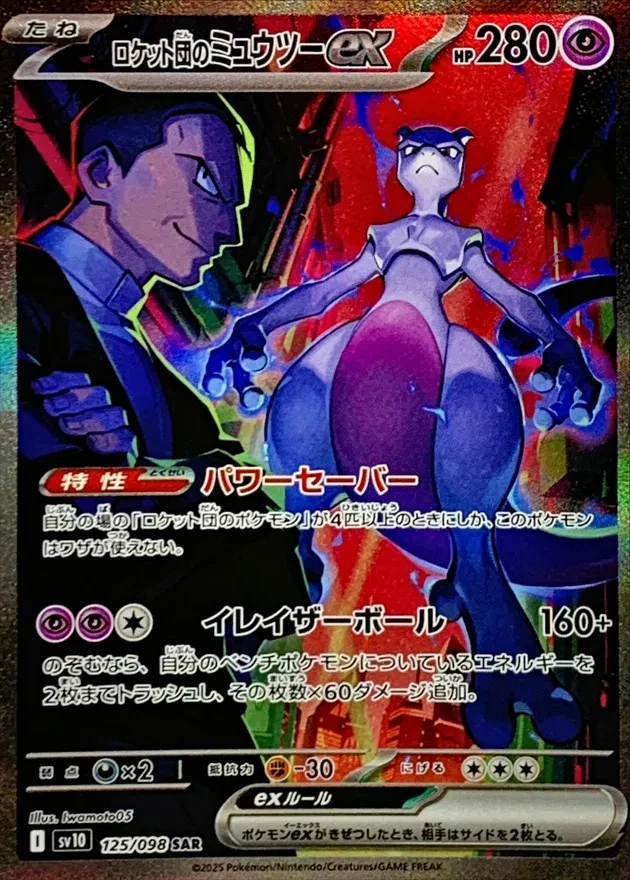
| SAR Special Art Rare | ~0.3–0.7 per box | Some boxes 0, some 1–2 |
| UR Ultra Rare | ~0.1–0.2 per box | Roughly 1 in 5–8 boxes |
| MUR Mega Ultra Rare | ~0.04–0.1 per box | Roughly 1 in 10–25 boxes (Mega sets only) |
Those numbers add up to the 150-card total, with the bulk of a box obviously being gameplay Commons and Uncommons. The chase rarities — AR and above — typically total 7–10 hit cards per box on a normal day. The floor is usually 1 SR + 2 AR + 5 RR even on your worst-luck boxes. The variance comes in the SAR/UR/MUR tier.
How Each Rarity Distributes Across Packs
Slot-level behavior matters because it determines how a specific pack looks when you open it — which is what most YouTube openers are actually showing you.
Commons and Uncommons — Every Pack
Every single pack contains Commons and Uncommons as gameplay filler. A typical pack opens with 3 Commons and 1 Uncommon; the fifth card is the variable slot where the hit (R, RR, AR, SR, SAR, UR, or MUR) lives. Commons and Uncommons are identical across packs within the same print run.
Rare (R) — Roughly 1 per Pack
R cards — single-star, holo-front, non-ex gameplay Pokémon — fill most of the “hit” slot. On average about 4 out of every 5 packs will give you an R, with the remaining packs upgrading to RR or higher. Over a 30-pack box, R count usually lands in the low-20s range.
RR (Double Rare) — Approximately 5 per Box
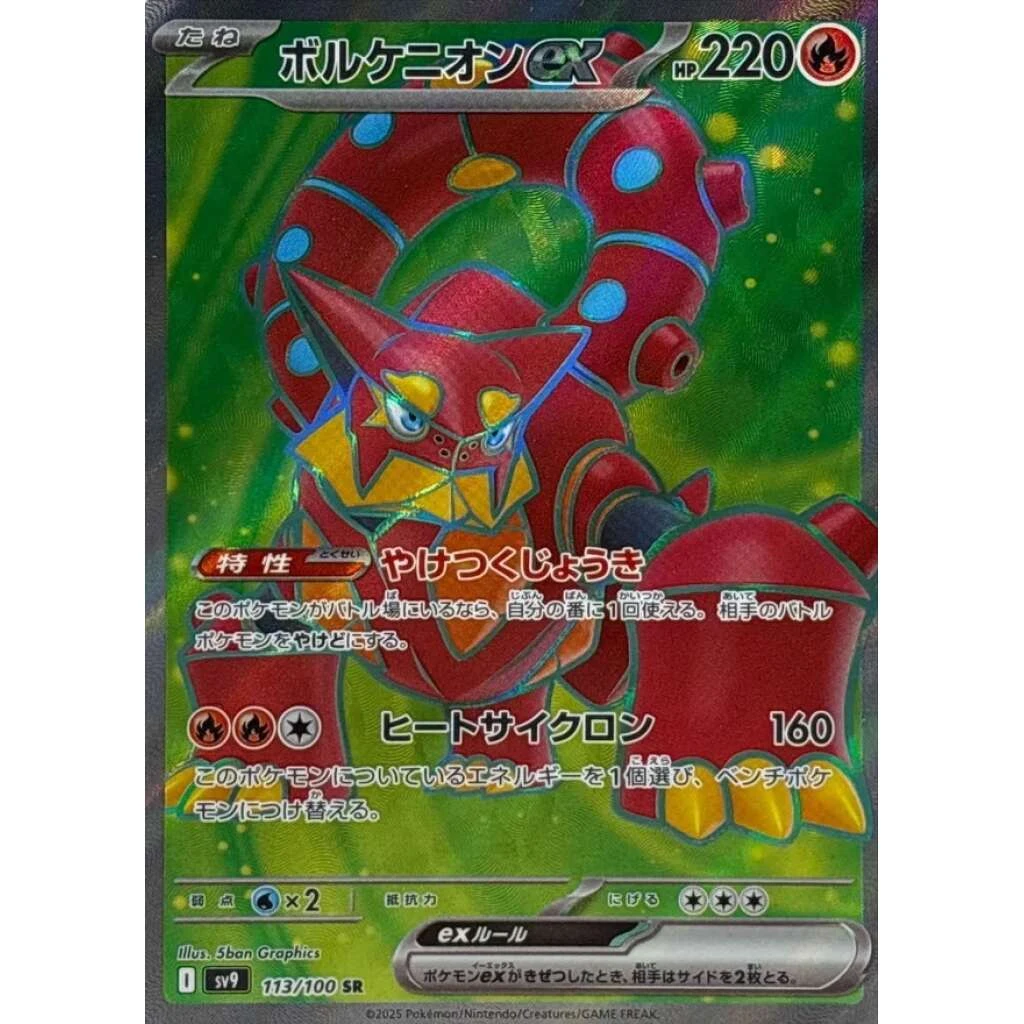
RR cards are the ex-Pokémon full-card-holo foundation tier. A typical 30-pack box lands 5 RR cards spread across different packs. These are your Pokémon ex and Tera Pokémon ex — the cards most tournament decks are built on. Value is usually $3–$30 per RR depending on meta relevance.
AR (Art Rare) — About 2 per Box
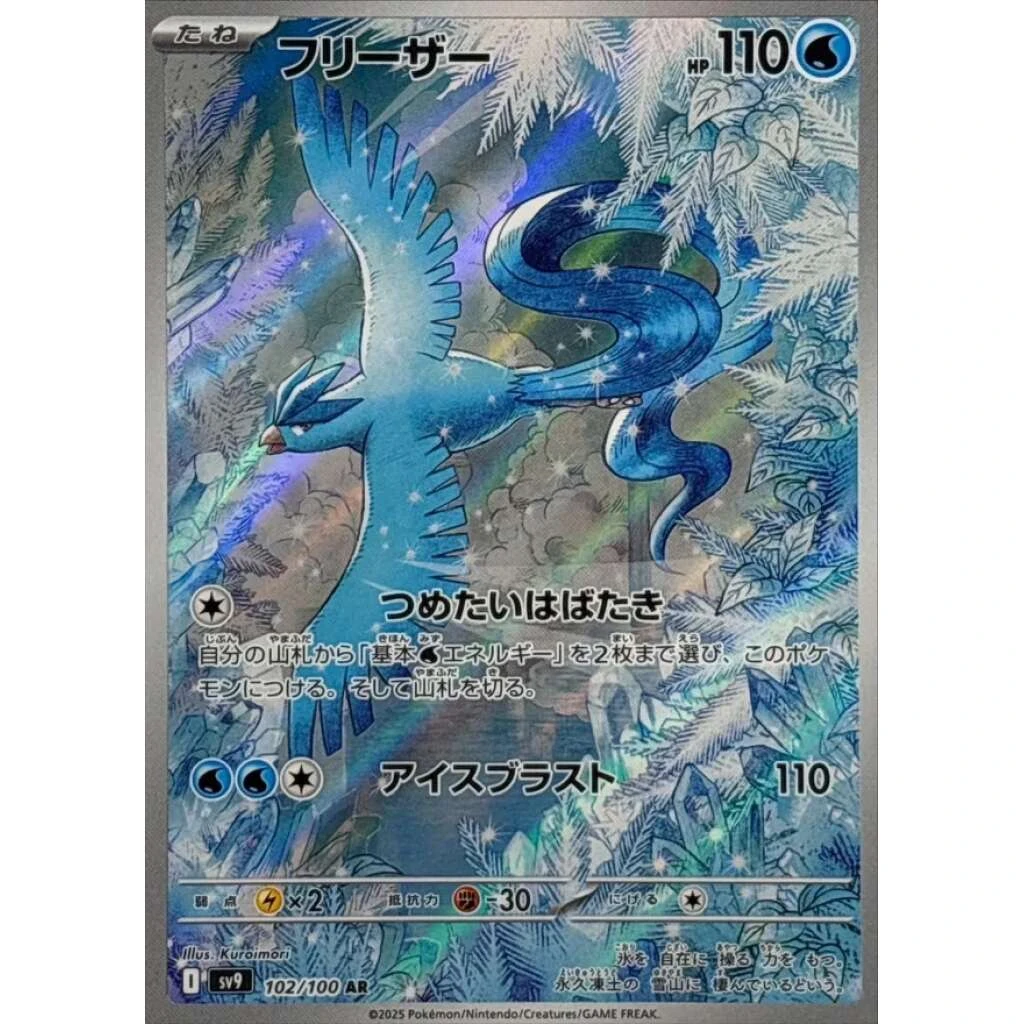
AR cards feature the iconic full-card illustrated-background art style introduced in Scarlet & Violet — Sowsow-style, Komiya-style, and other artist-signature pieces. Two AR cards per box is the modern standard across Scarlet & Violet sets, though some boxes pull 1 and some pull 3. The AR pool is usually 20–30 different cards per set, so collecting an AR-complete set from sealed takes ~10–15 boxes.
SR (Super Rare) — ~1 per Box Guaranteed, but Which Varies
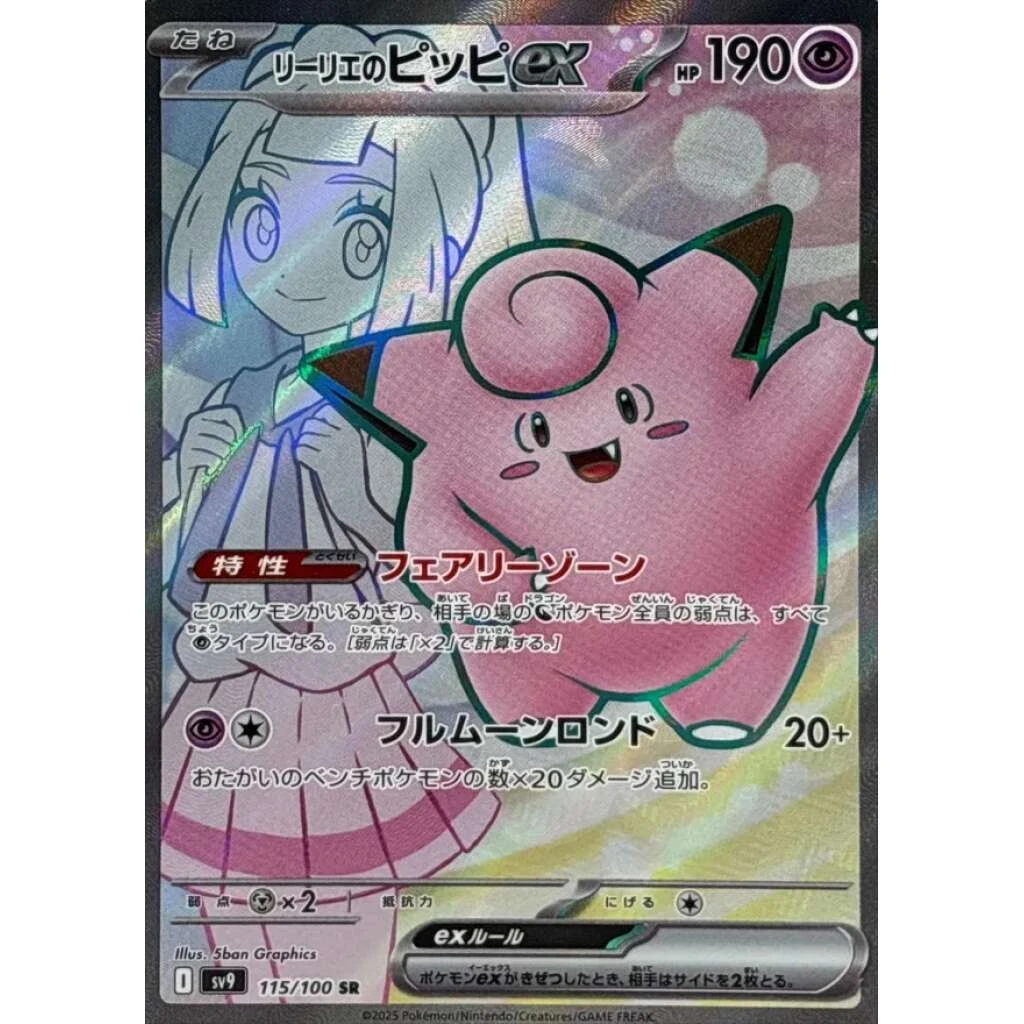
This one confuses a lot of new JP collectors. “One SR per box” is true as a floor — virtually every box opens at least one card in the SR or higher tier. But which SR you pull is random within the SR pool, and on some boxes, that SR slot is replaced by a higher rarity (SAR, UR, or MUR) on lucky boxes.
SAR (Special Art Rare) — 2–4 per Box Average, but Variance is Real
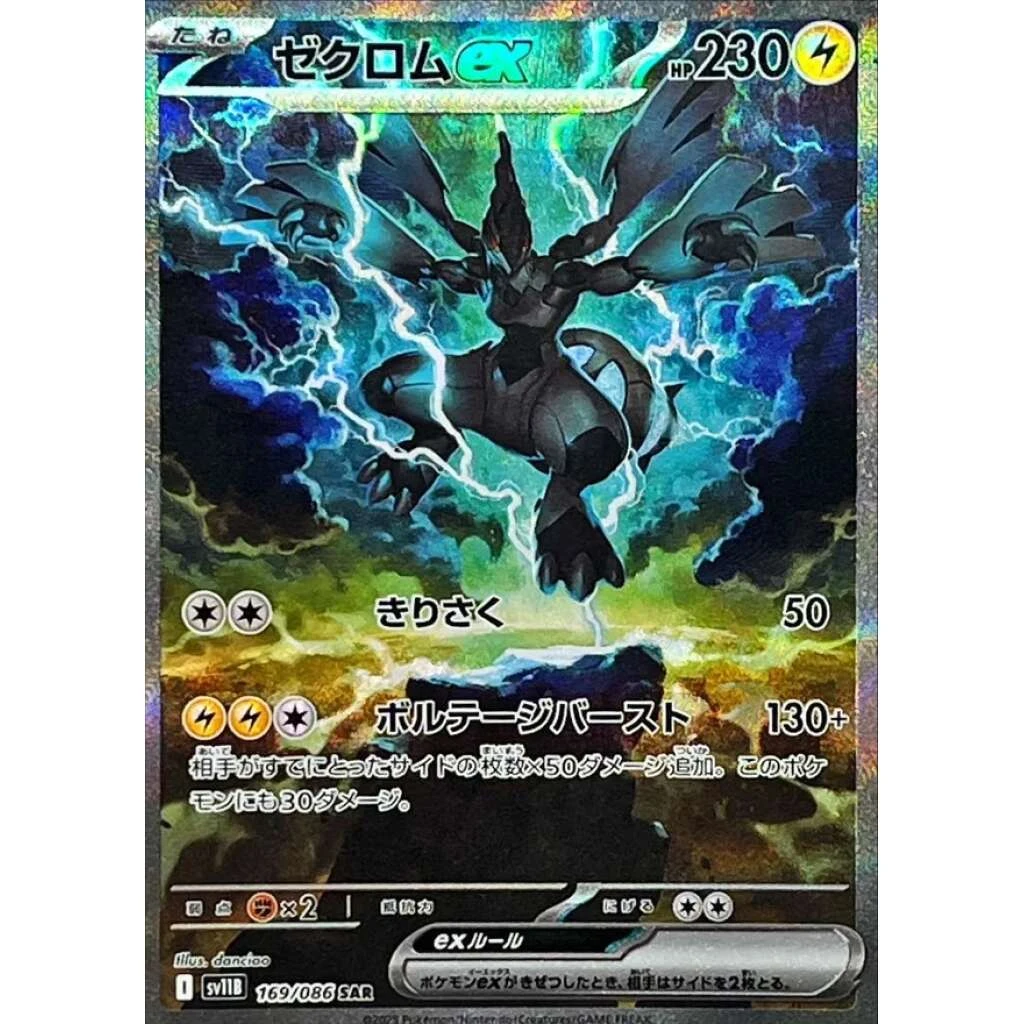
SAR cards (the gold-bordered alt-art chase pieces) are the most statistically interesting tier. Across dozens of boxes the long-run average is roughly 2–4 SARs per box — but on any individual box the distribution is wide: some boxes pull 0 or 1 SAR, others pull 4 or 5 SARs. This is why two identical boxes of the same set can feel completely different when opened.
If you open 10 boxes of a recent set like SV9 Battle Partners or M4 Mega Symphonia, you can expect roughly 25–35 SAR cards across them — but box-by-box anywhere from 0 to 6.
UR and MUR — Rare Tier, Estimated 1/5 to 1/25 Boxes

UR (Ultra Rare, full-gold-foil) and MUR (Mega Ultra Rare) are the deepest chase tiers. Based on opening data:
- UR: Estimated approximately 1 per 5–8 boxes. Some sets lean tighter (SV11 series), some looser.
- MUR: Introduced with the Mega series (M1 Mega Brave onward). Estimated approximately 1 per 10–25 boxes, with flagship Mega sets like M4 Mega Symphonia and the M1 Mega Brave release showing the higher end of scarcity.
MUR pull rates are still an evolving estimate because the rarity only debuted with the Mega era in 2026. Early opening data suggests the actual per-box odds may vary between sets.
Box Variance: Why Two Boxes Can Feel Completely Different
Say two collectors each open a fresh box of SV10 Heat Wave Arena (browse the SV10 card list for the full rarity checklist). One pulls an MUR, 4 SARs, and 2 ARs. The other pulls 1 SAR, 0 UR, and 3 ARs. Same set, same shrink, wildly different outcomes.
This is normal. The reason is that SAR/UR/MUR slots aren’t fixed “guaranteed” positions — they’re probabilistic upgrades on the R/RR/SR slot. Each pack rolls the hit slot, and most rolls come up R or RR, some RR or SR, and a small percentage upgrade to AR, SAR, UR, or MUR. The law of large numbers means that over 10+ boxes the distribution smooths out toward the average. Over a single box, it doesn’t.
If you care about specific chase cards, buy by the case (12 boxes) or buy singles. A single box gives you roughly a 30% chance of opening zero SARs of any specific card you want. A case brings that much closer to expected.
Dual-Hit Packs: The Japanese “God Pack” Concept
Japanese Pokemon boxes contain a small number of dual-hit packs — packs where two of the five cards are chase-tier instead of one. Community openers sometimes call these “god packs,” borrowing the term from other TCGs, though The Pokémon Company has never formally named the mechanic.
A typical box contains approximately 1 dual-hit pack, though some boxes have 0 and some have 2. Dual-hit packs are often where the SAR-plus-SAR or SR-plus-AR combos show up, and they’re the mechanic behind the “stacked pack” videos that circulate on YouTube. You can sometimes spot them by weight, though sellers who weight-sort boxes typically remove them from retail supply.
Box-mapping (using the position of hits to predict which packs contain them) used to be a consistent technique on older sets, but modern Japanese factory-sealed boxes have largely defeated static mapping — the distribution varies enough print-run to print-run that no single pattern holds reliably.
Recent Set Data Examples: SV9, SV10, M4
Concrete data points from recent Scarlet & Violet and Mega-era sets help anchor the abstract numbers above.
SV9 Battle Partners (January 2025)
SV9 introduced the “tag” mechanic with trainer-and-Pokemon combo SARs. Typical SV9 box yields across our observed sample: 2 AR, 1 SR, 0–2 SAR, and a UR hit in roughly 1 of every 6 boxes. The SV9 Battle Partners card list shows the full rarity structure with 30+ SAR cards in the set.
SV10 Heat Wave Arena (March 2025)
SV10 follows the same structural pull rates as SV9. The standout: the Lillie SAR and Mega Lucario ex SAR were the two chase cards driving box pricing. Typical box: 2 AR, 1 SR, 0–2 SAR, 1 UR in roughly 1 of every 6 boxes. See the SV10 Heat Wave Arena card list.
M4 Mega Symphonia (2026)
M4 is the Mega-era set that brought MUR into its highest-profile rotation. Our opening data suggests: 2 AR, 1 SR, 0–3 SAR, 1 UR in roughly 1 of every 6 boxes, and 1 MUR in roughly 1 of every 15–20 boxes. The M4 Mega Symphonia card list has the full chase lineup including the Mega Charizard X MUR and other headline pulls.
For the broader SV-era Scarlet & Violet rarity framework used across all these sets, our Japanese Pokemon card rarities explained guide covers what each letter code means and what the resulting cards look like.
Pull Rates vs. English Booster Boxes: Key Differences
A quick reference for collectors moving between ENG and JPN:
| Attribute | Japanese Box | English Box |
|---|---|---|
| Packs per box | 30 | 36 |
| Cards per pack | 5 | 10 |
| Cards per box | 150 | 360 |
| Guaranteed hit (ex / V / full-art) | ~1 SR+ per box floor | ~1 reverse-holo + 1 holo per pack |
| Gold / ultra rare equivalent | UR/MUR roughly 1 per 5–20 boxes | Hyper Rare roughly 1 per 2 boxes |
| Alt-art chase | SAR ~2–4 per box (gold border, unique art) | Special Illustration Rare, lower density |
The structural gap matters: because JPN packs are smaller (5 cards vs. 10), a single pack rip feels less card-dense than an ENG pack rip. But the hit-per-pack ratio in JPN is higher on average, so the box-level hit density ends up comparable when you normalize for total cards. JPN boxes also trade 15–40% above the corresponding ENG box in most cases, reflecting the premium print quality and earlier release timing.
Can You Predict Box Value? Basic EV Math
Expected value (EV) is the sum of each card’s probability times its singles-market price. For Japanese boxes the quick EV formula is:
EV ≈ (5 × average RR price) + (2 × average AR price) + (1 × average SR price) + (average SAR count × average SAR price) + (UR probability × average UR price) + (MUR probability × average MUR price)
Rule-of-thumb ballpark for a mid-cycle set like SV10 or SV11W (browse the SV11W Super Electric Breaker card list or SV11B Black Bolt card list for current chase lists):
- 5 RR × ~$5 average = ~$25
- 2 AR × ~$8 average = ~$16
- 1 SR × ~$25 average = ~$25
- ~0.5 SAR × ~$80 average = ~$40
- UR fraction (~0.15) × $120 = ~$18
- MUR fraction (~0.05) × $300 = ~$15 (Mega sets only)
That’s roughly $125–$140 in expected singles value per box for a typical SV-era release. Japanese boxes typically retail around that range on the secondary market, meaning raw EV and box price tend to sit close to each other — which is why collectors buy for the opening experience and the chance at outlier pulls rather than as a pure value play. Sets with genuinely high-demand chase cards (flagship High Class packs, late-cycle Mega sets) can run positive EV; most regular Booster sets hover near break-even.
For context on the classic chase-card sets that set the benchmark for modern pricing, the S4a Shiny Star V card list still shows what a high-EV Sword & Shield-era box looked like at its peak.
Where to Buy Sealed Japanese Booster Boxes
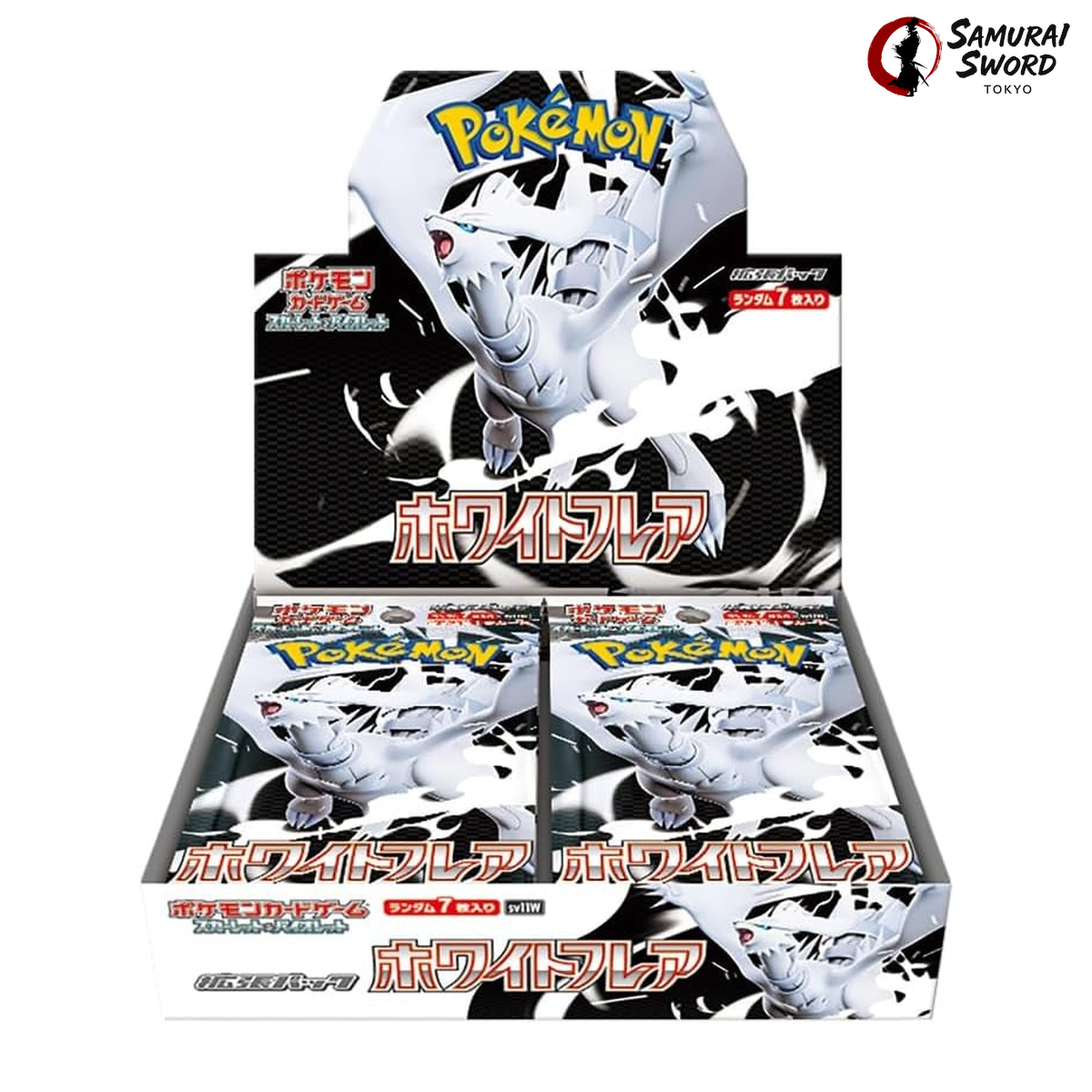
If you want to experience the pull rates yourself rather than buy singles, sealed boxes are the route:
- Current sets (SV-era, Mega-era): Browse the sealed Pokemon booster box collection for everything in stock.
- Japanese-language boxes only: The Japanese booster box collection filters to JPN-language sealed product.
- All sealed (JPN + bundles + High Class): Our full inventory includes cases, singles, and sealed across every category.
For collectors who want specific cards instead of opening chance, singles are nearly always cheaper per-card than pulling from sealed at the SAR and above tier. Sealed makes sense when you value the opening experience, want sealed-collection upside, or are building a set by quantity over specific chase cards.
Veelgestelde vragen
How many packs are in a Japanese Pokemon booster box?
Standard Japanese Pokemon booster boxes (Scarlet & Violet series and Mega series) contain 30 packs with 5 kaarten per pack, for a total of 150 cards per box. This differs from English booster boxes, which contain 36 packs with 10 kaarten per pack (360 cards total). Some special Japanese products like High Class packs use different formats — for example, S12a VSTAR Universe is 10 packs × 11 cards.
How many SAR cards come in a Japanese booster box?
On average, a Japanese booster box contains 2–4 SAR (Special Art Rare) cards, but box-to-box variance is significant. Some boxes pull 0–1 SARs, while lucky boxes can pull 4–5. Across 10+ boxes the average converges to approximately 2–4 per box. These figures are estimated based on opening data and are not officially confirmed by The Pokémon Company.
What is the UR pull rate in Japanese Pokemon boxes?
UR (Ultra Rare, full-gold) cards are estimated to pull approximately once every 5–8 booster boxes in current Scarlet & Violet-era sets. MUR (Mega Ultra Rare), the newer Mega-era rarity, is rarer — estimated approximately 1 per 10–25 boxes depending on the set. All figures are estimates based on community-aggregated opening data.
Are Japanese pull rates better than English pull rates?
Not better or worse — structurally different. Japanese boxes deliver fewer total cards per box (150 vs. 360) but concentrate hits into fewer slots. Per-card, Japanese boxes have a higher hit density. Per-box, English boxes yield more total holo cards simply because there are more packs. Japanese boxes also feature unique rarities (SAR, UR, MUR) that have no direct English equivalent, which is why Japanese boxes tend to trade at a 15–40% premium over equivalent English sets.
What is a dual-hit pack in Japanese Pokemon?
A dual-hit pack (sometimes called a “god pack” by community openers) is a pack where two of the five cards are chase-tier rarity instead of the usual one. Most Japanese booster boxes contain approximately one dual-hit pack on average, though some boxes have zero and some have two. The Pokémon Company has never officially named or confirmed the mechanic — it’s a pattern identified through community opening data.
Gekozen bij dit artikel
📩 Sale-alerts & coupons alleen voor leden
Sale-alerts, coupons en restock-berichten per e-mail, rechtstreeks uit Tokio.

![Super Electric Breaker (SV8) Pull Rates & Hit Rates — Best Cards & Box Value [2026]](https://samuraiswordtokyo.com/wp-content/uploads/blog-refresh/457/featured_1200x630_7d28b21a-be7a-4919-8190-f3944b75a801.webp)