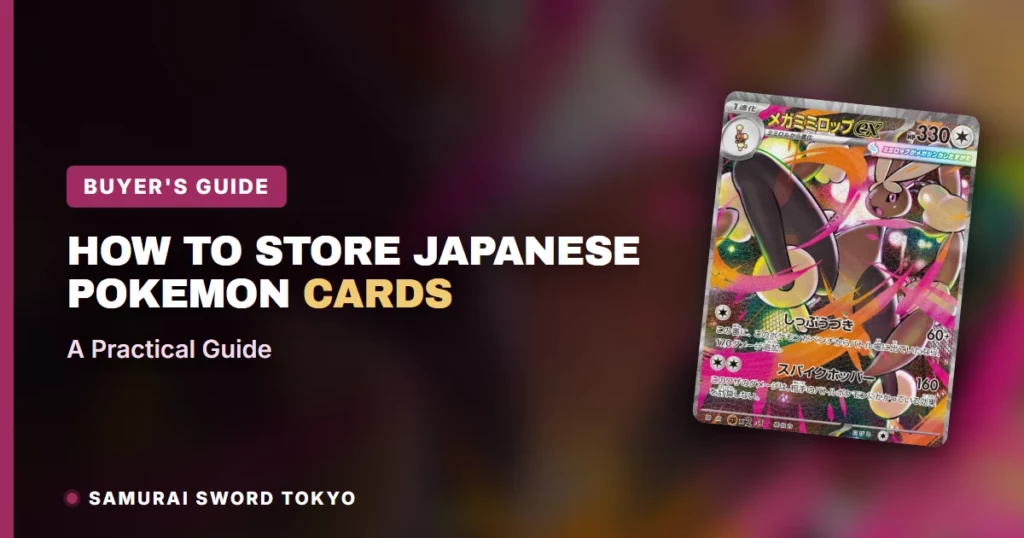
Short answer: raw Japanese Pokemon cards go into an inert sleeve and a rigid toploader or binder page, kept flat or upright out of direct sunlight and away from high humidity; PSA slabs get stored upright or flat — never stacked on edge under weight — in the same low-light, low-humidity conditions. The physical card itself is a standard 63mm × 88mm trading-card size, and a PSA holder is a fair bit bigger than the card it protects, which changes how much space you actually need to plan for.
This guide walks through both cases: what to do with raw Japanese singles and sealed product, and what changes once a card comes back from PSA in a graded holder. We ship PSA10 Japanese cards and sealed Japanese booster boxes out of Tokyo every week, so the examples below are drawn from stock that actually moves through this kind of storage and handling before it reaches a buyer.
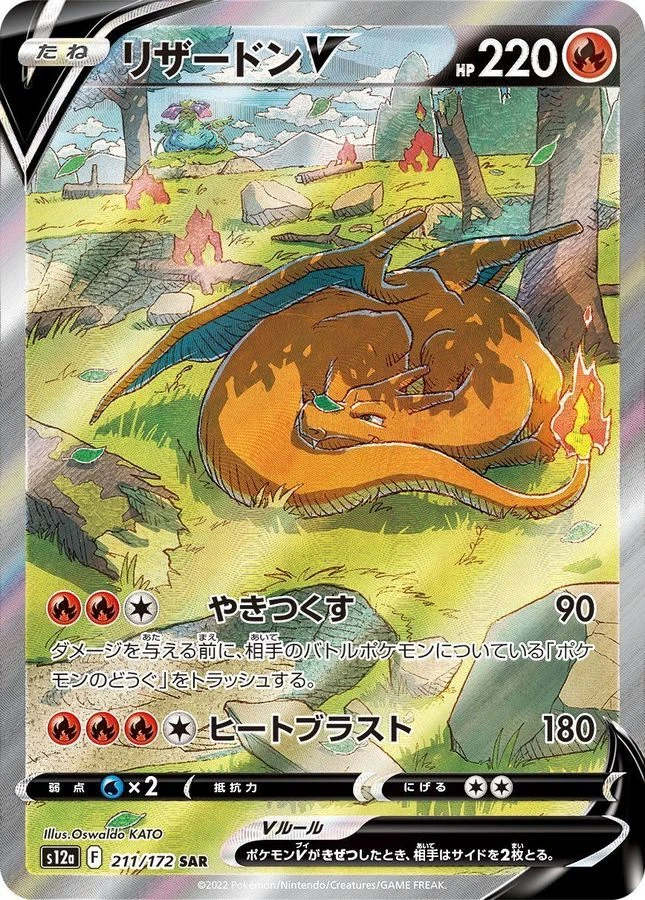
A Japanese Pokemon card measures 63mm × 88mm, the same as an English-language card, so standard sleeves and toploaders fit either. A PSA slab is commonly reported at roughly 81mm × 136mm × 6.5mm — noticeably larger than the card inside it, which matters for box and shelf planning. Keep both raw cards and slabs out of direct sunlight and high humidity. A PSA10 Charizard V 211/172 SAR is currently listed at ¥18,260 (~$115) (更新:目前售罄 — 可透過 Quick Order 申請補貨) and a sealed M2a Mega Dream ex Japanese Pokemon Booster Box is currently listed at ¥12,240 (~$77) (更新:目前售罄 — 可透過 Quick Order 申請補貨) — two examples used throughout this guide to illustrate raw-card, slab, and sealed-box storage side by side.
Yen figures below convert at ¥159/USD (September 2026). Product prices are our own listed prices at samuraiswordtokyo.com — check the linked listing for the current number before ordering.
Card Size and Material: What You’re Actually Protecting
A Japanese Pokemon card is 63mm × 88mm (2.5in × 3.5in) — identical to an English-language Pokemon card, and the same footprint shared across most trading card games. If you already have sleeves, toploaders, or binder pages sized for English cards, they fit Japanese cards without any adjustment.
The one commonly-reported difference is the card stock itself: Japanese card stock is often described by collectors as thinner and smoother than the English-language equivalent. That’s a widely repeated observation rather than a lab-measured spec, so treat it as a texture and handling note — it’s part of why a snug-fitting sleeve matters more with Japanese cards than a loose one, since thinner stock shifts and creases more easily inside an oversized sleeve.
Sleeves, Toploaders, and Binders for Raw Cards
For raw (ungraded) Japanese cards, the standard collector approach is a layered one: an inert penny sleeve against the card itself, then a rigid toploader or a binder page on top of that for anything you’re not sending for grading. None of this is an official Pokemon Company storage rulebook — there isn’t one — it’s standard practice across the trading card hobby, and it applies the same way to Japanese cards as it does to any other 63mm × 88mm card.
A few practical points worth being specific about:
- Sleeve first, always. A bare card directly inside a toploader or a binder pocket picks up scuffs from repeated insertion and removal. The sleeve is the sacrificial layer.
- Match the sleeve to the card, not to habit. A sleeve that’s too loose lets the card shift and the corners catch on the sleeve seam; too tight and you risk bending a corner on insertion. Given the thinner stock noted above, a snug standard-size sleeve is the safer default for Japanese cards.
- Toploaders for anything valuable or destined for grading. Corners and edges are exactly what a rigid toploader protects, and corners and edges are exactly what grading companies look at first.
- Binder pages for cards you handle often. A nine-pocket binder page is more practical than a stack of toploaders if you’re regularly flipping through cards, provided the binder itself is stored the way the next section describes.
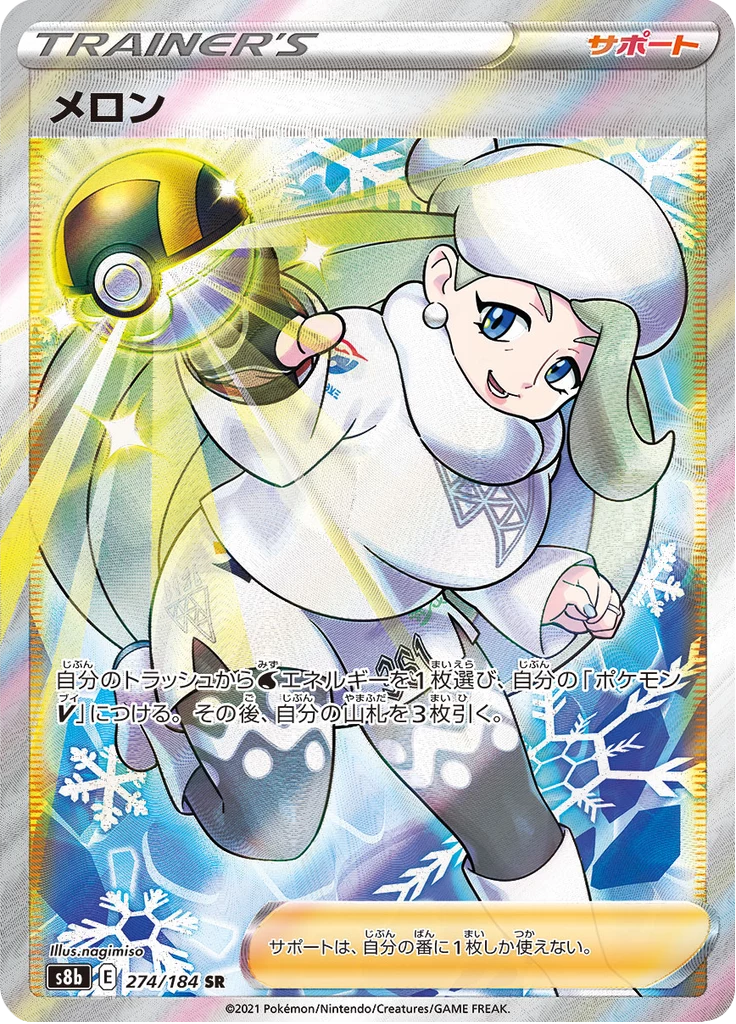
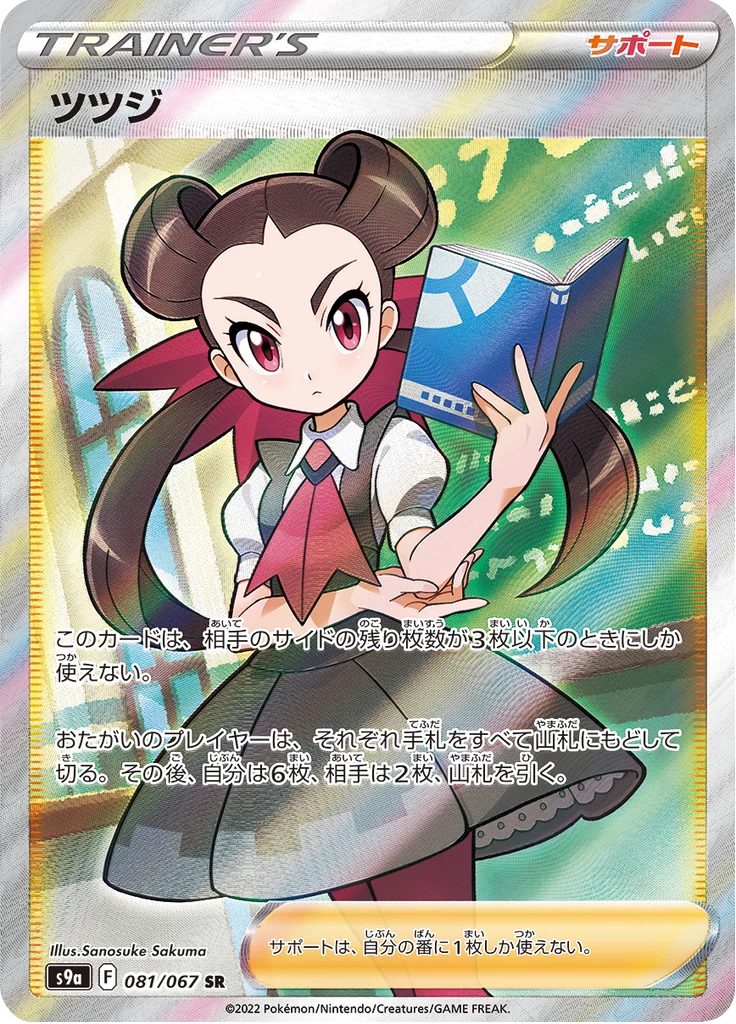
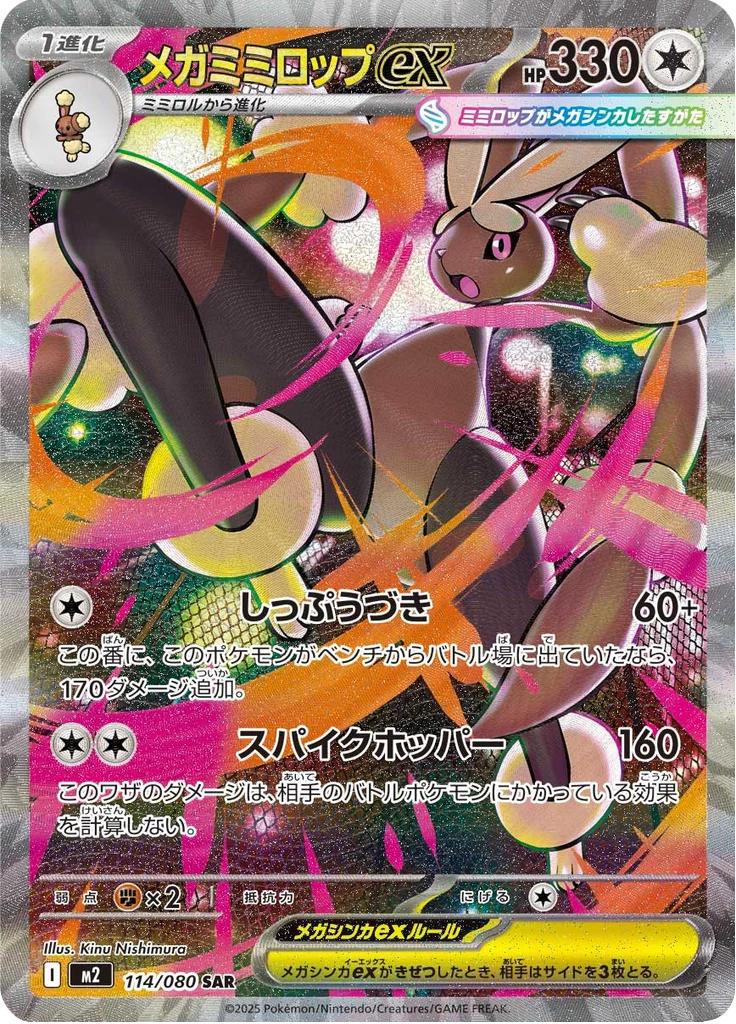
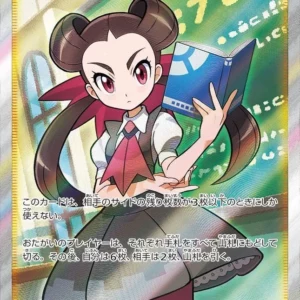
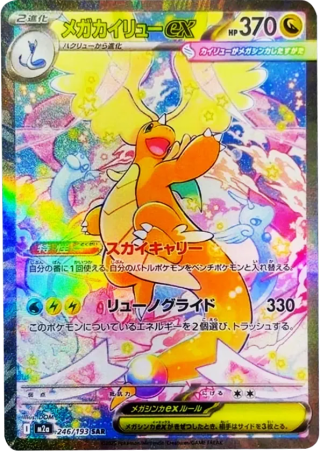
Both of the raw prints above are the kind of card worth sleeving and toploading before submission — a full-art rarity where a corner ding or a surface scratch picked up from loose handling is the difference between a Gem Mint result and a lower grade.
If a card is going to PSA, don’t touch the surface with bare fingers and don’t force it into an undersized sleeve. Our PSA 10 grading guide covers exactly what centering, corners, edges, and surface need to look like before submission — worth reading before you sleeve anything you plan to send in.
Storing PSA Slabs: Dimensions and Handling
Once a card comes back from PSA, it’s sealed inside a hard plastic holder — a “slab” — and the storage problem changes shape entirely. A standard PSA holder is commonly reported at roughly 81mm × 136mm × 6.5mm (about 3.25in × 5.35in × 0.25in). That’s not an official PSA-published spec sheet figure; it’s the size widely cited by collectors and slab-case sellers, and it’s consistent enough to plan storage around. Oversized or multi-card submissions come back in larger custom holders, so don’t assume every slab in a collection is the same size.
Two handling rules matter more for slabs than for raw cards:
- Store upright or flat — not on edge under weight. A slab standing on its short edge with other slabs pressing against it can crack under sustained pressure. Upright in a slotted box or flat in a stackable case are both fine; edge-under-weight is the one to avoid.
- The slab protects the card from direct handling and contact, not from light, heat, or humidity. A holder still needs the same environmental precautions as a raw card — see the next section.
We’re not duplicating the grading scale itself here — what “PSA 10 / Gem Mint” actually requires on centering, corners, edges, and surface is covered in full in our PSA 10 meaning guide. If you’re comparing PSA against other companies before deciding where to submit, our CGC vs PSA guide and broader Japanese card grading guide cover the wider landscape.
Environment Control: Light, Heat, and Humidity
The same three environmental factors matter whether a card is raw, sleeved, or sealed inside a PSA slab:
| Factor | Why it matters | Practical guidance |
|---|---|---|
| Direct sunlight / UV | Fades foil and ink over time | Keep cards and slabs out of direct light; a closed box or cabinet beats an open shelf under a window |
| High humidity | Warps card stock and can affect adhesives on sleeves or binder pages | Store in a stable, dry room rather than a garage, basement, or anywhere with swings in moisture |
| Heat / temperature swings | Accelerates material breakdown and can soften plastic holders over time | A normal indoor room temperature is fine; avoid attics, cars, and anywhere near direct heating |
None of this comes from an official Pokemon Company storage document — there isn’t a published one — but it’s standard practice across the trading card collecting community, and it’s the same logic that applies to any paper-and-foil collectible. Sunlight and humidity are the two factors that do irreversible damage; a slotted box in a closet or cabinet handles both at once.
Storing Sealed Booster Boxes and Other Sealed Product
Sealed product follows the same environmental rules as individual cards — out of direct sunlight, away from high humidity and heat — with one addition: the shrink wrap itself is part of what you’re protecting. Shrink wrap alone does not prove that a box has never been opened, resealed, or tampered with, but avoiding crushing and abrasion helps keep both the box and its packaging in their present condition.
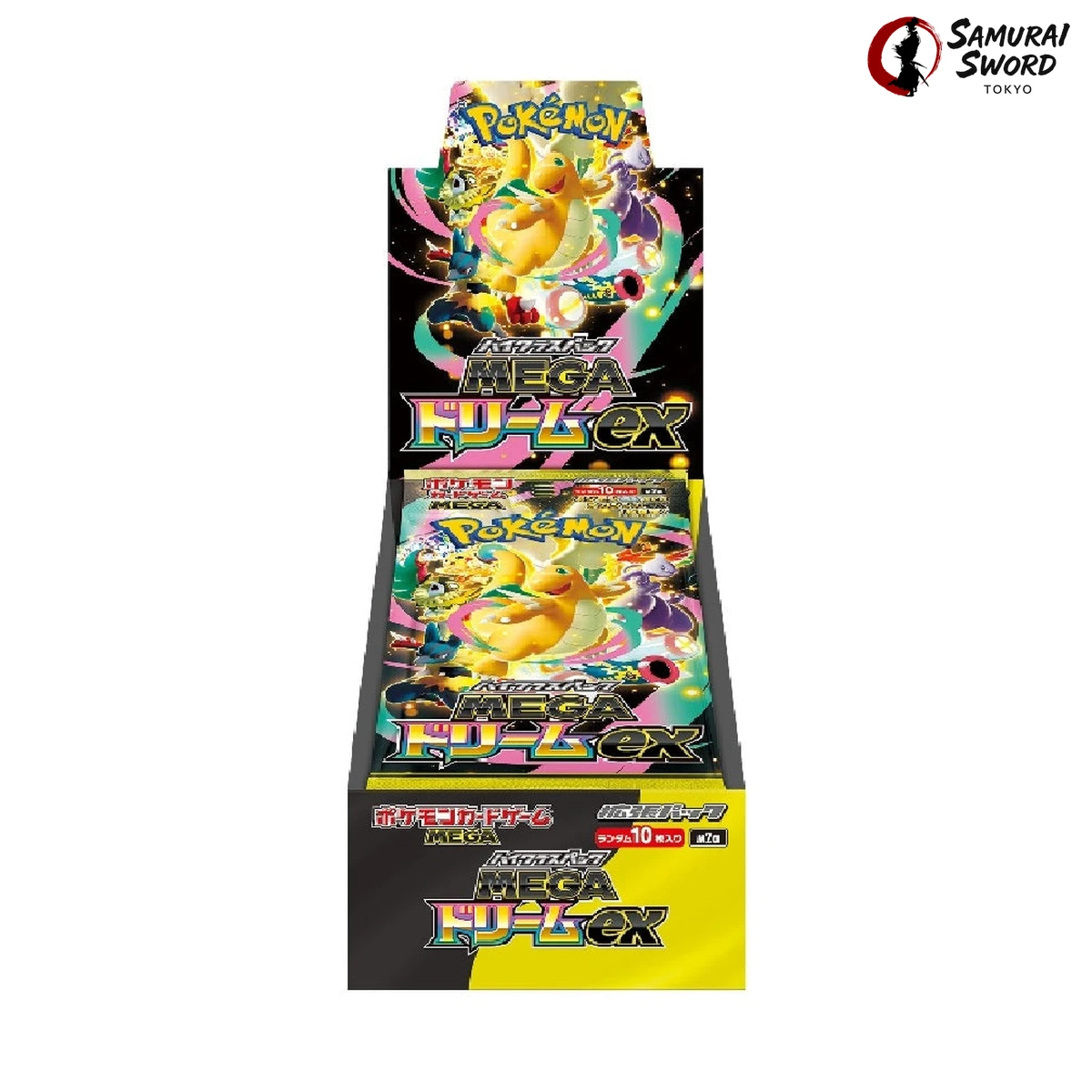
If you’re checking whether a box’s shrink wrap is original or has been tampered with before you decide how to store (or resell) it, our Japanese booster box shrink-wrap guide covers that in detail and is a useful companion to this one.
Display Storage vs Long-Term Storage
Whether you’re storing a raw card, a slab, or a sealed box, it’s worth separating two different goals, because they call for different setups:
- Display storage means the card or slab is somewhere you’ll see and handle it regularly — a magnetic case, a binder page, or a slab upright on a shelf. Prioritise a spot away from direct sunlight even if it means a slightly less prominent shelf position; a display case in a sunbeam is the single most common way collectors accidentally fade a card over months.
- Long-term storage means the card, slab, or sealed box is going into a box or cabinet for months or years without regular handling. Here, stability matters more than visibility: a closed, dry, temperature-stable space, cards and slabs upright or flat rather than on edge under weight, and sealed product stored the same way rather than stacked several boxes deep.
A useful habit either way: check on stored cards, slabs, and sealed product periodically rather than sealing them away and forgetting them. Catching an environment problem — a damp spot, a sunlit corner that shifted with the seasons — early is the difference between a minor fix and permanent damage.
Where to Buy PSA10 Cards and Sealed Product from Tokyo
If you’re building a collection worth storing properly, we ship graded PSA10 Japanese cards and sealed Japanese booster boxes out of Tokyo with tracked delivery. A few examples currently on our site, spanning the raw-sleeve, slab, and sealed-box cases covered above:
- PSA10 Charizard V 211/172 SAR is currently listed at ¥18,260 (~$115) (更新:目前售罄 — 可透過 Quick Order 申請補貨)
- PSA10 Mega Lopunny ex 114/080 SAR is currently listed at ¥7,502 (~$47) (更新:目前售罄 — 可透過 Quick Order 申請補貨)
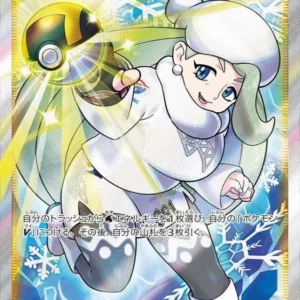
- PSA10 Melony 274/184 SR is currently listed at ¥7,920 (~$50)
- PSA10 Roxanne SR (S9a 081/067) is currently listed at ¥8,796 (~$55)
- M2a Mega Dream ex Japanese Pokemon Booster Box (sealed) is currently listed at ¥12,240 (~$77) (更新:目前售罄 — 可透過 Quick Order 申請補貨)
Browse the full graded selection in our PSA10 graded card collection, or see our broader guide to buying Japanese Pokemon cards online if you’re comparing sources before you order. For a specific card or set not shown above, our Quick Order page is the fastest way to ask.
View Product → (更新:目前售罄 — 可透過 Quick Order 申請補貨)
常見問題
What size are Japanese Pokemon cards?
63mm × 88mm (2.5in × 3.5in) — identical to English-language Pokemon cards and the standard trading card size, so ordinary sleeves, toploaders, and binder pages fit either.
How big is a PSA graded card holder?
A standard PSA slab is commonly reported at roughly 81mm × 136mm × 6.5mm (about 3.25in × 5.35in × 0.25in). This is a widely-cited figure rather than an official PSA-published spec, and oversized or multi-card submissions come back in larger custom holders.
Should PSA slabs be stored flat or upright?
Either is fine. What to avoid is storing a slab on its short edge under the weight of other slabs pressing against it, which risks cracking the holder over time.
Does sunlight actually damage Pokemon cards?
Direct sunlight and UV exposure fade foil and ink over time. This is standard trading-card-collector practice rather than an official Pokemon Company recommendation, but keeping cards and slabs out of direct light and stable, dry conditions is the accepted way to prevent it.
Is Japanese card stock different from English card stock?
Collectors commonly describe Japanese card stock as thinner and smoother than English-language card stock. This is a widely-repeated observation rather than an independently lab-verified spec, but it’s a reason to use a snug, correctly-sized sleeve rather than a loose one.
How should I store a sealed Japanese booster box?
The same way as raw cards and slabs — out of direct sunlight, away from high humidity and heat, stored flat or upright rather than crushed under other boxes. Protect the shrink wrap from crushing and abrasion, but do not treat the wrap alone as proof that a box has never been opened or resealed.
依配送國家/地區提供免運費與運費折扣
- 每個配送國家/地區都有各自的門檻金額與優惠券代碼。
- 每筆已付款的活動訂單都會為您的帳戶解鎖下一階。
- 請登入,或在結帳時選擇「Create account: Yes」,即可使用活動代碼。
優惠券代碼、最低訂單金額與運費優惠均取決於您的配送國家/地區 — 請開啟活動頁面查看適用於您的條款。 最低金額僅按商品小計計算:運費、稅費及其他折扣均不計入。 活動於日本時間 September 10, 2026 23:59(September 10, 2026 14:59 UTC)結束,屆時優惠碼將停止生效。 優惠券不適用於預購商品。請加入有貨商品後再使用優惠券。 進口關稅、稅費及清關費用不含在價格內,將於派送時收取;我們以完稅方式出貨的目的地除外。
為本文精選
📩 會員專屬折扣與優惠券
促銷提醒、優惠券、補貨通知,郵件直達,來自東京。