Konami builds an anti-counterfeit feature directly into the card itself — a holographic foil stamp carrying the Eye of Anubis logo, printed into almost every OCG and TCG card since Series 2. That single detail, plus a handful of other documented checks, is enough to catch the vast majority of fake Yu-Gi-Oh cards without any special equipment.
This guide covers exactly what those checks are, in the specific context of Japanese OCG product — and just as importantly, what to skip. A lot of “how to spot a fake Yu-Gi-Oh card” advice online repeats tests that were never documented anywhere (flashlight tricks, bend tests) or applies TCG-only rules (the 1st Edition gold-foil check) to Japanese cards that were never printed with that distinction in the first place. We’re sticking only to features that are actually documented by Yugipedia, the OCG rarity system, and established counterfeit-identification writeups.
We import sealed Japanese OCG booster boxes and cartons out of Tokyo, which sidesteps most of this problem in a different way: you’re not authenticating a loose single from an unknown reseller, you’re opening a factory-sealed pack. More on that angle further down — first, the checks themselves.
The fastest check is the security foil — a holographic Eye of Anubis stamp printed (never a sticker) at the bottom-right of almost every card since Series 2. Absence alone isn’t proof of a fake on 1999 Series-1 cards, which legitimately shipped without it. The single strongest method for a Japanese card is cross-checking its set code and rarity against Konami’s own official card database. And note: the TCG’s gold-vs-silver 1st Edition foil test does not apply to OCG cards, which never carried 1st Edition text at all.
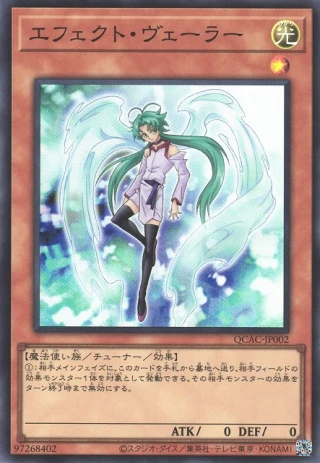
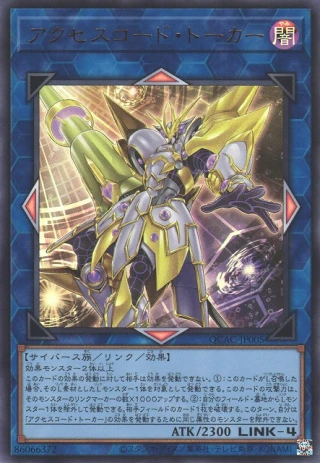
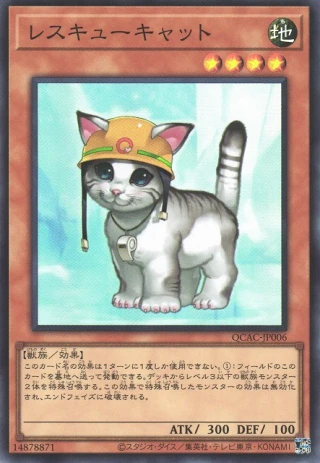
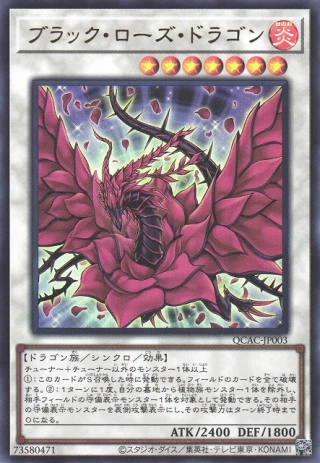
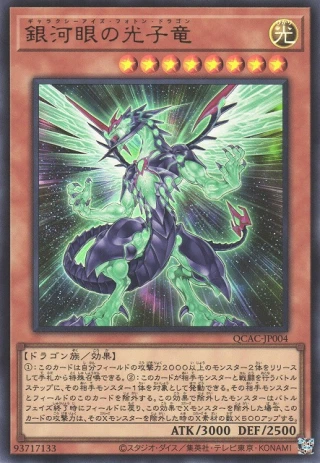
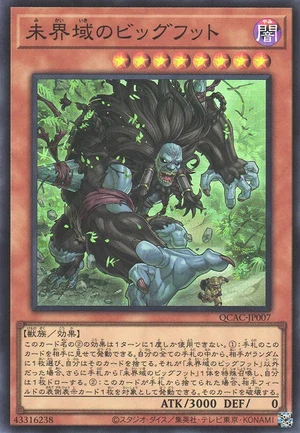
Every check in this guide is drawn from Yugipedia’s documentation of the security foil and card-rarity system, plus established counterfeit-identification writeups — sourced and cross-checked as of August 2026. Card images below are genuine Quarter Century Art Collection (QCAC) singles, used here as reference examples of official OCG print quality.
The Security Foil: Your Fastest Check
Officially called the security foil — and commonly nicknamed the “Eye of Anubis Hologram” — this is a small holographic square printed at the bottom-right of the card front on almost every OCG and TCG card released from Series 2 onward. It contains the Eye of Anubis logo alongside the words “Yu-Gi-Oh!”
The most important thing to know about it: it’s printed onto the card, not a sticker. If the foil square can be peeled away from the card surface, you’re holding a counterfeit. Under magnification, a genuine foil stamp keeps clean, sharp lines. Fakes tend to break down into pixelation, jagged edges, or fuzzy blobs where the printing process couldn’t replicate the same resolution.
There’s one documented exception worth knowing if you collect older cards: some very early OCG prints from the Series 1 / Starter Box era of 1999 legitimately shipped with no hologram at all. On those specific early sets, absence of the security foil by itself isn’t proof of a fake — it’s expected. On anything printed from Series 2 onward, a missing or peelable foil square is a red flag.
The “1st Edition = gold foil name, Unlimited = silver foil name” test that shows up in a lot of fake-spotting guides is a TCG-only rule. OCG cards were never printed with 1st Edition text at all, so that specific check simply doesn’t apply here — for a Japanese OCG card, judge the security foil on presence, print quality, and whether it’s printed rather than stuck on, not on foil color.
Card Stock and Feel
Authentic Yu-Gi-Oh cards use layered cardstock that feels firm yet flexible in the hand. Counterfeits frequently get this wrong in one of three directions: they feel too stiff, too thin, or unusually glossy compared to a genuine card from the same set. Flex a suspect card gently and watch for stress marks — a card that creases or shows white stress lines where a genuine card wouldn’t is a documented tell.
This test is subjective on its own — it works best when you have a card you already know is genuine to compare against directly. Treat it as a supporting check rather than a standalone verdict, and pair it with the print and set-code checks below.
Print and Typography Tells
Official Yu-Gi-Oh cards follow strict formatting standards for text, symbols, and layout. Counterfeits reliably slip up on the details that are tedious to replicate exactly:
- Spelling and wording errors in the card text — official cards go through Konami’s editorial process, and mismatched or slightly-off wording is a documented giveaway.
- Wrong fonts, or level stars and other symbols that are noticeably too thin, too bold, or misaligned within their space on the card.
- Star-shaped sparkle patterns in the foil — this specific pattern is a documented tell for counterfeit product, distinct from how genuine foil catches light.
- Flat, dull, or wrong-colored holography anywhere on the card, including outside the security foil square itself.
None of these tells require a magnifying glass to be useful — most show up under a normal close look, especially once you’ve seen a couple of genuine cards from the same print era to compare typography against.
Set Code Cross-Check: The Strongest Method
Every authentic Yu-Gi-Oh card carries a set code and rarity combination that matches official release data exactly. Counterfeits frequently invent codes outright, or pair a real set code with a rarity that set never actually printed — an impossible combination that’s easy to catch once you know to look.
For Japanese cards specifically, this is the single strongest check available, because it doesn’t depend on judging print quality by eye. Take the card’s set code and rarity and cross-reference them against Konami’s official card database, db.yugioh-card.com (遊戯王ニューロン) — every genuine OCG printing and rarity variant is listed there. If the combination on your card doesn’t exist in the database, the card is not authentic.
For a broader, community-maintained overview of counterfeit traits beyond what’s covered here, Yugipedia’s Counterfeit page is a reasonable starting reference — treat it as background reading rather than a replacement for the official database check.
Quick Reference: All Four Checks in One Table
No single check is conclusive on its own — combining two or more of these is the reliable way to call a card genuine or fake.
| Check | Genuine | Fake |
|---|---|---|
| Security foil | Printed into the card surface; clean lines under magnification; present on Series 2+ cards (Series 1, 1999 cards legitimately have none) | Can be peeled off like a sticker; pixelated or jagged under magnification |
| Card stock | Firm but flexible layered cardstock | Too stiff, too thin, or overly glossy; shows stress marks when flexed |
| Print / typography | Correct spelling, fonts, and symbol weight and alignment | Spelling errors, wrong fonts, misaligned symbols, star-shaped foil sparkle, flat or wrong-colored holo |
| Set code / rarity | Combination exists in Konami’s official card database | Invented code, or a real code paired with a rarity that set never printed |
If a card fails the set-code cross-check, that’s the most conclusive result of the four — it doesn’t require comparing print quality by eye, just confirming the combination actually exists.
Why Sealed Japanese OCG Product Lowers Your Risk
All four checks above are for authenticating an individual card in hand — which usually means a loose single that’s already changed hands one or more times before it reaches you. That resale chain is where most counterfeit risk concentrates.
Buying sealed Japanese OCG booster boxes and cartons sidesteps that chain in a specific, factual way: you’re not evaluating a card that’s passed through an unknown number of resellers, you’re opening packs from a factory-sealed box. That doesn’t mean every counterfeit risk disappears — it means the checks above become tools for spotting print or packaging tampering rather than authenticating a card with no history at all.
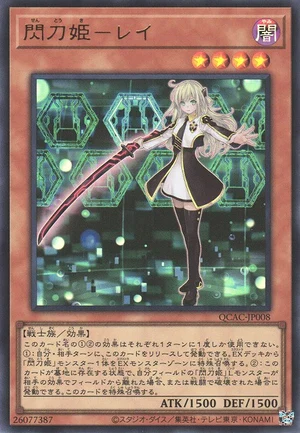
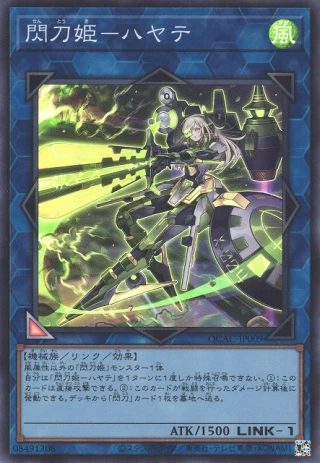
Our QCAC-Quarter Century Art Collection booster box is recently listed at ¥5,775 (~$39) and currently out of stock — restock requests go through 快速訂購. Buyers looking to open in volume can also check the QCAC booster box carton (update: currently sold out — restock requests via Quick Order).
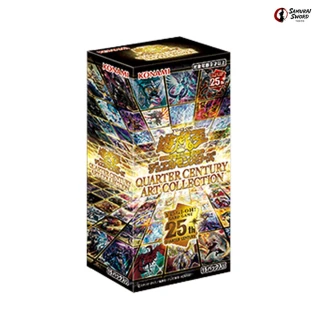
Where to Buy Japanese Yu-Gi-Oh Product from Japan
We ship sealed Japanese OCG booster boxes and cartons worldwide from Tokyo with tracked delivery. Beyond the QCAC and LOCR product above, current options include the BLZD-Blazing Dominion booster box, the CORI-Chaos Origins booster box (update: currently sold out — restock requests via Quick Order), and the LOCR booster box carton (update: currently sold out — restock requests via Quick Order) for buyers who want to open in bulk.
For a mixed order across sealed product and singles, or to request a restock on an out-of-stock box, our Quick Order page is the fastest route. If you’re weighing which Japanese product to buy in the first place, our Japanese Yu-Gi-Oh cards buying guide is a good starting point, and if you’re curious what the rarest Yu-Gi-Oh cards in the world actually sold for, see our most expensive Yu-Gi-Oh cards guide. For a specific chase card with a documented printing history, our Ancient Fairy Dragon card guide covers every OCG and TCG printing. And if you collect both franchises, our companion piece on how to spot fake Japanese Pokemon cards covers the equivalent checks for that side of the hobby.
常見問題
What is the security foil on Yu-Gi-Oh cards?
A holographic foil square printed at the bottom-right of the card front on almost every OCG and TCG card from Series 2 onward, containing the Eye of Anubis logo and the words “Yu-Gi-Oh!” It’s printed into the card, not a sticker — if it can be peeled off, the card is counterfeit.
Do all genuine Yu-Gi-Oh cards have the security foil?
Almost all, but not every card. Some very early OCG prints from the Series 1 / Starter Box era of 1999 legitimately shipped without a hologram. On those specific early cards, absence alone isn’t proof of a fake. On anything from Series 2 onward, a missing or peelable foil square is a red flag.
What is the most reliable way to check a Japanese Yu-Gi-Oh card’s authenticity?
Cross-checking the card’s set code and rarity against Konami’s official card database at db.yugioh-card.com. Every genuine OCG printing and rarity variant is listed there; if the combination on your card doesn’t exist in the database, the card is not authentic.
Should I use the 1st Edition gold-foil test on Japanese OCG cards?
No. The gold-name-foil-for-1st-Edition, silver-for-Unlimited rule is specific to the TCG. OCG cards were never printed with 1st Edition text, so that particular test doesn’t apply — judge Japanese cards on the security foil’s presence and print quality instead.
Does buying sealed product reduce the risk of getting a fake card?
Buying sealed Japanese OCG booster boxes and cartons means you’re opening factory-sealed packs rather than evaluating a loose single that has already passed through an unknown number of resellers, which is where most counterfeit risk concentrates. It doesn’t remove the need for the checks in this guide, but it removes the resale-chain risk that affects individual card purchases.
為本文精選
📩 Get member-only sale alerts & coupons
Sale alerts, coupons and restock notices by email — straight from Tokyo.