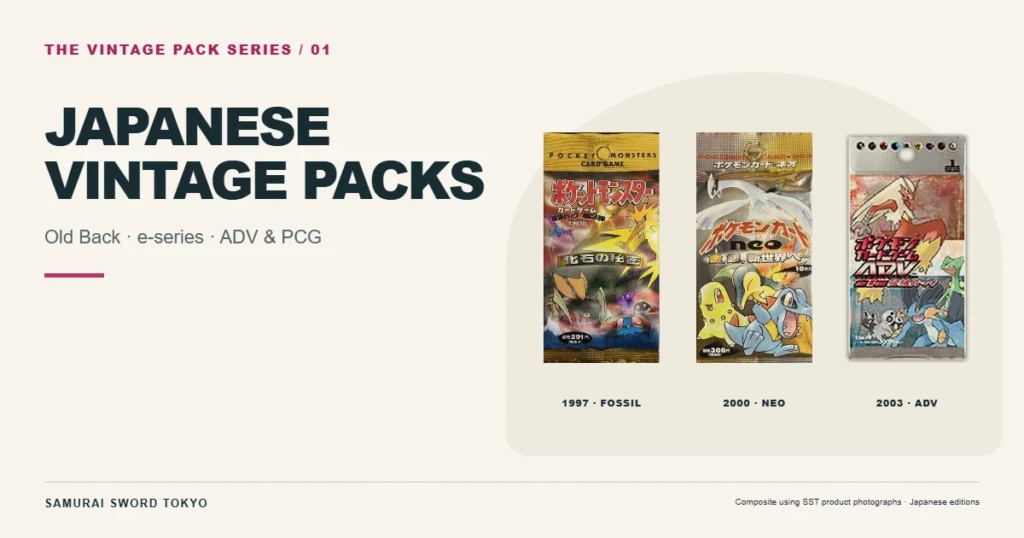
Choose a Japanese vintage Pokemon booster pack by the release you want to own, its exact wrapper, and whether you intend to keep it sealed. A 1996 擴充包, a 2002 e-series pack, and a 2004 PCG pack belong to different collecting projects. An English set name helps you find the right family, but it does not make the Japanese pack identical to its English counterpart.
This guide covers sealed loose packs from 1996–2004: individual unopened boosters, rather than booster boxes, empty wrappers, or graded singles. Start with the Japanese vintage pack collection, then use the route table below to narrow your search. The 25 recently listed products discussed here are an inspected selection from that collection, not its complete contents.
For a first sealed display piece, choose the era and wrapper you enjoy looking at. For a specific card, establish its exact Japanese set before considering a pack. For a historical collection, define the sequence first: one pack per set, wrapper variants, or one representative from each era.
Product specifications and market-source review: September 28, 2026. Product links lead to current details and availability. Photographs illustrate listed products; they do not establish the condition or contents of every individual unit.
1. Choose Your Japanese Vintage Pokemon Booster Pack
A useful vintage collection has a rule you can explain in one sentence. That might be “the first four Japanese expansions,” “one wrapper from each generation I played,” or “the Japanese releases behind Skyridge.” Each rule produces a different shortlist. Starting with an undefined search for the best vintage pack makes unrelated products look interchangeable and encourages decisions based on whichever listing happens to appear first.
Start with the object you want to display
For a sealed collector, the wrapper is a major part of the purchase. Its artwork, title, proportions, and place in a release sequence remain visible while the cards remain unknown. Think about the finished display: a matching run of sets, a pair of wrapper formats, or a single pack beside a card from the same release. None requires owning the most expensive item in the category.
| Your collecting goal | Start with | Decision that matters |
|---|---|---|
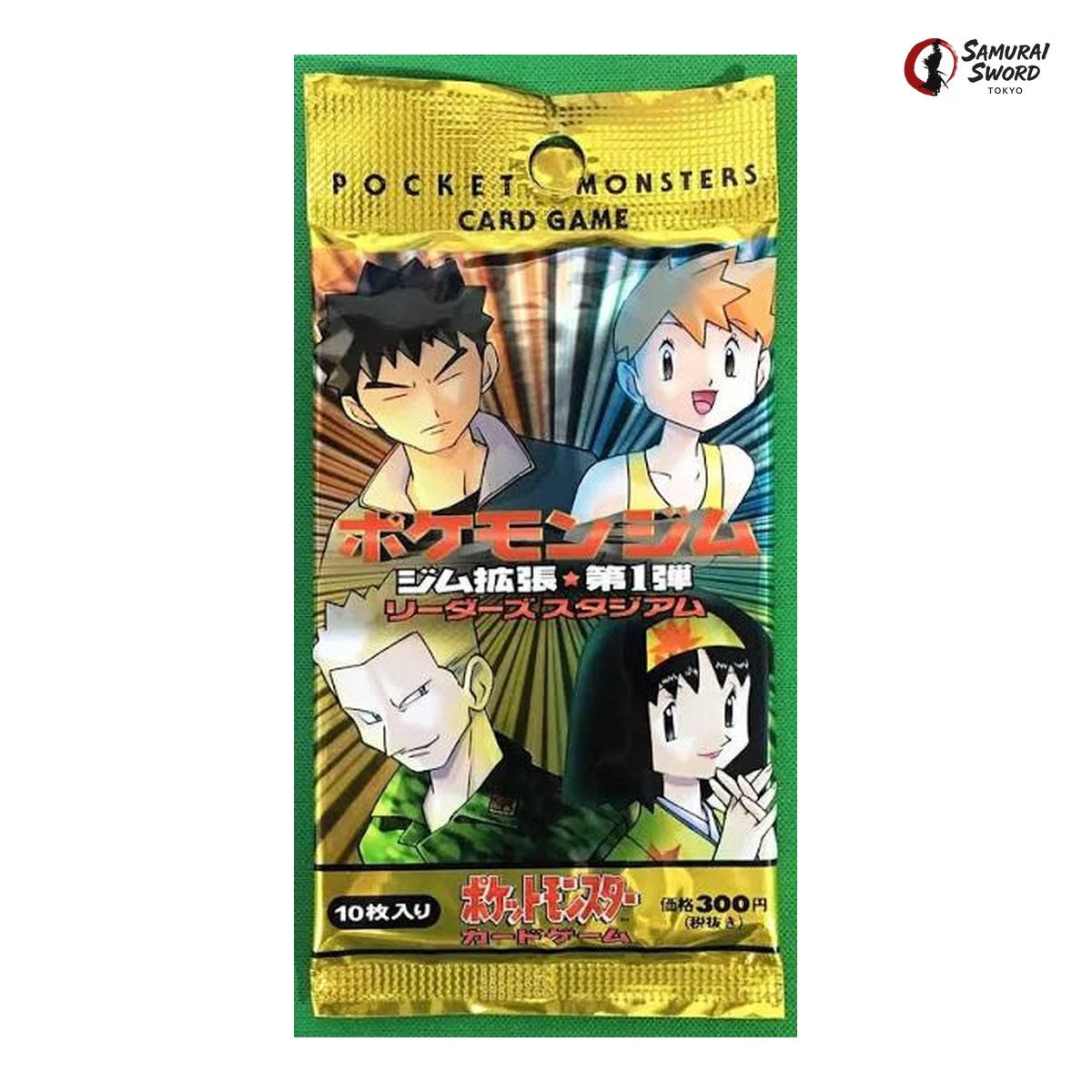
| The Japanese TCG’s beginning | 1996 擴充包 (update: currently sold out — restock requests via Quick Order) | Choose the exact short or long wrapper format |
| An early expansion sequence | 擴充包, Jungle, Fossil, Rocket Gang | Decide whether one format per set completes your project |
| Gym-era memories | Leaders’ Stadium and Challenge from the Darkness | Identify the Japanese release, not only the English Gym name |
| A Johto-era sealed piece | Gold, Silver, to a New World… | Keep the booster distinct from Neo Premium Files |
| The releases behind Aquapolis or Skyridge | e2/e3 or e4/e5 respectively | Choose between the two Japanese sets in each pairing |
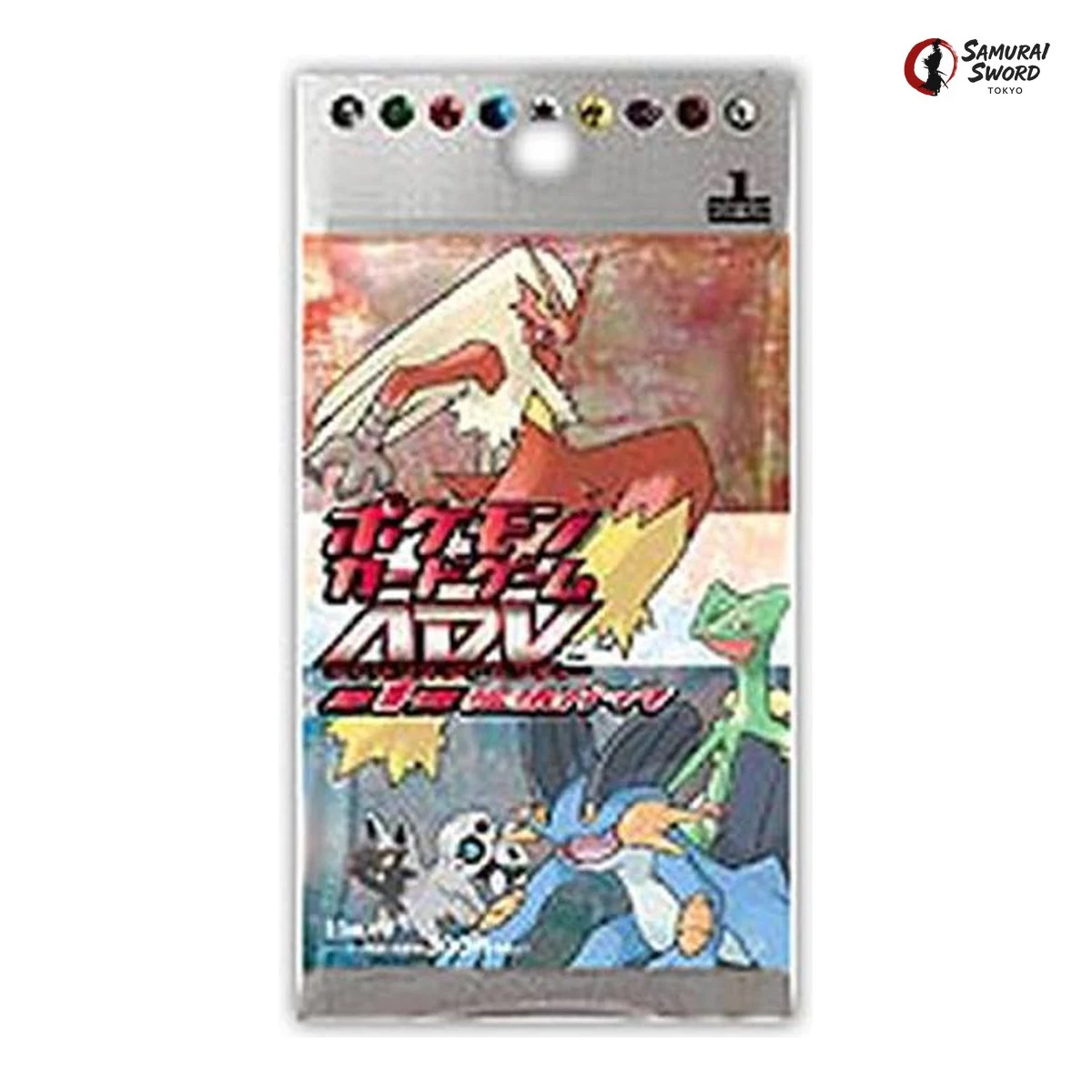
| Early Japanese ex-era packaging | ADV and PCG releases | Match the Japanese title and pack specification |
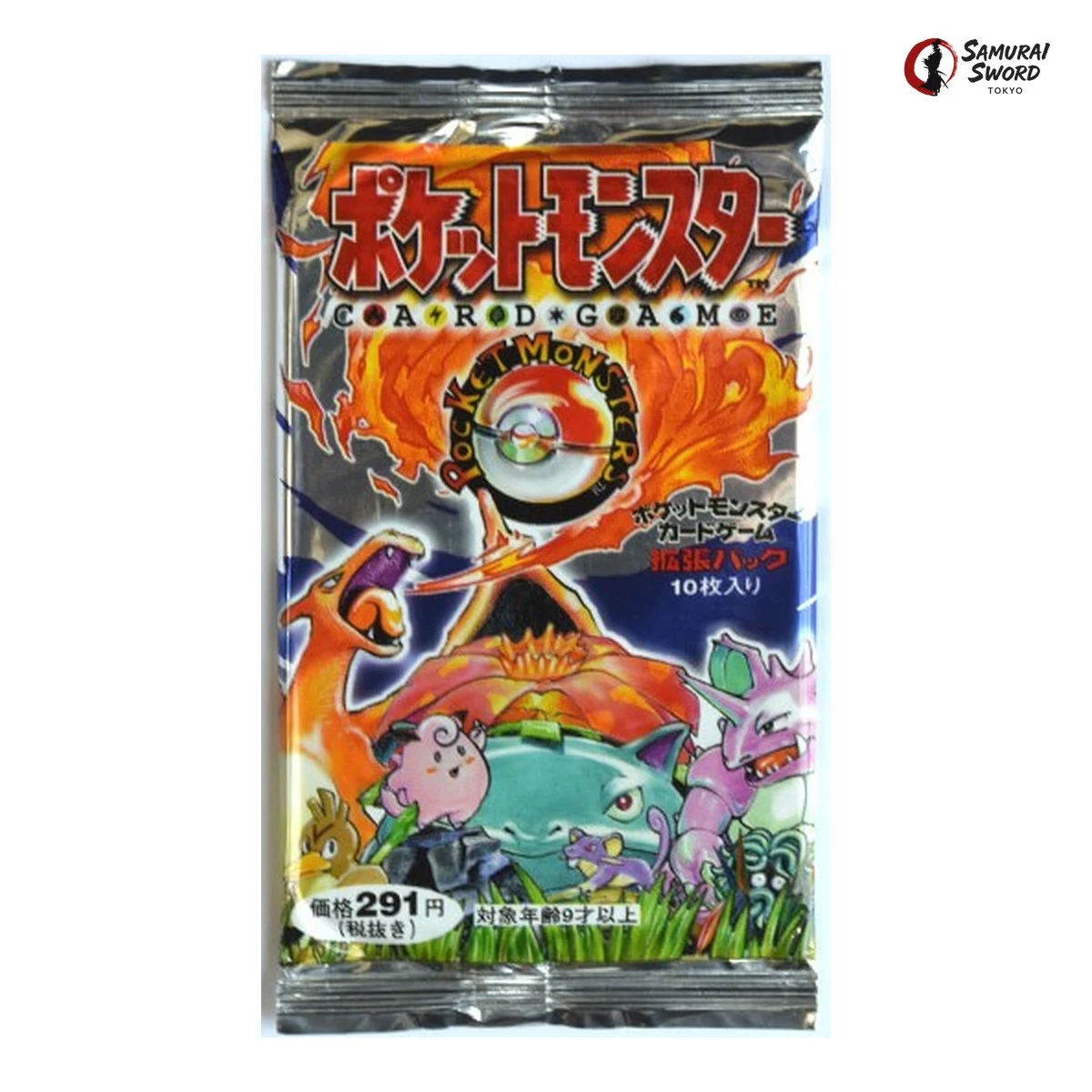 (update: currently sold out — restock requests via Quick Order)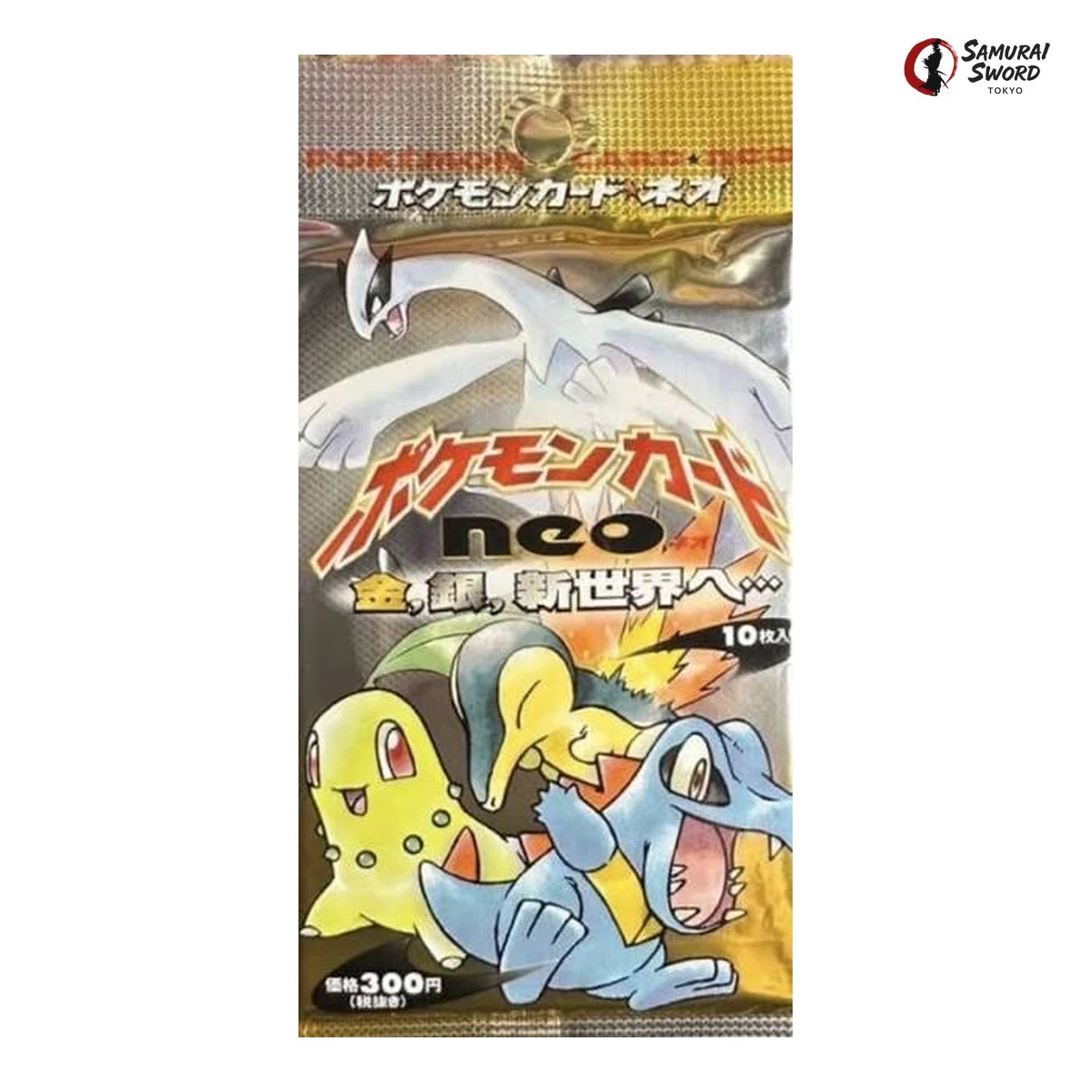
 (update: currently sold out — restock requests via Quick Order)
 (update: currently sold out — restock requests via Quick Order)
Set a finish line for the collection
“One of each Japanese set” and “one of each wrapper” are different projects. The former can be satisfied by one 1996 擴充包; the latter may lead you to compare short and long formats. Write down whether format variations count as separate targets before purchasing a second example. A simple inventory with Japanese title, collector-reference code, wrapper format, and purchase documentation is enough to keep the project coherent.
Availability can also shape the order of purchases without changing the goal. A sold-out product page remains useful for identifying a target, but it is not evidence that another example can be supplied. Keep a wanted list separate from the packs you already own, and treat a sourcing enquiry as an enquiry until an actual item and its details are confirmed.
2. Old Back, e-Series, ADV and PCG Are Different Eras
“Vintage” is a broad collecting description. Old Back refers specifically to the original Japanese card-back design. It does not describe every older Japanese pack. The e-series, ADV, and PCG releases in this guide contain cards using the newer Japanese back, even though their unopened packs are now historical collectibles.
The official Pokemon chronology dates Japan’s original 擴充包 to October 20, 1996, followed by Jungle in 1997, Gym releases from 1998, e-series from 2001, and ADV from 2003. Those milestones organize a collection; they do not tell you the printing history of an individual sealed wrapper. See the official Japanese TCG chronology for the wider sequence.
| Family in this guide | Selected Japanese releases | Card back | Pack count in these listings |
|---|---|---|---|
| Original, Gym and Neo | 擴充包 through Darkness, and to Light… | Old Back | 10 cards |
| e-series | Base 擴充包 through Mysterious Mountains | Newer Japanese back | 5 cards |
| ADV | ADV 擴充包, Miracle of the Desert, Rulers of the Heavens, Undone Seal | Newer Japanese back | 11 cards |
| ADV special expansion | Magma VS Aqua: Two Ambitions | Newer Japanese back | 10 cards |
| PCG | Flight of Legends, Clash of the Blue Sky, Rocket Gang Strikes Back | Newer Japanese back | 11 cards |
Use an English name as a route to the Japanese product
English names are convenient search terms. Someone who remembers EX Dragon can find Rulers of the Heavens through that association. The final purchase, however, should identify the Japanese title and release. Card pools, packaging, and release dates need their own checks; an English label in a shop title is not a statement that two products are identical.
This matters most when one English set draws from multiple Japanese releases. “Japanese Aquapolis” leaves two possibilities, as does “Japanese Skyridge.” It also matters when names resemble one another across eras: 擴充包 from 1996 and Base 擴充包 from 2001 are separate products. Codes such as PMCG1 and e1 help distinguish them in catalogs; do not assume every wrapper prints the same reference code.
The year 2001 is not a reliable shortcut for Old Back status. The Japanese back changed with Pokemon VS in July 2001; the e1 release followed later that year with the newer back. Our Old Back card guide explains the card history in more depth. For a sealed-pack purchase, the immediate task is simply to identify which side of that transition the release belongs to.
3. Compare Old Back Packs from the Original Series to Neo
The Old Back selection offers several manageable collecting routes: the early expansion sequence, the two Gym releases, or the four Neo boosters. Every pack listed in this table contains ten cards according to its product specification. That shared count does not imply identical contents, collation, or market value.
| Japanese release | Release date | Related English name | Product details |
|---|---|---|---|
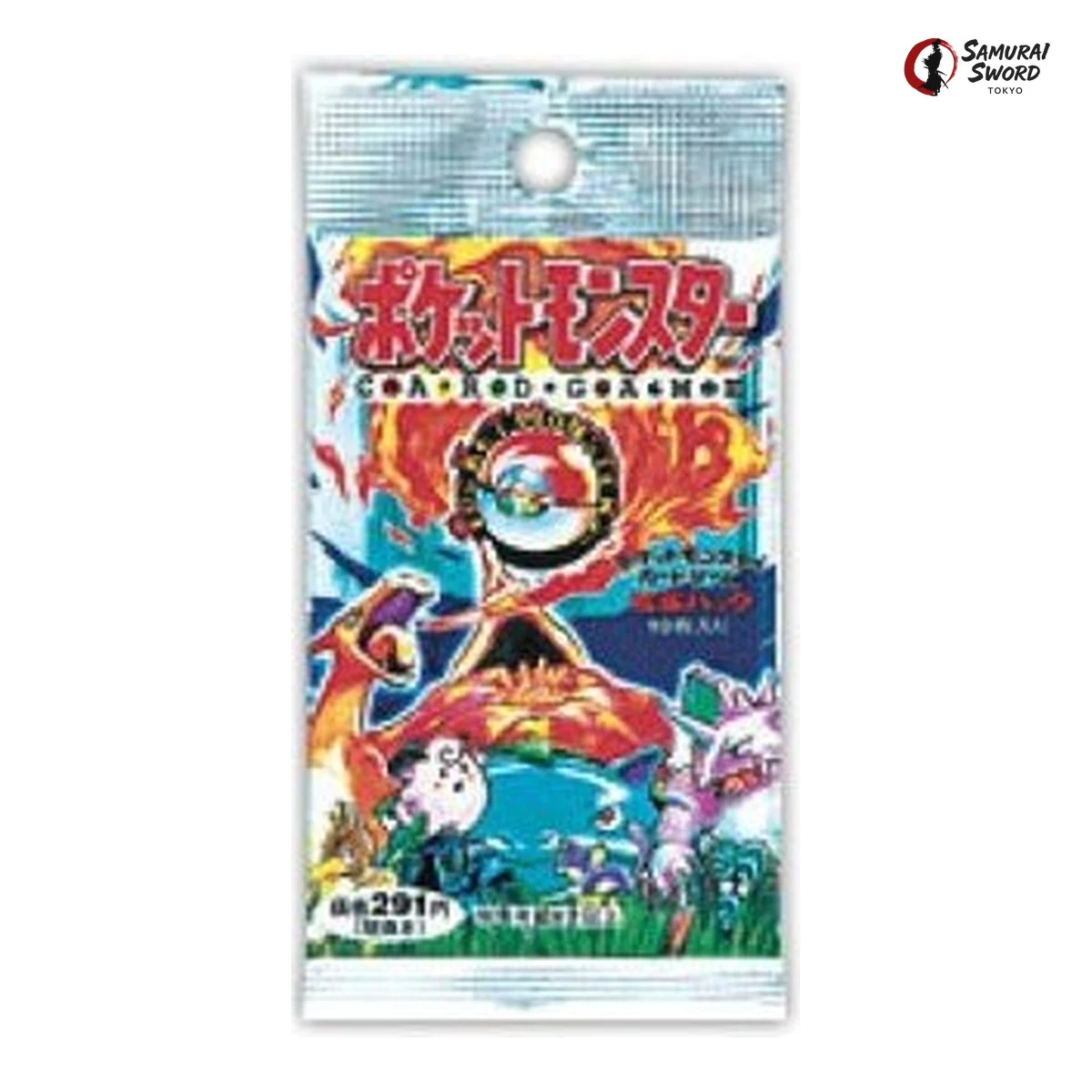
| 擴充包 | October 20, 1996 | Base Set | Short pack (update: currently sold out — restock requests via Quick Order) / Long pack (update: currently sold out — restock requests via Quick Order) |
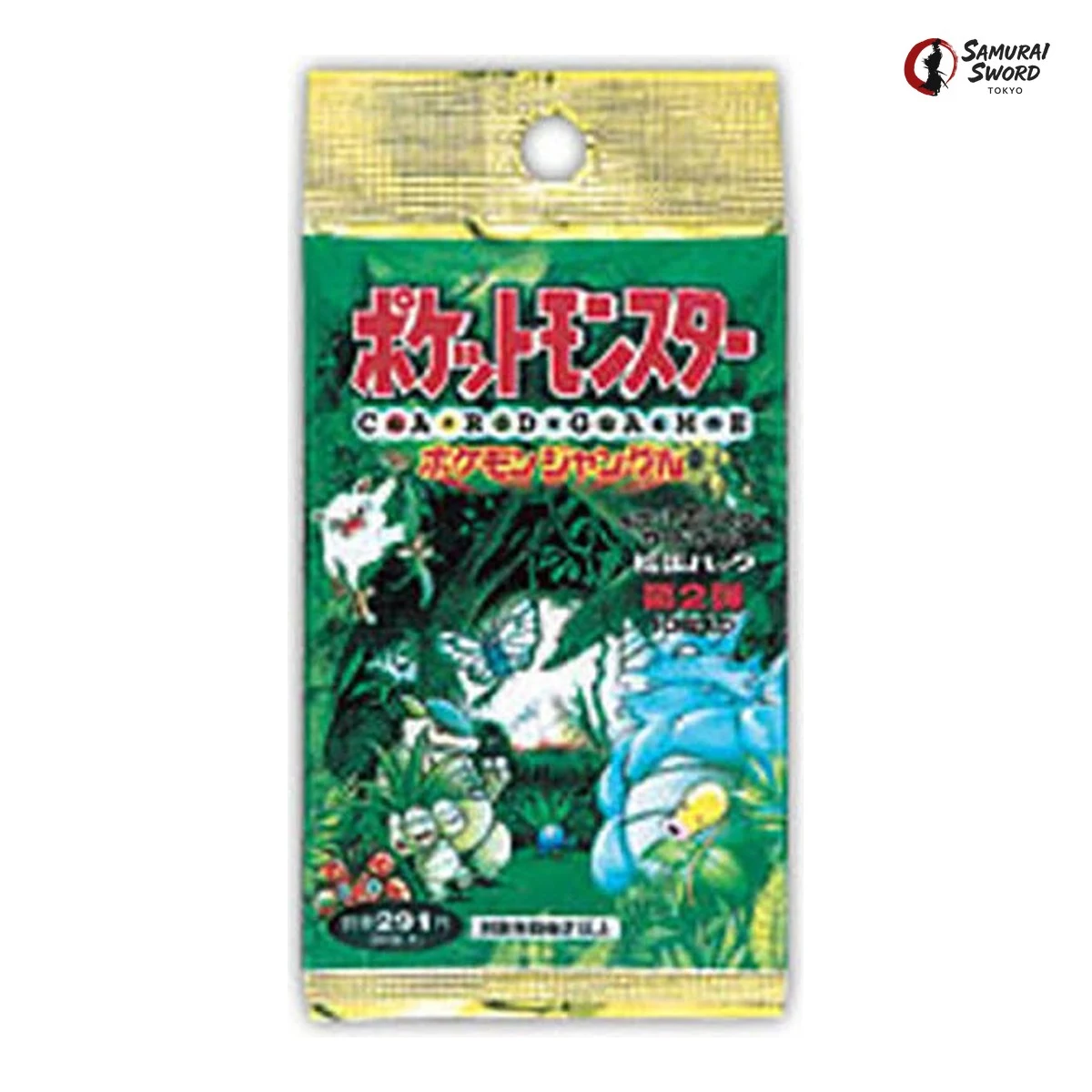
| Pokemon Jungle | March 5, 1997 | Jungle | Short pack (update: currently sold out — restock requests via Quick Order) / Long pack (update: currently sold out — restock requests via Quick Order) |
| Mystery of the Fossils | June 21, 1997 | Fossil | PMCG3 (update: currently sold out — restock requests via Quick Order) |
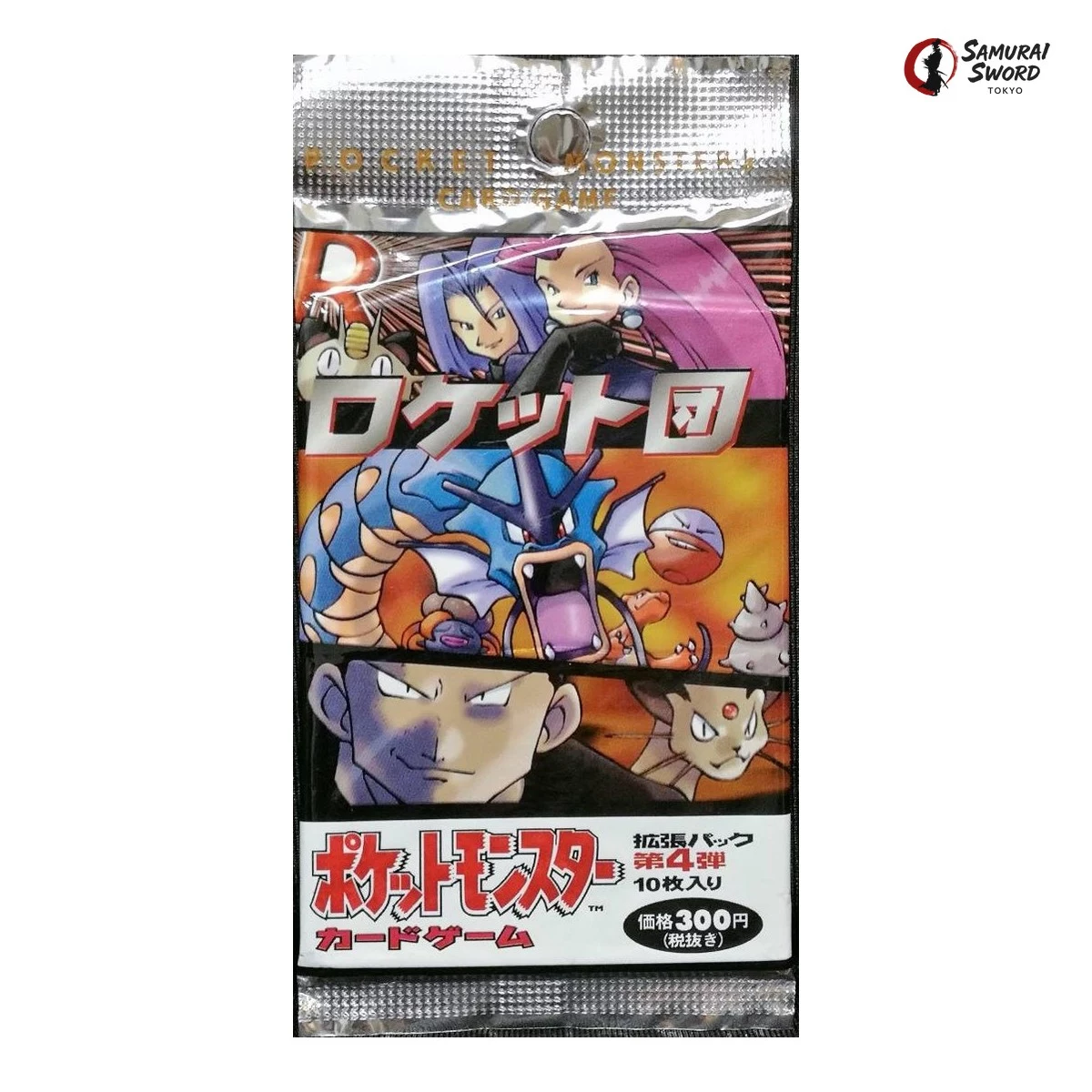
| Rocket Gang | November 21, 1997 | Team Rocket | PMCG4 (update: currently sold out — restock requests via Quick Order) |
| Leaders’ Stadium | October 24, 1998 | Gym Heroes | PMCG-G1 (update: currently sold out — restock requests via Quick Order) |
| Challenge from the Darkness | June 25, 1999 | Gym Challenge | PMCG-G2 (update: currently sold out — restock requests via Quick Order) |
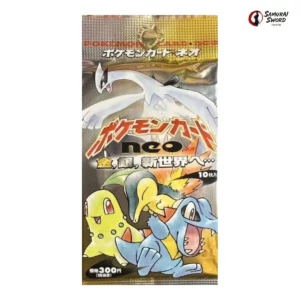
| Gold, Silver, to a New World… | February 4, 2000 | Neo Genesis | neo1 |
| Crossing the Ruins… | July 7, 2000 | Neo Discovery | neo2 (update: currently sold out — restock requests via Quick Order) |
| Awakening Legends | November 23, 2000 | Neo Revelation | neo3 (update: currently sold out — restock requests via Quick Order) |
| Darkness, and to Light… | April 20, 2001 | Neo Destiny | neo4 (update: currently sold out — restock requests via Quick Order) |
Short and long wrappers belong to the same set
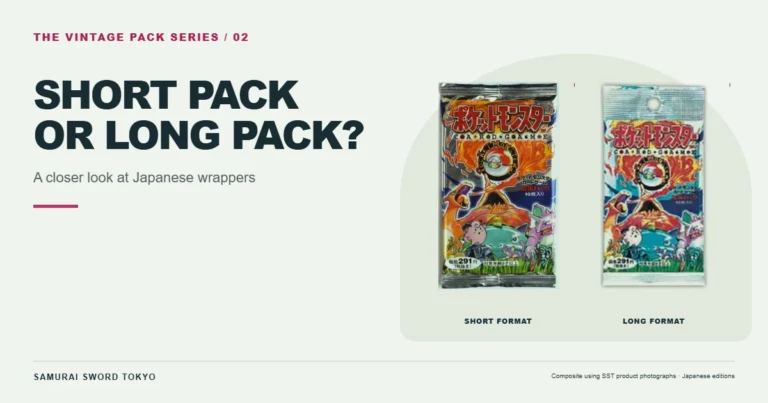
In the SST listings, the short format lacks a hanging tab and the long format has one. Both 擴充包 formats are listed as ten-card packs, as are both Jungle formats. Choose the shape that fits your display or collect the pair as packaging variants. Wrapper length alone does not turn the product into a manufacturer-labelled first edition.
 (update: currently sold out — restock requests via Quick Order)
 (update: currently sold out — restock requests via Quick Order)
 (update: currently sold out — restock requests via Quick Order)
 (update: currently sold out — restock requests via Quick Order)
Collector research also discusses crimps, printed yen prices, and barcode or import-label differences. These are reasons to investigate the exact wrapper, rather than rely on one broad label. The Elite Fourum packaging discussion is community research, not an official authentication standard. We cover the buying implications in the separate short versus long pack guide.
In particular, a short wrapper does not establish that unseen cards are no-rarity prints. No-rarity describes a card-print distinction. If a listing makes a stronger claim about its sealed contents or print run, that claim needs its own evidence; the wrapper-format name is insufficient.
Keep the Neo booster sequence separate from Premium Files
Neo offers a compact four-set project with distinct Japanese titles. Its first booster, Gold, Silver, to a New World…, was released on February 4, 2000. December 1999 references concern the earlier Neo Premium File, not this booster launch. The distinction matters when describing a display piece or comparing listings advertised under “Neo Genesis.” The Neo Genesis release reference separates the Japanese and English booster dates.
A collector can choose Neo1 as a standalone Old Back piece without committing to all four releases. Conversely, a four-pack project should track the exact titles through Darkness, and to Light… rather than accepting any product bearing a Neo label. Files, decks, singles, and boosters represent different products even when their artwork or era overlaps.
4. The Five Japanese e-Series Packs Need Their Own Map
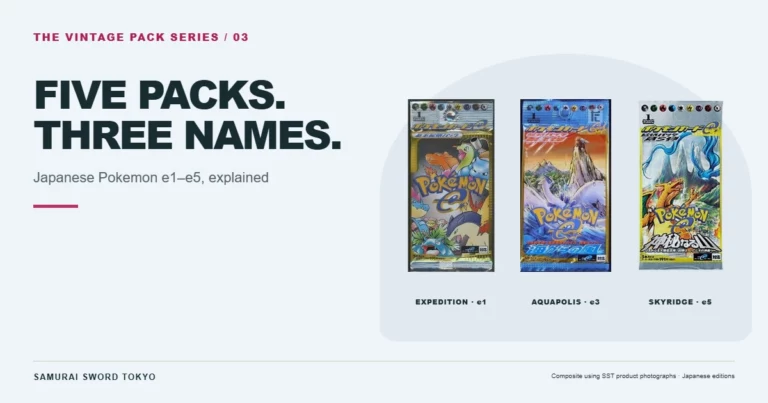
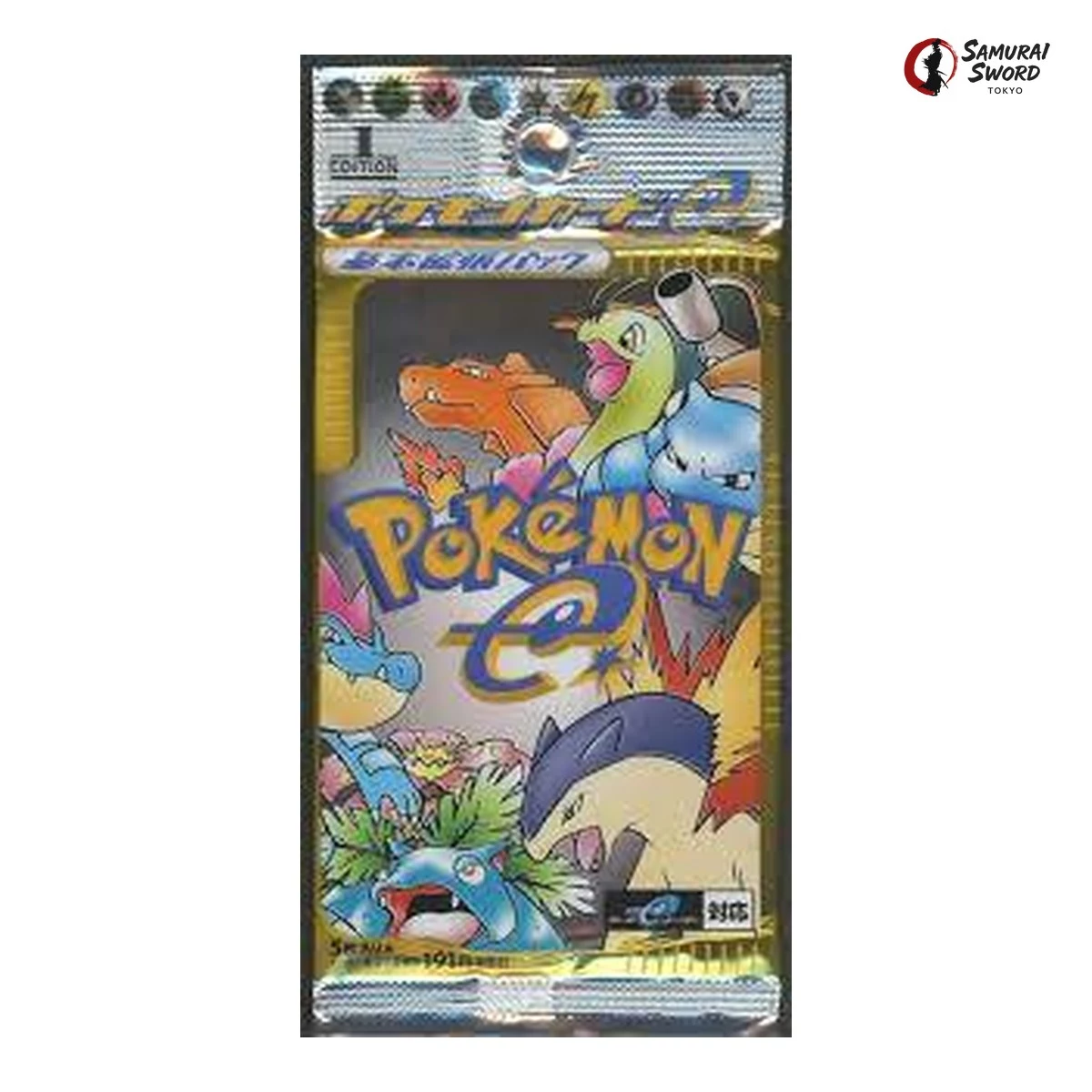
The e-series is particularly easy to misbuy through English shorthand. Its five Japanese releases span December 2001 to October 2002, while familiar English names group them differently. Each of these SST listings specifies five 張/包. All belong to the newer Japanese card-back era.
| Japanese pack | Japanese release date | Associated English set | Selection rule |
|---|---|---|---|
| e1 Base 擴充包 (update: currently sold out — restock requests via Quick Order) | December 1, 2001 | Expedition Base Set | Do not confuse it with the 1996 original |
| e2 The Town on No Map (update: currently sold out — restock requests via Quick Order) | March 8, 2002 | Aquapolis | A distinct pool from e3 |
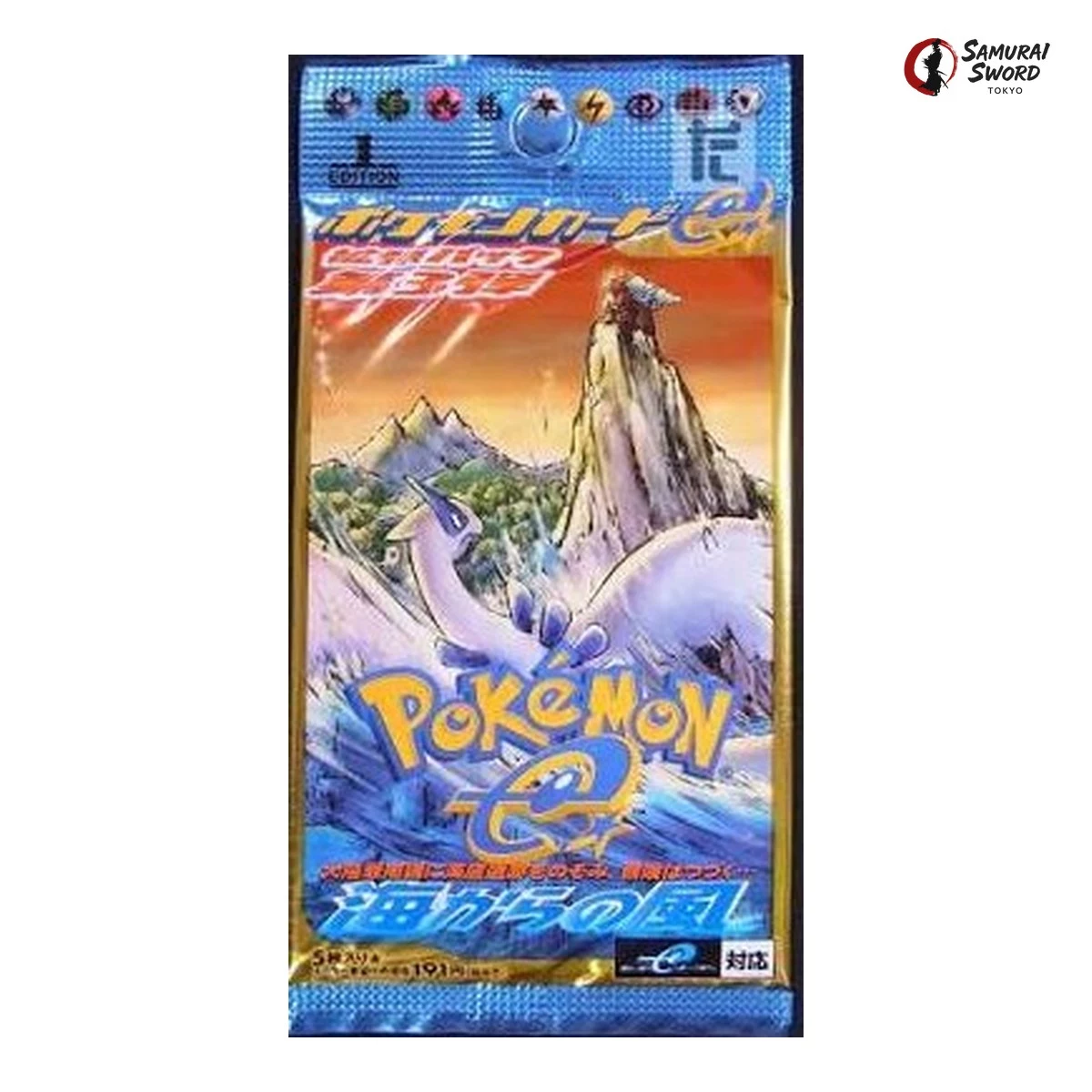
| e3 Wind from the Sea (update: currently sold out — restock requests via Quick Order) | May 24, 2002 | Aquapolis | The Japanese set containing Crystal Lugia |
| e4 Split Earth (update: currently sold out — restock requests via Quick Order) | August 23, 2002 | Skyridge | The Japanese set containing Crystal Ho-Oh |
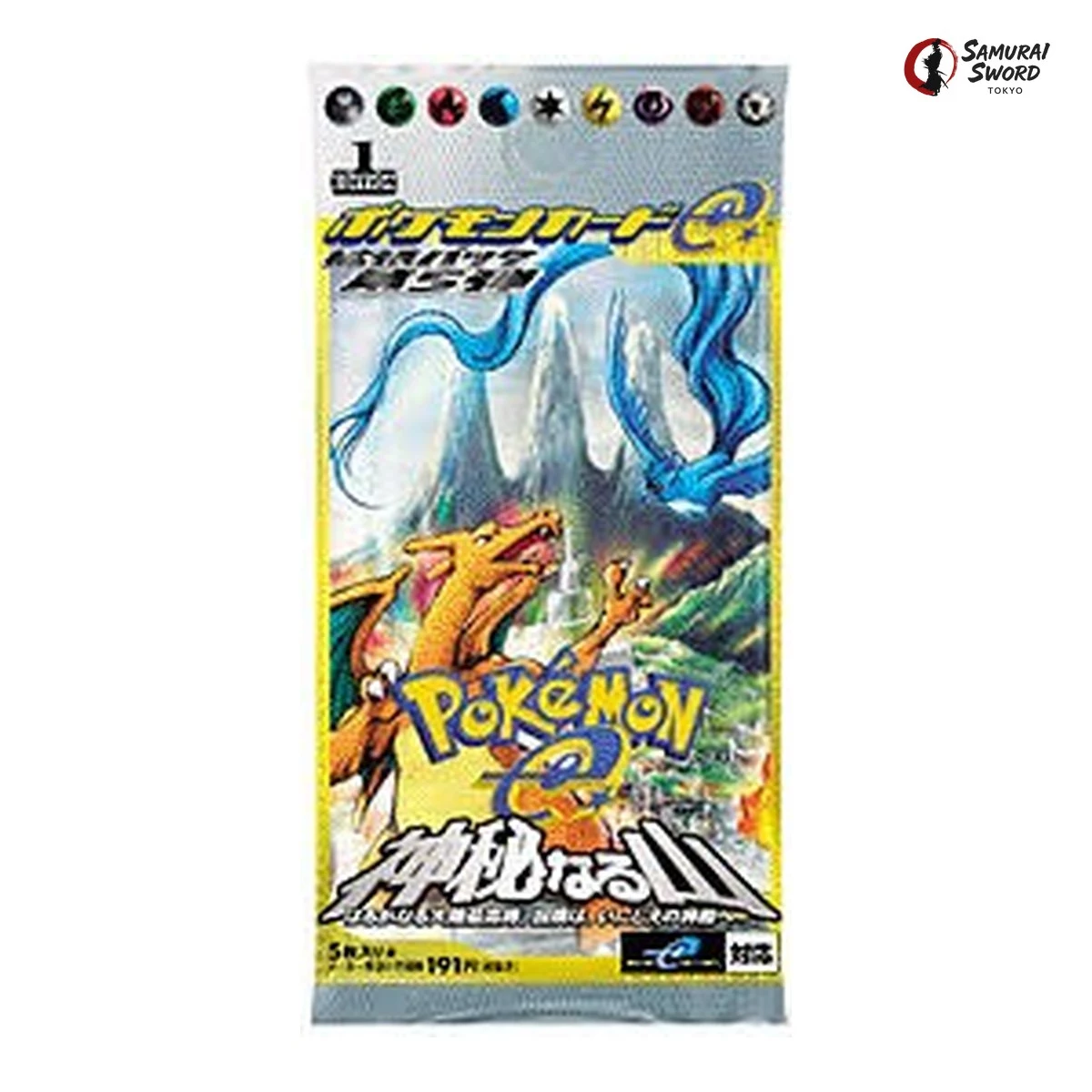
| e5 Mysterious Mountains (update: currently sold out — restock requests via Quick Order) | October 4, 2002 | Skyridge | The Japanese set containing Crystal Charizard |
Translate a favorite card into an exact Japanese set
If your interest starts with a particular Crystal card, “Aquapolis” or “Skyridge” is only the first step. Japanese Crystal Lugia is in e3, while Crystal Ho-Oh is in e4 and Crystal Charizard is in e5. Selecting the wrong half of an English pairing defeats the original purpose before the pack is even opened. Set membership establishes possibility, not a promised pull.
 (update: currently sold out — restock requests via Quick Order)
 (update: currently sold out — restock requests via Quick Order)
For a sealed display, the decision can be simpler: one favorite wrapper, an e2/e3 pair, an e4/e5 pair, or all five Japanese releases. For the full card-to-pack mapping, including the separate Crystal groups, use our Japanese e-series booster pack guide. The Aquapolis and Skyridge release references document the Japanese source sets.
5. ADV and PCG Extend the Collection into 2003–2004
If your nostalgia begins around Ruby and Sapphire, you do not need to start with 1996. The ADV and early PCG packs provide a separate collection route within the period covered here. They also show why “Japanese vintage pack” needs a set-specific description: their names, card counts, and packaging belong to a different product sequence from the early Old Back packs.
| Japanese release / reference | Release date | Related English name | Cards |
|---|---|---|---|
| ADV 擴充包 / ADV1 (update: currently sold out — restock requests via Quick Order) | January 31, 2003 | EX Ruby and Sapphire | 11 |
| Miracle of the Desert / ADV2 (update: currently sold out — restock requests via Quick Order) | April 18, 2003 | EX Sandstorm | 11 |
| Rulers of the Heavens / ADV3 (update: currently sold out — restock requests via Quick Order) | June 25, 2003 | EX Dragon | 11 |
| Undone Seal / ADV4 (update: currently sold out — restock requests via Quick Order) | January 16, 2004 | EX Hidden Legends | 11 |
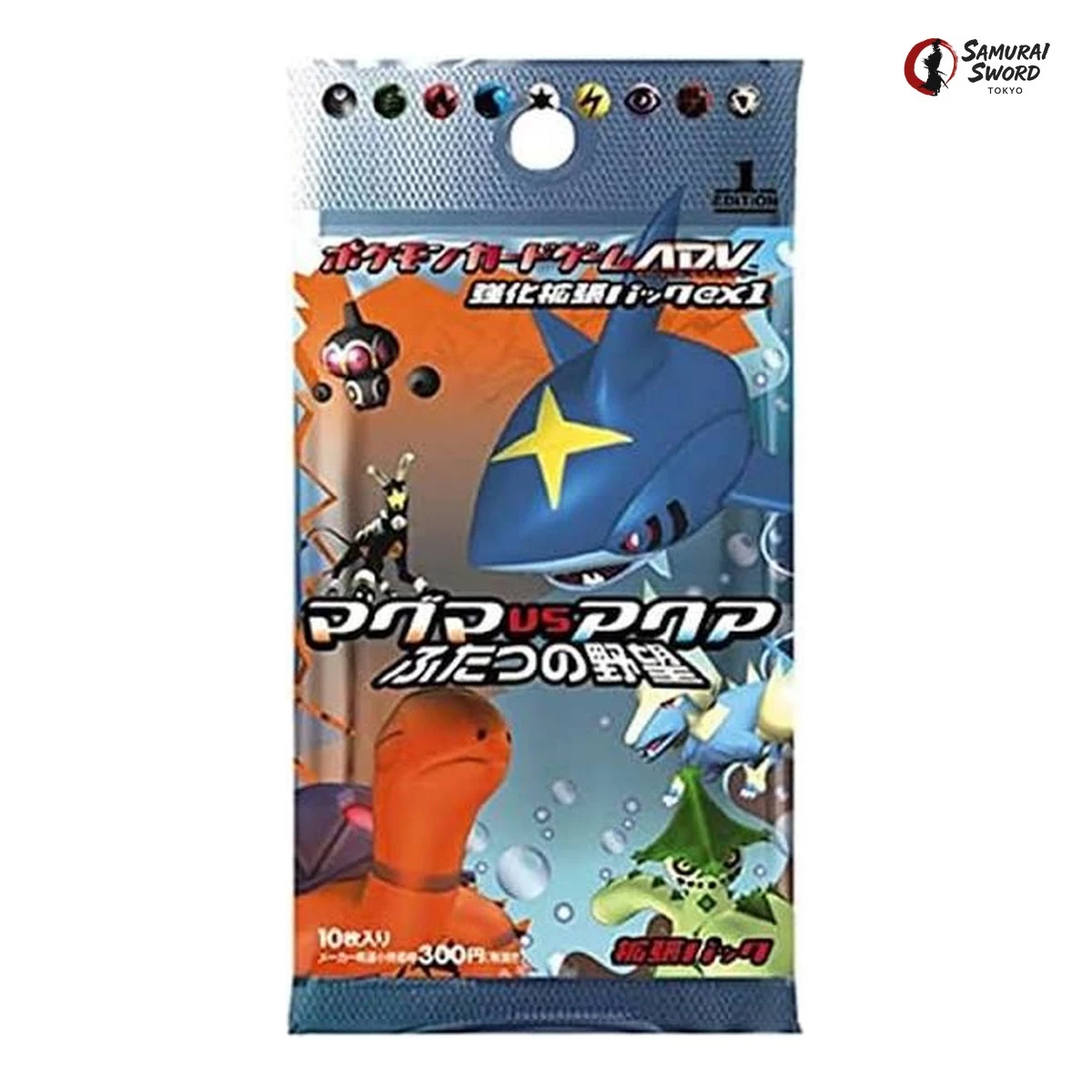
| Magma VS Aqua: Two Ambitions / ADVex1 (update: currently sold out — restock requests via Quick Order) | October 24, 2003 | EX Team Magma vs Team Aqua | 10 |
| Flight of Legends / PCG1 (update: currently sold out — restock requests via Quick Order) | April 9, 2004 | EX FireRed and LeafGreen | 11 |
| Clash of the Blue Sky / PCG2 (update: currently sold out — restock requests via Quick Order) | July 1, 2004 | EX Deoxys | 11 |
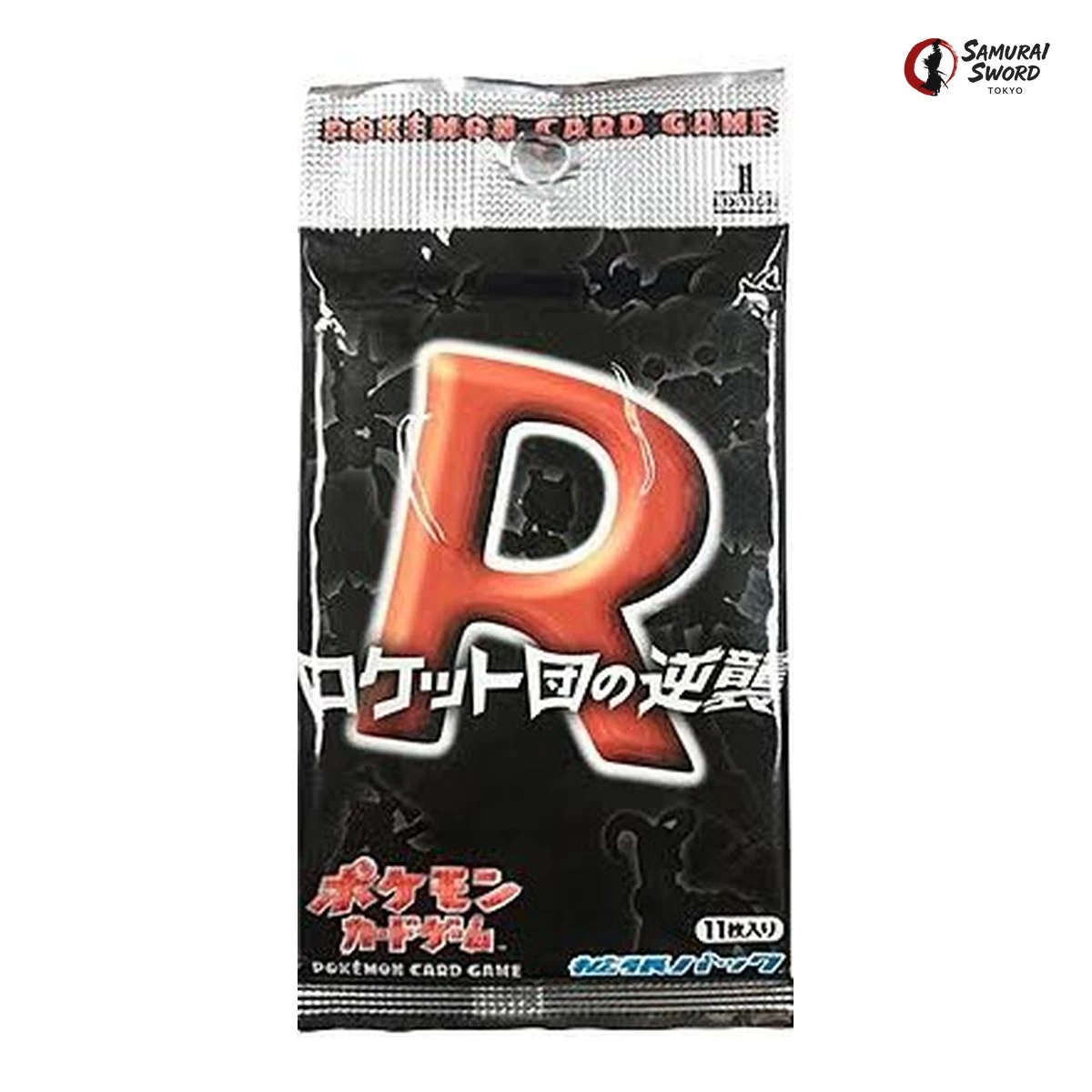
| Rocket Gang Strikes Back / PCG3 (update: currently sold out — restock requests via Quick Order) | October 15, 2004 | EX Team Rocket Returns | 11 |
Choose between a chronological run and a themed pair
A chronological ADV project follows the release dates, with Magma VS Aqua: Two Ambitions appearing before Undone Seal despite its separate catalog designation. A themed project can instead connect Rocket Gang from 1997 with Rocket Gang Strikes Back from 2004. That pair tells a different story across two card-back eras and gives the collection a clear reason for including both.
 (update: currently sold out — restock requests via Quick Order)
 (update: currently sold out — restock requests via Quick Order)
Read card counts as specifications, not value rankings
Eleven cards versus five does not make an ADV pack more collectible than an e-series pack. The count describes the original product format. Likewise, the ten-card Magma VS Aqua pack is not incomplete because neighboring ADV listings contain eleven. Judge completeness against the exact product specification, and judge collecting appeal against the goal you set at the start.
When asking about a specific ADV or PCG pack, include both the English association and Japanese title. “EX Deoxys / Clash of the Blue Sky / PCG2” is a much clearer request than “an old Deoxys pack.” The extra detail helps separate the intended sealed release from singles, later products featuring the same Pokemon, and unrelated English stock.
6. Decide Whether You Want a Sealed Object or an Opening
Opening a vintage pack changes the object you own. Before opening, you have an unopened product with a wrapper, an unknown group of cards, and whatever documentation accompanies it. After opening, you have the actual cards and an opened wrapper. There is no need to predict resale values to recognize that these are different collecting outcomes.
Make the decision before a possible pull becomes the focus
If the wrapper is why you chose the pack, keeping it sealed preserves the feature you bought. If the experience of opening an old release is the goal, decide whether that experience is worthwhile even when the contents do not include your preferred card. A product image, a set’s best-known card, or another collector’s opening cannot answer what is inside a particular loose pack.
| What you want | Most direct route | What remains uncertain |
|---|---|---|
| A complete original wrapper for display | An unopened pack with suitable condition evidence | The unseen cards and future market price |
| One exact card | Compare the identified single as well as sealed options | A pack cannot promise that card |
| An opening experience | The exact release you want to open | Contents and condition of the cards inside |
| A record of release history | A defined sequence of sealed products | How long completing the sequence will take |
| A packaging comparison | Documented variants from the same set | Claims about print runs without supporting evidence |
Separate set membership from single-pack probability
A card appearing in a set list establishes that the release is relevant to your search. It does not establish the probability of receiving it from one pack. This guide does not assign holo, Crystal, or specific-card odds to these loose packs. We have not established a reliable pack-level probability model for the products shown, so an expected-value calculation would create precision without evidence.
The same distinction applies to condition. A sealed wrapper prevents you from directly examining the cards. It is not a promise that every enclosed card will meet a particular grading standard. If your end goal is a card with a known grade, a documented graded single gives you information a sealed pack necessarily withholds. Compare those different experiences openly before committing to either route.
7. Read 狀態 and Provenance as Evidence About One Pack
The release date describes the product’s history. It does not describe how a particular pack was stored, handled, or transferred between owners. For a display purchase, small differences in creasing, fading, or the hanging tab can matter because the packaging remains the visible part of the collection. 狀態 language should therefore refer to the individual item whenever that information is available.
Ask for photographs that answer a specific question
Clear front and back images help identify the wrapper and show obvious cosmetic issues. Views of the ends, seams, and hanging area can clarify concerns that a straight-on catalog image misses. These views support a purchasing decision; photographs alone do not create a universal authentication test. Avoid treating a familiar-looking front design as proof of everything a listing claims.
| Evidence | What it can help establish | What it does not establish alone |
|---|---|---|
| Exact-unit front and back photographs | Visible format, markings and cosmetic condition | Unseen contents or complete ownership history |
| Views of ends, seams and hanging tab | Specific visible concerns requiring clarification | A definitive authentication result from one feature |
| Written item description | The seller’s stated product and condition | Facts absent from the description |
| Purchase or ownership documentation | The documented portion of the item’s history | Every earlier transfer or storage condition |
| A grading label, when applicable | The holder’s stated identity and grade | A price comparable to an ungraded pack |
Record the difference between known, stated and unknown
A practical collection record can be brief: the release and format you identified, the seller’s condition statement, the photographs retained, and any provenance supplied. Keep uncertain points explicitly uncertain. “No history supplied before this purchase” is more useful than filling the gap with an attractive story about an original collection or a freshly opened box.
For display, choose a holder that accommodates the whole wrapper without folding the hanging tab or pressing the ends into place. Store supporting records separately so you can revisit the purchase details without repeatedly handling the pack. The goal is to preserve the object you selected and the evidence you actually have, including its limitations.
8. Compare Like-for-Like Evidence Before Planning a Purchase
A useful comparable starts with the same Japanese release, wrapper format, quantity, and grading status. Then examine the sale date, condition, and whether the record is a completed transaction or only an asking price. Currency conversion comes after those checks. Converting unrelated listings into the same currency does not make the products comparable.
Separate Japanese and overseas market signals
Our September 28, 2026 source review found a good reason to inspect individual records. The PriceCharting Japanese 擴充包 page includes listing titles whose grading descriptions do not consistently match the surrounding category. Its headline guide therefore cannot substitute for valuing an exact raw short or long pack. A graded-pack sale is a different comparison from an ungraded loose pack.
| Market evidence | Useful for | Required adjustment or limitation |
|---|---|---|
| Completed sale of the same Japanese pack and format | A dated comparable | Still check condition, grade, quantity and included costs |
| A graded-pack auction result | Researching that grade and holder category | Do not reuse it as a raw-pack valuation |
| A Japanese marketplace asking price | Understanding an offered item and seller expectations | An ask is not a verified completed sale |
| Printed yen price on an old wrapper | Documenting a packaging feature | It is not the present market price |
| An English Aquapolis or Skyridge sale | Researching the English product | It does not price either Japanese source set directly |
| An SST product page | Current offered product details and availability | A listing is not evidence of a completed market transaction |
Domestic research requires the same discipline. A printed yen marking describes historical packaging; an auction’s starting ask describes a seller’s opening position. Neither establishes a current completed-sale value. Confirm the transaction status and exact product before using a domestic listing in a cross-market comparison.
For e-series research, keep Split Earth and Mysterious Mountains in separate searches. The English Skyridge association is useful context, but the two Japanese packs remain different products. With sparse or mismatched evidence, an honest result may be that you cannot establish a defensible range yet.
Turn your shortlist into a precise buying request
Return to the vintage pack collection with a specific target. Open the product page to check the title, format, description, current price and availability, and any unit-level information.
If you want to ask about an unavailable pack, use 快速訂購 and provide the Japanese title, reference code, desired wrapper format, quantity, and any condition priorities. For example, an enquiry for an 擴充包 long wrapper is more actionable than “vintage Base Set.” Sourcing requests do not guarantee stock, a restock date, or a particular price.
Finally, separate the item’s asking price from the total amount you are prepared to spend. Read the current purchase terms and costs relevant to your order, then decide whether the exact pack meets your collecting goal. A well-defined target makes it easier to wait for adequate information and easier to recognize the right product when one becomes available.
Frequently Asked Questions About Japanese Vintage Packs
What is a Japanese vintage loose booster pack?
It is an individual unopened Japanese booster pack sold separately from a booster box. This guide covers releases from 1996 through 2004. The exact set, wrapper format, card count, and condition still need to be identified.
Are all vintage Japanese Pokemon packs Old Back?
No. Old Back describes the original Japanese card-back design. The original, Gym, and Neo packs shown here belong to that era. The e-series, ADV, and PCG packs shown here contain cards with the newer Japanese back.
How many cards are in a vintage Japanese booster pack?
It depends on the release. The Old Back packs listed here contain ten cards, the five e-series releases contain five, and the selected ADV and PCG packs generally contain eleven. Magma VS Aqua: Two Ambitions contains ten.
Does a short Japanese Base Set pack always contain no-rarity cards?
No. Short describes a wrapper format, while no-rarity describes a card-print distinction. A short wrapper alone does not establish the unseen cards’ printing or guarantee any particular card. Claims about a specific print run need separate evidence.
Is the 1996 擴充包 the same as the 2001 Base 擴充包?
No. 擴充包 is the original 1996 Japanese release associated with Base Set. Base 擴充包 is the 2001 e1 release associated with Expedition Base Set. They have different card backs, card pools, and pack specifications.
Which Japanese packs correspond to Aquapolis and Skyridge?
Aquapolis draws from e2 The Town on No Map and e3 Wind from the Sea. Skyridge draws from e4 Split Earth and e5 Mysterious Mountains. Each Japanese release is distinct, so identify the exact set before buying.
When was the Japanese Neo Genesis booster released?
Gold, Silver, to a New World…, commonly referenced as neo1, was released on February 4, 2000. The December 1999 Neo Premium File is a separate product and should not be used as the booster pack’s release date.
Should I open a vintage pack to get a specific card?
Compare the exact single as well as the relevant sealed pack. Set membership does not guarantee that card in one pack, and this guide does not establish specific pull odds. Choose an opening only if the experience itself fits your goal.
Can a sold-out SST vintage pack be requested?
You can submit an enquiry through Quick Order with the exact Japanese release, wrapper format, and quantity. A request does not guarantee stock, a restock date, or a price. Check the product page for current availability before planning an order.
註冊即送 500 點數
免費註冊帳戶結帳時 1 pt = ¥1 · 點數自獲得起 30 天後失效 · 進口關稅、稅費及清關費用不含在價格內,將於派送時收取;我們以完稅方式出貨的目的地除外。
為本文精選
📩 Get member-only sale alerts & coupons
Sale alerts, coupons and restock notices by email — straight from Tokyo.