Pokemon TCG 30th Celebration: All 9 Starter Sets
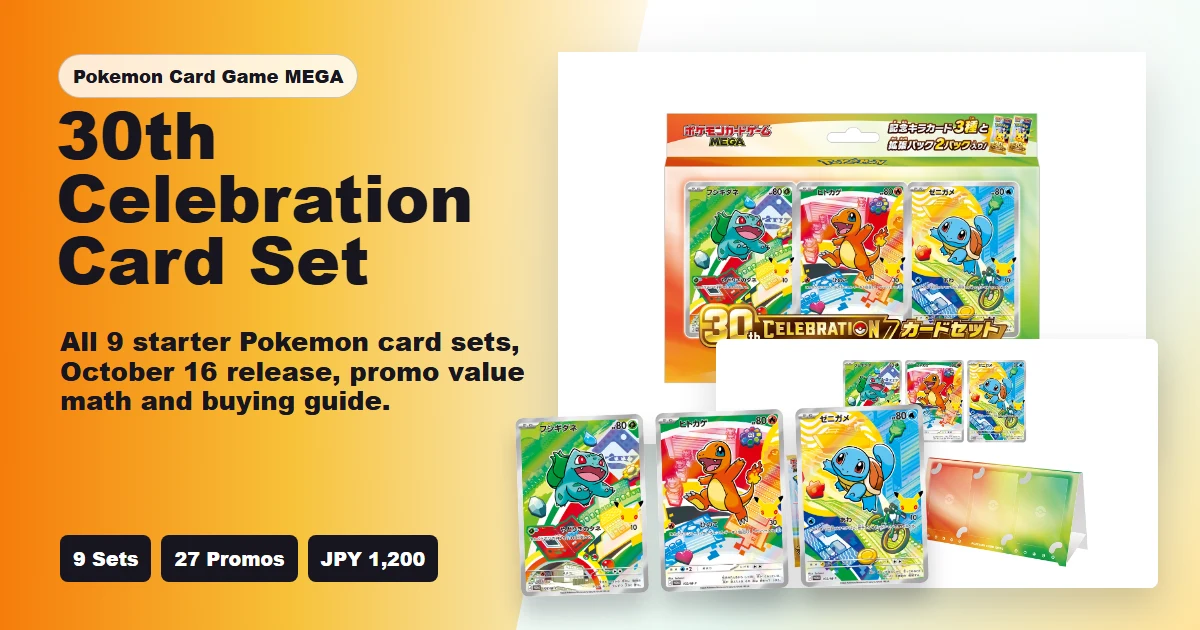
Official product page checked June 9, 2026. The Pokemon Card Game 30th Celebration Card Set is now the cleanest product in the 30th Celebration lineup for collectors who care about starter Pokemon, not just booster-pack chase cards. It releases in Japan on October 16, 2026, one month after the main 30th Celebration booster pack, and comes in nine regional variants.
Each variant has the same structure: three holo promo cards for one generation’s starter Pokemon, two random 30th Celebration booster packs, and a paper card stand that displays three cards. The official MSRP is JPY 1,200 tax included. That price matters because the two included booster packs alone account for JPY 720 of the MSRP based on the official JPY 360 pack price, leaving only JPY 480 of implied premium for the three promos and the display stand.
Key takeaway: this is not just a small accessory product. At MSRP, each 30th Celebration Card Set gives you two all-foil 30th Celebration packs plus three known starter Pokemon holo promos. Kanto will be the emotional headline, but the best buying plan is to decide whether you want one nostalgic trio, one favorite generation, or the full nine-set run of all 27 starter promos.
Quick stats
What is inside
All 9 card sets
Which set to buy first
MSRP value math
What the two packs add
Full master run plan
Collector lanes
Product comparison
Grading and storage
Overseas buyer guide
FAQ
What Is Inside the 30th Celebration Card Set?
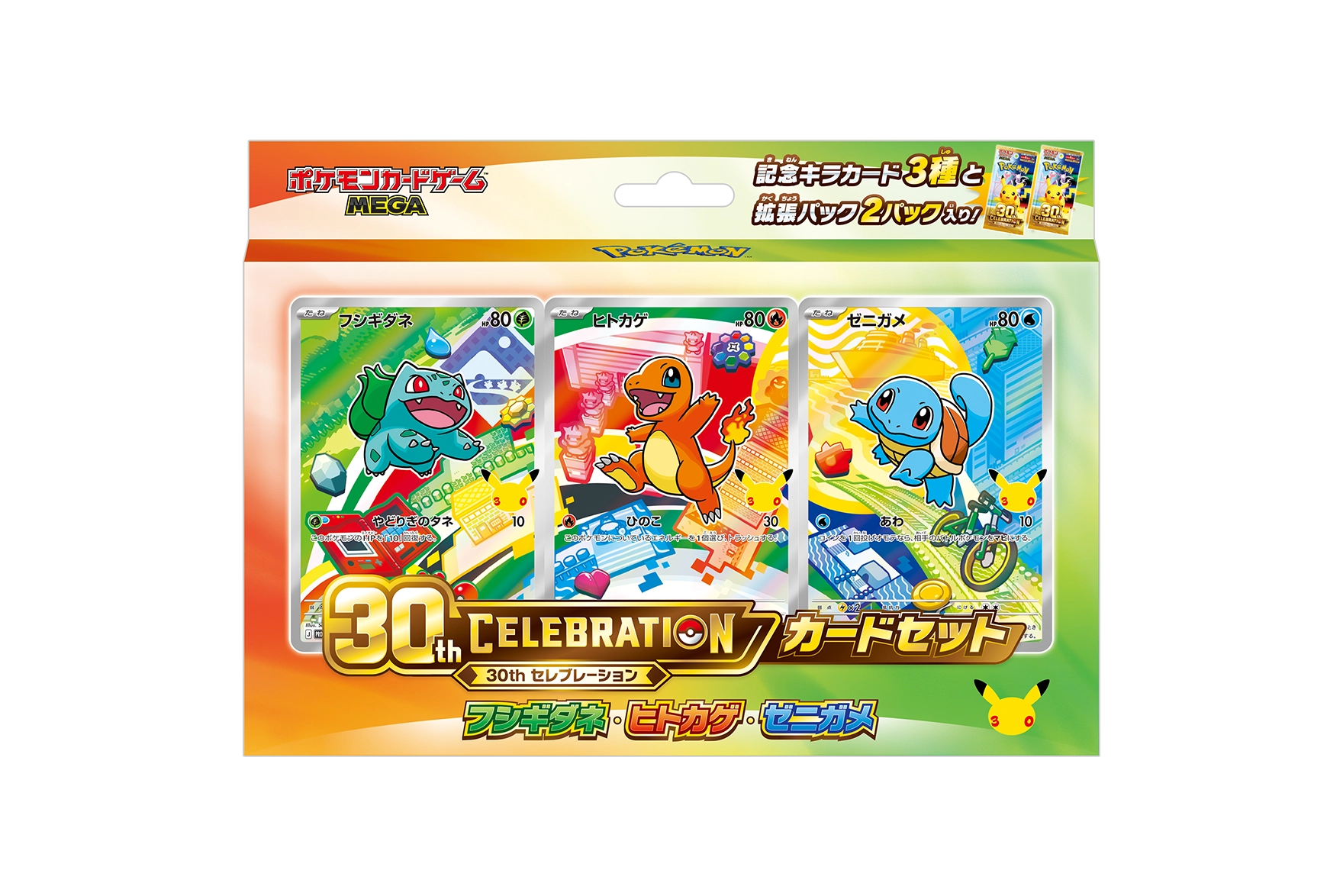
The official product page confirms a simple, collector-friendly package. Every card set includes three holo promo cards for that set’s starter Pokemon trio, two expansion packs of 30th Celebration, and one paper card stand for three cards. The booster packs are random, but the three promo cards are not random. If you buy the Bulbasaur, Charmander and Squirtle set, those are the three promos you receive.
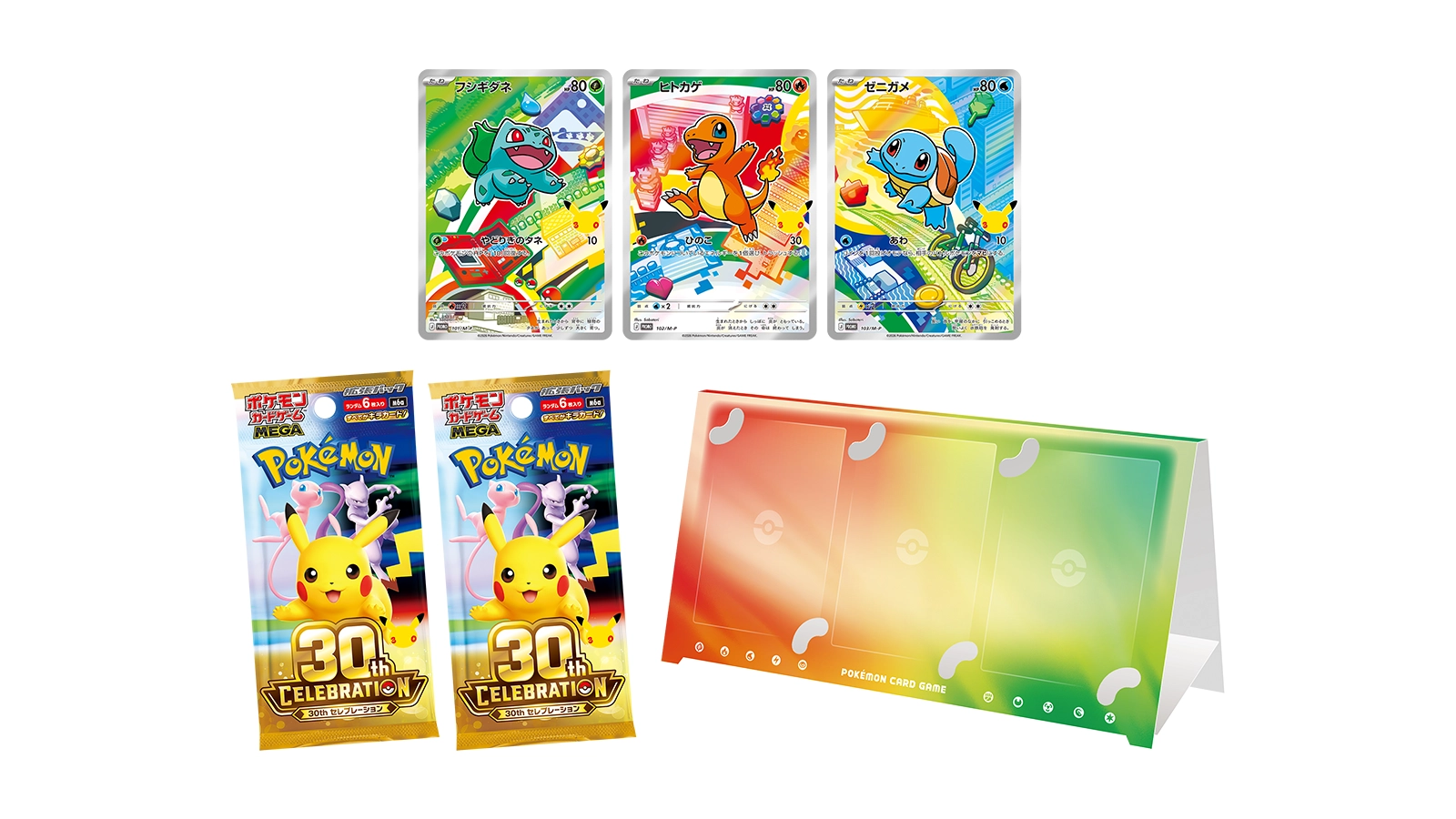
| Official item | Confirmed detail | Buyer meaning |
|---|---|---|
| Release date | October 16, 2026 | The card sets release after the main booster pack launch on September 16. |
| MSRP | JPY 1,200 tax included | Very accessible at retail; likely to be demand-limited if supply is tight. |
| Promo cards | 3 holo starter Pokemon cards per variant | The promos are known and generation-specific, not random. |
| Booster packs | 2 packs of 30th Celebration | Each pack contains six random foil cards according to the official pack page. |
| Display item | 1 paper card stand for three cards | The product is meant for display, not only pack opening. |
All 9 Starter Pokemon Card Sets
The card set lineup covers the first partner Pokemon from every mainline region from Kanto through Paldea. That gives the product a cleaner collecting goal than most small Pokemon TCG side products: you can buy one generation, or you can chase the full 27-card starter promo run.
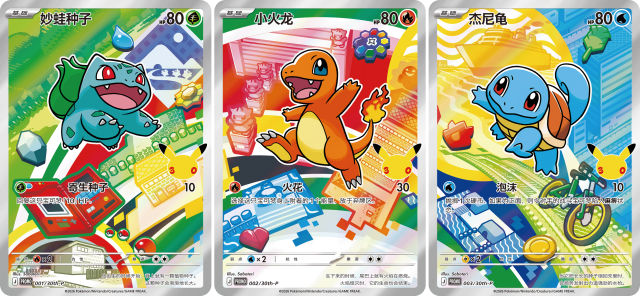
Kanto – Bulbasaur, Charmander, Squirtle
The obvious headline set. Kanto has the original anime and Base Set nostalgia, and Charmander gives this trio a direct Charizard-family tailwind.
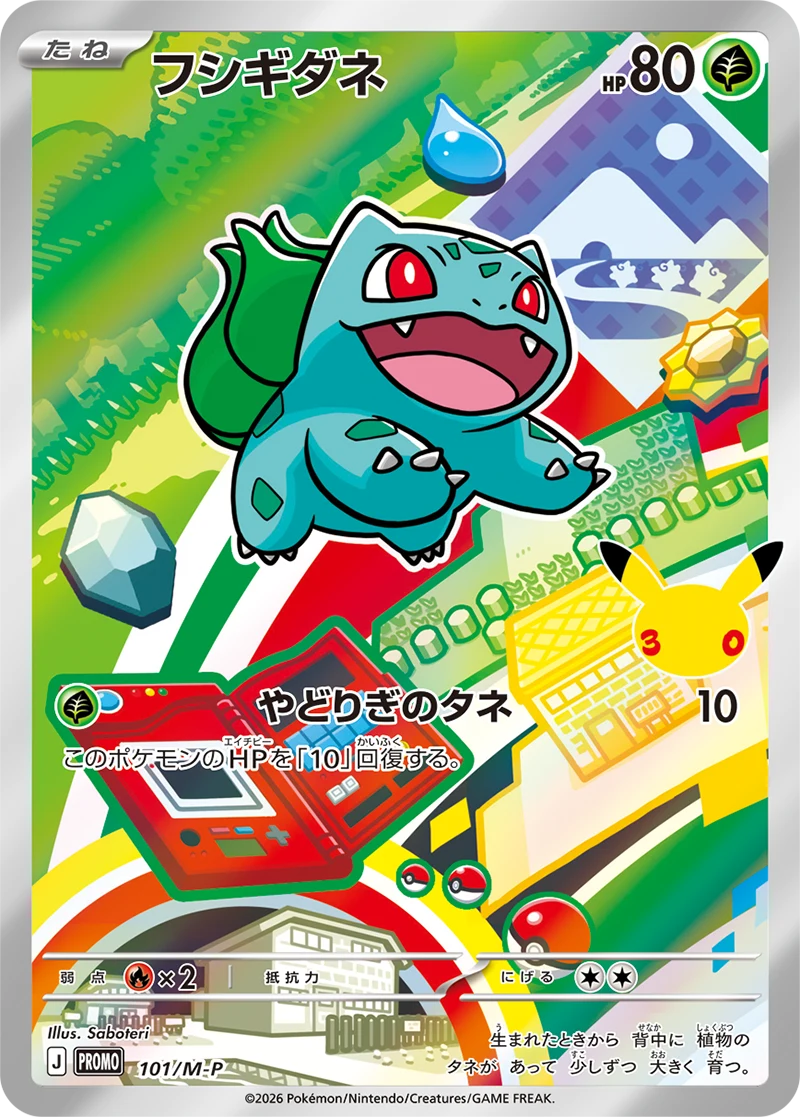 Bulbasaur
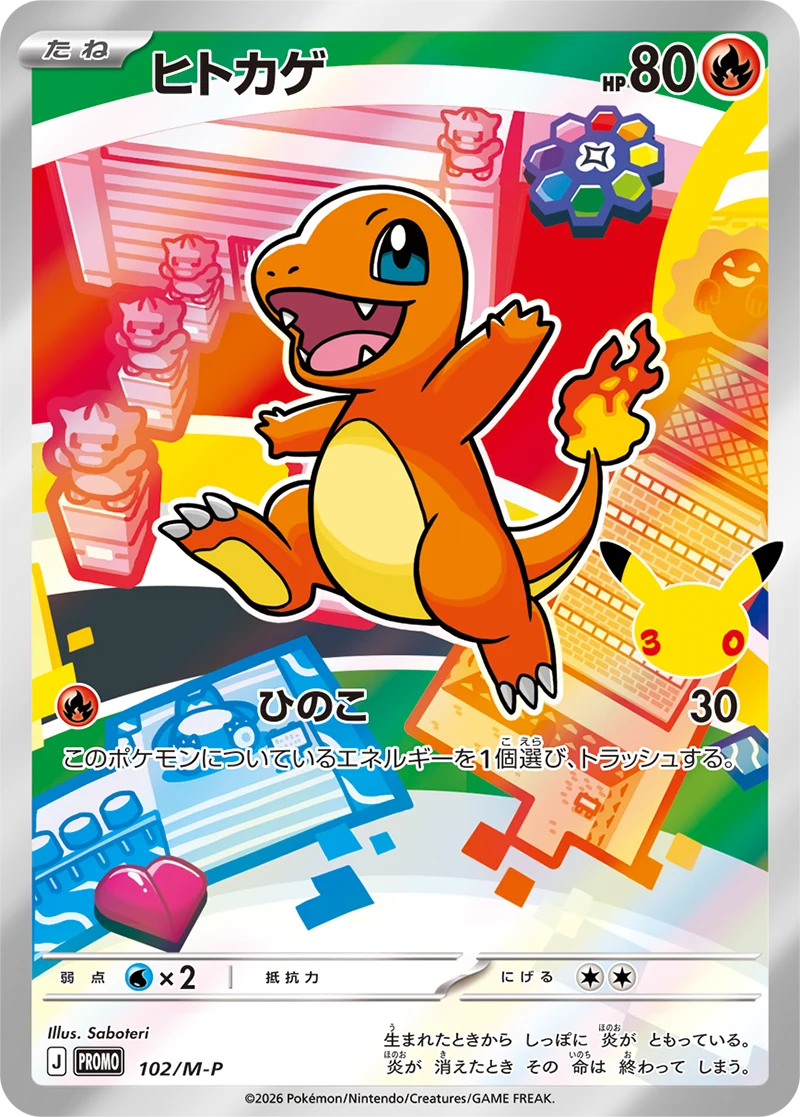 Charmander
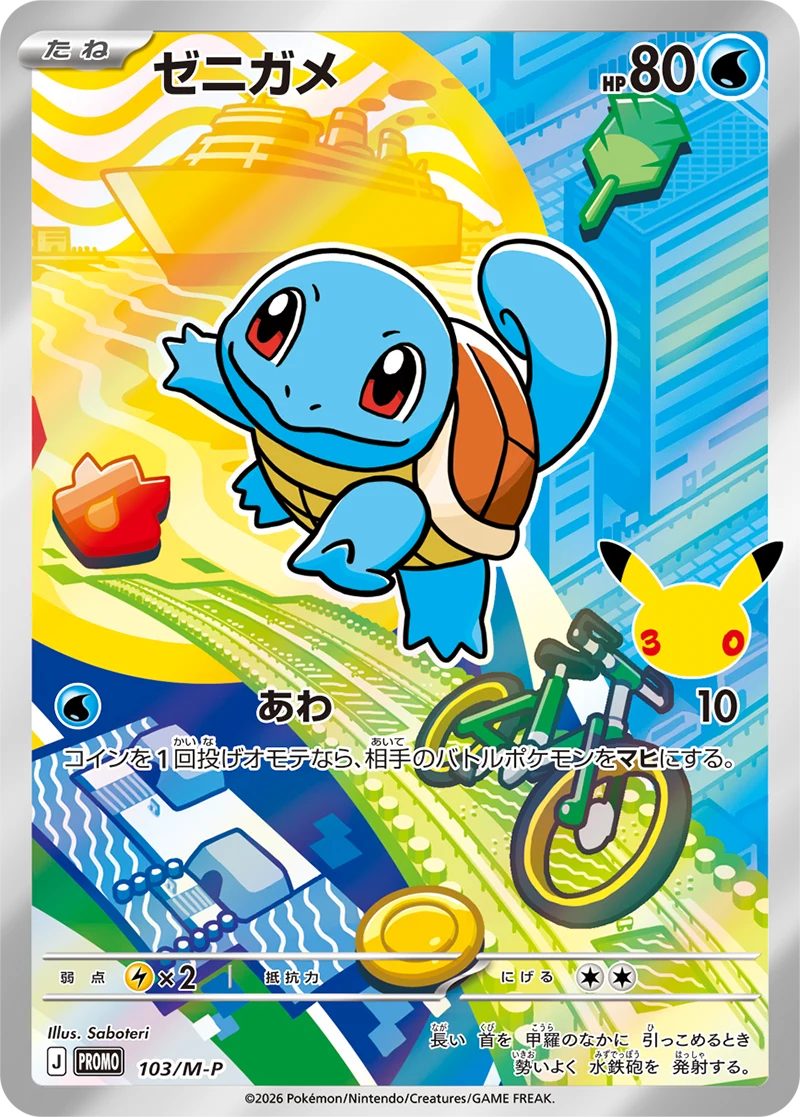 Squirtle
Johto – Chikorita, Cyndaquil, Totodile
The Johto set is the nostalgia pick for Gold, Silver and Crystal fans. Cyndaquil gives it the strongest single-character collector lane inside the trio.
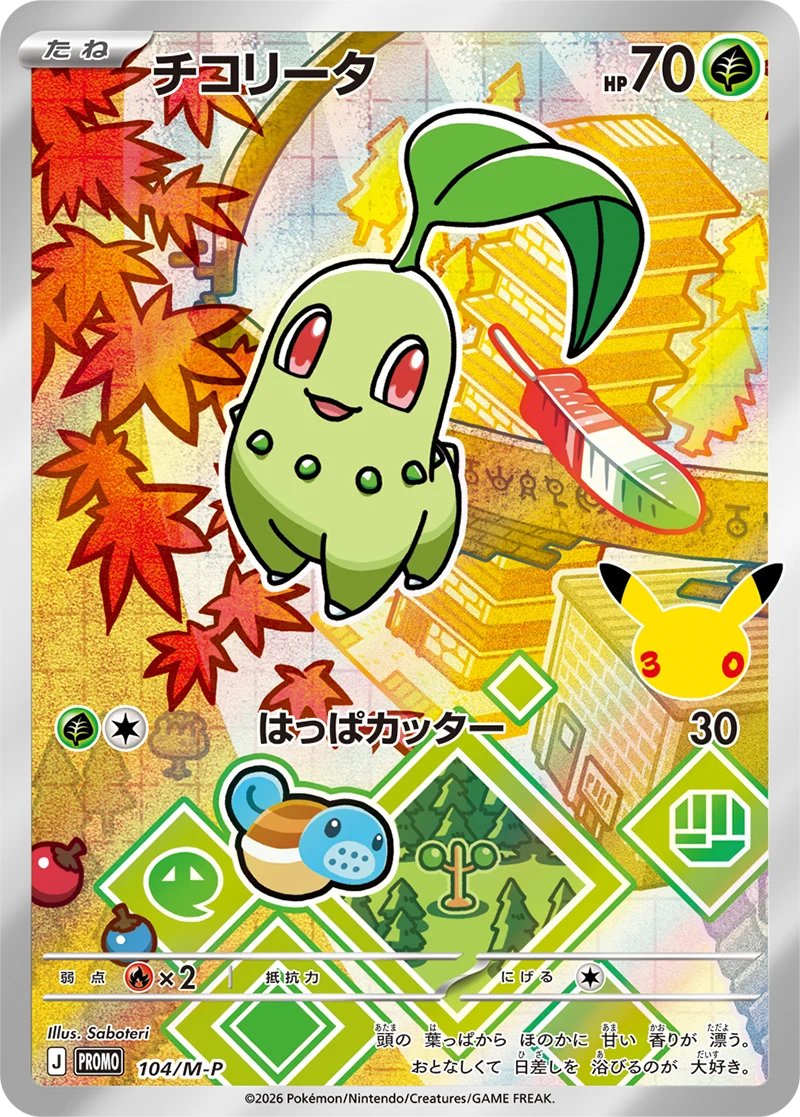 Chikorita
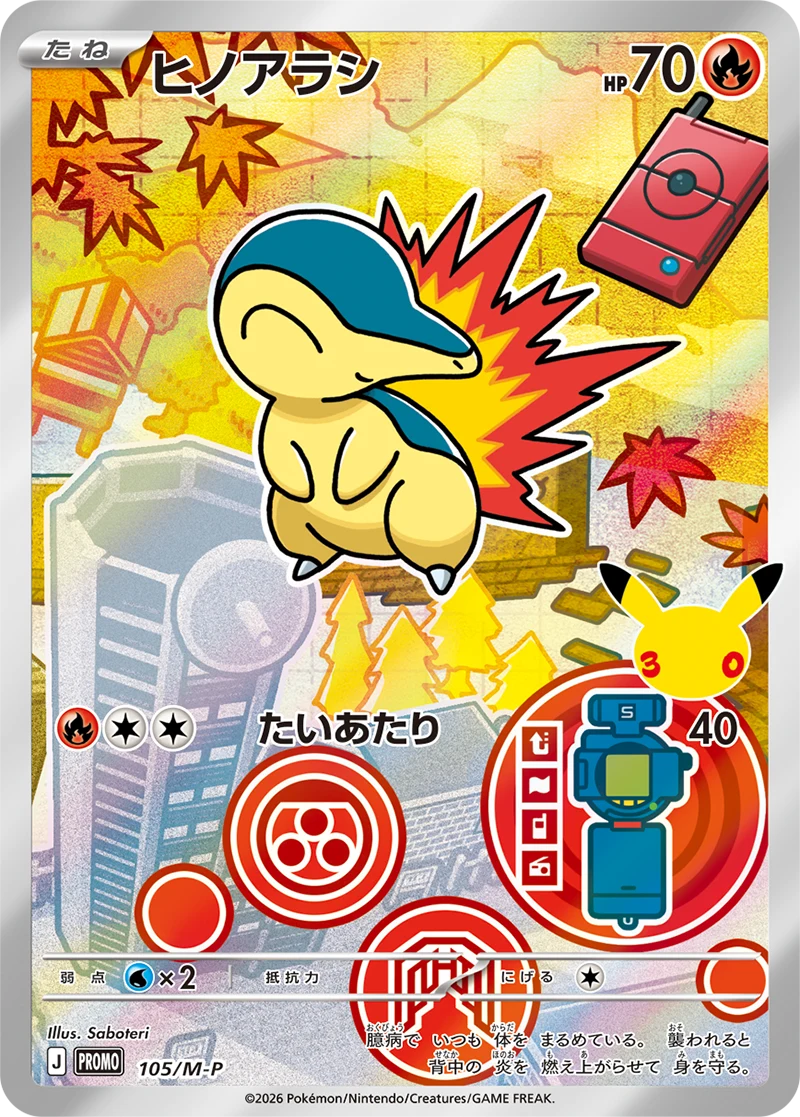 Cyndaquil
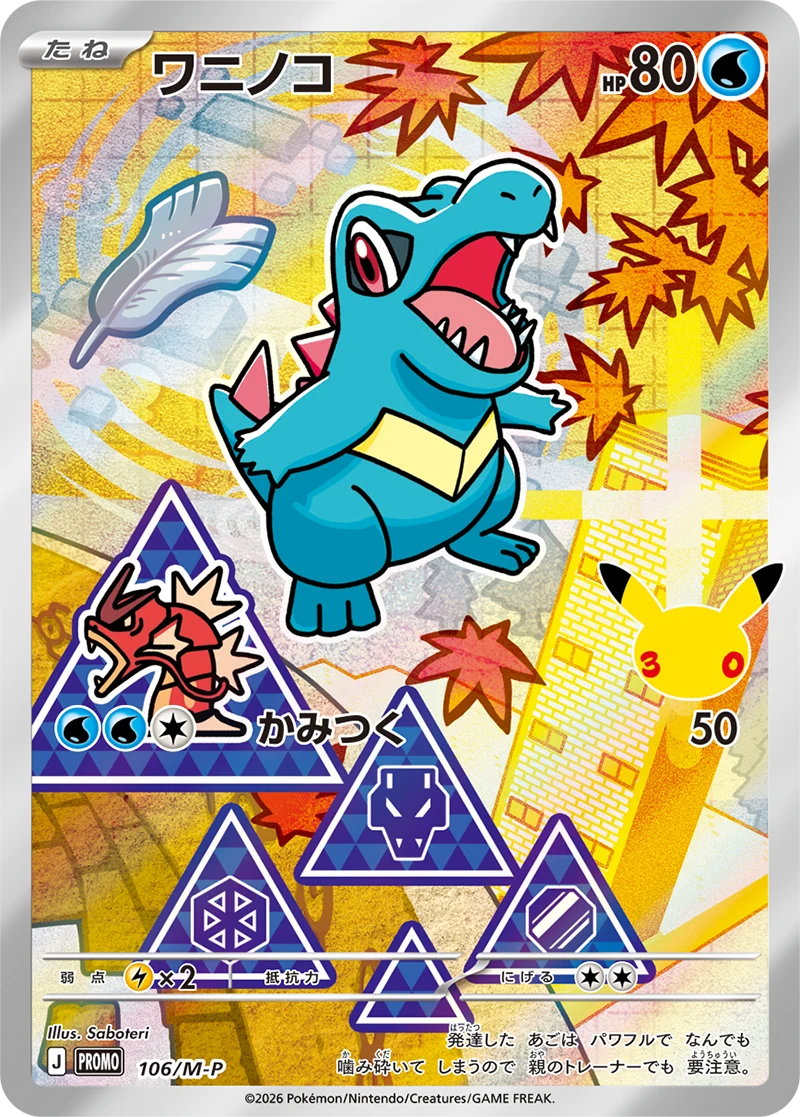 Totodile
Hoenn – Treecko, Torchic, Mudkip
Hoenn should not be ignored. Mudkip and Torchic both have strong fan memory, while Treecko gives the trio a clean, bright art identity.
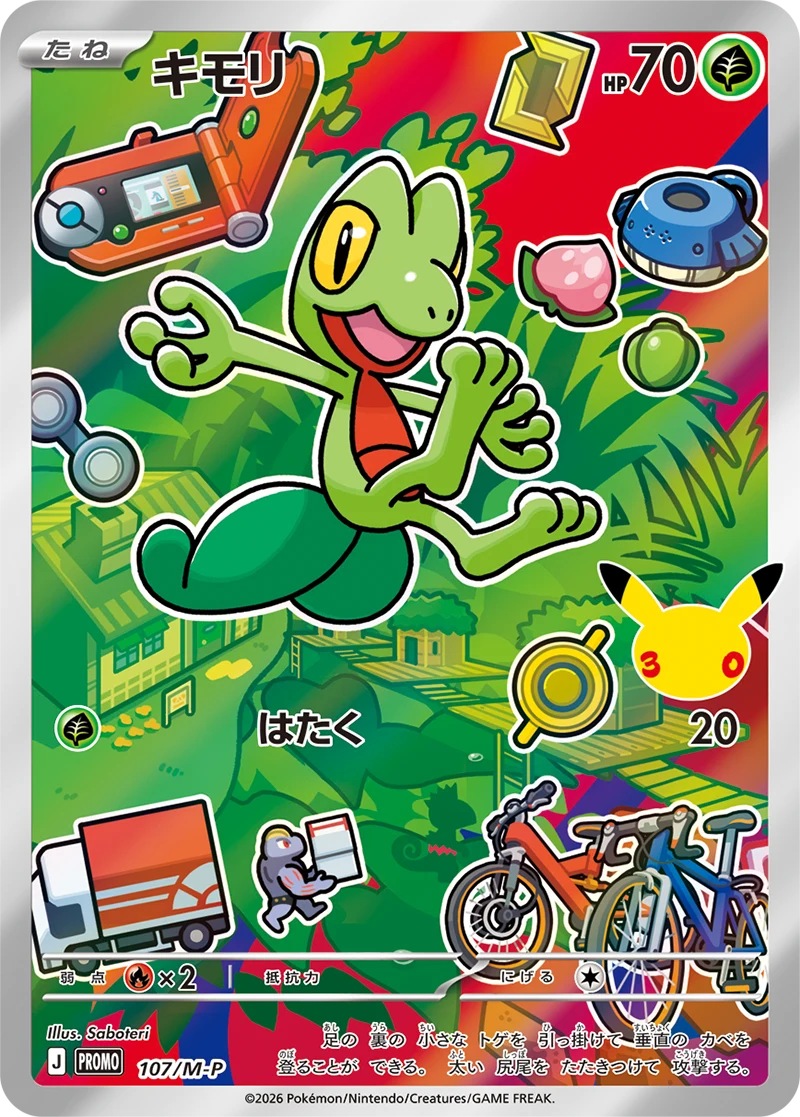 Treecko
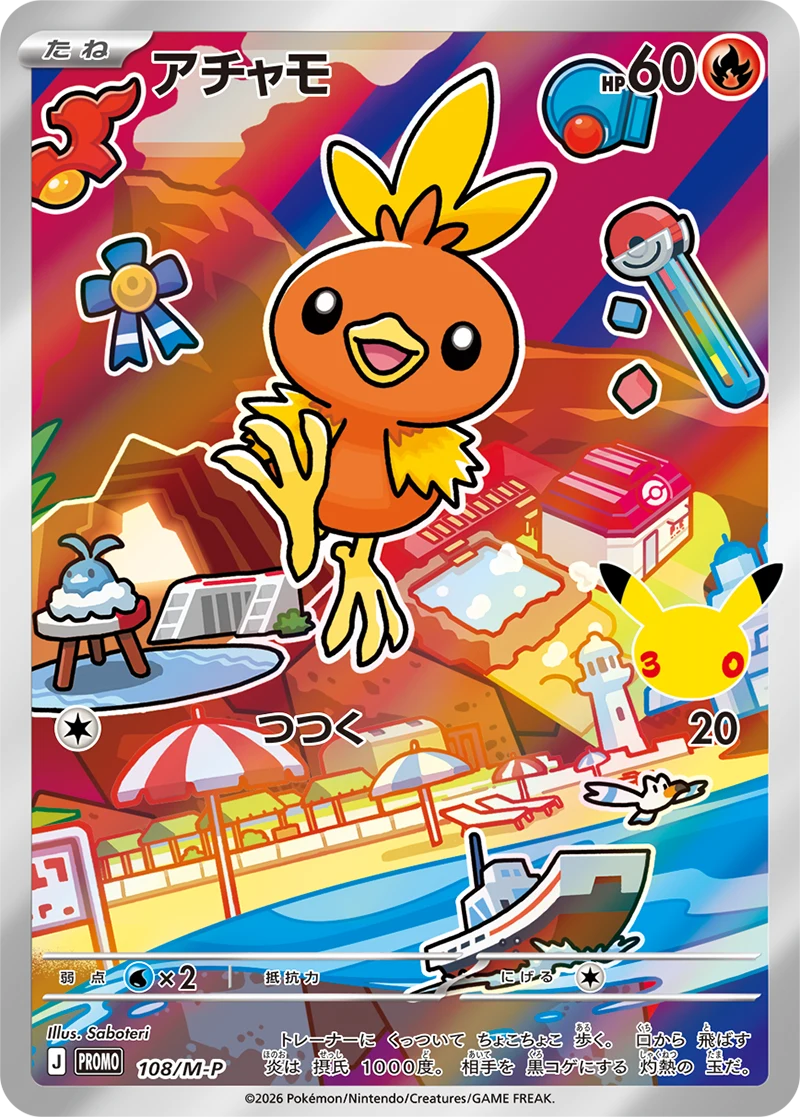 Torchic
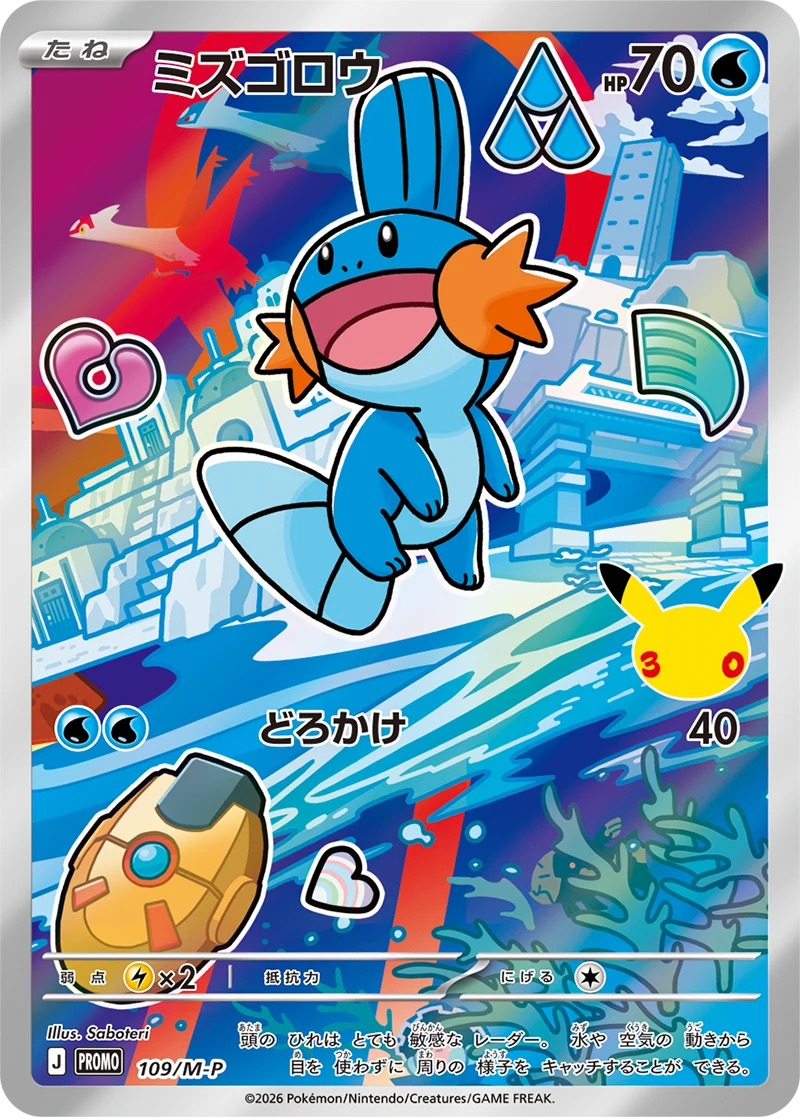 Mudkip
Sinnoh – Turtwig, Chimchar, Piplup
Sinnoh has an extra 2026 relevance because Pokemon Legends: Arceus kept the region’s character memory alive. Piplup is the main collector signal here.
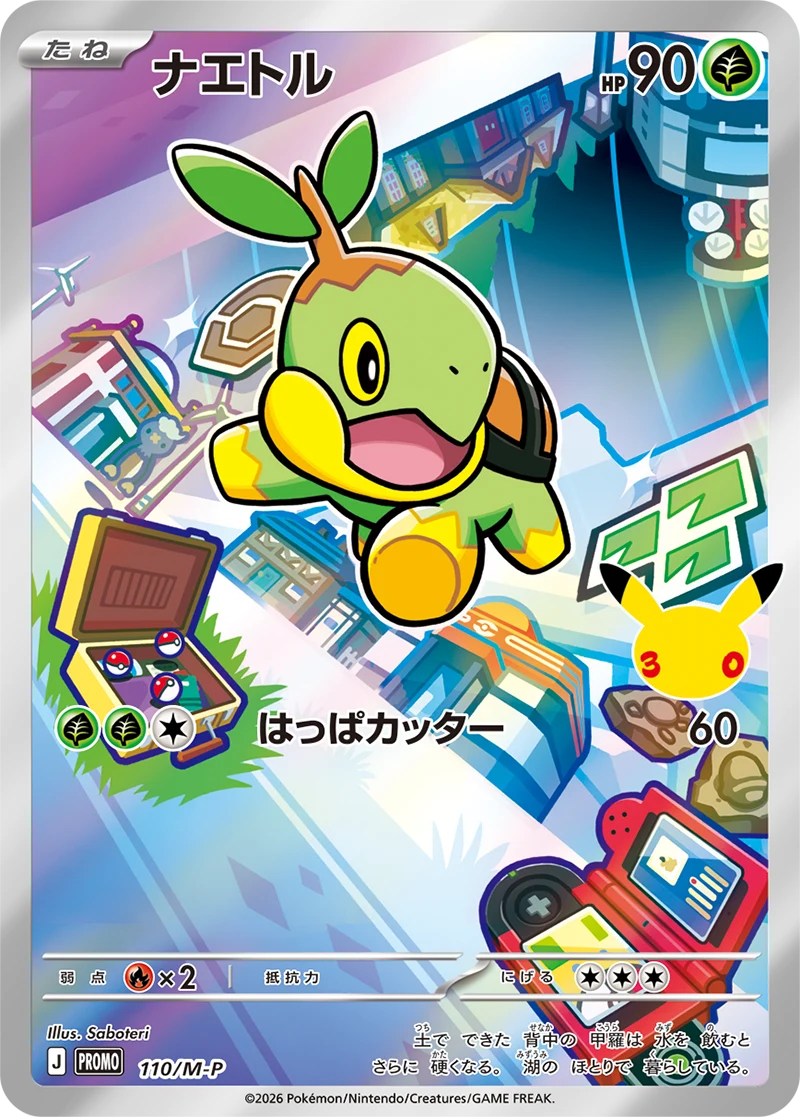 Turtwig
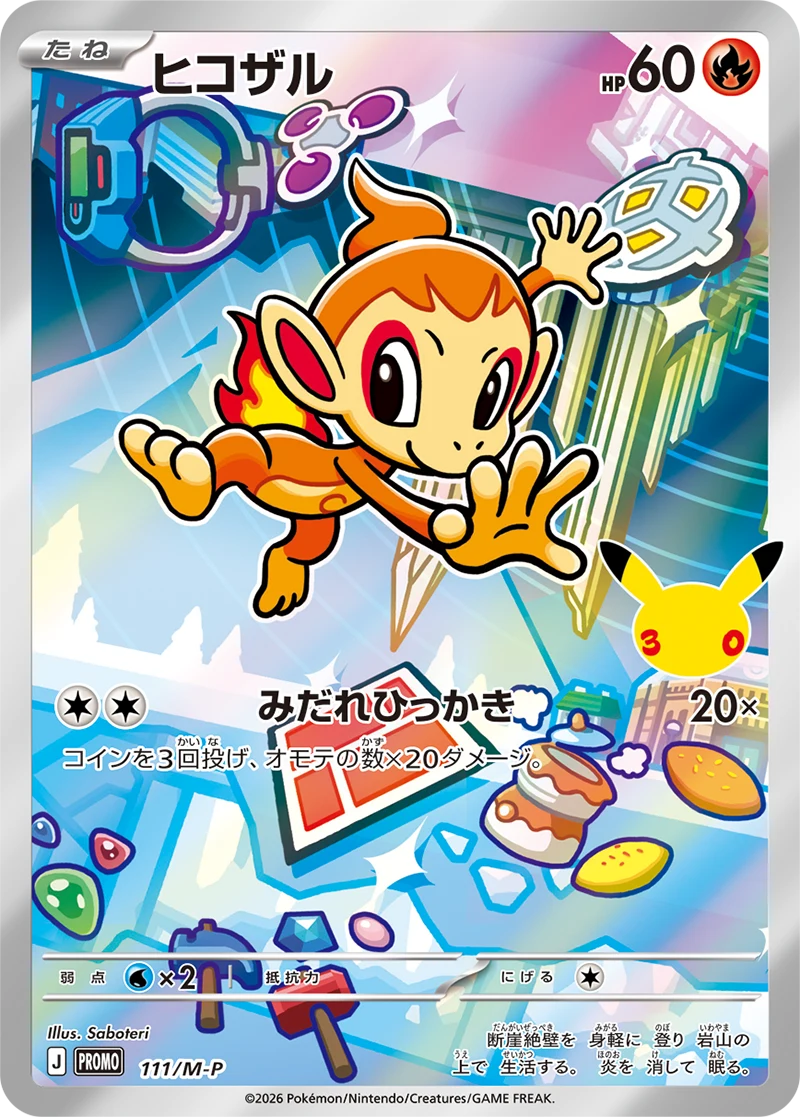 Chimchar
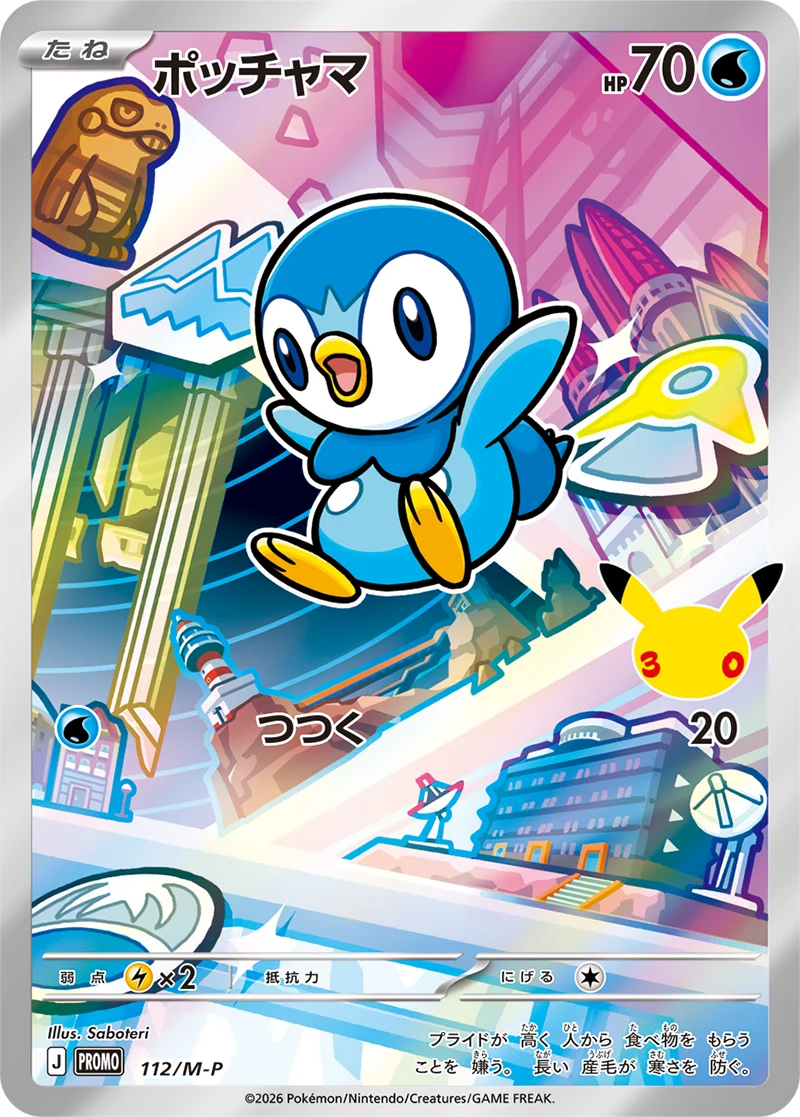 Piplup
Unova – Snivy, Tepig, Oshawott
Unova often gets less casual attention than Kanto or Sinnoh, but that can make it a better collector pick if supply gets uneven by generation.
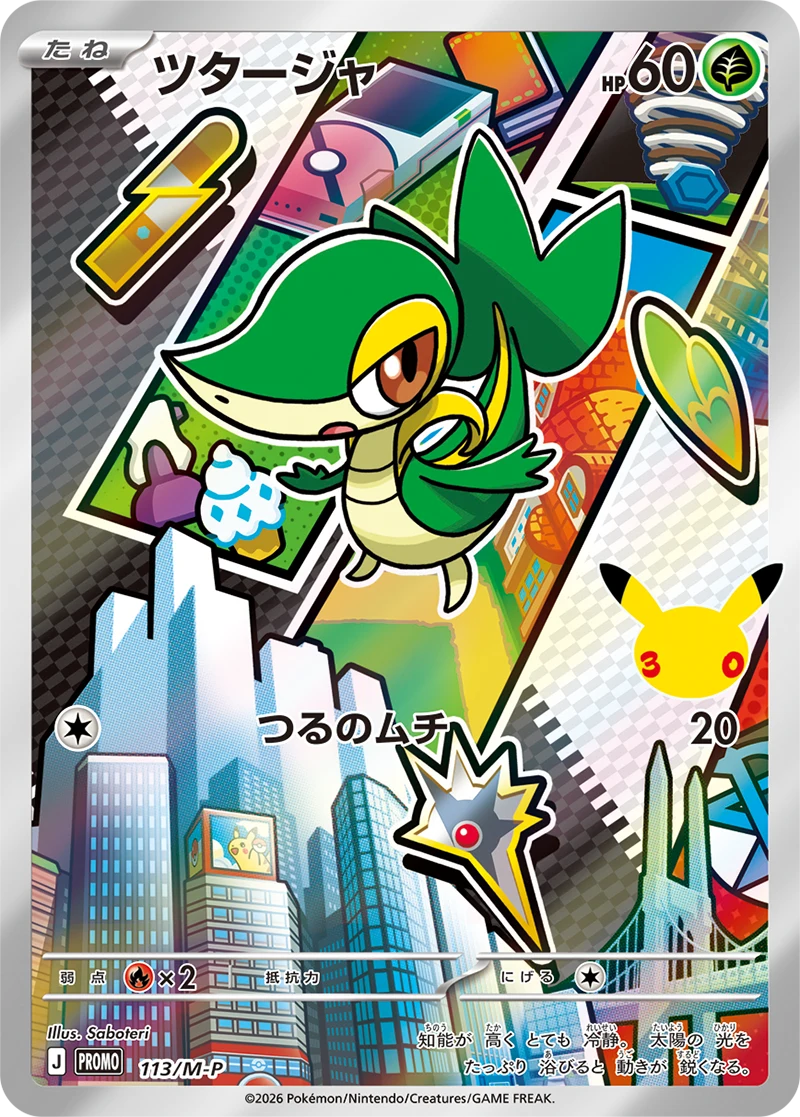 Snivy
Snivy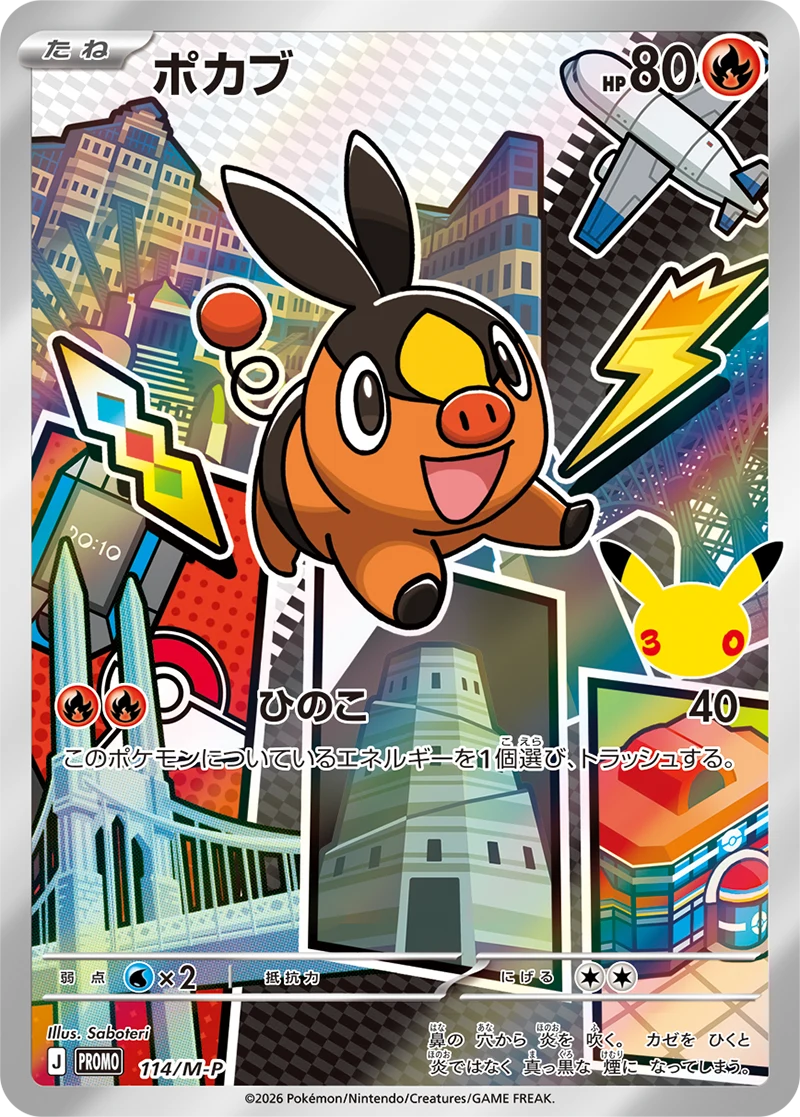 Tepig
Tepig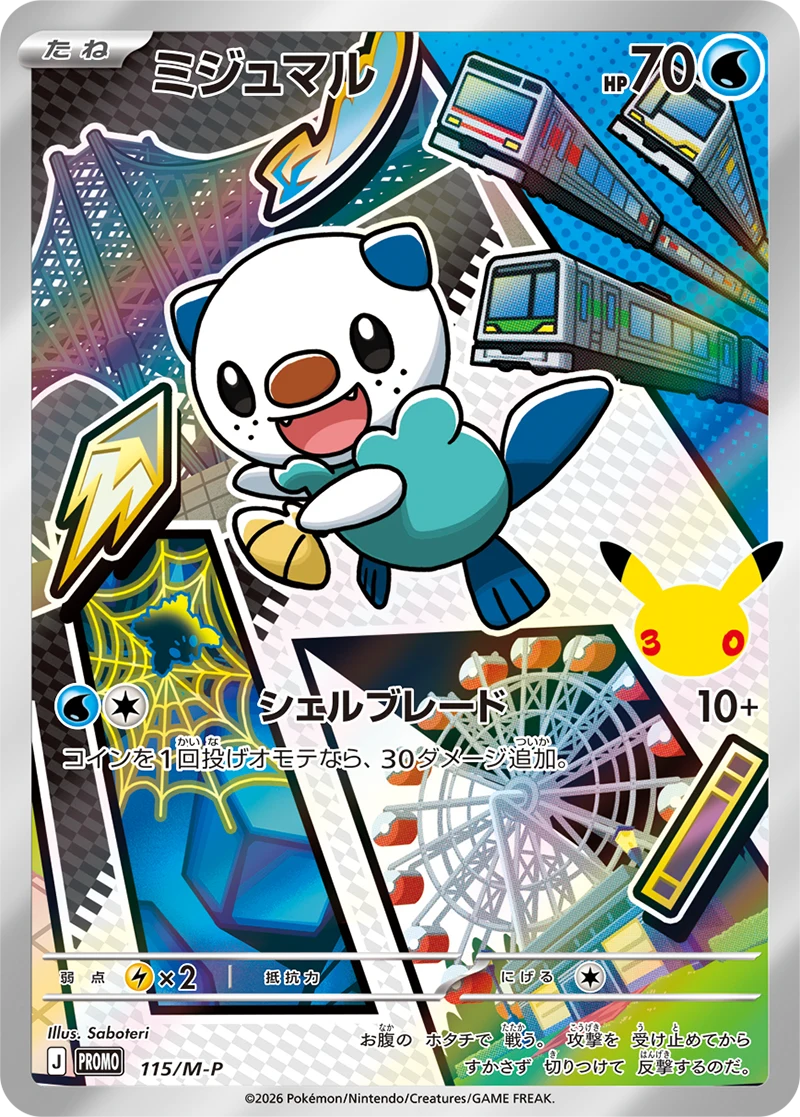 Oshawott
Kalos – Chespin, Fennekin, Froakie
Kalos has one clear star: Froakie, because Greninja is one of the strongest modern starter evolutions from a collector-demand standpoint.
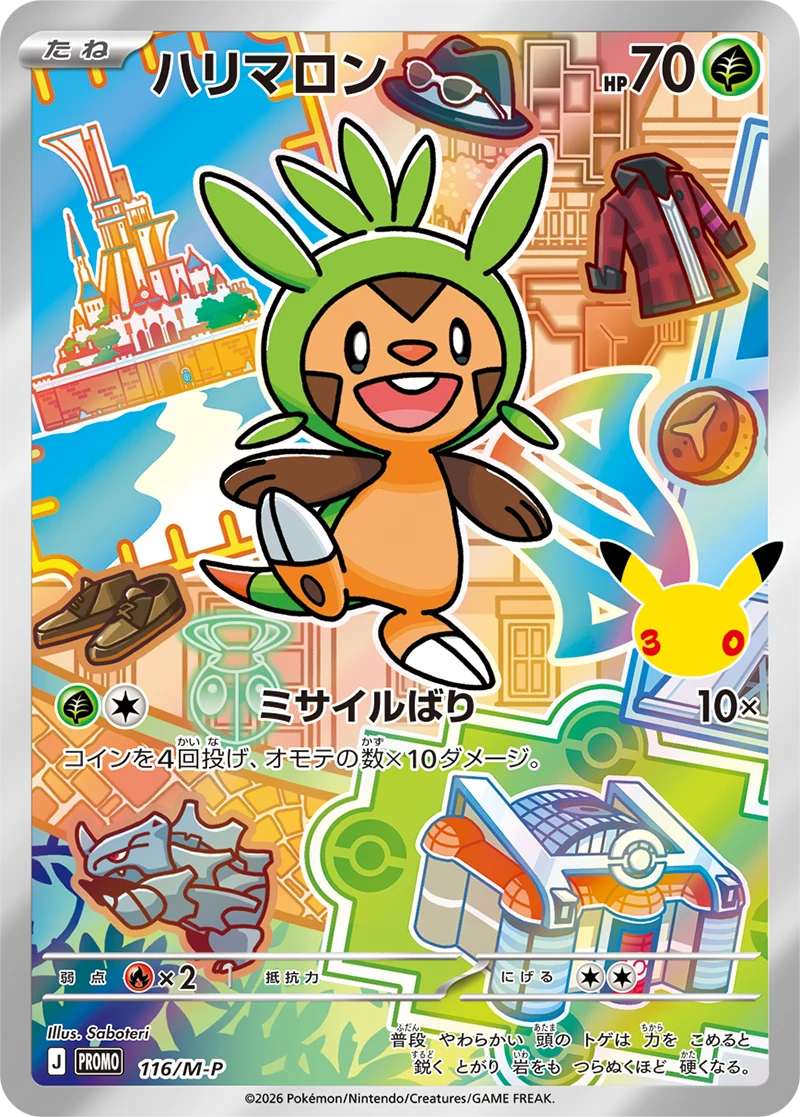 Chespin
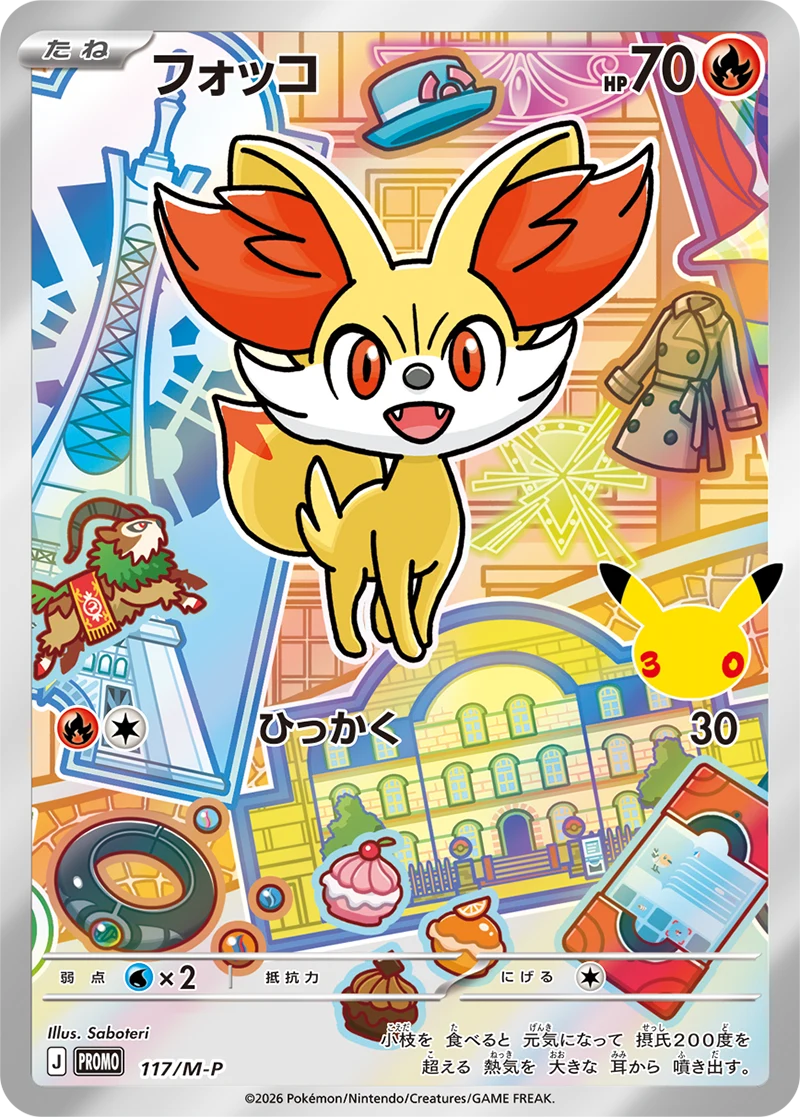 Fennekin
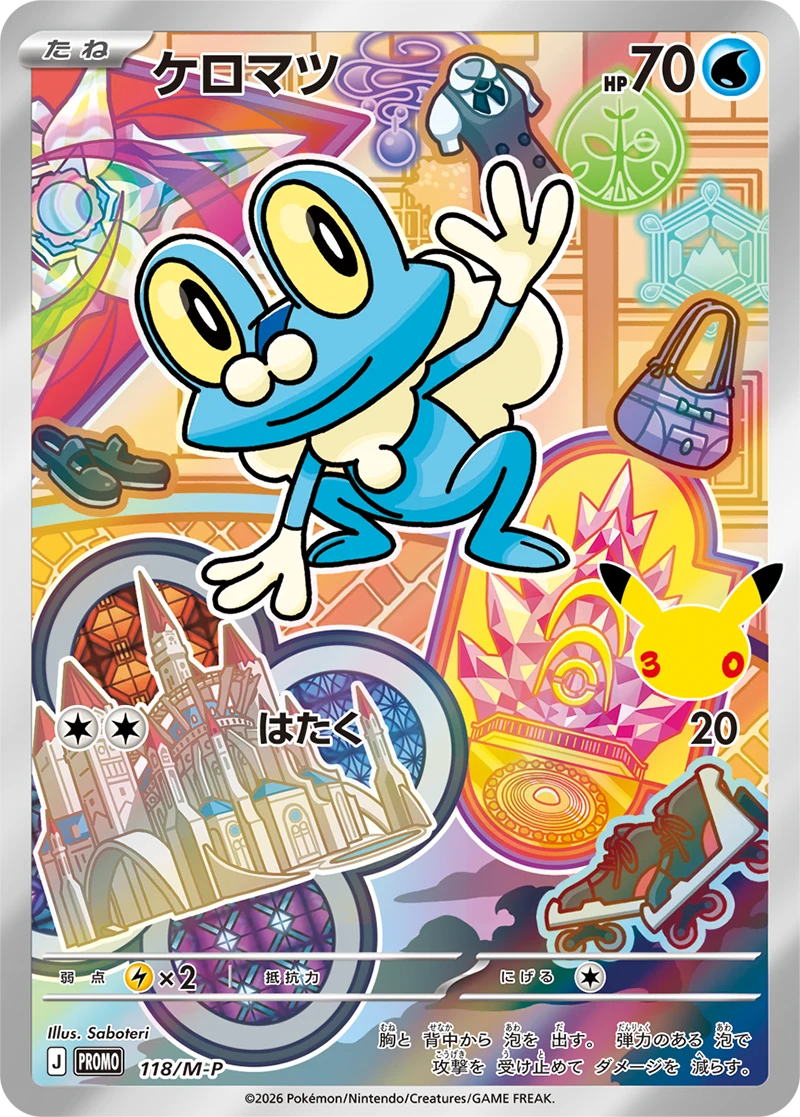 Froakie
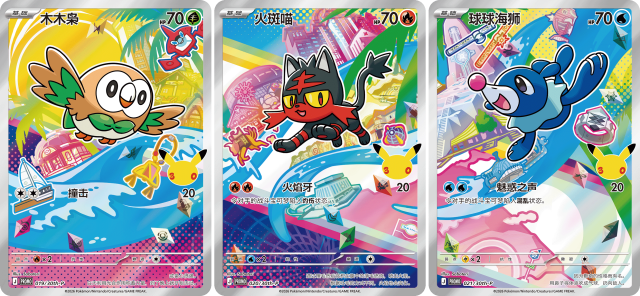
Alola – Rowlet, Litten, Popplio
Alola is one of the more balanced trios. Rowlet and Litten tend to carry the stronger character lanes, while Popplio rounds out a display-friendly color set.
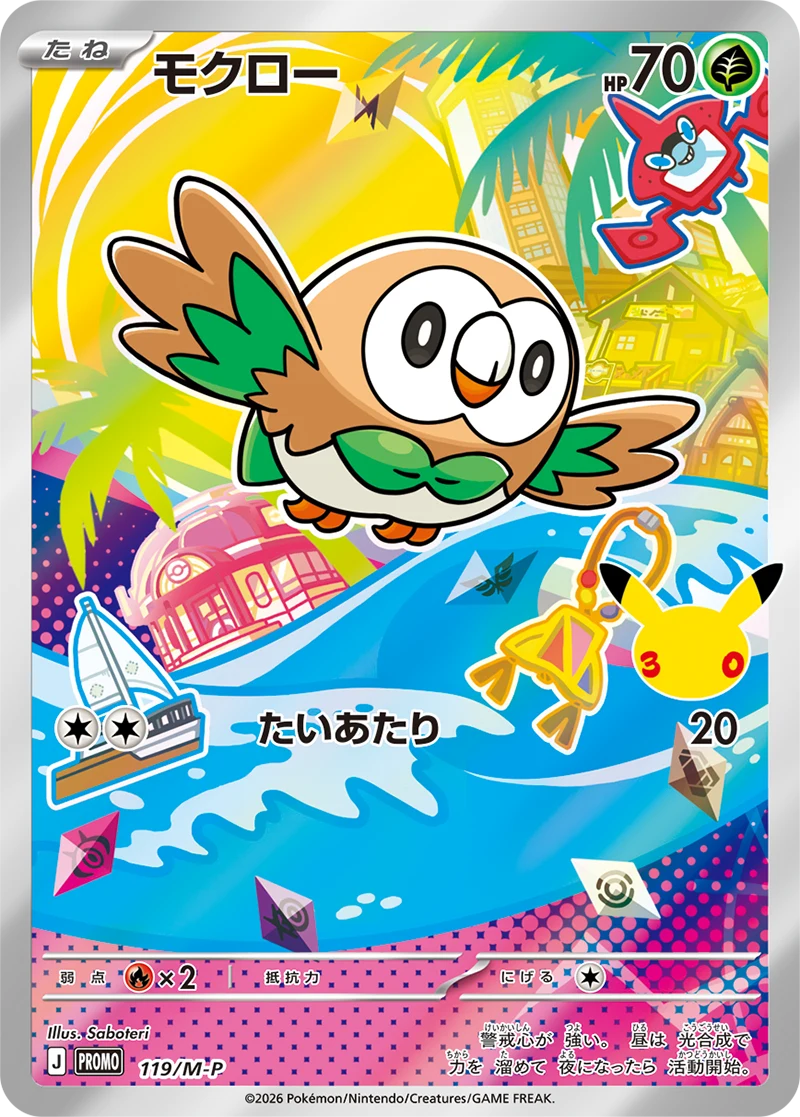 Rowlet
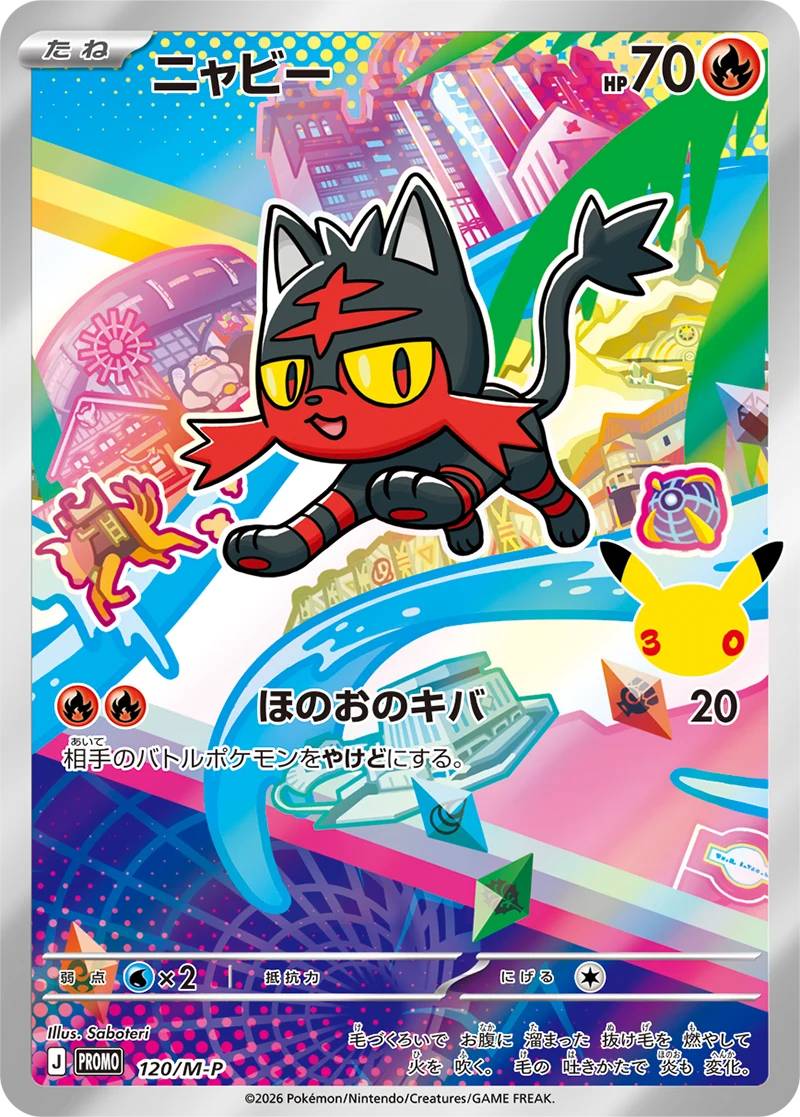 Litten
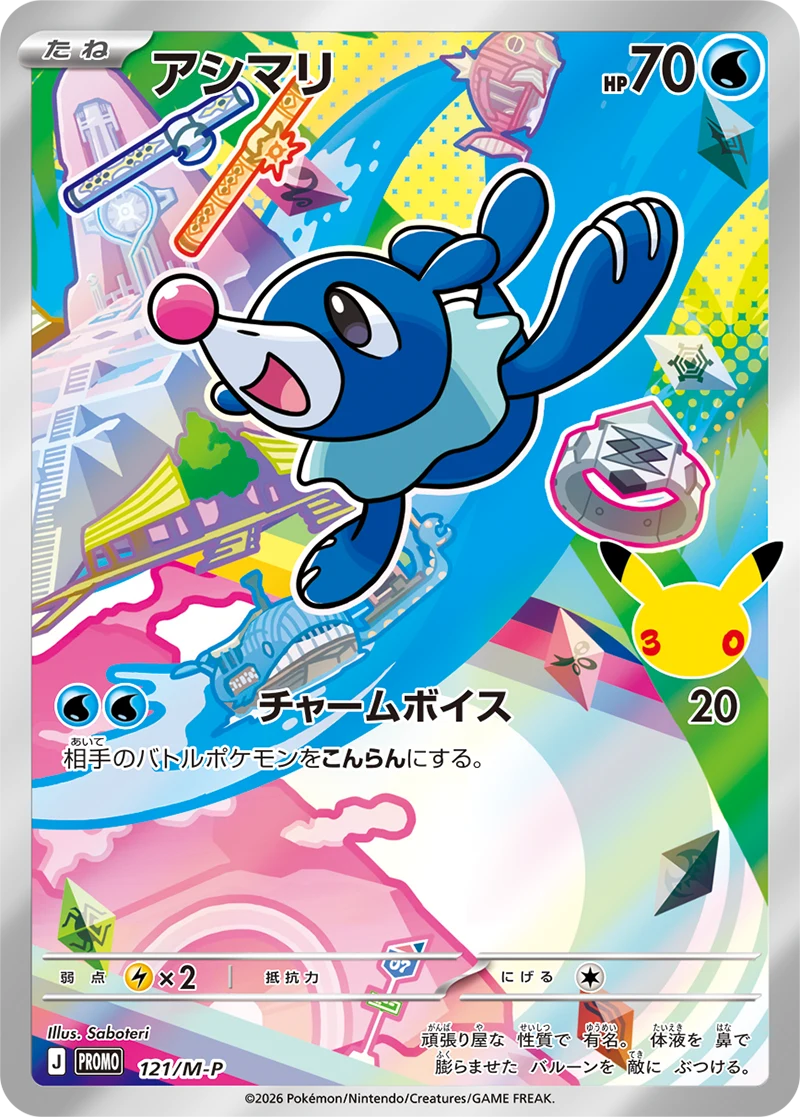 Popplio
Galar – Grookey, Scorbunny, Sobble
Galar is the Sword and Shield era pick. Scorbunny is likely the easiest sell to casual collectors, but all three work well as a modern-era sealed display set.
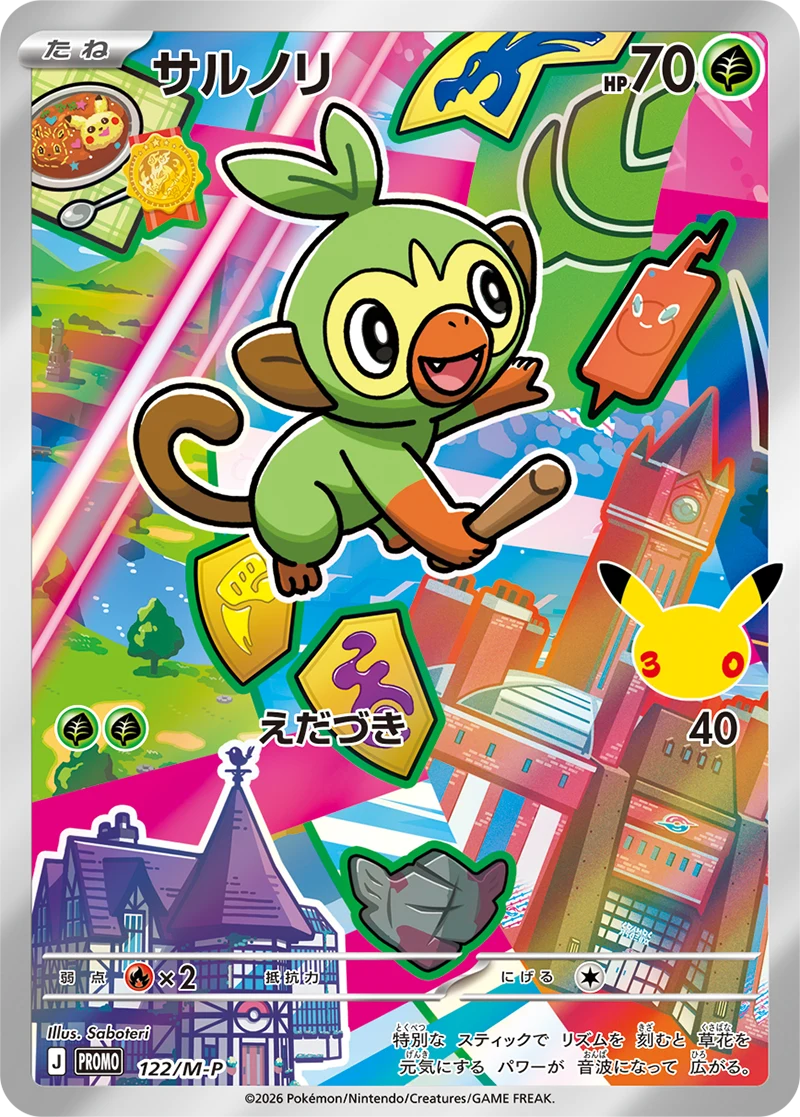 Grookey
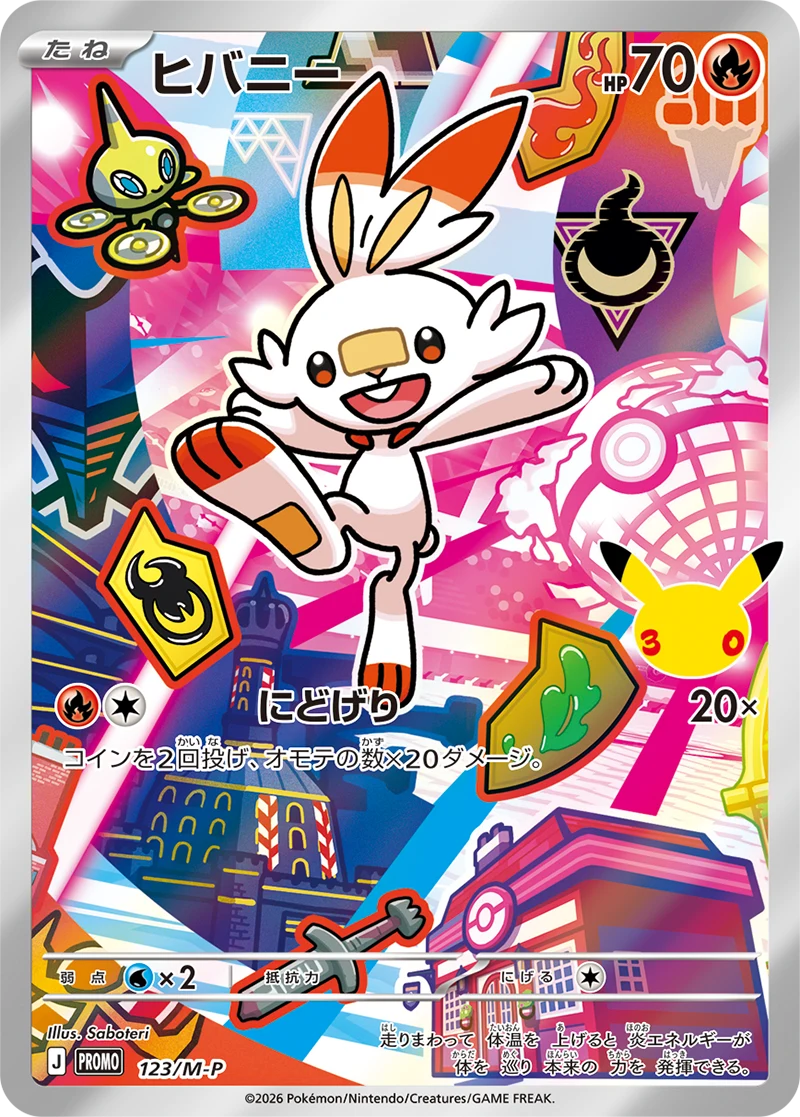 Scorbunny
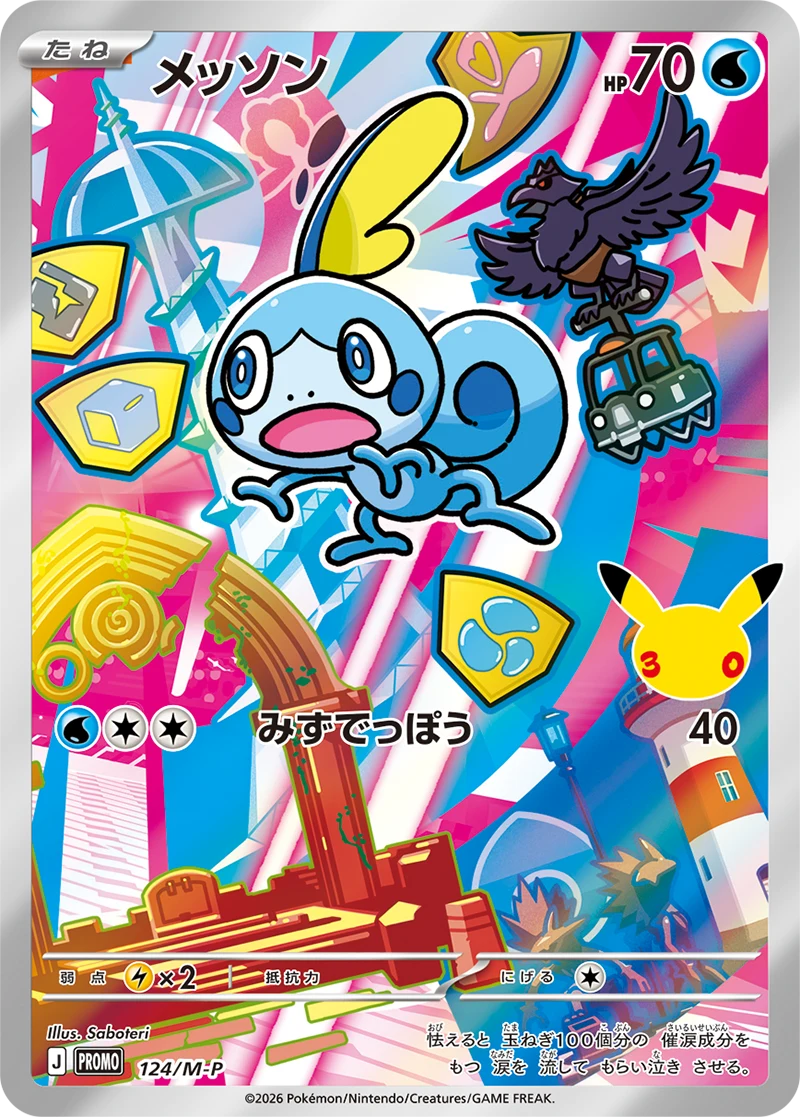 Sobble
Paldea – Sprigatito, Fuecoco, Quaxly
Paldea is the newest-generation route. It may not have Kanto nostalgia yet, but it reaches younger Scarlet and Violet collectors who started with these Pokemon.
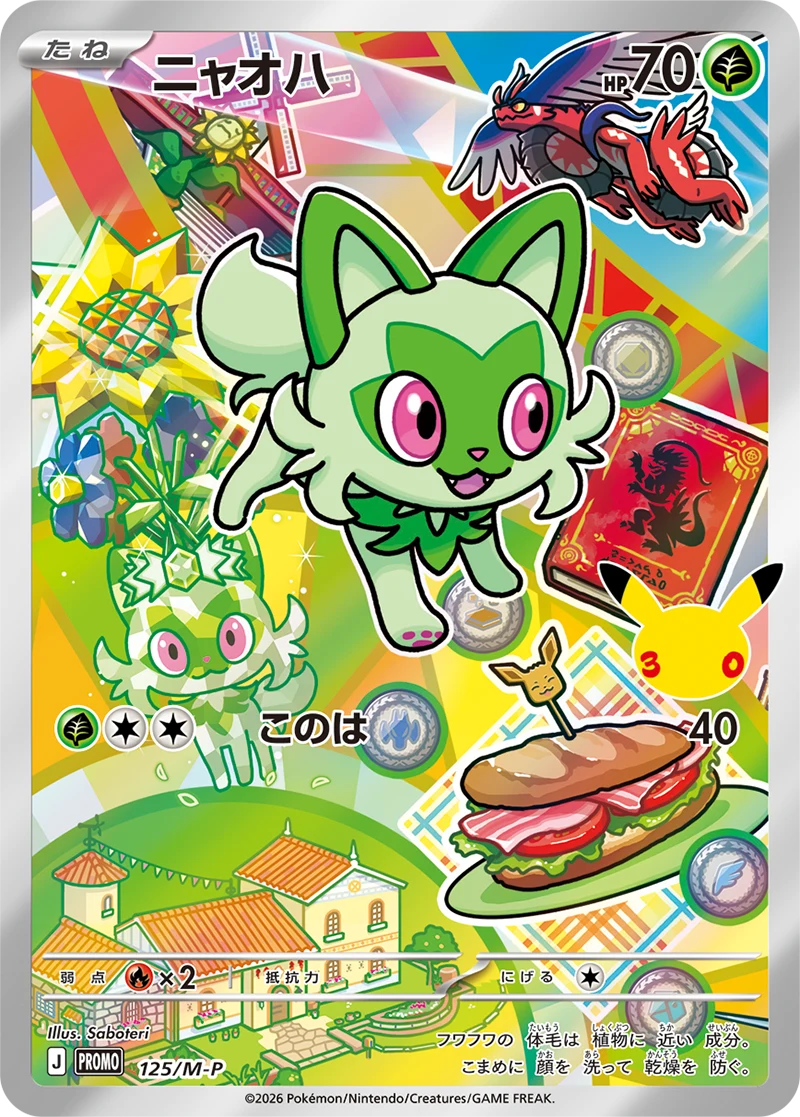 Sprigatito
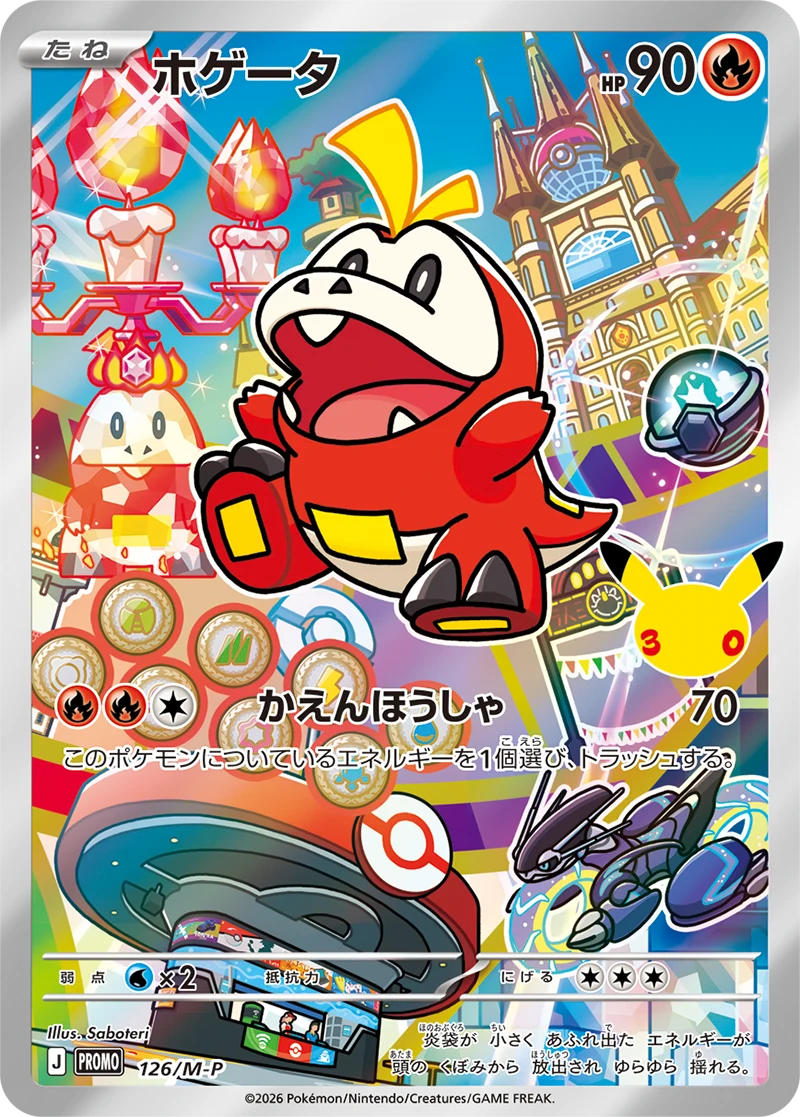 Fuecoco
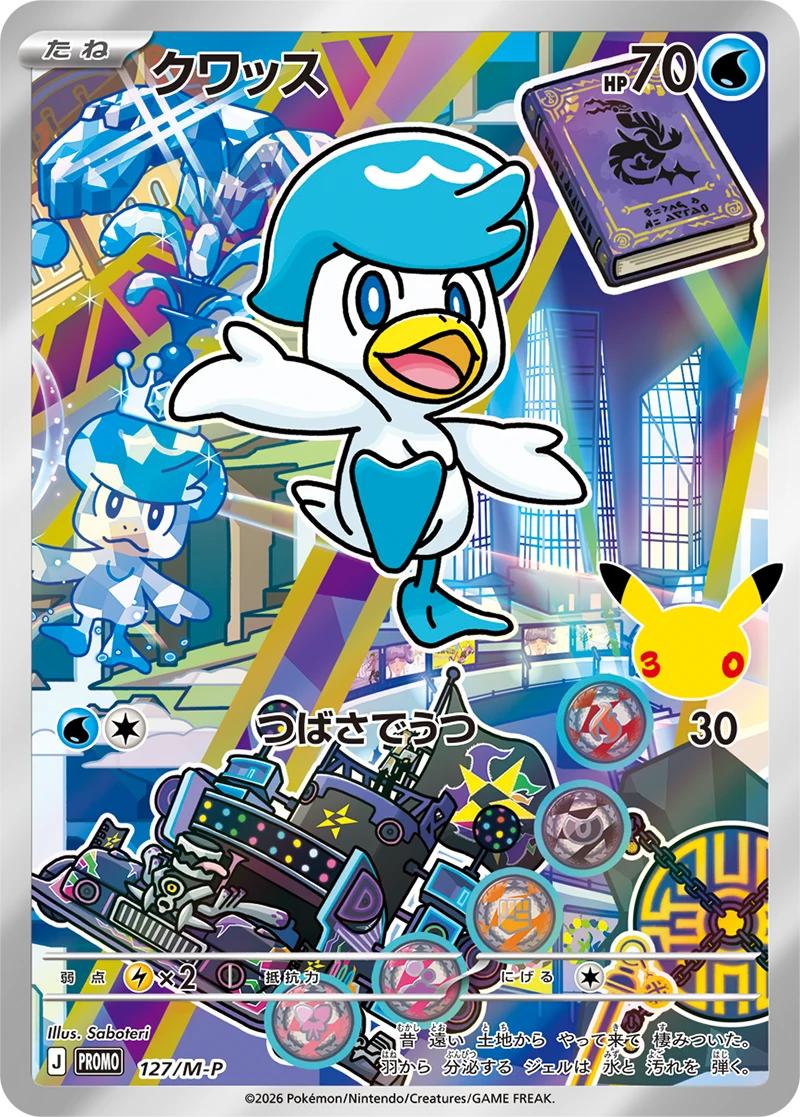 Quaxly
Which 30th Celebration Card Set Should You Buy First?
If all nine variants are available at MSRP, the most disciplined answer is simple: buy your favorite generation first, then decide whether to complete the run. If availability is limited, prioritize by collector demand and future liquidity.
Bulbasaur, Charmander and Squirtle will be the easiest trio for global buyers to understand. This is the default pick for one-set buyers.
Froakie gives the set Greninja demand. If Kanto sells out quickly, Kalos is a practical backup with a clear collector hook.
Piplup plus long-running Sinnoh nostalgia makes this one safer than it may look at first glance.
| Buyer type | Best target | Why |
|---|---|---|
| One-set nostalgia buyer | Kanto | Original starter trio, widest recognition, strongest display identity. |
| Modern starter collector | Kalos or Paldea | Froakie/Greninja demand for Kalos; newest-generation relevance for Paldea. |
| Full run collector | All 9 variants | Completes the 27-card starter promo sequence and gives 18 booster packs. |
| Budget buyer | Favorite personal generation | The promos are fixed, so personal attachment matters more than random pack odds. |
| Sealed display buyer | Kanto, then Sinnoh/Kalos | Those three have the cleanest global recognition story. |
MSRP Value Math: Why JPY 1,200 Is Interesting
The official pack page lists the 30th Celebration booster pack at JPY 360 tax included, with six random foil cards per pack. Since each card set includes two packs, the pack component is worth JPY 720 at MSRP. That leaves JPY 480 for the three holo promos and the paper stand.
| Item | MSRP math | Interpretation |
|---|---|---|
| Card set MSRP | JPY 1,200 | Official tax-included retail price per variant. |
| Two booster packs | JPY 360 x 2 = JPY 720 | Based on the official booster pack MSRP. |
| Implied promo + stand premium | JPY 480 | Only JPY 160 per promo if the stand is valued at zero. |
| Full nine-set MSRP | JPY 10,800 | 27 promos, 18 packs, and 9 stands. |
| Full-run pack value | JPY 6,480 | 18 packs at JPY 360 each. |
| Full-run promo + stand premium | JPY 4,320 | Effective JPY 160 per promo before assigning any value to stands. |
SST read: at MSRP, this is a better promo product than it first looks. The risk is not the retail math. The risk is availability, allocation and resale markup after release. If secondary prices rise too far above MSRP, the buying decision changes quickly.
What Do the Two 30th Celebration Packs Add?
The two included packs are not filler. The main 30th Celebration booster is the center of the 2026 anniversary program, with all-foil packs, the new FUR rarity, 30 Pikachu cards, and classic reprint attention covered in our broader 30th Celebration card list and chase-card guide.
That said, the card set should not be evaluated like a booster box. You are only getting two packs per variant, so the chance of a major chase from one card set is naturally limited. The real product thesis is the combination: fixed starter promos plus a small opening experience.
Pre-release caveat: as of June 9, 2026, the card set has not released. There are no real opening results, pull-rate samples, or sold-price histories for these promos. Any price forecast before October 16 should be treated as speculation.
| Opening scenario | How to think about it | Buying action |
|---|---|---|
| One card set | Two packs is a bonus opening, not a chase strategy. | Buy for the starter trio first. |
| Three card sets | Six packs gives a small sample, still not enough to hunt a specific chase. | Pick three favorite generations. |
| All nine card sets | 18 packs is close to a box-like opening experience but still product-specific. | Only do this if you also want all 27 promos. |
Should You Buy the Full Nine-Set Master Run?
The full nine-set run is the cleanest collector target: 27 known starter promos, 18 packs, and nine display stands. It is also the easiest way to avoid regretting a missing generation later if supply is uneven. The downside is obvious: if release-day resale prices spike, buying all nine at markup can become inefficient very fast.
| Plan | Pros | Cons | Best for |
|---|---|---|---|
| Buy Kanto only | Lowest cost, strongest recognition | Misses the 27-card run | Casual nostalgia buyers |
| Buy 3 favorite generations | Balanced cost and personal value | Not a complete collector object | Most buyers |
| Buy all 9 | Complete promo sequence and 18 packs | Higher upfront cost and harder availability | Set collectors and sealed collectors |
| Wait for singles | Can target exact promos | Early singles may be overpriced | Buyers who do not care about sealed packaging |
Buying from Japan? We will track Japanese Pokemon sealed products, 30th Celebration availability and related booster-box inventory as release approaches.
The Collector Lanes: Why These 27 Promos Matter
Starter Pokemon cards are not all valued the same way. Some move because they are attached to a famous final evolution. Some move because the first-stage Pokemon itself is beloved. Some move because the product is easy to explain in one sentence. The 30th Celebration Card Set has all three forces working at once, which is why the lineup deserves more than a simple product-news post.
1. Original starter nostalgia
Kanto is the simple one. Bulbasaur, Charmander and Squirtle are the first three starters many international collectors ever saw on TV, in Game Boy games, and in early TCG products. The actual cards here are new 30th-anniversary promos, not reprints of 1990s cards, but the emotional hook is the same: the original choice screen. That makes the Kanto card set the easiest item to sell or gift because the buyer does not need deep 2026 Pokemon TCG knowledge to understand it.
2. Evolution-family demand
Some first partner Pokemon borrow demand from their final evolutions. Charmander benefits from Charizard. Froakie benefits from Greninja. Piplup benefits from Empoleon and from Sinnoh-era attachment. Scorbunny benefits from Cinderace for Sword and Shield fans. This does not mean the base starter promo becomes expensive automatically, but it does mean those trios have more collector search paths than a low-profile starter with fewer high-demand evolutions.
3. Full-run display collecting
The included paper stand tells you how Pokemon wants buyers to think about the product: this is a display object. A collector who buys all nine variants can line up the entire mainline starter history from Kanto through Paldea. That is a stronger story than nine unrelated accessory boxes. It is also why sealed collectors may prefer complete bundles with all nine variants rather than a random mix of whatever was available after release.
4. Entry-level anniversary product demand
High-end 30th Celebration products, especially premium boxes and specialty supply sets, can be expensive or limited. The card set is the opposite: it is low MSRP, visually obvious, and tied to characters rather than abstract rarities. That makes it the likely entry point for casual anniversary buyers. Low price does not guarantee easy availability, but it does increase the number of buyers who can justify adding one to an order.
| Collector lane | Strongest variants | Why it matters | Risk |
|---|---|---|---|
| Original nostalgia | Kanto | Most recognizable trio globally. | Likely to get the highest release-week markup. |
| Evolution-family demand | Kanto, Kalos, Sinnoh | Charmander/Charizard, Froakie/Greninja, Piplup/Sinnoh memory. | Demand may concentrate on one promo inside the trio. |
| Complete run | All nine | Clean 27-card starter history display. | Requires finding every variant in good condition. |
| Modern generation buyers | Galar, Paldea | Appeals to newer Pokemon fans and younger collectors. | May be overlooked by older nostalgia buyers at launch. |
Card Set vs Booster Pack vs Premium 30th Products
The card set should be compared with the other official 30th Celebration products because each product has a different job. The booster pack is the pure opening product. The Premium Deck Set is for players and Eeveelution collectors. The FUTURISTIC BOX is a high-end supply and Pikachu ex promo product. The Card Set is the starter-promo and display product.
| Product | Official release | Official MSRP | Main reason to buy | Best buyer |
|---|---|---|---|---|
| 30th Celebration booster pack | September 16, 2026 | JPY 360 | All-foil pack opening and core set chase cards. | Openers, chase-card buyers, box buyers. |
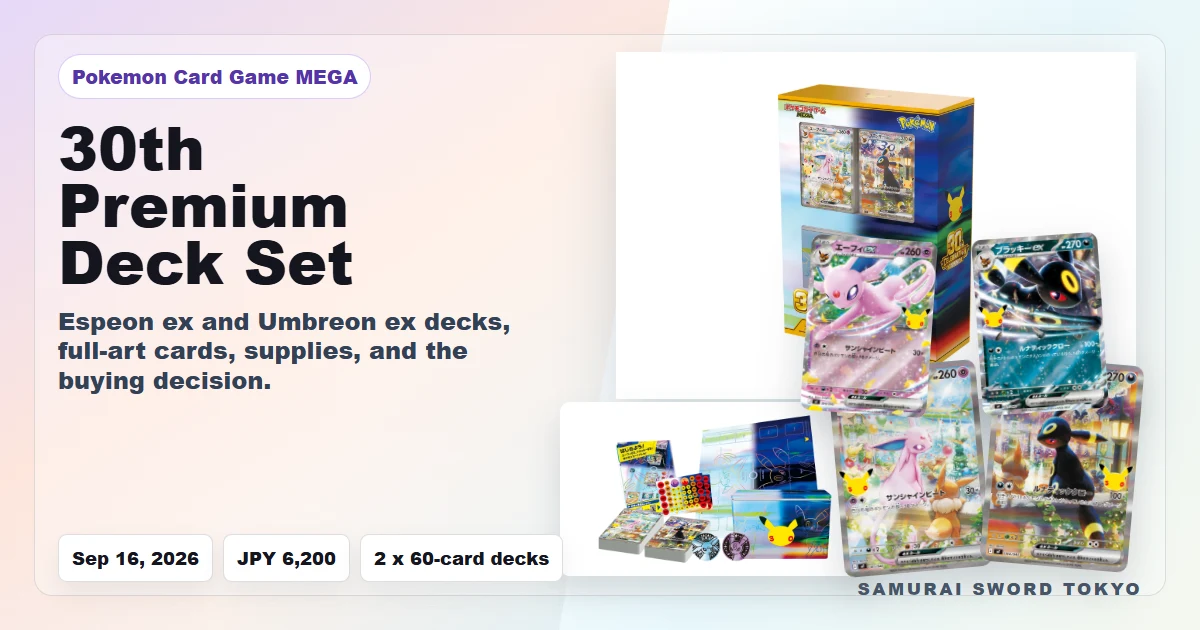
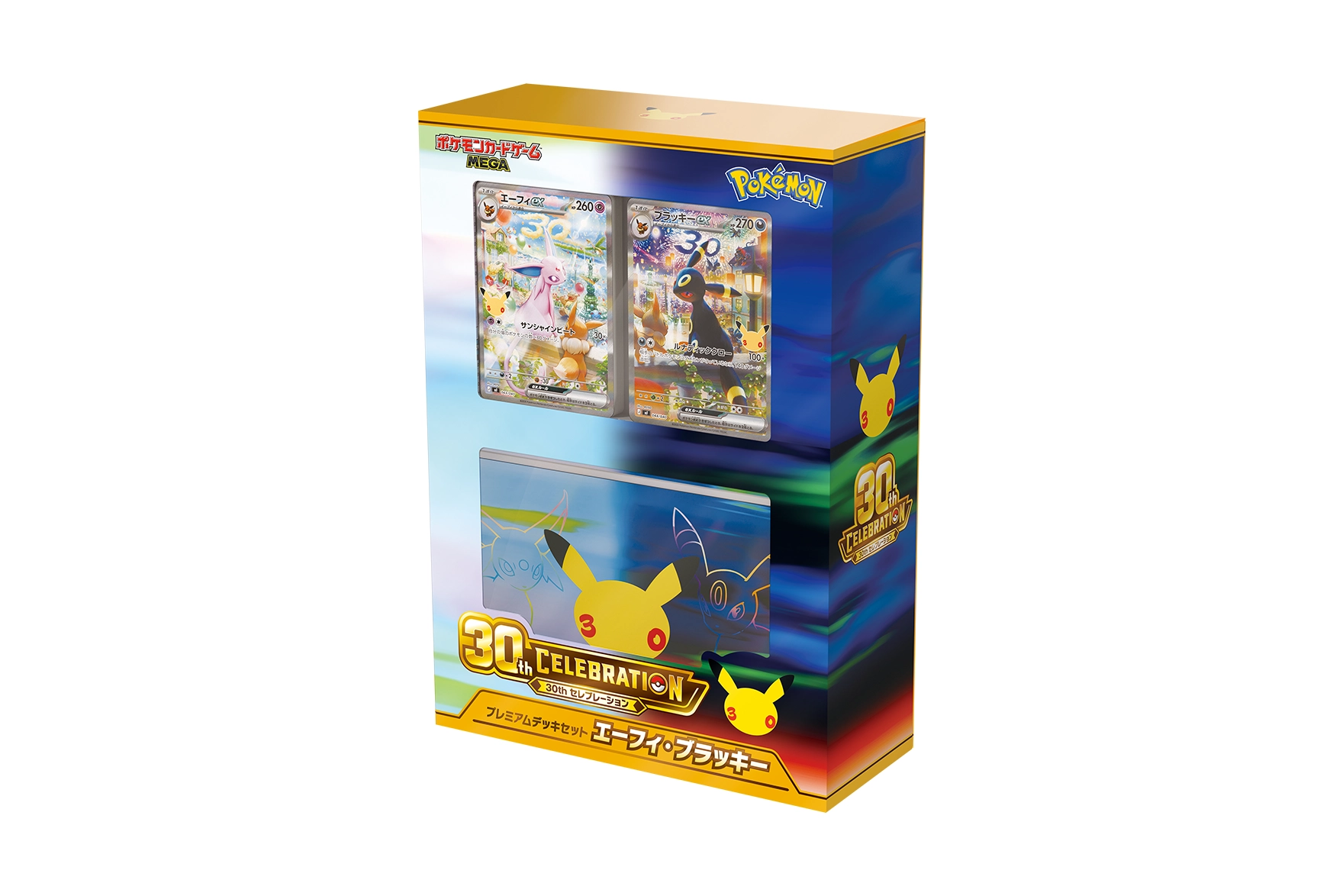
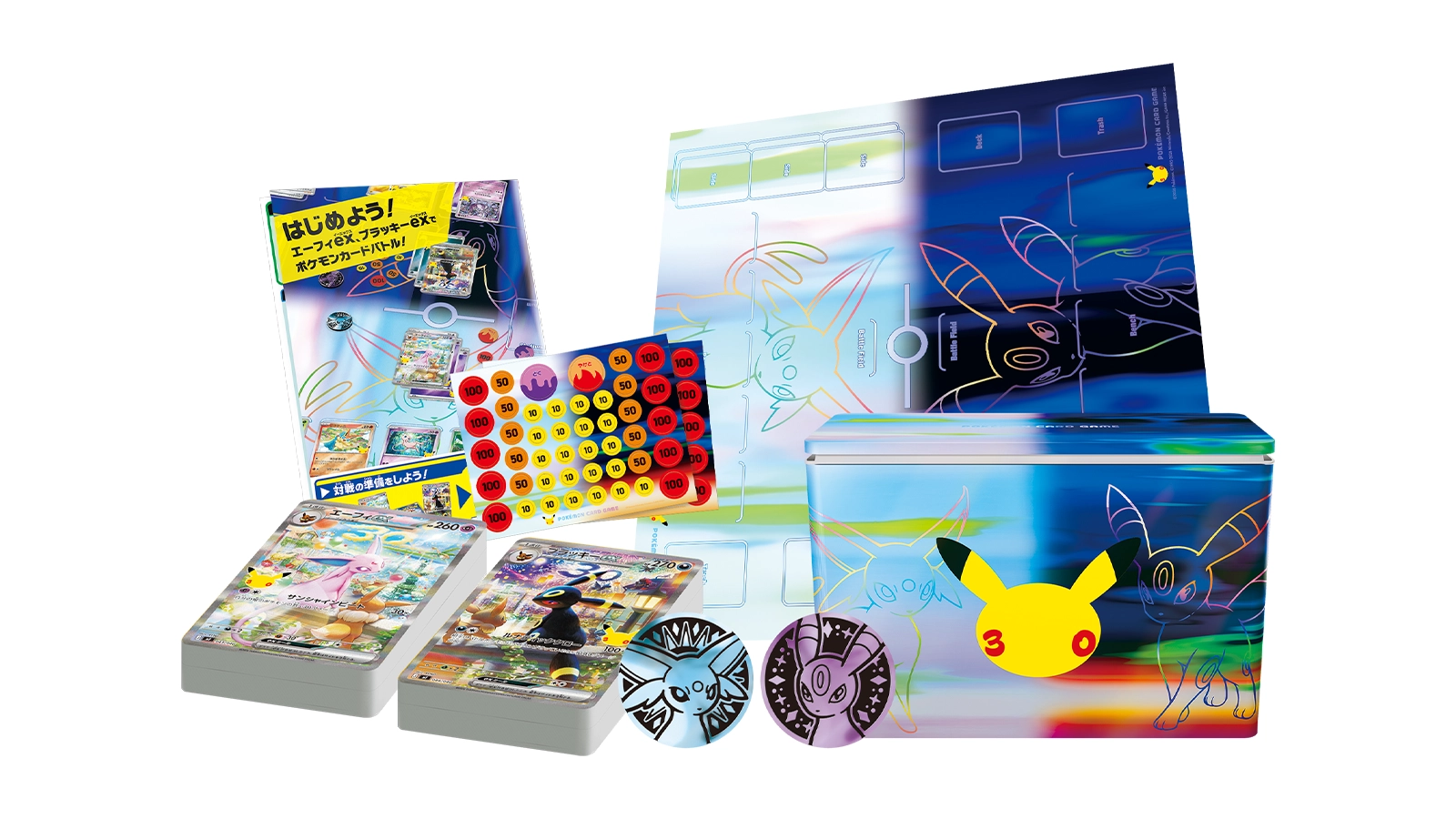
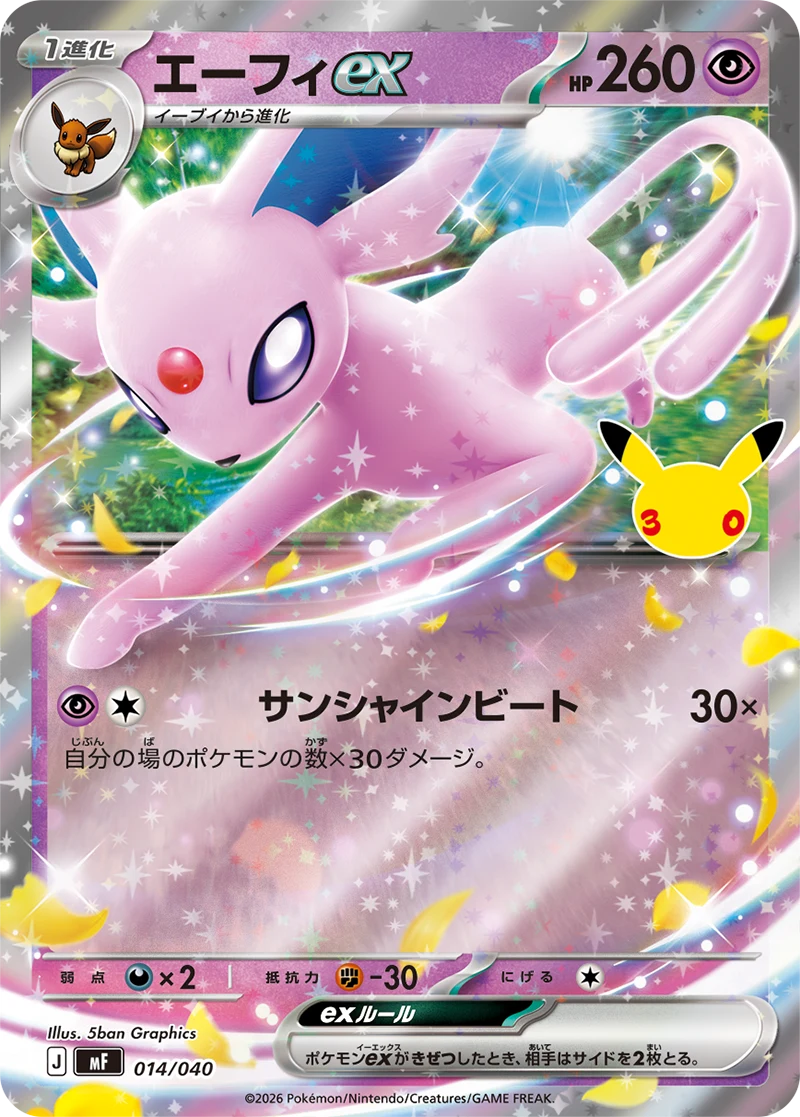
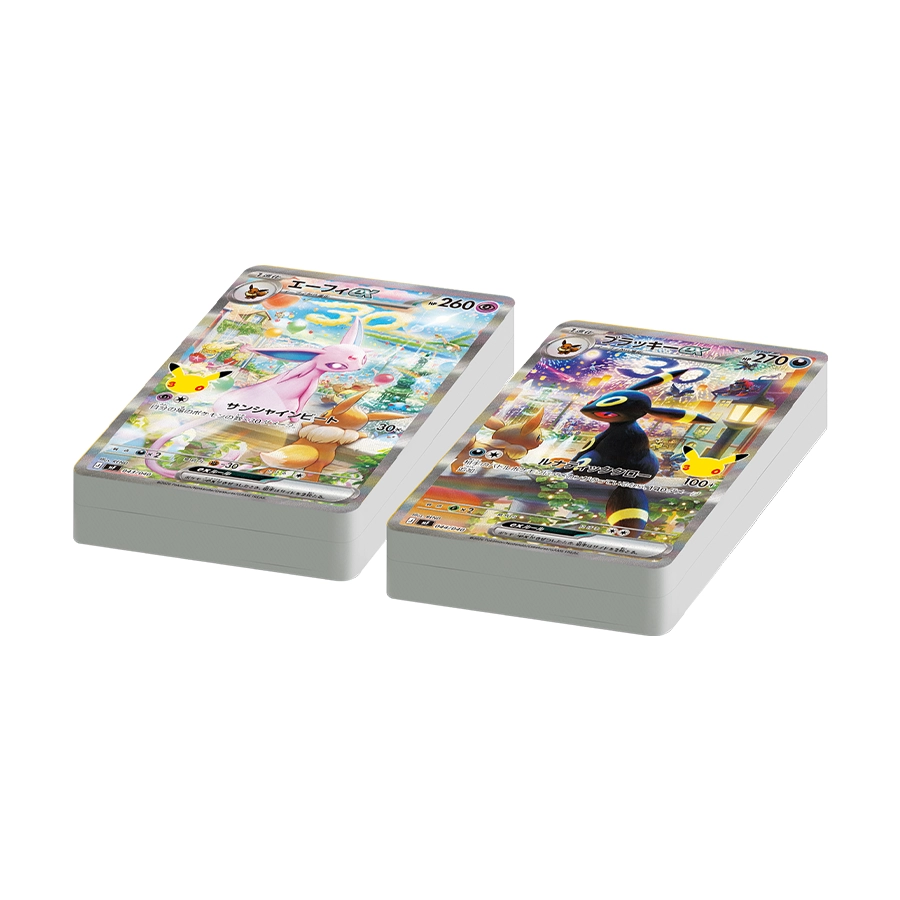
| Premium Deck Set Espeon & Umbreon | September 16, 2026 | JPY 6,200 | Two ready-to-play decks plus Espeon/Umbreon appeal. | Players, Eeveelution collectors, gift buyers. |
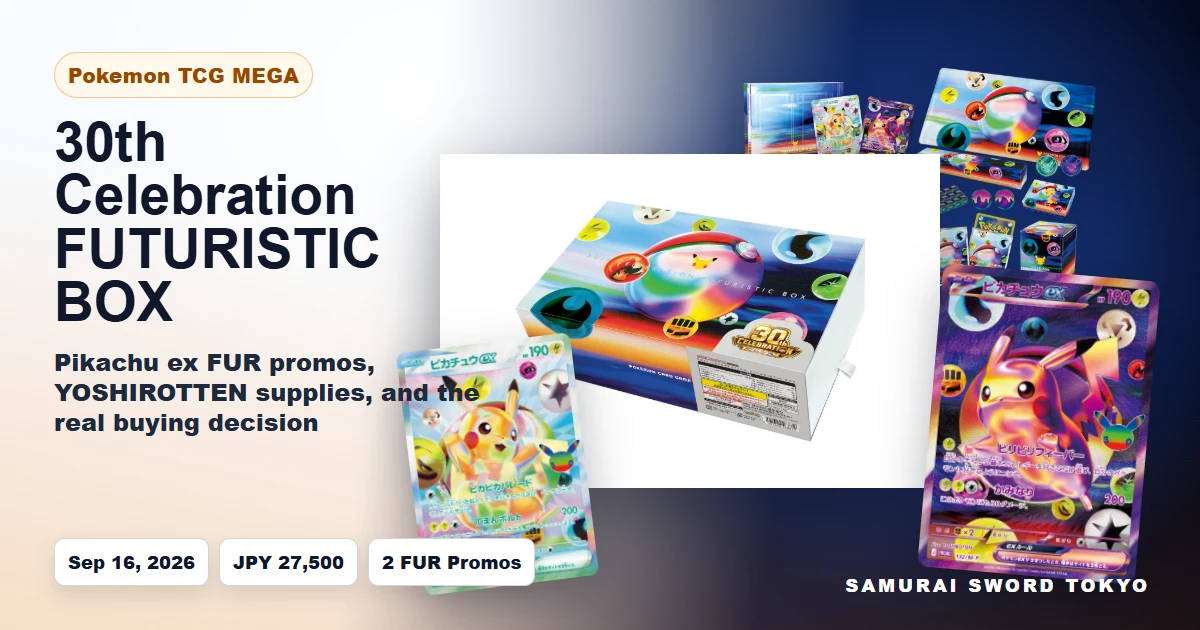
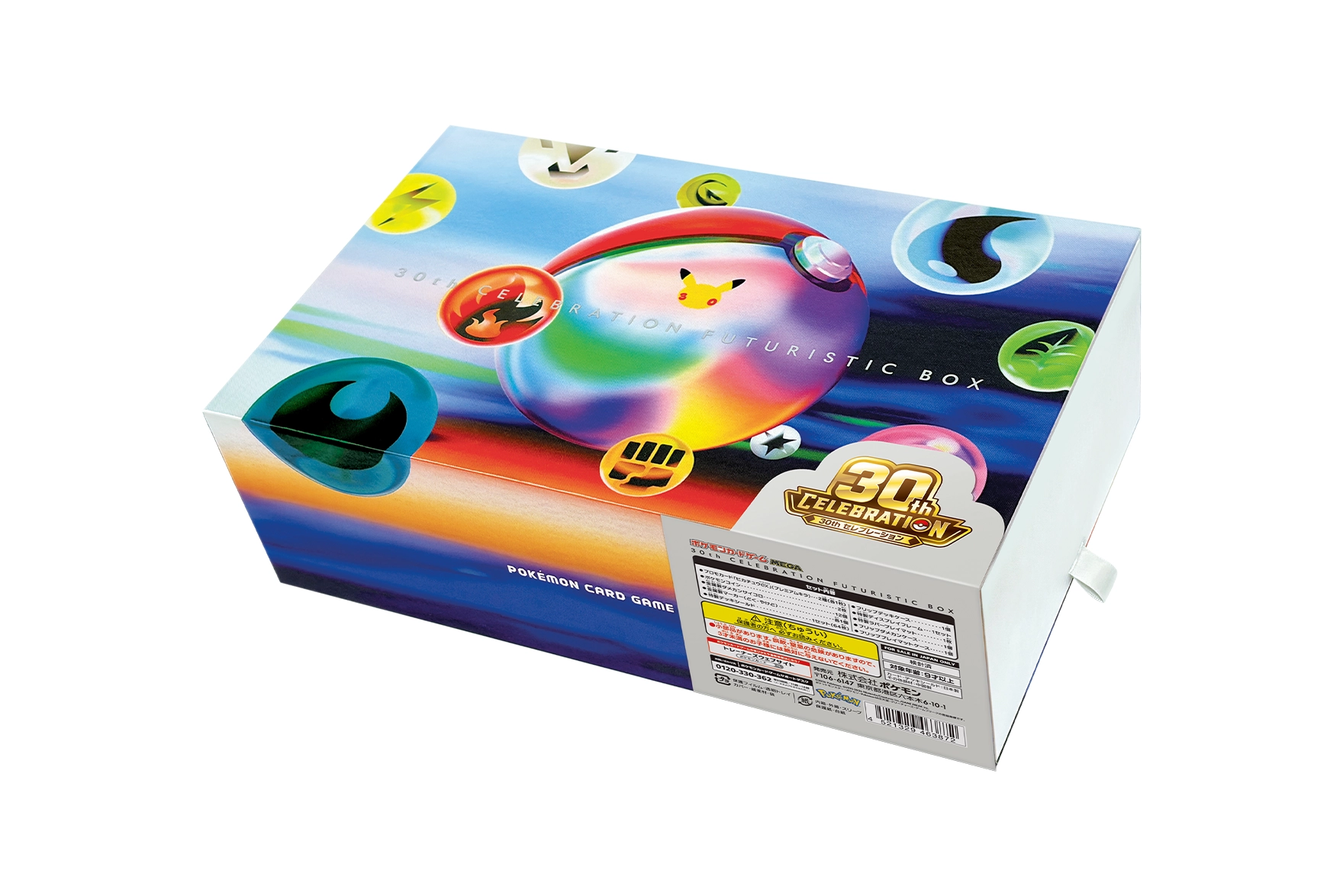
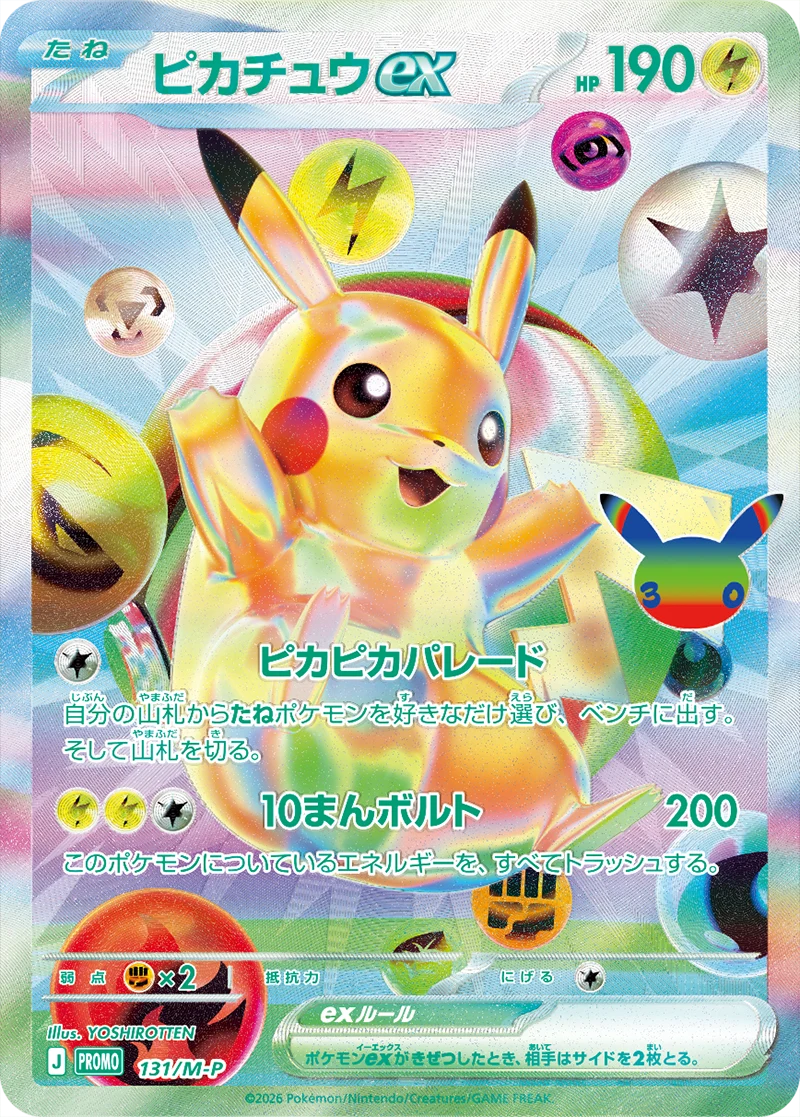
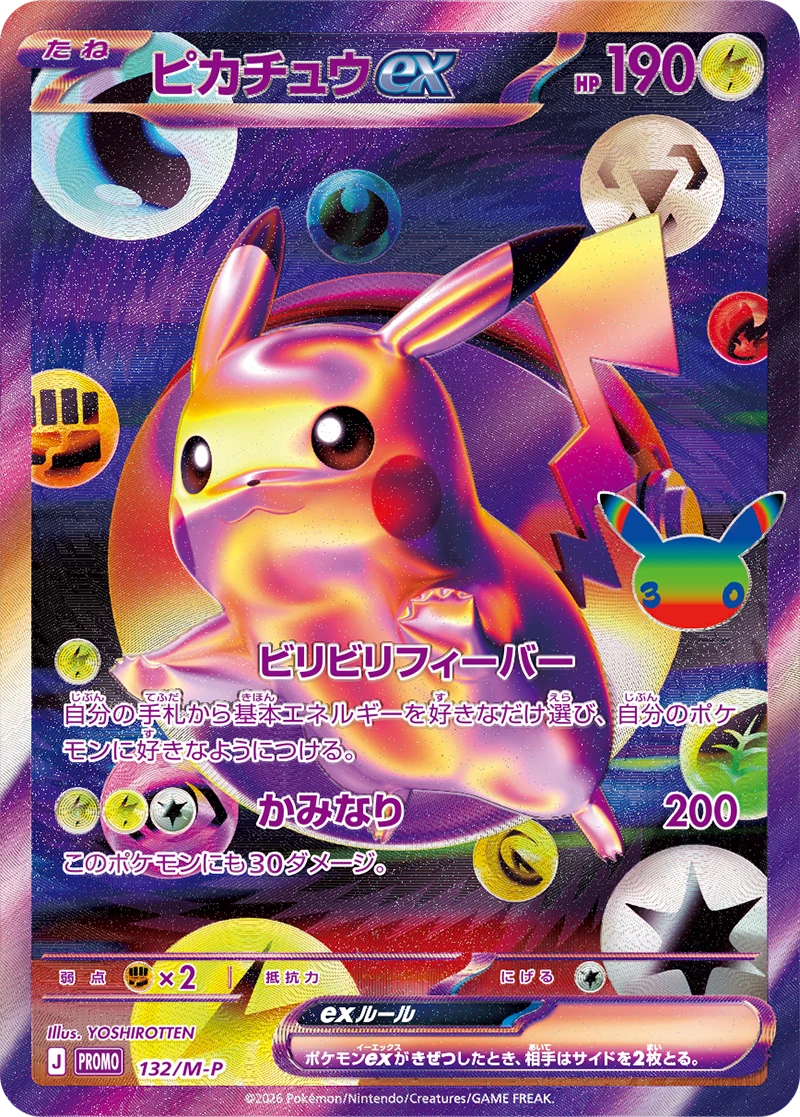
| FUTURISTIC BOX | September 16, 2026 | JPY 27,500 | FUR-style Pikachu ex promos and premium supplies. | High-end collectors and sealed specialty buyers. |
| 30th Celebration Card Set | October 16, 2026 | JPY 1,200 per variant | Three known starter promos, two packs, display stand. | Starter collectors, budget anniversary buyers, complete-run collectors. |
This comparison is important because it keeps the buying decision grounded. If you want to open the set, a booster box or loose packs are the direct route. If you want a premium 30th display item, the FUTURISTIC BOX is the high-end choice. If you want a fixed character product with a low entry price, the Card Set is the more practical target.
SST buyer rule: do not buy the card set as a substitute for a booster box. Buy it because the fixed promos matter to you. The two packs are a bonus and a useful price anchor, but the starter trio should be the reason you choose one variant over another.
How to identify the exact variant before buying
Because all nine products share the same general name, overseas listings can become messy. A good listing should show the three starter names or a clear front-package photo. Do not rely only on a translated title like “30th Celebration Card Set” because that can refer to any one of the nine variants. For a full set, verify every region one by one: Kanto, Johto, Hoenn, Sinnoh, Unova, Kalos, Alola, Galar and Paldea. If a seller cannot confirm the trio, treat the listing as incomplete until proven otherwise.
The same rule applies to images. The Kanto package is visually loud and easy to recognize, but a reused Kanto stock image does not prove the seller has the Kanto item. Ask for the actual variant photo when buying from a marketplace, especially if the price is above MSRP or if the seller is advertising a complete bundle.
Grading, Display and Sealed Storage Plan
Because every variant includes three visible starter promos and a display stand, there are three reasonable ways to treat this product after purchase: keep it sealed, open it for a display set, or separate the best-condition promos for grading. Each path has a different risk profile.
Keep sealed if packaging condition is strong
For a sealed collector, the package itself matters. Check the hanger tab, front plastic/window area, corner wear, crushing, and any seal damage. A clean sealed Kanto card set is a different object from an opened set with the same three cards. If the outside package arrives in excellent condition and you do not need the cards immediately, sealed storage is a defensible choice.
Open if you want the stand display
The card stand is not a throwaway item. It is part of the product’s design language. Opening one favorite generation and displaying the three promos together is probably the most satisfying use case for casual collectors. If you open, sleeve the cards before placing them near any stand or surface that might rub edges. Paper display pieces can look clean in photos but still create friction points if cards are moved repeatedly.
Grade selectively, not automatically
Do not assume every promo is worth grading. The cards are low-MSRP product promos, and the print run is unknown as of this article. Grading makes the most sense for a visibly clean Kanto promo, a favorite-generation card you want long term, or a card that develops clear singles demand after release. Before sending anything, inspect corners, back surface, edge whitening, print lines and centering. If singles are cheap after release, buying a cleaner copy may be easier than grading your first pulled copy.
| Path | When it makes sense | What to check | Common mistake |
|---|---|---|---|
| Keep sealed | Package is clean and you care about sealed 30th products. | Tabs, corners, dents, seal damage, front visibility. | Overpaying for a damaged sealed copy. |
| Open for display | You bought a favorite trio and want the stand experience. | Use sleeves, avoid repeated handling, keep out of sunlight. | Putting raw cards into display surfaces without protection. |
| Grade promos | Card is very clean or demand is proven after release. | Centering, edges, corners, surface, print lines. | Grading every promo before the market has a price signal. |
| Buy singles later | You only want one starter card. | Compare raw condition photos and seller history. | Paying release-week hype price for a common promo. |
What We Will Watch After Release
The real article update will come after October 16, 2026, when Japan has actual product in hand. Before release, the most honest guide is built from official product facts and conservative buying logic. After release, the useful signals will be different: which variants are short, how clean the promos grade, whether Kanto separates from the rest, and whether full nine-set bundles become the preferred collector format.
| Post-release signal | Why it matters | What would change our advice |
|---|---|---|
| Kanto premium | Shows whether original-starter demand is separating from other trios. | If Kanto becomes too expensive, Kalos/Sinnoh may be better value. |
| Full bundle availability | Determines whether all-nine collecting is practical. | If bundles are scarce, buying one favorite generation may be smarter. |
| Promo condition reports | Important for grading and PSA 10 supply. | If print lines or centering issues appear, clean raw copies matter more. |
| Pack opening data | Clarifies whether the two included packs add meaningful chase value. | If pull rates look harsh, the product should be valued mainly on promos. |
| Restock behavior | Shows whether early markup is temporary. | If restocks are visible, avoid panic buying at launch premiums. |
Release-Week Decision Tree
Release week is when most mistakes happen. Buyers see one sold-out listing, assume every variant is disappearing, and pay a panic price before the market has found its level. The better approach is to decide your maximum price and your purpose before listings go live.
If you want Kanto only, set a strict ceiling and be willing to wait. Kanto is the one most likely to show early markup because every seller understands the Charmander/Squirtle/Bulbasaur appeal. If you want a favorite non-Kanto generation, do not let Kanto scarcity push you into overpaying for a different trio. If you want the full run, prioritize complete nine-variant bundles from reliable Japan sellers over assembling nine separate orders with nine shipping fees.
| Release-week situation | Best move | Reason |
|---|---|---|
| Kanto is expensive, other trios are close to MSRP | Buy your next-favorite trio first | You avoid the highest hype premium while still getting the product format. |
| All nine are available as a verified bundle | Compare bundle price against JPY 10,800 MSRP plus shipping | The bundle may be worth it if it avoids missing variants and repeated shipping costs. |
| Singles appear immediately at high prices | Wait unless condition is exceptional | Early singles often reflect impatience, not stable demand. |
| Only opened sets are available | Buy only if you do not care about sealed condition | Opened products lose the sealed-display angle that makes the card set attractive. |
Overseas Buyer Guide: Timing, Markups and What to Avoid
For overseas buyers, the hardest part will not be understanding the product. It will be getting clean Japanese stock at a sane price. A low-MSRP anniversary product with fixed starter promos is exactly the kind of item that can become annoying to buy after the first wave sells out.
Do not overpay just because the product has “30th” on the package. The correct target depends on your goal. If you want one display piece, pay attention to Kanto availability first. If you want all 27 promos, focus on complete nine-set bundles from a seller that can verify the variants. If you only want one specific card, waiting for raw singles may be smarter after the first opening wave.
| Risk | What it looks like | How to handle it |
|---|---|---|
| Variant confusion | Seller lists “30th card set” without naming the trio. | Confirm the exact starter trio before payment. |
| Overpriced one-set listings | Kanto listed at a large markup while other trios remain close to MSRP. | Buy a favorite non-Kanto trio or wait for restock signals. |
| Incomplete bundles | “Full set” does not actually include all nine variants. | Check for Kanto, Johto, Hoenn, Sinnoh, Unova, Kalos, Alola, Galar and Paldea. |
| Opened pack products | Promos included but booster packs removed or resealed. | For sealed collecting, buy only clearly sealed card sets. |
| Singles FOMO | Early promo singles priced like secret rares. | Wait for supply from openings unless the card is a must-have. |
Bottom Line
The 30th Celebration Card Set is one of the smarter products in the anniversary lineup because it gives buyers a fixed collecting target. The booster packs add excitement, but the real reason to care is the 27-card starter Pokemon promo run. At MSRP, the math is attractive. At heavy resale markup, the answer becomes more selective: Kanto for nostalgia, Kalos/Sinnoh for collector strength, favorite generation for personal value, and all nine only if you genuinely want the full run.
FAQ
When does the Pokemon 30th Celebration Card Set release?
The official Japanese release date is October 16, 2026. This is one month after the main 30th Celebration booster pack release on September 16, 2026.
How many 30th Celebration Card Set variants are there?
There are nine variants, one for each mainline starter Pokemon trio: Kanto, Johto, Hoenn, Sinnoh, Unova, Kalos, Alola, Galar and Paldea.
How many promo cards are in the full card set run?
The full nine-variant run includes 27 holo starter Pokemon promo cards.
What is the MSRP?
The official Japanese MSRP is JPY 1,200 tax included per card set variant.
Are the promo cards random?
No. The booster packs are random, but the three starter promo cards are fixed by variant.
Which card set is likely to be most popular?
Kanto is the safest popularity call because it includes Bulbasaur, Charmander and Squirtle. Kalos and Sinnoh are also strong because of Froakie/Greninja and Piplup/Sinnoh demand.
Is it better to buy one set or all nine?
Buy one set if you mainly want a display item or one favorite generation. Buy all nine only if you want the complete 27-card starter promo run and can get the variants at a reasonable price.
Should I open the included packs?
If you bought the set as a sealed display piece, keep it sealed. If you bought it for the promos and opening experience, opening two packs is fine, but do not treat two packs as a realistic chase-card strategy.
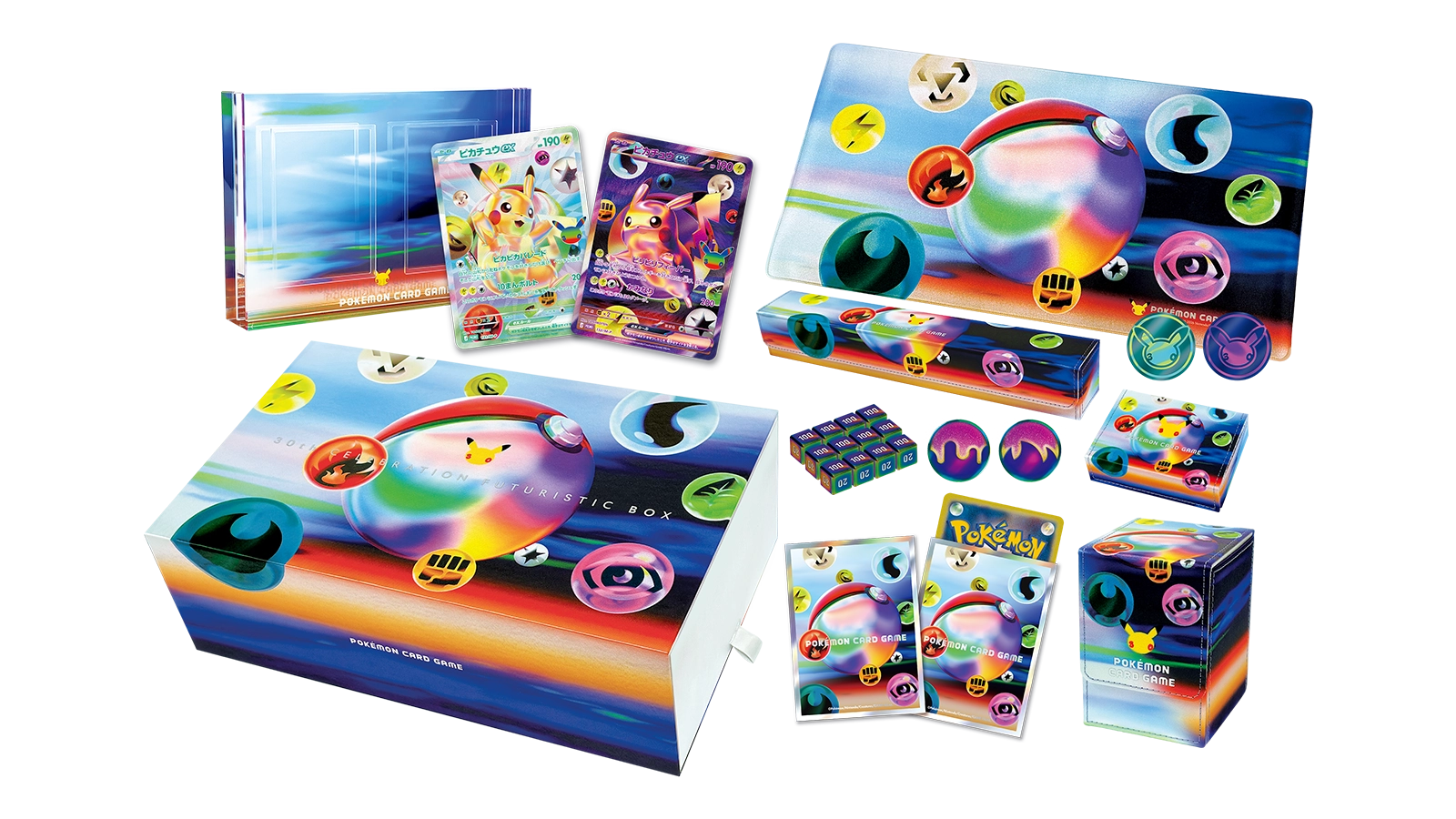
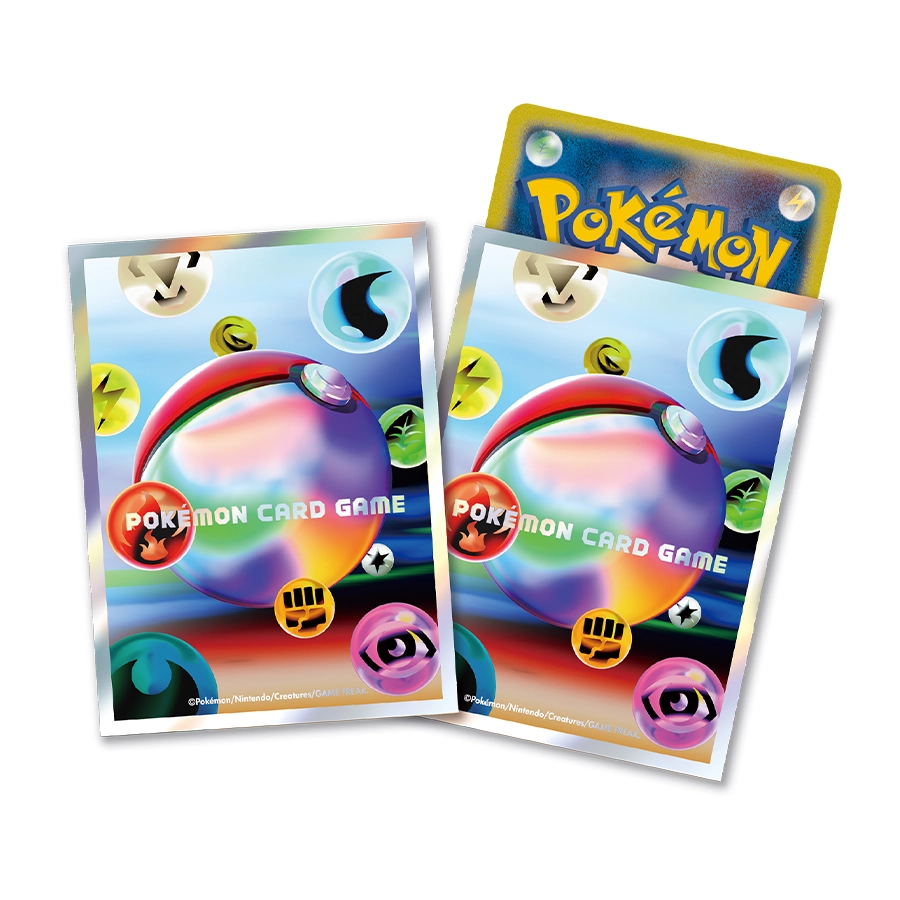 Deck shields
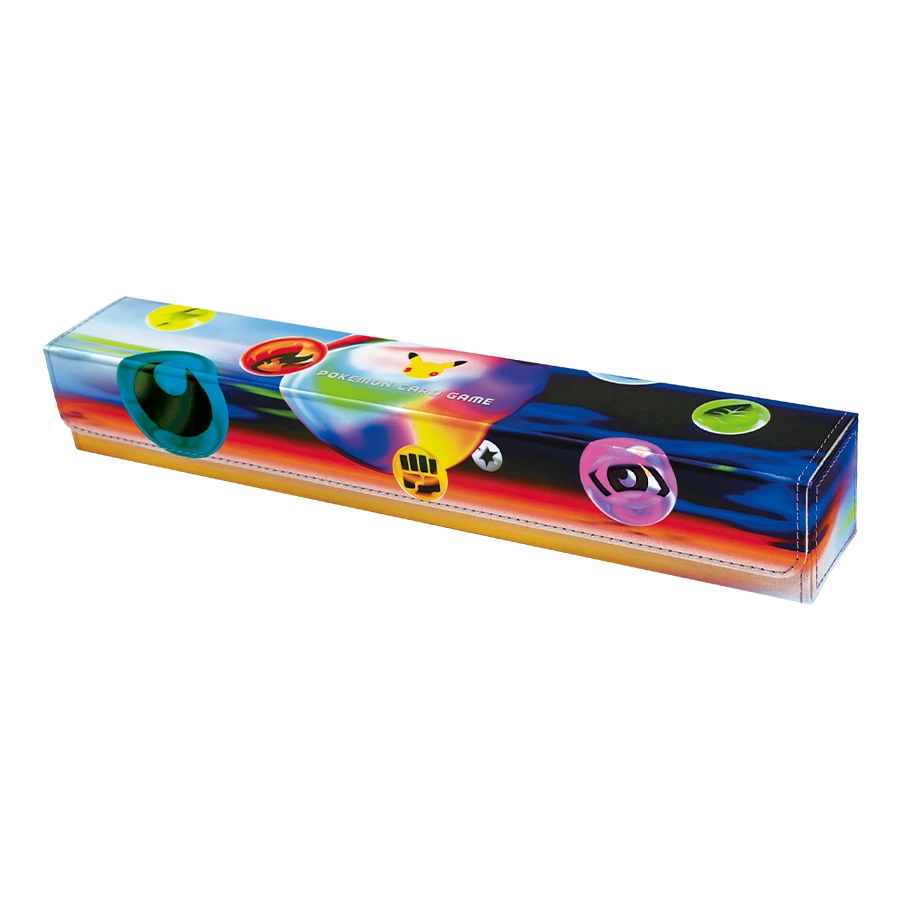 Playmat case
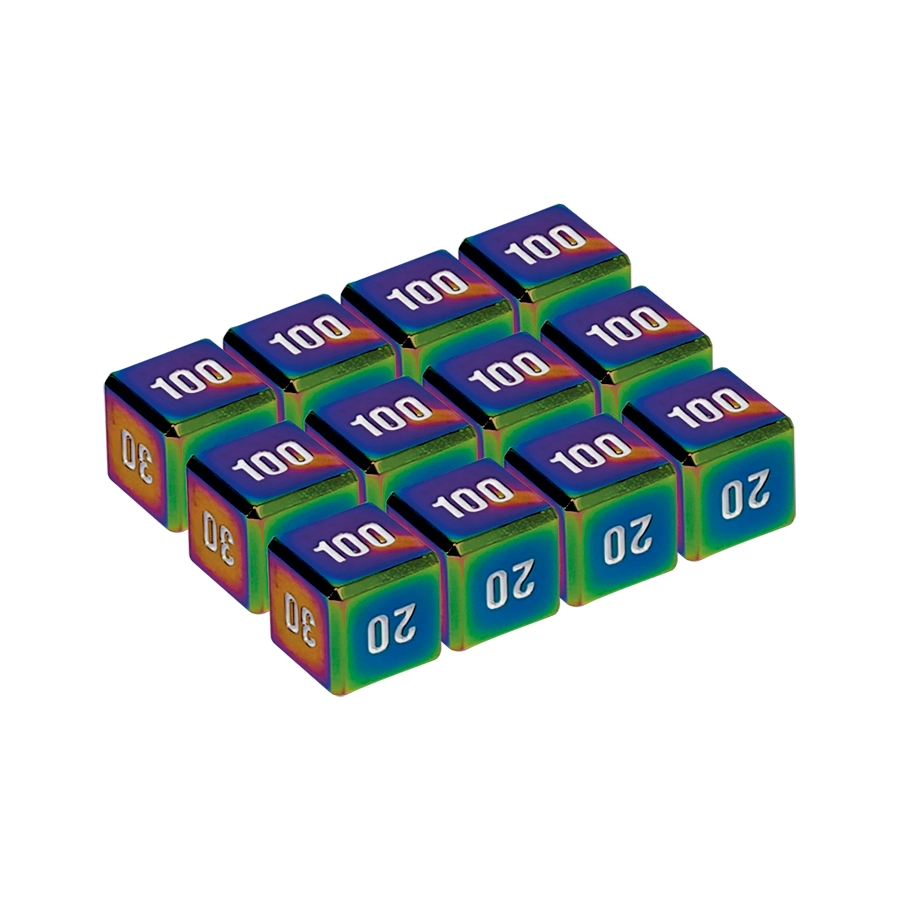 Metal damage dice
 Pokemon coins
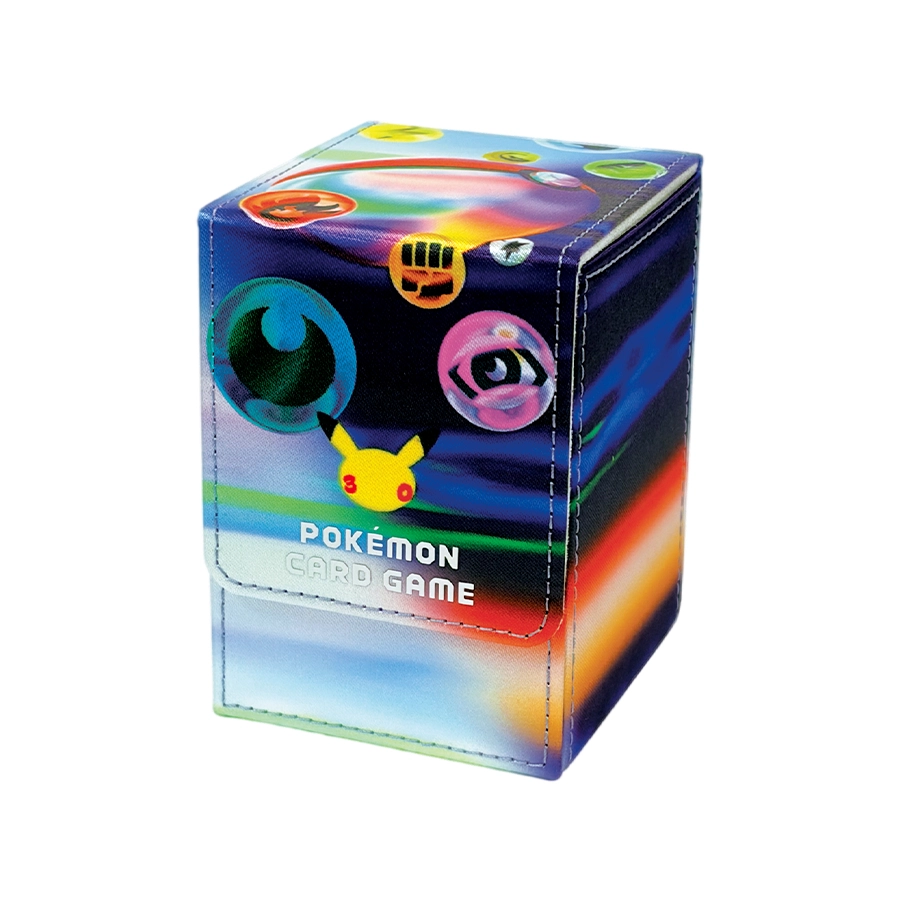 Flip deck case
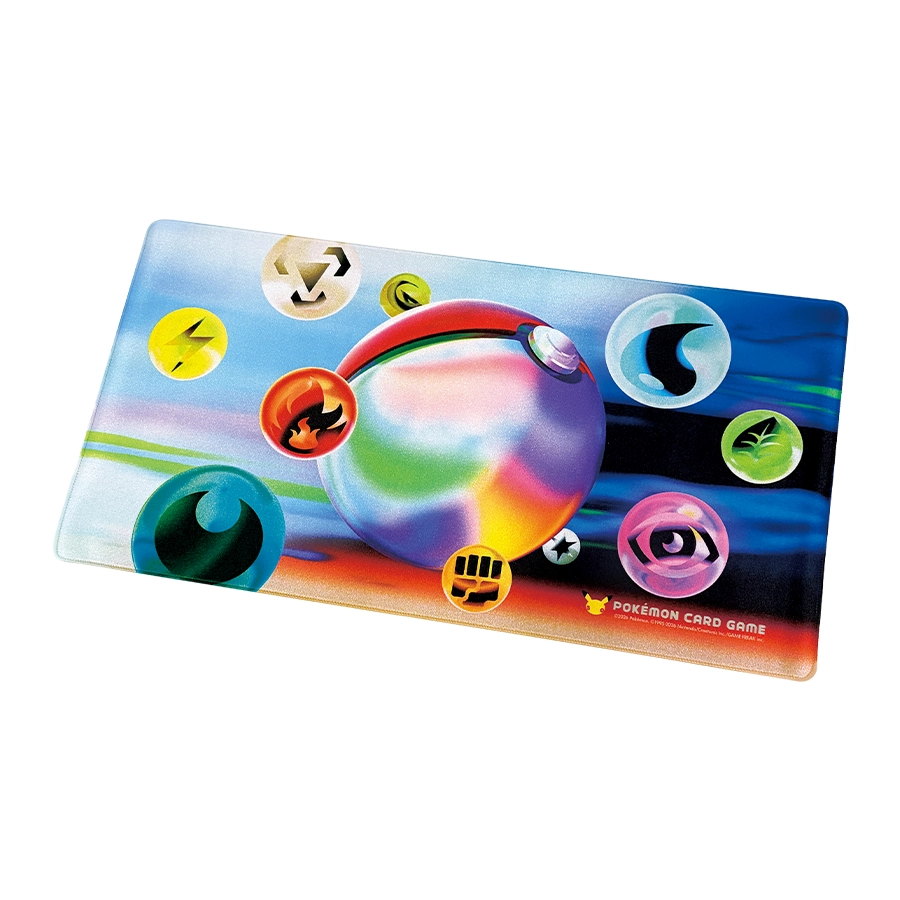 Half rubber playmat
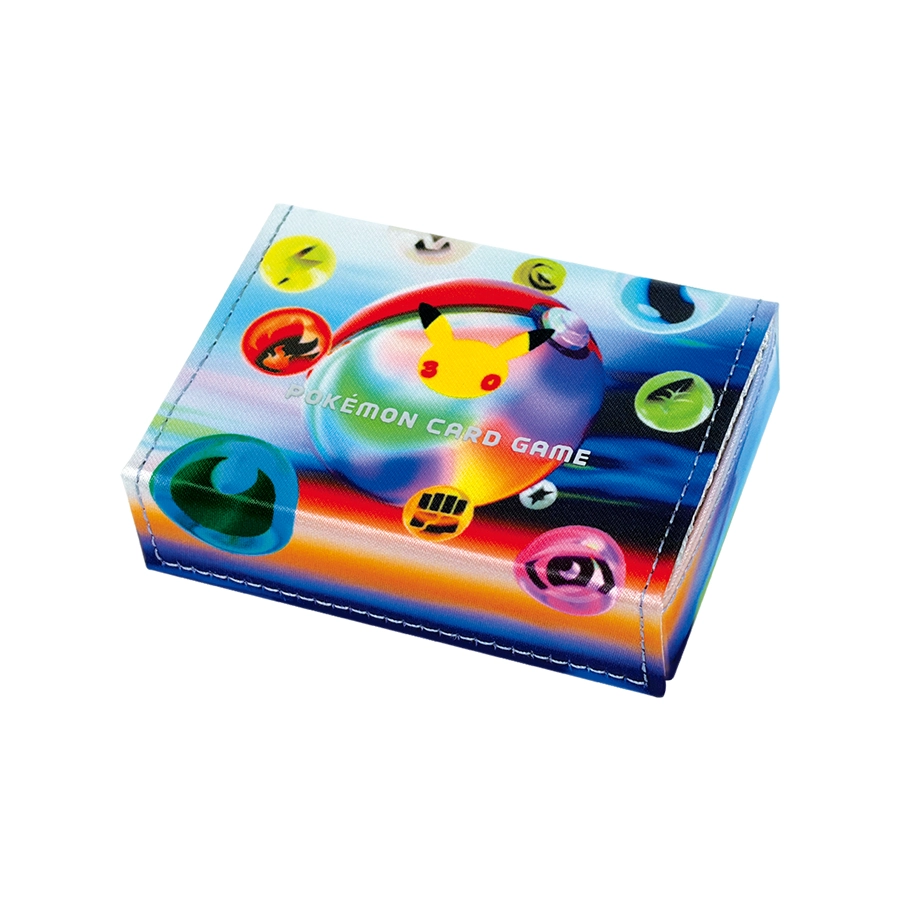 Damage case
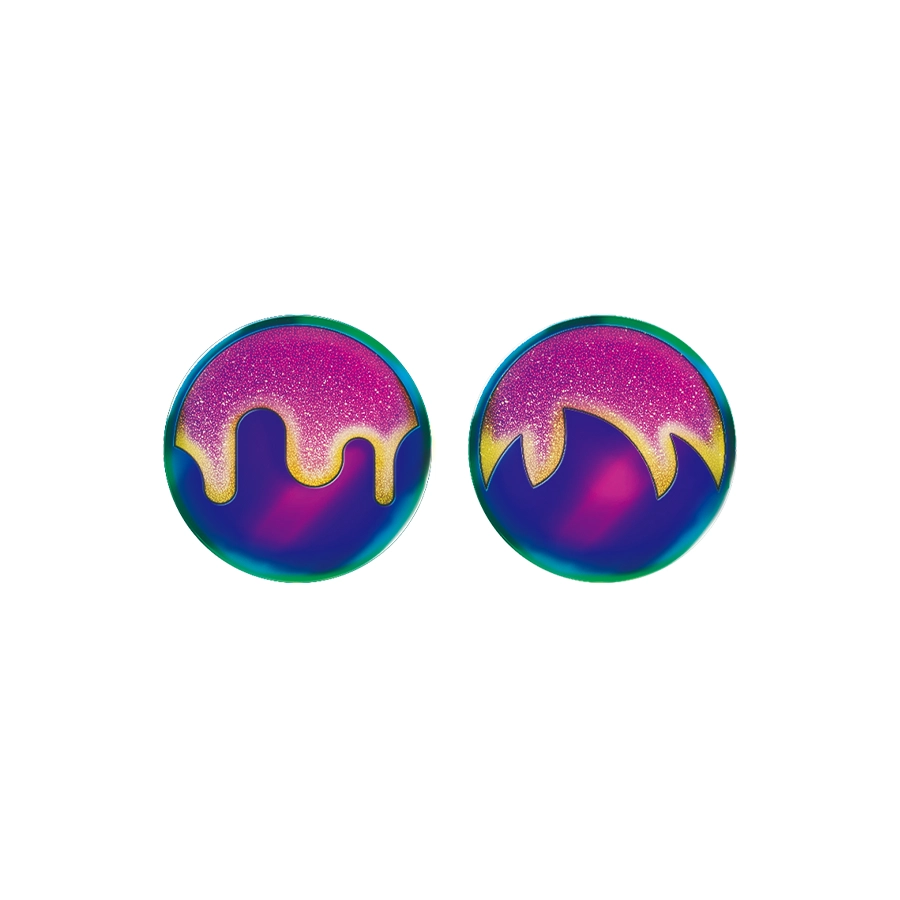 Poison/burn markers
 Display frame