Zwei Grading-Firmen, zwei verschiedene 10-Punkte-Skalen und zwei sehr unterschiedliche Label-Designs. Wenn du entscheidest, wohin du eine Pokemon-Karte schicken sollst — oder herausfinden willst, was ein Slab, den du bereits besitzt, über die darin steckende Karte wirklich aussagt —, sind die entscheidenden Details veröffentlicht, datiert und zwischen PSA und CGC Cards so unterschiedlich, dass man sie nebeneinander lesen sollte, statt sie einfach zu glauben.
Dieser Leitfaden stellt die von PSA und CGC selbst veröffentlichten Grading-Standards nebeneinander: Topnoten, Zentrierungstoleranzen, Regeln zu Subgrades, Slab- und Label-Design sowie die Frage, ob die jeweilige Firma überhaupt japanischsprachige Karten bewertet. Jede Angabe unten wird direkt von psacard.com oder cgccards.com zitiert bzw. stammt von dort und wurde im September 2026 geprüft; wo wir unsere eigenen Preise in USD umrechnen, verwenden wir in diesem Artikel durchgehend ¥159/USD (September 2026). Wir stellen die beiden Firmen nicht in eine Rangfolge — wir zeigen, was jede tatsächlich veröffentlicht, damit du selbst urteilen kannst.
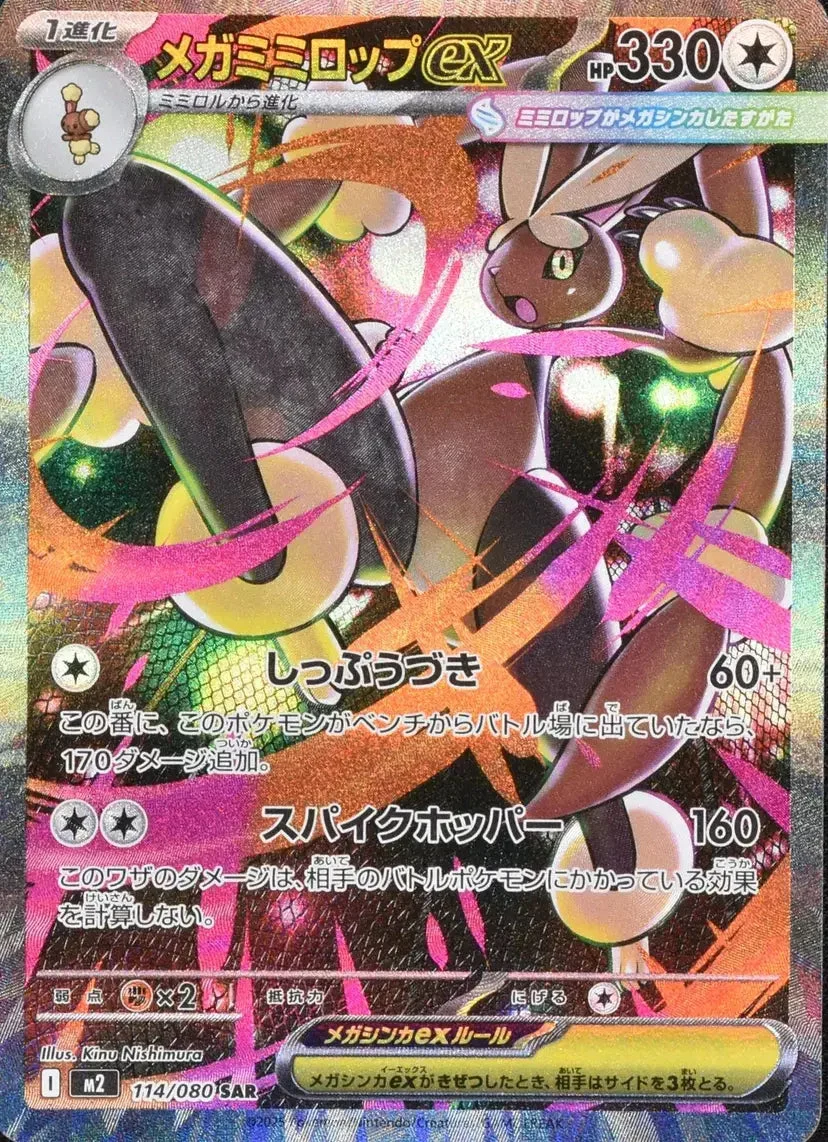
PSA’s top grade is GEM-MT 10; CGC Cards currently issues two top grades, Pristine 10 and Gem Mint 10. Both companies publish the same centering tolerance for their standard Gem Mint/PSA 10 tier — approximately 55/45 front, 75/25 back — though that shared number doesn’t make the two grades interchangeable. Every graded card we currently list, including the PSA10 MEGA Lopunny ex 114/080 SAR (update: currently sold out — restock requests via Quick Order), is a PSA 10.
Die beiden Bewertungsskalen im Vergleich
Beide Firmen nutzen eine 10-Punkte-Skala, aber die Art, wie jede diese Skala unterteilt, unterscheidet sich genug, um jeden zu täuschen, der eine Zahl vergleicht, ohne das Label zu prüfen.
| Firma | Topnote(n) | Benannte Stufen | Halbnoten | Quelle |
|---|---|---|---|---|
| PSA | GEM-MT 10 | 11 (10 down to 1) | Only one, at 1.5 (between Poor 1 and Good 2) | psacard.com/gradingstandards |
| CGC Cards | Pristine 10 and Gem Mint 10 | 20 (two tens, then 9.5 down to 1) | Every half-step from 9.5 to 1.5 | cgccards.com/card-grading/grading-scale |
Die Seite von PSA beschreibt die Struktur klar: „Grading is assessing the quality and condition of a trading card using PSA’s 10-point grading scale,“ und „If your cards pass authentication, PSA grades the condition of each card on a scale of 1-10, with 10 being best.“ Die benannten Stufen unterhalb der Topnote — MINT 9, NM-MT 8, NM 7, EX-MT 6, EX 5, VG-EX 4, VG 3, GOOD 2, FR 1.5, PR 1 — erscheinen auf der Website von PSA, doch nur die Definition von GEM-MT 10 ließ sich bei dieser Prüfung als wörtliches Zitat bestätigen; die unteren Stufen sind daher als von PSA veröffentlichte Bezeichnungen zu verstehen und nicht als vollständig neu bestätigter Standard.
CGC Cards nutzt eine feiner abgestufte Skala. Die eigene Seite beschreibt sie als „highly accurate 10-point grading scale,“, doch diese eine Topzahl teilt sich in zwei benannte Noten — Pristine 10 und Gem Mint 10 —, und jeder Schritt hinab bis Poor 1 hat eine Halbnote: Mint+ 9.5, NM/Mint+ 8.5, Near Mint+ 7.5, Ex/NM+ 6.5, Excellent+ 5.5, VG/Ex+ 4.5, Very Good+ 3.5 und Good+ 2.5, zusätzlich zu Fair 1.5. Damit hat CGC 20 benannte Stufen gegenüber 11 bei PSA.
Eine historische Besonderheit, falls du ältere CGC-Slabs liest: Der Legacy Grade Key der Marke nennt „CGC Trading Cards Gem Mint 9.5 → CGC Cards Gem Mint 10“ und führt das ältere Label „CGC Trading Cards Perfect 10“ als ausgemusterte Note auf — sie gehört nicht zur heute aktiven Skala, doch Karten, die dieses Legacy-Label bereits tragen, behalten es. Dasselbe Update führte die separate CSG-Skala (Certified Sports Guaranty) in dieselben CGC-Cards-Zahlen über.
Grading-Gebühren, wie im September 2026 auf psacard.com veröffentlicht: Die aktuell veröffentlichten Stufen von PSA sind Regular für $79.99/Karte (bis $1,500 Versicherungswert, geschätzt 70–80 Werktage), Express für $149.00 (bis $2,500 Versicherungswert, 20–30 Tage), Super Express für $349.00 (bis $5,000 Versicherungswert, 10–15 Tage) und Walk-Through für $599.00 (bis $10,000 Versicherungswert, 7–10 Tage); für Karten über $10,000 verweist die Seite auf separate Premium-Optionen, ohne dafür einen festen Preis oder eine Bearbeitungszeit zu nennen. Die Seite von PSA weist außerdem derzeit darauf hin, dass die Value-Tier-Services (die günstigere Kategorie) wegen hoher Nachfrage vorübergehend pausiert sind; den oben genannten Einstiegspreis Regular solltest du daher als aktuellen Status und nicht als feste Untergrenze verstehen. Die Zahlen von CGC stammen aus einer Gebührenankündigung vom 2025-04-22, gültig ab 2025-05-06: Bulk $14, Economy $17, Standard $45, Express $85, Walk-Through $275 und Unlimited Value für $275 plus 1% des angegebenen Werts; die Website von CGC nennt außerdem Wertobergrenzen pro Stufe (Bulk bis $500/Karte bei einem Mindestumfang von 25 Karten, Economy bis $1,000, Standard bis $3,000, Express bis $10,000, Walk-Through bis $100,000), veröffentlicht für diese Stufen aber keine Bearbeitungstage.
Slabs, Labels und Subgrades
Keine der beiden Firmen veröffentlicht numerische Subgrades für Ecken, Kanten, Oberfläche und Zentrierung, wie manche Sammler es erwarten. Die Grading-Seite von PSA beschreibt optionale schriftliche „Grader Notes that detail card defects“ bei Einsendungen ab der Express-Stufe — eine Notiz, keine Zahl. Die Seite zu Holder und Label von CGC beschreibt eine einzelne numerische Gesamtnote plus eine optionale Autogramm-Note und einen Pedigree-Vermerk, ebenfalls ohne veröffentlichte numerische Aufschlüsselung nach Kategorien.
Der Unterschied liegt im Slab selbst. Die Seite von PSA besagt: „PSA encapsulates each card in its own sonically sealed, tamper-evident case. The card’s grade and certification number are displayed on the PSA LightHouse™ label.“
Der Holder von CGC ist auf Fälschungsschutz-Merkmale ausgelegt und nicht auf eine einzelne Sicherheitssiegel-Aussage: „The CGC Cards holder and label combine enhanced security features, crystal-clear optics and the most advanced archival materials… the sturdy, ultrasonically-welded case resists impacts and tampering… the CGC Cards label features microprinting, UV ink, holographic foil and a unique certification number and barcode… a QR code enables you to quickly look up a card and its images.“ Karten mit Pristine 10 erhalten eine weitere eigene Kennzeichnung: Laut Seite von CGC „provides a special Pristine 10 label, which identifies the card’s flawless condition.“
Zentrierung, Oberfläche, Kanten, Ecken: Was jede Firma veröffentlicht
Die Zentrierung ist die einzige Messgröße, für die beide Firmen in ihrer obersten Standardstufe einen konkreten Wert veröffentlichen — und die beiden Werte stimmen zufällig überein.
Der Gem-Mint-10-Standard von PSA: „The image must be centered on the card within a tolerance not to exceed approximately 55/45 percent on the front, and 75/25 percent on the reverse.“ Die Seite von PSA enthält außerdem einen Zentrierungshinweis: „At the grader’s sole discretion, a small variance may be permitted on occasion based on the card’s overall eye appeal.“
Die Gem-Mint-10-Stufe von CGC nennt eine identische Zahl — „Centering is not to exceed approximately 55/45, and reverse centering is not to exceed 75/25“ —, während CGCs Pristine 10 eine engere, exakte Vorgabe macht: „The centering is 50/50, and the card has flawless color and registration.“
PSA 10 and CGC Gem Mint 10 publish the same centering tolerance. That’s a match in one published measurement — it isn’t a statement that the two grades are interchangeable. Grading philosophy, population, and how each label is received by buyers weren’t part of what we verified here.
Über die Zentrierung hinaus nennt die öffentliche Grading-Standard-Seite keiner der beiden Firmen einen eigenen numerischen Schwellenwert für Oberfläche, Kanten und Ecken auf Sammelkarten-Ebene, wie sie es für die Zentrierung tut. Der Text zur Mint-9-Stufe von CGC trennt ausdrücklich TCG-Karten von Sport- und Non-Sport-Karten: „For TCG cards, cards will have only a few minor manufacturing or handling defects. For sports and non-sports cards, centering must be 60/40 or better for the front of the card, and 90/10 for the back.“ Diese Angabe 60/40 / 90/10 gilt für Sport- und Non-Sport-Karten bei Mint 9, nicht für Pokemon oder andere TCG-Karten — CGC veröffentlicht für TCG-Karten in dieser Stufe keinen eigenen numerischen Zentrierungsprozentsatz für Vorder-/Rückseite.
Bewerten sie japanische Karten?
Ja, beide Firmen bewerten japanischsprachige Pokemon-Karten — CGC sagt das ausdrücklich, während sich bei PSA der Beleg in den eigenen Population-Daten findet.
Die Aussage von CGC ist eindeutig: „CGC Trading Cards now grades all standard-sized Pokemon TCG cards in all languages. All standard-sized Pokemon cards in all languages are now eligible to be graded by CGC Trading Cards.“ Dieselbe Ankündigung fügt eine Einschränkung hinzu, die man vor einer Einsendung kennen sollte: „Some foreign promo cards may be rejected if CGC Trading Cards is not able to discern their origins.“
PSA veröffentlicht keine gleichwertige Grundsatzerklärung, doch der eigene Population Report führt eigene Kategorien für japanischsprachige Pokemon-Sets — getrennte Einträge unter anderem für japanische Scarlet-&-Violet-Promos, japanisches Sword & Shield Battle Region und japanische Promos von 1998–99. Das ist ein direkter Beleg dafür, dass PSA japanischsprachige Karten selbstverständlich erfasst und bewertet; wir verweisen auf die Existenz dieser Kategorien, nicht auf die darin enthaltenen Population-Zahlen, die für sich genommen weder ein Markt- noch ein Seltenheitssignal sind.
Wenn du genauer wissen willst, was eine PSA-10-Bewertung bei einer japanischen Karte in der Praxis bedeutet, lies unseren Leitfaden zur Bedeutung von PSA 10 und zur Bewertungsskala.
Warum unser Katalog nur PSA 10 enthält
Das ist eine Tatsache zum Shop und keine Empfehlung: Jede gegradete Karte, die derzeit auf samuraiswordtokyo.com gelistet ist, ist eine PSA 10. Jeder Produkttitel einer gegradeten Karte auf der Website beginnt mit „PSA10“ — der Katalog führt keine CGC-Slabs und keine PSA-Angebote anderer Noten.
Das ist schlicht das, was wir heute führen, und keine Behauptung, dass PSA-Grading besser abschneidet als das von CGC. Wenn du die beiden Firmen vergleichst, um zu entscheiden, wo du deine eigenen Karten einsendest, sind die oben genannten veröffentlichten Standards dieselben, auf die wir auch einen Kunden verweisen würden.

Gradete japanische Karten aus Tokio kaufen
Jede PSA 10, die wir führen, wird mit Sendungsverfolgung aus Tokio versandt, und die aktuelle Spanne reicht von unter ¥10,000 bis in den sechsstelligen Bereich.
| Preisklasse | Karte | Preis |
|---|---|---|
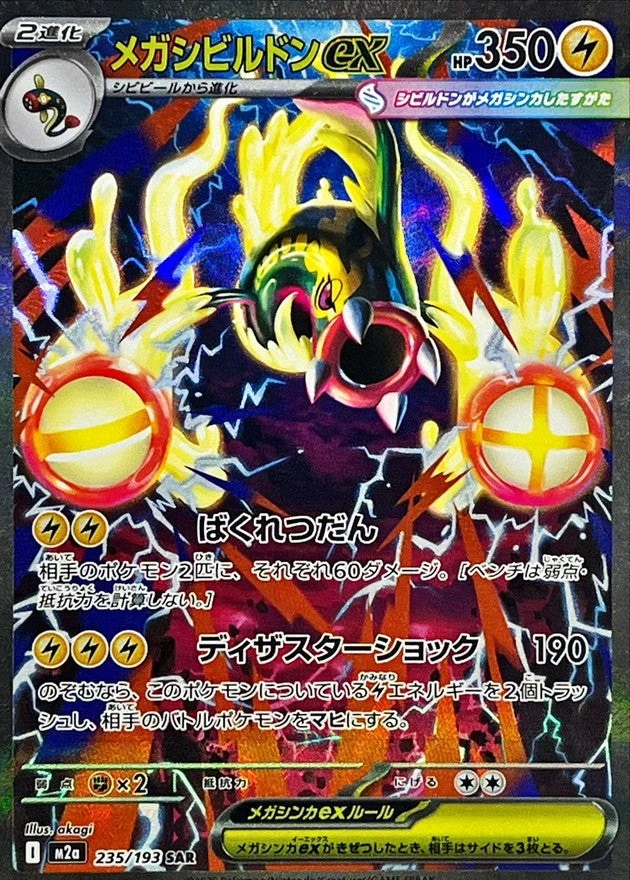
| Under ¥10,000 | MEGA Eelektross ex 235/193 SAR (update: currently sold out — restock requests via Quick Order) | ¥6,050 (~$38) |
| Under ¥10,000 | MEGA Lopunny ex 114/080 SAR (update: currently sold out — restock requests via Quick Order) | ¥7,502 (~$47) |
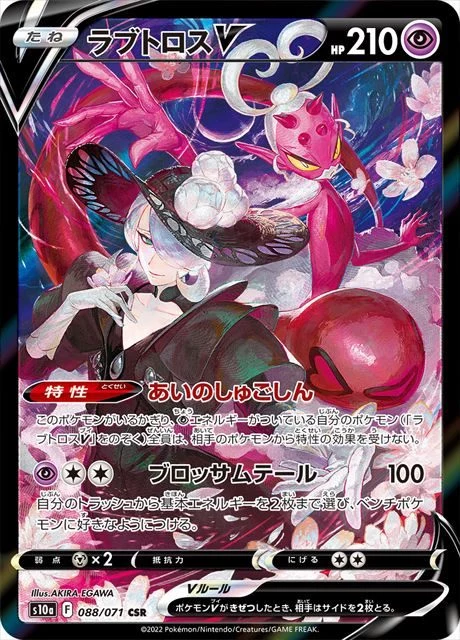
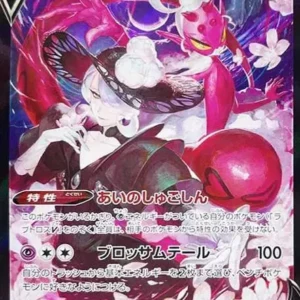
| ¥10k–30k | Enamorus V 088/071 CSR | ¥13,199 (~$83) |
| ¥10k–30k | Galarian Articuno V SR: SA [S5a 074/070] (update: currently sold out — restock requests via Quick Order) | ¥17,599 (~$111) |
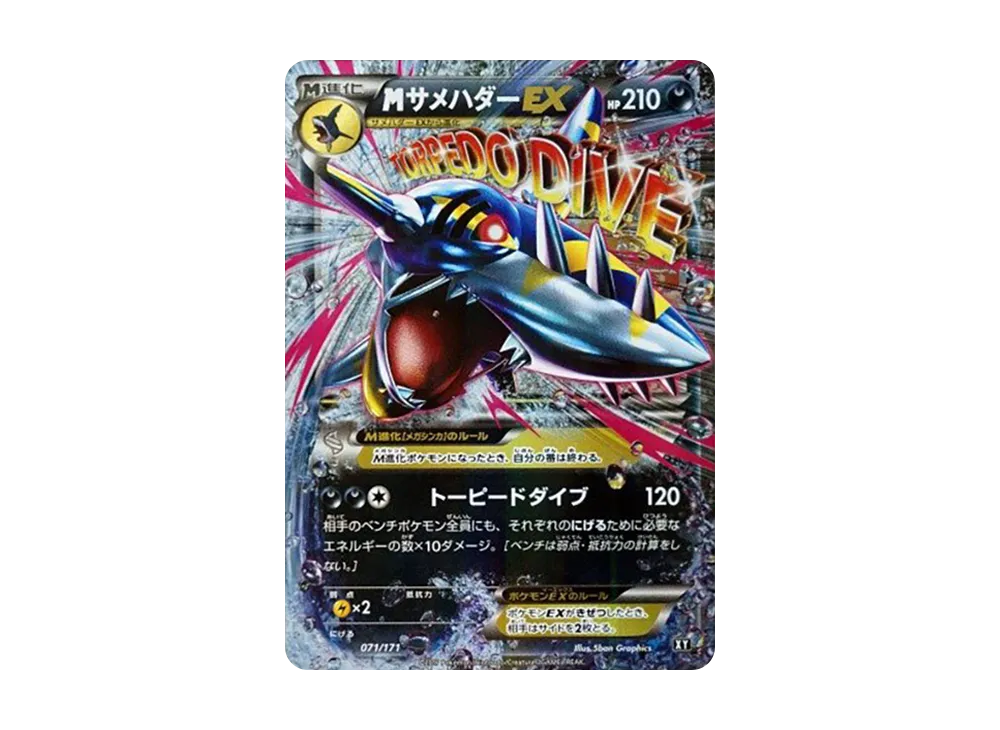
| ¥10k–30k | M Sharpedo EX [XY 071/171] (The Best of XY) (update: currently sold out — restock requests via Quick Order) | ¥19,800 (~$125) |
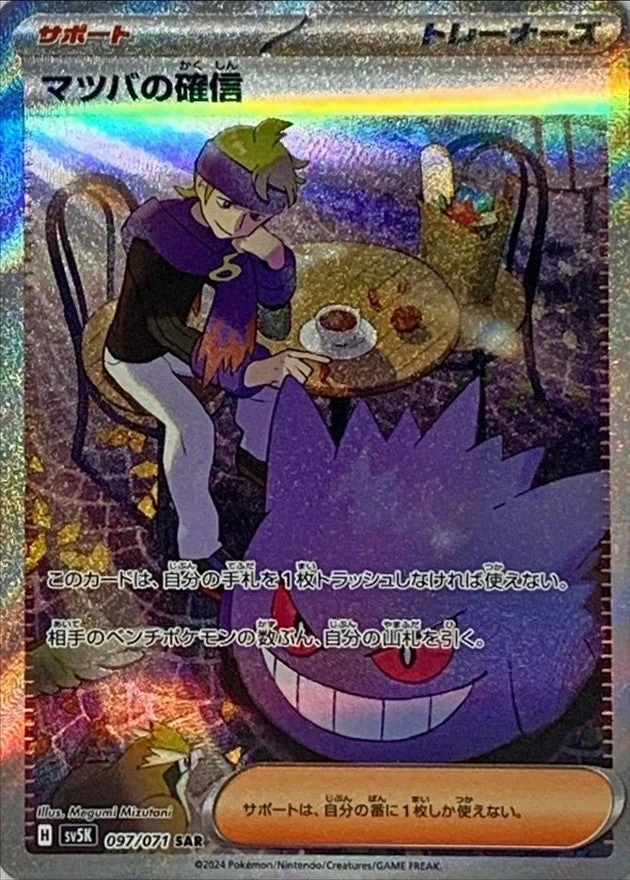
| ¥30k–100k | Morty’s Conviction 097/071 SAR (update: currently sold out — restock requests via Quick Order) | ¥30,470 (~$192) |
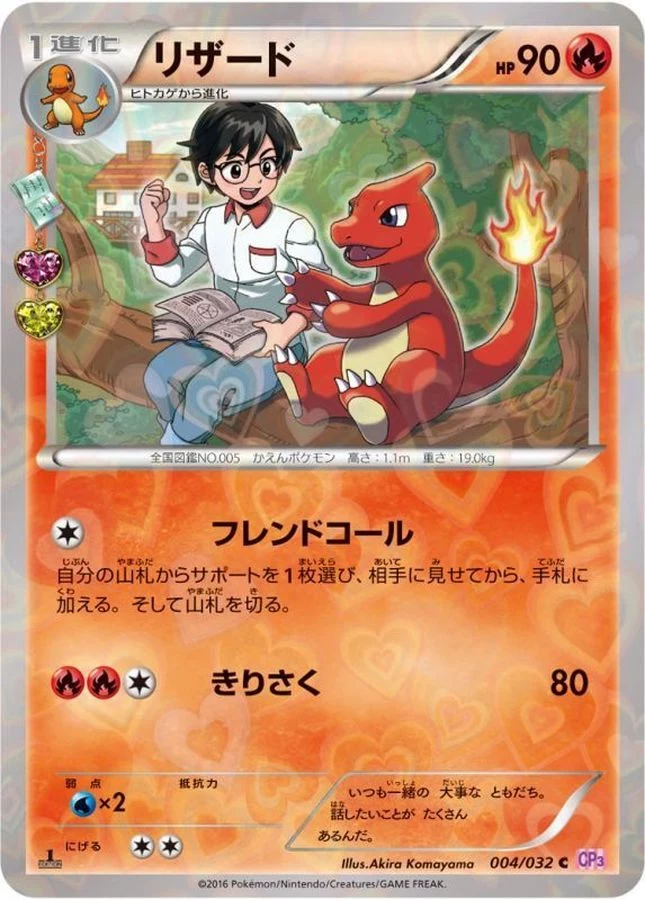
| ¥30k–100k | Charmeleon C :1ED [CP3 004/032] (Pokekyun Collection) (update: currently sold out — restock requests via Quick Order) | ¥35,420 (~$223) |
| ¥100k+ | Zekrom 009/027 [CP2] (update: currently sold out — restock requests via Quick Order) | ¥100,488 (~$632) |
Stöbere durch das gesamte Angebot in unserer Kollektion gegradeter PSA-10-Karten oder stelle eine gemischte Bestellung zusammen — gegradete Einzelkarten neben versiegelten Produkten — über Schnellbestellung. Wenn du Karten in die engere Auswahl nimmst oder ein Einsendeziel bepreist, statt Grading-Firmen zu vergleichen, gehen unsere Auswahl der besten japanischen Karten für ein PSA-Grading und der PSA-10-Preisleitfaden mit Kauf-Checkliste bei Karten und Preisen tiefer als dieser Vergleich. Für die aktuelle Spitze unserer eigenen Preisleiter siehe die teuersten PSA-10-Karten, die derzeit auf unserer Website gelistet sind.
Häufig gestellte Fragen
Was ist die Topnote von PSA und was die von CGC?
Die Topnote von PSA ist GEM-MT 10. CGC Cards vergibt derzeit zwei Topnoten: Pristine 10 (exakt 50/50 Zentrierung) und Gem Mint 10 (Zentrierung nicht über etwa 55/45 vorne, 75/25 hinten).
Sind PSA 10 und CGC Gem Mint 10 dieselbe Note?
Sie veröffentlichen in dieser Stufe dieselbe Zentrierungstoleranz — etwa 55/45 vorne, 75/25 hinten. Das ist eine Übereinstimmung bei einer veröffentlichten Messgröße, aber keine Bestätigung, dass die Noten gleichwertig sind; Grading-Philosophie, Populationsgröße und Marktakzeptanz wurden hier nicht verglichen.
Veröffentlichen PSA und CGC numerische Subgrades für Ecken, Kanten und Oberfläche?
Nein. PSA bietet bei Einsendungen ab der Express-Stufe optionale schriftliche Grader Notes statt numerischer Subgrades. CGC vergibt eine einzelne numerische Gesamtnote plus eine optionale Autogramm-Note und einen Pedigree-Vermerk, ohne veröffentlichte numerische Aufschlüsselung nach Kategorien.
Bewertet CGC japanische Pokemon-Karten?
Ja. Laut CGCs eigener Ankündigung bewertet CGC „all standard-sized Pokemon TCG cards in all languages,“ mit dem Hinweis, dass manche ausländischen Promo-Karten abgelehnt werden können, wenn ihre Herkunft nicht bestätigt werden kann.
Ist „Perfect 10“ noch eine CGC-Note?
Nein. Der Legacy Grade Key von CGC führt „Perfect 10“ (aus den früheren Skalen von CGC Trading Cards und CSG) als ausgemusterte Note auf. Die heutigen Topnoten von CGC sind Pristine 10 und Gem Mint 10.
Verkauft samuraiswordtokyo.com von CGC gegradete Karten?
Derzeit nicht. Jede gegradete Karte in unserem Katalog ist Stand September 2026 eine PSA 10 — eine Tatsache zum Katalog, keine Aussage darüber, welche Firma besser bewertet.
Passend zu diesem Artikel

📩 Get member-only sale alerts & coupons
Sale alerts, coupons and restock notices by email — straight from Tokyo.