In the Japanese rarity system covered here, a card marked with a plain letter C is Common. It is the base rarity tier printed into Japanese expansions, typically covers basic or unevolved Pokemon, and commonly makes up much of a pack in the modern expansions tracked by community sources.
That sounds simple, but “most common” gets asked in a few different ways: what the C letter actually marks, how many of them turn up per pack, how Common differs from the next tier up, and why a graded PSA10 card almost never carries this rarity. This guide answers all four using the Pokemon Company’s own rarity structure, not price data — rarity tier and market price are two separate questions, and this article only answers the first.
Common (C) is the base rarity tier — typically basic/unevolved Pokemon printed throughout most packs — with Uncommon (U) sitting one tier above it, covering most Trainer cards and some evolved Pokemon. Community sources estimate a modern Japanese pack carries around 3 Common cards out of 5 (unverified, official figures unpublished), which is why a Japanese box such as the SV9-Battle Partners booster box, currently listed at ¥10,094 (~$63), opens mostly into Common and Uncommon cards rather than chase cards.
Prices below are our own store listings, converted at ¥159/USD (September 2026). Any per-pack or per-box counts that are not official Pokemon Company figures are flagged as community estimates.
What “Common” Actually Means on a Pokemon Card
Most Japanese Pokemon cards carry a rarity letter, and Common (C) is the floor of that system. Per Bulbapedia’s Rarity page, Common is the base rarity tier in the Pokemon TCG, typically comprising basic or unevolved Pokemon, and it is typically found throughout booster packs rather than being limited to a specific slot. The tier directly above it, Uncommon (U), covers some evolved Pokemon and most Trainer cards.
The letter is a print-tier marker, not a comment on the artwork or the card’s condition. A Common card can still be a Pokemon you like collecting — the letter only tells you where the print sits in the set’s structure, not how good the card looks or plays.
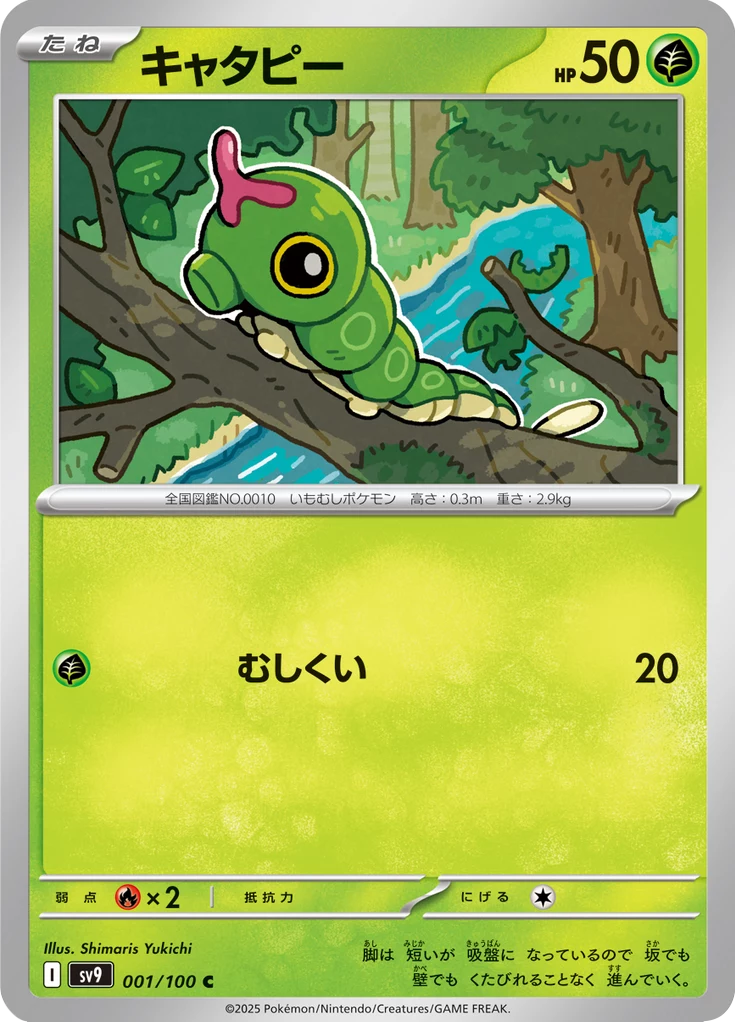
Caterpie above is a working example of exactly what the definition describes: a basic, unevolved Pokemon printed at the Common tier in a current Japanese expansion. Multiply that single card by the dozens of Common slots spread across a set, and you have the bulk of what a typical booster pack is made of.
How Many Commons Are in a Booster Pack
The Pokemon Company does not publish an official count of how many Common cards land in a given pack. What exists instead is community-aggregated tracking, and it should be read as an estimate rather than a confirmed figure.
Two community sources that track Japanese pack composition put a modern expansion pack at roughly 3 Common cards out of 5, with at least one Rare-tier-or-above card said to typically turn up somewhere in the box — occasionally two, a configuration the community nicknames a “2-box” (2枚箱). Both of these numbers are secondary, aggregated estimates, not statements from the Pokemon Company itself.
Treat any specific per-pack or per-box Common/Rare count you read online — including the numbers above — as a community estimate. The Pokemon Company has not published an official breakdown, so these figures can only ever be aggregated observation, not confirmed fact.
What the estimate does line up with is simple arithmetic: if roughly three of every five cards in a pack are Common, and a box holds multiple packs, then the bulk of a sealed Japanese box is typically Common and Uncommon cards by volume, with the rarer tiers sitting on top in far smaller numbers.
Common vs the Rare and Full-Art Tiers
Common and Uncommon sit at the base of a much longer rarity ladder that climbs through Rare, Double Rare, and eventually into full-art secret-rare tiers. This article is not the place to re-walk that entire ladder letter by letter — our rarity guide for graded buyers covers the full tier system in depth. For the tiers compared in this guide, Common is the base reference point rather than a claim about every rarity used across every product.
One example from partway up that ladder is Art Rare (AR), a full-art secret-rare tier that debuted in the high-class pack VSTAR Universe. Community rarity guides estimate roughly 3 AR cards appear per box (again, an unverified community estimate, not an official figure) — already a very different scale from the “roughly 3 out of 5 per pack” estimate for Commons above.
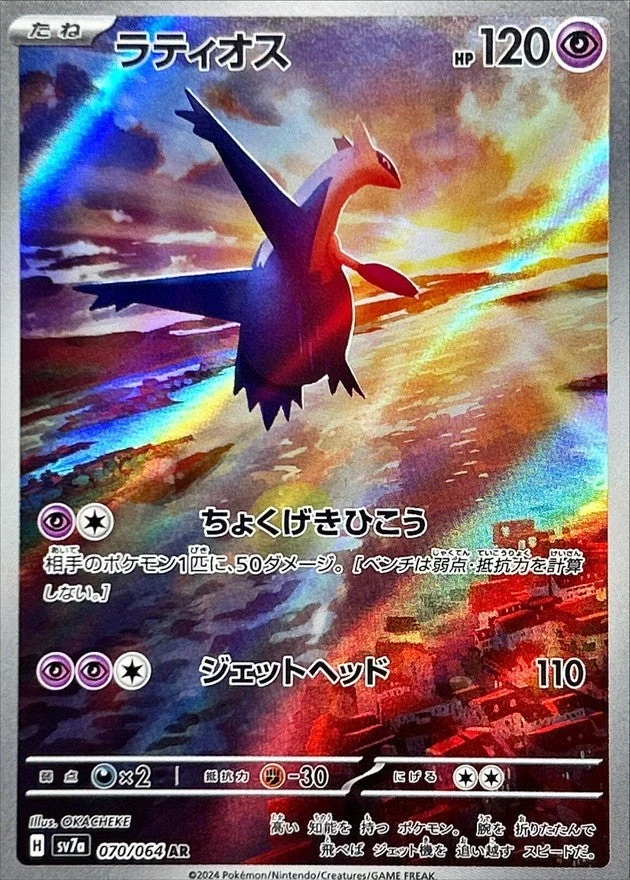
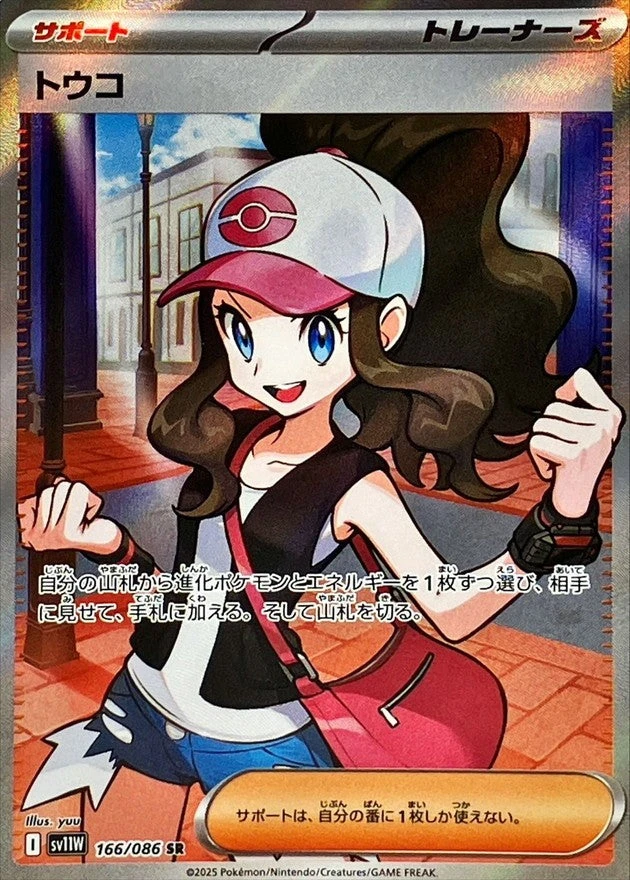
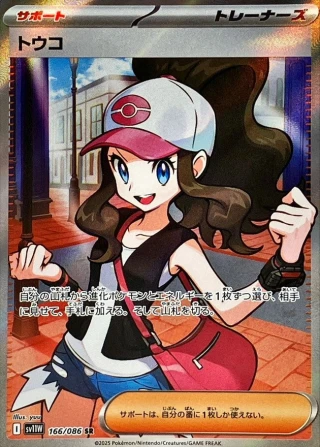
Latios above is an Art Rare example from our current listings, and Hilda is a Super Rare example. Neither is a Common — and that contrast between a base-rarity card and graded full-art tiers is what the next section explains.
Why Graded PSA10 Commons Are So Rare to Find
Common cards are rarely submitted for third-party grading because there is little collector demand for grading a base-rarity card. Grading costs money and time, and collectors generally reserve that step for rarer full-art and secret-numbered prints rather than the basic Pokemon that fills out the bottom of a pack.
This is worth separating clearly from a value statement: a Common card being ungraded does not tell you anything about whether the card itself is desirable to collect raw. It only tells you that the grading market, as a practical matter, concentrates on rarer tiers.
What This Means When You Buy a Japanese Booster Box
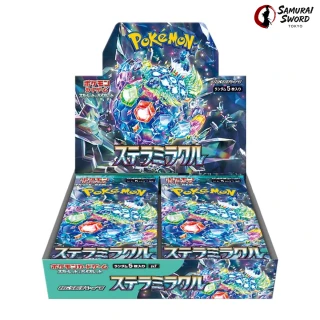
If Common and Uncommon make up the bulk of most packs, then opening a Japanese booster box typically means opening mostly Common and Uncommon cards, with a much smaller number of Rare-tier-and-above cards mixed in. That holds for most current Japanese sets, including the two boxes below, which are also where the Caterpie example pictured earlier actually comes from.
| Prodotto | What it is | Listed price |
|---|---|---|
| SV9-Battle Partners Japanese Booster Box | Sealed box; Common/Uncommon cards make up the bulk of the pull, with Rare-tier-and-above on top | ¥10,094 (~$63) |
| SV7-Stellar Miracle Japanese Booster Box | Sealed box; same tier structure, different expansion | ¥9,984 (~$63) |
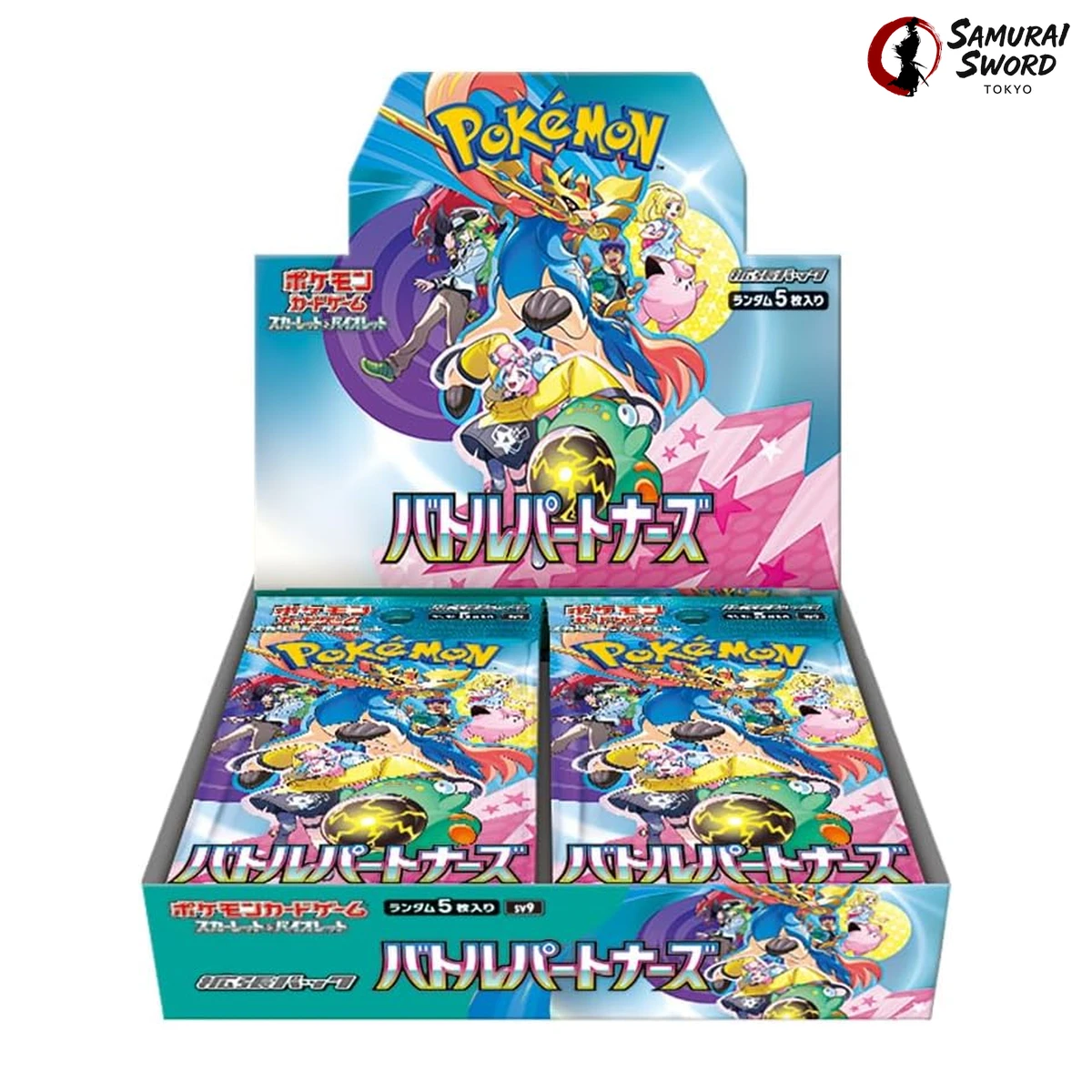
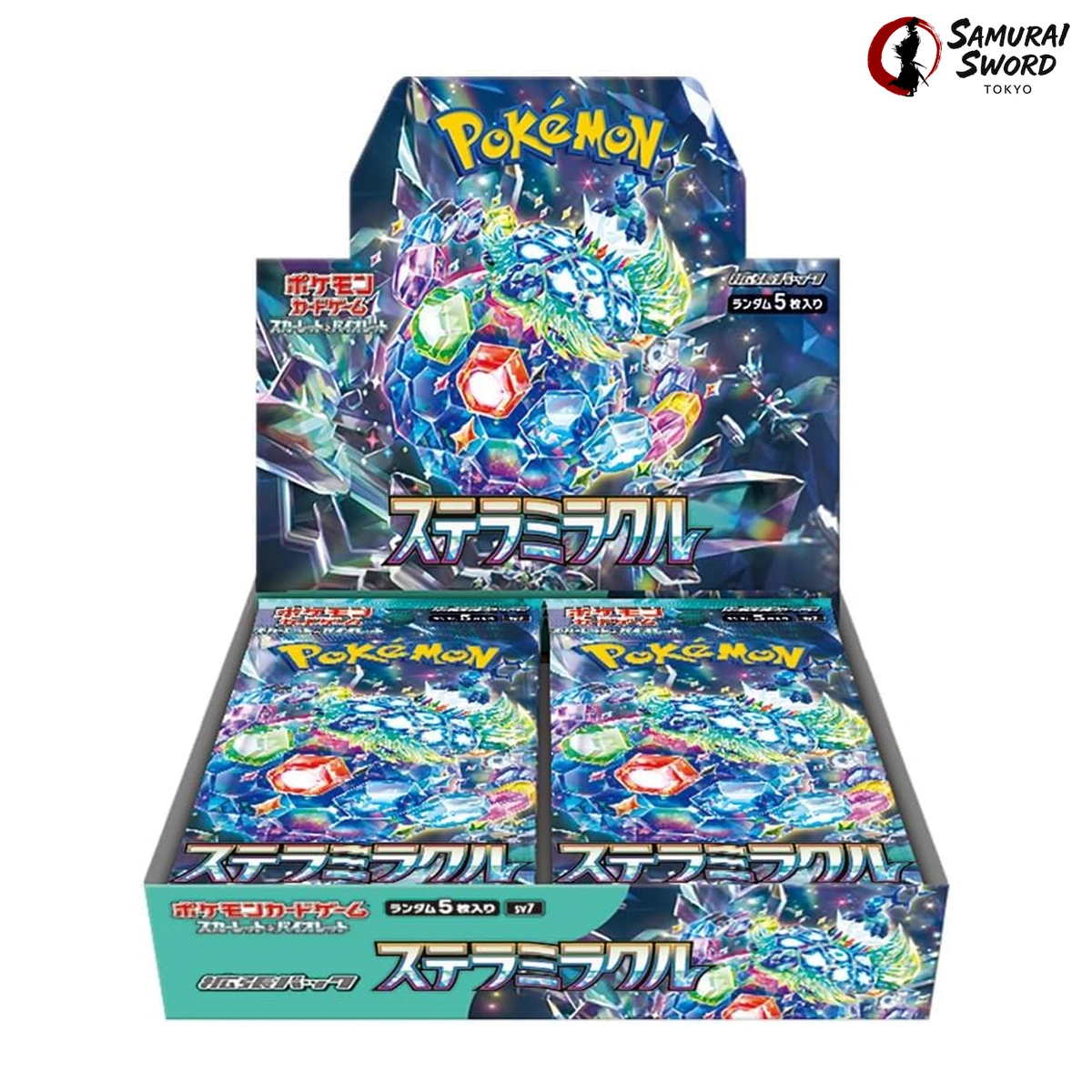
If your interest is in Common cards specifically — building a full playset, or just wanting to see the base tier of a set — a sealed box is a direct route to cards from that tier, since Common cards are typically found throughout booster packs rather than being limited to a specific slot. If your interest is in the graded end of the hobby instead, our PSA 10 graded card collection is where the AR, SAR, SR and UR tiers discussed above actually live, and our Japanese Pokemon booster box collection covers sealed product across sets.
Where to Buy Japanese Pokemon Cards from Tokyo
We ship Japanese sealed booster boxes and graded singles worldwide out of Tokyo with tracked delivery. For sealed product, browse the Japanese Pokemon booster box collection, including the SV9-Battle Partners box and SV7-Stellar Miracle box referenced above. For graded singles above the Common/Uncommon tier, the PSA 10 graded card collection includes examples like the PSA10 Latios AR (update: currently sold out — restock requests via Quick Order) and PSA10 Hilda SR shown earlier.
For the fuller rarity ladder above Common, see our rarity guide for graded buyers. If you’re comparing other named tiers you’ve come across while researching rarity, our Futuristic Rare (FUR) guide and Shiny/Baby Shiny guide cover two of the more specialised ones. For sourcing a specific card, set, or a mixed order of singles and sealed product, our guide to buying Japanese Pokemon cards online and the Quick Order page are the two starting points.
Domande frequenti
What is the most common Pokemon card rarity?
Common (C) is the base rarity tier in the Pokemon TCG, typically comprising basic or unevolved Pokemon and typically found throughout booster packs. This guide uses it as the base reference point when comparing the listed higher tiers.
How can I tell if a Japanese Pokemon card is a Common?
Look for the letter “C” printed in the card’s rarity marking. Common cards are typically basic or unevolved Pokemon, as opposed to Uncommon (U), which covers some evolved Pokemon and most Trainer cards.
How many Common cards are in a Japanese booster pack?
The Pokemon Company hasn’t published an official figure. Community-aggregated tracking estimates roughly 3 Common cards per 5-card pack in a modern expansion, with at least one Rare-tier-or-above card said to typically appear per box — but treat this as a community estimate, not a confirmed number.
What’s the difference between Common and Uncommon?
Common (C) is typically basic or unevolved Pokemon. Uncommon (U), the tier directly above it, covers some evolved Pokemon and most Trainer cards. Both sit well below Rare and the full-art secret-rare tiers.
Why don’t graded PSA10 listings usually include Common cards?
Common cards are rarely submitted for third-party grading because there is little collector demand for grading a base-rarity card — grading tends to concentrate on rarer tiers instead.
What rarity tier comes right after Common?
Uncommon (U) is the next tier up from Common. From there the ladder continues through Rare and into the full-art and secret-rare tiers such as Art Rare (AR), Super Rare (SR) and beyond, which our dedicated rarity guide for graded buyers covers in full.
Spedizione gratuita e scontata, in base al paese di consegna
- Ogni paese di consegna ha il proprio importo minimo e il proprio codice coupon.
- Ogni ordine pagato della campagna sblocca il livello successivo per il tuo account.
- Accedi oppure scegli “Create account: Yes” al checkout per usare un codice della campagna.
Il codice coupon, l'ordine minimo e il vantaggio di spedizione dipendono tutti dal tuo paese di consegna — apri la pagina della campagna per le condizioni che ti riguardano. Il minimo riguarda solo il subtotale dei prodotti: spedizione, imposte e altri sconti non vengono conteggiati. La campagna termina il September 10, 2026 23:59 ora del Giappone (September 10, 2026 14:59 UTC); i codici smettono di funzionare in quel momento. I coupon non possono essere applicati agli articoli in preordine. Aggiungi un articolo disponibile per usare un coupon. Dazi di importazione, imposte e oneri doganali non sono inclusi nel prezzo e vengono riscossi alla consegna, tranne per le destinazioni a cui spediamo con dazi assolti.
Selezionato per questo articolo
📩 Get member-only sale alerts & coupons
Sale alerts, coupons and restock notices by email — straight from Tokyo.