Japanese TCG Store Samurai Sword

Pokemon TCG 30th Anniversary Set 2026: Release Date, New Rarity & Complete Guide
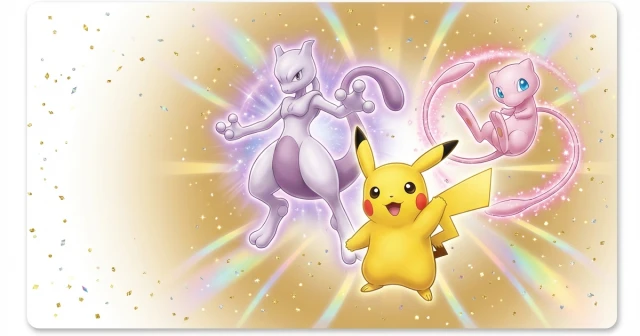
30th Celebration is not just another Pokemon TCG set — it’s the first worldwide simultaneous release in the trading card game’s 30-year history. Confirmed September 16, 2026 in Japan and launching globally around the same time, this set breaks every precedent: all-foil cards, a brand new rarity type, classic card reprints spanning three decades, and a special pack structure at ¥360 per pack.

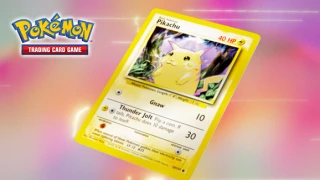
The Pokemon Trading Card Game launched in October 1996 in Japan. Thirty years later, The Pokemon Company is marking the milestone with a set that bridges every generation — from Base Set Pikachu to modern Pikachu & Zekrom GX reprints. For international collectors, the simultaneous worldwide release eliminates the usual 2–3 month wait between Japanese and English availability for the first time ever.

This guide covers everything announced and predicted about 30th Celebration as of April 2026 — the unique pack structure, confirmed reprints, the new rarity type, companion products, and what this means for collectors and the secondary market. Our team at Samurai Sword INC has been tracking the 30th anniversary announcements from Tokyo since Pokemon Day 2026, and we’ll update this guide as new details emerge.

Key Takeaway
Confirmed Reprints (April 2026 Update)

Three iconic cards have been officially confirmed for 30th Celebration:

  • Pikachu & Zekrom GX (originally from Team Up / Tag Bolt)
  • Solgaleo GX (originally from Sun & Moon base set)
  • Lugia (originally from Aquapolis / Wind from the Sea)

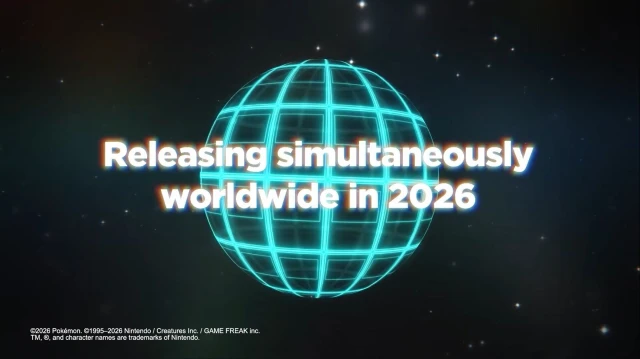
These join the new-rarity Pikachu, Mewtwo, and Mew cards previously announced on the sell sheet. More reprints are expected to be revealed as September approaches.

30th Celebration launches September 16 in Japan with a worldwide release to follow — the first simultaneous global Pokemon TCG launch ever. All cards are foil. Packs cost ¥360 (6 cards each), boxes are ¥7,200 (20 packs). A brand new rarity type debuts featuring Pikachu, Mewtwo, and Mew. Classic card reprints confirmed. A Premium Deck Set (Espeon & Umbreon) launches alongside.

Latest Update — Confirmed Details (May 7, 2026)

The 30th Celebration set has now been officially confirmed by The Pokémon Company. Key details since the initial reveal:

  • Release dates: Japan — Wednesday, September 16, 2026. English worldwide — Friday, September 18, 2026. Unusually, this set releases worldwide nearly simultaneously rather than following the typical JPN-first pattern.
  • Booster pack format: Six cards per pack instead of the standard five — and every card is foil. This is the first mainline TCG set to be entirely foil since Crown Zenith.
  • New rarity confirmed: A brand-new rarity tier showcasing an opalescent / pearlescent sheen — preview cards include Pikachu, Mew, and Mewtwo. The official rarity name and pull rate have not yet been disclosed.
  • Confirmed reprints (preview reveal): Pikachu (Base Set), Charizard (Base Set), Palkia Lv.X (Great Encounters), Lugia (Aquapolis), Uxie (Legends Awakened), Darkrai & Cresselia LEGEND (Triumphant), Pikachu & Zekrom-GX (Team Up), Raikou (Vivid Voltage), Zacian V (Sword & Shield), Arceus VSTAR (Brilliant Stars).
  • Companion products: “30th Celebration Premium Deck Set Espeon & Umbreon” (September 16). Nine “30th Celebration Card Sets” featuring all 27 starter Pokémon — releases October 16, 2026.

Sources: pokemon.com / pokemon-card.com (official), PokéBeach, Insider Gaming, PokéCottage. Reviewed May 7, 2026.

¥7,200
JPN BOX MSRP

Sep 16
Expected JPN Date

All Foil
Every Card

Worldwide
Simultaneous Release

Set Overview: What Is 30th Celebration?

30th Celebration is a special commemorative set marking the 30th anniversary of the Pokemon Trading Card Game. Unlike standard expansion packs or MEGA sets, this is a standalone celebration product with a unique structure designed for both collectors and nostalgic fans across every generation.

Spec 30th Celebration Standard MEGA Set (for comparison)
Confirmed Date (JPN) September 16, 2026 Varies
Worldwide Release Simultaneous (first ever) JPN first, EN 2–3 months later
Cards per Pack 6 (all foil) 5
MSRP (Pack) ¥360 ¥200
Packs per Box 20 30
MSRP (Box) ¥7,200 ¥6,000
Card Treatment All foil Standard (foil for rares only)
New Rarity Yes (new type debuting) Standard rarity structure
Theme 30 years of Pokemon TCG history Set-specific theme
Pokemon TCG 30th Celebration official announcement banner from The Pokemon Company

The 25th Anniversary Comparison

The closest precedent is 2021’s Celebrations (25th Anniversary Collection in Japan). That set became one of the most sought-after products of its era — sealed Elite Trainer Boxes appreciated from $50 to $150+ within a year, and Japanese 25th Anniversary Collection boxes went from ¥5,500 to ¥15,000+. The 30th Celebration appears to be a larger-scale, more premium version of that concept.

Anniversary Set Track Record

Anniversary Product Post-Release Appreciation
20th (2016) CP6 Expansion Pack 20th Anniversary Boxes: ¥4,500 → ¥30,000+ (5 years)
25th (2021) 25th Anniversary Collection Boxes: ¥5,500 → ¥15,000+ (1 year)
30th (2026) 30th Celebration TBD — but precedent is strong
Anniversary Premium

Every major Pokemon TCG anniversary product has appreciated significantly in the sealed market. The 20th Anniversary CP6 set is now worth 6x its original MSRP. The 25th Anniversary Collection nearly tripled within a year. The 30th Celebration — with its worldwide simultaneous release and all-foil treatment — is positioned as the most ambitious anniversary product yet.

What Makes This Set Historic
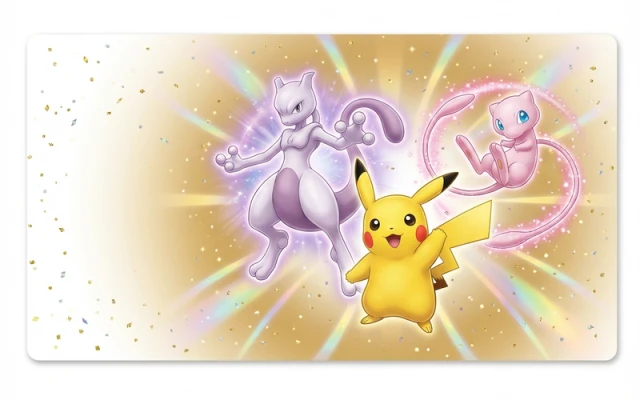
Pokemon TCG 30th anniversary celebration visual showing 30 years of card game history from 1996 to 2026
30 years of the Pokemon Trading Card Game — 1996 to 2026

First-Ever Worldwide Simultaneous Release

In the Pokemon TCG’s entire 30-year history, Japanese sets have always released first, with English and other language versions following 2–3 months later. 30th Celebration breaks this pattern entirely. The worldwide simultaneous launch means:

  • No early-access window — Japanese and English versions drop at the same time
  • Global hype concentrated into a single date — no staggered demand
  • Potential pricing impact — the usual JPN premium over English may be different for this set since there’s no first-mover advantage
  • Unified collector excitement — the entire global community opens together

All-Foil Cards

Every single card in 30th Celebration is foil — there are no standard non-foil prints. This is a premium treatment that elevates the entire set’s visual appeal and potential collector value. Even common-tier cards in all-foil sets tend to hold value better than non-foil equivalents.

Unique Pack Structure

At ¥360 per pack (6 cards, all foil), the per-card cost is ¥60 — compared to ¥40 per card in standard MEGA packs (¥200 / 5 cards). The premium is justified by the all-foil treatment, but it also means boxes at ¥7,200 (20 packs) cost ¥1,200 more than standard MEGA boxes (¥6,000). The pack-to-box ratio is also lower: 20 packs vs. 30, meaning fewer total pulls per box but higher individual card quality.

Classic Card Reprints

Following the successful formula from 2021’s Celebrations, the 30th Celebration includes reprints of iconic cards from across the game’s history. Confirmed and anticipated reprints span from the original Base Set era through VSTAR and beyond — giving collectors a chance to own updated versions of cards that defined each generation.
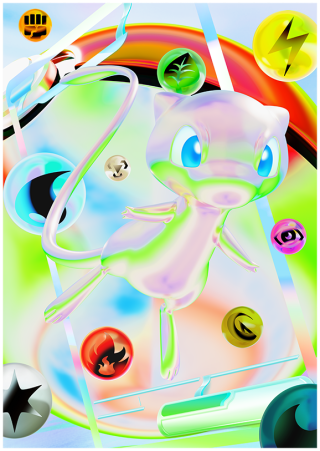
Pokemon TCG 30th Celebration product preview showing booster pack design and new foil rarity

The New Rarity Type

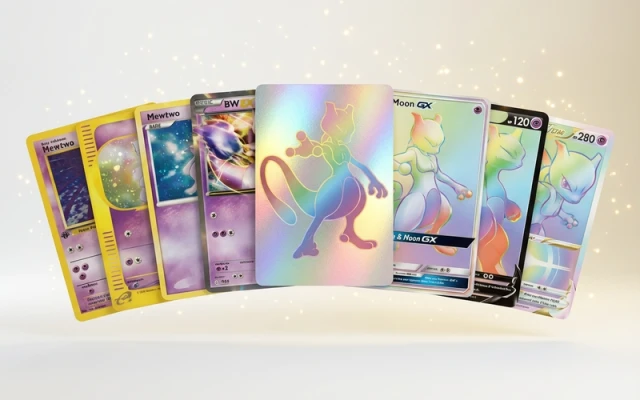
30th Celebration introduces a brand new card rarity — the first new rarity type since Mega Ultra Rare (MUR) was introduced with the MEGA series. Sell sheet materials shown at the Pokemon Day 2026 presentation featured three Pokemon in this new rarity: Pikachu, Mewtwo, and Mew.

What We Know So Far

  • Three cards confirmed in the new rarity: Pikachu, Mewtwo, Mew
  • Likely a special foil treatment distinct from existing SAR/MUR patterns
  • Expected to be the top chase cards of the set
  • Design details not yet revealed — official artwork pending

Why These Three Pokemon

Pikachu, Mewtwo, and Mew represent the absolute core of the Pokemon franchise:

  • Pikachu — The franchise mascot. Every anniversary set has featured a special Pikachu, and they consistently become the set’s flagship card
  • Mewtwo — The original chase card from Base Set. Mewtwo holo from 1996 defined what a “valuable Pokemon card” meant for an entire generation
  • Mew — The mythical counterpart to Mewtwo. Mew cards carry a unique collector appeal across all eras
Collector Insight

Special Pikachu cards from anniversary sets have historically been among the most valuable cards of their year. The Pikachu VMAX from Celebrations (25th) reached ¥15,000+. If the new rarity Pikachu follows this pattern with a 30th-anniversary premium, it could be one of the defining chase cards of 2026.

Predicted Chase Card Values

Speculative estimates based on anniversary set precedent and Japanese market tracker predictions. Actual values will be determined after release.

Predicted Card Rarity Predicted Price (JPN)
Pikachu (30th Anniversary) New Rarity ¥15,000–30,000+
Mewtwo (30th Anniversary) New Rarity ¥10,000–25,000
Mew (30th Anniversary) New Rarity ¥10,000–20,000
Pikachu & Zekrom GX (Reprint) SR ¥3,000–8,000
Solgaleo GX (Reprint) SR ¥2,000–5,000
Lugia (Aquapolis Reprint) SR ¥3,000–8,000

Classic Card Reprints

Pokemon TCG 30th Celebration classic card reprints including Pikachu and Zekrom GX, Solgaleo GX, and Lugia from Aquapolis
Confirmed and anticipated classic card reprints spanning 30 years of Pokemon TCG

The Pokemon Day 2026 presentation confirmed multiple classic card reprints in 30th Celebration. Following the formula from the 25th Anniversary Celebrations, these reprints feature iconic cards from each era of the game’s history — updated with modern foil treatments while preserving the original artwork or paying homage to the original design.

Confirmed / Heavily Anticipated Reprints

Card Original Set (Year) Era
Pikachu & Zekrom GX Team Up (2019) Tag Team GX
Solgaleo GX Sun & Moon Base (2016) GX Era
Lugia Aquapolis (2003) e-Series
Darkrai & Cresselia LEGEND Triumphant (2010) LEGEND Era
Arceus VSTAR Brilliant Stars (2022) VSTAR Era
Classic Pikachu Base Set homage (1996) Original Series

The selection deliberately covers every major era of the Pokemon TCG — from the original Base Set through GX, LEGEND, VSTAR, and into the current generation. Each reprint card in the 25th Anniversary set became collectible in its own right; expect the 30th Anniversary reprints to follow the same trajectory with the added prestige of the all-foil treatment.

First Partner Illustration Collection

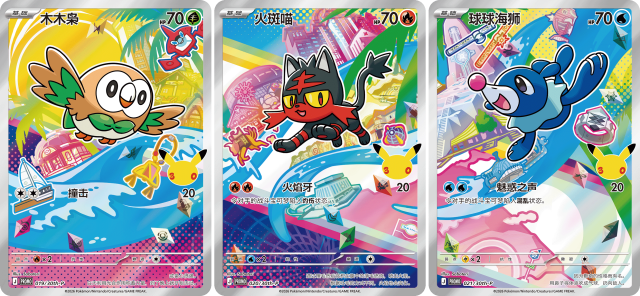
Alongside the main 30th Celebration set, a First Partner Illustration Collection has been announced — featuring starter Pokemon from each region in AR (Art Rare) promo treatments. The first wave covers Kanto, Sinnoh, and Alola starters (Bulbasaur, Charmander, Squirtle, Turtwig, Chimchar, Piplup, Rowlet, Litten, Popplio). This companion product adds additional collector appeal to the anniversary lineup.

Reprint Value Pattern

In the 25th Anniversary Celebrations, reprints of classic cards like Base Set Charizard and Gold Star Umbreon held strong secondary market values — with the Charizard reprint reaching ¥5,000+ even as a modern reprint. The 30th Celebration’s all-foil treatment could elevate reprint values further, as every card in the set carries a premium finish.

Full Product Lineup

30th Celebration launches with a focused but premium product lineup. Unlike standard expansion packs with their Starter Sets and accessories, the 30th Anniversary products are positioned as collector-first releases.

Product Price (JPY) Price (USD est.) Contents
Booster Box ¥7,200 ~$48 20 packs × 6 all-foil cards
Booster Pack ¥360 ~$2.40 6 all-foil cards
Premium Deck Set (Espeon & Umbreon) TBA TBA Deck + exclusive promo cards + packs
30th Card Sets (×10) TBA TBA Starter trio promo cards per generation (Oct 16)
Pokemon TCG 30th Celebration additional product preview with Espeon and Umbreon Premium Deck Set

30th Celebration Premium Deck Set: Espeon & Umbreon

Releasing alongside the main set, the Premium Deck Set Espeon & Umbreon is the flagship companion product for the 30th anniversary. Espeon and Umbreon — the Generation II Eeveelutions that debuted alongside the Pokemon TCG’s early expansion — are fan-favorites with enormous collector demand. Details on exclusive promo cards and full contents are still to be announced, but Premium Deck Sets in the current era typically include:

  • Playable deck with exclusive promo cards
  • Multiple booster packs from the main set
  • Premium accessories (deck box, sleeves, playmat possibilities)
  • Collector-grade packaging

Previous Eeveelution premium products have been among the most collected items in the Pokemon TCG. The Eevee Heroes VMAX Special Set (2021) and various Eeveelution promo boxes regularly command premiums in the sealed market.

30th Anniversary Card Sets (October 16, 2026)
Pokemon TCG 30th Anniversary Card Sets featuring starter Pokemon trios from all nine generations, releasing October 16 2026
30th Anniversary Card Sets — starter Pokemon trios from every generation (Source: PokéGuardian)

According to PokéGuardian, 10 Card Set products will release on October 16, 2026 — one month after the main booster set. Each Card Set features the three starter Pokemon from a specific generation, covering all nine regions:

Generation Region Starters
I Kanto Bulbasaur, Charmander, Squirtle
II Johto Chikorita, Cyndaquil, Totodile
III Hoenn Treecko, Torchic, Mudkip
IV Sinnoh Turtwig, Chimchar, Piplup
V Unova Snivy, Tepig, Oshawott
VI Kalos Chespin, Fennekin, Froakie
VII Alola Rowlet, Litten, Popplio
VIII Galar Grookey, Scorbunny, Sobble
IX Paldea Sprigatito, Fuecoco, Quaxly

First Partner Illustration Collection — Connected Artwork

Each trio’s cards connect to form a single panoramic scene featuring iconic locations from their region:
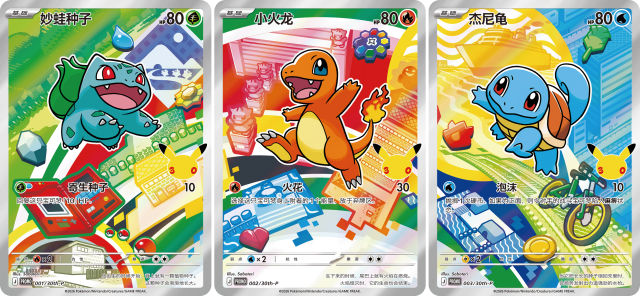
Pokemon TCG First Partner Illustration Collection Kanto starters Bulbasaur Charmander Squirtle connected panoramic artwork
Kanto — Bulbasaur, Charmander, Squirtle (Art Rare)
Pokemon TCG First Partner Illustration Collection Sinnoh starters Turtwig Chimchar Piplup connected panoramic artwork
Sinnoh — Turtwig, Chimchar, Piplup (Art Rare)
Pokemon TCG First Partner Illustration Collection Alola starters Rowlet Litten Popplio connected panoramic artwork
Alola — Rowlet, Litten, Popplio (Art Rare)

These Card Sets complement the First Partner Illustration Collection series and extend the 30th anniversary celebration into a multi-month product lineup. Specific card treatments and pricing are still to be confirmed.
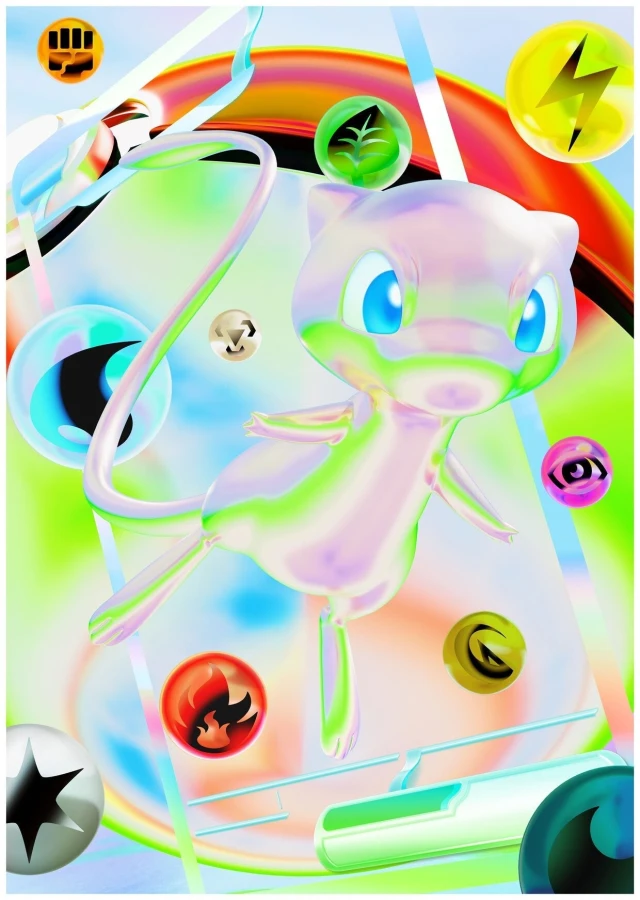
Pokemon TCG 30th Celebration sell sheet showing booster box pack structure and new rarity Pikachu Mewtwo Mew cards
30th Celebration sell sheet — booster pack lineup and product details (Source: PokéGuardian)

30th Anniversary Cross-Brand Collaborations

Beyond the TCG itself, The Pokemon Company has confirmed several major brand collaborations as part of the 30th anniversary celebration:

  • LEGO × Pokémon — First-ever official LEGO Pokemon sets
  • adidas × Pokémon — Collaborative footwear and apparel line
  • McDonald’s × Pokémon TCG — Happy Meal promo cards (continuing annual tradition)
  • UNIQLO × Pokémon — UT collection featuring 30th anniversary designs

These collaborations bring Pokemon’s 30th anniversary into mainstream retail, which historically drives broader consumer interest in the TCG. The 25th anniversary saw similar partnerships that correlated with increased sealed product demand.

Should You Buy This Set?

30th Celebration is a unique product in the Pokemon TCG landscape — it’s not a standard expansion, not a High Class Pack, and not a MEGA set. It’s a once-in-a-decade anniversary release with characteristics that set it apart from anything else releasing in 2026.

For Collectors (Experience-First Buyers)

This is almost certainly a must-open set for collectors. The all-foil treatment means every pack delivers a visually premium experience. The classic reprints create a nostalgic journey through 30 years of the game. And the new rarity Pikachu/Mewtwo/Mew cards could be among the most memorable chase cards of the decade. If you collect for the joy of it, 30th Celebration is built specifically for you.

Collector verdict: Strong buy. Anniversary products are once-in-five-years events, the all-foil treatment is unique, and the worldwide simultaneous release makes this a shared global collector moment.

For Sealed Collectors

Anniversary sealed product has an exceptional track record. The 20th Anniversary CP6 (2016) is now worth 6x MSRP. The 25th Anniversary Collection (2021) nearly tripled within a year. At ¥7,200 per box, the entry point is higher than standard sets, but the 30th anniversary only happens once.

Buy at Launch

  • Secure boxes at MSRP before any markup
  • Anniversary products historically sell through fast
  • Worldwide launch = concentrated global demand
  • Risk: larger print run could mean easier availability

Wait for Market Data

  • See actual pull rates and card values first
  • Simultaneous release means no JPN early-access rush
  • Potential for restocks given worldwide coordination
  • Risk: if supply is limited, boxes move fast

JPN vs. English: A Different Equation

Unlike every other set we cover, 30th Celebration’s worldwide simultaneous release means the usual JPN-first advantage doesn’t apply. Both versions launch together, so the typical 15–40% JPN premium may not materialize in the same way. However, Japanese print quality and card texture have historically commanded a collector premium regardless of timing. Japanese boxes may still hold value differently than English equivalents based on print quality alone — but this is the first time we’re seeing a level playing field on release timing.

How to Buy Japanese Pokemon Cards

Even with a worldwide simultaneous release, Japanese 30th Celebration products may still be easier to source through Japanese channels for international collectors — especially if regional allocation varies or if the Japanese version’s print quality creates separate demand.

Japanese Retail (Lottery System)

Major Japanese retailers use a lottery (抽選) system for popular releases, and a 30th anniversary product is expected to generate extremely high demand:

  • Pokemon Center Online — Random selection; highest demand, lowest odds
  • Geo / TSUTAYA / Yodobashi — Regional lottery applications
  • Amazon Japan — Availability windows open closer to launch
  • Rakuten — Multiple sellers; prices vary

International Options

Samurai Sword INC ships authentic Japanese Pokemon products directly from Tokyo to the US, UK, Canada, Australia, and beyond. For 30th Celebration, we’ll offer both the main booster box and the Premium Deck Set Espeon & Umbreon as they become available.

Coming Soon
30th Celebration Booster Box (JPN)
Expected MSRP ¥7,200 (~$48) + shipping
Ships from Tokyo · Tracked international delivery

Browse Our Collection →

Key Dates to Watch

Date Event
February 27, 2026 Pokemon Day presentation — 30th Celebration announced
April 2026 Official set details and card previews expected
Summer 2026 Full card list reveal anticipated
September 16, 2026 Expected Japan availability
September 2026 Expected worldwide availability (simultaneous)
October 16, 2026 30th Anniversary Card Sets (×10) release (rumored)

Frequently Asked Questions

When does 30th Celebration release?

30th Celebration is confirmed for September 16, 2026 in Japan, with a worldwide simultaneous release — the first in Pokemon TCG history. This means Japanese and English (and other language) versions would launch around the same time, eliminating the usual 2–3 month gap. Exact worldwide dates are subject to confirmation.

How much does a 30th Celebration booster box cost?

The expected Japanese booster box MSRP is ¥7,200 (approximately $48) for 20 packs of 6 all-foil cards each. This is ¥1,200 more than standard MEGA set boxes (¥6,000 for 30 packs), reflecting the premium all-foil treatment and commemorative nature of the set. Individual packs are ¥360 each.

What is the new rarity in 30th Celebration?

30th Celebration introduces a brand new card rarity type — the first new rarity since MUR (Mega Ultra Rare) debuted with the MEGA series. Three cards have been shown in this new rarity: Pikachu, Mewtwo, and Mew. Specific details about the rarity’s name, visual treatment, and pull rates are still to be announced.

What classic cards are being reprinted?

Confirmed and anticipated reprints include Pikachu & Zekrom GX (Team Up), Solgaleo GX (Sun & Moon Base), Lugia (Aquapolis), Darkrai & Cresselia LEGEND (Triumphant), and Arceus VSTAR (Brilliant Stars). The set spans all major eras from Base Set through the modern era, with all cards receiving the set’s all-foil treatment.

Is 30th Celebration worth collecting?

Anniversary sets have a strong collector track record. The 20th Anniversary CP6 (2016) appreciated to 6x MSRP over 5 years. The 25th Anniversary Collection (2021) nearly tripled within a year. The 30th Celebration’s all-foil treatment, new rarity type, and worldwide simultaneous release position it as the most ambitious anniversary product in Pokemon TCG history.

Will the Japanese version be different from English?

With the worldwide simultaneous release, both Japanese and English versions are expected to launch around the same time — eliminating the usual JPN first-mover advantage. However, Japanese Pokemon cards have historically been valued for their print quality and texture. The Japanese version may still carry a collector premium based on physical card quality, even without a timing advantage.
Best Pikachu Cards in Japanese Pokemon TCG – 2026 Price Guide

Japanese Pikachu cards are not one market. They are a ladder: true contest promos at the museum end, anniversary cards in the display tier, VMAX and AR cards for modern collectors, and budget cards for buyers who want a clean first Japanese Pikachu without overpaying. This May 21, 2026 refresh rebuilds the old article into a buyer guide rather than a simple top-10 list.

The practical answer: start with Pokemon 151 Pikachu AR if you are new, use Pikachu V-UNION if you want a modern Japanese centerpiece, and treat Pikachu Illustrator as historical context rather than a normal shopping target. The old article had useful ideas, but it also had thin images and one wrong representative card image. This version uses card-specific visuals and clearer buying tiers.

Prices on Pikachu move quickly because demand is broader than almost any other Pokemon. The ranges below are directional, not a promise that every listing should be accepted. Condition, language, set code, grading status, and whether the image matches the exact card matter more than a single low price.

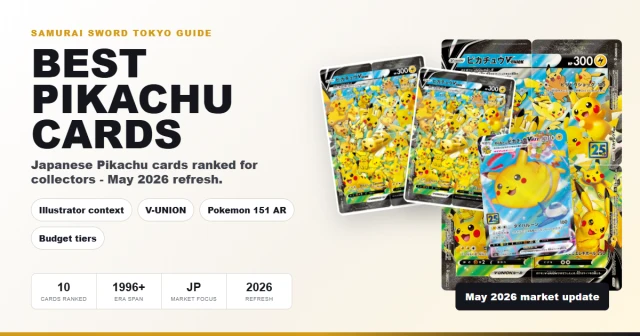
Best Japanese Pikachu cards 2026 price guide
Thumbnail composite for the Japanese Pikachu cards guide using official and trusted card imagery.
Key Takeaway Pikachu is not one market. It is a ladder: contest promos at the top, anniversary cards in the middle, modern AR/SAR cards for active collectors, and budget cards for entry buyers. Buy Japanese Pikachu singles by budget tier and purpose. Do not chase every Pikachu card; choose whether you want a display card, a graded candidate, a historical promo, or a clean starter single.
10Cards ranked
1996+Era span
JPMarket focus
2026Refresh

Top Japanese Pikachu Cards to Know

This ranking is built for real buyers. It does not pretend that a museum-level contest card and a $25 starter card solve the same problem. Instead, each card is placed by collector use case: historical context, display centerpiece, graded candidate, budget entry, or modern chase.

Rank Card Category 2026 signal Why it matters
1 Pikachu Illustrator Contest Promo Record-tier, museum card Covered as context only: it defines the ceiling of Pokemon collecting but is not a realistic purchase target for most readers.
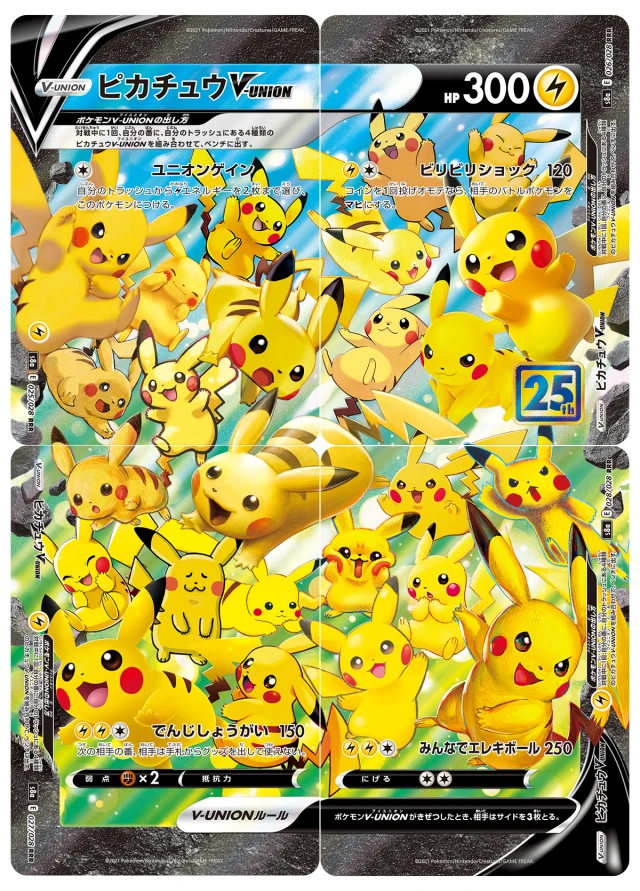
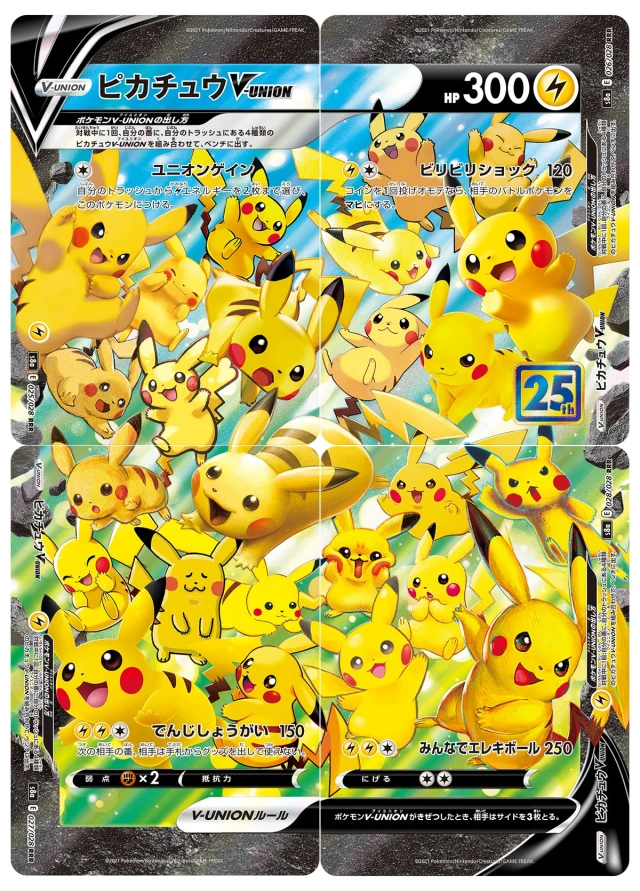
2 Pikachu V-UNION 25th Anniversary $200-$320 complete set Four-card display piece, strongly Japanese, and one of the cleanest modern Pikachu centerpiece buys.
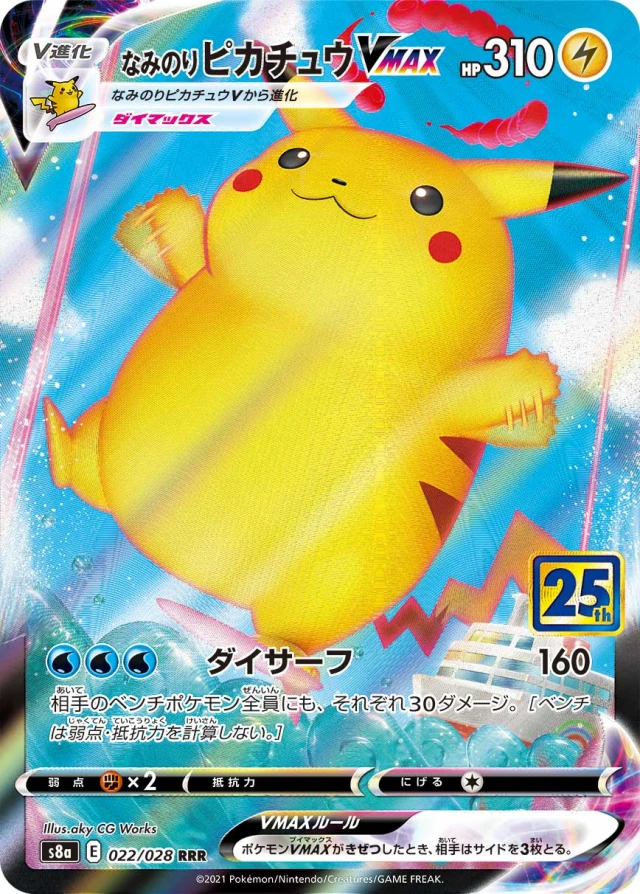
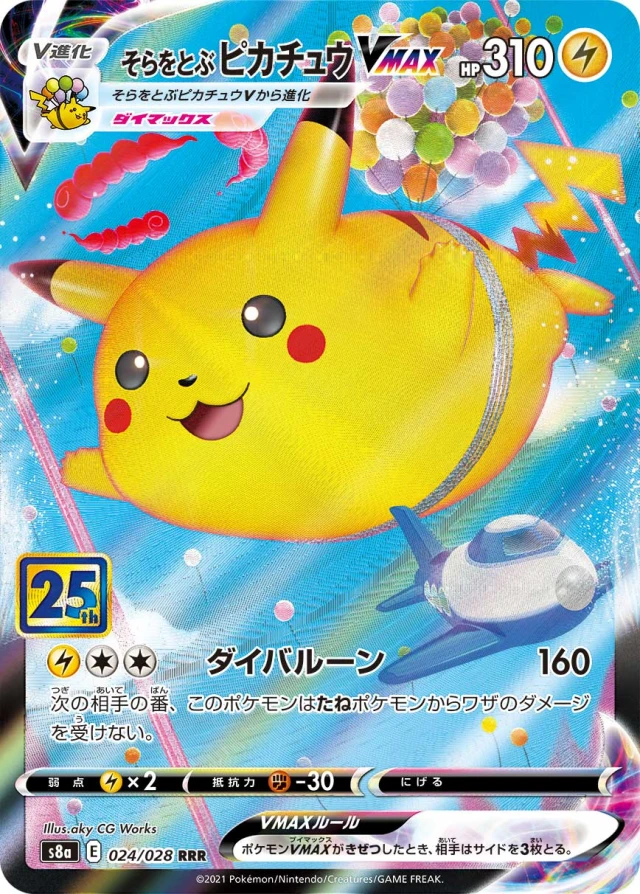
3 Flying Pikachu VMAX S8a $75-$120 raw range 25th Anniversary nostalgia with a recognizable vintage callback.
4 Surfing Pikachu VMAX S8a $80-$130 raw range Pairs naturally with Flying Pikachu and has stronger vintage-memory appeal.
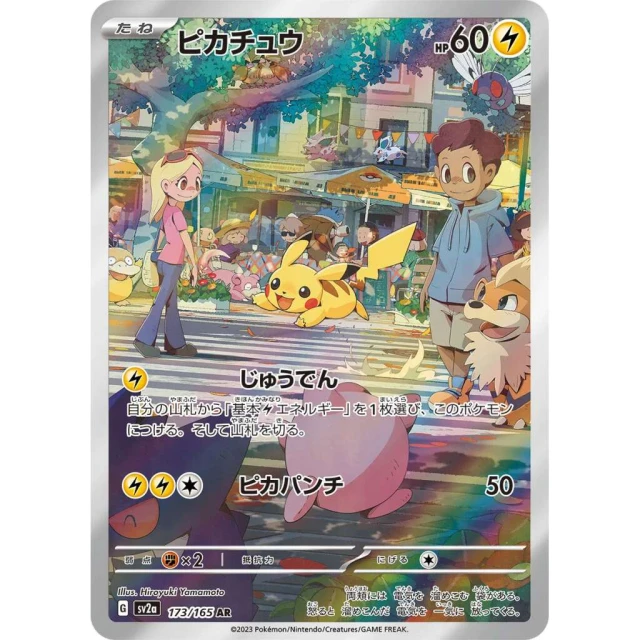
5 Pikachu AR Pokemon 151 $20-$35 raw range Best starter pick: affordable, recognizable, and tied to the original 151 nostalgia cycle.
6 Pikachu VMAX VMAX Climax Mid-tier modern chase Modern textured Pikachu with strong display value and a better article image than the old placeholder.
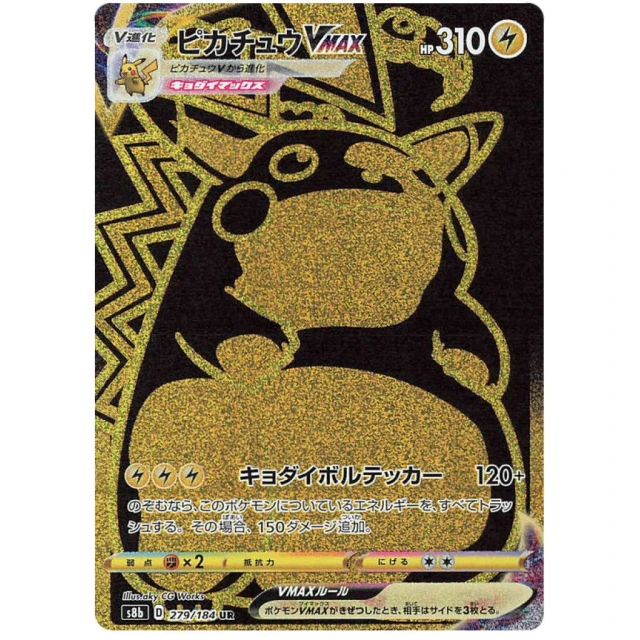
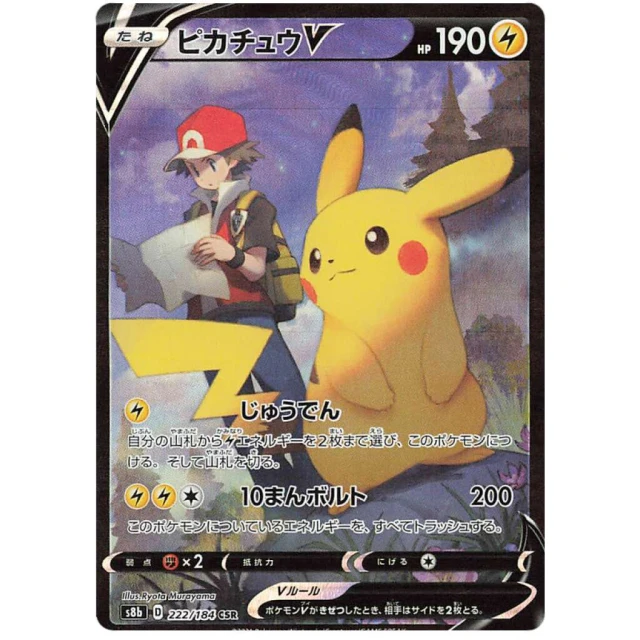
7 Pikachu VMAX Rainbow VMAX Climax HR High-end modern chase The correct Pikachu image replaces the old article mistake that used an unrelated Charizard card.
8 Pikachu V VMAX Climax CSR/CHR lane Accessible display single A cleaner mid-budget pickup for collectors who want modern Pikachu art without promo prices.
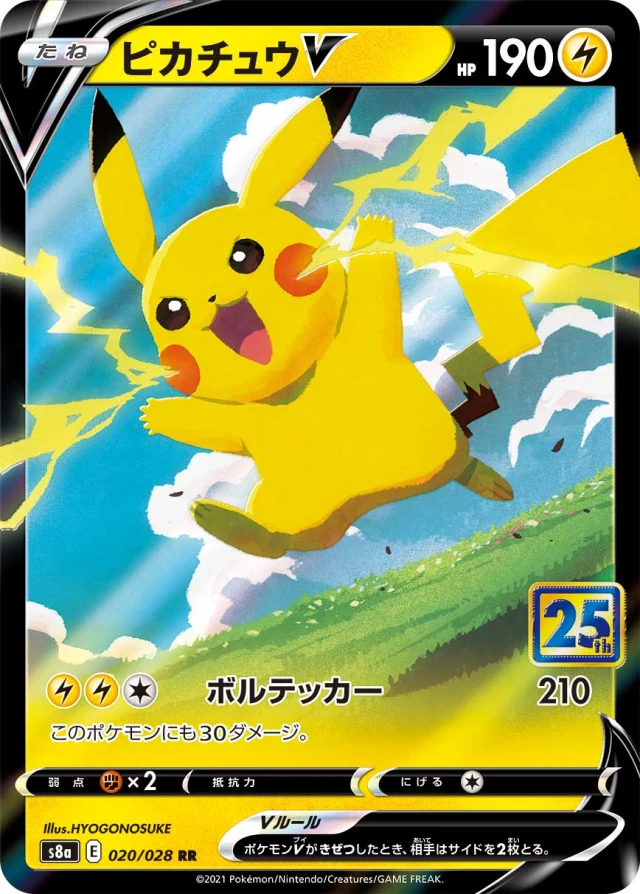
9 Pikachu V 25th Anniversary Entry anniversary single Affordable S8a card that keeps the 25th Anniversary theme without needing V-UNION money.
10 Base-style Pikachu Classic JP lane Condition-dependent Useful as a nostalgia benchmark: simple artwork, broad recognition, and easy entry for new buyers.
Pikachu V-UNION 25th Anniversary from Best Pikachu Cards25th Anniversary

Pikachu V-UNION

Four-card display piece, strongly Japanese, and one of the cleanest modern Pikachu centerpiece buys.

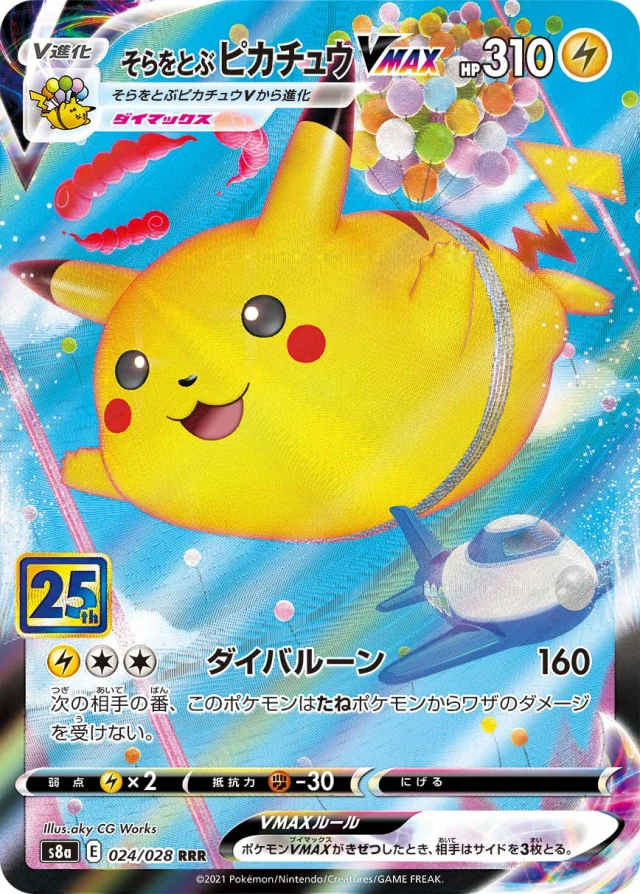
Flying Pikachu VMAX S8a from Best Pikachu CardsS8a

Flying Pikachu VMAX

25th Anniversary nostalgia with a recognizable vintage callback.

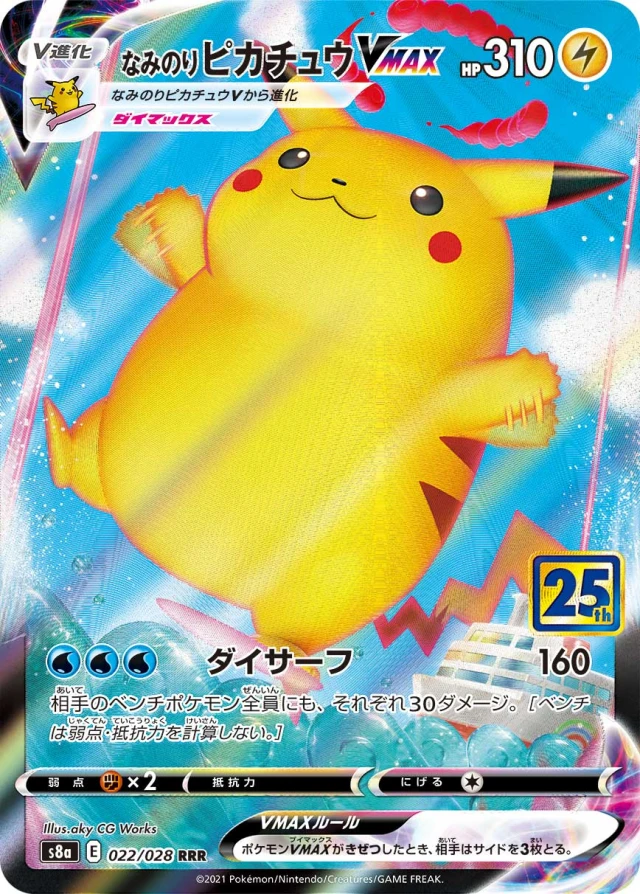
Surfing Pikachu VMAX S8a from Best Pikachu CardsS8a

Surfing Pikachu VMAX

Pairs naturally with Flying Pikachu and has stronger vintage-memory appeal.

Pikachu AR Pokemon 151 from Best Pikachu CardsPokemon 151

Pikachu AR

Best starter pick: affordable, recognizable, and tied to the original 151 nostalgia cycle.

Pikachu VMAX VMAX Climax from Best Pikachu CardsVMAX Climax

Pikachu VMAX

Modern textured Pikachu with strong display value and a better article image than the old placeholder.

Pikachu VMAX Rainbow VMAX Climax HR from Best Pikachu CardsVMAX Climax HR

Pikachu VMAX Rainbow

The correct Pikachu image replaces the old article mistake that used an unrelated Charizard card.

Why Pikachu Illustrator Is Context, Not a Normal Recommendation

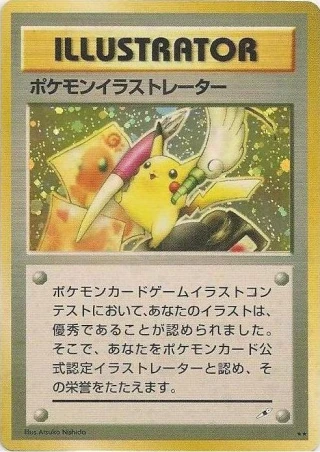
Pikachu Illustrator defines the ceiling of Pokemon collecting, but it does not belong in the same buyer decision as Pokemon 151 AR or S8a V-UNION. It was a contest prize, not a booster card. The correct use in this article is educational: it explains why Japanese-exclusive Pikachu cards carry cultural weight, while keeping practical recommendations focused on cards normal collectors can actually search for.

The Correct Modern Centerpiece

For most buyers, Pikachu V-UNION is the strongest modern centerpiece because it looks unique, requires a complete four-card display, and is tied to the 25th Anniversary cycle. It is easier to understand than many obscure promos and more visually special than a standard V or VMAX.

The Correct Starter Card

Pokemon 151 Pikachu AR is the clean starter pick. It has a recognizable Kanto hook, full illustration, high liquidity, and a price point that does not punish a new collector for learning. A buyer can own it raw, grade a clean copy, or use it as the first card in a larger Pikachu page.

More Useful Picks Below the Headline Cards

The article should not stop after the expensive cards. Most readers will not buy a museum promo or a high-end graded Pikachu immediately. They need realistic next steps: 25th Anniversary singles, VMAX Climax display cards, and classic-style cards that help a binder page feel complete without turning the purchase into a four-figure decision.

Pikachu V VMAX Climax CSR/CHR lane from Best Pikachu CardsVMAX Climax CSR/CHR lane

Pikachu V

A cleaner mid-budget pickup for collectors who want modern Pikachu art without promo prices.

Pikachu V 25th Anniversary from Best Pikachu Cards25th Anniversary

Pikachu V

Affordable S8a card that keeps the 25th Anniversary theme without needing V-UNION money.

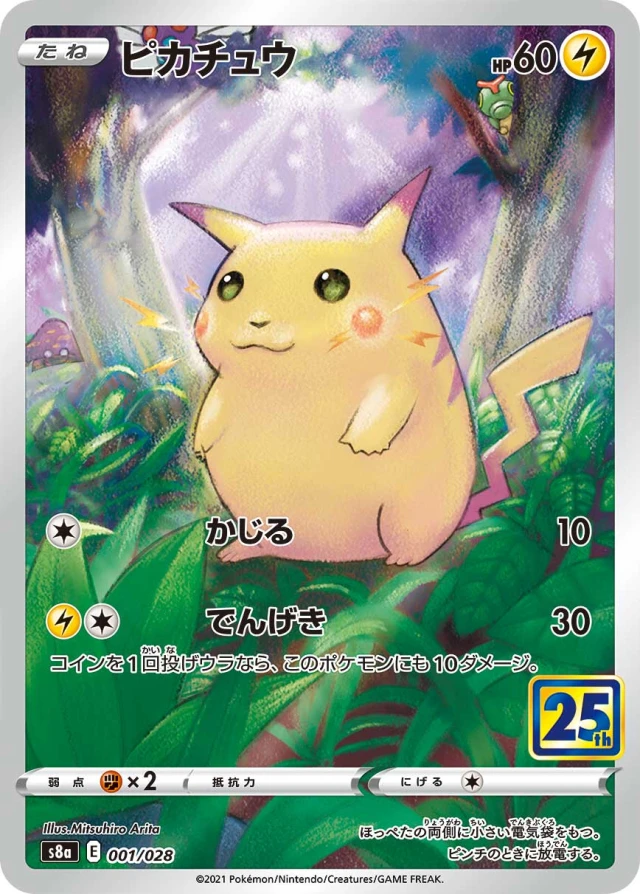
Base-style Pikachu Classic JP lane from Best Pikachu CardsClassic JP lane

Base-style Pikachu

Useful as a nostalgia benchmark: simple artwork, broad recognition, and easy entry for new buyers.

Card-by-Card Buying Notes

Pikachu V-UNION is strongest when all four pieces are bought together in matching condition. A mixed-condition set can look fine in a binder but loses some display and resale appeal. Flying Pikachu VMAX and Surfing Pikachu VMAX should usually be considered as a pair because the nostalgic callback is clearer when both are present. Buying only one is fine, but the pair is easier to explain later.

Pokemon 151 Pikachu AR is the safest first recommendation because it is affordable and easy to verify. The card is not scarce in the same way as a promo, but that is a benefit for a beginner: the buyer can focus on condition and centering instead of fighting rare-listing confusion. VMAX Climax Pikachu cards are better for collectors who want more texture, stronger foil, and a higher display ceiling.

Classic-style Pikachu cards are useful because they keep the collection grounded. Not every card on a Pikachu page needs to be expensive or textured. A simple Japanese Pikachu with clean artwork can make the page feel more complete, especially when placed next to anniversary cards and modern full-art treatments.

How We Ranked These Pikachu Cards

The score uses four factors: current market relevance, cultural weight, visual display value, and how easy the card is to buy without confusion. A rare card with no practical availability can be historically important, but it is not automatically the best recommendation for a working collector.

Factor What it measures Why it matters
Market relevance Raw and graded demand in 2026 Prevents stale rankings from leading buyers into dead demand.
Cultural weight Anniversary, promo, Kanto, or contest significance Pikachu cards with a story tend to stay easier to explain.
Display value Artwork, texture, and recognizability Pikachu is a visual market; the card must look good.
Buying clarity Set code and listing confusion risk Collectors need to know exactly which version to search.

Why the Old Article Needed a Refresh

The old version was too text-heavy at the top and too light on image verification. One representative image was not the actual Pikachu card being discussed, which is exactly the kind of issue the new blog standard is designed to remove. A collector article has to make the card visually obvious, especially when similar names and rarity labels can mislead buyers.

Why Promos and Booster Cards Are Separated

Japanese Pikachu collecting has two lanes. Booster and high-class-pack cards are easier to price and easier to source. Promos can be more culturally important, but condition, authenticity, and provenance become more important. Treating both lanes as one list creates bad buying advice, so this article separates museum context from practical pickups.

What Changed From the Older Version

The older version treated several cards as text-only recommendations and used at least one representative image that was not the discussed Pikachu. That is not acceptable for a buying guide because collectors make decisions visually. This refresh makes the image rule explicit: every card shown should be the correct card or clearly labeled as context. The article also adds buyer tiers so the reader knows what to do after reading the ranking.

The ranking still respects cultural weight, but it no longer implies that the rarest card is the best practical purchase. That distinction matters. A collector who wants to start today needs a clean first buy, while a high-end buyer needs condition and provenance checks. Those are different jobs, so the article now handles them separately.

2026 Market Read

The 2026 Pikachu market is broad, liquid, and uneven. Budget cards can be excellent buys because demand is constant, while high-end cards require stricter condition checks. The main mistake is assuming that every Japanese Pikachu is rare. Many are common; only specific versions with the right set, rarity, and story deserve premium pricing.

For a sealed box article, this section should show Japan-versus-overseas box movement. Pikachu is different because it is a single-card ladder across promos, anniversary cards, modern texture cards, and budget AR cards. A fake blended price chart would be misleading, so this section uses real card images and buying tiers instead.

Pikachu AR Pokemon 151 from Best Pikachu CardsPokemon 151

Pikachu AR

Best starter pick: affordable, recognizable, and tied to the original 151 nostalgia cycle.

Flying Pikachu VMAX S8a from Best Pikachu CardsS8a

Flying Pikachu VMAX

25th Anniversary nostalgia with a recognizable vintage callback.

Surfing Pikachu VMAX S8a from Best Pikachu CardsS8a

Surfing Pikachu VMAX

Pairs naturally with Flying Pikachu and has stronger vintage-memory appeal.

Pikachu V-UNION 25th Anniversary from Best Pikachu Cards25th Anniversary

Pikachu V-UNION

Four-card display piece, strongly Japanese, and one of the cleanest modern Pikachu centerpiece buys.

Budget Best target Reason
Under $40 Pokemon 151 Pikachu AR Best starter card with real collector identity.
$75-$150 Flying or Surfing Pikachu VMAX 25th Anniversary nostalgia and easy display value.
$200-$350 Pikachu V-UNION complete set Modern Japanese centerpiece with four-card display impact.
$400+ Higher-grade VMAX Climax or promo cards Only buy after condition and set identity are clear.

Raw vs Graded

Raw cards are better for binder collectors and buyers who want flexibility. Graded cards are better when the card is expensive enough that condition certainty matters. A low-end graded Pikachu can be less useful than a clean raw copy if the slab premium is too high.

Japan vs Overseas Pricing

Japanese marketplace prices and overseas retail prices do not move one-for-one. Overseas prices include sourcing, shipping, payment friction, and seller support. A buyer should compare landed cost and condition, not just the lowest visible Japanese listing.

How to Read Fast-Moving Pikachu Prices

Pikachu prices can move in bursts after social posts, anniversary events, new product announcements, or record-setting auctions. That does not mean every Pikachu card is suddenly scarce. The better read is to separate liquid, widely traded cards from niche promos. Liquid cards are easier to price because multiple sellers compete. Niche promos can look expensive because one visible listing sits high for months.

For this reason, a smart buyer checks three things before reacting to a price: whether comparable sales exist, whether the exact Japanese card number matches, and whether condition photos support the asking price. If one of those is missing, the card may still be desirable, but it should be treated as a slower, more negotiated purchase.

Market situation Best response Reason
Many recent sales Use the sold range The market is liquid enough to benchmark.
Only one high listing Wait or negotiate One seller does not define the market.
Rare promo with provenance Ask for documentation History matters as much as condition.
Budget modern card Prioritize clean raw copies Grading premiums can exceed the card’s real utility.

What to Buy by Collector Type

Collector type Best action Reason
New Japanese card collector Start with Pokemon 151 Pikachu AR Low risk, strong nostalgia, easy to verify.
Display collector Buy Pikachu V-UNION complete set Four-card format gives it shelf presence.
Anniversary collector Pair Flying and Surfing Pikachu VMAX They work better together than individually.
Grading buyer Prioritize surface and centering Modern texture shows damage quickly.
Investor-style buyer Avoid vague promo listings Provenance and exact card identity matter more at high price.

Best First Three-Card Page

A strong beginner page is Pokemon 151 Pikachu AR, S8a Pikachu V, and one of Flying or Surfing Pikachu VMAX. That gives the page Kanto nostalgia, anniversary identity, and a textured modern card without requiring a high-end promo budget.

When to Avoid a Listing

Avoid listings that use stock images for expensive cards, hide corners, omit the set code, or describe the card only as “rare Pikachu.” The exact Japanese set and card number are the difference between a premium collector card and an overpaid common.

Best Three Buying Paths

Binder path: buy Pokemon 151 Pikachu AR, S8a Pikachu V, and a classic-style Pikachu. This gives broad visual coverage with low risk. Display path: buy Pikachu V-UNION plus either Flying or Surfing Pikachu VMAX. This creates a small shelf-ready Japanese Pikachu group. High-end path: move into VMAX Climax, promos, or graded copies only after you can verify exact card identity and condition.

The best path is not always the most expensive one. A clean, coherent three-card page often looks better than a random mix of expensive cards with no theme. Pikachu collecting rewards focus because the card pool is too large to complete casually.

How to Build a Better Pikachu Collection

A strong Pikachu collection is not just a pile of expensive cards. It should have a visible structure: one card that explains the character’s history, one card that shows modern Japanese print quality, one card that feels personal to the collector, and one card that can be traded or sold easily if the buyer changes direction later. That structure keeps the collection from becoming a random price chart.

The best practical approach is to build around lanes instead of chasing every new listing. A Kanto lane can use Pokemon 151 Pikachu AR and classic-style cards. An anniversary lane can use S8a Pikachu V, Flying Pikachu VMAX, Surfing Pikachu VMAX, and V-UNION. A texture lane can use VMAX Climax cards. A high-end lane should be reserved for promos, graded cards, and provenance-heavy purchases.

Collection lane Good anchor What to avoid
Kanto nostalgia Pokemon 151 Pikachu AR Overpaying for a common copy because the listing says vintage-style.
Anniversary display Pikachu V-UNION complete set Buying unmatched loose pieces without checking condition.
Modern texture VMAX Climax Pikachu VMAX or Rainbow Ignoring surface scratches because the front photo is bright.
Promo/high-end Documented Japanese promo or graded copy Trusting vague provenance or one low-resolution image.

Do Not Let One Record Sale Rewrite the Whole Market

Pikachu is famous enough that record sales get shared widely. Those sales are useful context, but they can distort the way normal buyers think. A record-level Illustrator sale does not mean a modern budget Pikachu should be repriced overnight. A clean high-grade promo sale does not automatically lift every raw copy of a similar-looking card. The right question is narrower: did this exact card, in this condition and language, show repeated demand?

That is why the guide treats prices as tiers rather than one final number. Budget cards can be bought more quickly because the mistake size is smaller. Mid-tier cards deserve a comparison across several sellers. High-end cards deserve extra photos, provenance, grading checks, and a slower decision. The more expensive the Pikachu, the less useful a rushed top-10 ranking becomes.

Match the Card to the Display Plan

Display value is one of the biggest reasons collectors buy Pikachu, so the card should match the way it will be shown. A binder page benefits from variety: one AR, one VMAX, one anniversary card, and one classic-style card. A desk or shelf display benefits from a centerpiece, which is why V-UNION works better than several small unrelated cards. A graded display benefits from label clarity and visual impact at a distance.

If the goal is resale, choose cards that another buyer can understand in ten seconds. Pokemon 151 Pikachu AR is easy to explain. Flying and Surfing Pikachu are easy to explain. V-UNION is easy to explain when all four pieces are present. Obscure promos can be excellent, but they need clearer documentation and a buyer who already knows why that version matters.

Use Condition Bands, Not Vague Near-Mint Language

Japanese cards often have strong print quality, but condition still varies. For lower-priced cards, clean front appeal may be enough. For grading candidates, the buyer should inspect centering, corners, surface, and back edges separately. For expensive promos, condition language is not enough; the seller should provide enough photos to show why the premium is justified.

A useful internal rule is simple: under $40, buy the cleanest copy from a reliable seller; $75-$350, compare several copies and avoid stock images; above that, ask for proof before paying the premium. This keeps the article grounded in real buying behavior instead of treating every Pikachu card like the same product.

Condition and Authenticity Checks

Pikachu cards are liquid, so weak listings appear often. Check the card number, set logo, language, holo pattern, edges, and back surface. On textured cards, use angled light to check scratches and pressure marks. On V-UNION cards, make sure all four pieces match condition.

Check Why it matters
Set code and card number Prevents confusing similar Pikachu cards from different sets.
Surface Pikachu foils show scratches clearly under light.
Corner whitening Important for grading and display value.
Image accuracy The listing image must show the exact card, not a representative card.
Complete set status V-UNION is strongest as all four matched cards.

Grading Risk

Grading can add value, but only when the card is clean enough and expensive enough to justify the fee, shipping, and time. On lower-price cards, a raw near-mint copy may be the better purchase. On higher-price cards, grading protects liquidity because future buyers can trust the condition without studying every surface photo.

Image Risk

Image accuracy is not a minor detail. The old article’s wrong representative image is the exact mistake buyers should learn to avoid. If the image does not match the card name, set, and rarity, pause. Either the seller is careless, the article is weak, or the listing is using placeholder media. None of those are good signals for a premium Pikachu purchase.

Where to Buy Japanese Pikachu Cards

For SST buyers, start with the Japanese single-card collection and compare the card against the images and tiers in this guide. If you are buying higher-end promos or graded cards, ask for additional photos rather than trusting one front image.

Browse Japanese Pikachu Singles

Check current Japanese Pokemon singles, then compare condition, set code, and card identity before buying.

View Singles

Why SST Should Show More Images

Pikachu buyers are visual buyers. The article and product pages should show real card images, not placeholder graphics. This is the same reason the broader blog refresh moved away from three-image, thin articles: visual proof and market proof are both part of conversion.

What to Ask Before Checkout

Ask whether the card is Japanese, whether the photos are of the exact copy, whether the surface has scratches, and whether the seller can show back corners. For complete V-UNION sets, ask whether all four pieces are included and whether their condition is consistent. For graded cards, verify the certification number against the grading company’s database before paying a premium.

The Bottom Line

The best Japanese Pikachu card depends on the buyer. New collectors should start with Pokemon 151 Pikachu AR. Display buyers should look at Pikachu V-UNION or the S8a VMAX pair. High-end buyers should treat promos and Illustrator as separate markets where condition and provenance matter more than a simple ranking.

The improved article standard is straightforward: show the exact card, explain the buyer tier, separate historical context from practical recommendations, and make the next purchase path clear. Pikachu has too many cards for a vague ranking to be useful. A good guide narrows the field so the reader can make one confident decision instead of adding ten unrelated cards to a wishlist.

Best use case Build a ladder: one budget AR, one anniversary card, one display centerpiece, then only move into expensive promos when you can verify the exact card and condition.

Frequently Asked Questions

What is the most valuable Japanese Pikachu card?

Pikachu Illustrator is the all-time ceiling, but it is a contest promo and not a realistic buying target for most collectors. For attainable modern Japanese cards, V-UNION, VMAX Climax, 25th Anniversary, and Pokemon 151 cards are more useful.

Which Japanese Pikachu card should beginners buy first?

Pokemon 151 Pikachu AR is the cleanest first buy because it is affordable, recognizable, and tied to the original Kanto lineup.

Are Japanese Pikachu cards better than English?

Japanese cards often have stronger print quality and collector demand, but the better buy depends on the exact card, condition, and market spread.

Should I buy raw or graded Pikachu cards?

Buy raw for binder and display collecting. Buy graded only when the premium is justified by condition, scarcity, or long-term display value.

Is Pikachu V-UNION worth buying?

Yes if you want a modern Japanese centerpiece. The complete four-card set is more collectible than loose fragments.

Why is Pikachu Illustrator not ranked as a normal buy?

It was a contest prize, not a booster card. It belongs in the historical context section rather than a practical buyer ranking.

What is the best budget Pikachu card?

Pokemon 151 Pikachu AR and 25th Anniversary Pikachu V are the cleanest budget picks.

What should I check before buying?

Check set code, language, condition, surface, corners, centering, seller reputation, and whether the image matches the exact card being listed.

Do Pikachu cards move quickly?

Yes. Pikachu is the broadest Pokemon character market, so clean Japanese singles can move faster than obscure chase cards.

Where can I buy Japanese Pikachu cards?

Use the SST Japanese single-card collection linked in the article and compare listings by condition and card identity, not just price.

Top 10 Pikachu Japanese Cards: Ultimate 2026 Guide

Pikachu is the only Pokemon that has been continuously printed since 1996, across every era from Base Set to Mega Evolution, and across more artistic interpretations than any other card in the TCG’s 28-year history. That volume is a double-edged sword for collectors — there are hundreds of distinct Japanese Pikachu cards in circulation, which means knowing which ones actually hold value (and which are $2 bulk) is harder than for any other Pokemon.

This ranking cuts through the noise. We focused on Japanese-release Pikachu cards — boosters, high-class packs, and official promos from Japan — and scored each on current market price, cultural and historical significance, and scarcity. The Illustrator card gets its own section because, while it is the single most famous Pikachu card in existence, it was never printed in a Japanese booster pack and sits in a different category entirely.

Our team ships Japanese Pokemon singles and sealed product from Tokyo every day. The prices below reflect SNKRDUNK and Mercari transaction data as of February 2026, converted at approximately ¥141/USD, and tracked against our own outbound single-card flow.

How We Ranked These Pikachu Cards

Three factors, weighted roughly equally:

  1. Market price — current SNKRDUNK and Mercari transaction range, with PSA 10 slab prices noted where relevant.
  2. Cultural significance — what the card means to the Pokemon collecting community. A Pikachu on a 25th Anniversary set hits differently than a Pikachu from a mid-cycle expansion.
  3. Rarity and print scarcity — pull rate, set print run, and whether the card has been reprinted in subsequent sets.

A card priced at $200 with historical weight (like the full Pikachu V-UNION set) ranks above a $400 card from a generic set because collectors hold the former longer and pay more for graded copies. Where we had to break a tie, cultural weight won. If you want background on what the rarity letters mean, our Japanese Pokemon card rarities guide walks through every tier.

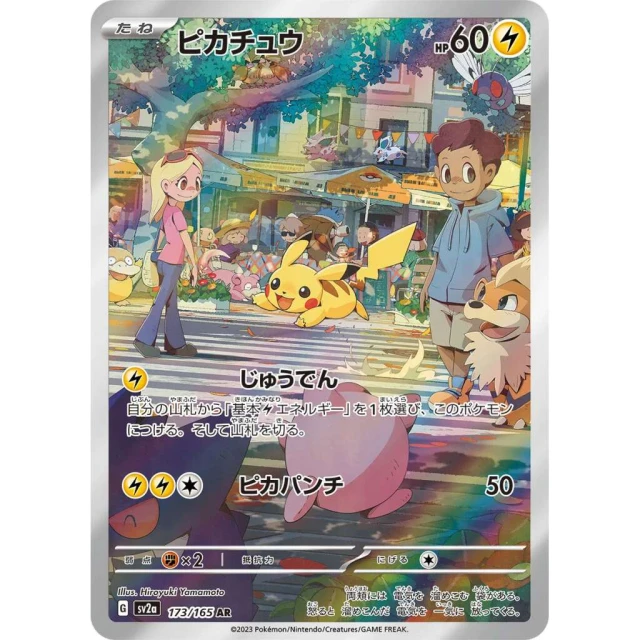
#10 — Pikachu (Pokemon 151 AR, SV2a)

Pikachu AR from SV2a Pokemon 151 Japanese set
Pikachu AR — SV2a Pokemon 151

AR ~$20-$35 (¥2,800-¥5,000) · PSA 10: $60-$90

The Pokemon 151 Pikachu AR is the entry point for a lot of new Japanese Pikachu collectors. SV2a was the 2023 Scarlet & Violet set that recreated the original 151 lineup, and the Pikachu AR (card #173/165) gives you an illustrated full-art Pikachu for well under $50.

It’s iconic because the SV2a set celebrates the same Kanto lineup that started the franchise, and the Pikachu AR artwork features Pikachu in a forest-run pose that pulls directly from 1996 Base Set nostalgia. Budget-friendly, universally recognized, and the easiest “good” Japanese Pikachu card to own. Browse the full SV2a Pokemon 151 card list to see what else the set offers.

#9 — Surfing Pikachu VMAX (S8a 25th Anniversary)

Surfing Pikachu VMAX from S8a 25th Anniversary Collection Japanese set
Surfing Pikachu VMAX — S8a

HR ~$80-$130 (¥11,000-¥18,000) · PSA 10: $200-$320

The Surfing Pikachu VMAX from S8a is the high-class pack reprint of the famous Surfing Pikachu artwork, now scaled to VMAX size with a full-textured background.

The original Surfing Pikachu promo from the 1998 Japan-only Vending Machine series is a grail card for vintage collectors; this VMAX reprint brings that same surfing pose into modern textured-foil format. It sits at #9 because supply is limited (S8a has been out of print since late 2021) and every few months the floor shifts up.

#8 — Flying Pikachu VMAX (S8a 25th Anniversary)

Flying Pikachu VMAX from S8a 25th Anniversary Collection Japanese set
Flying Pikachu VMAX — S8a

HR ~$75-$120 (¥10,500-¥17,000) · PSA 10: $180-$280

Same set, same year, same VMAX treatment — this time for the companion Flying Pikachu design. Flying and Surfing Pikachu VMAX were released as a pair and are almost always collected together.

Solo pricing for Flying tends to run $5-$15 below Surfing, likely because Surfing has slightly stronger vintage recognition. Either one alone looks incomplete on a display shelf — the set is worth more than the sum of parts. S8a also put the entire 25th anniversary CHR set in circulation, which is why this set shows up multiple times on our ranking. See the S8a 25th Anniversary card list for the full set checklist.

#7 — Akari’s Pikachu CHR (S10a Dark Phantasma)

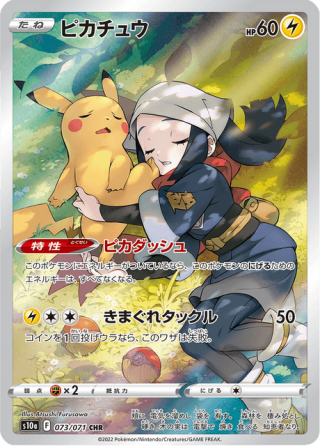
Akari's Pikachu CHR 073/071 from S10a Dark Phantasma — Japanese Character Rare full-art Pikachu
Akari’s Pikachu CHR 073/071 — S10a Dark Phantasma (Character Rare)

The S10a Dark Phantasma Pikachu CHR (card 073/071) pairs Pikachu with Akari — the female protagonist from Pokémon Legends: Arceus — in a soft Hisui-region illustration that became one of the standout character-art Pikachus of the Sword & Shield era.

Set S10a Dark Phantasma (2022)
Card number 073/071
Rarity CHR Character Rare
Current price $25-$45 (¥3,500-¥6,400)
PSA 10 $80-$140

CHR (Character Rare) was the rarity tier Japan used in 2021–2022 sub-sets to drop full-illustration cards that pair a Pokémon with a trainer character. This Akari + Pikachu CHR is one of the most-collected entries in the tier — clean composition, scarcer than the standard holos, and a more affordable entry into character-art Pikachus than the SR/SAR tiers above. The S10a Dark Phantasma card list shows the full CHR lineup.

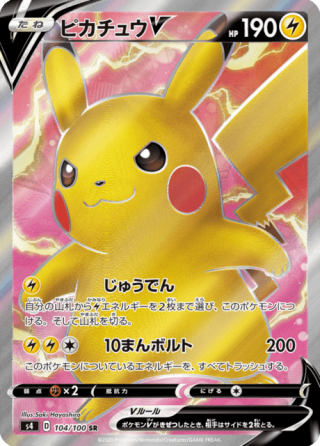
#6 — Pikachu V SR (S4 Amazing Volt Tackle)

Pikachu V SR 104/100 from S4 Amazing Volt Tackle — Japanese full-art Super Rare Pikachu
Pikachu V SR 104/100 — S4 Amazing Volt Tackle (Super Rare)

The Pikachu V SR (card 104/100) is the full-art Super Rare companion to the Pikachu VMAX at #5 above. Same set, same era — but the V SR delivers the cleaner illustration-first treatment that many collectors prefer to the textured VMAX format.

Set S4 Amazing Volt Tackle (2020)
Card number 104/100
Rarity SR Super Rare (Full Art)
Current price $60-$110 (¥8,500-¥15,500)
PSA 10 $180-$280

Illustrated by Saki Hayashiro, the artwork captures Pikachu mid-electric burst against a soft outdoor backdrop — one of the cleanest V-tier Pikachu illustrations Japan released in the early Sword & Shield run. Most collectors who target this card pair it with the matching Pikachu VMAX from the same set, since the two were designed as a visual set. The S4 Amazing Volt Tackle print run is closed, and PSA 10 supply has been tightening through 2025. The S4a Shiny Star V card list covers the closely related sub-set released a few months later.

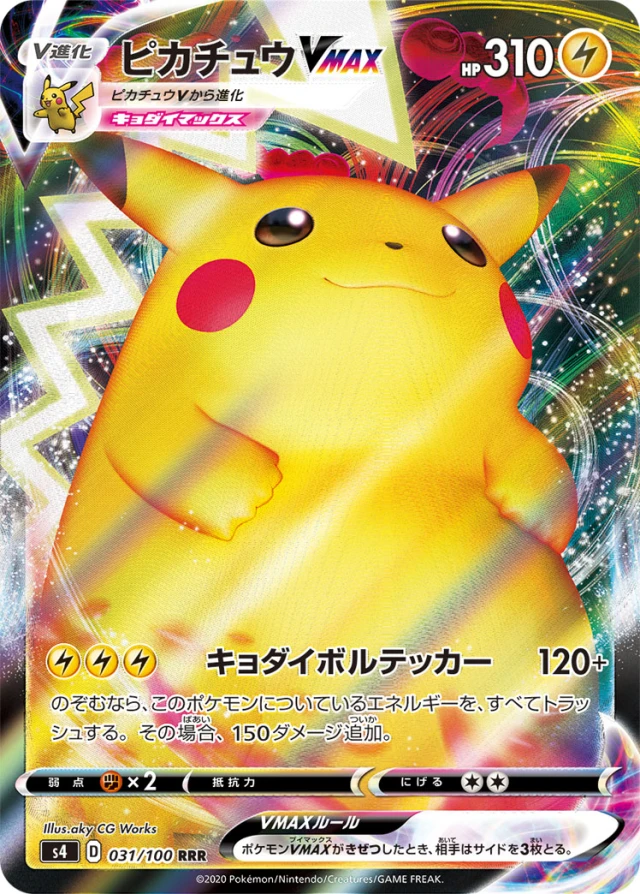
#5 — Pikachu VMAX (S4 Amazing Volt Tackle)

Pikachu VMAX from S4 Amazing Volt Tackle — the Japanese Pikachu VMAX with rainbow-style alt art
Pikachu VMAX — S4 Amazing Volt Tackle

HR ~$110-$180 (¥15,500-¥25,400) · PSA 10: $320-$500

The S4 Amazing Volt Tackle Pikachu VMAX — released alongside the set that debuted Pikachu VMAX in Japan — is one of the most photographed Japanese Pokemon cards on Instagram for a reason.

This is the card most casual collectors picture when they think “iconic Pikachu VMAX.” The colors are saturated, and the texture stamping on a clean copy has a near-holographic effect in direct light. PSA 10 copies have been trending up since early 2025 as Amazing Volt Tackle supply continues to dry. For related S4a content see the S4a Shiny Star V card list.

#4 — Pikachu V-UNION Full Set (S8a 25th Anniversary)

Pikachu V-UNION from S8a 25th Anniversary Collection — Japanese-format-exclusive four-card combine mechanic
Pikachu V-UNION (4-card set) — S8a

UR ~$200-$320 complete set (¥28,200-¥45,100) · PSA 10 set: $600-$900

V-UNION is a Japanese format-exclusive mechanic where four separate cards combine into a single oversized creature. The Pikachu V-UNION from S8a — four cards in total, all needed to form the full play piece — is the definitive 25th Anniversary collectible and the most culturally weighted Pikachu card set on this ranking.

V-UNION was only printed for a handful of Pokemon (Pikachu, Mewtwo, Zacian, Greninja) and the Pikachu set is the most sought after by a comfortable margin. Collecting all four pieces in the wild is harder than it sounds — individual V-UNION fragments circulate separately, and matching copies (same print batch, same condition) command a premium. Serious 25th Anniversary collectors target the complete 4-card matched grouping. See the S8a 25th Anniversary card list for every 25th Anniversary inclusion.

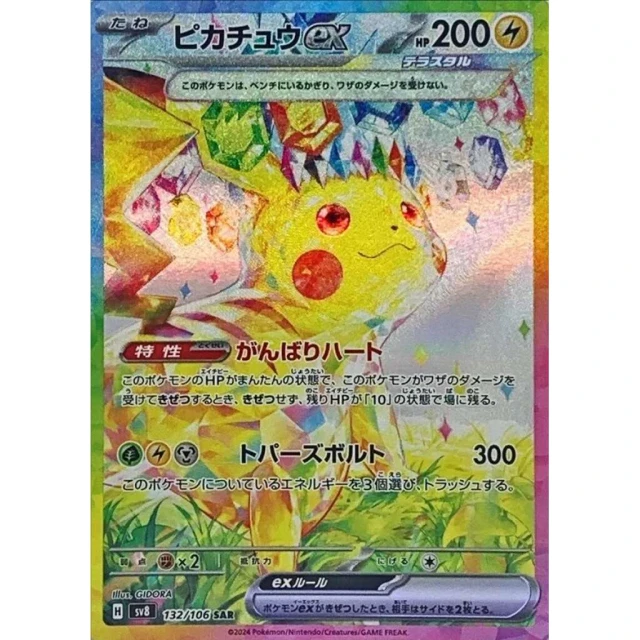
#3 — Pikachu ex SAR (SV8 Super Electric Breaker)

Pikachu ex SAR 132/106 from SV8 Super Electric Breaker — Japanese Special Art Rare with gold foil border
Pikachu ex SAR — SV8 Super Electric Breaker

SAR ~$180-$280 (¥25,400-¥39,500) · PSA 10: $450-$650

The SV8 Super Electric Breaker Pikachu ex SAR is the current-era chase Pikachu and the top flip card from the 2024 set. This is the card most active collectors are hunting right now.

The artwork features Pikachu in a full-illustration treatment with gold-foil borders — the current Scarlet & Violet-era apex rarity. Pull rate for SV8 SAR is approximately 1 per 3-4 booster boxes, and Pikachu is the headline SAR of the set (card #132/106). As the highest-profile modern Pikachu SAR, this is the card new collectors chase first. The SV8 Super Electric Breaker card list has the full chase lineup.

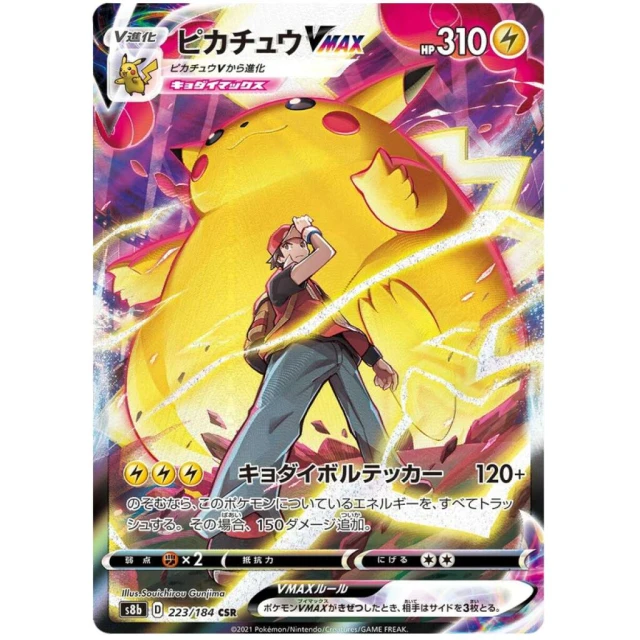
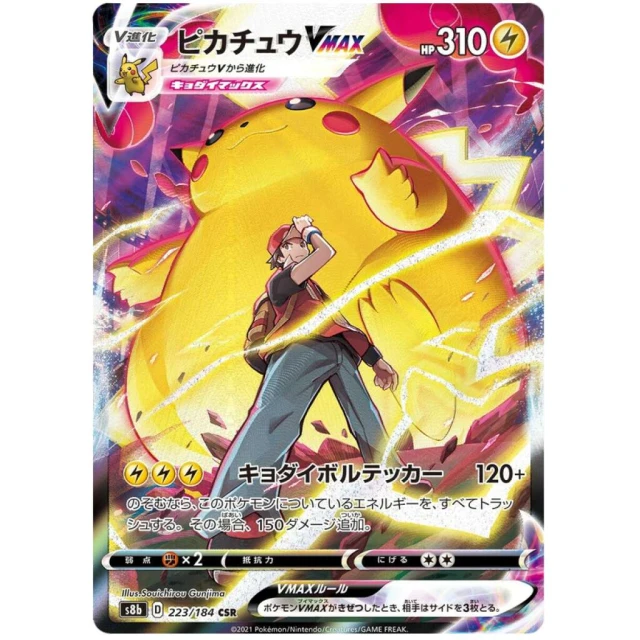
#2 — Pikachu VMAX Rainbow (S8b VMAX Climax)

Pikachu VMAX CSR (Red's Pikachu) 223/184 from S8b VMAX Climax — Japanese rainbow-style Hyper Rare
Pikachu VMAX (Red’s Pikachu) — S8b VMAX Climax (CSR / Rainbow Hyper Rare)

S8b VMAX Climax was the 2021 high-class pack that consolidated every VMAX card from the Sword & Shield era into a single premium release. The Pikachu VMAX Rainbow from S8b is widely considered the most visually striking rainbow VMAX Pokemon ever printed.

Set S8b VMAX Climax (2021)
Rarity HR Hyper Rare Rainbow
Current price $280-$420 (¥39,500-¥59,200)
PSA 10 $750-$1,100

The card uses a layered rainbow foil with pronounced stamped texture on the Pikachu silhouette. Unlike the S4a version (which is broadly available), the S8b Pikachu VMAX Rainbow is scarce because VMAX Climax prints were heavily opened for the set’s wider chase list, leaving fewer sealed boxes intact. Prices have trended upward consistently since 2023 and are among the firmest of any modern Pikachu. The S8b VMAX Climax card list covers the full set.

#1 — Japan-Only Pikachu Promo Family (Red Pikachu & Event Promos)

At #1 we are combining what is functionally a single collecting category: the Japanese-exclusive Pikachu promo sub-family centered on the Red Pikachu Collection and its spiritual predecessors. These are special-event and magazine-insert Pikachus — the ones that defined “Japan-only Pikachu” for a generation of international collectors.

Category Japan-exclusive promos (Red Pikachu Collection, Poncho-wearing Pikachu, event promos)
Rarity PROMO (various)
Current price $250-$800 depending on specific promo
PSA 10 (headline promos) $1,000-$2,500

This category covers promos like the Poncho-wearing Pikachu series, event-exclusive Pikachu giveaways tied to Japanese theatrical releases, and the more recent Red Pikachu Collection magazine insert promos. The appeal is straightforward: international collectors can only acquire these through the Japanese secondary market, and the designs rarely — if ever — reappear on subsequent sets.

We rank this category at #1 because it represents the pinnacle of “Japanese Pikachu” as a cultural category — cards that were never printed for the international market and that carry the strongest brand association for overseas collectors. For current availability, browse our full Japanese single Pokemon card collection.

Historical Note: Pikachu Illustrator (1998)

Pikachu Illustrator card (1998) — the rarest Pokemon TCG card ever produced
Pikachu Illustrator — 1998 CoroCoro Comic illustration contest promo (PROMO)

No Pikachu ranking is complete without the Illustrator card — but it belongs in its own section rather than the core list because it was never printed in a standard Japanese booster.

The Pikachu Illustrator was a 1998 promo awarded to winners of the CoroCoro Comic illustration contest. Only 39 copies were printed (20-23 survive in collectible condition), making it the rarest Pokemon card ever produced. PSA 10 copies have sold for $5.275 million (Logan Paul’s purchase in 2022) and comparable copies have cleared $5M+ multiple times in the years since.

The reason it’s not in the Top 10: it’s a contest promo, not a booster or high-class pack card. For the vast majority of readers researching “which Pikachu should I buy,” the Illustrator is not a realistic target — it’s the card that defines the ceiling of Pokemon collecting as a whole, and we cover it here for context rather than as a recommendation.

Budget Pikachus Under $30 (For Starter Collectors)

Not every collector is ready to drop $200+ on a single Pikachu. Here are the most rewarding sub-$30 Japanese Pikachus for beginners:

  • Pikachu AR (SV2a Pokemon 151) — $20-$35. Mentioned at #10; still the best entry AR.
  • Pikachu AR (SV1a Triplet Beat) — $12-$22. From the SV1a Triplet Beat card list. Clean illustration, widely available.
  • Pikachu C / U commons from SV9, SV10 — Under $2. For the base-collection shelves.
  • Pikachu holo energy cards — $5-$15. Themed energy cards with Pikachu illustrations, especially from S8a and S4a.
  • Standard Pikachu V (S4a) — $15-$25. The non-alt-art version of #6 on this list.

Starting with the AR tier is the right move for most new collectors — it gives you the same full-illustration artwork as the chase SARs at a fifth of the price, and most AR cards from recent sets are readily available through singles channels.

Where to Buy Japanese Pikachu Cards

Pikachu singles move fast because he is the single most-searched Pokemon name on Japanese card marketplaces. Sources to prioritize:

  • Single-card inventory — browse our full single Pokemon cards collection for currently-in-stock Japanese Pikachu singles across AR, SR, SAR, and VMAX tiers.
  • Sealed current-era boxes — if you want to pull your own Pikachu ex SAR, the Scarlet & Violet sealed box collection includes SV9 Battle Partners.
  • Full sealed catalog — for collectors targeting older sets (S4a, S8a, S8b), browse our full inventory, understanding that many of these sets are now out of print.

Before buying, cross-reference Japanese Pokemon card rarities so you know exactly what tier each listing represents — the difference between a CHR and an SR Pikachu is 2-3× in price, and the stamps are easy to misread.

Browse Japanese Pikachu Cards →
Authenticated Japanese Pikachu singles from AR to SAR to V-UNION, sourced directly from Tokyo. Check current availability at Samurai Sword Tokyo.

Frequently Asked Questions

What is the most valuable Japanese Pikachu card ever?

The most valuable Japanese Pikachu card in modern sealed-product terms is the S8b VMAX Climax Pikachu VMAX Rainbow, which trades at $280-$420 raw and has cleared $1,100+ in PSA 10. Including contest promos, the 1998 Pikachu Illustrator is the all-time record holder at $5M+ per PSA 10 copy — but it was a contest promo, not a booster card.

Is the Pikachu Illustrator card in Japanese boosters?

No. The Pikachu Illustrator was a 1998 contest prize awarded to winners of a CoroCoro Comic illustration competition. Only 39 copies were produced, none of which came from booster packs. Every Illustrator copy in circulation traces back to an original contest winner or their estate. Standard Japanese boosters will never contain an Illustrator card.

How much does Pikachu V-UNION cost in 2026?

The complete four-card Pikachu V-UNION set from S8a 25th Anniversary Collection trades between $200 and $320 raw for matched-condition copies. PSA 10 graded sets of all four cards together range from $600 to $900 depending on set completeness and consistency. Individual V-UNION fragments sell separately for $50-$90 each but are less collectible than the complete four-card grouping.

Which Pikachu card should a new Japanese TCG collector buy first?

Start with the SV2a Pokemon 151 Pikachu AR (around $20-$35). It has the same full-illustration artwork as higher-tier Pikachu SARs, lives in a set that every Pokemon collector already knows (the 151 recreation), and is one of the most available Pikachu ARs on the Japanese secondary market. From there, graduate into the S4a or SV9 chase cards once you’ve decided what aesthetic you prefer.

Are Japanese Pikachu cards more valuable than English?

Yes, typically by 15-40% across equivalent rarities. Japanese print runs for Pikachu chase cards have historically been smaller than their English equivalents, and Japanese print quality (foil saturation, stamping depth) is visibly stronger. The premium is largest on the SAR and HR tiers (30-40% above English equivalent) and narrows but rarely disappears six months after English release.

Looking for a specific Pikachu? Browse our full set-by-set Japanese Pokemon catalog for AR, SR, SAR, and VMAX Pikachu cards — all shipped direct from Tokyo.