Yes — some Japanese Pokemon cards are worth a meaningful amount, and some are not, and the difference has nothing to do with how old the card looks or how much you like the artwork. It comes down to four things printed on the card itself: the set, the rarity mark, the card number, and the condition it’s in.
There is no single “Japanese Pokemon cards are worth $X” answer, because two cards with the exact same character name can sit at wildly different price points depending on those four factors. This guide walks through the five-step method for narrowing any card you’re holding down to its exact print, so you know what you actually have before you go looking for its value — rather than guessing from a Google Image search.
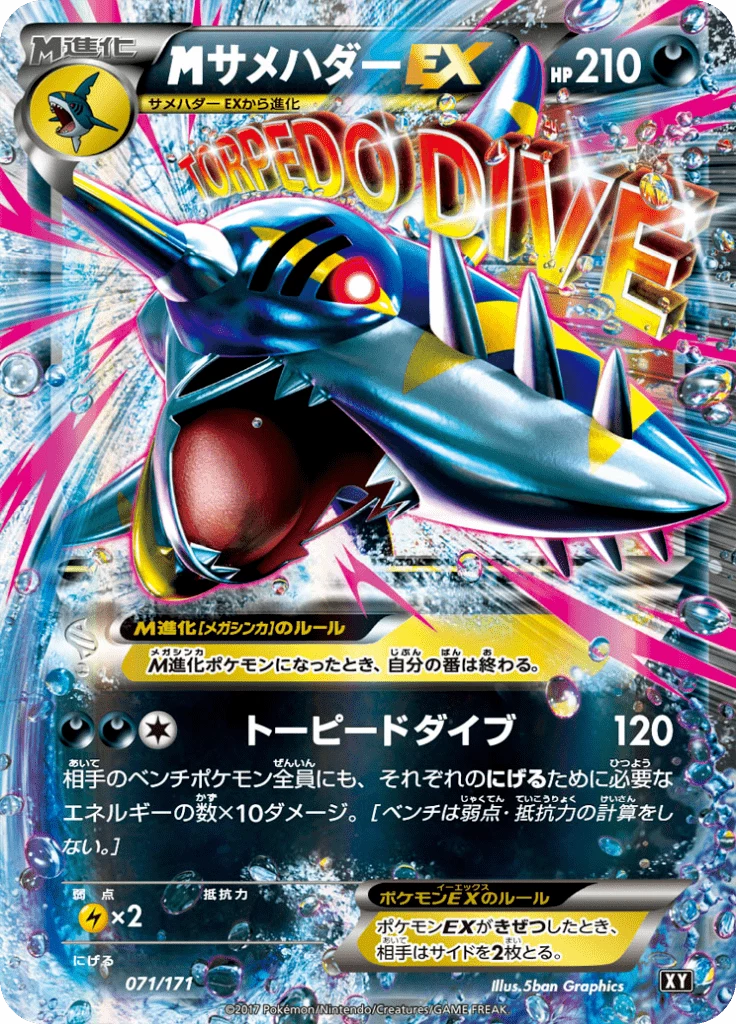
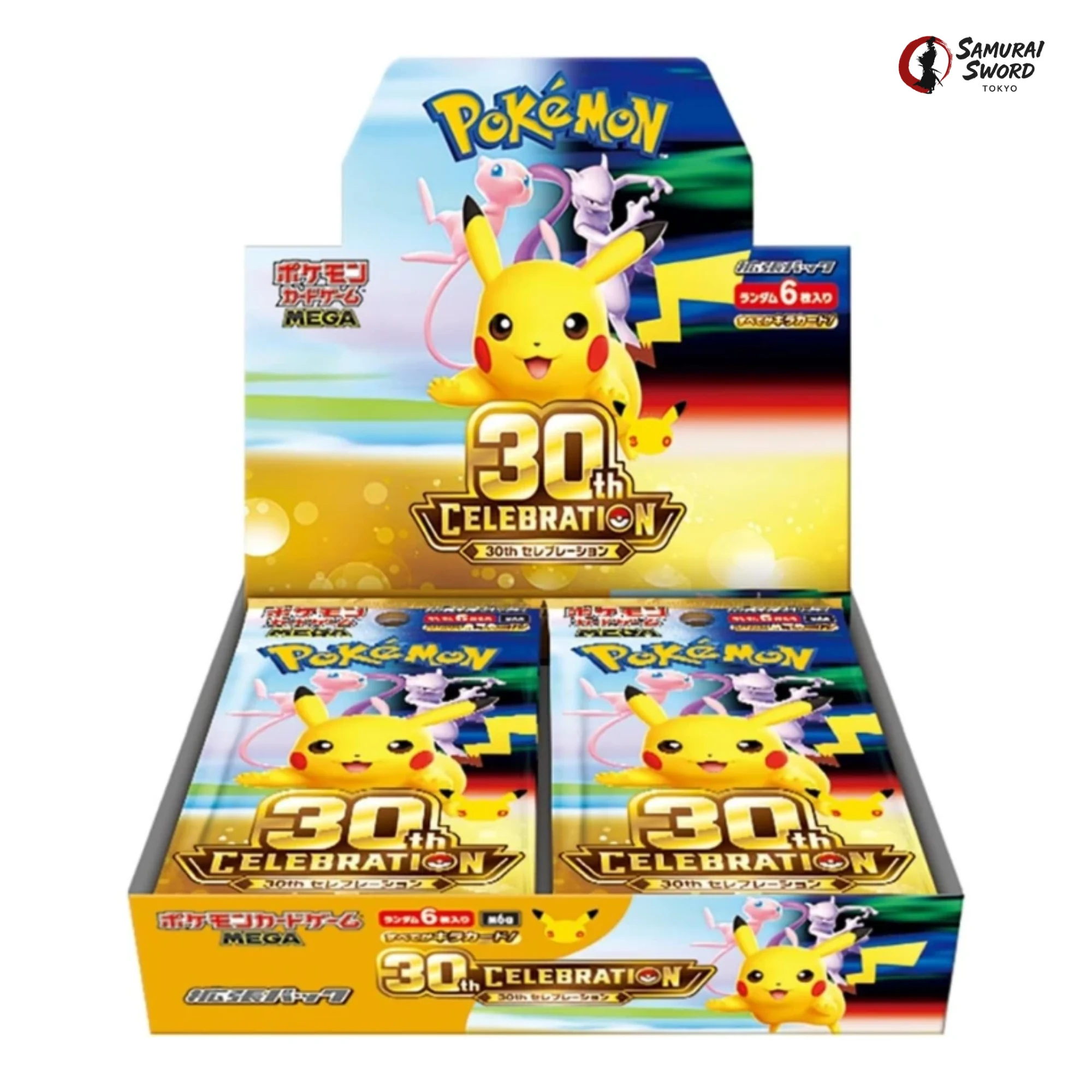
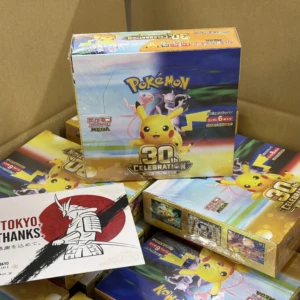
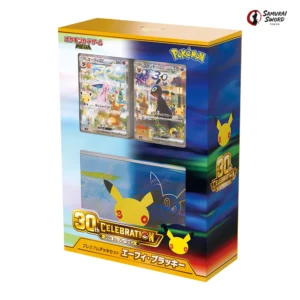
Value depends on set, rarity, card number and condition — never on character popularity alone. As a working example of that spread, our own PSA10 M Sharpedo EX 071/171 (The Best of XY) is currently listed at ¥19,800 (~$125), while a sealed M6a 30th Celebration Booster Box is currently listed at ¥23,000 (~$145) — a single card and a sealed box landing in almost the same price bracket, for entirely different reasons.
Yen figures in this guide convert at roughly ¥159/USD (September 2026). Prices shown are our own listed prices, used only to illustrate how much set, rarity and condition can move a number — not as a market-wide valuation.
Step 1: Identify the Set
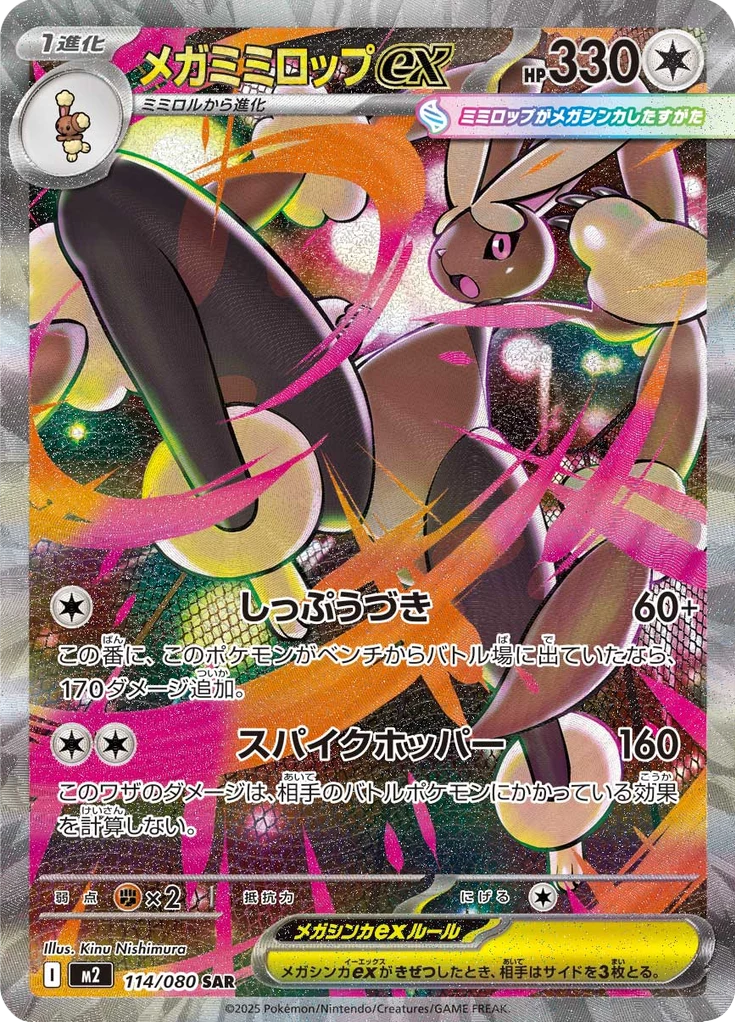
Modern Japanese Pokemon cards from the Sword & Shield era onward carry a small set-code mark near the card number — something like “SV3”, “S8b”, or “M6a” — that ties the card to an official expansion. Once you can read that code, you’ve narrowed the card down to one specific set out of hundreds.
Older cards are the exception. Japanese cards from roughly 1996 to 2001 — the “Old Back” era — were printed before the set-code mark existed at all, so they can’t be identified that way. For those, you’re working from artwork and card-back design instead. Our Japanese Pokemon card back identification guide covers exactly how to tell an Old Back print from a modern one when there’s no printed code to read.
Step 2: Read the Rarity Mark
Once you know the set, the next mark to find is rarity. Older Japanese cards used simple pictorial symbols — a star for Rare and above, a circle for Common, a diamond for Uncommon. Modern Scarlet & Violet-era Japanese cards moved to a tiered letter system instead: C, U, R, RR, AR, SR, SAR, UR, and further tiers above that.
The set-code from Step 1 plus the rarity mark from this step together narrow the card down to a specific print within that set — not just “a Charizard” but “a Charizard from this exact set, at this exact rarity tier.” For the full letter-by-letter breakdown of what each mark looks like and which era it belongs to, see our Japanese Pokemon rarity symbols guide.
Step 3: Read the Card Number
The printed fraction on the card — something like “139/108” — tells you two things at once: the card’s position, and the main set’s total size (the denominator). A number that goes past that denominator, like 139 out of a 108-card main set, or 241 out of a 193-card set, marks a secret or chase-tier print that sits outside the regular numbering. Our own listed PSA10 Charizard ex UR is numbered 139/108 within a 108-card main set — the numerator alone tells you it’s a secret-tier print before you even check the rarity mark.
Set code, rarity mark and card number together are also exactly what a grading company or a buyer uses to identify the precise print they’re looking at — the same three data points, every time.
Step 4: Assess Condition the Way Graders Do
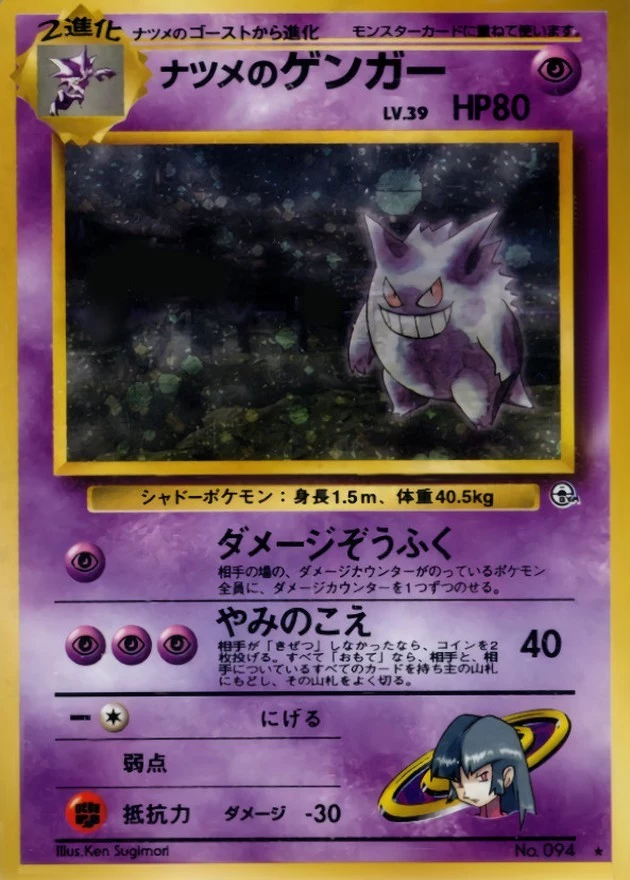
Once you know exactly which print you’re holding, condition is what separates two examples of that identical print. PSA’s publicly documented grading rubric scores a card on four factors — centering, surface, corners, and edges — to arrive at a 1-10 grade. Even for a raw, ungraded card, those same four factors are the single biggest driver of value difference between two examples of the same print.
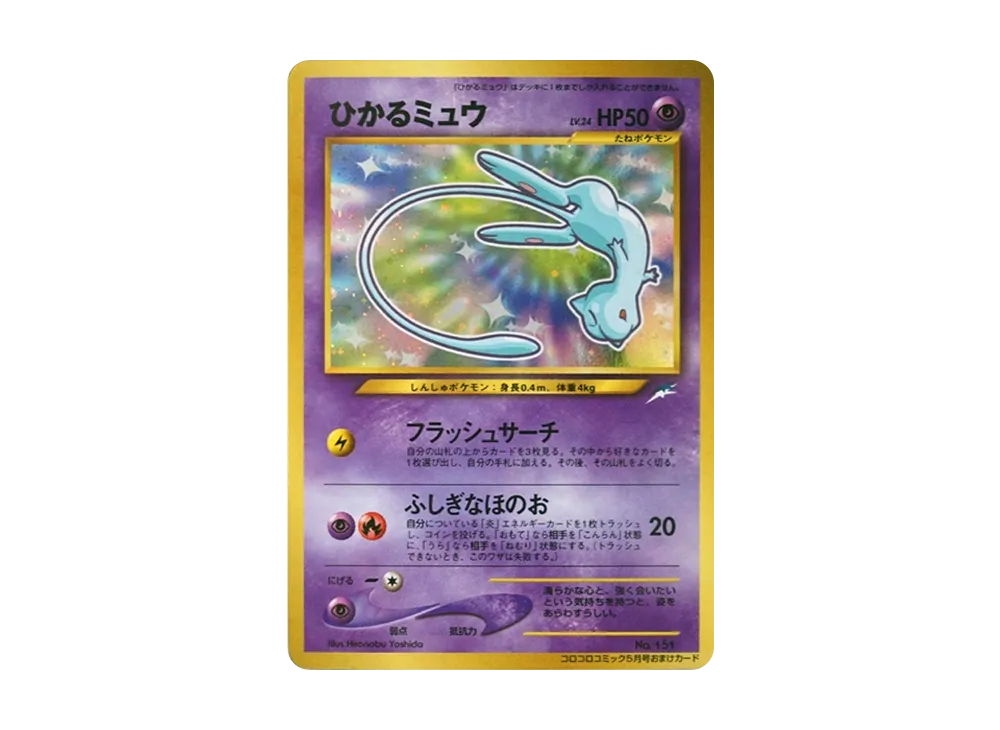
Checking your own card against these four factors before assuming a grade — or before comparing it to a graded example — is worth doing carefully. Our Japanese Pokemon card grading guide compares PSA, BGS and CGC in full if you’re deciding whether to submit a card for grading, and our PSA10 vs raw Japanese Pokemon cards guide goes deeper on exactly how much of a gap grading tends to create between a raw copy and a PSA 10 of the same print.
Step 5: Compare Against the Identical Print — Not Just the Character
This is the step people skip, and it’s the one that matters most: compare your card against real listed prices for the identical print — same set, same card number, same rarity, same condition tier — not against a general search for the character’s name. Two cards can share a name and still sit worlds apart in price once set, rarity and condition are factored in.
| Card | Set | Rarity tier | Listed price |
|---|---|---|---|
| PSA10 Charizard ex UR, 139/108 | Expansion Pack “Ruler of the Black Flame” (SV3) | Modern SV-era UR | ¥23,584 (~$148) |
| PSA10 M Sharpedo EX, 071/171 | The Best of XY | Vintage 2017 High Class Pack | ¥19,800 (~$125) |
| PSA10 Mewtwo EX UR, 065/059 | Expansion Pack “Blue Impact” (XY8) | Older XY-era UR | ¥495,000 (~$3,113) |
| PSA10 Meowth UR :1ED, 072/066 | Expansion Pack “Red Collection” (BW2) | 1st Edition-marked older print | ¥660,800 (~$4,157) |
None of these four are the same card, but they make the point: the same rarity letter (“UR”) shows up on a ¥23,584 modern print and a ¥495,000 older print. The set the letter belongs to, and the era it was printed in, change what that letter is worth — the letter itself doesn’t.
This is an identification method, not an appraisal service. We can’t tell you what your specific card is worth from a description alone — the five steps above are how you narrow it down yourself, print by print. If you want a specific-card sourcing or comparison request handled, route it through Quick Order rather than expecting a blanket dollar figure here.
The same logic applies to sealed product versus singles. A sealed booster box is a different kind of purchase entirely — you’re not buying one identified print, you’re buying a chance at several unopened ones. Our M6a 30th Celebration Booster Box currently listed at ¥23,000 (~$145), sits in the same price range as the vintage Sharpedo single above for a completely different reason.
What This Means When You’re Buying or Comparing
The practical upshot of the five steps above: when you’re looking at a Japanese Pokemon listing — ours or anyone else’s — check that the set code, rarity mark, card number and condition tier all match before comparing prices. A listing titled with the right character name but the wrong set or rarity isn’t the same product, even if the photo looks similar at a glance.
Our own catalogue follows the same logic. The PSA10 M Sharpedo EX 071/171 is currently listed at ¥19,800 (~$125) specifically because it’s that print, in that grade — a different grade or a different set stamp on an otherwise similar-looking card would be a different listing at a different price. The same is true of the M6a 30th Celebration Booster Box currently listed at ¥23,000 (~$145): it’s priced as that specific sealed product, not as a stand-in for “a Pokemon box.”
For sourcing requests on a specific print you’ve identified using the method above — whether it’s already graded or you’re deciding whether to submit it — our Quick Order page is where that request goes, and the wider PSA10 graded card collection shows what’s currently listed across sets and eras. If you’d rather compare Japanese and English versions of the same card generally, our Japanese vs English Pokemon card value comparison covers that broader question — this guide is the personal-card checklist; that one is the language-market comparison.
For the sealed-product side of the comparison, our guide to buying Japanese Pokemon cards online is the starting point for finding sealed boxes and singles beyond the two examples above.
Frequently Asked Questions
Are Japanese Pokemon cards worth anything?
Some are, and some aren’t — it depends entirely on the set, rarity, card number and condition, not on the character or how old the card looks. There’s no single blanket figure for “a Japanese Pokemon card.” The five-step method in this guide is how you narrow a specific card down to its exact print before comparing it to anything.
How do I identify which set my Japanese Pokemon card is from?
Look for the small set-code mark near the card number — something like “SV3” or “S8b” — on any card from the Sword & Shield era onward. Cards from roughly 1996 to 2001 predate that mark and have to be identified by artwork or card-back design instead; see our Japanese Pokemon card back guide for that method.
What do the letters on a Japanese Pokemon card mean?
They mark the rarity tier. Older cards used pictorial symbols (star, circle, diamond); modern Scarlet & Violet-era cards use a tiered letter system such as C, U, R, RR, AR, SR, SAR and UR. Combined with the set code and card number, the rarity mark identifies the exact print.
Does condition really change the value of a Japanese Pokemon card?
Yes — PSA’s publicly documented grading rubric scores centering, surface, corners and edges to assign a 1-10 grade, and those same four factors are the biggest driver of value difference between two examples of the identical print, graded or raw.
Can two cards with the same character have very different values?
Yes. The set, rarity tier and condition matter far more than the character printed on the card. Our own listed examples above show the same rarity letter appearing on prints priced tens of times apart depending on the set and era.
Can Samurai Sword tell me what my specific card is worth?
This guide is an identification method, not an appraisal service — we can’t assign a value to a card from a description alone. Once you’ve identified your card’s set, rarity, number and condition using the steps above, our Quick Order page is where specific-card sourcing or comparison requests go.
¥500 off, on us
- ¥500 off one order of ¥30,000 or more
- +1% extra points on that order
- One coupon per account
Sign in or create an account to claim · One use per account · One coupon per order · Not valid on pre-order items · Ends Sep 24, 2026, 23:59 JST · Import duties, taxes and customs charges are not included in the price and are collected on delivery, except for destinations we ship duty-paid.
Picked for this article
📩 Get member-only sale alerts & coupons
Sale alerts, coupons and restock notices by email — straight from Tokyo.