
A legal Pokemon Trading Card Game deck is built from exactly 60 cards — no more, no less — and that rule is identical whether the set on the cards is printed in Japanese or English. Within those 60 cards, a deck may not include more than four cards sharing the same name, with one exception: Basic Energy cards are exempt from that four-card cap.
That single number, 60, is where most “how many cards” confusion starts, because it isn’t the same question as “how many cards come in a pack” or “how many cards come in a box.” This guide answers the deck-size question directly from the official rules, then walks through a real Japanese product — the Ruler of the Black Flame Deck Build Box — to show what a sealed “deck” product actually gives you versus what a finished, legal 60-card deck looks like.
Every legal Pokemon deck, Japanese or English, is exactly 60 cards, with a maximum of four cards of any one name (Basic Energy excepted). Each player sets aside 6 Prize cards from that same 60-card deck at the start of a match. Sealed “deck” products don’t always hand you a finished 60-card deck on opening — the Ruler of the Black Flame Deck Build Box, currently listed at ¥5,400 (~$34), ships with 170 fixed cards plus 10 booster packs, and it’s up to the player to trim that pool down to a legal 60-card deck.
Yen figures below convert at ¥159/USD (September 2026).
The Official Rule: Every Legal Deck Has 60 Cards
The official Pokemon Trading Card Game rules page states the constructed-deck requirement plainly: a deck is built from exactly 60 cards, and it may not include more than four cards of the same name, with Basic Energy cards carved out as the one exception to that limit. This rule is set by the game’s official rules, not by region — a Japanese-language deck and an English-language deck follow the identical 60-card, four-per-name structure.
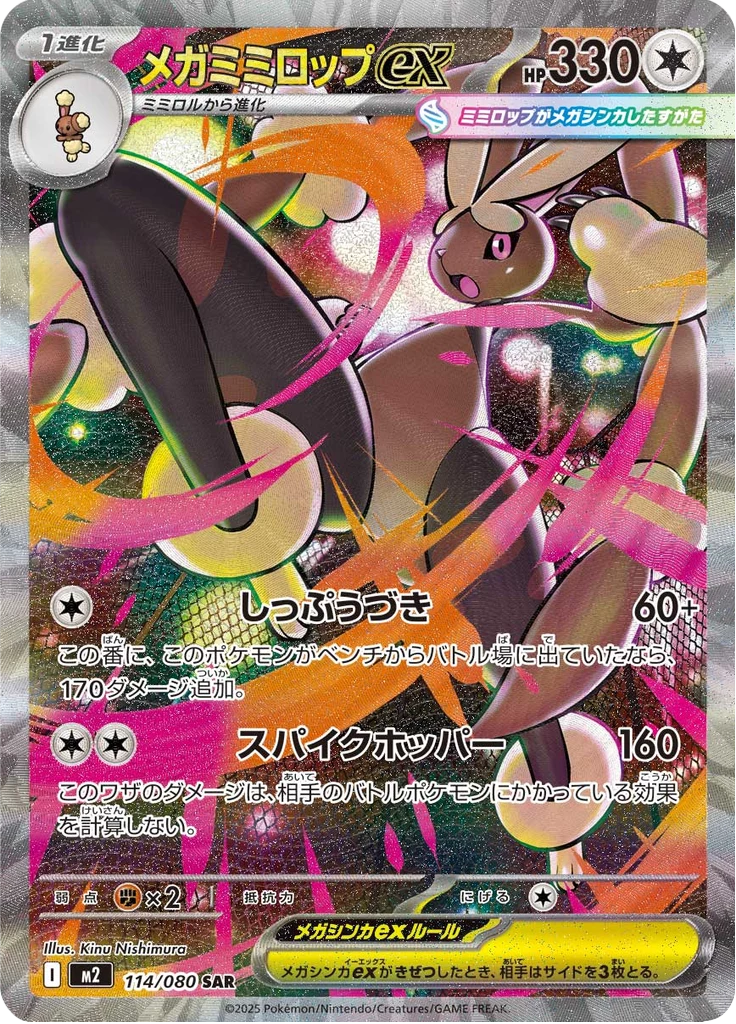
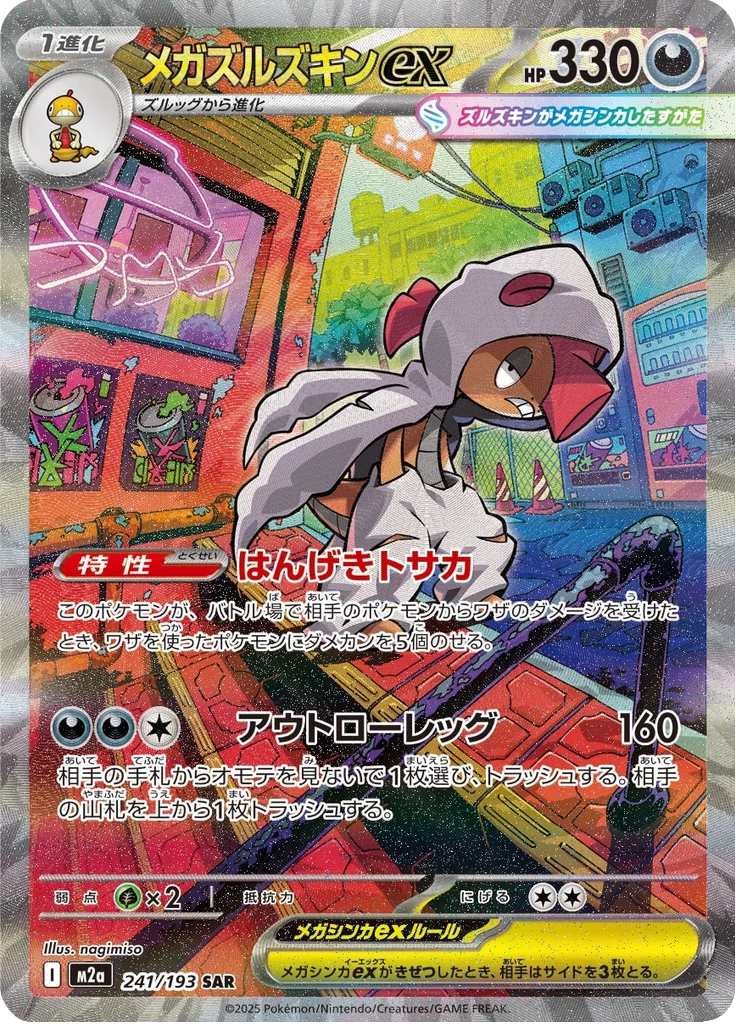
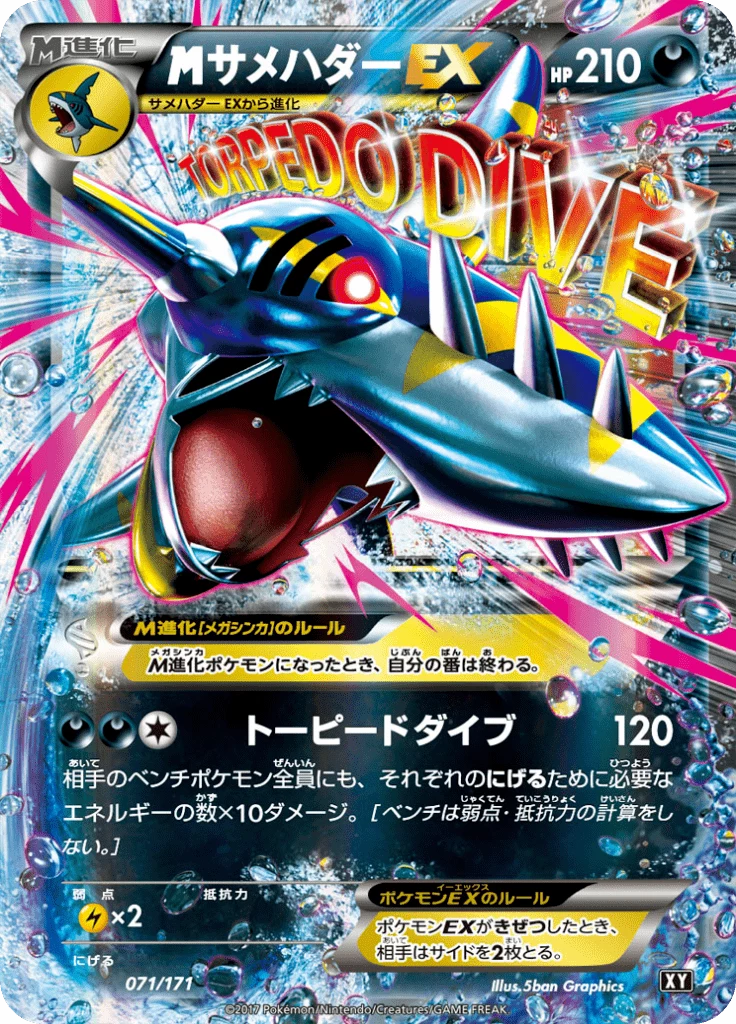
A deck could legally run up to four of either of these two cards — or of any other single-name Pokemon, Trainer, or Special Energy card — and still sit inside the same 60-card total. The four-card cap is what keeps a deck from being built around one overpowered card printed dozens of times; Basic Energy is exempted precisely because decks routinely need more than four of a single basic energy type to function.
The 7-Card Hand and 6 Prize Cards
The same official rules page also explains where those 60 cards go once a match starts. Before a player draws their opening hand, they set aside 6 Prize cards face-down, drawn from the same 60-card deck. A player wins by taking all 6 of their Prize cards during the game (among other win conditions), and those 6 cards never touch the player’s hand unless a game effect specifically retrieves one.
Put the numbers together and the full 60-card deck breaks down as: a 7-card opening hand, 6 Prize cards set aside, and 47 cards remaining in the deck to draw from as the game continues. Every one of those 60 cards, whether it’s a card printed in 2014 or a card printed this year, is subject to the same 7-hand-plus-6-prize structure.
Case Study: What’s Actually Inside a Deck Build Box
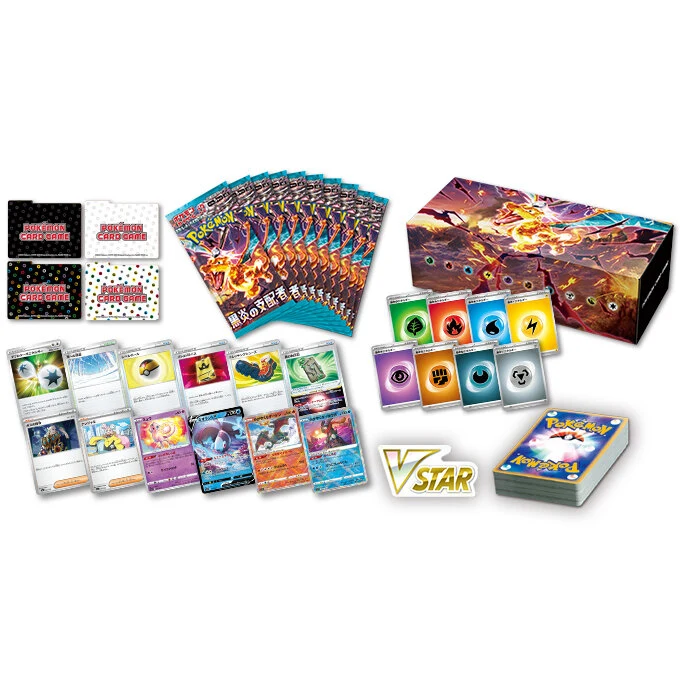
“Deck” products sold in Japan don’t all work the same way, and the naming can be misleading. The Ruler of the Black Flame Deck Build Box, released in Japan on 28 July 2023, is a useful example because its official fixed contents are documented down to the card:
| Category | Fixed cards included |
|---|---|
| Pokemon cards | 14 |
| Trainer cards | 50 |
| Special Energy cards | 2 |
| Basic Energy cards | 104 |
| Total fixed cards | 170 |
On top of those 170 fixed cards, the box also includes 10 booster packs of the “Ruler of the Black Flame” expansion, which players open and mix into the pool. Add it up and a Deck Build Box hands the buyer well over 170 cards to work with — nearly three times the size of a single finished deck.
From a 170-Card Pool to a Legal 60-Card Deck
This is the part that trips buyers up: a Deck Build Box does not open into a ready-to-play 60-card deck. It gives a player a pool — 170 fixed cards plus whatever they pull from the 10 included packs — and the player then applies the same rule covered above (60 cards total, no more than four of any one name, Basic Energy exempt) to cut that pool down into one or more legal decks.
In practice that means sorting the 14 Pokemon, 50 Trainers, and 106 total Energy cards (2 Special plus 104 Basic) by name, keeping at most four of each named Pokemon or Trainer card, filling out the Basic Energy count as needed, and setting the leftovers aside. Cards pulled from the 10 booster packs can be mixed into that same 60-card build using the identical four-per-name rule.
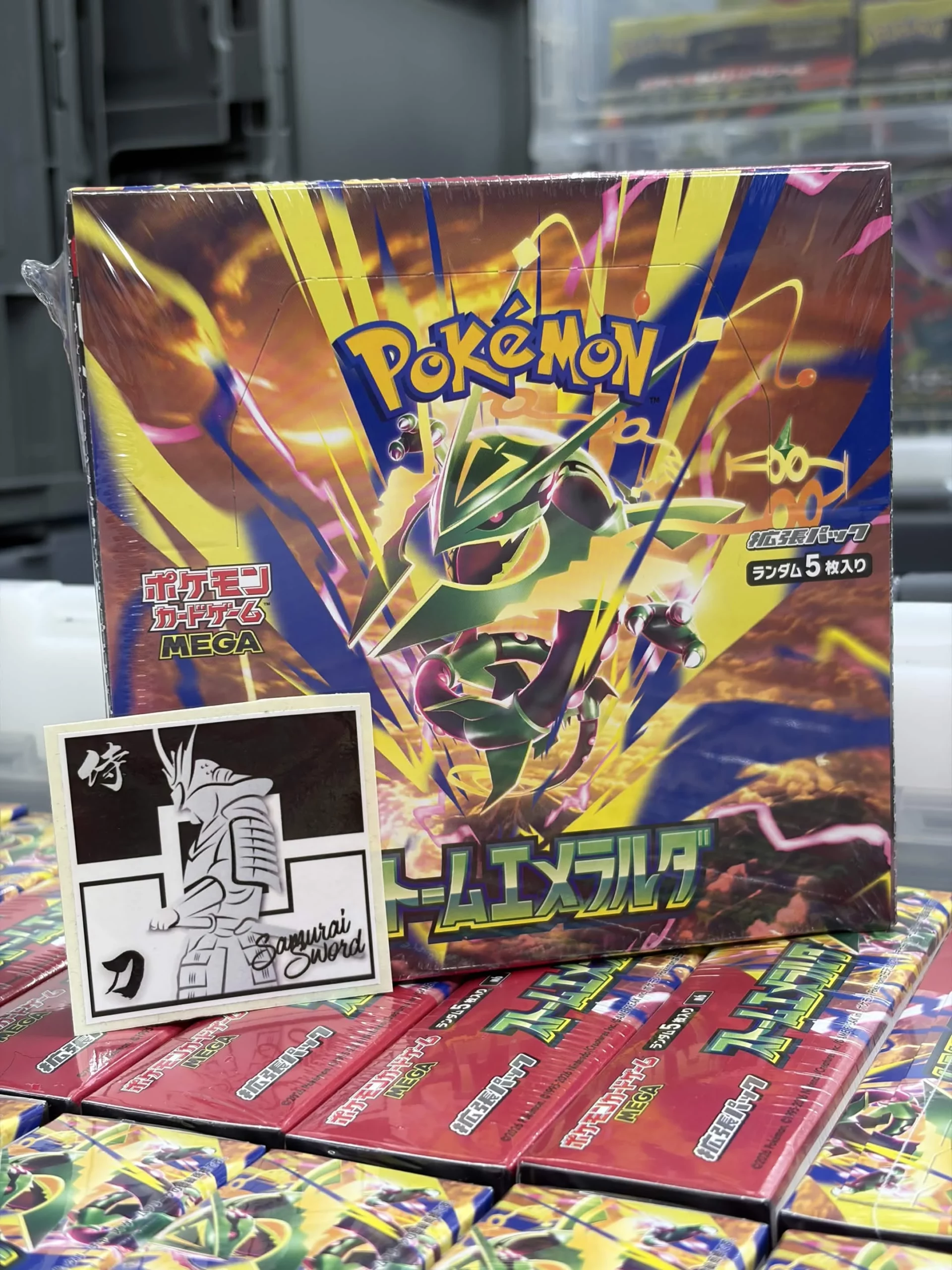
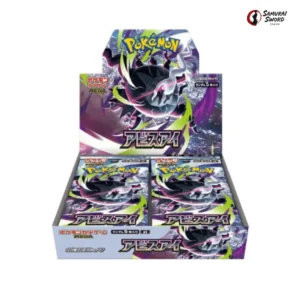
A sealed booster box is the other common route into this same card pool — sold as loose packs rather than a fixed all-in-one box, but the cards that come out of it are subject to exactly the same 60-card, four-per-name deck rule once a player sits down to build.
Deck Size vs Pack Size: Don’t Mix Them Up
“How many cards in a deck” and “how many cards in a pack” are two different questions with two different answers, and the two numbers get mixed up constantly. This article covers the deck-level number — the 60-card, four-per-name rule that governs what you can legally play with. For the pack-level number — how many cards come in a single Japanese booster pack — see our separate guide to Japanese pack contents.
If you also play the One Piece Card Game, keep the two games separate in your head too: our One Piece TCG how-to-play guide covers that game’s own rules, which use different deck-building numbers from Pokemon — don’t carry the 60-card Pokemon figure over to a different game.
And because the rule above applies equally in both languages, a Japanese-language deck and an English-language deck are legally identical in size and structure. If you’re weighing a Japanese purchase against an English one, our Japanese vs English Pokemon cards guide covers what actually differs between the two (and deck size isn’t one of those things). For other Japanese “deck”-branded sealed products and how their contents compare, see our Start Deck 100 Battle Collection guide and our Mega Start Deck 100 regular vs white box comparison.
Building a Japanese 60-Card Deck: What to Buy
If you want a single sealed product that gets you most of the way to a legal 60-card Japanese deck without buying loose packs and singles separately, a Deck Build Box is the most direct option we list. The Ruler of the Black Flame Deck Build Box is currently listed at ¥5,400 (~$34), with its 170 fixed cards and 10 booster packs giving you well more than the 60 cards you need once you apply the four-per-name rule and trim it down.
For readers who’d rather build up a card pool through booster packs instead of a fixed deck box, our full Japanese Pokemon card box collection covers current sealed product. Looking for a specific single card to round out a build, or a mix of sealed product and singles in one order? Our Quick Order page is the fastest way to put that together, and it’s also where restock requests for anything not currently listed go.
Frequently Asked Questions
How many cards are in a Pokemon deck?
Exactly 60 cards, per the official Pokemon Trading Card Game rules. This applies to every legal constructed deck, regardless of which language the cards are printed in.
How many of the same card can you put in a Pokemon deck?
No more than four cards sharing the same name, with one exception: Basic Energy cards are not subject to that four-card limit and can be included in any quantity.
How many Prize cards are set aside in a match?
Six Prize cards, set aside face-down at the start of a match from the same 60-card deck. Combined with a 7-card opening hand, that leaves 47 cards in the deck to draw from as the game goes on.
Does a Deck Build Box give you a finished 60-card deck?
No. Using the Ruler of the Black Flame Deck Build Box as an example, the box’s fixed contents are 14 Pokemon cards, 50 Trainer cards, 2 Special Energy cards and 104 Basic Energy cards (170 total), plus 10 booster packs. That’s a card pool, not a completed deck — the player applies the 60-card, four-per-name rule to trim it down into one or more legal decks.
Is the Japanese deck-size rule different from the English one?
No. The 60-card deck size and the four-card-per-name limit are set by the game’s official rules and apply identically to Japanese-language and English-language decks.
What’s the difference between “cards in a deck” and “cards in a pack”?
They’re separate numbers. “Cards in a deck” refers to the 60-card constructed-deck rule covered here. “Cards in a pack” refers to how many cards come in a single Japanese booster pack, which is a different figure covered in our separate guide to Japanese pack contents.
500 Points Free on Sign-Up
CREATE FREE ACCOUNT1 pt = ¥1 at checkout · Points expire 30 days after they are earned · Import duties, taxes and customs charges are not included in the price and are collected on delivery, except for destinations we ship duty-paid.
Picked for this article
📩 Get member-only sale alerts & coupons
Sale alerts, coupons and restock notices by email — straight from Tokyo.


