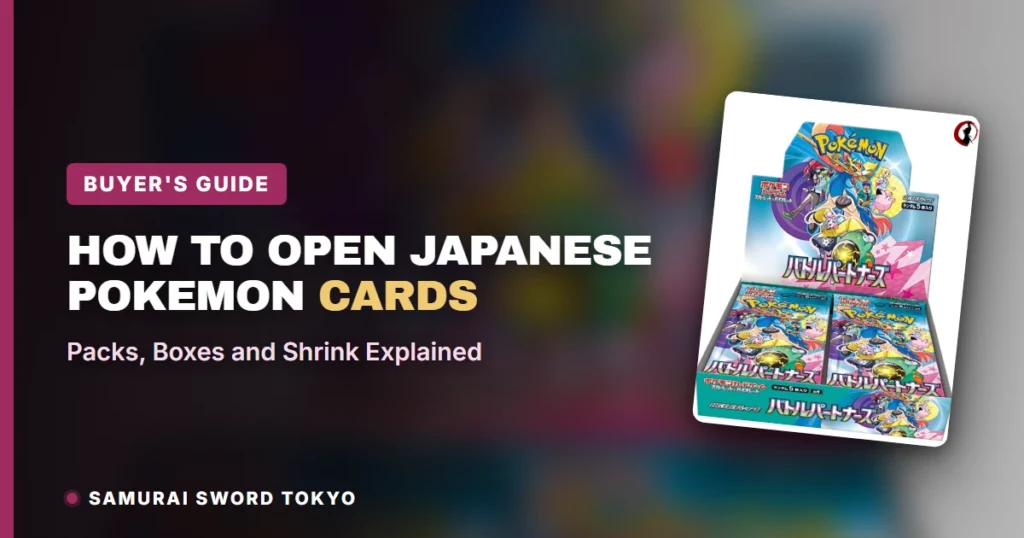
Opening a sealed Japanese Pokemon box is simple once you know what you’re actually looking at: a factory shrink-wrapped outer box, a flap underneath the wrap, and a stack of individually sealed packs inside. There’s no trick to it — the risk is rushing the wrap, tearing into a pack the wrong way, or bending a chase pull while it’s still half in the foil.
This guide walks through the actual physical process — the shrink wrap, the box flap, the packs, and how to handle what comes out — and explains what “Damaged Box” and “No Shrink” mean for a box you’re about to open. It doesn’t repeat our authenticity-focused shrink-wrap deep dive; that guide covers what the wrap itself proves and doesn’t prove, and it’s linked below where it’s relevant.
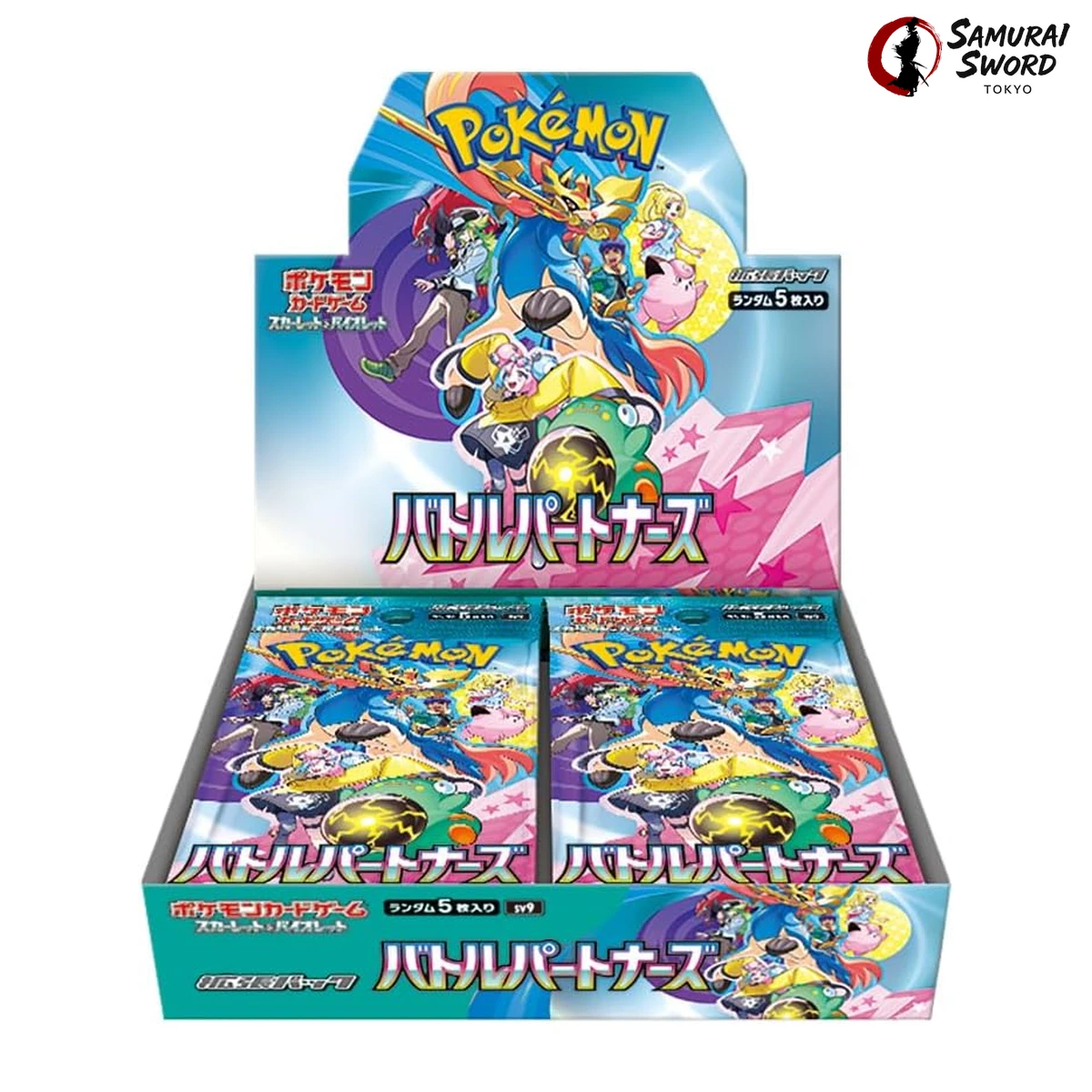
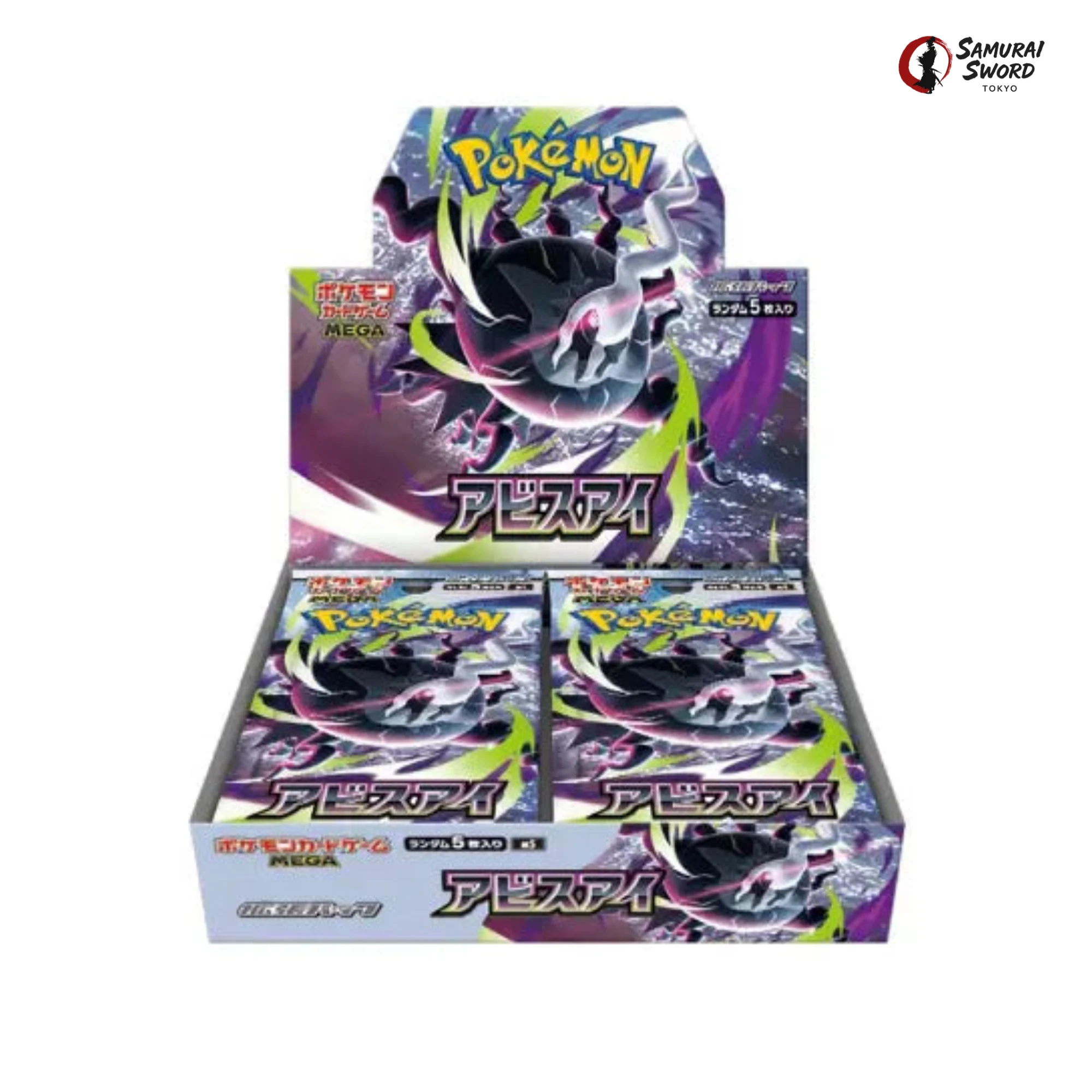
A sealed Japanese booster box has two layers to get through — the outer shrink wrap, then individually sealed packs inside — and neither layer needs force. Our SV9 Battle Partners box, currently listed at ¥10,094 (~$63), and our M5 Abyss Eye (Pitch Black) box, currently listed at ¥7,475 (~$47), are both standard-format sealed boxes you can use this process on. Cosmetic outer damage (a dented corner, torn wrap) is a separate issue from the sealed cards inside — that’s the whole basis of this store’s “Damaged Box” listings.
Yen figures below convert at ¥159/USD (September 2026). Prices are a store snapshot — check the linked listing for the current number before ordering.
What’s Actually Inside a Sealed Japanese Booster Box
A sealed Japanese Pokemon booster box arrives as one physical unit: a printed cardboard box, wrapped end-to-end in clear factory shrink film, containing a fixed number of individually sealed booster packs stacked inside. Nothing inside the box is loose — every card you’ll pull is sealed inside its own pack until you open that pack yourself.
The shrink wrap is a packaging step, not a security feature with a documented chain of custody. Our shrink wrap authenticity guide covers exactly what the wrap is, why sealed product gets wrapped that way, and what it does and doesn’t prove — including a real worked example from our own listings. That article is about what the wrap tells you before you buy. This one is about what to do with it once the box is in your hands.
Opening the Shrink Wrap Without Damaging the Box
The shrink film is wrapped tightly around the whole box, usually with a seam running along one edge and a fold tucked under at each end. You don’t need a blade against the box itself:
- Find and lift the seam. Use a fingernail to raise a loose edge of film without putting a blade against the box.
- Cut only lifted film if needed. Pinch the film away from the cardboard and make a small controlled cut through the raised film, keeping the scissors and your free hand clear of the cutting path.
- Peel back the film before removing the box flap. The wrap and the box’s internal tuck flap are separate things — get the film off first so you can see the flap underneath clearly.
- Open the tuck flap gently. Japanese booster boxes typically use a simple tuck-in flap (not glued shut), so it lifts open without tearing the box itself once the wrap is clear.
If you’re planning to keep the box as a display piece, cutting along the seam and keeping the film in one piece is the difference between a box that still looks presentable on a shelf and one that doesn’t.
There’s no reward for opening a sealed box quickly. Rushing the wrap is the single most common way people scratch the box art or crease a corner before they’ve even reached the packs.
Packs Per Box and Cards Per Pack: What to Expect
Modern-era Japanese Pokemon booster packs are widely reported to hold five cards per pack as a general industry convention, and standard “expansion pack” boxes commonly run around 30 packs — though High Class Packs and other product tiers vary from that, and the exact count is a per-set, per-product spec rather than a fixed rule. We haven’t independently re-verified the exact packs-per-box figure for either of the specific boxes referenced in this guide against their official pokemon-card.com product pages, so treat the numbers above as the general convention rather than a confirmed count for any one box — the printed box itself and the official product page are the definitive source.
| What you’re checking | Where to confirm it |
|---|---|
| Cards per pack | Official pokemon-card.com product page for that specific set |
| Packs per box | Official pokemon-card.com product page for that specific set |
| Whether shrink wrap is present | The listing itself — our “Damaged Box” and “No Shrink” listings state this explicitly |
Don’t assume every box in a range shares the same pack count. High Class Packs, anniversary collections, and standard expansion boxes are all sold under the umbrella term “booster box” but are built to different specs.
Opening the Packs: Order and Handling
Once the box is open, you’re looking at a stack of sealed packs. A few habits make the difference between a clean opening session and a bent card:
- Tear from the notch, not the middle. Japanese packs have a small tear notch on one side — starting there keeps the tear straight and away from the cards stacked inside.
- Fan the pack slightly before pulling cards out. Cards packed tightly can stick together; fanning the open pack loosens them so you’re not tugging on a specific card.
- Check for a foil or textured card near the back of the stack. Chase-tier cards in modern Japanese sets are typically foil or textured, and handling them by the edges rather than the face avoids fingerprints and surface marks before you’ve even looked at what you pulled.
- Sleeve anything you plan to keep raw before it goes back in a binder or box. This matters more the higher the print tier — a textured full-art surface picks up scuffs faster than a standard holofoil.
None of this requires special tools. A pair of scissors for the outer wrap and a bit of patience for the packs covers the whole process.
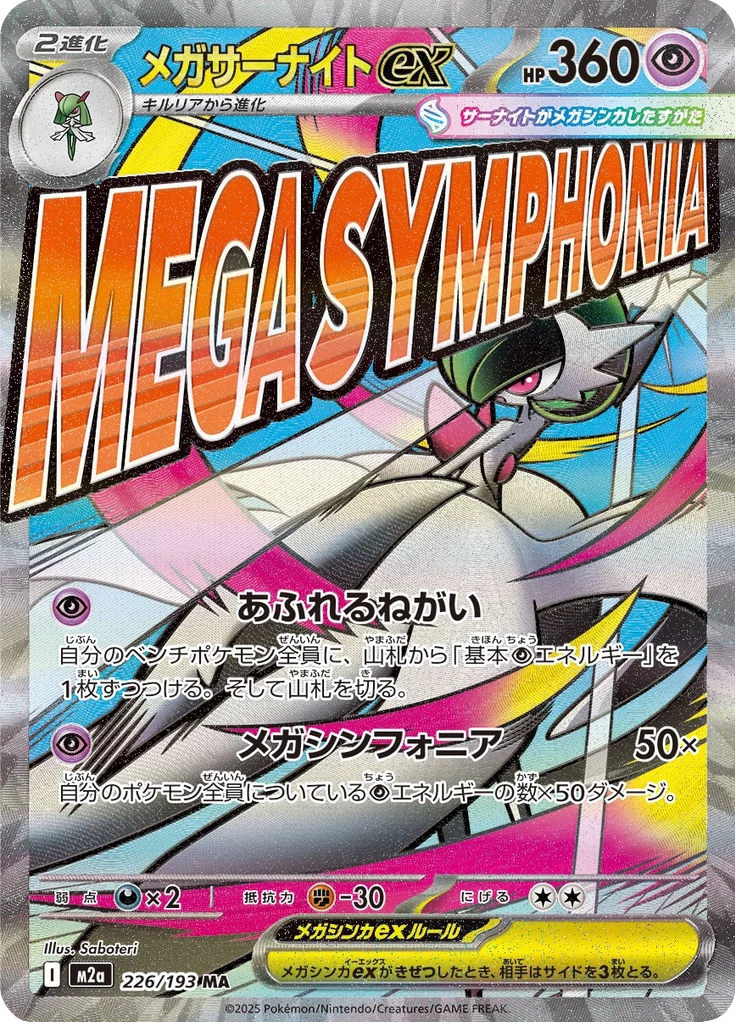
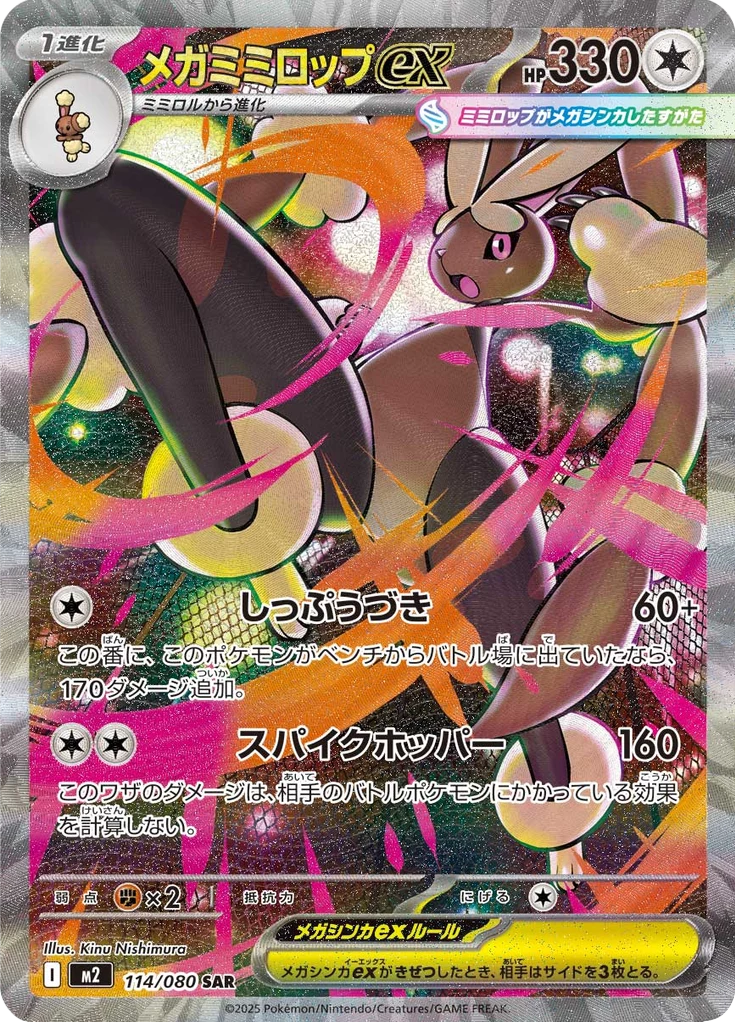
These two are examples of the kind of foil, textured chase card that can turn up in a modern Japanese Mega-era pack — the reason to slow down and handle the last few cards in a pack carefully rather than yanking the whole stack out at once.
Damaged Box and No Shrink Listings: What Changes When You Open Them
Two listing types on this site primarily describe the box’s outer condition, and both change what you should expect when you get to the shrink-wrap step above.
Damaged Box listings are exactly what the name says: the outer cardboard box or its shrink wrap has visible damage — dents, scratches, crushed corners, or torn shrink wrap — and the box is discounted for that reason. If you’re opening a Damaged Box, you may find the wrap already torn or partially missing, or a dented corner on the cardboard itself. Outer damage does not by itself establish the condition of every pack or card inside, so inspect the contents as you open them rather than treating either outcome as guaranteed. Full detail on how the discount is calculated is in our Damaged Box savings guide.
No Shrink listings go a step further: there’s no factory wrap on the box at all when it arrives. That’s a distinct condition from Damaged Box, and it changes step one of this guide — there’s nothing to cut through, you go straight to the tuck flap. We cover what “No Shrink” specifically means, and how it compares to a regularly wrapped box of the same set, in our No Shrink vs regular box guide.
Which Japanese Boxes to Open First
If you’re deciding which set to open, the two anchors in this guide cover two different eras of the Japanese lineup:
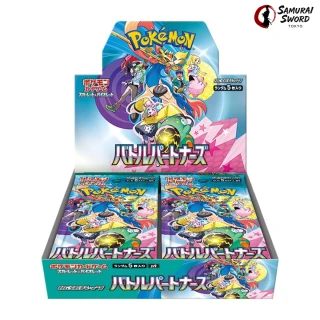
- Our SV9 Battle Partners booster box, currently listed at ¥10,094 (~$63), is a Scarlet & Violet-era box — the standard sealed format described throughout this guide.
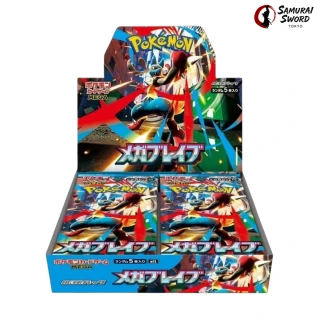
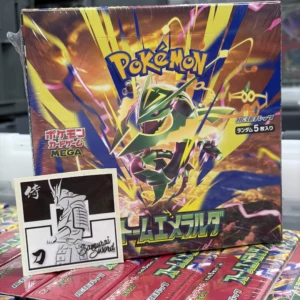
- Our M5 Abyss Eye (Pitch Black) booster box, currently listed at ¥7,475 (~$47), is from the current Mega-series lineup, the same era the two Mega Attack Rare and Special Art Rare pulls shown above come from.
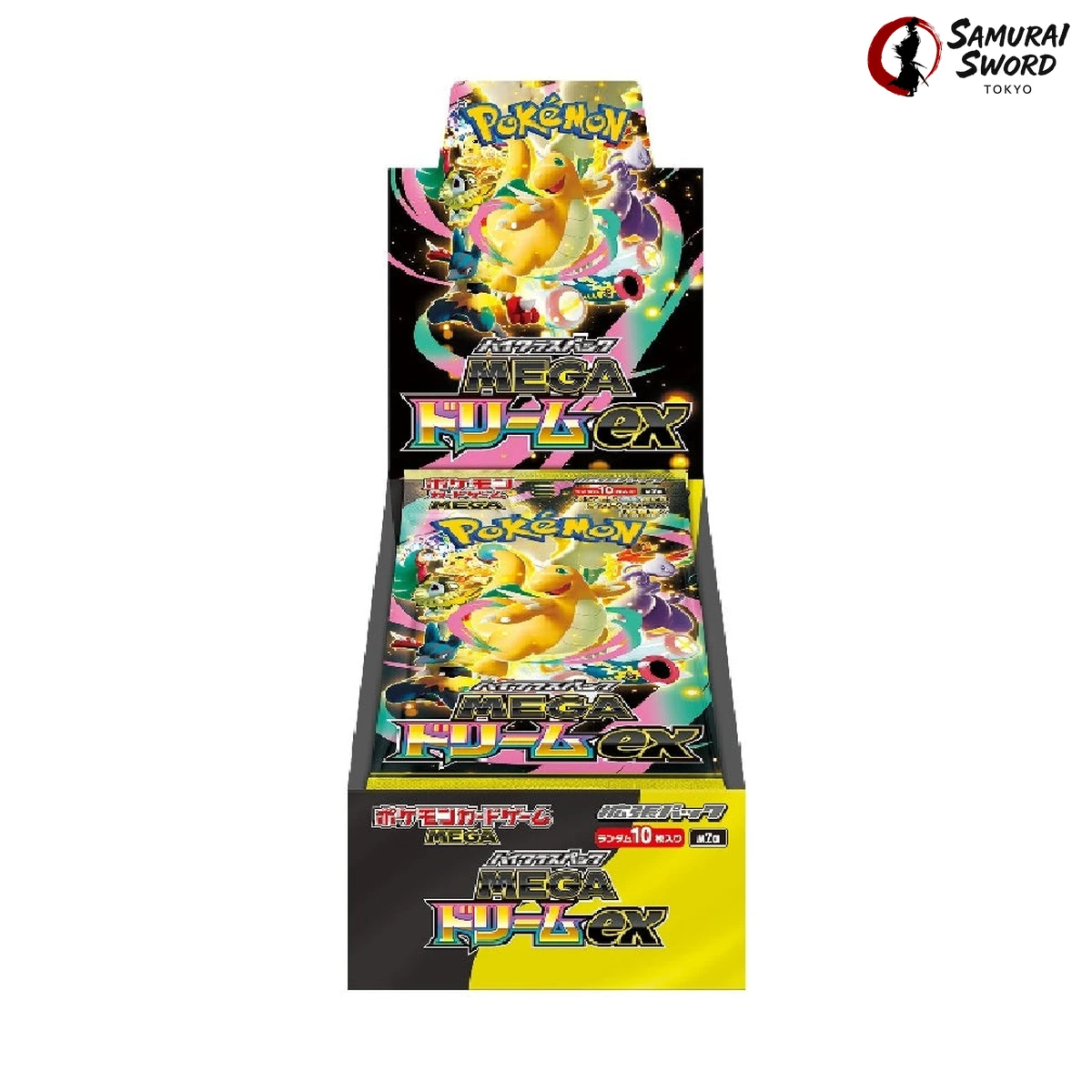
For a wider comparison of the Mega-series boxes against each other — not just M5 and M2a — see our Mega series M1–M6 box ranking guide. And if you’re comparing sealed Japanese product more broadly across sets, our guide to buying Japanese Pokemon cards online covers what to look for in a listing before you order.
Building a mixed order across several sets, or looking for a specific box, single or grade? Our Quick Order page is the fastest way to put that together, and our Pokemon booster box collection lists what’s currently sealed and available across sets.
Frequently Asked Questions
How do you open a sealed Japanese Pokemon booster box?
Cut along the shrink wrap’s seam rather than across a flat panel, peel the film away, then open the box’s tuck flap underneath. The packs inside are individually sealed — tear each one from its notch rather than the middle to keep the cut away from the cards.
How many cards are in a Japanese Pokemon pack?
Five cards per pack is the widely reported convention for modern-era Japanese packs, though this varies by specific product tier and hasn’t been independently confirmed for every set. Check the official pokemon-card.com product page for the exact figure on the set you’re opening.
How many packs are in a Japanese booster box?
Around 30 packs is a common figure for standard expansion-pack boxes, but High Class Packs and other product tiers are built to different specs. Treat this as a general convention rather than a fixed number — confirm on the official product page for the specific set.
What’s the difference between a Damaged Box and a No Shrink box?
A Damaged Box has visible damage to the outer cardboard or its shrink wrap — dents, scratches, or torn wrap. That outer damage does not by itself establish the condition of every pack or card inside. A No Shrink box has no factory wrap at all when it arrives, which is a separate condition. See our dedicated guides on Damaged Box savings and No Shrink vs regular boxes.
Does opening a box damage its resale value?
This guide doesn’t cover resale value — that depends on market conditions we haven’t verified here. What we can say is that careful opening (cutting along the wrap seam, handling packs and cards by the edges) keeps both the box and its contents in better physical condition than a rushed opening does.
Does shrink wrap prove a box hasn’t been opened and resealed?
Not on its own — our dedicated shrink wrap authenticity guide covers what the wrap does and doesn’t document, including a real worked example, in full.
Free and discounted shipping, by delivery country
- Each delivery country has its own qualifying amount and its own coupon code.
- Each paid campaign order unlocks the next step for your account.
- Sign in, or choose "Create account: Yes" at checkout, to use a campaign code.
The coupon code, the minimum order and the shipping benefit all depend on your delivery country — open the campaign page for the terms that apply to you. The minimum is the product subtotal only: shipping, tax and any other discount are not counted towards it. The campaign ends September 10, 2026 23:59 Japan time (September 10, 2026 14:59 UTC); the codes stop working at that moment. Coupons cannot be applied to pre-order items. Add an in-stock item to use a coupon. Import duties, taxes and customs charges are not included in the price and are collected on delivery, except for destinations we ship duty-paid.
Picked for this article
📩 Get member-only sale alerts & coupons
Sale alerts, coupons and restock notices by email — straight from Tokyo.