Pokemon boxes can sell out when strong release-day demand meets limits on what reaches an individual store. The Pokemon Company printed roughly 10 billion cards worldwide in the twelve months to March 2026 — reported as over 10% of every Pokemon card ever made, produced in that single year — while shelves still emptied. Reported allocation limits, scalper purchasing, bots, reprints and total production all form part of the supply picture; the available figures do not establish any one of them as the single cause.
This guide works through what’s actually driving the sell-outs, what The Pokemon Company and individual Japanese retailers have done about it, and how that same pressure shapes what we can and can’t guarantee when we ship sealed Japanese boxes out of Tokyo.
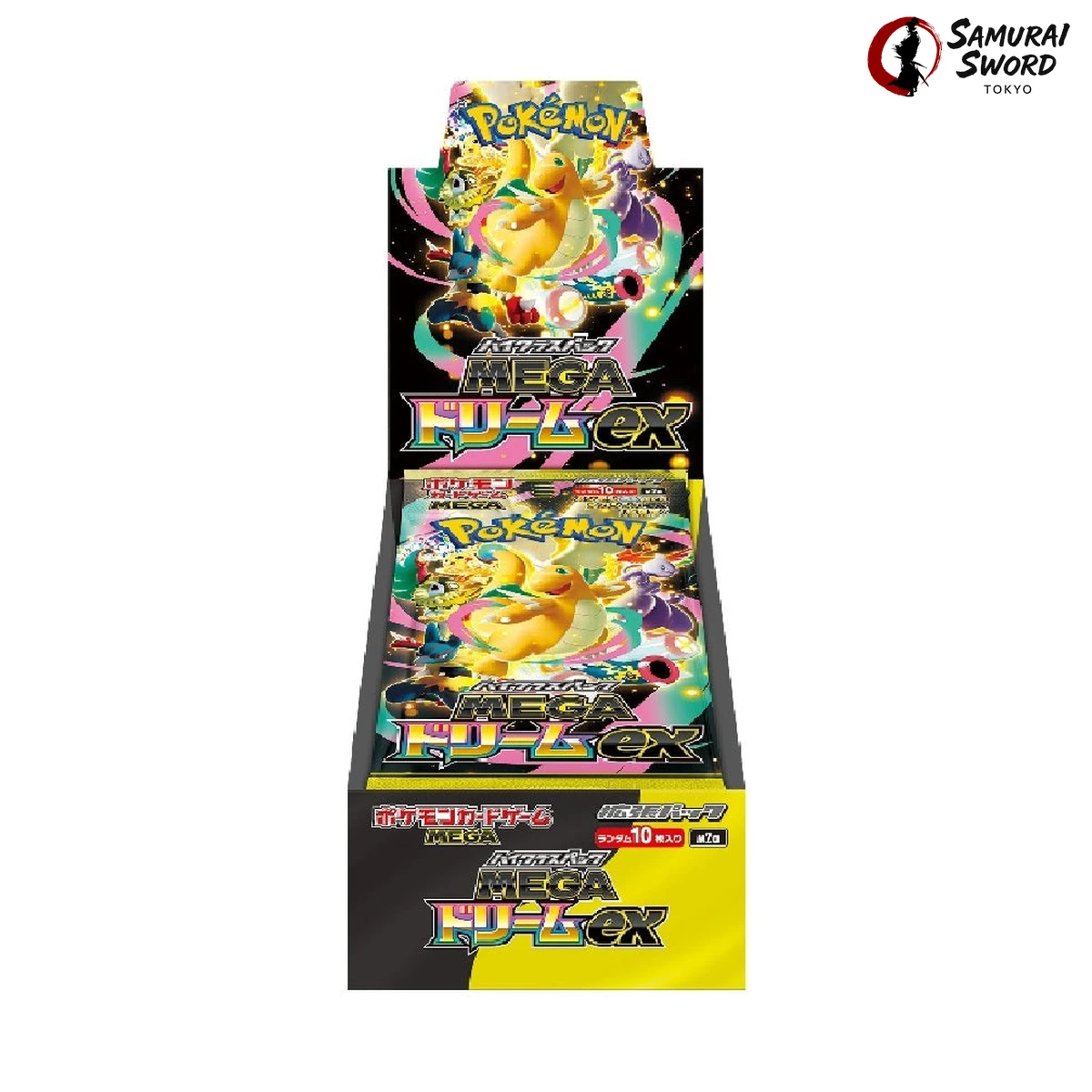
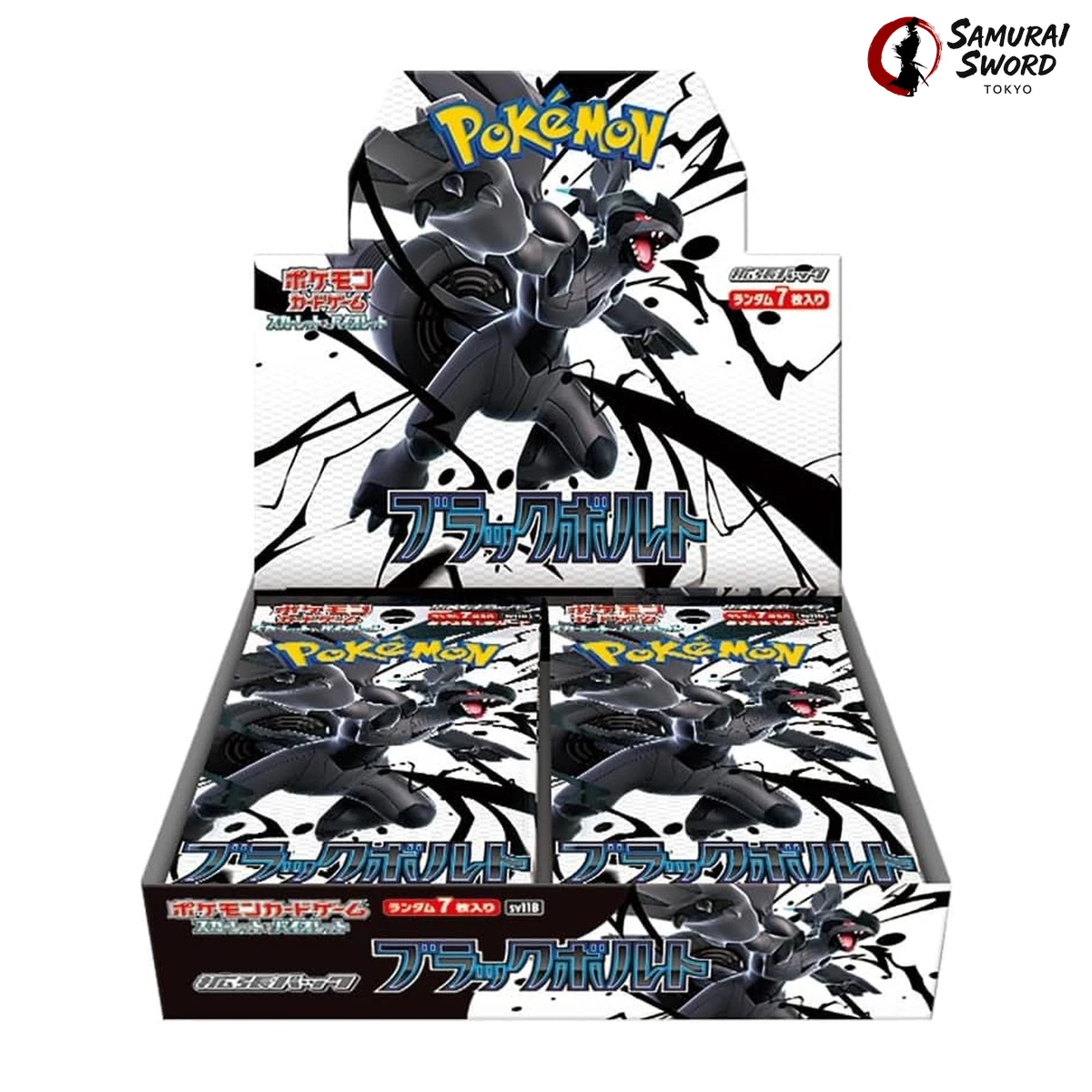
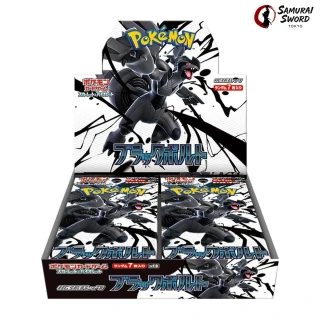
The Pokemon Company printed roughly 10 billion cards worldwide between March 2025 and March 2026 — described as over 10% of all Pokemon cards ever made produced in that single year — while high demand and reported limits on store allocations still left some shelves empty. Some Japanese retailers now cut open packs or strip shrink wrap at the register specifically to remove a scalper’s resale margin. Our own M2A–Mega Dream ex Japanese Pokemon Booster Box, currently listed at ¥12,240 (~$77), and SV11B–Black Bolt Japanese Pokemon Booster Box, currently listed at ¥22,472 (~$141), ship factory-sealed from Tokyo with no pack-cutting.
Yen figures convert at ¥159/USD (September 2026). Allocation percentages below are industry-observer estimates, not figures published by The Pokemon Company.
Why Printing More Cards Hasn’t Stopped the Shortage
The scale of the print run is the first thing that surprises people. According to PokéBeach, The Pokemon Company printed roughly 10 billion Pokemon TCG cards worldwide between March 2025 and March 2026 — reported as over 10% of every Pokemon card ever made, produced in that single twelve-month window. That is not a company failing to increase output — it’s a company producing at an extraordinary scale by any historical measure.
And shelves still emptied within hours of release. PokéBeach traces the modern shortage back to Surging Sparks emptying shelves in November 2024, while the 10-billion-card figure shows production increasing in response. Reported allocation limits, concentrated demand, reprints and additional production all form part of the supply picture; the available figures do not establish allocation as the single cause.
What The Pokemon Company Has Changed
In response to the shortage, The Pokemon Company and its retail partners have rolled out a set of measures aimed specifically at scalper purchasing rather than at total print volume. Per Sportskeeda’s roundup of recent changes, these include:
- Stricter ID policies at retail — requiring identification at the point of purchase to curb bulk buying by resellers.
- More frequent reprints — shortening the gap between a set selling out and new stock arriving, rather than relying on a single large print run.
- Bot-detection and anti-bot measures — targeting the automated purchasing tools that let a single scalper clear online stock in seconds.
Reprints increase the number of cards supplied, while ID checks and anti-bot measures address how that supply is distributed among buyers. Those are different levers, and both matter when a high-output year can still leave retail shelves empty.
Japan’s Anti-Scalper Fix: Cutting Packs at the Register
Japanese retailers have taken a distinctive physical approach that goes beyond ID checks or purchase limits: some stores cut open booster packs, or remove the shrink wrap from booster boxes, at the point of sale. The logic is direct. A “factory sealed” box or an unopened pack carries resale value to a collector or a reseller; a box with the shrink wrap already off, or a pack that’s already been sliced open, does not — even though every card inside is completely untouched and fully usable for play.
According to reporting from The Gamer and Toy People, some stores have photographed and posted signage showing customers exactly where a pack will be cut before it’s handed over, so there’s no ambiguity at the counter. Outer-box damage as an anti-scalping measure has been reported in Japan since as early as 2022–2023, with pack-cutting specifically reported more recently as retailers refine the tactic.
It’s a blunt tool, but it works on the actual incentive: a scalper’s business model depends on reselling sealed product at a markup. Remove the seal at the till, and that specific resale premium disappears, while the customer who actually wants to open the pack and play loses nothing.
A Similar Playbook: One Piece Card Game’s US Shop
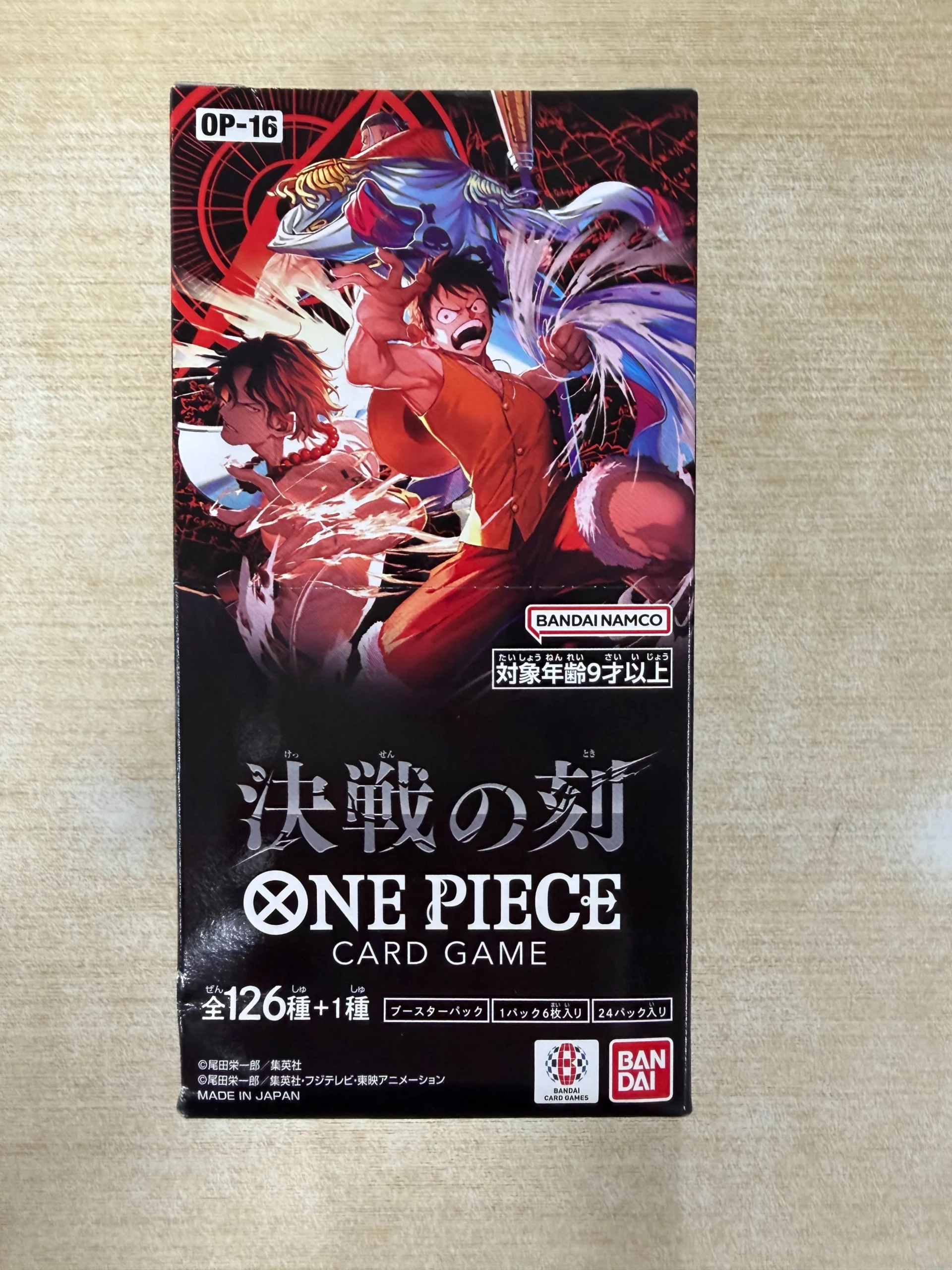
The same tactic has reportedly surfaced outside Pokemon. The One Piece Card Game’s official US shop has reportedly adopted a comparable policy: removing the factory shrink wrap from sealed booster boxes at the point of sale, so the box is no longer “factory sealed” in collector terms by the time it leaves the counter — specifically to blunt the incentive for scalper resale.
That report is sourced through secondary aggregation rather than a primary statement we’ve independently located from Bandai or the OPCG shop itself, so it’s worth treating as a reported practice rather than a confirmed, ongoing policy. What it does show is that the underlying idea — strip the “sealed” premium at checkout to make scalping less profitable — isn’t unique to Pokemon or to Japan. It’s a response to the same economics wherever a trading card product sells out on release day.
How Store Allocation Actually Works
One factor behind a release that empties quickly can be the percentage of a store’s requested order that the distributor actually ships. Sportskeeda’s roundup cites industry-observer estimates — not official Pokemon Company figures — putting recent allocation fulfillment at roughly 30–50% of requested order volume for recent sets, an improvement on the roughly 10–15% estimated for the Prismatic Evolutions release.
| Release | Est. store allocation fulfilled | Source basis |
|---|---|---|
| Prismatic Evolutions | ~10–15% of requested volume | Industry-observer estimate |
| Recent sets (2025–26) | ~30–50% of requested volume | Industry-observer estimate |
Even taking the improved end of that range, a store receiving half of what it requested may sell out quickly on a high-demand release. The estimate is one useful lens for understanding a specific shop’s availability, but it is not an official statistic or proof that allocation alone caused a sell-out.
A Legitimate Alternative: Our Damaged Box Line
To be clear about the difference: the pack-cutting described above is retailers deliberately altering sealed product at checkout to deter scalpers. Our own Damaged Box line is a separate, unrelated mechanism. These are boxes that arrive from the supply chain with cosmetic damage to the outer packaging — a crushed corner or a torn cellophane edge — through ordinary handling and shipping, not through a deliberate anti-scalping cut. Pricing is listing-specific; the Damaged Box label by itself does not establish that a box costs less than the corresponding regular listing.
It’s an honest, legitimate secondary-market response to the same broad dynamic — packaging condition affecting resale value — but it is not us replicating the Japanese retail anti-scalping tactic ourselves. If you’re comparing the two, our full breakdown is in how much you save on a Japanese Damaged Box. For the mechanics of shrink wrap itself, see our booster box shrink wrap guide and our No Shrink vs regular box guide.
Where to Buy Japanese Pokemon Boxes from Tokyo
Because store allocation can affect what reaches a particular shop even while total production rises, buyers should distinguish a store-level sell-out from worldwide print volume. For sealed collectors, the practical comparison is whether the product is factory-sealed or has been altered at checkout.
Our M2A–Mega Dream ex Japanese Pokemon Booster Box is currently listed at ¥12,240 (~$77), and our SV11B–Black Bolt Japanese Pokemon Booster Box is currently listed at ¥22,472 (~$141). Both ship factory-sealed from Tokyo.
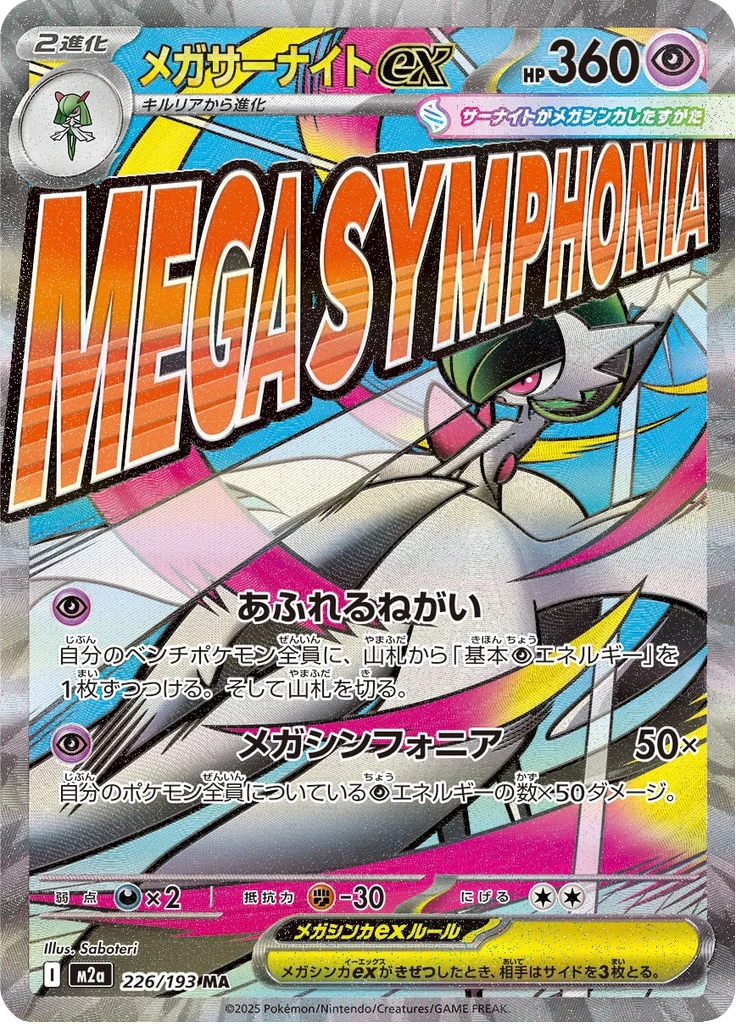
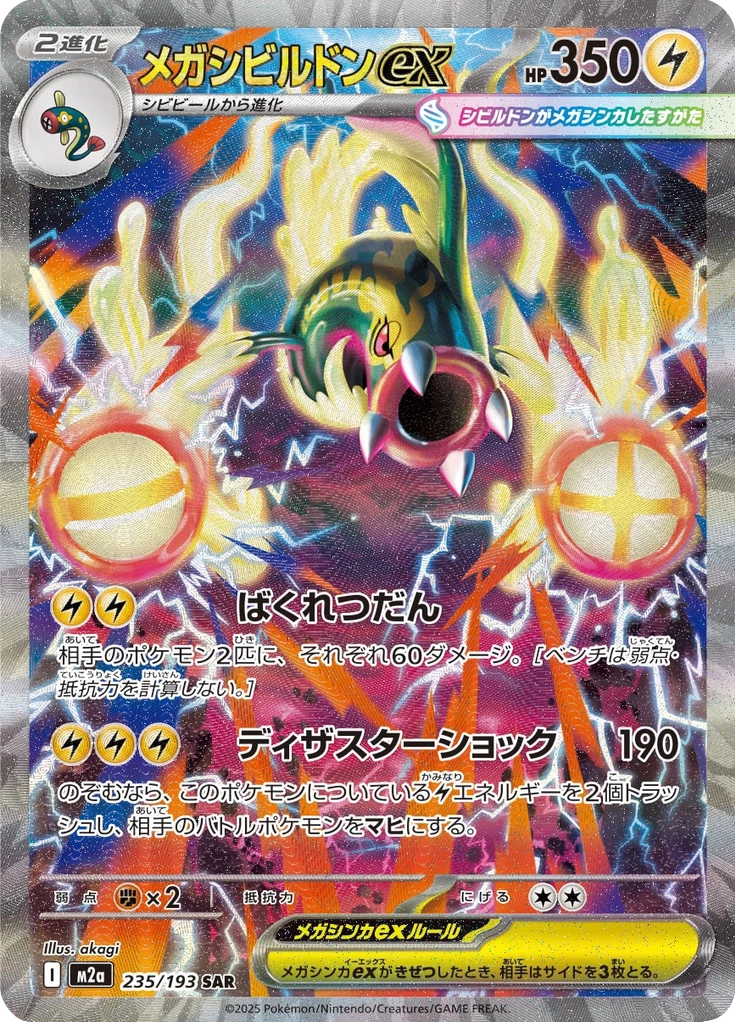
The Mega series M1–M6 box ranking guide covers where M2A sits against the rest of that run. If you’d rather explore acquisition routes beyond a single box — including Japan’s card vending machines — see our guide to Pokemon card vending machines in Japan and the broader where to buy Japanese Pokemon cards online overview.
Browse the full range in our Japanese Pokemon booster box collection, or build a mixed order — including sets not listed individually on the site — through Quick Order.
Frequently Asked Questions
Why do Pokemon card boxes sell out so quickly?
High demand can meet limits on what reaches an individual store. The Pokemon Company printed roughly 10 billion cards worldwide between March 2025 and March 2026, while industry observers estimated that stores received roughly 30–50% of requested volume for some recent sets. Those estimates make allocation one possible factor, not the sole proven cause.
Has The Pokemon Company done anything about scalpers?
Yes. Reported measures include stricter ID policies at retail, more frequent reprints to shorten restock gaps, and bot-detection and anti-bot measures aimed at automated bulk purchasing online.
Why do some Japanese stores cut open Pokemon card packs before selling them?
Some Japanese retailers cut open booster packs or remove the shrink wrap from booster boxes at the point of sale specifically to deter scalpers. An unsealed box or an already-opened pack loses its resale value as “factory sealed” product to collectors, while every card inside remains completely usable for play. Outer-box damage as an anti-scalping measure has been reported in Japan since as early as 2022–2023, with pack-cutting reported more recently.
Does this happen outside Pokemon too?
Reports indicate the One Piece Card Game’s official US shop has adopted a comparable approach — removing factory shrink wrap from booster boxes at checkout to reduce scalper resale value. That report is secondary-sourced rather than confirmed via an original Bandai or OPCG statement, but the underlying tactic mirrors the Japanese Pokemon retail practice.
Is your Damaged Box the same thing as anti-scalping pack-cutting?
No. Anti-scalping pack-cutting is a retailer deliberately unsealing product at checkout to deter resale. Our Damaged Box listings are units that arrived from the supply chain with cosmetic outer-packaging damage from ordinary handling. Pricing is listing-specific, and the two are separate, unrelated mechanisms.
What percentage of a store’s order actually gets fulfilled for a hot Pokemon set?
Industry-observer estimates — not official Pokemon Company figures — put recent fulfillment at roughly 30–50% of a store’s requested volume, compared with an estimated 10–15% during the Prismatic Evolutions release. These are reported estimates, not published statistics.
Picked for this article
📩 Get member-only sale alerts & coupons
Sale alerts, coupons and restock notices by email — straight from Tokyo.