Short answer: whether a Japanese Pokemon card turns out to be a good investment isn’t something this article — or anyone without a working crystal ball — can promise. What we can do is walk through the structural factors that determine how scarce, how documented, and how identifiable a given Japanese card actually is: the rarity tier printed on the card itself, the print-run era it came from, how it was distributed in the first place, and whether it can even be graded at all.
This is not financial advice, and nothing below is a price forecast or a return guarantee. It’s a breakdown of the mechanics that determine a card’s structural scarcity — the checks worth running before treating any single card as rare, based on the same reference sources and our own catalogue that we use when sourcing Japanese sealed product and graded singles out of Tokyo.
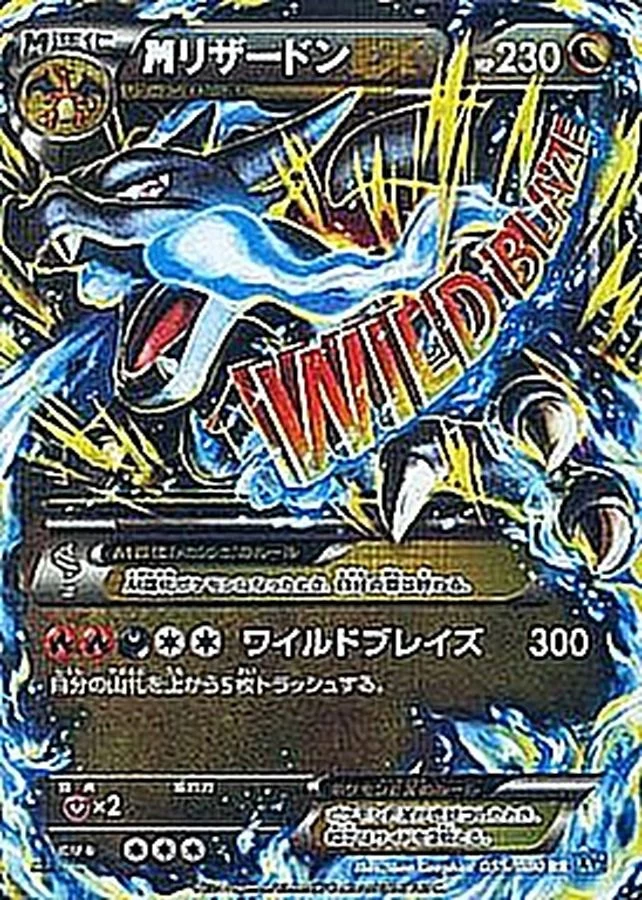
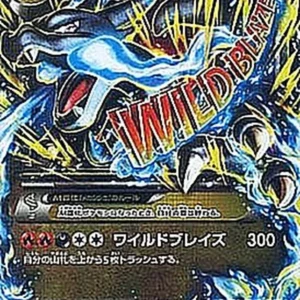
Japanese rarity codes identify a card’s print tier, but the codes and their relationships vary by set and era — the letter code on the card, not the artwork, is the relevant rarity signal. Japan printed 1st Edition stamps for fifteen years, from Pokémon VS/Web in 2001 through Expansion Pack “20th Anniversary” (CP6) in 2016 — our own PSA10 M Charizard EX RR, 1st Edition [XY2 055/080], currently listed at ¥147,070 (~$925), comes from inside that window. Promo distribution varies by release, and PSA has a published policy of declining to grade cards that show evidence of cleaning — a structural filter on what can even enter a graded population.
Yen figures below convert at ¥159/USD (September 2026). All prices shown are our own listed prices on samuraiswordtokyo.com — check the linked listing for the current number before ordering.
What “Good Investment” Means for a Trading Card
This question can collapse three separate things into one number: how rare a card is, how well-documented that rarity is, and what someone is willing to pay for it right now. This article deals with the first two. We are not going to tell you what any card is worth in a year, and we are not going to call any card a guaranteed anything — that’s a call only you can make, with your own budget and your own risk tolerance.
What is checkable, and what we cover section by section, is four structural levers:
- Rarity tier — the letter code printed on the card, which places it on Japan’s rarity ladder.
- Print-run era — whether a card falls inside Japan’s 1st Edition window (2001–2016) or the unlimited era that followed.
- Distribution channel — whether a card came from a retail booster box or a particular promotional release route.
- Grading eligibility — whether a submitted card can even be certified, given third-party grading policy.
Each of those is a fact you can verify before you buy. None tells you what a card will be worth next year, but together they provide a practical checklist for an informed purchase.
The Japanese Rarity Ladder: Why the Letter Matters More Than the Art
Modern Japanese booster-set cards commonly use short rarity codes. The codes available and their relationships depend on the set and era, so the table separates commonly used Scarlet & Violet-era codes from other set-dependent labels rather than presenting one universal low-to-high sequence. Promotional cards may use separate promo numbering without a C/U/R/RR-style rarity code.
| Code | Name | How it is used here |
|---|---|---|
| C | Common | Baseline tier — the largest share of non-secret cards in a set. |
| U | Uncommon | An early rung above Common. |
| R | Rare | A holo rare tier below secret-numbered cards. |
| RR | Double Rare | Reserved for Pokemon ex-type mechanics. |
| AR | Art Rare | Full-art secret-rare tier, natural-environment artwork. |
| SAR | Special Art Rare | A full-art treatment used for selected Pokemon ex and Supporters. |
| UR | Ultra Rare | A gold-foil secret-rare treatment used in applicable sets. |
| SR / HR / CSR / CHR | Set- and era-dependent labels | Shown separately because the exact labels and their relationships vary by set and era. |
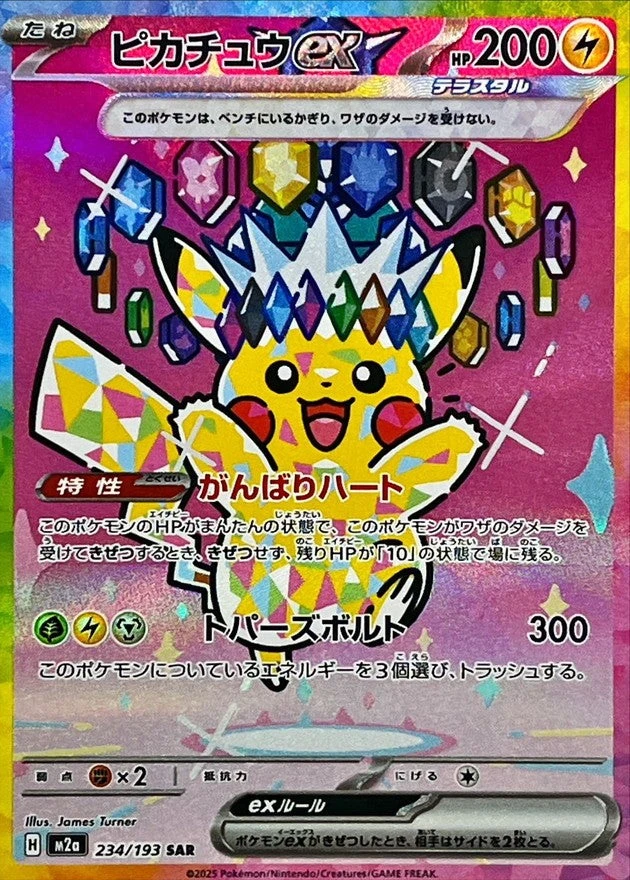
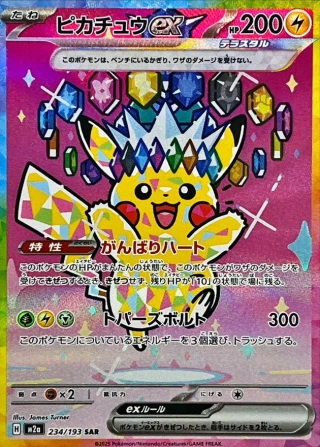
The letter code is the relevant rarity signal — not how flashy the artwork looks in a photo. Our own SAR PSA10 Pikachu ex 234/193 and the RR-tier Charizard shown below carry different printed rarity codes.
Community aggregators publish per-box odds for how often each tier turns up when opening sealed product — sites such as pokecazilla.com and tcg-hokan.com estimate roughly one Special Art Rare in every five boxes, one Ultra Rare in every ten, and about one Super Rare per box. Treat those figures as secondary, hobby-sourced approximations rather than a manufacturer specification: neither Pokemon Co. nor the printing distributor publishes official box-opening odds, and the term collectors use for this — “pull rate” — is hobby shorthand, not an official metric.
For a deeper walkthrough of how graded buyers should read these tiers, see our Japanese Pokemon card rarity guide for graded buyers.
1st Edition, Unlimited, and Why the Window Closed in 2016
Print-run era is the second lever, and it runs on its own separate timeline from the rarity ladder above. Per Bulbapedia’s 1st Edition reference page, Japan’s 1st Edition stamp began with Pokemon VS and Pokemon Web in 2001 and continued through Expansion Pack “20th Anniversary” (CP6) in 2016 — a fifteen-year window. After CP6, Japan stopped using the 1st Edition stamp on new product entirely.
A 1st Edition stamp and a high rarity tier are two independent facts, not the same thing. Our PSA10 M Charizard EX RR, 1st Edition [XY2 055/080] pictured above carries both — the RR rarity code and the 1st Edition stamp from inside that 2001–2016 window — but plenty of RR-tier cards from the same era were printed unlimited instead, and plenty of 1st Edition cards sit at lower rarity tiers. Checking one doesn’t tell you the other.
One more nuance worth flagging: Bulbapedia notes that a number of Japanese sets printed under the standard “unlimited” designation actually had smaller total print runs than earlier 1st Edition print runs elsewhere in the catalogue. In other words, the stamp itself doesn’t automatically tell you which product had the smaller print run — it’s a distribution detail, not a hierarchy. For the full breakdown of how the 1st Edition mark works across Japanese sets, see our Japanese 1st Edition Pokemon cards guide.
Promo Cards: A Different Kind of Scarcity
Some promo cards use a separate promotional number and are distributed through a specific event, campaign, or redemption window rather than through retail booster packs. Distribution varies by release, so check the documented route for the specific promo instead of assuming one universal model or production ceiling.
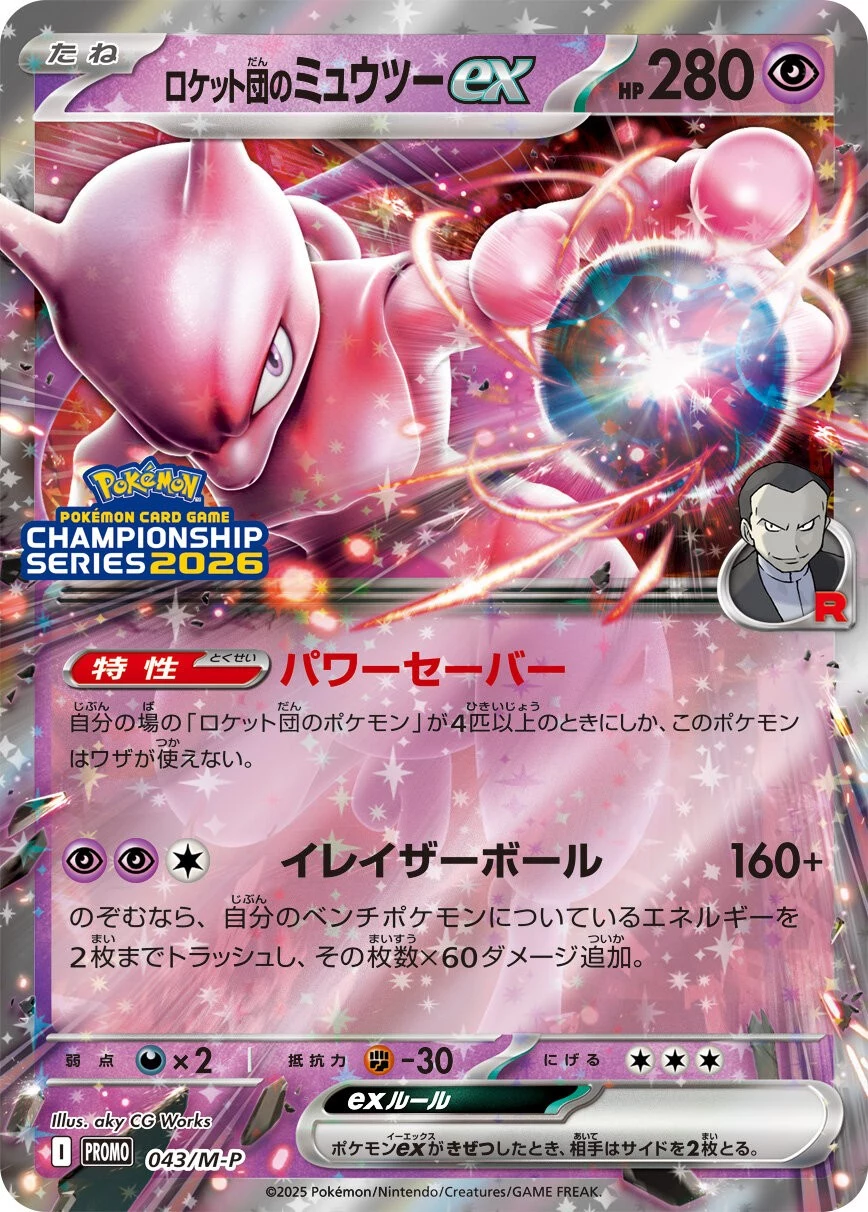
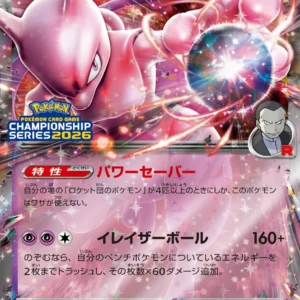
Our own PSA10 Team Rocket’s Mewtwo ex P [043/M-P] listing is a working example: the official Pokemon card database assigns it to the Pokemon Card Game Championship Series 2026, not to a retail booster set. It’s currently listed at ¥22,440 (~$141). Structurally, its M-P promotional numbering sits outside the booster-set rarity ladder covered above.
Grading as a Structural Filter, Not a Rarity Label
The fourth lever sits outside the card itself: whether it can be graded at all. Grading doesn’t change a card’s printed rarity tier or its print-run era — both of those are fixed at the printing press. What grading does is create (or refuse to create) a documented, certified record of that specific card’s condition.
Per PSA’s published grading standards, PSA will decline to grade a submission that shows evidence of cleaning — specifically citing whitened borders, solvent-removed stains, and foreign substances such as cleaning spray or wax residue. That’s a hard structural gate: a card that would otherwise qualify for a high numeric grade can be refused outright if it shows those signs, regardless of how rare its printed tier is.
This is why rarity tier and grading eligibility need to be checked separately. A card can sit at the very top of the ladder in section two above and still fail to qualify for a certified population if its surface has been altered. For more on how PSA’s numeric scale itself works, see our PSA 10 meaning guide.
Where the Rarity Ladder Shows Up in Our Own Listings
Putting the four levers together in practice means checking each one against the actual listing in front of you, rather than assuming from a photo. Here’s how that plays out across a handful of our own currently listed Japanese cards and sealed product:
- Our PSA10 M Charizard EX RR, 1st Edition [XY2 055/080], currently listed at ¥147,070 (~$925), checks two levers at once — RR rarity tier plus a 1st Edition print window — and carries a PSA10 certified grade, satisfying the fourth lever too.
- Our PSA10 Zekrom, 009/027 [CP2], currently listed at ¥100,488 (~$632), is a graded example from a different set entirely — a reminder that the same four-lever checklist applies regardless of era.
- Our PSA10 Pikachu ex 234/193, SAR, currently listed at ¥66,702 (~$420), sits near the top of the Scarlet & Violet-era ladder covered in section two.
- Our PSA10 Team Rocket’s Mewtwo ex P [043/M-P], currently listed at ¥22,440 (~$141), illustrates the promo distribution model from section four.
- If you’d rather check the ladder yourself card by card, our SV9-Battle Partners Japanese Pokemon Booster Box, currently listed at ¥10,094 (~$63), is unopened sealed product from the current Scarlet & Violet era — the full C-through-secret-rare mix described in section two comes from inside a box exactly like this one.
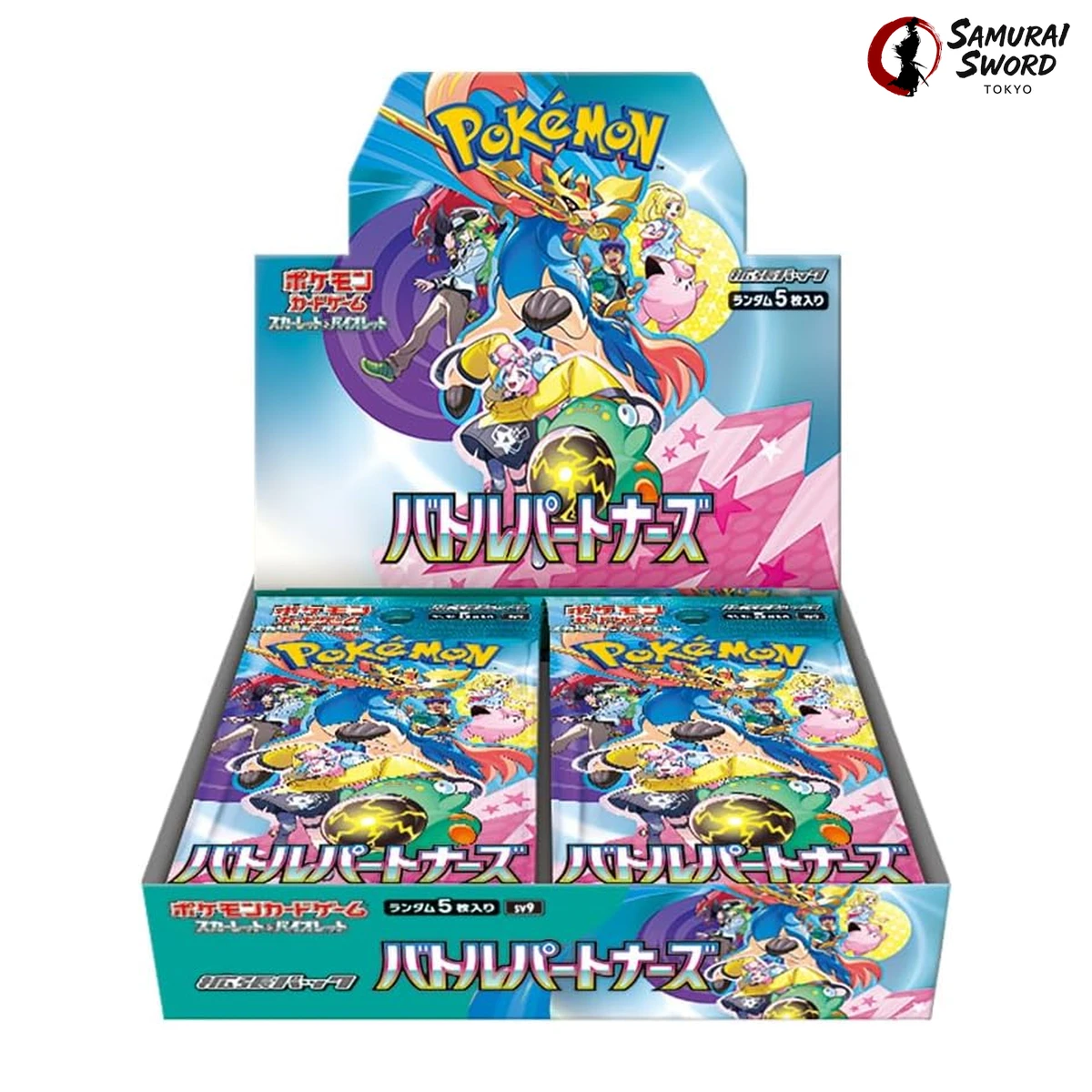
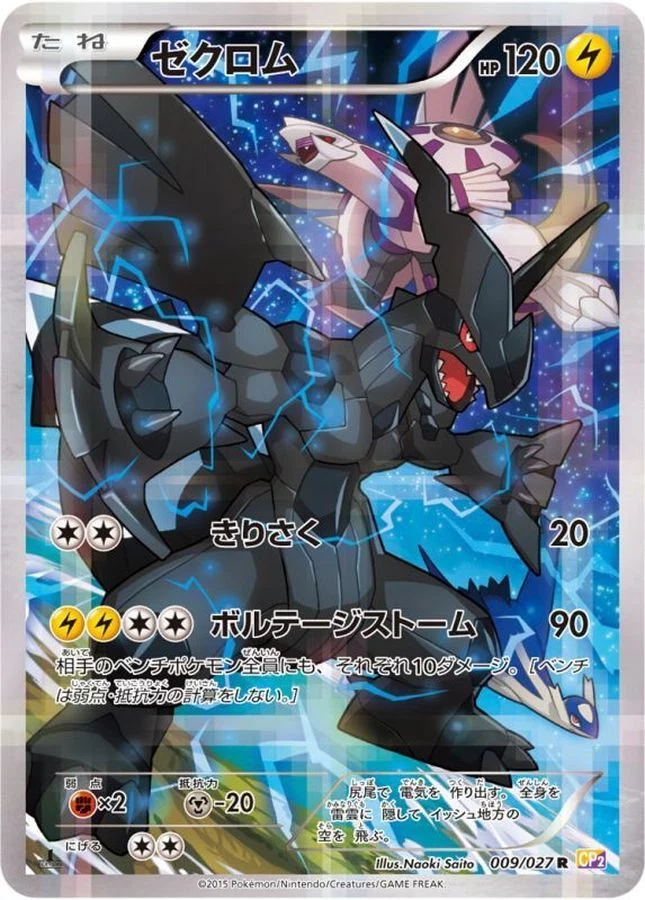
For a broader look at current Japanese card pricing across our full graded catalogue — which is a price ranking, not a structural breakdown like this article — see our most valuable Japanese Pokemon cards hub. And for a general primer on sourcing Japanese product safely, see our where to buy Japanese Pokemon cards online guide.
For graded singles across other sets and eras, browse our PSA10 graded card collection or our Japanese Pokemon booster box collection, or use Quick Order to build a mixed order of singles and sealed product in one pass.
Frequently Asked Questions
Are Japanese Pokemon cards a good investment?
That depends on factors this article doesn’t predict — future demand and price movement. What this article covers instead are the structural facts you can actually verify before buying: a card’s rarity tier (its printed letter code), its print-run era (1st Edition versus unlimited), its distribution channel (booster box versus a specific promo route), and whether it can be graded at all. None of that is financial advice or a return guarantee — it’s a checklist for evaluating structural scarcity.
What does the Japanese rarity ladder actually tell you?
It tells you which print tier a card belongs to, based on the letter code printed on the card. The available codes and their relationships vary by set and era, so they do not form one universal ladder across every Japanese release. The code does not tell you a market price; it is a print-tier signal, not a value figure.
Are pull rates for Japanese booster boxes official figures?
The per-box odds used here come from third-party hobby estimates rather than an official probability table. Treat those pull-rate numbers as community-sourced approximations, and check any set-specific official box guarantee separately.
What is 1st Edition on a Japanese card, and is it still being printed?
1st Edition is a print-run stamp Japan used from Pokemon VS/Web in 2001 through Expansion Pack “20th Anniversary” (CP6) in 2016. After CP6, Japan stopped applying the 1st Edition stamp to new product, so any Japanese card printed after 2016 will not carry it.
Why do promo cards distribute differently from booster-pulled cards?
Some promo cards use separate promotional numbering and are distributed through a campaign, event, or redemption window rather than retail booster packs. The route varies by release, so check the record for the specific promo instead of assuming one universal distribution model or production ceiling.
Can PSA grade any card, regardless of its condition?
No. Per PSA’s published grading standards, PSA will decline to grade a submission that shows evidence of cleaning — including whitened borders, solvent-removed stains, or foreign substances such as cleaning spray or wax residue. That applies regardless of the card’s rarity tier or print-run era.
Free and discounted shipping, by delivery country
- Each delivery country has its own qualifying amount and its own coupon code.
- Each paid campaign order unlocks the next step for your account.
- Sign in, or choose "Create account: Yes" at checkout, to use a campaign code.
The coupon code, the minimum order and the shipping benefit all depend on your delivery country — open the campaign page for the terms that apply to you. The minimum is the product subtotal only: shipping, tax and any other discount are not counted towards it. The campaign ends September 10, 2026 23:59 Japan time (September 10, 2026 14:59 UTC); the codes stop working at that moment. Coupons cannot be applied to pre-order items. Add an in-stock item to use a coupon. Import duties, taxes and customs charges are not included in the price and are collected on delivery, except for destinations we ship duty-paid.
Picked for this article
📩 Get member-only sale alerts & coupons
Sale alerts, coupons and restock notices by email — straight from Tokyo.