
The PSA grading scale runs from 1 to 10, and a PSA 10 (Gem Mint) is the top grade a Pokemon card can receive. PSA assigns the number after assessing the card condition.
PSA support explains grade assignment, non-numeric results and certification lookup.
PSA grades a Japanese-print card to the same standard as an English one, so everything on the scale applies directly to the Japanese PSA 10 cards we list.
- PSA uses a 10-point grading scale. PSA 10 designates Gem Mint condition per PSA’s published grading standards.
- PSA identifies corners, edges, surface and centering as the primary assessment categories.
- Authentic and Authentic Altered are non-numeric results, not grades.
- The same standard covers Japanese cards. Example, currently listed: the PSA 10 Ash’s Pikachu GX 005/026 at ¥270,000 (~$1,753) (update: currently sold out — restock requests via Quick Order).
- Store listing prices: October 7, 2026.
- PSA support distinguishes numeric grades, non-numeric results and certification details.
- The October 7, 2026 update covers our store listings and prices only; the other facts in this article were last checked on September 30, 2026.
USD figures convert at ¥154/USD, approximate. Prices are our own listings as of October 7, 2026.
The PSA Grading Scale: 10 Points, Plus Results That Are Not Grades
PSA describes its system as universal grading standards for trading card collectors on a 10-point scale. Per PSA’s support article on grade explanations (April 7, 2026), the reviewers look at the card’s surface condition, the sharpness and integrity of its edges, and the centering of the image, and folds, creases, stains or other damage may also affect the grade. PSA’s Grader Notes article (July 19, 2025) lists the four primary categories as corners, edges, surface and centering.
Two rules in that article change how you should read any number on a slab. First, grades do not average out. PSA prints an example: if a card’s corners are assessed at a 6 and its surface at an 8, the final grade will be a 6, because the lowest assessed attribute typically dictates the overall grade. Second, each submitted card is evaluated by a minimum of two independent PSA graders, and the final grade is at the discretion of those graders.
PSA’s grading standards page is the reference for individual grade definitions.
| Result | PSA description |
|---|---|
| Numeric grade | A condition assessment on a scale of 1 to 10. |
| Authentic | A non-numeric designation that does not describe condition. |
| Authentic Altered | A non-numeric designation for a card with alteration. |
| N4: Questionable Authenticity | PSA does not encapsulate cards receiving this result. |
Not every result is a number. PSA says it may still return a card encapsulated with an “Authentic” or “Authentic Altered” designation, and that it will not encapsulate cards deemed N4: Questionable Authenticity under any circumstances. PSA Japan’s FAQ describes “Authentic” as meaning only that the card is genuine, with nothing said about condition, and “Authentic Altered” as a genuine card with alteration such as trimming, re-coloring or cleaning.
The process behind the label has three steps, per PSA’s services page: authentication first, then grading on a scale of 1 to 10, then encapsulation in a sonically sealed, tamper-evident case that carries the grade and certification number on the PSA LightHouse label. For the full route from submission to slab, read PSA grading explained: three steps, N codes and the slab label.
What PSA Examines When Assigning a Grade
PSA’s Grader Notes categories separate corners, edges, surface and centering. The grade-explanation article describes the condition features reviewed:
- Edges. PSA examines their sharpness and integrity.
- Surface. Surface condition is assessed; folds, creases, stains and other damage may affect the result.
- Centering. The position of the image forms part of the assessment.
- Corners. Corners are a primary category in Grader Notes.
One related detail: PSA’s Grader Notes article says grader notes, which expand on the flaws behind a grade, do not apply to items that receive a PSA 10 or to No Grade submissions. The notes are included for trading card orders at the Express level and above, and orders submitted from outside the United States are currently ineligible.
PSA 10 vs PSA 9 vs Raw
Each row describes what stands behind the label, not what the card will sell for.
| Category | What it means |
|---|---|
| PSA 10 | The highest numerical grade on PSA’s 1-to-10 scale. |
| PSA 9 | A numerical grade below 10; read the recorded result without inferring a particular flaw from the number alone. |
| Raw / ungraded | A card without a PSA numerical condition grade; assess the seller’s description and supplied photographs. |
Read the recorded grade separately from the card name and price. If you want the comparison in detail, read PSA 9 vs PSA 10 Japanese Pokemon cards, the worked examples in PSA 5, 9 and 10 explained with Japanese Pokemon card examples, and our PSA 10 vs raw guide for the raw-versus-graded trade-off. Whether a card is likely to reach a 10 is covered in how hard it is to get a PSA 10 Pokemon card.
How to Read a PSA Label, a Cert Number and a Listing Title
A PSA slab carries the numeric grade, the card’s identifying details (name, set and card number) and a certification number assigned to that specific card. Compare the stated grade with the supplied certification details.
The certification number is unique to that individual card. Per PSA’s support article on verifying a cert (July 18, 2025), you can scan the PSA label or QR code in the PSA App, enter the Certification ID under Text Search, or use Cert Verification in the Research section of the PSA website. That lookup confirms the certification number and the grade PSA recorded.
Read the identifiers supplied in each listing title. For example, PSA10 Espurr AR [M3 087/080] (Expansion Pack “Munikis / Nihil Zero”). It reads as grade (PSA 10), card name (Espurr), rarity as printed (AR), set code and number (M3 087/080) and the product the card came from (the Munikis / Nihil Zero expansion pack). Another title format gives the number and rarity directly, as in PSA10 Pikachu 010/032 RR.
PSA 10 Examples Across Price Bands
PSA 10 listings from Japan range from under ¥5,000 to over ¥500,000, and the grade alone does not tell you where a card sits in that range. The table shows graded Japanese Pokemon singles by price band; those marked as sold out are not available at the time of this update. All of them carry the same top grade.
| Price band | PSA 10 card | Listed price |
|---|---|---|
| Under ¥5,000 | Espurr AR M3 087/080 | Sold out at the time of this update |
| Under ¥5,000 | Falinks CHR s8b 204/184 | Sold out at the time of this update |
| ¥5,000–9,999 | Flannery SR S6H 080/070 (update: currently sold out — restock requests via Quick Order) | ¥8,625 (~$56) (update: currently sold out — restock requests via Quick Order) |
| ¥10,000–29,999 | Slurpuff U 1ED CP3 024/032 | Sold out at the time of this update |
| ¥30,000–99,999 | M Ampharos EX SR 1ED XY7 086/081 (update: currently sold out — restock requests via Quick Order) | ¥57,090 (~$371) (update: currently sold out — restock requests via Quick Order) |
| ¥100,000–499,999 | Umbreon GX HR SM1M 069/060 (update: currently sold out — restock requests via Quick Order) | ¥244,592 (~$1,588) (update: currently sold out — restock requests via Quick Order) |
| ¥500,000 and up | Charmander eM 004/018 (McDonald’s Original MinimumPack) | Sold out at the time of this update |
| ¥500,000 and up | Pikachu 010/032 RR (update: currently sold out — restock requests via Quick Order) | ¥524,764 (~$3,408) (update: currently sold out — restock requests via Quick Order) |
A PSA 10 back order is a listing sourced to order rather than held: it names the print, the grade and a price, and the product page shows the current terms. Our PSA 10 back-order guide explains how the route works and what you can expect from it.
Japanese Cards on the PSA Scale
PSA’s own FAQ says the same thing about location: PSA Japan grades to the standards set by the head office in the United States, and its grading standards do not differ by country or facility (PSA Japan FAQ A-04, as printed on September 29, 2026).
What does change is the route to a slab. Per the same FAQ and PSA’s support page on submitting in Japan, PSA Japan accepts submissions only from residents of Japan, and PSA US has stopped accepting submissions from customers outside the United States, so services routed through the US are restricted for Japan residents. For the label, service levels and what “graded in Japan” means, see PSA Japan: label and service explained, and for the route from raw card to slab see how to get Pokemon cards graded by PSA in 2026.
The higher-priced examples above, such as the Pikachu 010/032 RR and the Umbreon GX HR SM1M 069/060, show that the same 10 covers very different cards. The scale measures condition only. The listing name identifies the print; the price belongs to that product. For price comparisons see the Japanese PSA 10 price guide and our list of the most expensive PSA 10 Japanese Pokemon cards we list, and for a lower-priced starting point see PSA 10 Pokemon cards under $50 from Japan.
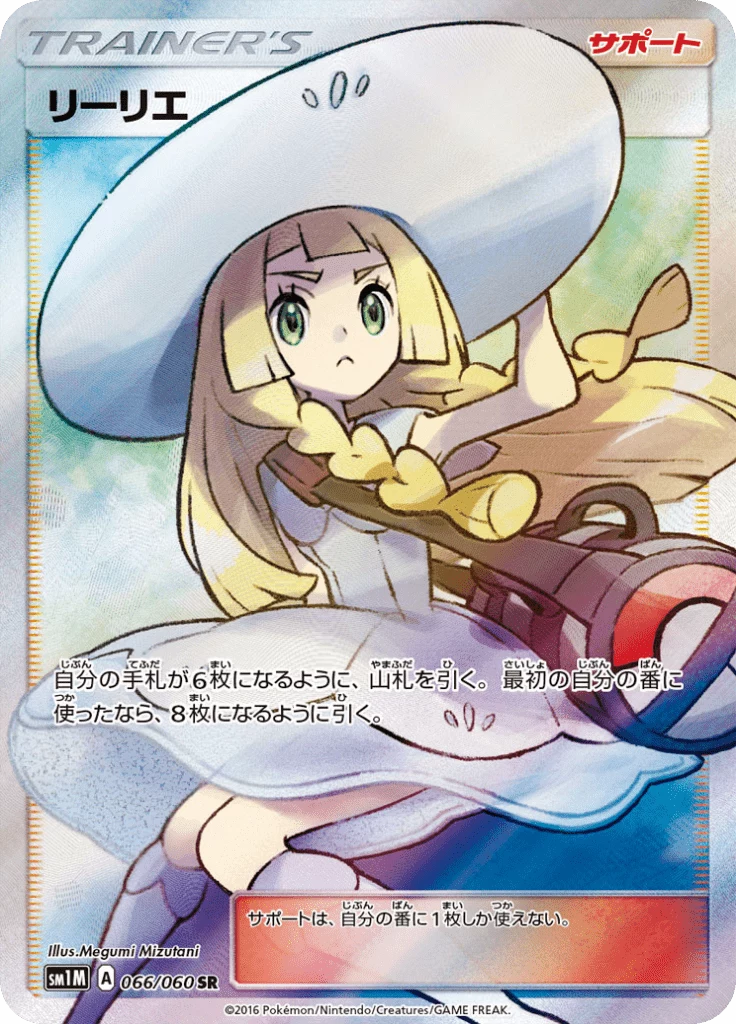
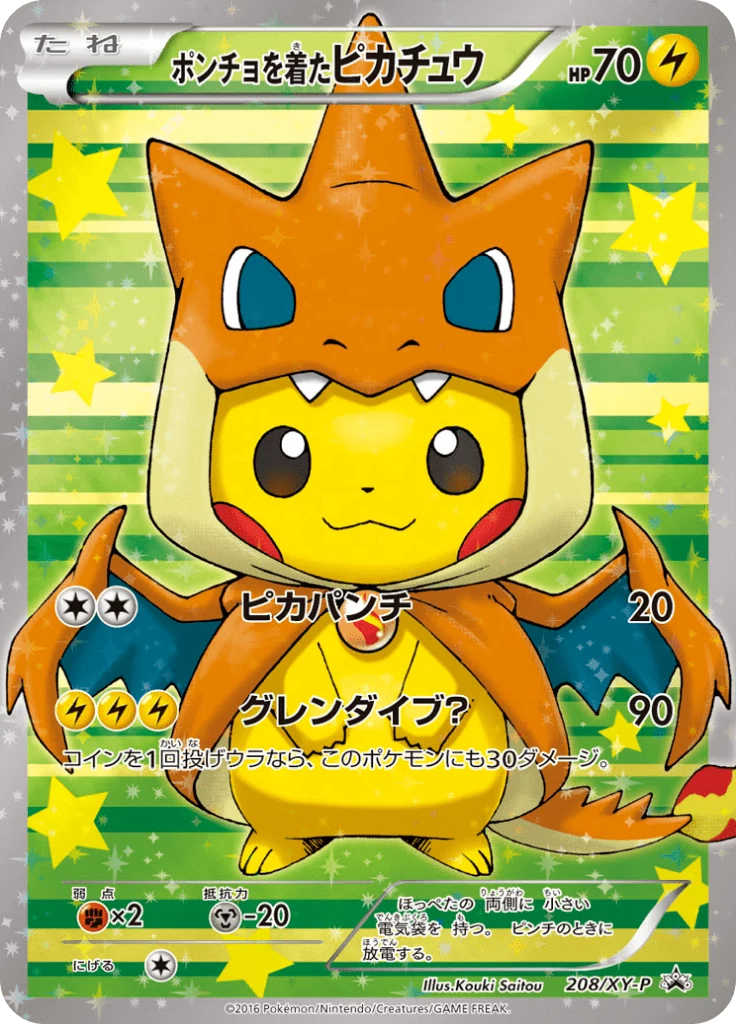
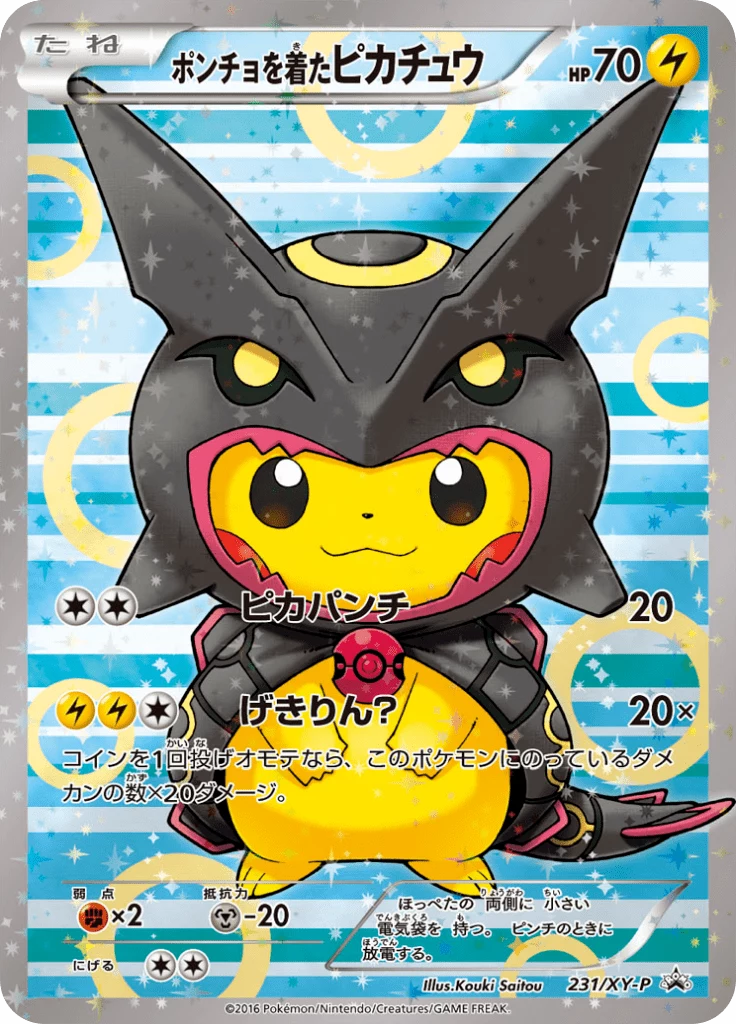
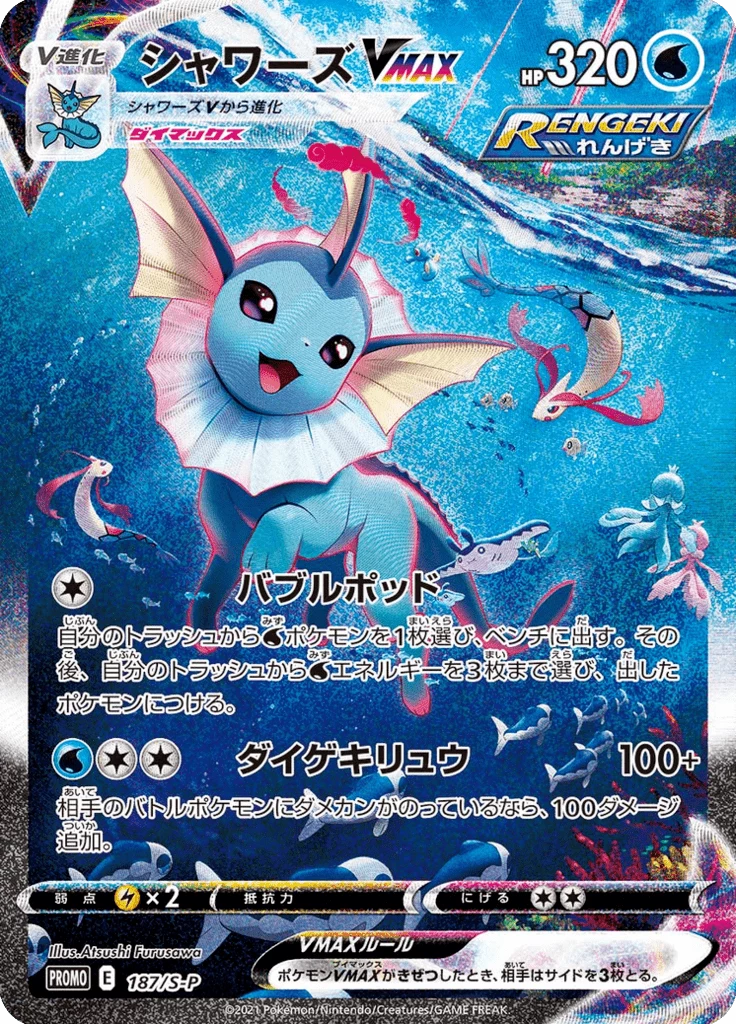
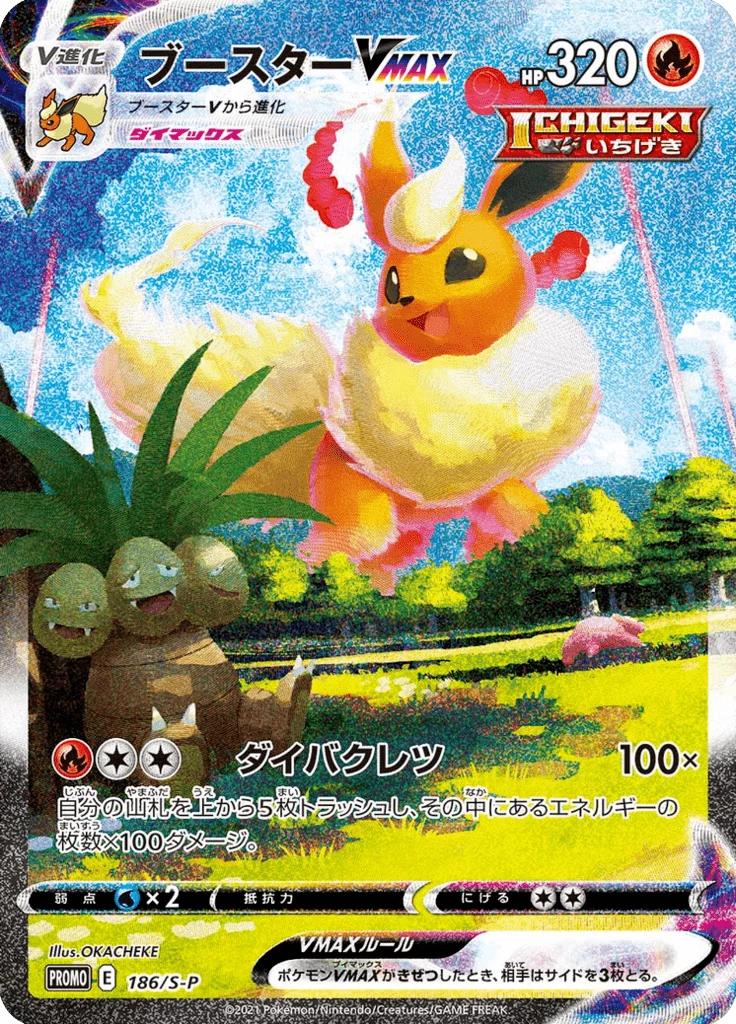
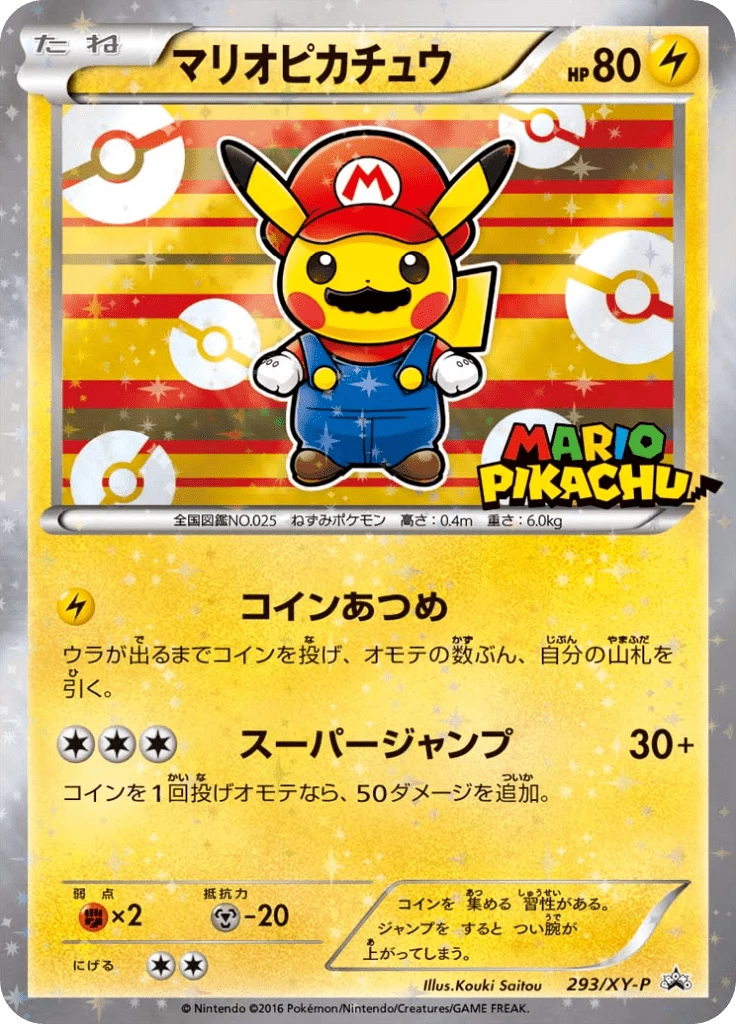
The PSA 10 listings for Pikachu wearing a poncho XY-P 208, XY-P 231, Vaporeon VMAX S-P 187, Flareon VMAX S-P 186 and Umbreon VMAX HR SA 095/069 are not listed at the time of this update, and Mario Pikachu 293/XY-P is sold out at the time of this update — restock requests go through Quick Order. The PSA 10 Lillie 066/060 SR (update: currently sold out — restock requests via Quick Order) is listed at ¥1,484,000 (~$9,636) and the PSA 10 MEGA Gardevoir ex MA 226/193 (update: currently sold out — restock requests via Quick Order) at ¥4,715 (~$31).
- Pikachu wearing a poncho XY-P 208/XY-P is offered as a PSA 10 back order at ¥2,777,731 (~$18,037) — sourced to order; the product page shows the current terms.
- Pikachu wearing a poncho XY-P 231/XY-P is offered as a PSA 10 back order at ¥2,742,569 (~$17,809) — sourced to order; the product page shows the current terms.
- Vaporeon VMAX S-P 187 is offered as a PSA 10 back order at ¥1,037,582 (~$6,738) — sourced to order; the product page shows the current terms.
- Flareon VMAX S-P 186 is offered as a PSA 10 back order at ¥765,705 (~$4,972) — sourced to order; the product page shows the current terms.
- Mario Pikachu 293/XY-P is offered as a PSA 10 back order at ¥1,552,500 (~$10,081) — sourced to order; the product page shows the current terms.
- Lillie SR SM1M 066/060 is offered as a PSA 10 back order at ¥1,259,241 (~$8,177) — sourced to order; the product page shows the current terms.
- Umbreon VMAX HR SA S6a 095/069 is offered as a PSA 10 back order at ¥860,194 (~$5,586) — sourced to order; the product page shows the current terms.
- MEGA Gardevoir ex MA M2a 226/193 is offered as a PSA 10 back order at ¥5,125 (~$33) — sourced to order; the product page shows the current terms.
Where to Buy PSA 10 Pokemon Cards from Tokyo
We ship graded singles from Tokyo by FedEx, and payment is by PayPal or Wise bank transfer.
Three current listings show the range:
- A mid-priced graded single: the PSA 10 Ash’s Pikachu GX 005/026, currently listed at ¥270,000 (~$1,753) (update: currently sold out — restock requests via Quick Order).
- An entry-level graded single: the PSA 10 MEGA Gardevoir ex MA 226/193, currently listed at ¥4,715 (~$31) (update: currently sold out — restock requests via Quick Order).
- A back order: the Charizard V SR SA S9 103/100 is offered as a PSA 10 back order at ¥51,846 (~$337) — sourced to order; the product page shows the current terms.
The card list hub links set listing pages, so you can see which prints we carry before you order. Sourcing requests for a specific card go through Quick Order. For the grading side, see Japanese Pokemon cards for PSA grading in 2026, the Bubble Mew PSA 10 guide and PSA 10 cards between ¥30,000 and ¥100,000, and for the way PSA lines up against other graders read Pokemon card grading companies compared.
Frequently Asked Questions
What does PSA 10 mean on a Pokemon card?
PSA 10 is the highest numerical grade on PSA’s 10-point condition scale. PSA support identifies corners, edges, surface and centering as assessment categories. Authentic and Authentic Altered are non-numeric results rather than grades, so a PSA 10 label is a numeric Gem Mint result on that same scale.
How many grades are on the PSA grading scale?
PSA uses a 10-point scale, with 10 as the highest numerical grade. Its support article distinguishes numerical condition grades from non-numeric outcomes. Authentic and Authentic Altered are examples of designations without a numerical grade; PSA does not encapsulate cards it deems N4: Questionable Authenticity.
Do PSA grades average across corners, edges, surface and centering?
No. PSA’s support article says grades do not average out. Its printed example is a card with corners assessed at a 6 and surface at an 8, which receives a final grade of 6. The lowest assessed attribute typically dictates the overall grade, and at least two independent PSA graders evaluate each card.
What is the difference between a PSA 10 and a PSA 9?
They are different numerical results on PSA’s condition scale. A 10 is above a 9, but the number alone does not identify which attribute affected an individual card. PSA’s printed example: corners assessed at a 6 and surface at an 8 give a final grade of 6, because the lowest assessed attribute typically dictates the overall grade.
Does PSA grade Japanese cards the same way as English cards?
PSA says its grading standards do not differ by country or facility, and PSA Japan follows the standards set by the US head office. A Japanese slab is therefore read on the same scale, and each listing names its exact card by name, set code and number.
What does Authentic mean on a PSA holder?
Per PSA Japan’s FAQ, Authentic means only that the card is genuine and says nothing about its condition. Authentic Altered is a genuine card with alteration such as trimming, re-coloring or cleaning, which can be authenticated but not graded. PSA will not encapsulate cards it deems N4: Questionable Authenticity under any circumstances.
How do I verify a PSA certification number?
Per PSA’s support article, scan the PSA label or QR code with the PSA App, or enter the Certification ID under Text Search. On the website, use Cert Verification in the Research section. The lookup shows the certification details PSA recorded, so compare the grade and card on screen with the slab in the listing photos.
Can I buy PSA 10 Pokemon cards directly from Tokyo?
Yes. We ship PSA 10 graded singles from Tokyo by FedEx, and payment is by PayPal or Wise bank transfer. Choose the exact print on its product page, such as the PSA 10 Ash’s Pikachu GX 005/026 at ¥270,000 (~$1,753) (update: currently sold out — restock requests via Quick Order). Sourcing requests for a specific card go through Quick Order.
Picked for this article

📩 Get member-only sale alerts & coupons
Sale alerts, coupons and restock notices by email — straight from Tokyo.
![How to Buy Japanese Pokemon Cards Wholesale from Japan [2026 Guide]](https://samuraiswordtokyo.com/wp-content/uploads/2026/08/featured-how-to-buy-japanese-pokemon-cards-wholesale-1-768x403.webp)