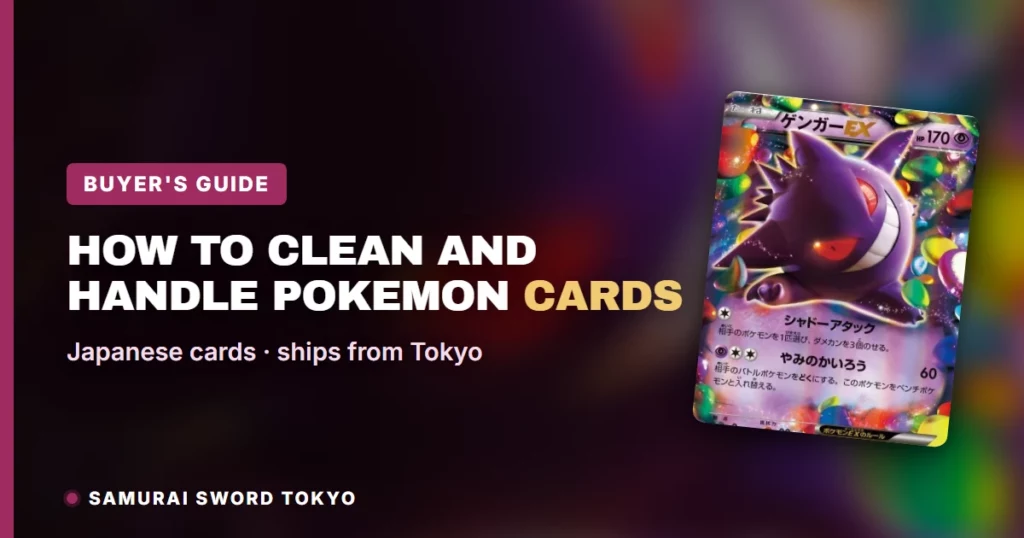
The short answer is: you don’t clean a Pokemon card, you dust it. PSA’s own grading standards treat cleaning — solutions, sprays, wax, whitened borders — as grounds to reject a submission outright, and PSA’s own pre-submission advice stops at a soft, dry cloth. Everything else that protects a card’s condition comes down to handling, sleeve size and storage, not cleaning products.
This guide sets out exactly what PSA’s own rules allow before a submission, the standard card dimensions that determine which sleeves and toploaders actually fit, and the storage conditions that keep a raw card in grading-ready shape over time — plus where already-graded examples fit in if you’d rather not take the risk on a card at all.
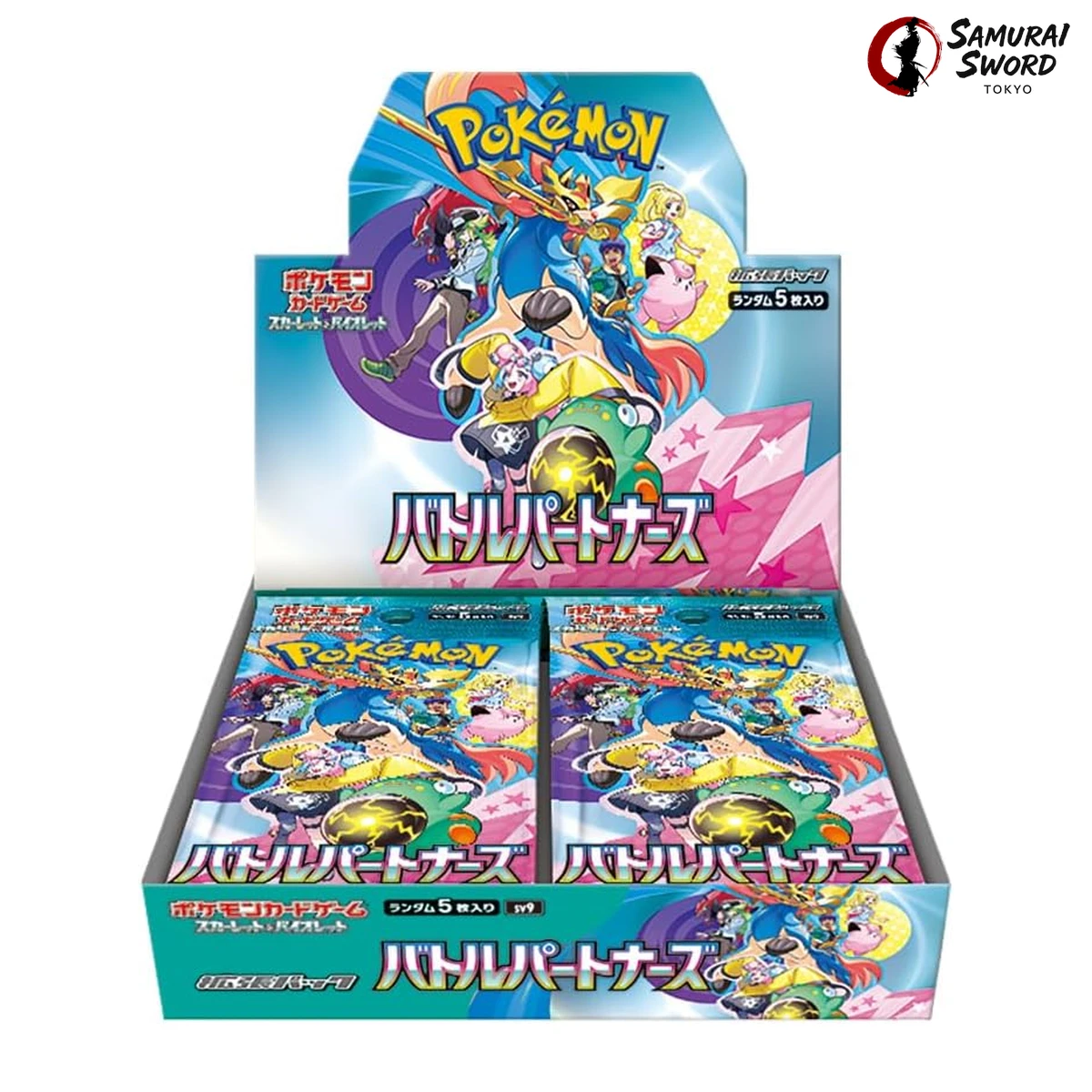
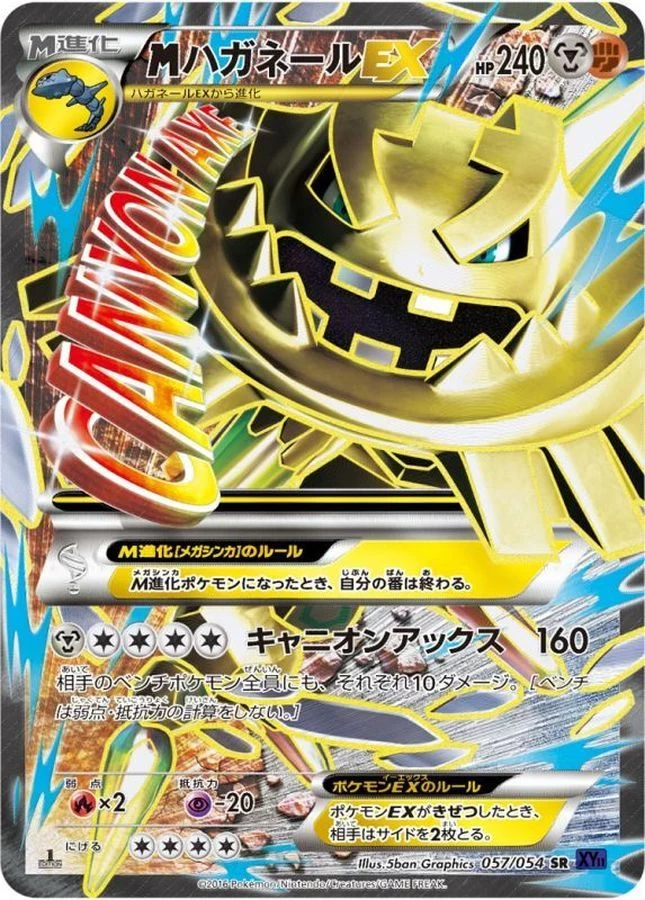
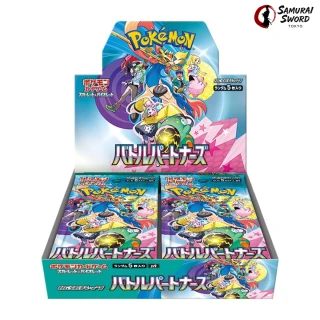
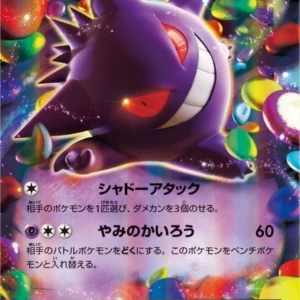
PSA will not grade a card that shows evidence of cleaning — whitened borders, a solution used to lift wax, candy, gum or tobacco stains, or any foreign substance applied to the surface. Its own pre-submission guidance is a soft, dry, lint-free cloth to remove dust and smudges, nothing wet or chemical. If you’d rather skip the decision entirely on a high-value card, a PSA 10 Gengar VMAX 020/019 SA, currently listed at ¥442,640 (~$2,784), or a sealed SV9 Battle Partners booster box, currently listed at ¥10,094 (~$63), both arrive with that question already settled.
Yen figures convert at ¥159/USD (September 2026). Prices are a September 2026 store snapshot — check the linked listing for the current number before ordering.
What Counts as “Cleaning” — and Why PSA Won’t Grade It
Per PSA’s own official grading standards, PSA will not grade a card that shows evidence of cleaning. That definition covers three specific things:
- Whitened borders — edges or corners that have been touched up or bleached to look sharper than they are.
- Using a solution to remove wax, candy, gum or tobacco stains from the surface.
- Applying any foreign substance to the card — including cleaning sprays or wax — to alter its appearance.
PSA’s stated position is that a submission showing any of the above risks rejection, regardless of how the card otherwise looks. That makes the decision simple: nothing you do to “improve” a card’s surface before submission is worth the risk of it coming back unable to be graded at all.
For the full submission process this feeds into, see our Japanese Pokemon card grading guide.
Safe Handling: The Only Method PSA Recommends
PSA’s own pre-submission guidance is short on purpose: use a soft, lint-free, dry cloth to remove dust or smudges from the card surface. That’s it. No cleaning solutions, no liquids of any kind — PSA notes these can damage the card, on top of counting as cleaning evidence under the standards above.
In practice, that means:
- Handle the card by its edges wherever possible, rather than pressing on the face.
- Keep hands clean and dry before touching a raw card.
- If dust or a light smudge is visible, wipe gently with a dry, soft, lint-free cloth — nothing else.
- If a mark won’t come off with a dry cloth, leave it. Attempting to remove it with anything wet or chemical is the exact scenario PSA’s standards flag.
The safest handling rule is also the simplest one: less intervention, not more.
Card Size and Why It Matters for Sleeves and Toploaders
Getting the right protective gear matters as much as handling technique, and that starts with knowing the correct dimensions. Pokemon TCG cards use the standard trading-card size:
| Measurement | Imperial | Metric |
|---|---|---|
| Card width × height | 2.5 in × 3.5 in | 63.5mm × 88.9mm |
This size is what standard-size sleeves and toploaders are built around, and it’s consistent across Japanese and English Pokemon TCG prints — a Japanese card and its English counterpart fit the same sleeve. The claim that this size has been unchanged since the game’s 1996 launch is widely repeated in the hobby community, but we haven’t been able to confirm it against a single Pokemon Company-published specification, so treat it as commonly reported rather than officially verified.
Buying the correctly sized sleeve or toploader before you handle a raw card at all removes most of the risk that leads to bent corners, surface scuffs or the kind of edge wear that shows up as whitening — the same whitening PSA flags as cleaning evidence if it’s later touched up.
Storage Conditions: Temperature, Humidity and Light
General collectible-card storage guidance — not a Pokemon Company or PSA-published spec, but standard hobby-preservation practice — recommends keeping cards at roughly 65–72°F (18–22°C) and 40–50% relative humidity. Direct sunlight and other UV exposure should be avoided, since UV fades ink and degrades card surfaces over time.
These conditions apply to raw cards, graded slabs and unopened sealed product alike. A booster box sitting in a hot, humid or sun-exposed spot ages the same way a loose card does, even though nothing inside has been touched.
None of this requires special equipment. A cabinet or drawer out of direct light, away from an exterior wall or a window that gets afternoon sun, covers most of the range above in an ordinary home.
Handling Already-Graded (Slabbed) Cards
Once a card has been graded, it’s sealed inside a tamper-evident holder, and the cleaning question is moot — there’s no surface left to clean without breaking the seal, which would void the grade entirely. Handling a graded slab is closer to handling any sealed hard case:
- Handle the holder by its edges, not by pressing on the label window or the card window.
- Avoid stacking slabs with heavy weight on top, which can stress or crack the plastic case over time.
- Store slabs under the same temperature, humidity and light guidance as raw cards, since UV and heat affect the plastic holder as well as the card inside it.
See our guide to what a PSA 10 actually means for how the grade itself is determined before a card ever reaches this stage.
Buying Already-Graded Japanese Cards Instead of Cleaning Raw Ones
Because cleaning evidence can end a submission before it starts, and because surface treatment can create additional grading issues, buying an already graded card avoids the need to clean or submit that copy yourself. The following graded cards are currently listed on our site:
- PSA 10 Gengar VMAX 020/019 SA, currently listed at ¥442,640 (~$2,784).
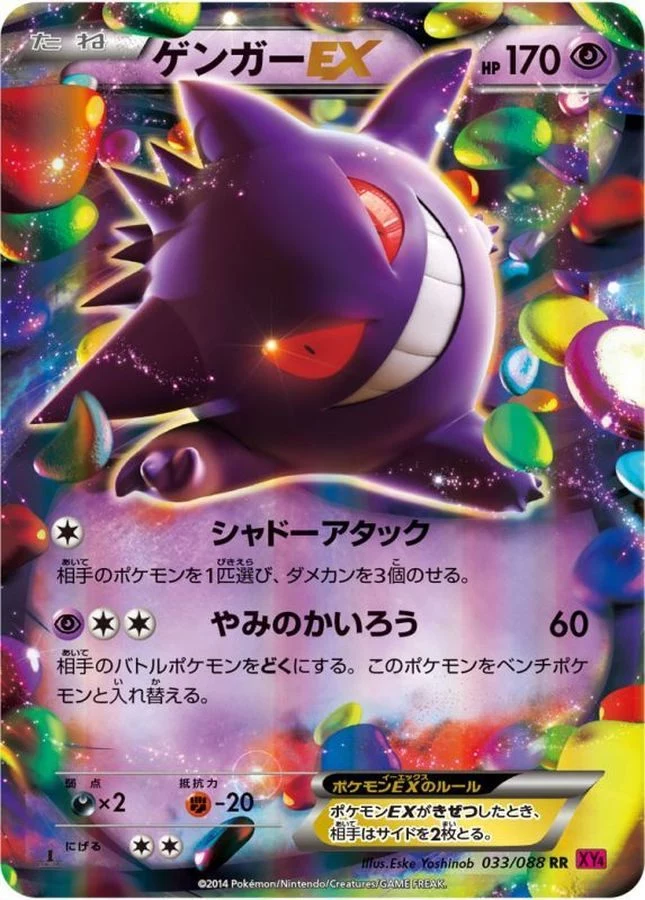
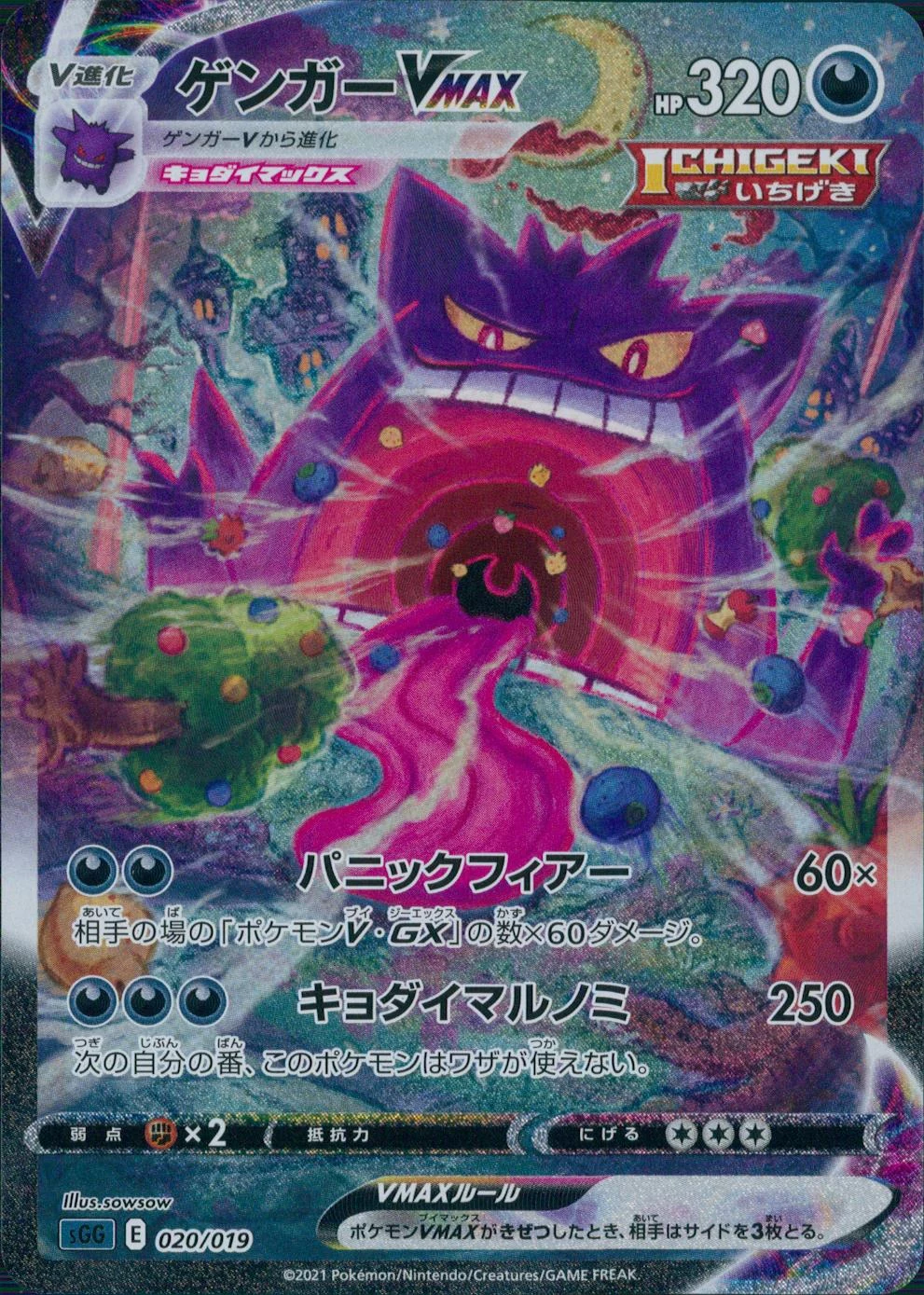
- PSA 10 Gengar EX RR, XY4 033/088, Expansion Pack “Phantom Gate”, currently listed at ¥366,666 (~$2,306).
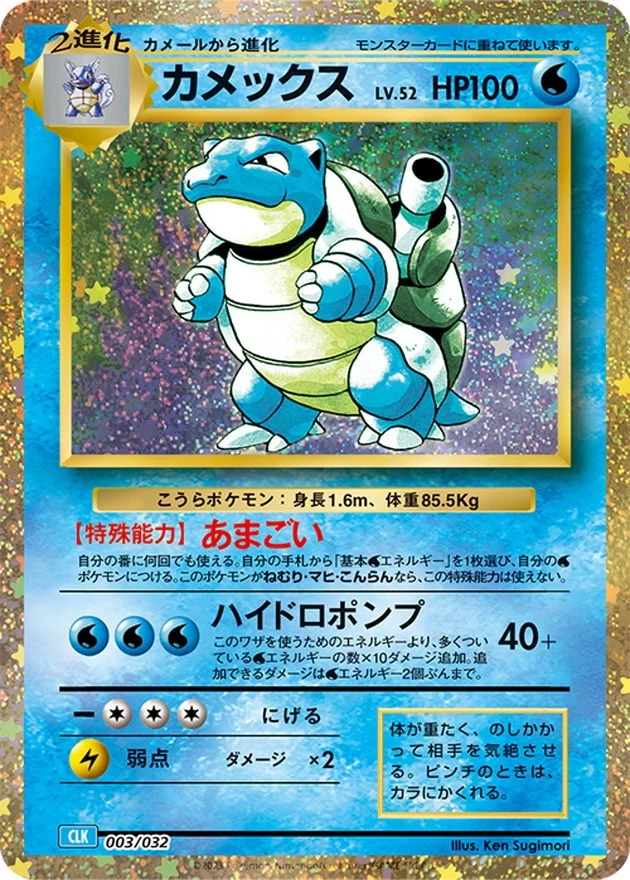
- PSA 10 Blastoise 003/032, currently listed at ¥18,128 (~$114).
- If you’d rather start from sealed product and open your own cards, the SV9-Battle Partners Japanese booster box is currently listed at ¥10,094 (~$63).
Browse the full range in our PSA 10 graded card collection or the Pokemon booster box collection. For rarity context once you’re comparing graded listings, see our Japanese rarity guide for graded buyers, and for sourcing a specific print not shown here, our guide to where to buy Japanese Pokemon cards online covers the options, with sourcing requests handled through Quick Order.
Frequently Asked Questions
Can I clean a Pokemon card before sending it to PSA for grading?
No. Per PSA’s official grading standards, PSA will not grade a card that shows evidence of cleaning — including whitened borders, using a solution to remove wax, candy, gum or tobacco stains, or applying any foreign substance to the surface.
What does PSA recommend for removing dust from a card?
A soft, lint-free, dry cloth — nothing else. PSA’s own pre-submission guidance stops there; it advises against cleaning solutions or liquids of any kind, since these can damage the card.
What size are Pokemon cards, and why does it matter?
Pokemon TCG cards use the standard trading-card size of 2.5in x 3.5in (63.5mm x 88.9mm), consistent across Japanese and English prints. Knowing this is what lets you buy correctly fitting sleeves and toploaders instead of gear that’s slightly too tight or too loose.
What temperature and humidity should I store Pokemon cards at?
General collectible-card storage guidance recommends roughly 65–72°F (18–22°C) and 40–50% relative humidity, kept out of direct sunlight or other UV exposure, which fades ink and degrades surfaces over time.
Does cleaning a card ever help its PSA grade?
No. PSA’s stated position is that a submission showing any evidence of cleaning risks rejection outright, regardless of how the card otherwise looks. There is no cleaning method that improves or protects a grade.
How should I handle a card that’s already been graded by PSA?
A graded card is sealed inside a tamper-evident holder, so there’s no cleaning to do — and opening the holder would void the grade. Handle the case by its edges, avoid stacking weight on top of it, and store it under the same temperature, humidity and light guidance as a raw card.
Free and discounted shipping, by delivery country
- Each delivery country has its own qualifying amount and its own coupon code.
- Each paid campaign order unlocks the next step for your account.
- Sign in, or choose "Create account: Yes" at checkout, to use a campaign code.
The coupon code, the minimum order and the shipping benefit all depend on your delivery country — open the campaign page for the terms that apply to you. The minimum is the product subtotal only: shipping, tax and any other discount are not counted towards it. The campaign ends September 10, 2026 23:59 Japan time (September 10, 2026 14:59 UTC); the codes stop working at that moment. Coupons cannot be applied to pre-order items. Add an in-stock item to use a coupon. Import duties, taxes and customs charges are not included in the price and are collected on delivery, except for destinations we ship duty-paid.
Picked for this article
📩 Get member-only sale alerts & coupons
Sale alerts, coupons and restock notices by email — straight from Tokyo.