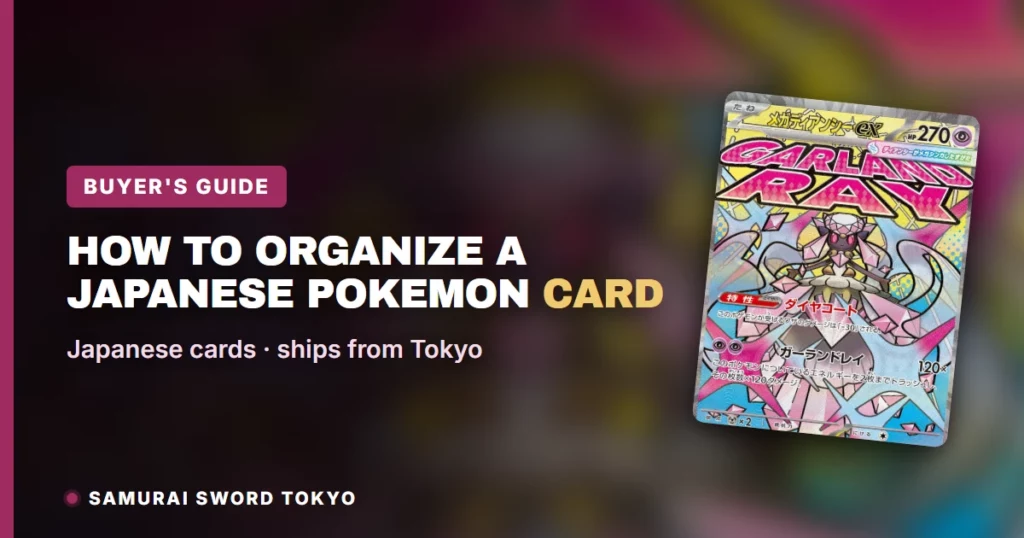
Organize a Japanese Pokemon card collection around three axes — official set code, rarity tier, and era — and everything else follows: which sleeves fit, how binder pages fill up, and where a new card slots in. Skip a system and a growing pile of packs, boxes and singles turns into a drawer you can’t navigate.
This guide walks through each sorting method with real set codes and rarity letters, covers the supply sizing that makes cross-era and cross-language storage work, and closes with the storage-environment and handling basics that matter before a card ever reaches a sleeve.
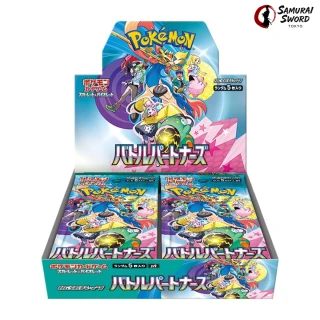
Japanese sets are catalogued by alphanumeric set code (SV9, S8b, CP6) rather than release date alone, and the modern JP rarity ladder runs from C/U/R up through RR, AR, SAR and UR, with set-specific tiers like SR, HR, CSR, CHR and MA layered on top. Standard-format cards in the line — vintage or modern — use the same 2.5 in × 3.5 in (63.5mm × 88.9mm) footprint, which is why the same sleeves and binder pages work across sets. If you’re starting an era shelf, our SV9 Battle Partners booster box is currently listed at ¥10,094 (~$63), and a graded vintage anchor like the PSA 10 M Charizard EX RR :1ED is currently listed at ¥147,070 (~$925).
Three Ways Collectors Organize a Japanese Collection
Most working systems for a Japanese Pokemon collection come down to one of three axes, and they aren’t mutually exclusive — a lot of collectors run two at once (set code within a binder, rarity tier for the graded shelf).
- By official set code — the alphanumeric code used for the set (SV9, S8b, CP6) rather than a release year, since “2026 sets” isn’t specific enough to be useful.
- By rarity tier — the letter code printed near the card number (C, U, R, RR, AR, SAR, UR, plus set-specific tiers), which groups cards by print treatment rather than by set.
- By era — a broader, collector-defined split such as XY and earlier versus Sun & Moon onward, useful once a collection spans more than a few years of releases.
The next three sections break down each system with real examples.
Sort by Official Set Code
Japanese Pokemon sets can be filed by short alphanumeric codes — SV9 (Battle Partners), S8b, or CP6 for the 20th Anniversary concept pack, for example. Our own product catalog keys sets the same way, making the code a more precise filing label than a year alone.
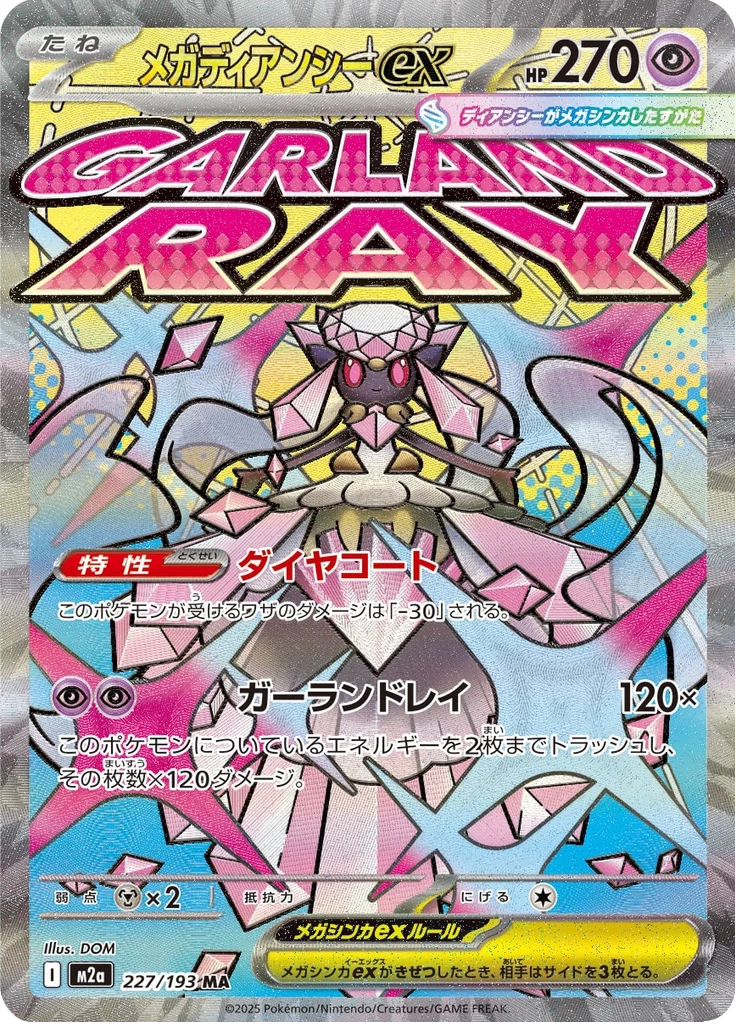
Sorting by set code works well in binders because it mirrors how the cards were printed: cards from M2a sit together regardless of when you personally acquired them, and the code doubles as a search term when you’re trying to identify a card or find it again in your own records. It’s also a reliable axis for cross-referencing against outside sources, since set codes are used consistently whether you’re checking a product listing, a set list, or a print reference.
| Set code | What it tells you |
|---|---|
| SV9 | Scarlet & Violet-era mainline set (Battle Partners) |
| S8b | Sword & Shield-era release |
| CP6 | Concept pack #6, the 20th Anniversary release |
Sort by Rarity Tier
The second common axis is rarity tier — the letter code that sits near the card number. The modern Japanese ladder runs from common through several secret-rare-level tiers, and individual sets layer on their own additional codes for special print treatments:
| Tier code | Where it sits |
|---|---|
| C / U / R | Common / Uncommon / Rare — base tiers |
| RR | Double Rare |
| AR | Art Rare |
| SAR | Special Art Rare |
| UR | Ultra Rare |
| SR / HR / CSR / CHR | Set-specific secret-rare-level tiers used in particular sets |
| MA | Set-specific top tier used in particular sets |
That’s twelve tier codes across the base ladder and the set-specific additions. Organizing by rarity tier is the natural axis for a graded shelf, since a PSA 10 slab is usually displayed or discussed by its tier as much as by its set. Our own PSA 10 MEGA Diancie ex MA 227/193 (update: currently sold out — restock requests via Quick Order), currently listed at ¥5,465 (~$34), is a working example of an MA-tier card — the top rarity code used in its set.
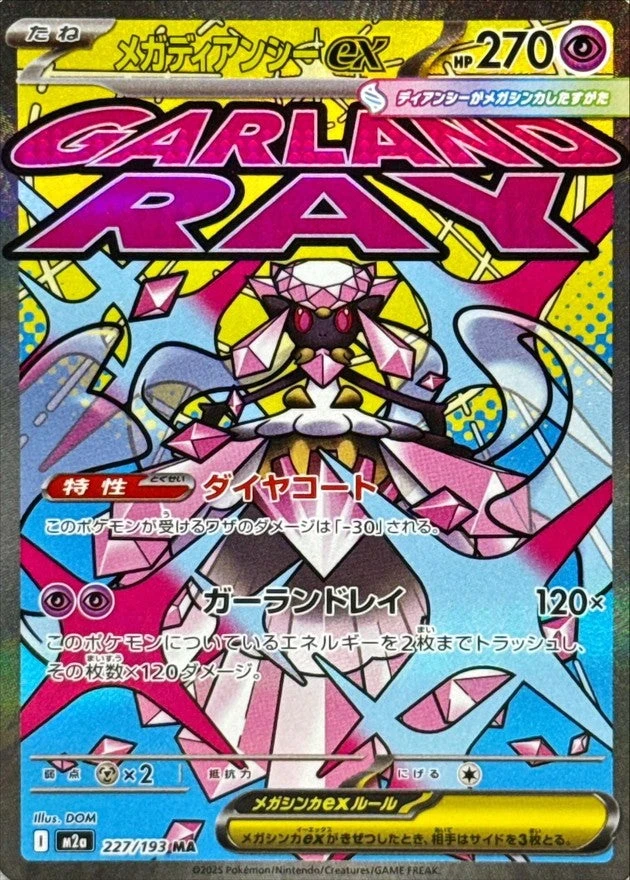
A rarity-tier shelf reads well precisely because it groups by print treatment rather than by set, so an AR from one set sits next to an AR from another and the visual step-up between tiers is obvious at a glance.
Sort by Era: Vintage vs Modern
Once a collection spans more than a couple of years, a broader era split can help: for example, XY and earlier versus Sun & Moon onward. This is a collector-defined filing convention rather than an official boundary, so consistency matters more than the exact dividing line.
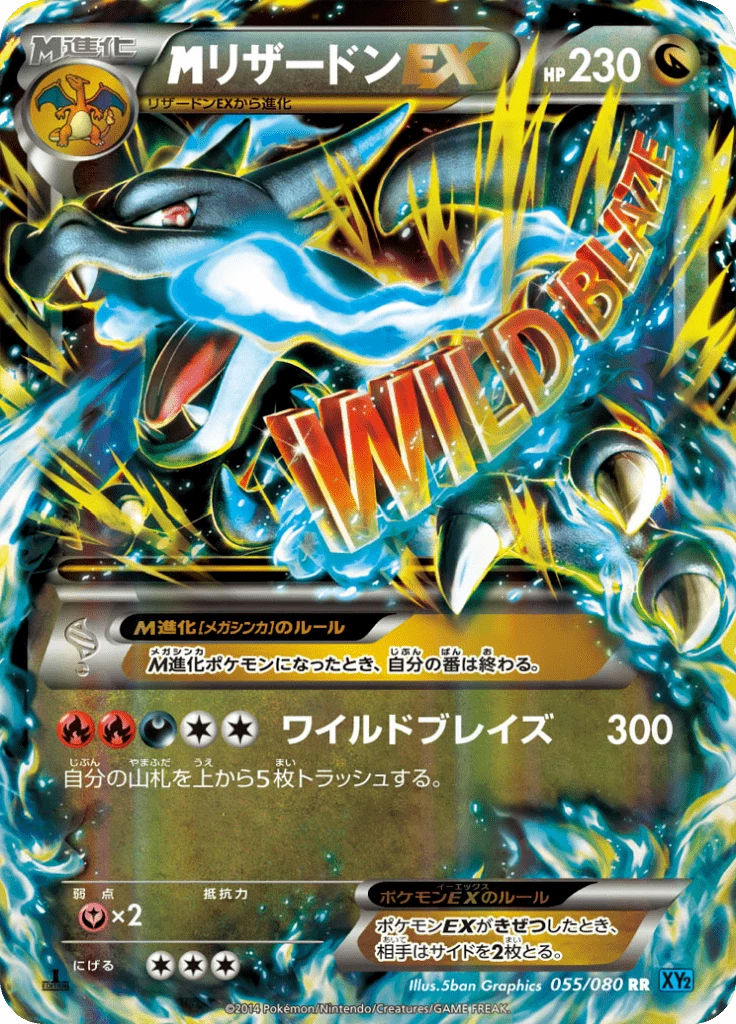
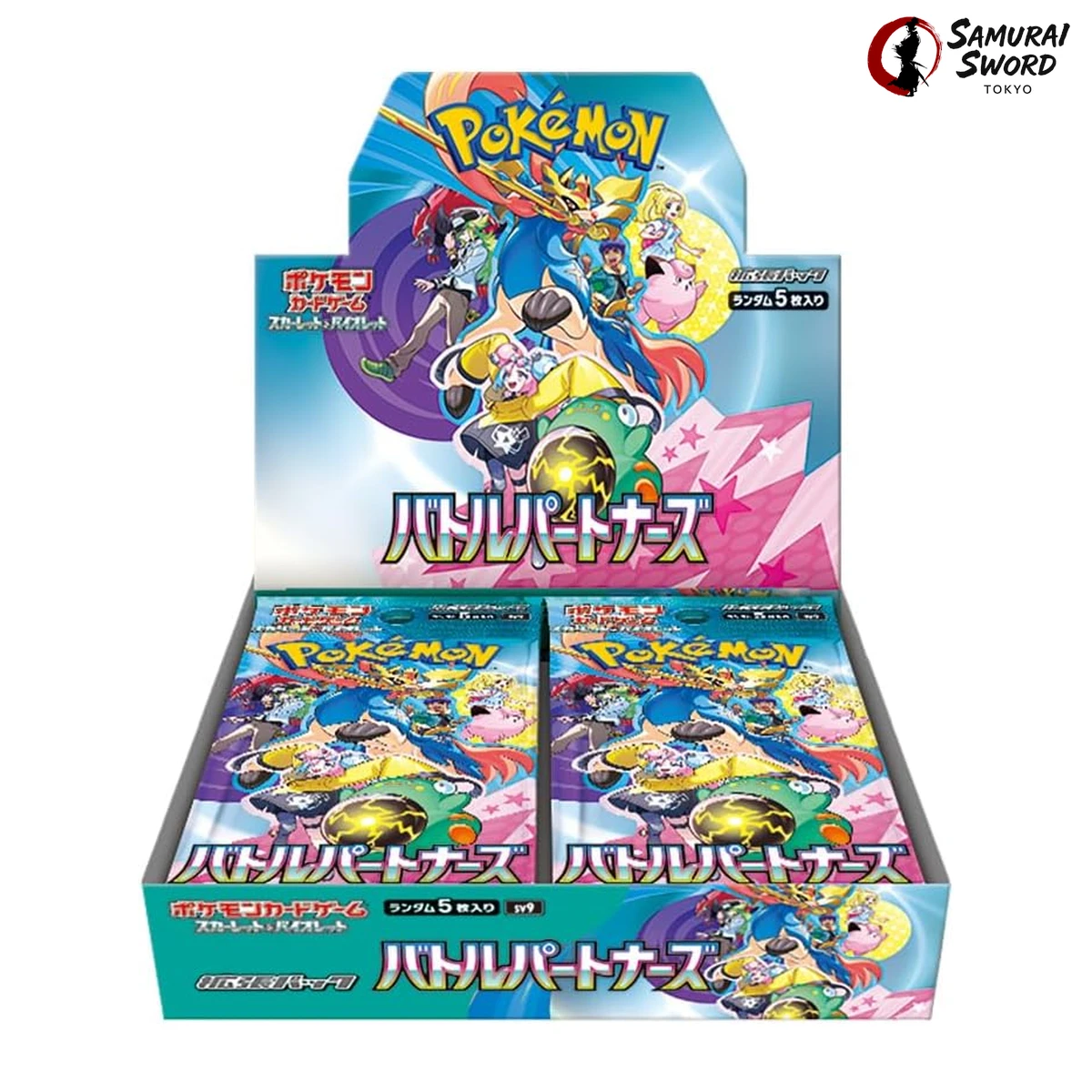
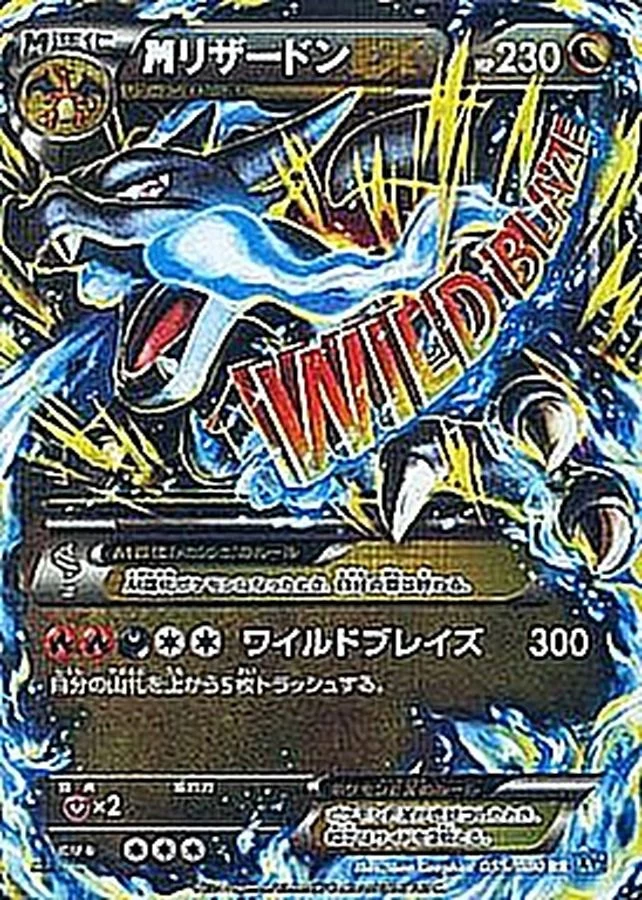
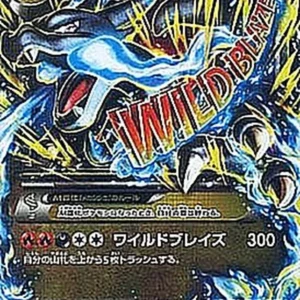
The XY2 “Wild Blaze” 1st Edition print above sits on a vintage shelf; a modern SV-era product like SV9 sits on the other end. Neither shelf needs to be exact about years — the split just needs to be consistent enough that you always know which side a new card or box lands on. A vintage shelf built around a card like our PSA 10 M Charizard EX RR :1ED [XY2 055/080], currently listed at ¥147,070 (~$925), and a modern shelf built around a booster box like the SV9 Battle Partners box, currently listed at ¥10,094 (~$63), is a straightforward two-shelf starting point.
Sleeves, Binder Pages and Toploaders That Fit
Standard-format Pokemon cards, regardless of era or language, use a trading-card size of 2.5 in × 3.5 in (63.5mm × 88.9mm). That’s the reason a single sleeve or binder-page spec works across a mixed Japanese collection spanning vintage and modern sets — you’re not buying different supplies per era or per set. This dimension is a widely used vendor reference for the trading-card industry rather than a published Pokemon Company spec, but it’s the figure the sleeve and binder-page market is built around.
In practice, that consistency is what makes the set-code and rarity-tier binders above physically workable: a page sized for a modern SV card holds a vintage XY card without gaps. Raw cards should be sleeved before going into a standard card toploader; graded slabs instead need slab-sized sleeves, cases, or storage boxes.
Storage Environment and Handling Basics
Before a card goes into a sleeve or binder page, two general handling points are worth knowing:
- Environment — general collectible-card storage guidance (not Pokemon- or PSA-specific) recommends roughly 18–22°C (65–72°F), 40–50% relative humidity, and keeping cards out of direct sunlight and UV exposure. This is broad hobby-preservation practice rather than an official rule tied to any particular set or print.
- Don’t attempt to clean a card — PSA’s published grading standards state that PSA will not grade cards showing evidence of cleaning. If a card might ever go to grading, leave surface marks alone rather than trying to fix them before it’s submitted.
None of the systems above — set code, rarity tier, or era — change how a card grades. They’re organizational tools for finding a card again, not a factor PSA or any grading company weighs.
Building Each Shelf: Where to Buy from Tokyo
If you’re setting up shelves along the systems above, here’s how our own catalog maps onto them:
- Era shelf, modern side — the SV9 Battle Partners Japanese booster box, currently listed at ¥10,094 (~$63), is sealed SV-era product to start a modern shelf.
- Era shelf, vintage side — the PSA 10 M Charizard EX RR :1ED [XY2 055/080], currently listed at ¥147,070 (~$925), anchors an XY-era vintage shelf already graded and slabbed.
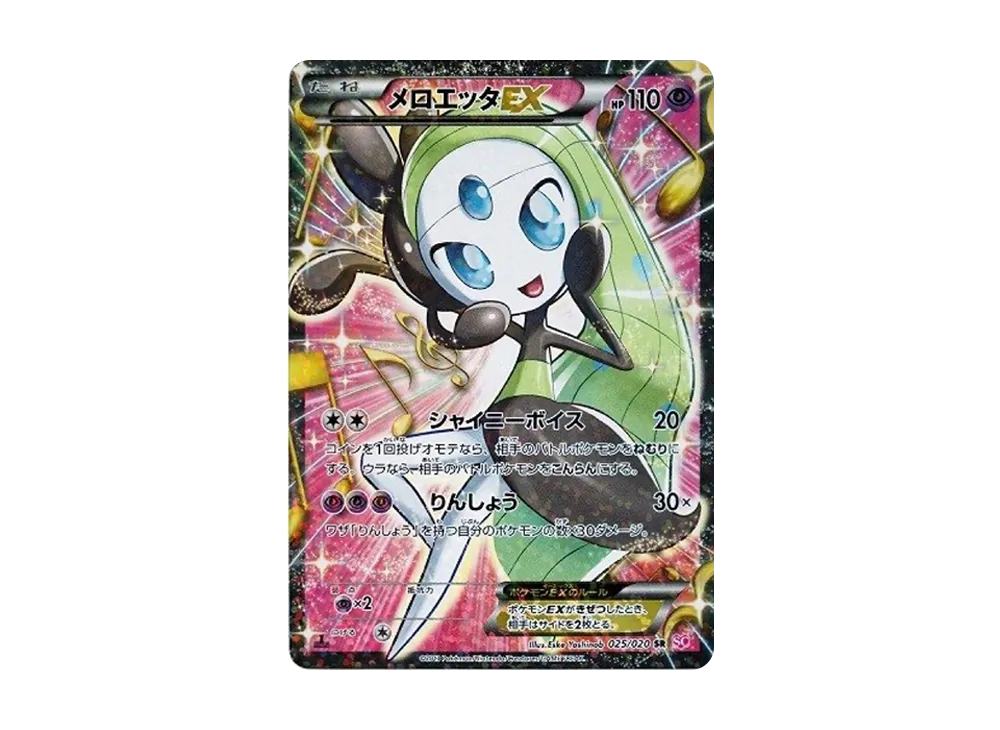
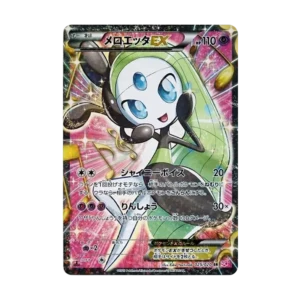
- Concept-pack / limited shelf — the PSA 10 Meloetta EX SR :1ED [SC 025/020] from the Shiny Collection concept pack, currently listed at ¥92,950 (~$585), fits a shelf reserved for limited concept-pack releases rather than mainline sets.
- Rarity-tier shelf — the PSA 10 MEGA Diancie ex MA 227/193 (update: currently sold out — restock requests via Quick Order), currently listed at ¥5,465 (~$34), is a working MA-tier example if you’re building a shelf by rarity code rather than by set.
For our full range of graded singles, browse the PSA 10 graded card collection; for sealed product across sets and eras, see the Pokemon booster box collection. If you’re after a specific set code, rarity tier, or era we haven’t listed here, our Quick Order page is the fastest way to submit a sourcing request. For a deeper dive into how rarity tiers apply to graded buying decisions, see our Japanese Pokemon card rarity guide for graded buyers and our Japanese Pokemon card grading guide. If you’re weighing Japanese versus English print sourcing for a mixed collection, our Japanese vs English Pokemon cards guide covers that comparison, and our guide to buying Japanese Pokemon cards online covers sourcing more broadly.
Frequently Asked Questions
What’s the best way to organize a Japanese Pokemon card collection?
There isn’t a single “best” system — three workable options are sorting by official set code (SV9, S8b, CP6), by rarity tier (C/U/R through RR, AR, SAR, UR and set-specific tiers like SR, HR, CSR, CHR and MA), or by a collector-defined era split such as XY and earlier versus Sun & Moon onward. Many collectors combine two, such as set code within a binder and rarity tier for a graded shelf.
Why do Japanese sets use codes like SV9 or CP6 instead of just a release year?
Japan releases mainline sets and concept packs far more frequently than English-language regions, so a year alone isn’t specific enough. The alphanumeric set code is the identifier used consistently across product listings, set references, and our own catalog.
Do Japanese Pokemon cards fit standard sleeves and binder pages?
Yes. Japanese Pokemon cards are printed to the standard trading-card size of 2.5 in × 3.5 in (63.5mm × 88.9mm), the same size used across eras and languages, so one sleeve and binder-page spec works for a mixed vintage and modern collection.
What temperature and humidity should I store Pokemon cards at?
General collectible-card storage guidance (not an official Pokemon or PSA specification) recommends roughly 18–22°C (65–72°F) and 40–50% relative humidity, kept out of direct sunlight and UV exposure.
Can I clean a card before sending it for grading?
No. PSA’s published grading standards state that PSA will not grade cards showing evidence of cleaning. Leave any surface marks alone rather than attempting to fix them yourself.
What are the Japanese Pokemon rarity tier codes, from lowest to highest?
The base ladder runs C (Common), U (Uncommon), R (Rare), RR (Double Rare), AR (Art Rare), SAR (Special Art Rare) and UR (Ultra Rare). Individual sets add their own additional tiers on top, such as SR, HR, CSR, CHR and MA, used for particular print treatments within that set.
Free and discounted shipping, by delivery country
- Each delivery country has its own qualifying amount and its own coupon code.
- Each paid campaign order unlocks the next step for your account.
- Sign in, or choose "Create account: Yes" at checkout, to use a campaign code.
The coupon code, the minimum order and the shipping benefit all depend on your delivery country — open the campaign page for the terms that apply to you. The minimum is the product subtotal only: shipping, tax and any other discount are not counted towards it. The campaign ends September 10, 2026 23:59 Japan time (September 10, 2026 14:59 UTC); the codes stop working at that moment. Coupons cannot be applied to pre-order items. Add an in-stock item to use a coupon. Import duties, taxes and customs charges are not included in the price and are collected on delivery, except for destinations we ship duty-paid.
Picked for this article
📩 Get member-only sale alerts & coupons
Sale alerts, coupons and restock notices by email — straight from Tokyo.