What makes a Pokemon card valuable, and what makes a Pokemon card rare, isn’t one thing — it’s a small set of structural traits the hobby uses to sort one printing from another: the rarity tier printed on the card, whether it carries full-art illustration work, its print run or edition marking, and whether a third-party grader has certified its condition. None of these traits is a price tag on its own. They’re the categories collectors, graders and the secondary market all use to describe which card they mean before anyone talks about what it’s worth.
This guide breaks down those traits on their own terms — what the rarity ladder actually says, why full-art tiers exist as a separate print style, how 1st Edition stamping worked, what a PSA grade certifies, and how a card’s distribution channel (retail pack versus promo) is a further axis on top of those four. If you want a priced ranking of specific cards instead, see our Most Valuable Japanese Pokemon Cards 2026 guide; this article stays structural, with no price rankings. For the rarer end of the ladder see Hyper Rare Pokemon cards (UR & HR) and MA rare Pokemon cards.
Store prices and availability were checked on October 15, 2026. The lowest SNKRDUNK asking prices in the worked examples remain dated October 8, 2026; the other facts in this article were last checked on September 4, 2026. Browse the set pages published on the card list hub.
Several structural traits sort one Pokemon card printing from another: rarity tier (the printed letter code, from Common up through Ultra Rare and the newer Mega-era MA tier), art treatment (an illustration across the card versus a conventional artwork panel), print run / edition marking (1st Edition stamping ran 2001–2016 in Japan), third-party grade (a PSA 10 certifies Gem Mint condition under PSA’s own standards), and distribution mechanism (retail pack versus promo release). A PSA10 Mega Diancie ex, MA-tier, illustrates rarity, and a PSA10 M Steelix EX SR with a 1st Edition mark carries the print-run trait (the lowest PSA 10 ask on SNKRDUNK on October 8, 2026 stood at ¥31,800) — two different combinations of the same structural traits.
USD figures convert at ¥154/USD, approximate. Listed prices were checked on October 15, 2026 and asks are the lowest asking prices on SNKRDUNK on October 8, 2026 — this article is about the structural traits, not a price ranking of them.
Rarity Tier: Japanese Codes by Era and Set
Most modern Japanese Pokemon cards carry a printed rarity code. C (Common), U (Uncommon), R (Rare) and RR (Double Rare) form a straightforward numbered ladder, per Bulbapedia’s rarity documentation. Above RR, modern Japanese sets use categories defined as much by card type as by rank rather than one single-file order: AR (Art Rare) and SAR (Special Art Rare), alongside codes such as UR, SR, HR, CSR and CHR that vary by era and expansion.
The most recent addition sits above that structure again: Mega-series high-class packs introduced an MA (Mega Attack Rare) tier. That naming is documented in Japanese marketing coverage of the Mega-series packs rather than in a Bulbapedia rarity table, so we’re citing it as marketing-sourced terminology, not an encyclopedia entry.
| Code | Tier name | Where it sits |
|---|---|---|
| C | Common | Base ladder |
| U | Uncommon | Base ladder |
| R | Rare | Base ladder |
| RR | Double Rare | Base ladder |
| AR | Art Rare | Modern set-dependent tier |
| SAR | Special Art Rare | Modern set-dependent tier |
| UR / SR / HR / CSR / CHR | Set-dependent rarity codes | Vary by era or expansion, not present in every set |
| MA | Mega Attack Rare | Mega-series high-class packs only (marketing-sourced naming) |
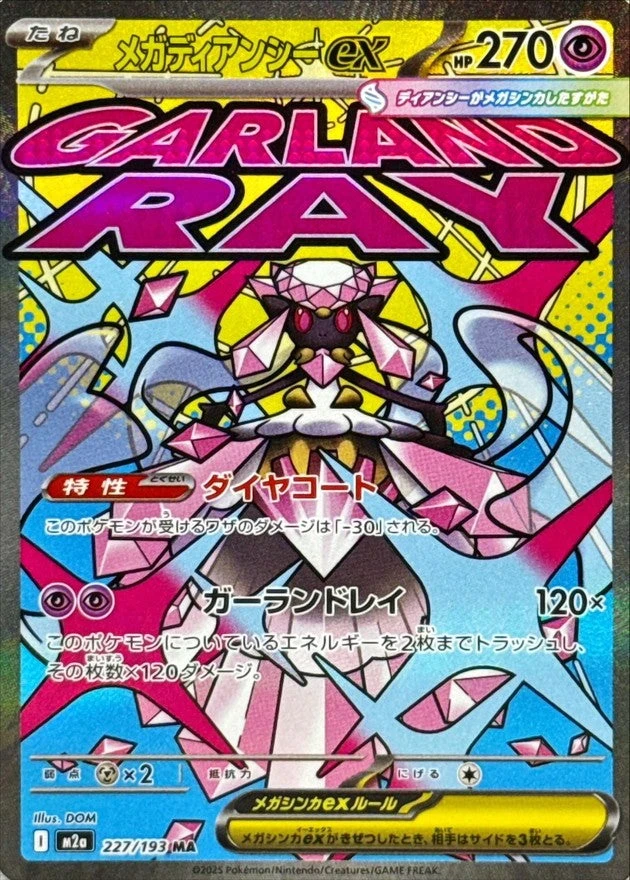
This PSA 10 Mega Diancie ex is sold out at the time of this update — restock requests go through Quick Order. For a deeper walk through how the rarity ladder maps to graded buying decisions, see our Japanese rarity guide for graded buyers.
Art and Illustration: Why Full-Art Tiers Exist
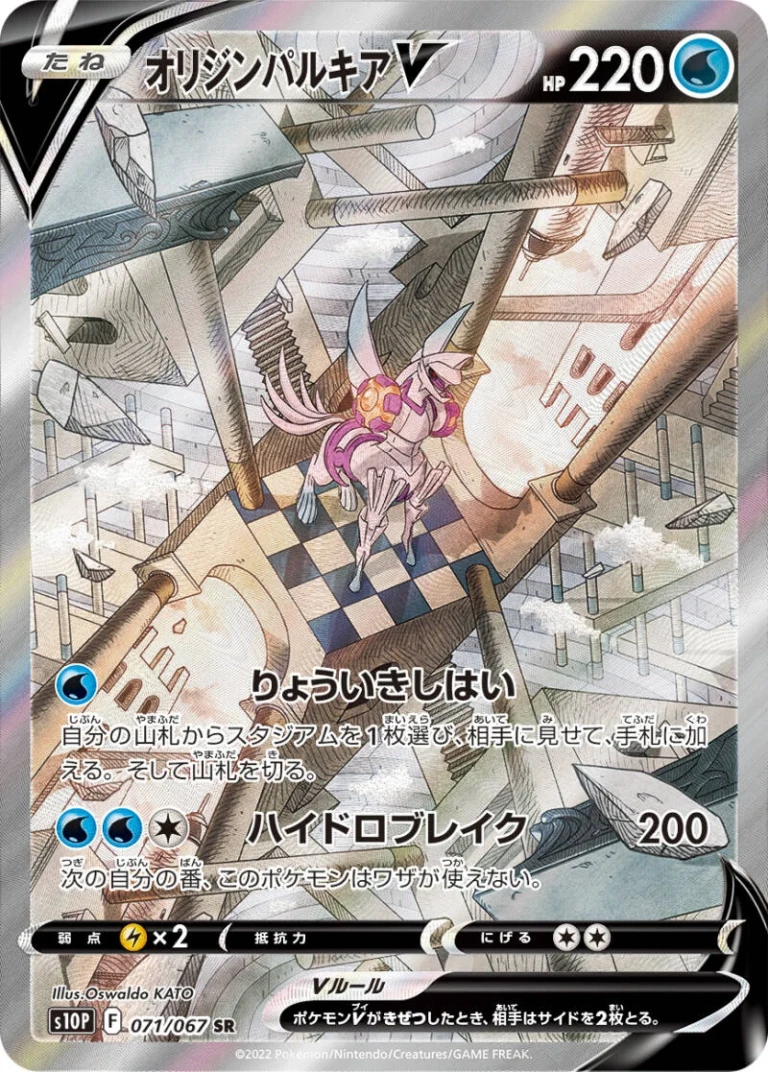
Rarity codes describe a tier; art treatment describes a physical print style, and the two overlap in a specific, structural way. AR and SAR use illustrator-driven artwork across the card, with the attack text, HP and type icons incorporated into the larger illustration. That does not mean every AR or SAR has no outer border. Rare and Double Rare cards, by contrast, retain the conventional bordered artwork panel with the text box underneath it.
That’s the actual structural reason AR and SAR are treated as a separate, illustrator-focused category rather than just “another rarity step up.” The print style is different, not just the rarity code stamped on the card.
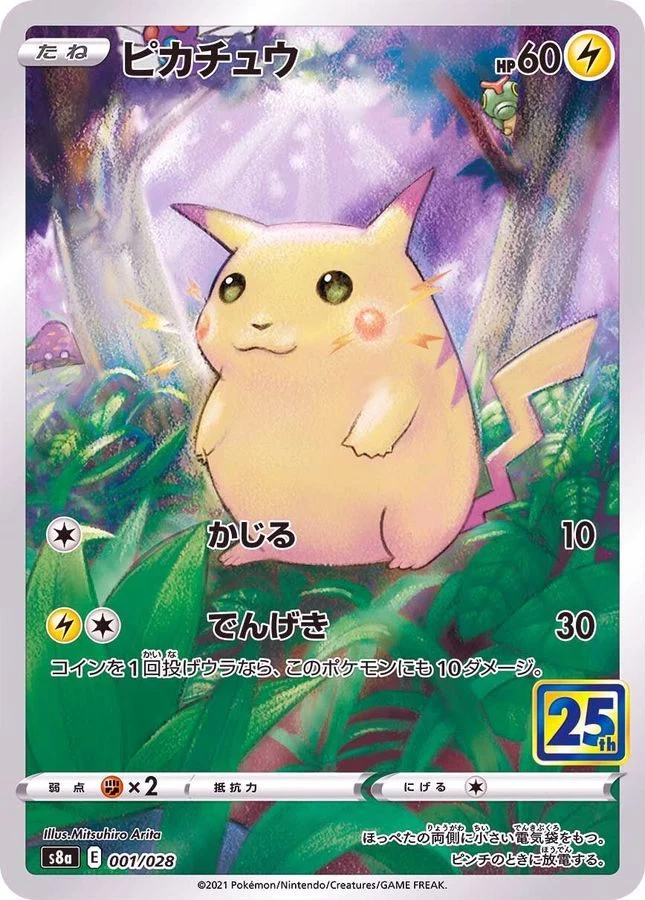
The PSA10 Mirror copy is not listed at the time of this update; the lowest raw ask for the Mirror print on SNKRDUNK on October 8, 2026 stood at ¥4,500. For a closer look at one specific foil/art treatment across sets, see our Master Ball Mirror cards guide.
Print Run: 1st Edition and Unlimited Print Differences
Print run is a separate axis again — it’s not about the rarity code or the art style, it’s about which physical print batch a given copy came from. Japan’s 1st Edition stamp ran from 2001, starting with the Pokemon VS/Web era, through CP6 “20th Anniversary” in 2016, per Bulbapedia’s 1st Edition documentation.
Bulbapedia also notes a structural distribution fact worth knowing if you’re comparing two prints of the same card: the Japanese unlimited (non-1st-Edition) print run for a given set is often smaller than that set’s 1st Edition run. That’s a print-quantity fact about how the set was manufactured, not a claim about what either version is worth.
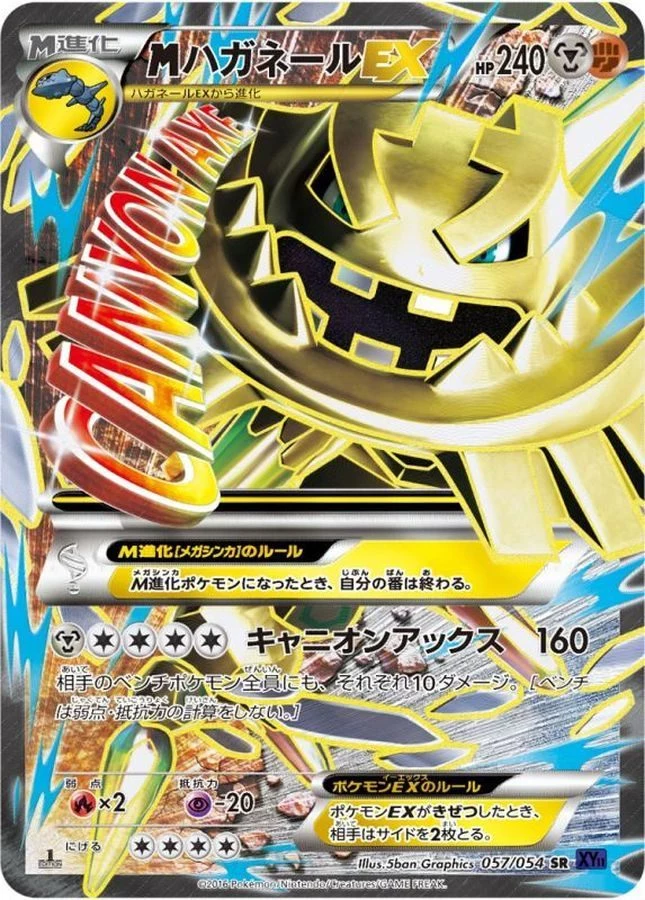
This print is not listed at the time of this update; the lowest PSA 10 ask on SNKRDUNK on October 8, 2026 stood at ¥31,800. For the full mechanics of how the 1st Edition mark works across different eras, see our Japanese 1st Edition Pokemon cards guide.
What Makes a Pokemon Card Rare: Print Run, Rarity Mark and Serial
Rarity in the structural sense is something a card shows on its face. Three marks carry it. The first is the printed rarity code: C, U, R and RR sit on the base ladder, AR, SAR and set-dependent codes such as UR, SR, HR, CSR and CHR mark the higher tiers, and MA belongs to Mega-series high-class packs only. The second is the print run mark: a 1st Edition stamp identifies a copy from a Japanese set’s first print batch (2001–2016), and Bulbapedia notes that the unlimited run is often the smaller one, so the stamp alone does not say which print is scarcer. The third is the serial, the collector number printed on the card: 227/193 places a card inside its set, while a P suffix such as XY-P 144 marks a promo handed out through a campaign instead of retail packs.
None of these marks is a price. They tell you which print a card is, and that is the starting point for judging how rare it is.
Third-Party Grading: What a PSA 10 Actually Certifies
The three traits above are all about the card as printed. Grading is different — it’s a certification of the individual physical copy’s condition, done after the fact by a third-party company. PSA is a third-party authentication and grading company, and a PSA 10 designation specifically means Gem Mint condition, per PSA’s own published grading standards.
One detail from PSA’s own standards is worth knowing before you buy graded: PSA will reject a card that shows evidence of cleaning — coded N7 — rather than assign it a numeric grade at all. That’s a hard line in PSA’s process, not a soft deduction: a cleaned card doesn’t get graded down, it gets sent back ungraded.
Grading is the one trait on this list that applies to the specific physical item in hand rather than to the print run as a whole — two examples of the same rarity, same art treatment and same print run can still receive different grades depending on their individual condition. For more on what the PSA 10 designation covers, see our PSA 10 meaning guide.
Distribution Mechanism: Retail Pack vs Promo Release
Alongside the four traits above, a further structural axis is how the card reached collectors in the first place. Most cards ship inside retail booster packs, but Japan also runs a parallel promo track, marked with a P suffix, distributed through campaigns, movie tie-ins and events rather than sold in retail packs at all.
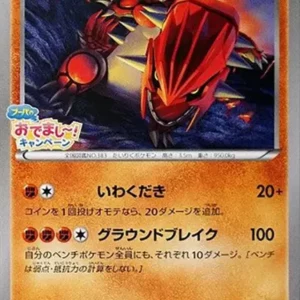
Our own catalogue carries a direct example: Groudon P [XY-P 144], which was distributed through the “To Commemorate The Release of The Movie Hoopa’s Gift! Campaign” — a movie-tie-in promotion, not a pack pull. That’s a fundamentally different distribution mechanism from a card that ships inside a retail booster pack.
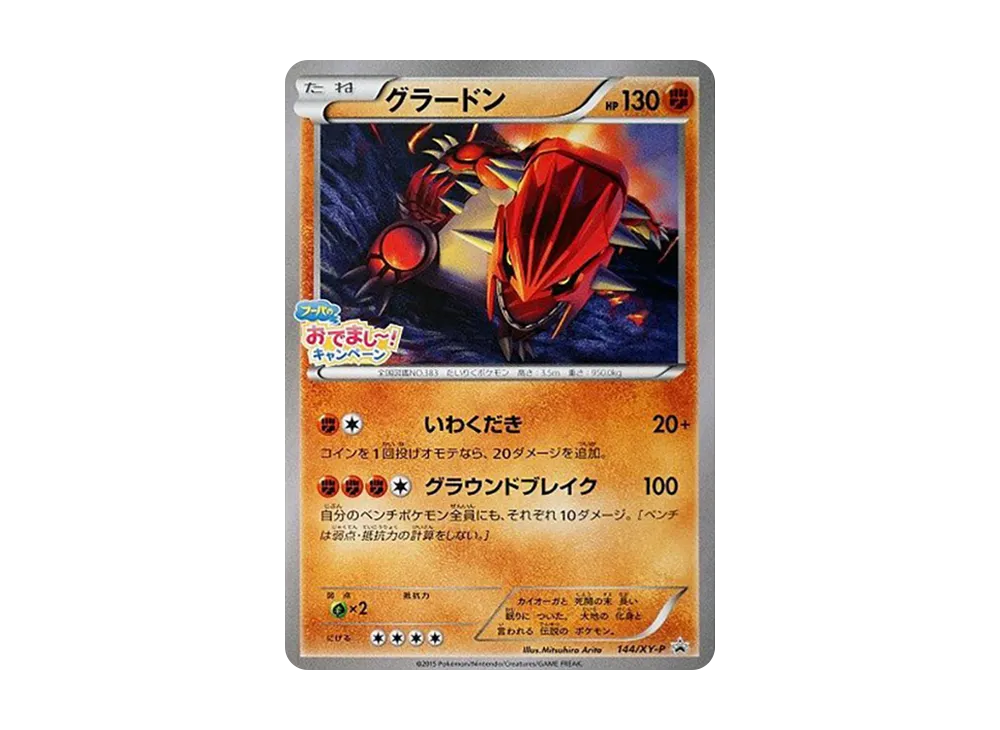
This copy is currently listed at ¥155,999 (~$1,013). If a card isn’t listed on our site at the moment, sourcing requests for it go through Quick Order.
Seeing These Traits in Cards Listed from Japan
Put together, the structural traits above — rarity tier, art treatment, print run/edition marking, third-party grade, and distribution mechanism — are what separate one printing of a card from another before anyone looks at a price tag. Here’s how they show up across five examples, each demonstrating one trait clearly:
| Card | Trait it demonstrates | Store listing (Oct 15, 2026) / lowest SNKRDUNK ask (Oct 8, 2026) |
|---|---|---|
| PSA10 Mega Diancie ex, MA 227/193 | Rarity tier (MA) | Sold out |
| PSA10 Pikachu: Mirror [s8a 001/028] | Art/illustration treatment | Not listed; raw Mirror print ask ¥4,500 |
| PSA10 M Steelix EX SR :1ED [XY11-2 057/054] | Print run (1st Edition) | Not listed; PSA 10 ask ¥31,800 |
| PSA10 Groudon P [XY-P 144] | Distribution mechanism (promo) | Listed at ¥155,999 (~$1,013) |
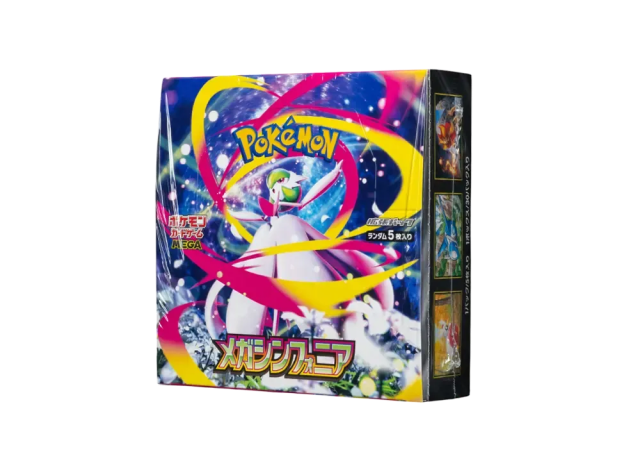
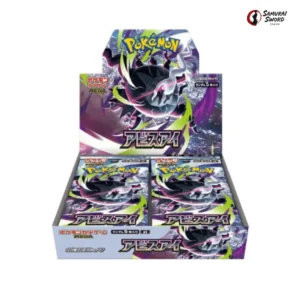
| SV7-Stellar Miracle Booster Box (Japanese) | Entry point — where rarity tier, art treatment and print run come from (promo cards and grading happen outside the box) | Sealed ¥12,457 (~$81) |
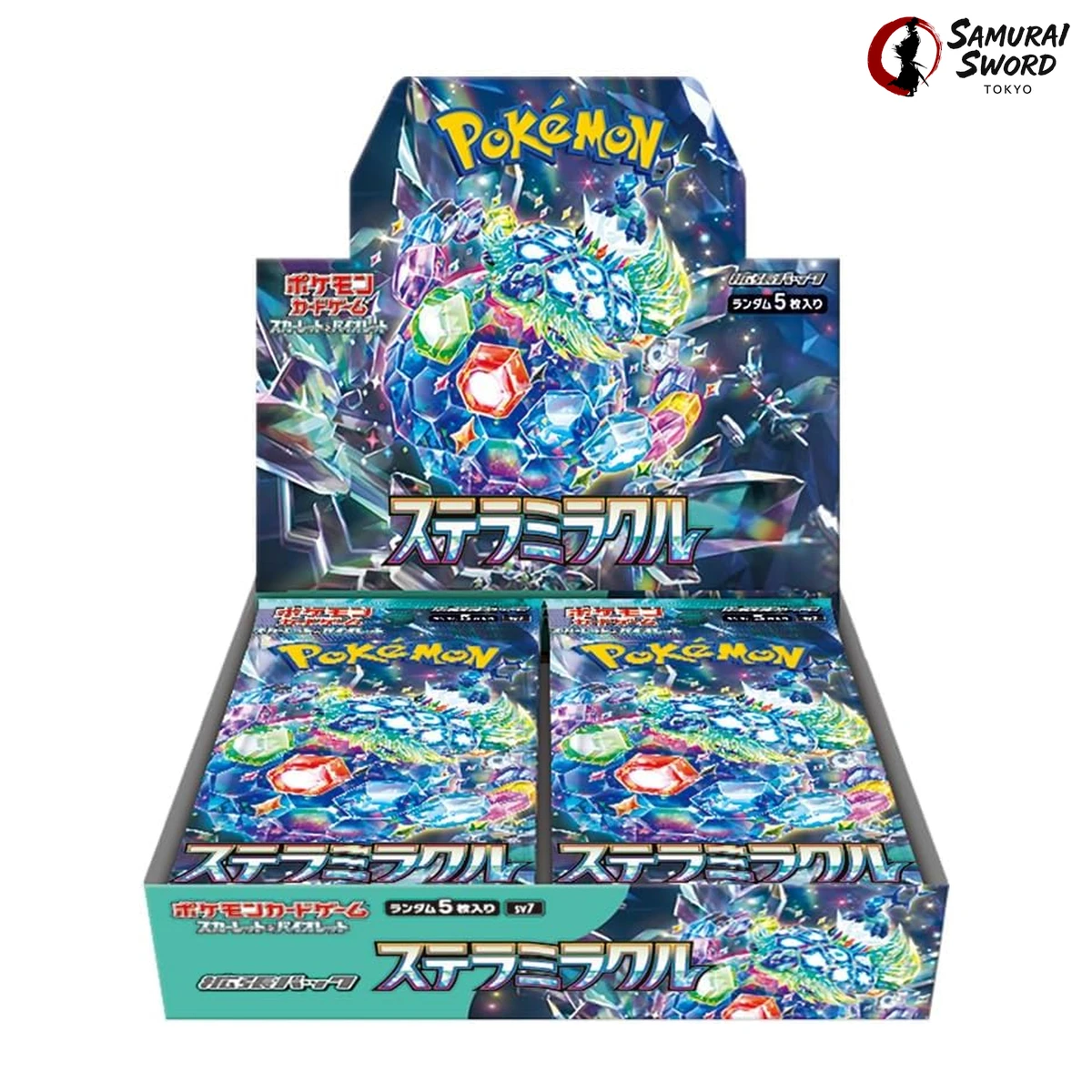
Browse the wider PSA 10 graded card collection or the Japanese Pokemon booster box collection, or send sourcing requests for a specific card through Quick Order.
Frequently Asked Questions
What makes a Pokemon card valuable?
Several structural traits are what the hobby uses to categorize and differentiate one Pokemon card printing from another: its rarity tier (the printed letter code, from Common through Ultra Rare and set-specific secret tiers), its art treatment (full-art illustration versus a standard frame), its print run or edition marking (such as a 1st Edition stamp), its third-party grade if it has been submitted (a PSA 10 certifies Gem Mint condition), and its distribution mechanism (retail pack versus promo release). This guide covers what each trait structurally is, not a price ranking of specific cards.
What makes a Pokemon card rare?
A card’s rarity code, edition mark and promo suffix help identify its print. SAR, UR and MA are examples of set-dependent rarity codes. A 1st Edition stamp identifies Japan’s 2001–2016 first print batches, although the stamp alone does not show which print is scarcer. A promo P suffix identifies a promotional release. These marks identify the print, not its price.
What is the highest rarity tier on a modern Japanese Pokemon card?
C, U, R and RR form the base numbered ladder. Other Japanese rarity codes vary by era and expansion rather than forming one universal single-file order: AR means Art Rare and SAR means Special Art Rare, while codes such as UR, SR, HR, CSR and CHR are set-dependent. Mega-series high-class packs introduced a separate “MA” (Mega Attack Rare) tier documented in Japanese marketing coverage.
What’s the difference between AR/SAR cards and a standard Rare card?
AR and SAR use illustrator-driven artwork across the card, with the card information incorporated into the larger illustration; some examples still have an outer border. Rare and Double Rare cards retain the conventional bordered artwork panel with the text box underneath it. It’s a print-style difference, not simply a claim that the card has no border.
What does 1st Edition mean on a Japanese Pokemon card?
Japan’s 1st Edition stamping ran from 2001 (starting with the Pokemon VS/Web era) through CP6 “20th Anniversary” in 2016. Per Bulbapedia, the Japanese unlimited (non-1st-Edition) print run for a given set is often smaller than that same set’s 1st Edition run — a structural fact about how the set was printed.
What does a PSA 10 grade actually certify?
PSA is a third-party authentication and grading company, and a PSA 10 designation means Gem Mint condition under PSA’s own published grading standards. PSA will reject a card that shows evidence of cleaning (coded N7) rather than assign it a numeric grade — a cleaned card is sent back ungraded, not graded down.
How are promo (P) Pokemon cards distributed differently from set cards?
Promo cards, marked with a P suffix, are distributed through campaigns, movie tie-ins and events rather than sold inside retail booster packs. Our own Groudon P [XY-P 144] is one example, distributed through the “To Commemorate The Release of The Movie Hoopa’s Gift! Campaign.”
Picked for this article
📩 Get member-only sale alerts & coupons
Sale alerts, coupons and restock notices by email — straight from Tokyo.