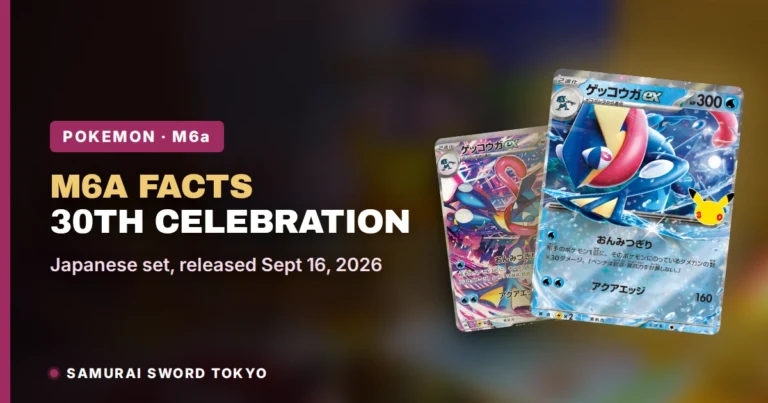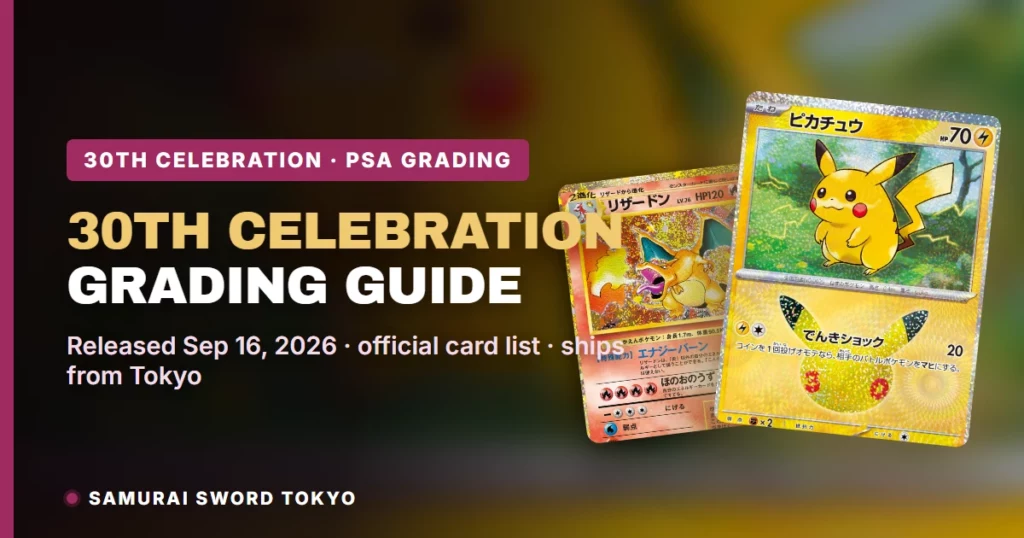
30th CELEBRATION (M6a) released on Wednesday, September 16, 2026. Collectors are already deciding which 30th Celebration cards to grade. The card types collectors typically submit are judged on what the cards actually are, not on any published price or population figure.
Grading fees and turnaround estimates vary by service tier and change over time. The structure of the set shows which tiers exist, what makes a card grading-worthy in general terms, and where the current-set candidates sit relative to graded singles already on the market from earlier sets.
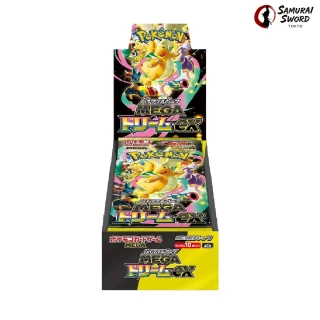
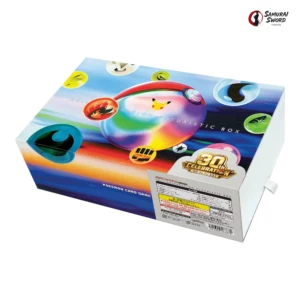
30th CELEBRATION has three tiers collectors commonly submit for grading: the 30-Pikachu holofoil subset (017–046), the SAR/FUR secret-rare block (124–135), and the Classic Collection reprints (136–165). For pulls from a sealed box, see our 30th CELEBRATION Booster Box, whose No Shrink option is currently listed at ¥24,912 (~$162).
- 30th CELEBRATION (M6a) released on September 16, 2026.
- For how the grading companies compare, see our Japanese Pokemon Card Grading Guide (PSA/BGS/CGC).
- Graded singles are indexed on the PSA 10 card list; card numbers for the set are on the 30th CELEBRATION (M6a) card list.
No Population Data in This Update
30th CELEBRATION released on September 16, 2026. PSA population reports only build up after cards have been submitted, graded and logged, so this update includes no PSA population data.
The 30 Pikachu: A Full-Card Foil Subset
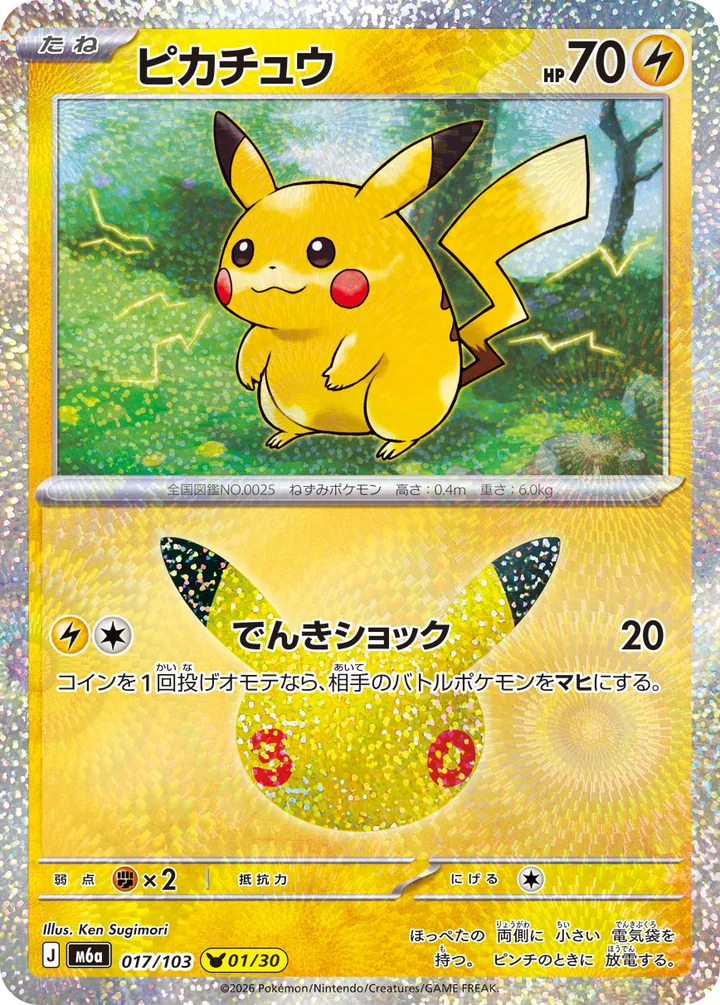
Cards 017 through 046 are 30 Pikachu, each by a different illustrator, each with a fireworks-style holofoil finish across the whole card. This is a subset that lends itself to card-by-card grading, with a full graded run as one possible collecting goal — the appeal is the illustrator variety as much as any individual card. Ken Sugimori’s 017, which recreates his original Jungle-era Pikachu artwork, is the natural lead card of the subset for that reason alone.
Full-card holofoil finishes are worth inspecting closely under grading light for handling marks across the whole surface, since there’s no plain border to hide them.
SAR and FUR: The Set’s Top Secret Rares
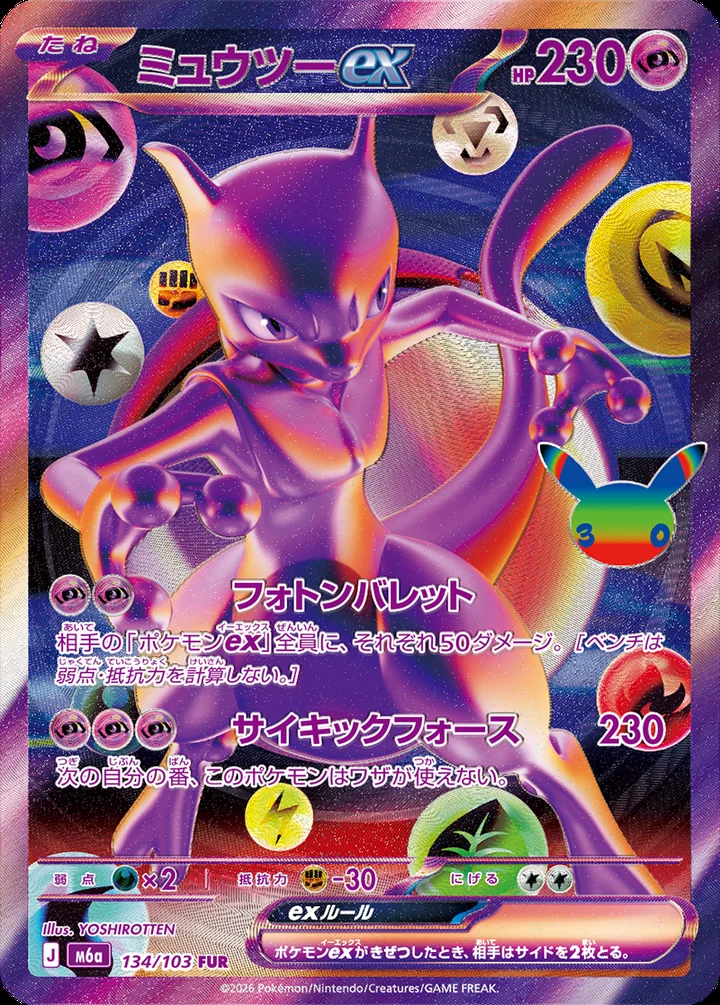
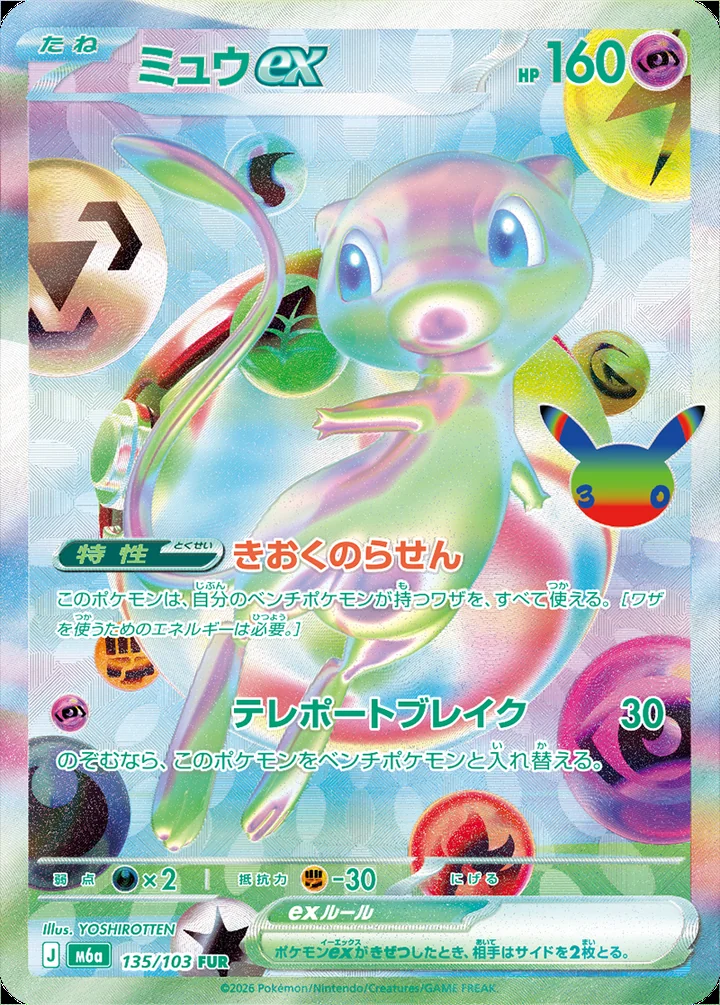
Above the main set sit SAR (Special Art Rare, 124–133 — full-art treatments of the ten Pokémon ex) and FUR (Futuristic Rare, 134–135 — the top two slots, Mewtwo ex and Mew ex, both by YOSHIROTTEN). All 32 secret rares in the 104–135 block have now been seen, but the block is still not in the official card database — it’s compiled from official images and reveal coverage. AR and SAR illustrators are unpublished (the two FUR cards are the confirmed YOSHIROTTEN exception).
Full-art SAR and FUR cards carry detailed foil and border work across the whole card face, and a surface or corner flaw is easier to spot on a full-art card than on a standard frame. Our AR list (all 20 Art Rares) and FUR explained guide cover the full block card by card.
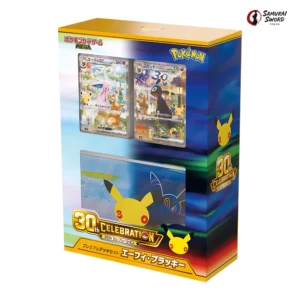
Classic Collection: Reprints of Older Chase Cards
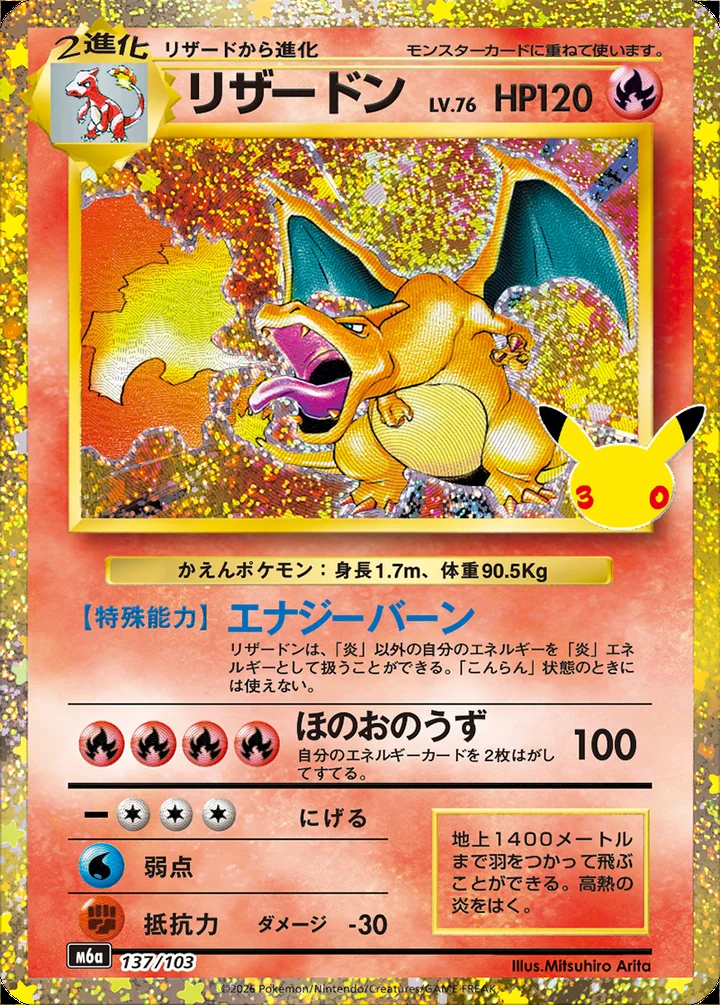
Cards 136 through 165 are the Classic Collection: 30 reprints of older chase cards, carrying no regulation mark and not usable in the current Standard format per the official product page. Charizard (137), reprinting the 1996 first Expansion Pack card, is the obvious grading target here — a modern-print, easy-to-source route to the same card as its original 1996 printing. The same logic applies to the rest of the Classic block: a fresh reprint of a card already popular with collectors in its original printing.
What Makes a Card Worth Submitting
Independent of this set, four checks make any card a stronger grading candidate: centering, corner sharpness, edge wear and surface cleanliness under light. For the tiers above, that translates to:
- The 30 Pikachu: check the full-card foil surface for print lines or scuffing, since there’s no white border to hide it.
- SAR / FUR: check centering closely on the full-art border and look for foil scratches picked up during pack extraction.
- Classic Collection: the same corner and edge checks as any modern reprint, plus confirming the M6a set code and the card number (136–165) to be certain of the printing.
For the difference between the major grading companies themselves, see our CGC vs PSA guide, and for what a PSA 10 grade actually represents, our PSA 10 meaning guide.
Comparable Graded Prints Currently Listed
The closest reference point is how earlier prints of the same species sit in our own PSA 10 back-order listings. None of these listings is this set’s printing — they’re earlier prints of the same Pokemon, shown for context. Each is offered as a PSA 10 back order — sourced to order; the product page shows the current terms. USD figures convert at ¥154/USD, approximate.
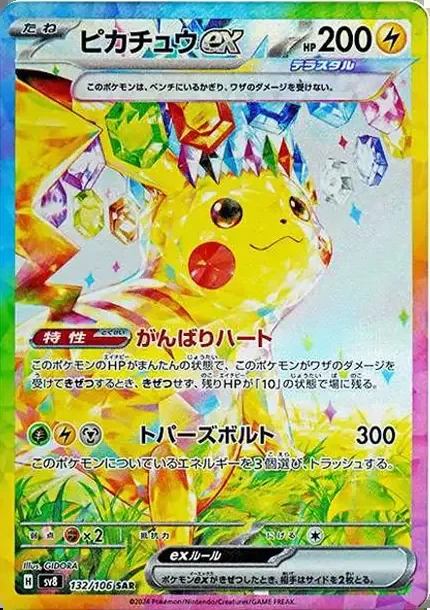
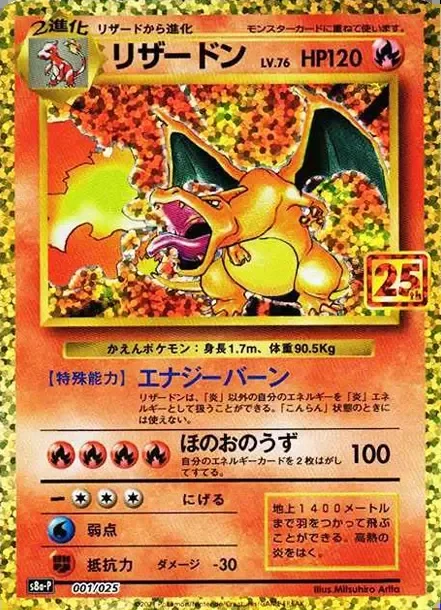
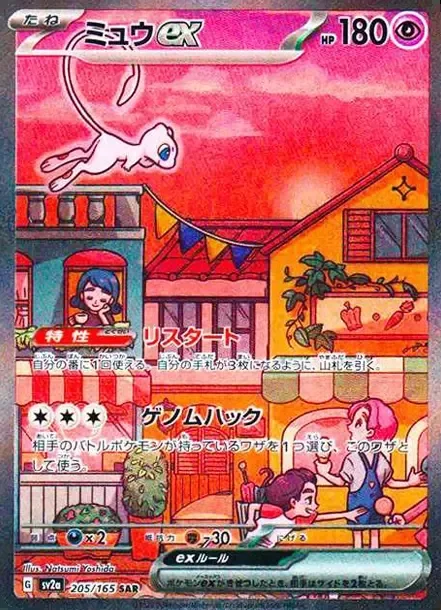
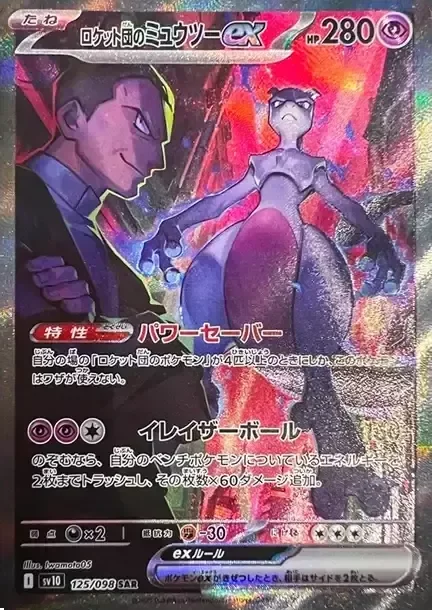
Browse the full PSA10 collection for what’s currently graded and listed. For a worked example of comparing every Japanese PSA 10 print of one Pokémon, see Lugia PSA 10 Japanese Pokemon Cards: Every Japanese Print Compared.
Where to Buy
We ship Japanese sealed product and graded singles out of Tokyo. Our M6a 30th CELEBRATION booster box (Japanese) has a No Shrink option currently listed at ¥24,912 (~$162); the Sealed option is sold out at the time of this update — sourcing requests go through Quick Order.
Browse our PSA10 collection for graded singles across sets, or the Japanese Pokémon card collection for more Japanese product. For a specific 30th CELEBRATION single not currently listed, sourcing requests go through Quick Order.
Frequently Asked Questions
Is there PSA population data for 30th CELEBRATION cards yet?
This update includes no PSA population data for the set. It released on September 16, 2026, and population reports only build up after cards are submitted, graded and logged. The card types themselves — the Pikachu subset, the SAR/FUR block and the Classic reprints — are the guide.
Which 30th CELEBRATION cards do collectors typically send to PSA?
Three tiers stand out: the 30-Pikachu holofoil subset (017–046), the SAR/FUR secret-rare block (124–135), and the Classic Collection reprints (136–165) — all cards with detailed foil or full-art surfaces where condition differences are easy to see.
Why is the SAR/FUR block considered strong grading material?
Full-art SAR and FUR cards have detailed foil and border work across the whole card face, so surface and corner flaws are more visible than on a standard-frame card.
What should I check before submitting a card?
Centering, corner sharpness, edge wear and surface cleanliness under light — four things worth checking before submitting any card. For the 30 Pikachu, check the full-card foil surface closely since there’s no plain border to hide print lines.
Do you list PSA10 graded singles of this set?
Not for this set yet; it released on September 16, 2026. Earlier prints of the same Pokémon, such as PSA 10 Pikachu ex 132/106 SAR and Team Rocket’s Mewtwo ex 125/098 SAR, are offered as PSA 10 back orders, and the PSA 10 collection page shows graded singles from other sets and generations.
What’s the difference between SAR and FUR in this set?
SAR (124–133) covers full-art versions of all ten Pokémon ex from the main set. FUR (134–135) is a smaller, top-tier pair — Mewtwo ex and Mew ex, both by YOSHIROTTEN — in a different alternate-art treatment.
Picked for this article
📩 Get member-only sale alerts & coupons
Sale alerts, coupons and restock notices by email — straight from Tokyo.