The earliest Japanese TCG packaging and original-era card back used Pocket Monsters Card Game branding because Pocket Monsters (ポケットモンスター) was the franchise’s original Japanese name. “Pokemon” is a contraction of that same name that went on to become the franchise’s standard branding internationally — and, within a few years, in Japan’s own card game too. It isn’t a mistranslation of the Japanese name; it’s the same name, shortened.
That history explains why the original 1996 Japanese TCG packaging and the earliest card design carried “Pocket Monsters Card Game” branding rather than “Pokemon.” This guide traces where the name came from, when Japan’s own card-game branding shifted over to “Pokemon,” and how the original naming era connects to the “Old Back” card design that graders and collectors still reference today.
“Pocket Monsters” is the franchise’s original, official Japanese name — older than “Pokemon,” not a corruption of it. The name was almost “Capsule Monsters” before a trademark issue forced a change, prior to the franchise’s 1996 debut. The Japanese TCG launched on October 20, 1996 under “Pocket Monsters Card Game” branding, originally published by Media Factory and developed by Creatures Inc.; Japan’s own card-game branding later moved to “Pokemon Card Game” (ポケモンカードゲーム), which is what’s printed on current Japanese packaging. A sealed Pokemon Card Game Classic set is currently listed at ¥84,000 (~$528) (update: currently sold out — restock requests via Quick Order), and a PSA10 Celebi carrying a literal Old Back “Pocket Monsters”-era print is currently listed at ¥275,000 (~$1,730) (update: currently sold out — restock requests via Quick Order).
Yen figures below convert at ¥159/USD (September 2026). Prices are the store’s current listed prices — check the linked listing for the live number before ordering.
From “Capsule Monsters” to “Pocket Monsters”: The Trademark Story
Before Pokemon existed under that name, it nearly launched under a different one. According to Bulbapedia’s history of the franchise, the concept was originally pitched to Nintendo under the working title “Capsule Monsters.” That name ran into trademark issues before release, so the project was renamed “Pocket Monsters” — the name it has carried in Japan ever since.
This matters for card collectors because it means “Pocket Monsters” is not a nickname, a fan term, or a rough translation. It’s the franchise’s actual, original, official Japanese name — predating “Pokemon” by the entire pre-launch development period. Everything that followed, including the trading card game, was built and branded under that original name in Japan.
Why the Original Japanese TCG Said “Pocket Monsters Card Game”
The Japanese Pokemon Trading Card Game launched on October 20, 1996. It was originally published by Media Factory and developed by Creatures Inc.. Because the underlying franchise name in Japan at the time was “Pocket Monsters,” the original packaging and card branding used that name directly — “Pocket Monsters Card Game” — rather than “Pokemon.” Japan’s own TCG branding later moved on: today’s Japanese packaging is printed as “Pokemon Card Game” (ポケモンカードゲーム), the same “Pokemon” name used internationally.
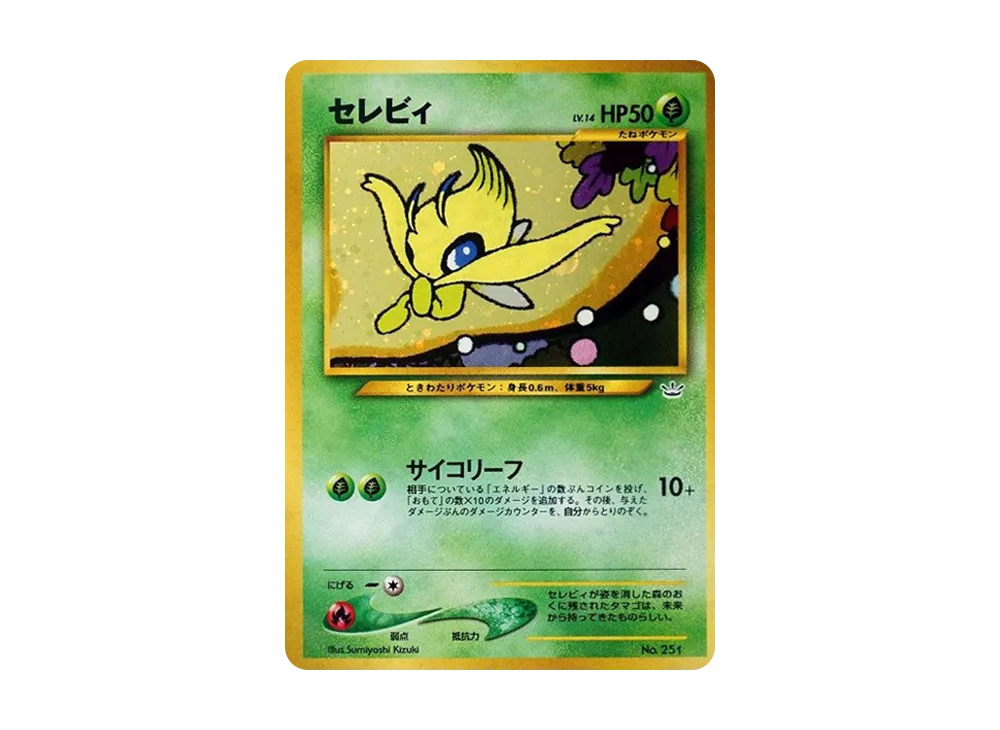
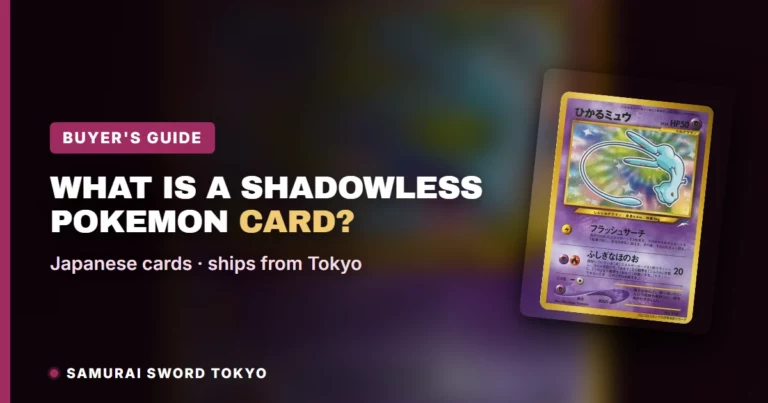
A card like this one is a direct physical example of that early branding period: printed while the Japanese TCG’s own packaging still used the “Pocket Monsters” name, before “Pokemon” became the card game’s own branding as well as the international one. Our sibling piece on Japanese card backs explained covers how the physical card-back design from this same period is identified and graded.
In Japan — and formerly in Korea and China as well — the wider entertainment franchise (the video games and anime) is still officially referred to as the “Pocket Monsters” series. That’s the root reason the earliest Japanese TCG packaging, promotional material, and card branding read differently from what English-speaking collectors are used to seeing — even though the card game itself later adopted the “Pokemon” name in Japan too.
Where the Name “Pokemon” Came From
“Pokemon” is a contraction of “Pocket Monsters.” It became the franchise’s standard branding internationally and, within a few years, the card game’s own branding in Japan as well, alongside “Pocket Monsters” remaining the wider franchise’s official Japanese name for the video games and anime.
| Market | Official franchise name | Where it shows up |
|---|---|---|
| Japan (and formerly Korea/China) | Pocket Monsters (ポケットモンスター) series — video games and anime | Original-era JP TCG packaging and card branding |
| International markets, and Japan’s own card game today | Pokemon — contraction of Pocket Monsters | International releases and Japan’s own “Pokemon Card Game” (ポケモンカードゲーム) branding |
The two names describe the same franchise, released from the same source — they are branding choices tied to different eras and products, not separate franchises or separate histories.
“Pocket Monsters” is sometimes assumed to be an awkward or literal translation of “Pokemon.” It’s the reverse: “Pocket Monsters” is the original name, and “Pokemon” is the derived, shortened English form.
The Name Behind the “Old Back” Card Design
Western grading and hobby terminology splits early Japanese Pokemon cards into “Old Back” and “New Back” categories based on a card-back redesign. “Old Back” describes what the reverse of a card physically looks like, while “Pocket Monsters Card Game” describes branding found on original-era Japanese TCG packaging and cards. The two labels should not be treated as an exact shared date range.
 057/054 SR, listed on samuraiswordtokyo.com](https://samuraiswordtokyo.com/wp-content/uploads/2026/09/img_pocket_ia9ser3lijxpoypfbiu32h2pwxrsyfmo7cbwp5yv-1_08457c6d413b.webp)
Cards like this later XY-era print use a different card-back design from the original-era example, but the underlying franchise identity in Japan — “Pocket Monsters” — hasn’t changed. For the full breakdown of how the physical card-back redesign is identified, see our dedicated Japanese card-back guide, and for how the two languages’ printings differ more broadly, see our Japanese vs English Pokemon cards hub.
Two Names, One Franchise: How It Works Today
Modern Japanese Pokemon cards use “Pokemon Card Game” (ポケモンカードゲーム) branding rather than the original-era “Pocket Monsters Card Game” wording. The broader entertainment franchise — the video games and anime — still carries the “Pocket Monsters” (ポケットモンスター) name in Japan.
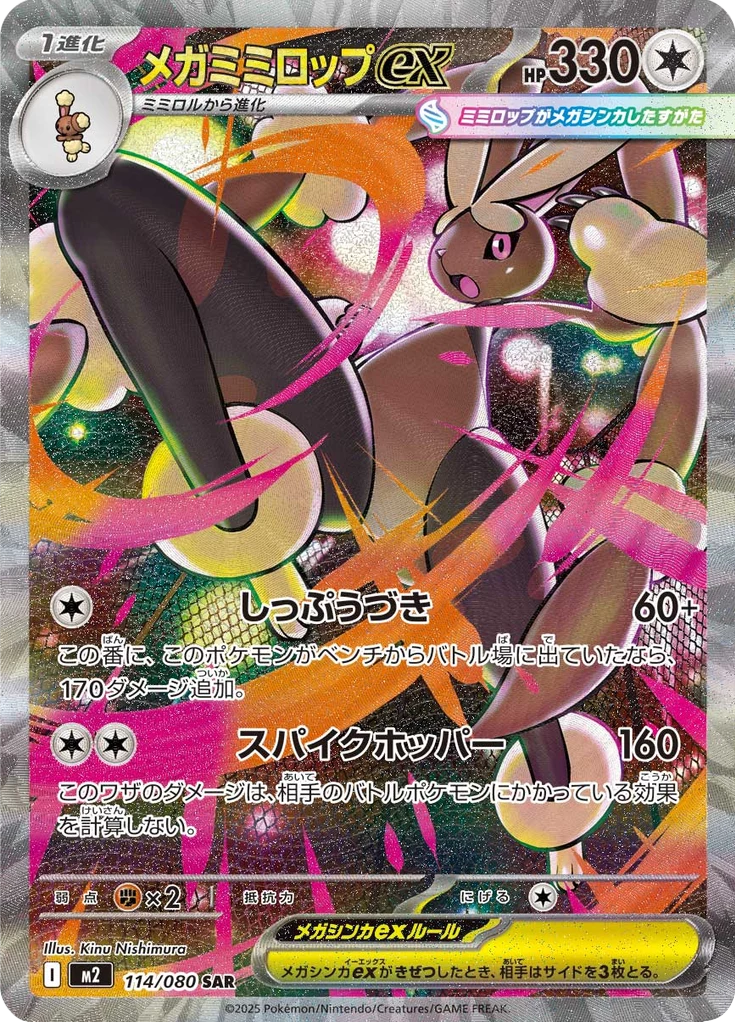
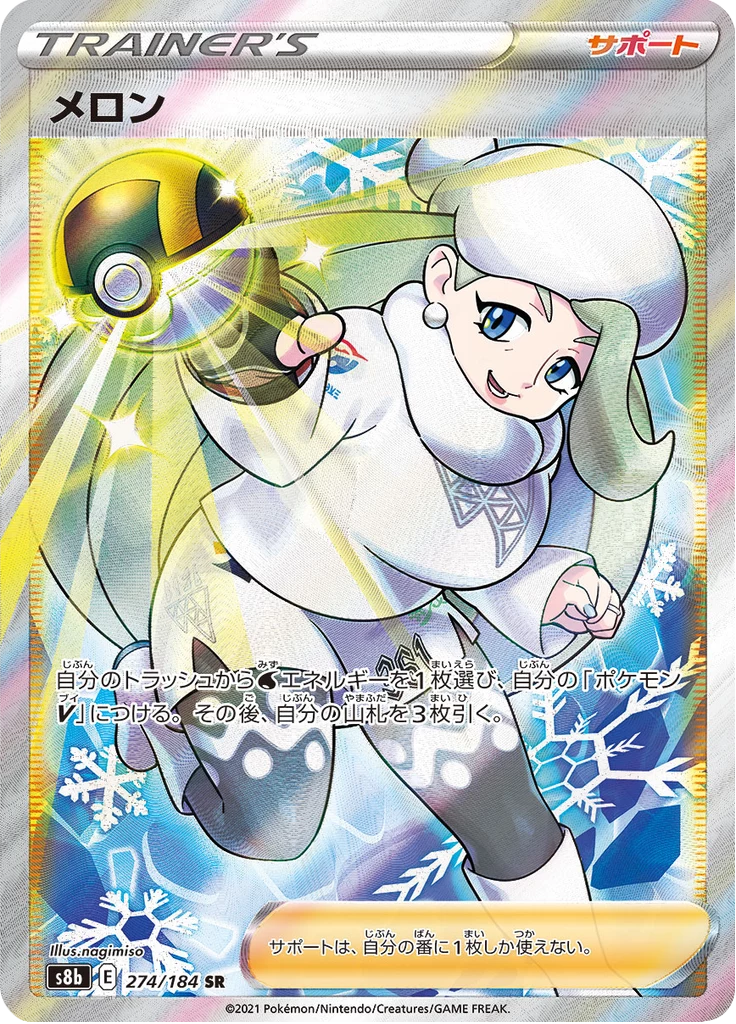
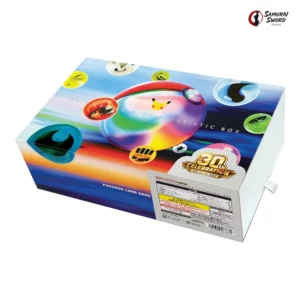
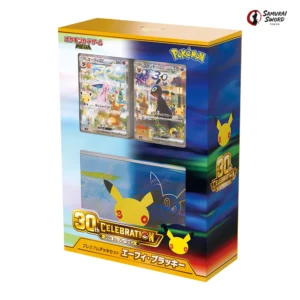
These two current-era Japanese prints carry the modern “Pokemon Card Game” branding, decades removed from the 1996 “Pocket Monsters Card Game” original — though the wider entertainment franchise those cards are based on is still officially the “Pocket Monsters” series in Japan. For readers tracking how the game’s rarity labelling evolved across those same decades, our Japanese trading card games guide covers the wider landscape those sets sit inside.
Buying Japanese Pokemon Cards from Tokyo
Two products referenced in this guide are a sealed Pokemon Card Game Classic set and a graded single that physically dates to the Old Back period.
The Pokemon Card Game Classic set is currently listed at ¥84,000 (~$528) (update: currently sold out — restock requests via Quick Order).
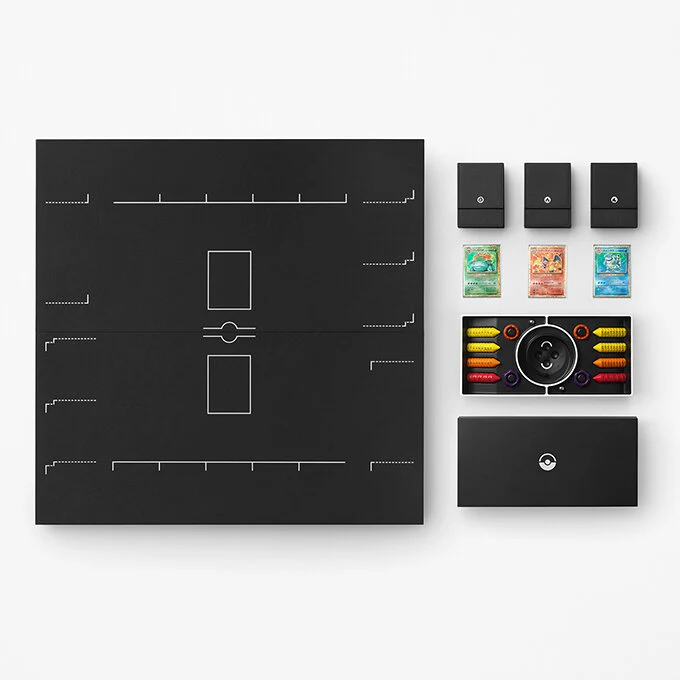
For a graded single that literally carries an Old Back “Pocket Monsters”-era print, the PSA10 Celebi, Old Back [PRMF-3 No.251], is currently listed at ¥275,000 (~$1,730) (update: currently sold out — restock requests via Quick Order). For contrast, a much later-era print that’s still part of the same modern Japanese franchise — the PSA10 M Steelix EX SR, 1st Edition [XY11-2 057/054], is currently listed at ¥66,000 (~$415) — useful if you’d rather see how the identity carries into a later-era print without paying an Old Back premium. For the wider first-edition landscape between those two eras, see our Japanese 1st Edition cards guide and our vintage Japanese booster box guide for sealed product from the same period.
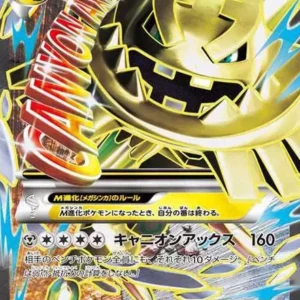
For graded singles from other eras, our PSA10 graded card collection and Pokemon card box collection cover current listings, and our Quick Order page is the fastest way to request a specific print or set.
Frequently Asked Questions
Why did the original Japanese Pokemon cards say “Pocket Monsters” instead of “Pokemon”?
Because “Pocket Monsters” was the franchise’s original, official Japanese name when the TCG launched in 1996. “Pokemon” is a contraction of that name, and Japan’s TCG packaging later switched to “Pokemon Card Game” branding.
Was “Pokemon” originally going to be called something else?
Yes. The franchise was first pitched to Nintendo under the working title “Capsule Monsters.” A trademark issue forced a change before release, and the name became “Pocket Monsters” — the name Japan still uses for the series today.
When did the Japanese Pokemon Trading Card Game launch?
October 20, 1996. It was originally published by Media Factory and developed by Creatures Inc.
Who originally published and developed the Japanese TCG?
Media Factory originally published the Japanese TCG, with Creatures Inc. as developer.
Is “Pocket Monsters” a mistranslation of “Pokemon”?
No. It’s the reverse of that assumption — “Pocket Monsters” is the original, official Japanese name, and “Pokemon” is the derived, shortened form.
Does “Pocket Monsters” branding only appear on old cards?
The verified original-era examples use “Pocket Monsters Card Game” branding, while today’s Japanese TCG packaging says “Pokemon Card Game.” This guide does not assign an exact shared date range to that branding and the Old Back designation.
Picked for this article
📩 Get member-only sale alerts & coupons
Sale alerts, coupons and restock notices by email — straight from Tokyo.