A “raw” Pokemon card is simply one that hasn’t been submitted to a grading company — the term describes its status, not its condition. A PSA 10 is a card that has been examined against PSA’s published Gem Mint standard and encapsulated at the top of a 1–10 scale. The difference between the two is not a matter of opinion: PSA publishes the exact wording it grades against, and that wording applies identically to Japanese and English cards.
This guide walks through that official standard line by line — what “Gem Mint” actually requires, the four things graders check under magnification, the centering math PSA uses to separate a 10 from everything below it, and the specific reasons PSA will refuse to grade a card at all. It also covers where Japanese cards fit into all of this, since the assumption that Japanese product gets an easier ride through grading is common and wrong.
The October 7, 2026 update covers our store listings and prices only; the other facts in this article were last checked on September 4, 2026.
PSA’s Gem Mint 10 standard requires four sharp corners, sharp focus, full original gloss, no staining, and centering within 55/45 on the front and 75/25 on the back — the same wording, checked the same way, on Japanese and English cards alike. “Raw” just means ungraded; it says nothing about condition until a card is actually checked against that standard. The PSA 10 Blastoise 003/032 slab is sold out at the time of this update, and readers who’d rather grade their own cards can start from a sealed SV2A Pokemon 151 booster box, currently listed at ¥44,961 (~$292) (update: currently sold out — restock requests via Quick Order). USD figures convert at ¥154/USD, approximate.
What “Raw” Actually Means
“Raw” is collector shorthand for a card that hasn’t been submitted to, or encapsulated by, a grading company. It’s an industry term, not a PSA-defined grade — PSA’s own standards page never uses it. A raw card can be in any condition from pack-fresh to heavily played; the label only tells you it hasn’t been formally checked against a numeric scale yet.
That matters because “raw” and “poor condition” get conflated constantly. A card straight out of a freshly opened Japanese booster can be raw and essentially flawless, or a raw card can have been through a decade of binder wear. The only way to move a card from “raw” to a documented condition is to submit it and have it measured against the criteria below.
The PSA Gem Mint 10 Standard, Word for Word
PSA publishes its Gem Mint 10 definition directly, and it’s worth reading in full rather than paraphrased, because the wording is precise about what is and isn’t allowed:
“A PSA Gem Mint 10 card is a virtually perfect card. Attributes include four perfectly sharp corners, sharp focus and full original gloss. A PSA Gem Mint 10 card must be free of staining of any kind, but an allowance may be made for a slight printing imperfection, if it doesn’t impair the overall appeal of the card. The image must be centered on the card within a tolerance not to exceed approximately 55/45 percent on the front, and 75/25 percent on the reverse.”
Three things stand out in that wording. First, “virtually perfect” is not “perfect” — PSA explicitly allows a slight printing imperfection at the factory-print stage, provided it doesn’t hurt the card’s overall appeal. Second, staining of any kind is a hard disqualifier for a 10, with no allowance. Third, centering is given an exact numeric tolerance rather than a subjective description — that number is the subject of its own section below.
The Four Pillars: Centering, Corners, Edges, Surface
PSA’s grading-standards page structures every numeric grade around the same four attributes, checked under magnification:
| Pillar | What it covers |
|---|---|
| Centering | How evenly the printed image sits within the card’s border, front and back |
| Corners | Sharpness of all four corners — a Gem Mint 10 requires all four to be perfectly sharp |
| Edges | Condition of the card’s cut edges, checked for whitening, chipping, or roughness |
| Surface | Gloss, print quality, and freedom from staining, scratches, or print defects across the front and back |
These four pillars are the same across every numeric grade PSA issues, from 1 through 10 — only the tolerance for flaws in each category changes as the grade drops. At the top of the scale, a Gem Mint 10 requires all four pillars to be effectively flawless at once, which is why a single soft corner or a hint of edge whitening is enough to keep an otherwise clean card out of that top slot.
Centering Tolerance: The 55/45 and 75/25 Rule
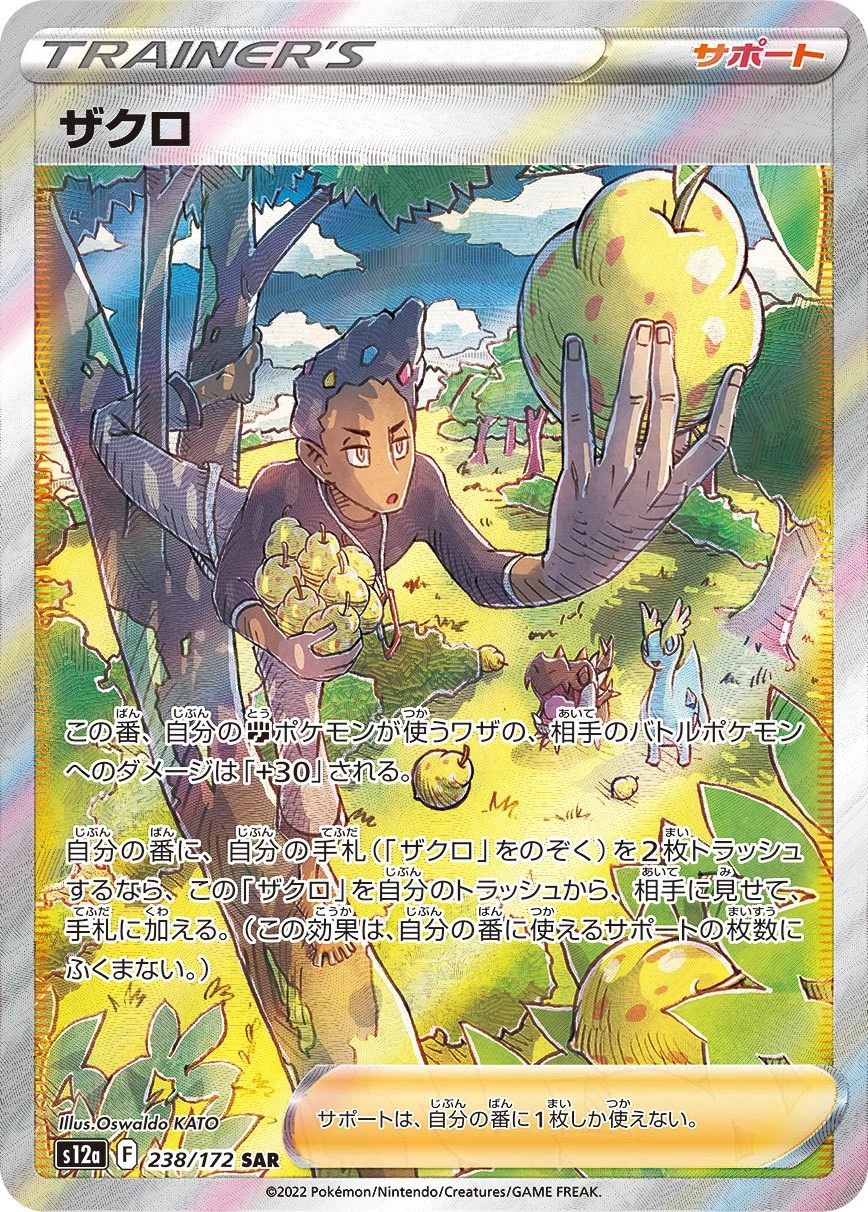
Centering is the one pillar PSA quantifies with an exact number rather than a description, and it’s the easiest one for a collector to check at home without magnification. For a Gem Mint 10, the front border tolerance is approximately 55/45 percent, and the back border tolerance is a looser 75/25 percent.
In practice, that means the printed border framing the artwork can be up to roughly 55% wide on one side and 45% on the opposite side before a card fails the centering requirement for a 10 — front and back are judged separately, and the back is allowed to run further off-centre than the front. This is checked with the same measurement on Japanese and English cards, because both are printed at the same physical card size.
Japanese and English Pokemon cards share the same 63×88mm dimensions, which means the same border-percentage math applies identically to both — there’s no separate centering formula for Japanese print runs, and no adjustment for the fact that Japanese cards are produced on different presses.
No-Grade and Qualifier Codes: Trimming (N1) and Marks (MK)
Not every card that gets submitted comes back with a number. PSA also publishes specific “No Grade” and qualifier codes for cards that fall outside what it will certify at all, and two of the clearest examples are trimming and writing.
N1 — Evidence of Trimming. PSA states it “will not grade cards that bear evidence of trimming, re-coloring, restoration, or any other forms of tampering, or are of questionable authenticity.” The specific signs PSA looks for include “a hooked appearance along the edge, unusually sharp or uncommon edges for the issue, an inconsistent tone to the color of the edge in question or a wavy, unnatural look to the edges.” A trimmed card is disqualified outright, regardless of how sharp its corners or how full its gloss might otherwise look.
MK — Marks qualifier. “Any and all cards with writing, ink marks, pencil marks, etc. or evidence of the impression left from the act of writing will be designated ‘MK.'” Unlike trimming, this doesn’t necessarily block a numeric grade outright, but it flags the card with a qualifier that follows it permanently on the certification.
Both codes exist for the same reason: PSA’s numeric scale only measures condition on a card it has first confirmed is unaltered and authentic to how it left the printer. A raw card with pencil marks on the back, or edges that have clearly been cut down, isn’t a low-grade card — it’s a card PSA may decline to number at all.
Do Japanese Cards Get an Easier Scale? No
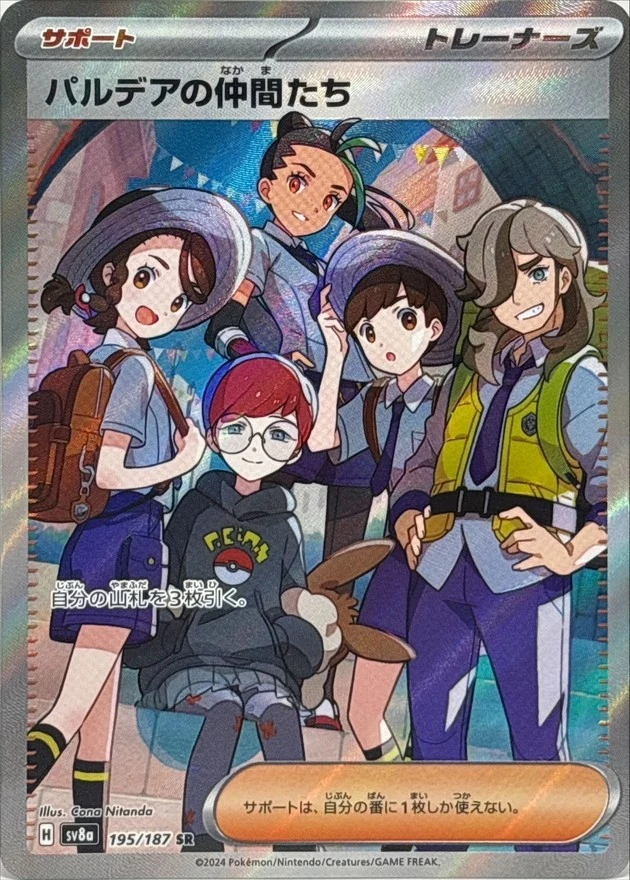
There’s a common assumption that Japanese Pokemon cards are graded on a more forgiving scale than English cards, or that Japanese print quality gets “graded on a curve.” That isn’t how PSA’s published standard works. The Gem Mint 10 wording above — four sharp corners, full original gloss, no staining, 55/45 front centering, 75/25 back centering — is a single standard PSA applies regardless of the card’s language or country of print. There is no separate Japanese grading scale documented anywhere in PSA’s standards.
What does differ between Japanese and English print runs is the raw material coming out of the pack, not the yardstick used to measure it. Because Japanese and English cards are the same physical size, the same centering-percentage math is checked the same way on both. A Japanese card that grades 10 has cleared exactly the same bar as an English card that grades 10 — the certification itself carries no language qualifier.
From Raw to PSA 10: What to Buy from Tokyo
Once you understand the standard a card is checked against, the practical question becomes whether to buy raw and take the grading risk yourself, or buy a card that’s already been certified. Both routes are viable, and we ship both out of Tokyo.
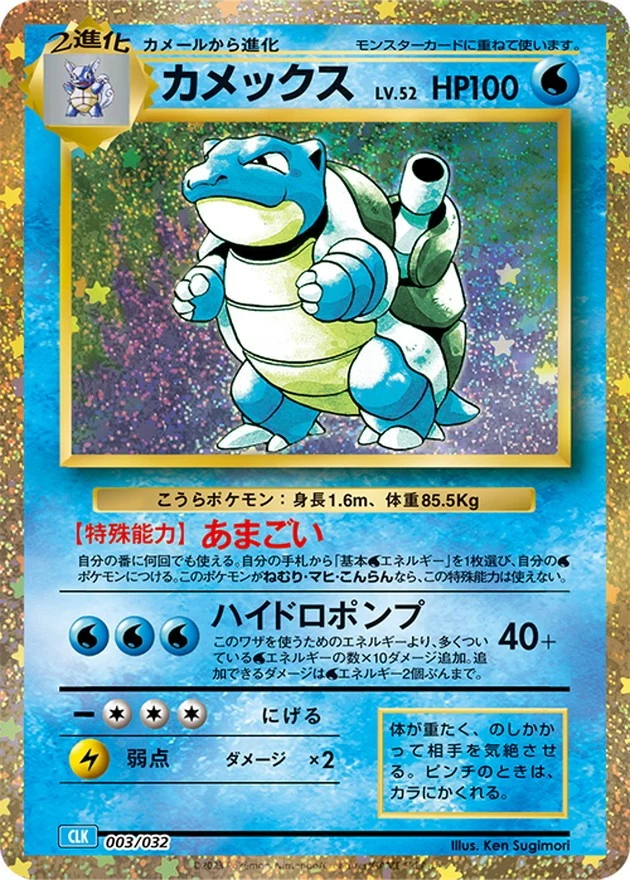
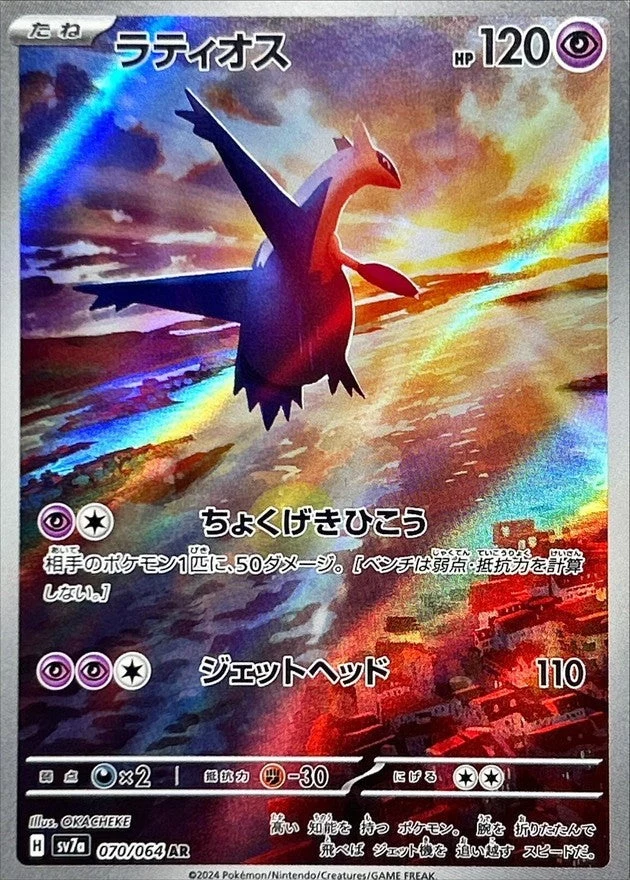
If you’d rather skip the grading process entirely, a certified PSA 10 removes the guesswork: the PSA 10 Grant SAR (VSTAR Universe) is currently listed at ¥9,775 (~$63). The PSA 10 Blastoise 003/032 slab and the PSA 10 Latios 070/064 AR are sold out at the time of this update. Every certified card like these has already cleared the exact standard covered above — four sharp corners, full gloss, no staining, and centering within tolerance — and arrives encapsulated. More certified examples are browsable in our PSA 10 graded card collection.
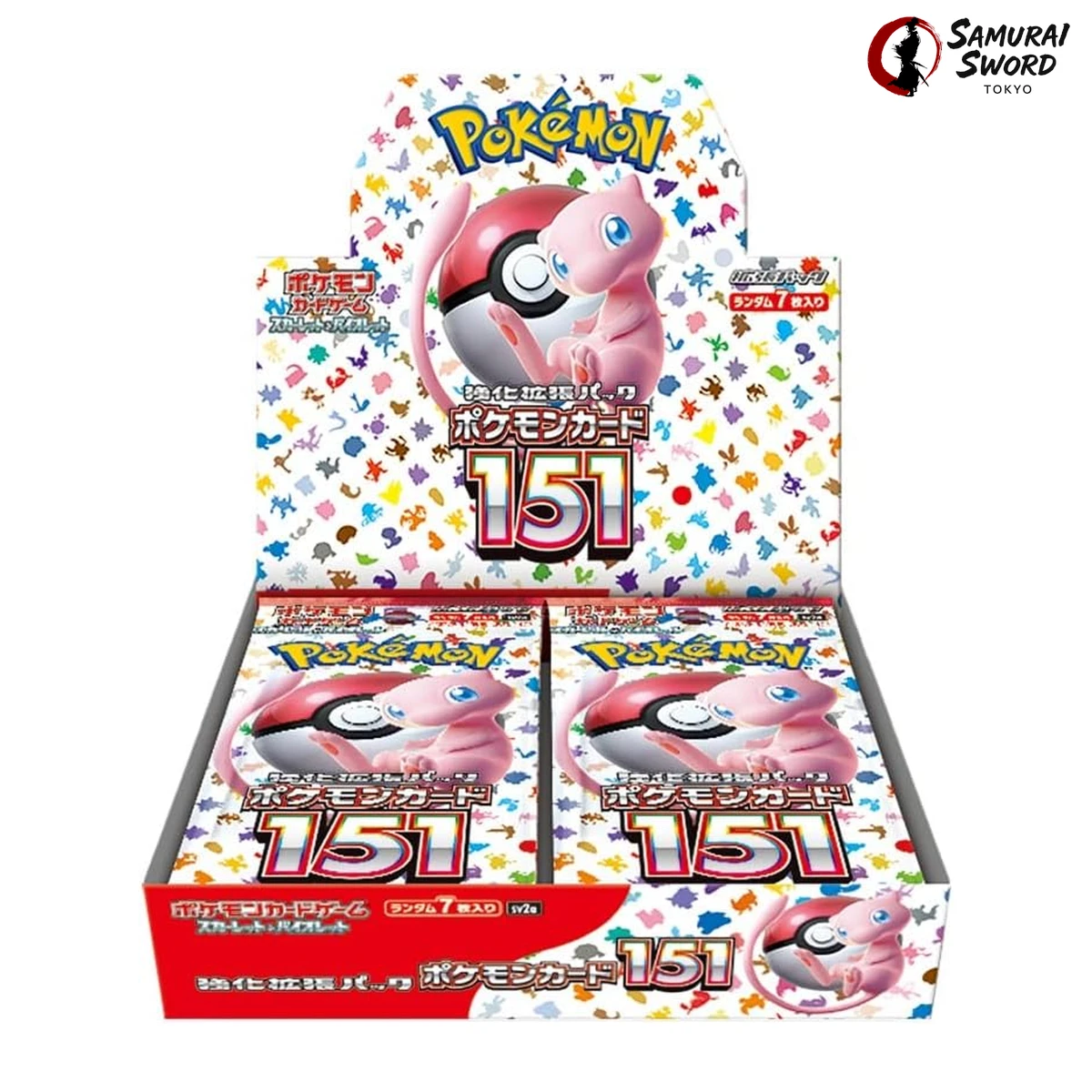
If you’d rather pull and grade your own cards, starting from sealed Japanese product means every card comes to you raw and untouched: an SV2A Pokemon 151 Japanese booster box is currently listed at ¥44,961 (~$292) (update: currently sold out — restock requests via Quick Order). Cards not currently listed on our site can be sourced through our Quick Order page.

For the wider question of which grading company to use and how their scales compare, see our Japanese Pokemon card grading guide, which covers PSA, BGS, and CGC side by side — this article focuses only on the PSA raw-vs-10 standard in detail. For what “PSA 10” signals to buyers specifically, see PSA 10 meaning for Pokemon cards, and for a head-to-head on the two most common grading choices, see CGC vs PSA for Pokemon cards. If you’re checking a raw card before submitting it, our guide to spotting fake Japanese Pokemon cards is a useful first pass, since PSA’s N1 authenticity check happens after submission, not before.
Frequently Asked Questions
What does “raw” mean for a Pokemon card?
Raw is collector shorthand for a card that hasn’t been submitted to, or encapsulated by, a grading company. It describes status, not condition — a raw card can be pack-fresh or heavily played, and there’s no way to know which without checking it against a published grading standard.
What is the official PSA Gem Mint 10 standard?
Per PSA’s own grading-standards page: “A PSA Gem Mint 10 card is a virtually perfect card. Attributes include four perfectly sharp corners, sharp focus and full original gloss. A PSA Gem Mint 10 card must be free of staining of any kind, but an allowance may be made for a slight printing imperfection, if it doesn’t impair the overall appeal of the card. The image must be centered on the card within a tolerance not to exceed approximately 55/45 percent on the front, and 75/25 percent on the reverse.”
Do Japanese Pokemon cards get graded on an easier scale than English cards?
No. PSA applies the same published Gem Mint 10 standard — the same corners, gloss, staining, and centering criteria — to Japanese and English cards alike. Since both are printed at the same 63×88mm size, the same centering-percentage math applies identically to both languages.
What are the four things PSA checks under magnification?
Centering, corners, edges, and surface. These four pillars apply across every numeric grade PSA issues; at the Gem Mint 10 level, all four must be effectively flawless at once.
What is PSA’s centering tolerance for a Gem Mint 10?
Approximately 55/45 percent on the front of the card and 75/25 percent on the reverse. The front and back are measured separately, and the back is allowed a wider tolerance than the front.
Why would PSA refuse to grade a card at all?
PSA issues “No Grade” codes for cards it won’t certify. N1 covers evidence of trimming, re-colouring, restoration, or other tampering — signs include a hooked edge appearance, unusually sharp or uncommon edges, an inconsistent edge colour tone, or a wavy, unnatural edge look. Separately, the MK qualifier is applied to any card with writing, ink marks, pencil marks, or evidence of the impression left by writing.
Picked for this article
📩 Get member-only sale alerts & coupons
Sale alerts, coupons and restock notices by email — straight from Tokyo.